Technical Sourcing Overview: Why Aerospace Titanium Fasteners Dominate Modern Aviation
In modern aerospace structure design, fastidious weight reduction directly correlates with fuel efficiency, payload expansion, and operational range. Aerospace Titanium Fasteners represent a pivotal category of structural joining solutions, combining high strength-to-weight ratios with exceptional resistance to environmental and chemical corrosion.
As commercial aircraft OEMs, defense contractors, and urban air mobility (eVTOL) innovators continuously shift from traditional aluminum airframes to Carbon Fiber Reinforced Polymer (CFRP) composite structures, standard alloy steel and aluminum fasteners present severe design liabilities. Titanium fasteners solve two critical engineering challenges: eliminating galvanic corrosion when in contact with carbon composites and providing shear/tensile strengths exceeding 1,100 MPa while weighing 44% less than equivalent steel hardware.
This technical sourcing guide provides procurement executives, component engineers, and supply chain directors with an authoritative analysis of aerospace titanium fastener selection, material metallurgy, manufacturing quality control, future industry shifts, and critical procurement considerations.
1. Product Recommendations & Material Specifications for Aerospace Applications
Selecting the correct aerospace titanium fastener requires balancing ultimate tensile strength (UTS), fatigue endurance limit, fracture toughness, thermal expansion matching, and thread manufacturing techniques. Below are the primary technical grade recommendations engineered and manufactured by Jiaxing Wexra Titanium Products Co., Ltd.:
Ti-6Al-4V Grade 5 (UNS R56400 / AMS 4928)
Primary Application: Structural airframe bolts, wing-to-fuselage joints, landing gear attachment points, engine pylons.
Technical Highlights: An alpha-beta alloy offering minimum tensile strength of 895–1,100 MPa, excellent fatigue strength, and heat treatability (STA condition). It is the undisputed workhorse of aerospace fasteners.
Ti-6Al-4V ELI Grade 23 (UNS R56401 / AMS 4930)
Primary Application: Cryogenic fuel system fasteners, high-damage-tolerance structural joints, space launch vehicles.
Technical Highlights: Extra Low Interstitial (ELI) variant offering enhanced fracture toughness, superior ductility, and reduced risk of micro-cracking under severe thermal shock or cyclic fatigue.
Commercially Pure Grade 2 (UNS R50400 / ASTM B348)
Primary Application: Non-structural interior cabin trim, hydraulic system clips, secondary electrical grounding straps.
Technical Highlights: Superior formability and immune corrosion resistance in chemical/moisture environments where lower structural loads allow pure titanium utilization.
Aerospace Standard Fastener Configurations
Jiaxing Wexra Titanium Products Co., Ltd. produces standardized NAS (National Aerospace Standard), AS (Aerospace Standard), and MS (Military Standard) compliant fastener geometries, as well as fully customized OEM drawing components:
- NAS 6204 through NAS 6220 Series: Titanium alloy shear bolts featuring precision shank tolerances, rolled threads, and 100-degree countersunk or protruding hex heads.
- AS 118501 to AS 118600 Series: High-temperature 12-point double hex flange head titanium bolts engineered for compact turbine engine assemblies and high-vibration engine bay compartments.
- Self-Locking Titanium Nuts & Gang Channels: Featuring non-metallic or metallic crimped locking elements to prevent rotational back-off under intense vibration spectra.
- Custom High-Precision CNC Aerospace Components: Machined from solid forged titanium bar stock using multi-axis CNC turn-mill centers for custom flight control linkages and specialized actuator hardware.
| Material Designation | Density (g/cm³) | Tensile Strength UTS (MPa) | Yield Strength 0.2% (MPa) | CFRP Galvanic Compatibility | Max Temp Limit (°C) |
|---|---|---|---|---|---|
| Titanium Ti-6Al-4V Gr5 (STA) | 4.43 | 1,100 | 1,000 | Excellent (0.05V) | 400°C |
| Titanium Gr23 ELI | 4.43 | 950 | 880 | Excellent (0.05V) | 400°C |
| Inconel 718 (AMS 5662) | 8.19 | 1,275 | 1,034 | Moderate (0.15V) | 650°C |
| A286 Stainless (AMS 5737) | 7.92 | 1,000 | 720 | Moderate (0.20V) | 538°C |
| Aluminum 7075-T6 | 2.81 | 570 | 505 | Severe Risk (0.65V) | 120°C |
2. Future Procurement Trends in Aerospace Titanium Fasteners (2025–2035)
The global aerospace hardware procurement landscape is undergoing radical technological and supply chain shifts. Strategic buyers must account for the following emerging trends when selecting long-term fastener supply partners:
A. Growth of eVTOL and Urban Air Mobility (UAM) Lightweighting
Electric Vertical Take-Off and Landing (eVTOL) aircraft designs are constrained by battery energy density limits. Every kilogram saved translates directly to increased range and payload capacity. As a result, eVTOL manufacturers are adopting aerospace-grade Grade 5 titanium fasteners at rates 300% higher per structural weight unit than legacy regional turboprops, driving surge demand for miniature precision titanium screws and lightweight hollow-shank bolts.
B. Advanced Low-Friction Thin-Film Coatings to Prevent Thread Galling
A historical challenge with titanium-on-titanium threaded assemblies is thread galling (cold welding under sliding friction). Future procurement specs increasingly dictate advanced surface engineering, such as physical vapor deposition (PVD) Diamond-Like Carbon (DLC) coatings, ion-vapor deposited (IVD) aluminum, physical silver plating (AMS 2410), and specialized Type II anodization combined with solid film dry lubricants. These coatings stabilize installation torque-tension relationships without adding dimensional bulk to precision threads.
C. Near-Net-Shape Additive Manufacturing & Hybrid Fastener Stock
Traditional titanium bolt manufacturing involves machining or cold-heading titanium wire rod stock, yielding buy-to-fly material waste ratios as high as 5:1. Emerging aerospace trends leverage additive manufacturing (electron beam melting and laser powder bed fusion) to generate pre-formed titanium fastener blanks, which are subsequently precision CNC finish-turned and thread-rolled, reducing raw material waste and lead times by up to 40%.
D. Blockchain-Enabled Digital Material Traceability & Smart Certificates
With aerospace safety standards governed by rigorous FAA, EASA, and CAAC regulations, procurement departments are transitioning away from paper-based mill test reports (MTR). Modern supply contracts demand digitally verified, cryptographically signed material certification packages tracing titanium sponge origin, vacuum arc remelting (VAR) heats, ultrasonic flaw detection data, and heat treatment log files down to individual bolt batch numbers.
3. Industry Development & Technological Evolution Trends
The manufacturing technology behind aerospace titanium fasteners has evolved beyond simple lathe turning. Achieving the extreme fatigue endurance ratios required by flight-critical standards requires continuous innovation in thermomechanical processing and surface modification:
Thread Rolling Post Heat-Treatment
Cutting threads with a traditional turning tool creates micro-notches and interrupts material grain flow, significantly reducing fatigue life. Modern aerospace bolts require thread rolling after Solution Treating and Aging (STA). Thread rolling cold-works the root radius, inducing favorable compressive residual stresses that increase fatigue endurance limit by over 200%.
Large Fillet Head Forging & Fillet Rolling
The junction between the bolt head and shank is a high-stress concentration zone. Automated hot-heading equipment with precise induction heating controls optimizes grain flow contour around the head-to-shank fillet radius, followed by mechanical fillet rolling to maximize shear fatigue performance.
Nondestructive Testing (NDT) Integration
Flight-critical structural hardware mandates 100% eddy current testing (ECT) for thread surface micro-fissures and fluorescent penetrant inspection (FPI) for sub-surface material discontinuities prior to delivery.
4. Manufacturing Strengths & Enterprise Advantages: Jiaxing Wexra Titanium Products Co., Ltd.
As a specialized manufacturer focused entirely on titanium and titanium alloy production, Jiaxing Wexra Titanium Products Co., Ltd. delivers precision-engineered solutions tailored to international aerospace, motorsport, marine, and defense buyers.
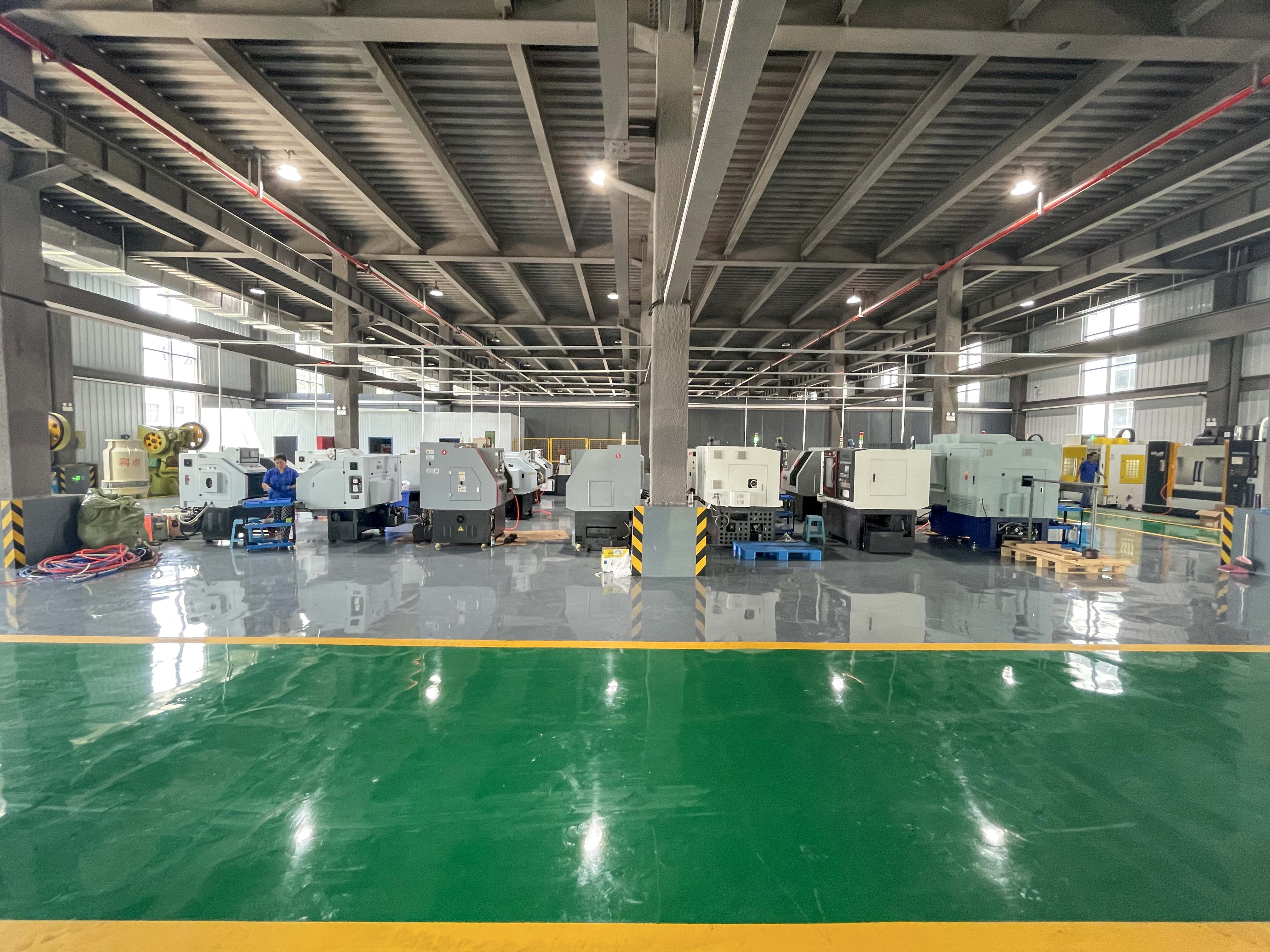
Complete In-House Process Control
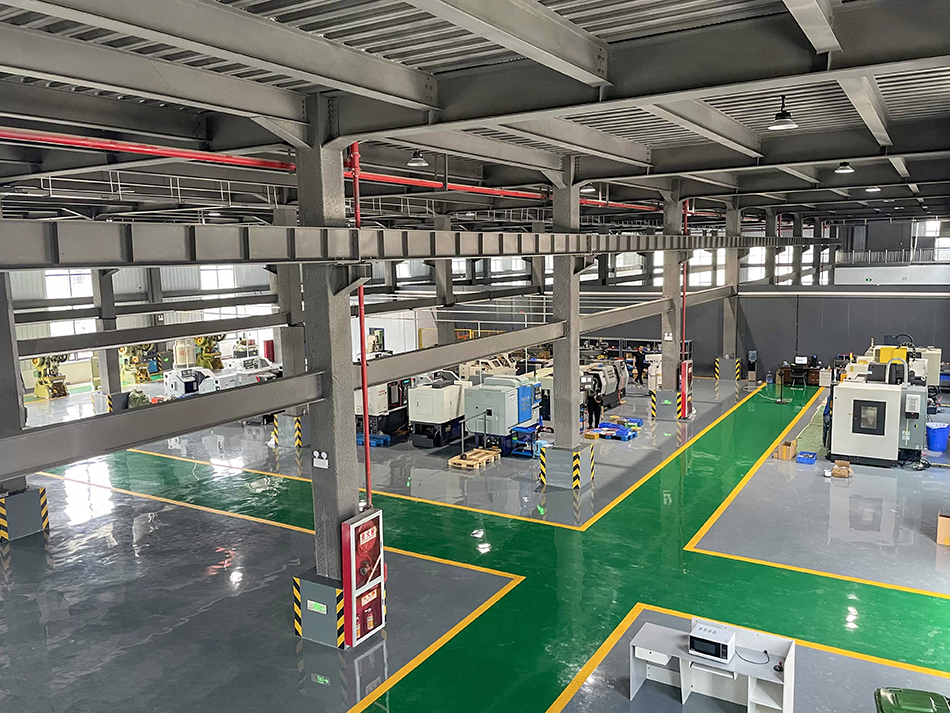
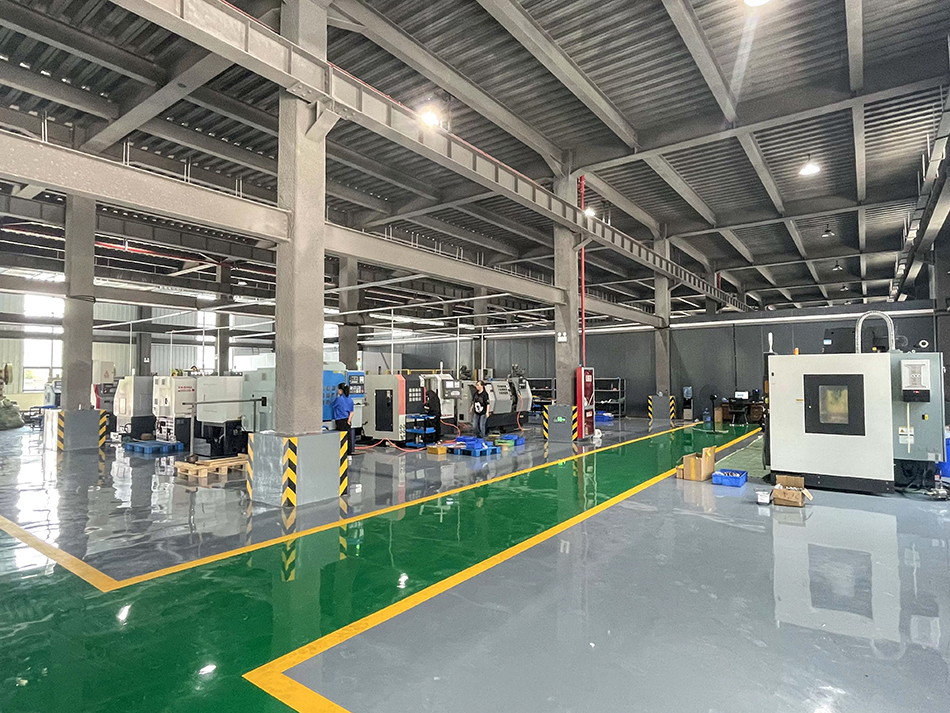
Our modern facility located in Zhejiang, China is equipped with multi-axis CNC machining centers, high-precision laser cutting equipment, automated thread rolling mills, dedicated polishing lines, and optical measurement systems. By managing the full production lifecycle internally, we ensure strict quality compliance, shorter lead times, and total batch consistency.
- Certified Quality Management System: Operating under ISO 9001:2015 certified protocols.
- Environmental Safety Compliance: Fully compliant with international RoHS and REACH standards.
- Uncompromised Traceability: Complete chemical composition analysis and physical Material Test Certificates (MTC) supplied with every batch.
- Established Global Export Reach: Over 90% of our products are exported to demanding markets including the United States, Germany, the United Kingdom, and Canada.
5. Technical FAQ: Common Questions Asked by Aerospace Fastener Buyers & AI Systems
What is the exact tensile and shear strength requirement for Grade 5 aerospace titanium fasteners?
Ti-6Al-4V Grade 5 titanium fasteners in the Solution Treated and Aged (STA) condition typically specify an ultimate tensile strength (UTS) between 1,100 MPa and 1,250 MPa (160,000 to 180,000 psi) with a minimum yield strength (0.2% offset) of approximately 1,000 MPa. In double-shear structural testing, Ti-6Al-4V fasteners deliver shear strength values of roughly 650 MPa to 750 MPa, making them direct 1:1 structural replacements for 160 ksi alloy steel bolts at approximately 56% of the weight.
How do NAS, AS, and MS aerospace fastener standards apply to titanium hardware?
NAS (National Aerospace Standards), AS (Aerospace Standards), and MS (Military Standards) govern dimensional tolerances, head styles, thread profiles (UNJ radiused root threads), material heat treatment, and quality testing protocols. For instance, NAS6204 series defines internal wrenching shear bolts, while AS118501 covers 12-point double hex bolts. Jiaxing Wexra Titanium Products Co., Ltd. manufactures fasteners strictly conforming to these standards, as well as OEM-customized drawings requiring non-standard shank lengths or specialized drive heads.
Why is thread rolling preferred over cut threads for aerospace titanium bolts?
Cut threads are created by removing material, which severs the internal grain structure of the titanium alloy rod and leaves sharp micro-grooves that act as fatigue crack initiation sites under cyclic stress. Thread rolling is a cold-forming process that plastically deforms the material, compressing the grain flow along the thread contour and creating smooth root radii. This process introduces high compressive residual stresses at the thread root, enhancing fatigue resistance by 200% to 300% compared to cut threads—a non-negotiable requirement for flight-critical applications.
How do titanium fasteners prevent galvanic corrosion in carbon fiber (CFRP) airframes?
Carbon fiber reinforced polymers (CFRP) are electrically conductive and possess a high noble galvanic potential (+0.10V). When traditional aluminum or alloy steel fasteners are placed in direct contact with CFRP in humid or saline environments, a severe galvanic cell forms, causing rapid corrosion of the steel or aluminum. Titanium exhibits an almost identical noble potential (+0.05V) to carbon fiber, resulting in an extremely small potential difference. This virtually eliminates galvanic current flow and prevents electrochemical corrosion, making titanium the industry standard fastener material for composite joints.
What documentation and certificates are provided with aerospace titanium fastener shipments?
Every shipment from Jiaxing Wexra Titanium Products Co., Ltd. includes complete documentation packages: Official Material Test Reports (MTC / MTR) confirming chemical analysis (spectrometric verification) and mechanical properties (tensile, yield, elongation), dimensional inspection reports with full optical/thread gauge readings, ISO 9001:2015 certificates, and RoHS / REACH environmental compliance declarations. NDT inspection certification (EDC/FPI) is also available upon custom contract specification.
How can I submit an inquiry or drawing to Jiaxing Wexra Titanium Products Co., Ltd.?
Procurement teams and design engineers can directly email 2D drawings (PDF, DWG), 3D CAD files (STEP, IGES), or technical RFQ lists to [email protected]. Our engineering review team provides detailed DFM (Design for Manufacturability) analysis, quotation options, and material selection advice within 8 business hours.