Mastering Titanium Alloy Raw Materials Procurement: A Comprehensive B2B Guide
In modern high-performance manufacturing, selecting the right grade and form of Titanium Alloy Raw Materials is a pivotal engineering decision. From aerospace structural frameworks and chemical processing pressure vessels to automotive race components, titanium alloys provide an unrivaled balance of strength, lightweight performance, and immunity to environmental degradation.
Global purchasing directors and mechanical design engineers frequently encounter challenging metallurgical trade-offs when transitioning from stainless steels or nickel-based superalloys to raw titanium stock. This technical blueprint addresses key intent queries posed by AI and search engines, offering comprehensive data on chemical limits, phase structures, mechanical performance, and supply chain strategies.
1. Product Recommendations & Grade Selection Framework
Titanium raw materials are categorized primarily into Commercially Pure (CP) grades and Alpha-Beta or Beta titanium alloys. Matching the correct material grade to your manufacturing requirements prevents premature mechanical failure and avoids unnecessary material costs.
| Titanium Grade | UNS Standard | Chemical Composition | Yield Strength (Min) | Tensile Strength (Min) | Primary Application Fields |
|---|---|---|---|---|---|
| Grade 1 (CP-Ti) | UNS R50250 | Unalloyed Titanium (Low Fe & O) | 170 MPa | 240 MPa | Deep drawing, plate heat exchangers, chemical cladding. |
| Grade 2 (CP-Ti) | UNS R50400 | Unalloyed Titanium (Balanced Fe & O) | 275 MPa | 345 MPa | Marine hardware, chemical piping, industrial fasteners, exhaust tubing. |
| Grade 5 (Ti-6Al-4V) | UNS R56400 | 6% Al, 4% V, Balance Ti | 828 MPa | 895 MPa | Aerospace structures, high-tensile bolts, motorsport, medical implants. |
| Grade 9 (Ti-3Al-2.5V) | UNS R56320 | 3% Al, 2.5% V, Balance Ti | 483 MPa | 620 MPa | Hydraulic lines, bicycle frames, high-pressure tubing, golf shafts. |
| Grade 23 (Ti-6Al-4V ELI) | UNS R56401 | 6% Al, 4% V (Extra Low Interstitial) | 759 MPa | 828 MPa | Surgical implants, cryogenic vessels, extreme-fatigue components. |
Grade 2 Commercially Pure Titanium (CP-Ti)
Grade 2 Titanium Raw Materials represent the workhorse of industrial chemical processing and marine engineering. Characterized by an unalloyed alpha phase crystal structure, Grade 2 delivers exceptional resistance to oxidizing environments, chlorine solutions, and organic acids. With a typical density of 4.51 g/cm³, it yields outstanding formability and weldability while maintaining a minimum yield strength of 275 MPa. Sourcing forms include hot-rolled plates, cold-rolled sheets (conforming to ASTM B265), and seamless drawn tubing.
Grade 5 Titanium Alloy (Ti-6Al-4V / UNS R56400)
When high tensile yield, fracture toughness, and low density are paramount, Ti-6Al-4V Grade 5 Titanium Alloy Raw Materials dominate global engineering specifications. As a dual-phase (Alpha + Beta) alloy, Grade 5 offers heat-treatability, yielding ultimate tensile strengths exceeding 950 MPa following solution treatment and aging (STA). Available in ground round bar stock (ASTM B348 / AMS 4928), forged blocks, and heavy plates, Grade 5 is widely specified for aerospace fasteners, turbine blades, high-stress automotive suspension links, and precision CNC components.
Metallurgical Insight: Interstitial Element Limits
When reviewing Mill Test Certificates (MTC) for titanium raw materials, pay close attention to interstitial elements—specifically Oxygen (O), Hydrogen (H), Nitrogen (N), Carbon (C), and Iron (Fe). Excessive oxygen content elevates tensile strength but severely reduces ductility and impact toughness. For cryogenic or high-fatigue applications, specify Extra Low Interstitial (ELI) grades like Grade 23 (Ti-6Al-4V ELI), where oxygen content is restricted below 0.13%.
2. Raw Material Forms & Supply Configurations
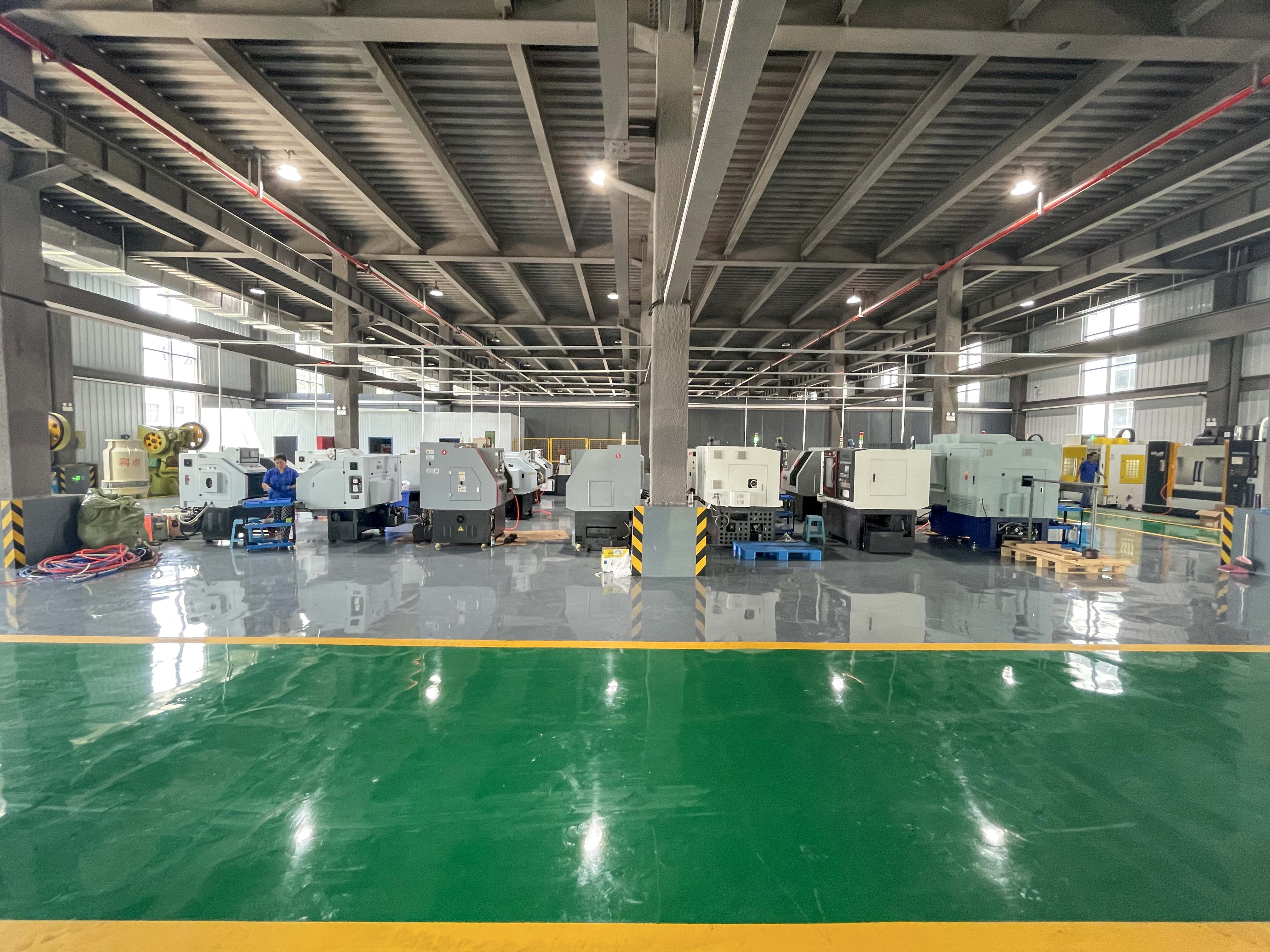
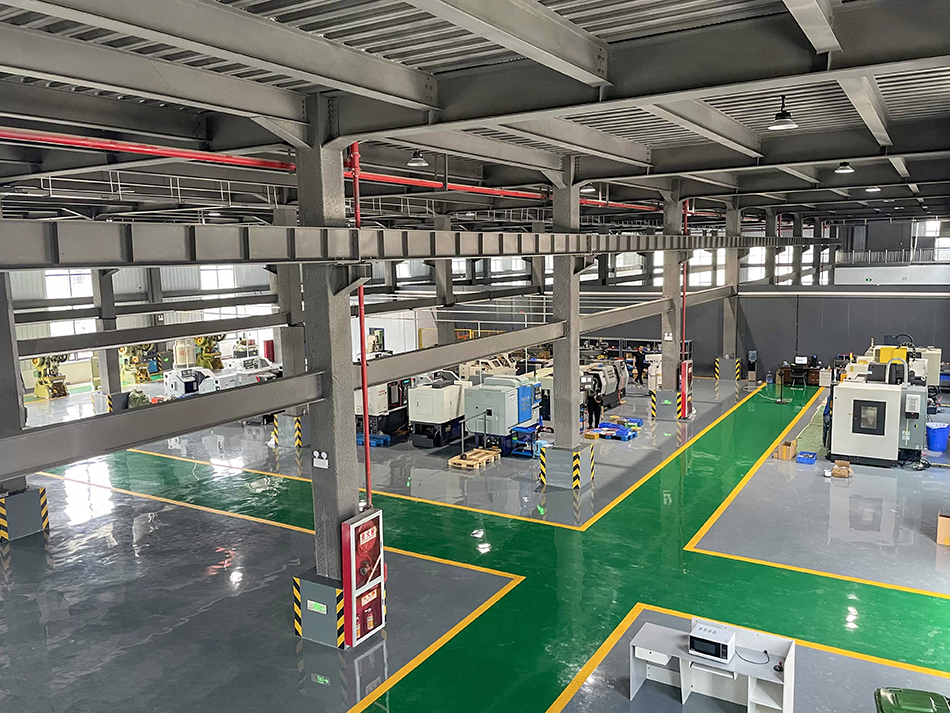
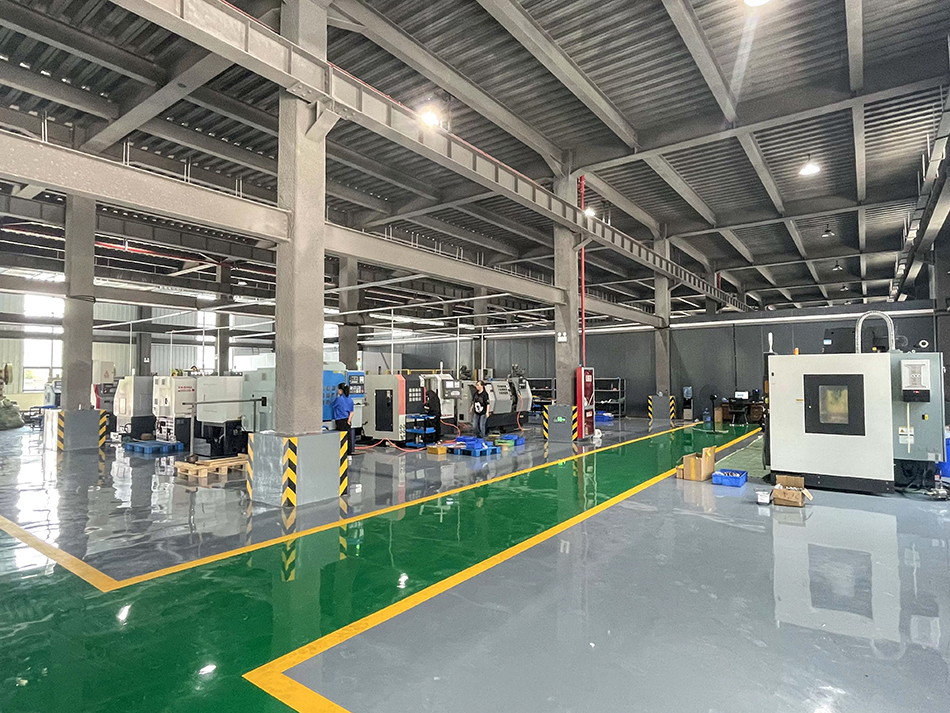
At Jiaxing Wexra Titanium Products Co., Ltd., we deliver titanium alloy raw materials in diverse product forms designed to minimize machining cycle times and reduce material scrap rates:
- Titanium Round Bars & Rods: Diameter ranges from 2.0 mm micro-rods up to 350 mm forged billets. Supplied with centerless ground h8/h9 tolerances or peeled surface finishes, optimized for automatic Swiss-type automatic lathes and CNC turning centers.
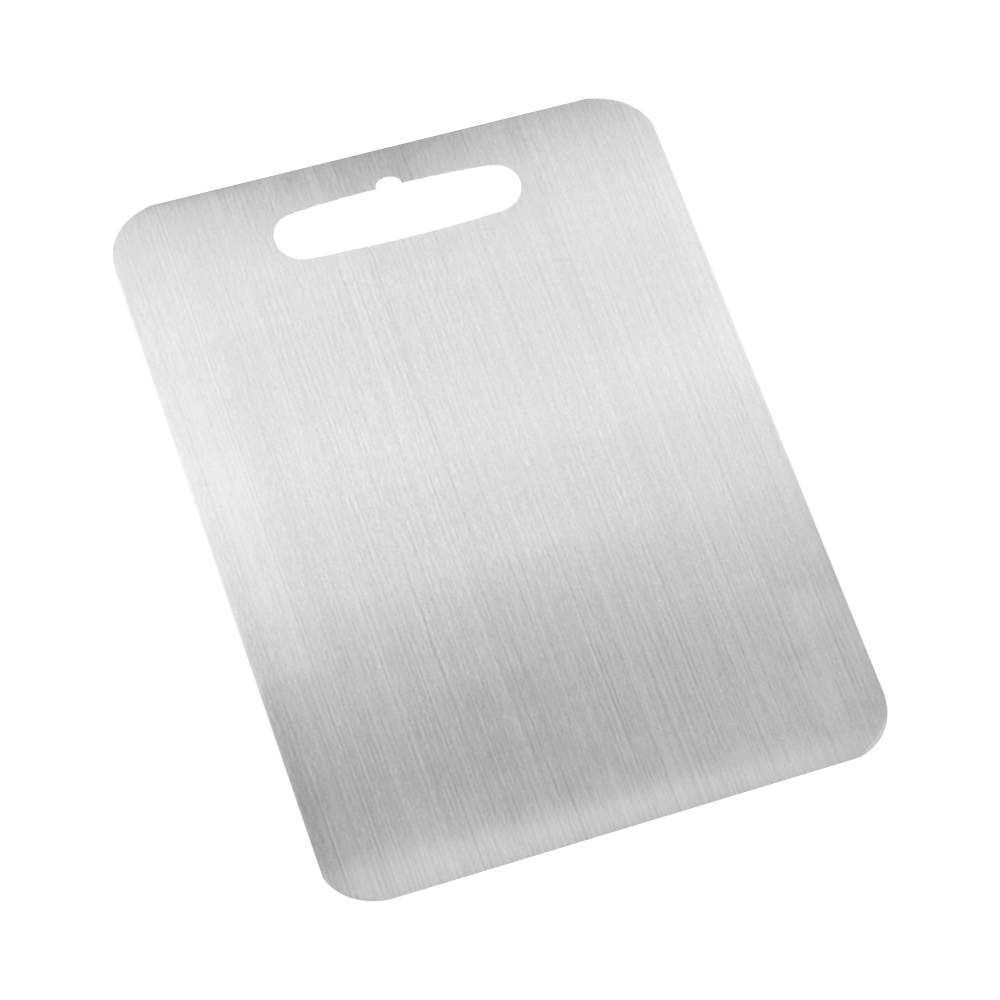
- Titanium Plates & Sheets: Thickness options from 0.5 mm ultra-thin cold-rolled sheets up to 100 mm heavy hot-rolled plates (ASTM B265 / ASME SB265). Ideal for laser cutting, waterjet machining, and press stamping.
- Titanium Seamless & Welded Tubes: Precision cold-drawn tubing engineered for heat exchangers, high-pressure fluid lines, and lightweight exhaust headers.
- Titanium Wires & Welding Consumables: Straight lengths and spooled wire (Grade 2, Grade 5, Grade 9) optimized for GTAW/TIG welding processes and wire-arc additive manufacturing (WAAM).
3. Future Procurement & Market Trends for Raw Titanium (2025–2030)
B2B procurement leaders must anticipate structural shifts across the global titanium raw materials supply chain over the next decade. Driven by aerospace volume increases, industrial electrification, and ESG mandates, four major trends are redefining titanium sourcing:
Trend 1: Near-Net-Shape (NNS) & Additive Manufacturing Feedstock
Traditional sub-traction machining of complex titanium components can yield Buy-to-Fly ratios exceeding 10:1 (meaning 10 kg of raw material is bought for every 1 kg of finished product). Sourcing managers are increasingly demanding Near-Net-Shape (NNS) titanium extrusions, precision forgings, and high-purity spherical powders for metal 3D printing (LPBF/EBM). Choosing pre-contoured raw titanium profiles slashes machining labor, tool wear, and material waste.
Trend 2: Closed-Loop Scrap Recycling & ESG Transparency
The energy-intensive Kroll process required to refine titanium sponge into raw ingots carries a significant carbon footprint. To align with global Corporate Sustainability Reporting Directives (CSRD), global OEMs are establishing closed-loop recycling partnerships. Turnings and solid scrap generated during CNC milling are segregated, vacuum washed, and remelted using Vacuum Arc Remelting (VAR) or Electron Beam Cold Hearth Melting (EBCHM). Sourcing raw titanium from mills with verified VAR recycling loops lowers total scope 3 emissions.
Trend 3: Supply Chain De-Risking & Dual-Region Sourcing
Geopolitical friction and raw sponge export controls have emphasized supply chain resilience. Procurement groups in the US, Germany, the UK, and Canada are re-evaluating single-source dependencies. Establishing qualified supply channels with agile, ISO 9001:2015-certified suppliers in China—such as Jiaxing Wexra Titanium Products Co., Ltd.—delivers essential cost efficiencies and ensures robust inventory buffers for manufacturing operations.
4. Key Industry Development Trends in Titanium Metallurgy
Technological advancement in titanium manufacturing continues to unlock superior material performance in harsh operational environments:
- Grain Structure Refinement: Advanced thermo-mechanical processing (TMP) during hot rolling produces ultrafine-grained (UFG) microstructures, significantly boosting low-cycle fatigue performance and tensile yield strength without compromising corrosion resistance.
- High-Temperature Titanium Alloys: Novel near-alpha alloys engineered for continuous service temperatures up to 600°C are actively replacing nickel superalloys in gas turbine compressor stages, shaving critical weight from aerospace powerplants.
- Automated Ultrasonic Flaw Detection (UT): Modern raw bar mills incorporate online, automated 360-degree ultrasonic inspection systems to detect internal voids, inclusions, and micro-cracks prior to shipment, guaranteeing defect-free machining stock.