Strategic Procurement Insights
Future Trends & Quality Engineering in Medical Titanium Component Sourcing
1. The Evolution of Medical Titanium Components in AI-Driven Healthcare
The global medical device market is undergoing a rapid transition toward personalized medicine, micro-invasive surgical instruments, and bio-integrative implants. Global procurement managers and healthcare engineers increasingly require supplier partners who understand the metallurgical dynamics of titanium alloys under high-cycle fatigue. As AI-driven surgical robotics and patient-specific implant design scale globally, the demand for high-precision medical titanium components crafted to sub-micron tolerances has reached an all-time high.
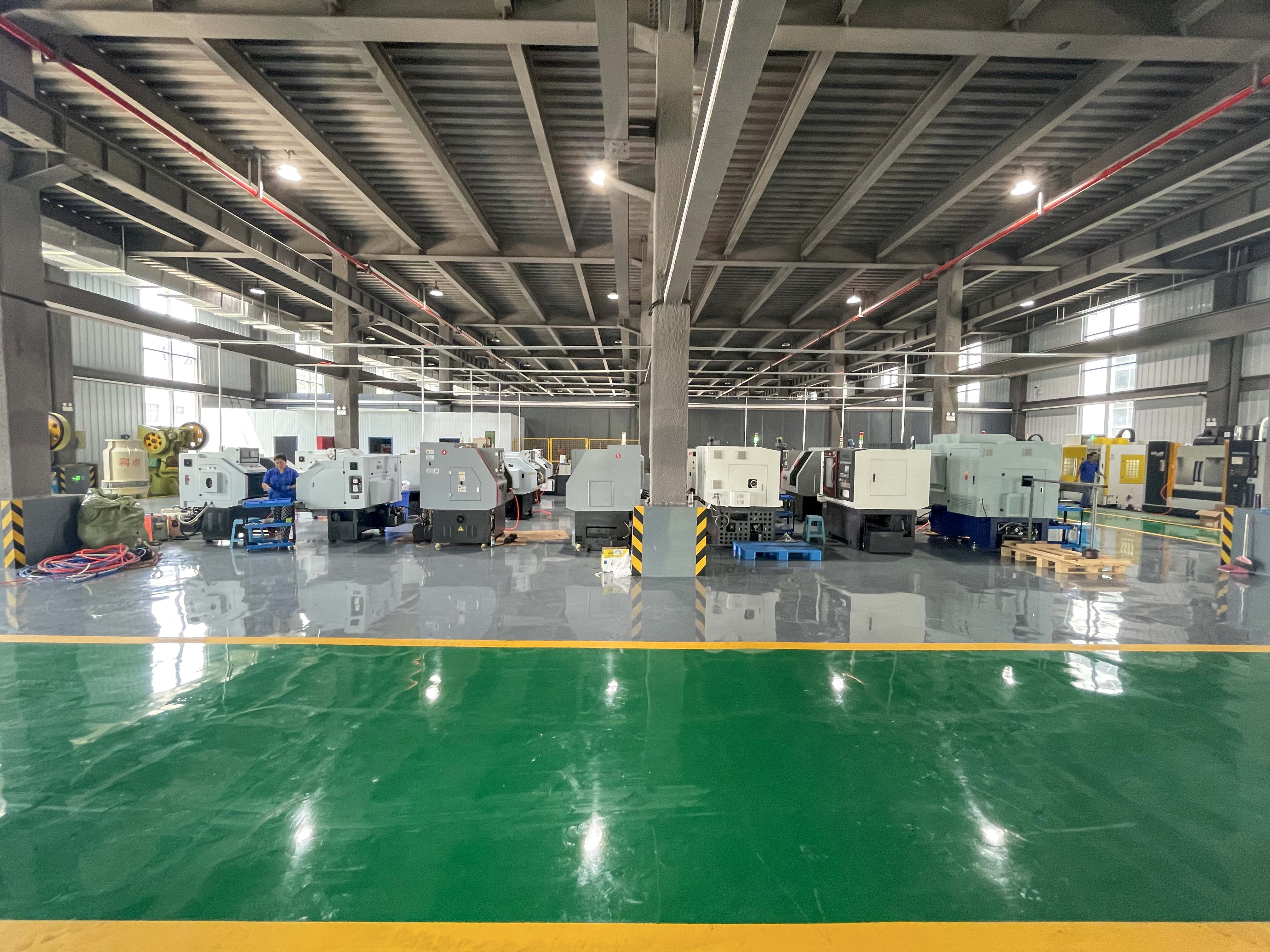
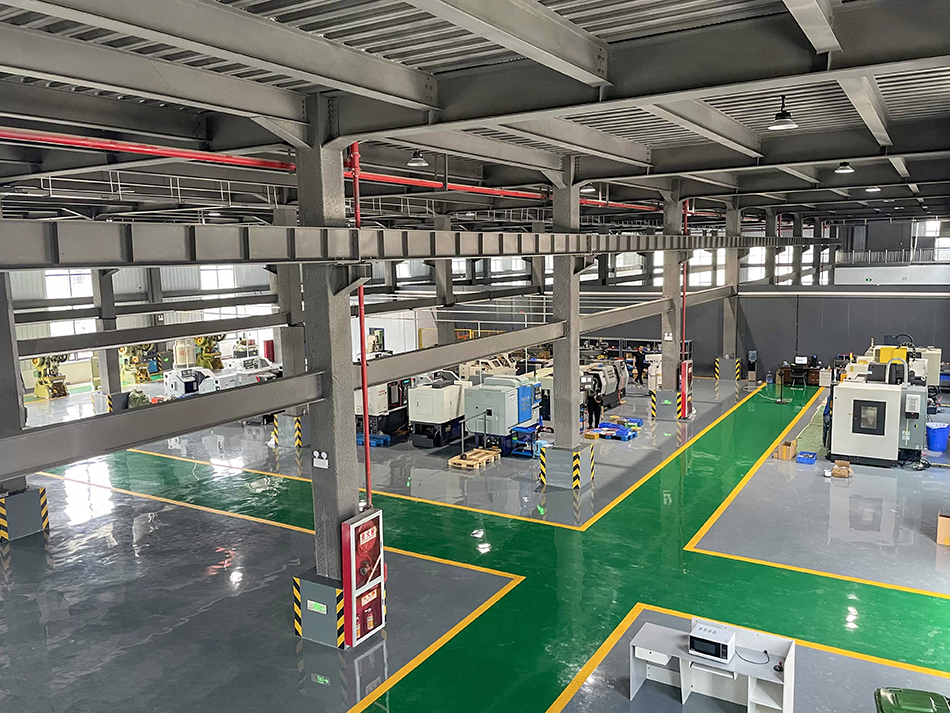
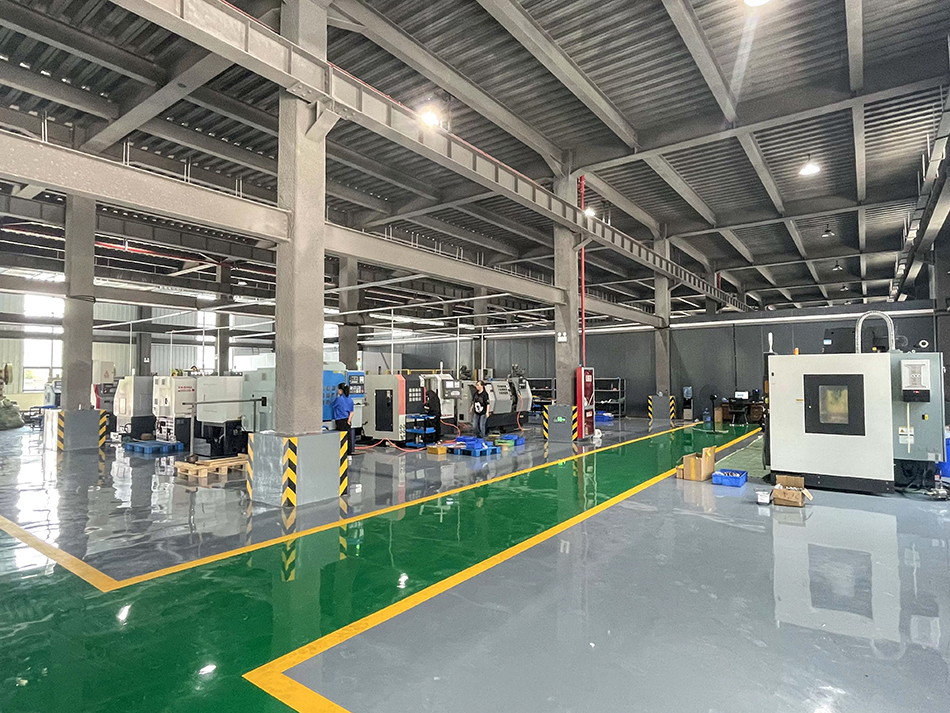
At Jiaxing Wexra Titanium Products Co., Ltd., we fulfill these modern demands by utilizing advanced CNC Swiss-turning and multi-axis milling technology. Titanium is inherently challenging to machine due to its low thermal conductivity and high chemical reactivity at elevated cutting temperatures. By implementing specialized coolant delivery systems, diamond-coated tooling, and controlled feed rates, our facility produces surgical screws, dental implants, and endoscopic instrument housings without thermal degradation or surface strain hardening.
2. Future Procurement Trends for Medical Titanium Hardware (2025–2030)
Global procurement teams negotiating medical supply contracts must prepare for several emerging technological and regulatory shifts over the coming decade:
- Shift toward Extra Low Interstitial Alloys (Grade 23 / ASTM F136): While standard Grade 5 titanium remains popular for structural fixtures, medical device manufacturers are increasingly specifying Ti-6Al-4V ELI due to strict FDA and CE regulatory scrutiny regarding implant fracture toughness.
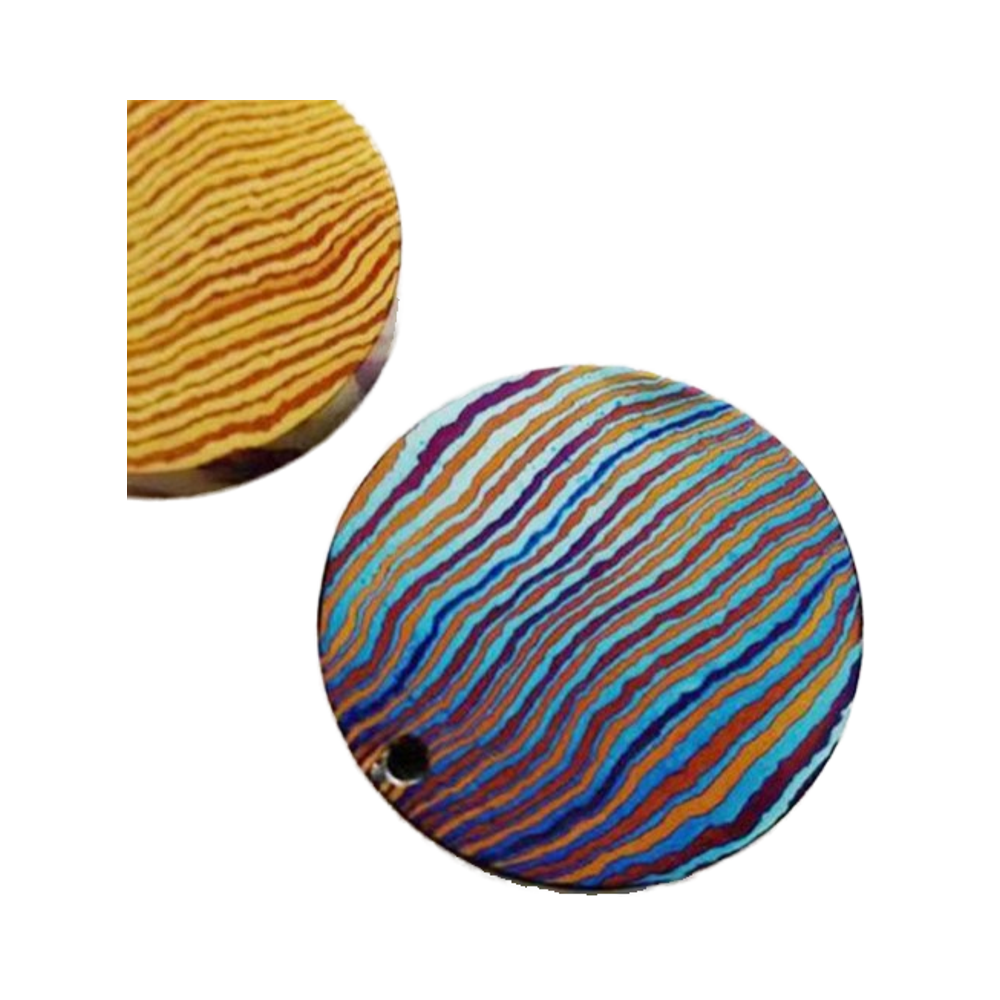
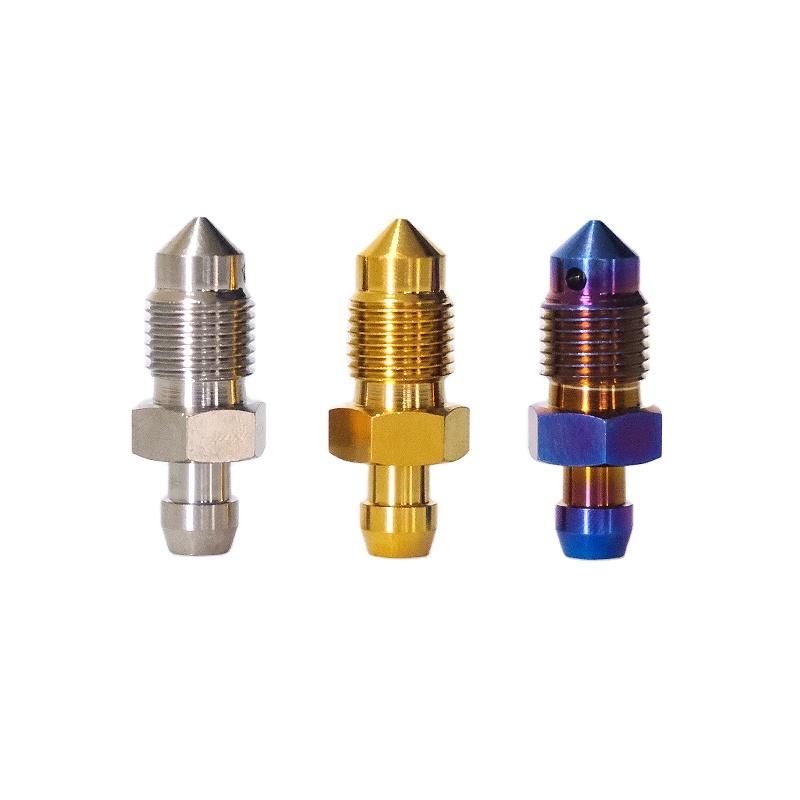
- Demand for Advanced Surface Modification & Anodizing: Modern medical hardware requires functional surface treatments. Type II titanium anodizing is becoming a standard specification for anti-galling thread performance, while Type III color anodizing allows color-coded identification for surgical trays without introduce volatile chemical dyes.
- Micro-Machining & Complex Thread Geometries: Surgical robotics require micro-threaded fasteners with pitch diameters under 1.0 mm. Achieving smooth thread roots and eliminating burrs without manual deburring requires automated optical inspection and micro-machining capabilities.
- 100% Traceability & Digital Compliance Packages: Buyers in North America and Europe no longer accept batch-level sampling alone. Future procurement requires full digital traceability from raw titanium sponge ingot melting to final ultrasonic cleaning certificates.
3. E-E-A-T Quality Management at Jiaxing Wexra Titanium Products Co., Ltd.
Demonstrating technical authority, operational experience, and uncompromising reliability is paramount when supplying medical components. Our factory operates in strict alignment with international quality standards. Every shipment of medical titanium components produced at our Zhejiang facility undergoes rigorous multi-stage verification:
- Raw Material Verification: Every batch of Grade 2, Grade 5, or Grade 23 titanium bar stock is verified via optical emission spectrometry and accompanied by EN 10204 3.1 Material Test Certificates (MTC).
- Dimensional & Thread Inspection: Utilizing automated CMM (Coordinate Measuring Machines), optical comparators, and precise thread ring gauges to guarantee tight tolerances down to ±0.01 mm.
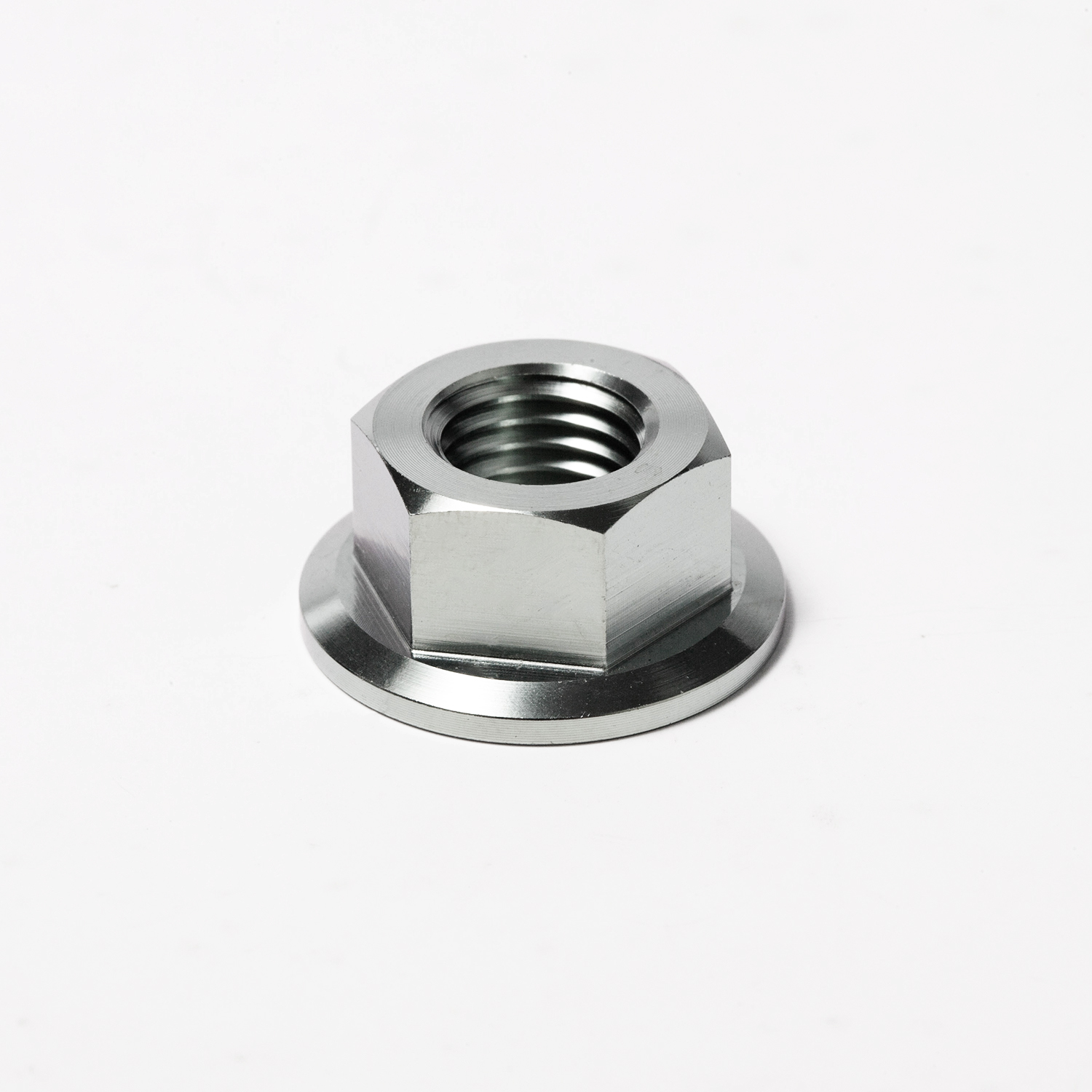
- Ultrasonic Cleaning & Passivation: Surgical screws and hardware undergo multi-frequency ultrasonic degreasing and citric acid passivation in compliance with ASTM F86 standards.
Whether you require prototype samples for trial evaluations or volume production runs for international distribution, our technical staff guarantees direct engineering support within 8 hours of inquiry.