Precision Titanium Fasteners & Bike Components Showcase
Explore our ISO 9001:2015 certified, CNC-machined titanium hardware engineered specifically for high-stress bicycle frames, assemblies, and motorsport applications.
Executive Summary: The Strategic Imperative of CE Certified Titanium Frame Sourcing
In the premium bicycle manufacturing sector—spanning high-performance road racing, all-road gravel, endurance mountain bikes, and high-torque e-bikes—titanium stands as the pinnacle material for structural frames and component hardware. Known for its unmatched strength-to-weight ratio, dampening characteristics, and immunity to environmental corrosion, titanium frame manufacturing requires strict metallurgical controls, precision TIG welding in inert shielding environments, and rigorous structural testing.
For B2B procurement managers, OEM product developers, and brand directors, partnering with a specialized CE certified titanium bike frame factory is not merely a supplier choice—it is a risk mitigation strategy. European Union conformity (CE Marking under EN ISO 4210 standards) certifies that every frame, tube joint, and load-bearing fastener withstands millions of dynamic stress cycles without structural fatigue or catastrophic joint failure.
Enterprise Strengths: Technical Mastery at Jiaxing Wexra Titanium Products Co., Ltd.
Operating from Jiaxing, Zhejiang, Jiaxing Wexra Titanium Products Co., Ltd. has established itself as an authoritative manufacturer and exporter of Grade 2, Grade 5 (Ti-6Al-4V), and Grade 9 (Ti-3Al-2.5V) titanium fasteners, custom CNC parts, and structural cycling components. Serving top-tier markets across the United States, Germany, the United Kingdom, and Canada, our manufacturing infrastructure bridges raw metallurgical expertise with exact engineering specifications.
ISO 9001:2015 & CE Compliance
Our quality management framework strictly follows ISO 9001:2015 guidelines. Every production batch is backed by Material Test Certificates (MTC), full chemical composition analysis, RoHS, and REACH documentation, ensuring effortless compliance for European and North American buyers.
High-Precision CNC Machining
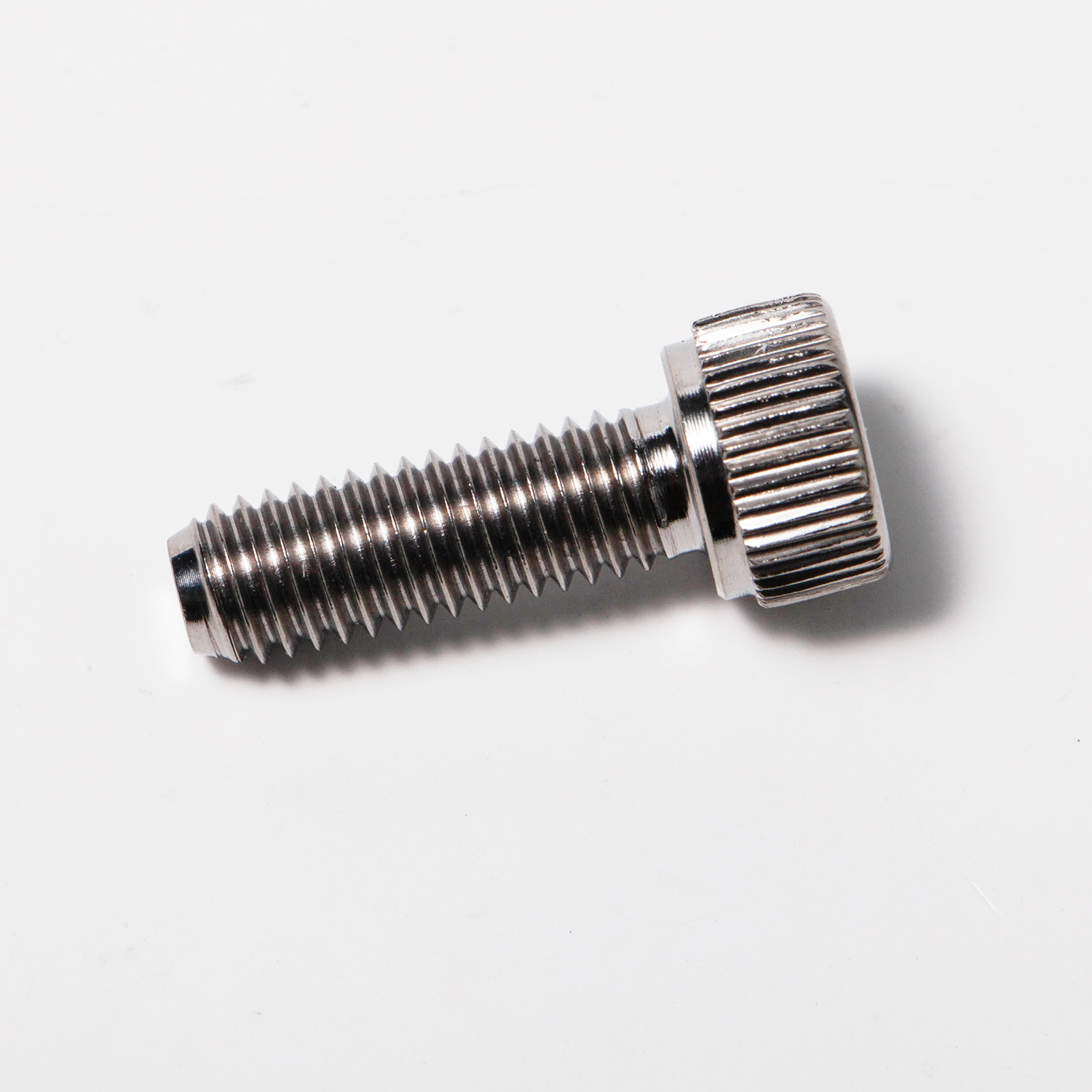
Equipped with multi-axis CNC turning and milling centers, thread-rolling machines, and laser cutters, we achieve micro-tolerances down to ±0.01 mm. This precision eliminates thread galling, ensures perfect frame alignment, and guarantees seamless integration with hydraulic and electronic shifting systems.
Advanced Surface Finishes
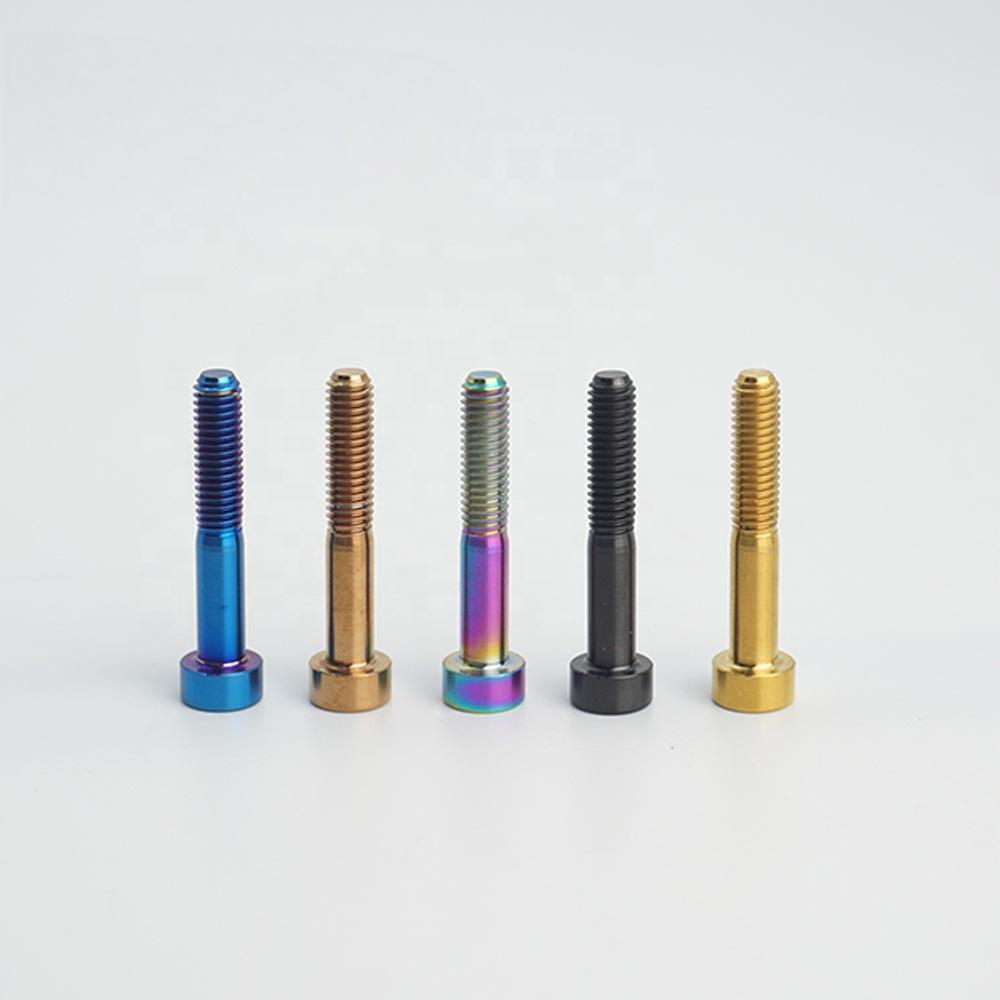
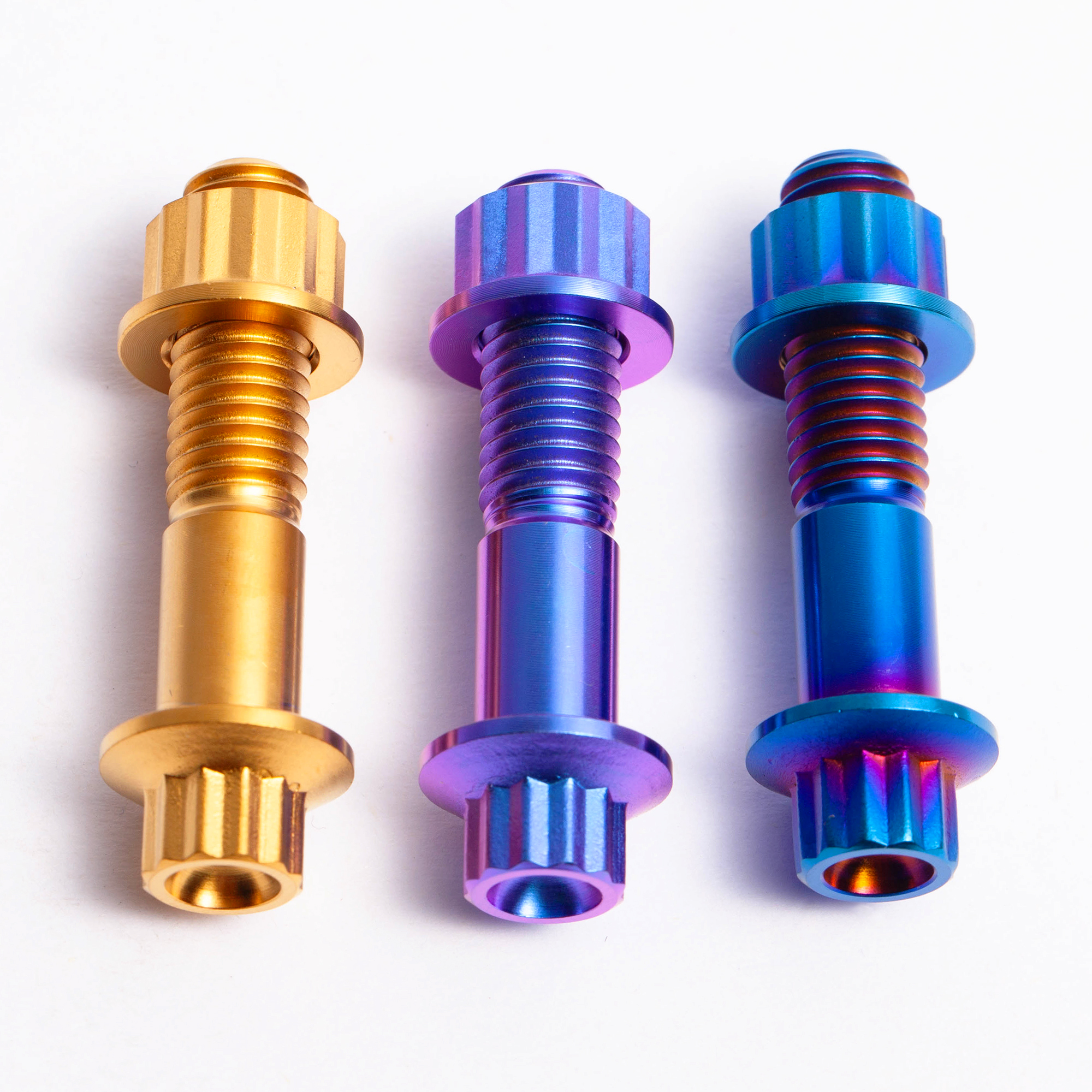
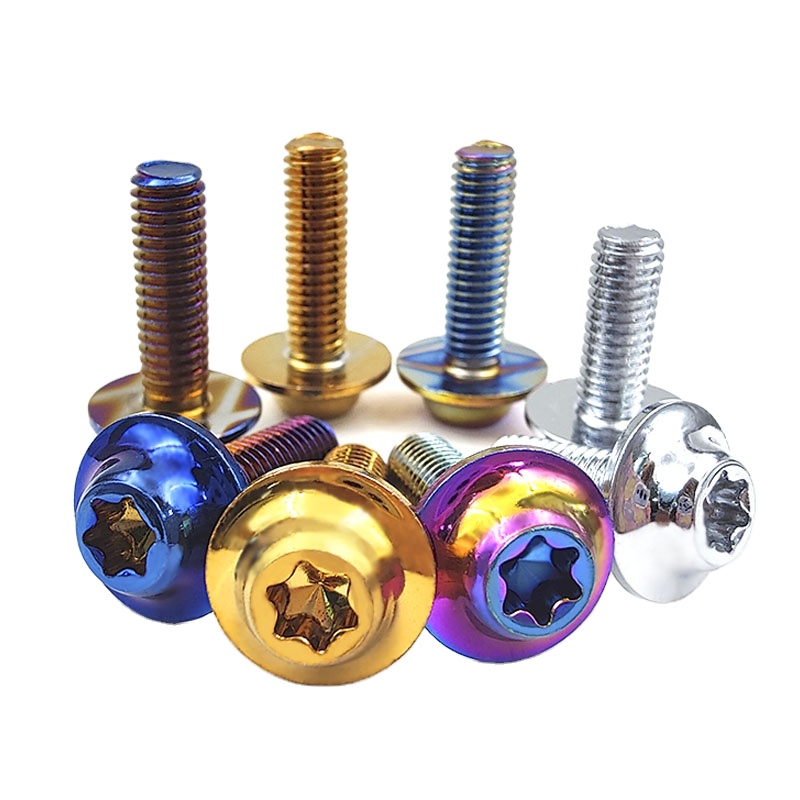
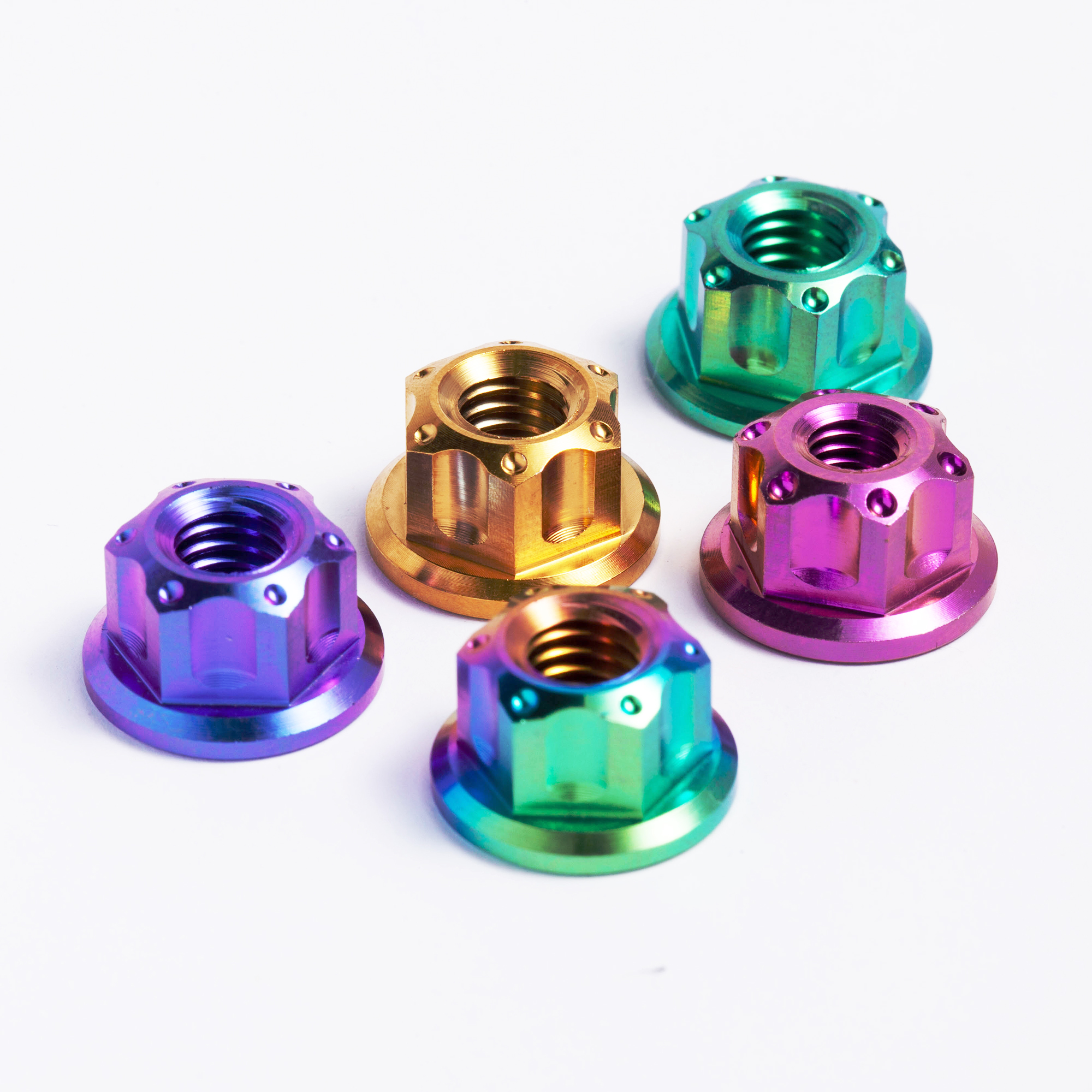
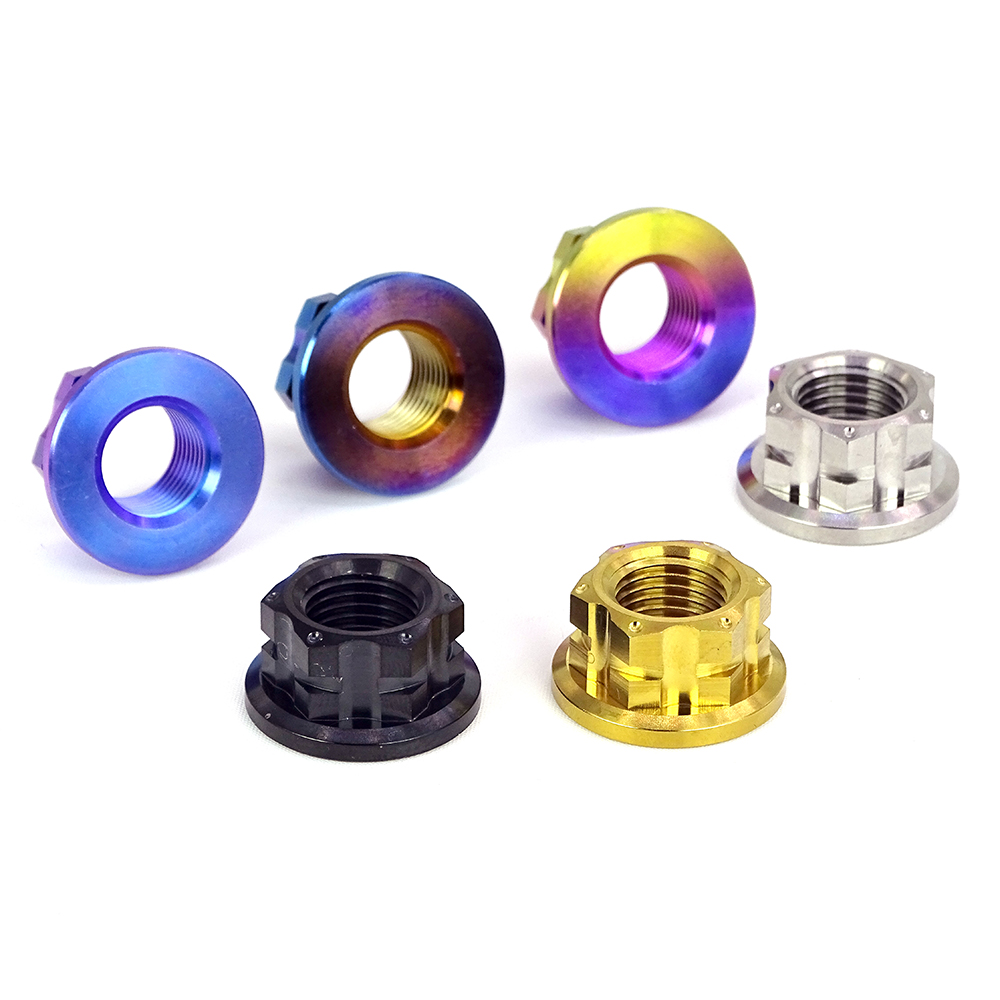
From vacuum-anodized spectrum colors (rainbow, gold, electric purple, cobalt blue) to precision bead-blasting and hand-polishing, our proprietary surface treatments enhance oxide protective layers without compromising thread pitch or structural dimensions.
Technical Deep Dive: Titanium Alloys vs. Alternative Frame Materials
Selecting the optimal material grade for bicycle frames and load-bearing components requires balancing yield strength, density, fatigue limit, and ultimate tensile strength (UTS). Below is an engineering comparison matrix designed for OEM purchasing directors:
| Material Grade | Density (g/cm³) | Yield Strength (MPa) | Tensile Strength (MPa) | Fatigue Limit (Cycles) | Primary Application |
|---|---|---|---|---|---|
| Gr9 Ti-3Al-2.5V | 4.48 | 620 | 685 | > 10,000,000 | Main Frame Tubing (Top/Down/Seat Tubes) |
| Gr5 Ti-6Al-4V | 4.43 | 880 | 950 | > 10,000,000 | CNC Dropouts, Bottom Brackets, Frame Bolts |
| Gr2 CP Titanium | 4.51 | 275 | 345 | > 2,000,000 | Non-structural Trim, Cable Guides, Water Cages |
| 6061-T6 Aluminum | 2.70 | 276 | 310 | ~ 500,000 (Finite) | Budget Alloy Frames (Subject to Fatigue) |
| 316L Stainless Steel | 8.00 | 290 | 580 | > 5,000,000 | Heavy Hardware (High Mass Disadvantage) |
*Data compiled from ASTM B348, ASTM B861, and ISO 4210 structural testing protocols. Minimum mechanical values guaranteed with mill test certificates.
Engineering Insights: Future Product Development Trends in Titanium Bike Frames
As bicycle design shifts toward seamless integration, aerodynamically optimized profiles, and electrification, titanium frame manufacturing is undergoing a technological revolution. B2B buyers must align with factories capable of adapting to these four key technological shifts:
1. Additive Manufacturing & 3D Printed Titanium Yokes
Traditional titanium frames faced tire clearance limitations around the chainstays and bottom bracket shell. Leading factories are now combining 3D Selective Laser Melting (SLM/DMLS) with Grade 5 titanium powder to print hollow, complex chainstay yokes and dropouts. These 3D-printed nodes are then TIG welded to Grade 9 hydraulic-formed tubes, allowing 50mm+ tire clearance while retaining optimal chainring clearance and extreme lateral stiffness.
2. Fully Integrated Internal Cable Routing (ICR) Head Tubes
Modern consumers demand clean, cable-free cockpits. CE certified factories now utilize custom CNC-machined 1.5-inch oversized titanium head tubes designed for internal routing headsets (such as FSA SRS or DEDA DCR systems). Precision CNC porting ensures hydraulic brake lines and electronic wires pass through the head tube without sharp edges that could chafe housing under repeated turning forces.
3. E-Bike Integration & Mid-Drive Titanium Motor Cradles
The explosive growth of high-end urban e-bikes and e-gravel bikes requires titanium frames capable of handling mid-drive motor torque (e.g., Bosch CX, Fazua, Mahle). Advanced factories engineer custom CNC Grade 5 motor mounting cradles welded into the frame down tube. Titanium's natural dampening reduces motor vibration noise while insulating battery compartments from road impacts.
4. UDH (Universal Derailleur Hanger) & T-Type Direct Mount Standards
Frame geometry has evolved to accept SRAM UDH standards and direct-mount rear derailleurs. OEM factories must hold tight tolerance margins (±0.02 mm) across the rear dropout spacing (142x12mm or 148x12mm Boost) to prevent derailleur misalignment and shift hesitation, demanding post-weld alignment jigs and precision frame facing.
Strategic Sourcing: Future Procurement Trends in Global Titanium Supply Chains
Procurement executives face fluctuating raw material prices, geopolitical shifts, and changing trade regulations. Understanding global procurement trajectories ensures supply chain stability and margin protection for the next decade:
Traceable Closed-Loop Recycling
Environmental, Social, and Governance (ESG) criteria are driving European brands to audit raw titanium origins. Top suppliers are adopting closed-loop recycling, where CNC turnings and scrap titanium are re-melted via Vacuum Arc Remelting (VAR) into industrial ingots, reducing carbon footprints by up to 60% compared to primary sponge production.
Modular Customization over Mass Production
B2B buyers are moving away from rigid 1,000-unit minimum order quantities (MOQs). Modern factories leverage flexible CNC routing and adjustable frame welding fixtures to offer semi-custom geometry batches (MOQs as low as 10–20 frames), permitting niche boutique brands to launch bespoke size options without heavy inventory exposure.
Pre-Certified Assembly Hardware Bundling
Rather than sourcing titanium frames from one vendor and frame hardware (bolts, seat clamps, derailleur hangers, thru-axles) from another, brands now demand complete pre-certified hardware kits. Integrated suppliers like Wexra provide titanium bolt sets matched specifically to frame tolerances, eliminating thread pitch discrepancies and galvanic corrosion risks.
Frequently Asked Questions (FAQ) for B2B Titanium Procurement
Clear, authoritative answers to critical technical and logistical questions asked by bike brand engineers and procurement officers:
What specific tests are required for a titanium bike frame to achieve CE certification (EN ISO 4210)?
Why is Grade 9 (Ti-3Al-2.5V) preferred for frame tubing while Grade 5 (Ti-6Al-4V) is used for dropouts?
How does Jiaxing Wexra prevent oxidation during titanium frame and component welding?
Can you manufacture titanium frames and parts directly from 2D/3D CAD files?
What quality control documentation is delivered with wholesale orders?
How do titanium fasteners prevent galling when installed into titanium frames?
What lead times should international OEM buyers expect for custom titanium production?
Ready to Partner with a Leading CE Certified Titanium Factory?
Whether you require OEM frame contract manufacturing, custom CNC titanium components, or high-tensile Gr5 fastener kits, our engineering team is ready to review your technical drawings and provide a competitive quote within 8 hours.
Send an Inquiry