Precision Titanium Fasteners & Alloy Hardware Showcase
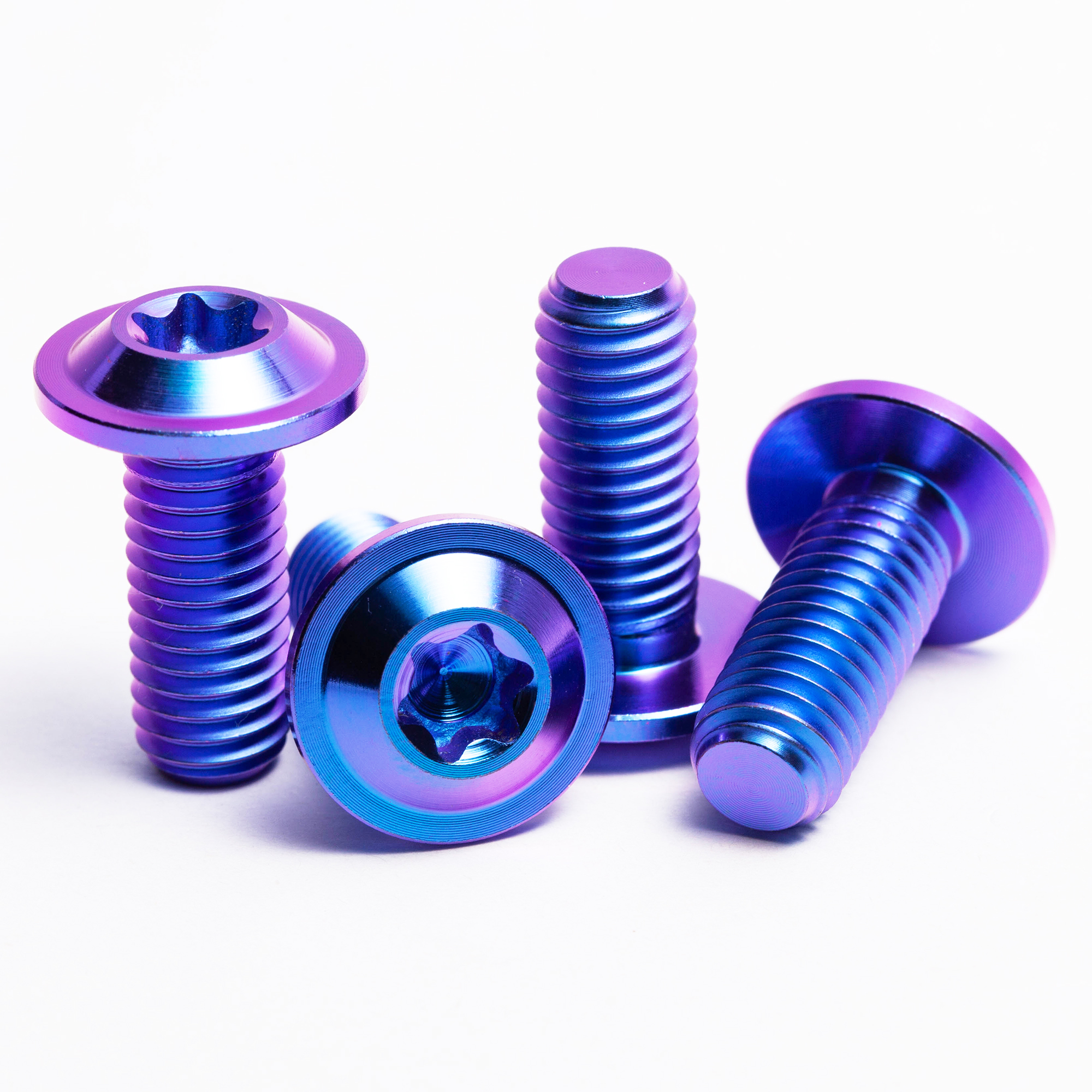
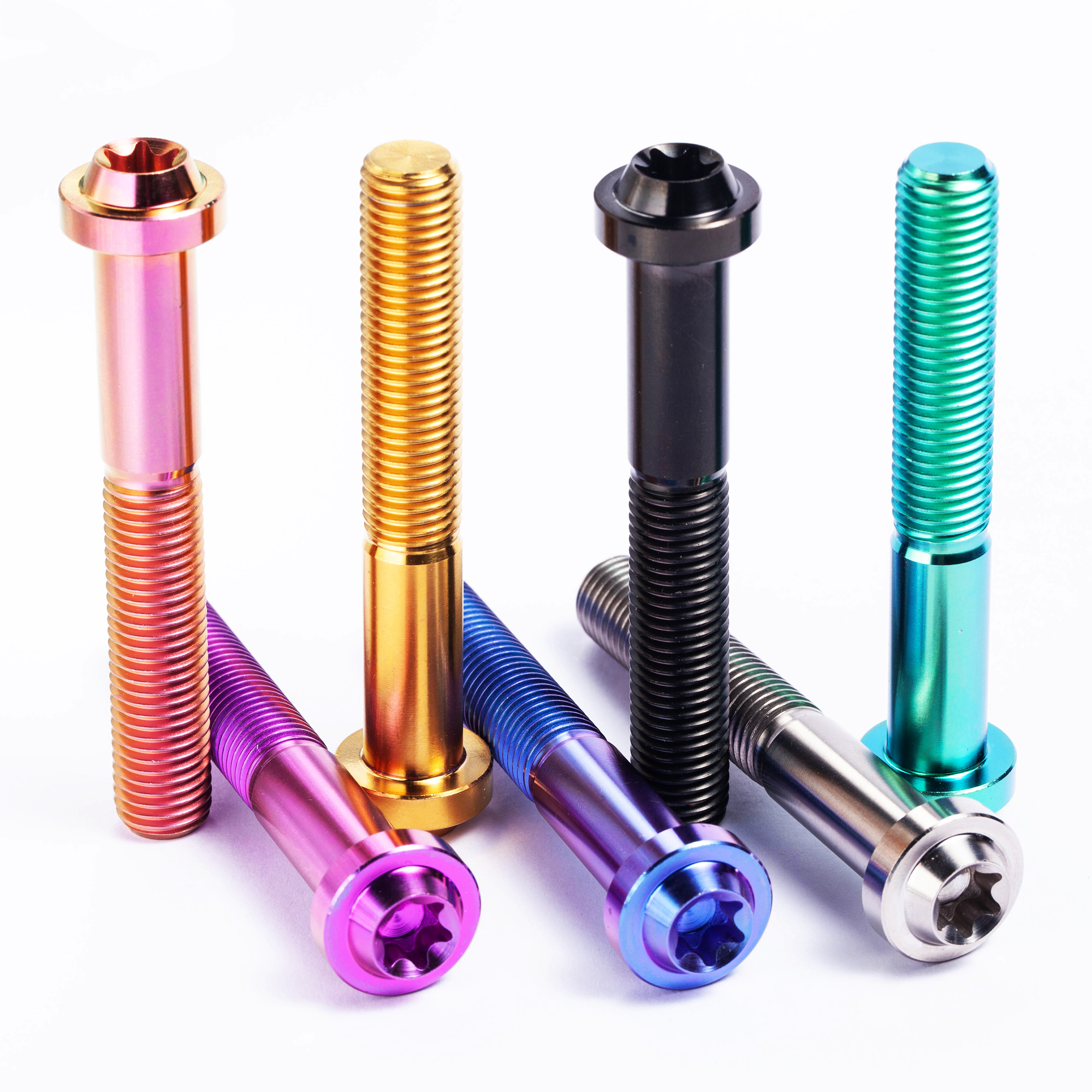
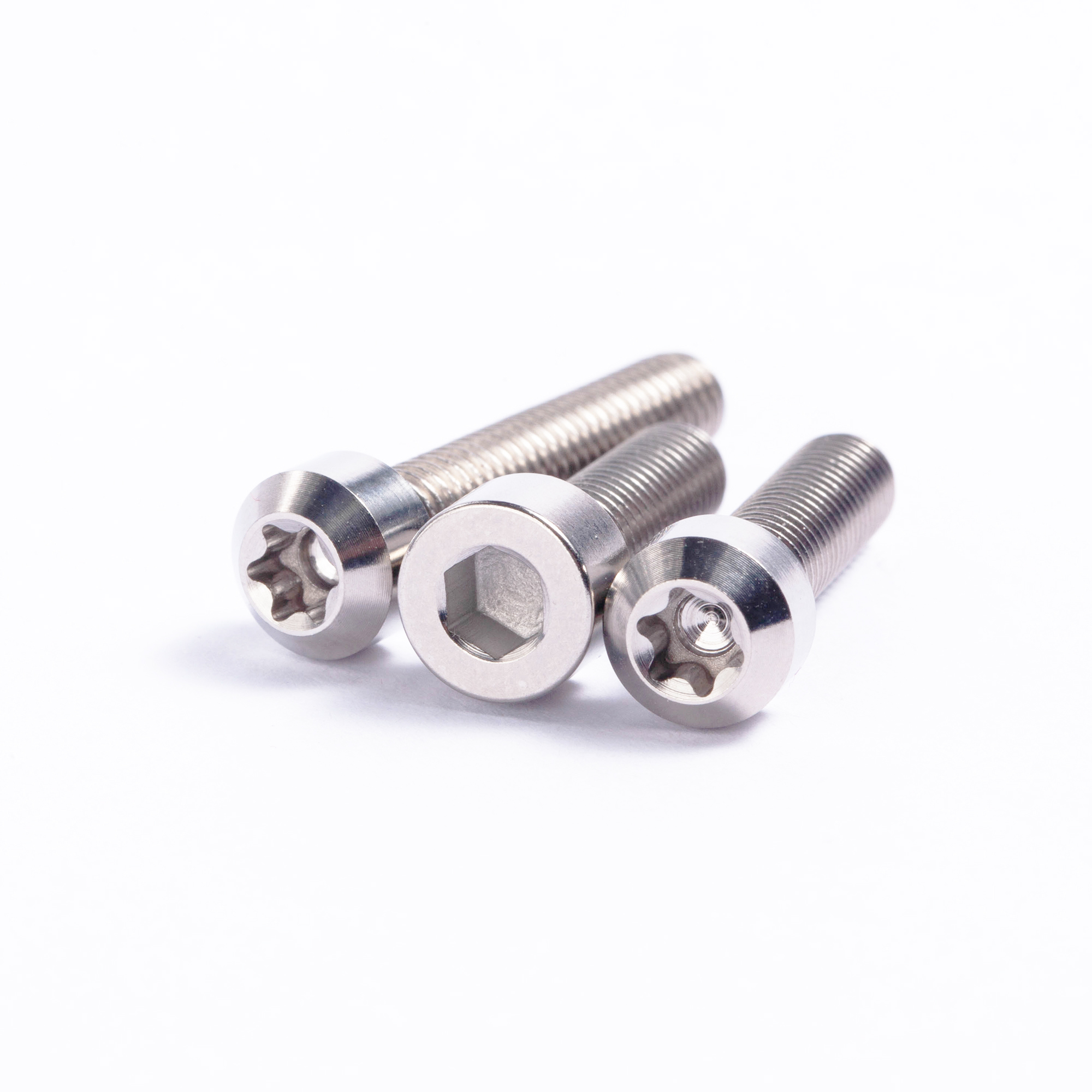
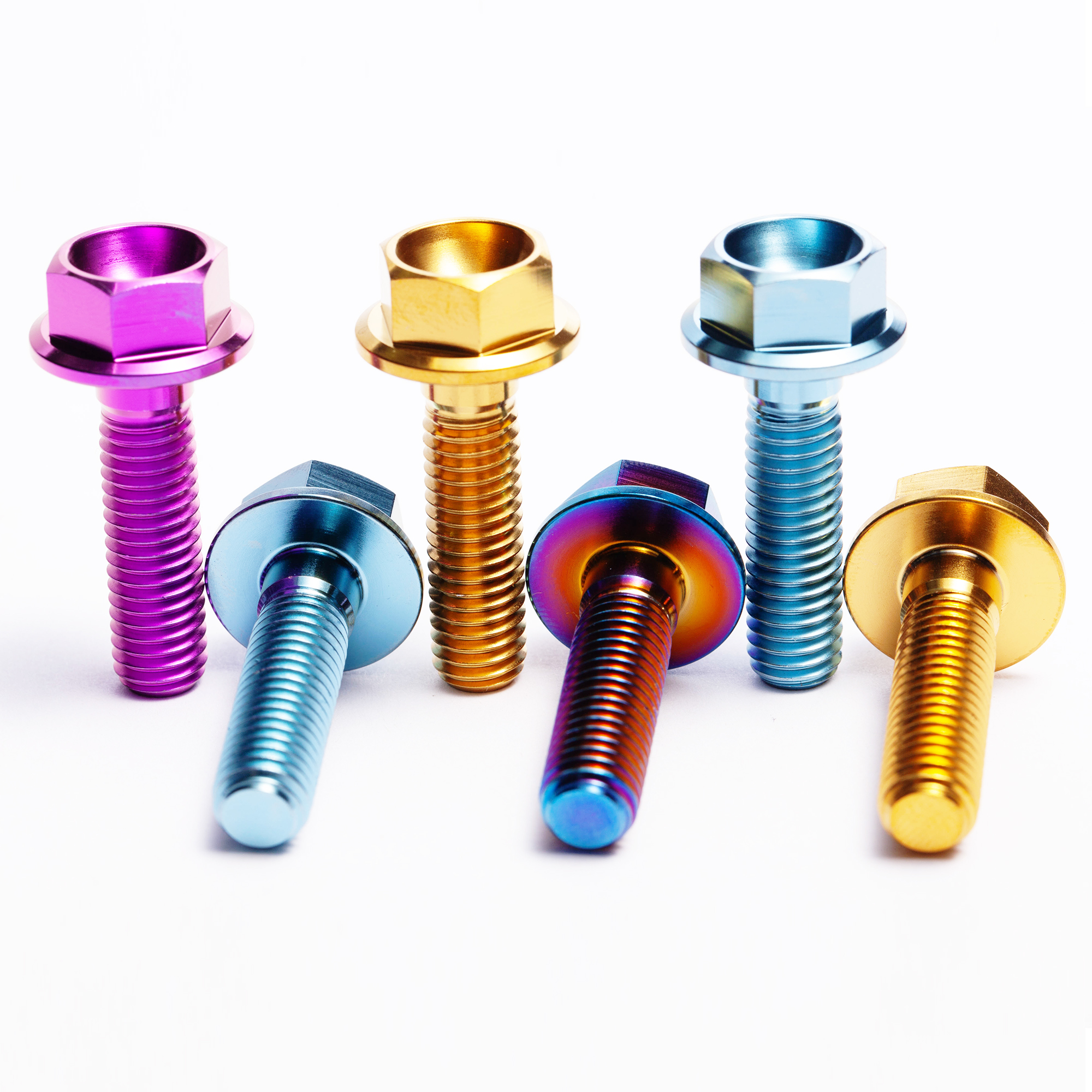
Engineered from premier grade titanium stock (Grade 2, Grade 5 Ti-6Al-4V, and Grade 9). Built to withstand high fatigue, marine exposure, extreme thermal loads, and rigorous race performance requirements.
Engineering Whitepaper: Navigating China’s Best Titanium Alloy Sheet Factories & Supplier Ecosystem
When procurement managers, aerospace structural engineers, marine systems designers, and high-performance automotive manufacturers evaluate global titanium suppliers, China stands as the undisputed center of raw titanium sponge production and secondary alloy processing. Producing over 50% of the world's titanium sponge and controlling advanced cold-rolling, vacuum arc remelting (VAR), and precision forging infrastructure, Chinese factories offer an unprecedented blend of material scale, technological maturity, and cost efficiency. However, identifying the China best titanium alloy sheet factories & supplier requires a technical understanding of metallurgical standards, cold vs. hot rolling physics, surface passivations, quality certification, and downstream fabrication compatibility.
This whitepaper provides an authoritative, technical deep-dive into sourcing industrial titanium alloy sheets, plates, and precision hardware. By evaluating material specifications such as ASTM B265, AMS 4911, ISO 5832, alongside manufacturing tolerances, heat treatment protocols, and non-destructive testing (NDT), B2B buyers can establish resilient, zero-defect supply chains with top-tier Chinese manufacturers like Jiaxing Wexra Titanium Products Co., Ltd.
1. Metallurgical Analysis of Titanium Alloys: Grades, Phases & Performance
Titanium sheet manufacturing relies on precise alloy composition and thermal-mechanical processing to tailor mechanical performance to specific application environments. Understanding the crystallographic structure—specifically Hexagonal Close-Packed (HCP) alpha ($\alpha$) phase versus Body-Centered Cubic (BCC) beta ($\beta$) phase—is critical when specifying material grades.
| Titanium Grade | Nominal Composition | Microstructure | Tensile Strength (Min. MPa) | Yield Strength (0.2% Proof, MPa) | Key Industrial Applications |
|---|---|---|---|---|---|
| Grade 1 (CP) | Unalloyed (Low $O_2$) | Alpha ($\alpha$) Phase | 240 | 170 - 310 | Deep drawing, chemical plate heat exchangers, architecture. |
| Grade 2 (CP) | Unalloyed (Standard $O_2$) | Alpha ($\alpha$) Phase | 345 | 275 - 450 | Desalination plants, chemical processing, marine piping. |
| Grade 4 (CP) | Unalloyed (High $O_2$/Fe) | Alpha ($\alpha$) Phase | 550 | 483 - 655 | Airframe skins, medical hardware, high-strength industrial sheet. |
| Grade 5 (Ti-6Al-4V) | Ti - 6% Al - 4% V | Alpha-Beta ($\alpha-\beta$) | 895 | 828 | Aerospace structures, racing chassis, pressure vessels, disc bolts. |
| Grade 7 | Ti - 0.15% Pd | Alpha ($\alpha$) Phase | 345 | 275 - 450 | Reducing acid environments, chemical reactor linings. |
| Grade 9 (Ti-3Al-2.5V) | Ti - 3% Al - 2.5% V | Near-Alpha ($\alpha$) | 620 | 483 | Hydraulic lines, bicycle tubing, lightweight precision hardware. |
| Grade 12 | Ti - 0.3% Mo - 0.8% Ni | Near-Alpha ($\alpha$) | 485 | 345 | High-temperature chemical shell-and-tube exchangers. |
| Grade 23 (Ti-6Al-4V ELI) | Ti - 6% Al - 4% V (Extra Low Interstitial) | Alpha-Beta ($\alpha-\beta$) | 860 | 795 | Cryogenic pressure equipment, surgical implants, aerospace armor. |
Commercially Pure (CP) Titanium Sheets (Grades 1 - 4)
Unalloyed commercially pure titanium sheet products are prioritized for maximum corrosion resistance and formability rather than absolute tensile strength. Grade 2 is the workhorse of industrial chemical engineering. Its self-healing titanium dioxide ($TiO_2$) rutile oxide film provides near-immunity to chloride pitting, wet chlorine gas, and organic acids. When cold-rolled into thin sheets (0.5mm to 3.0mm thickness), Grade 2 exhibits excellent ductility, allowing for complex stamping and press-forming operations without micro-cracking.
Alpha-Beta Alloys: Grade 5 (Ti-6Al-4V) and AMS 4911 Sheets
Accountable for over 50% of total global titanium consumption, Grade 5 sheet material is the gold standard for high strength-to-weight ratio applications. Aluminum acts as an alpha-phase stabilizer raising the transformation temperature, while Vanadium acts as a beta-phase stabilizer. Heat treating Grade 5 titanium sheet (solution treating and aging - STA) enables yield strengths exceeding 900 MPa. For flight-critical aerospace skins and precision structural brackets, AMS 4911 compliance guarantees stringent microstructural grain limits and strict oxygen content control ($<0.20\%$).
2. Advanced Manufacturing Processes in Leading Chinese Titanium Sheet Mills
Top-tier Chinese factories utilize state-of-the-art rolling mills capable of processing titanium slabs from triple-melt Vacuum Arc Remelting (VAR) or Electron Beam Cold Hearth Remelting (EBCHR) ingots. The production workflow follows rigorous thermal and mechanical parameters:
Vacuum Arc Remelting (VAR)
Ensures chemical homogeneity, elimination of high-density inclusions (HDI) such as tungsten carbide bits, and removal of low-density nitrogen-rich inclusions (LDI) vital for dynamic fatigue life.
Hot & Cold Rolling Mills
Reversible 4-high and 20-high Sendzimir cold rolling mills yield ultra-precise sheet thickness tolerances down to ±0.015mm across sheet widths up to 1500mm.
Vacuum Vacuum Annealing
Prevents hydrogen embrittlement and alpha-case oxygen enrichment during heat treatment. Maintains clean, bright annealed surface finishes without heavy scale acid pickling.
To prevent surface defects such as "alpha case"—a brittle oxygen-enriched surface layer that forms when titanium is exposed to air at temperatures above 480°C—premier suppliers employ continuous vacuum annealing furnaces or controlled vacuum descaling acid wash systems (hydrofluoric-nitric acid baths). This guarantees that finished titanium sheets retain full fatigue resistance during bending, deep drawing, and laser welding operations.
Factory Direct Excellence: Jiaxing Wexra Titanium Products Co., Ltd.
Located in Jiaxing, Zhejiang, China, Jiaxing Wexra Titanium Products Co., Ltd. has established itself as an integrated industrial leader specializing in titanium fasteners, custom CNC machined parts, and stock material distribution. Operating under an ISO 9001:2015 quality system with full RoHS and REACH compliance, Wexra serves mission-critical clients across North America (US, Canada) and Europe (Germany, UK).
By leveraging direct mill relationships with primary Chinese titanium melting bases in Baoji and combining them with in-house 5-axis CNC machining, centerless grinding, laser cutting, and thread rolling, Wexra delivers finished titanium hardware with dimensional tolerances tighter than ±0.01mm.
3. Future Sourcing Trends for Titanium Alloy Sheets & Fasteners (2025–2030)
As global industries transition toward carbon neutrality, electrified transportation, and deep-space exploration, the procurement landscape for titanium alloy sheet stock and fasteners is undergoing fundamental shifts:
A. Aerospace Lightweighting & EV Battery Pack Structural Integration
Electric vehicle (EV) OEMs are increasingly adopting Grade 5 and Grade 9 titanium sheets for battery enclosure thermal shields, titanium-jacketed armor protection, and ultra-lightweight chassis hardware. The goal is clear: replacing stainless steel and aluminum to achieve up to 45% mass reduction without compromising crash safety or chemical resistance against electrolyte leakage.
B. Transition from Cut-Sheet Subtraction to Hybrid Additive Manufacturing
Leading Chinese suppliers are integrating rolled titanium sheets with Wire Arc Additive Manufacturing (WAAM) and Laser Powder Bed Fusion (LPBF). Cold-rolled sheets serve as high-integrity substrate plates upon which complex geometric features are 3D-printed, reducing raw material waste (buy-to-fly ratios) from traditional 10:1 machining down to under 1.5:1.
C. Closed-Loop Scrap Recycling & Circular Supply Chains
Due to energy-intensive Kroll process production for primary titanium sponge, major factories are implementing vacuum-conmelt recycling lines for clean titanium turnings, sheet off-cuts, and skeleton scrap. Recycled-content titanium sheets retain 100% mechanical integrity while lowering the embedded carbon footprint by up to 60%, fulfilling European ESG compliance demands.
4. Breakthrough Technology Trends in Titanium Manufacturing
Innovation in Chinese titanium processing centers around three core technological pillars:
- Ultra-Fine Grain (UFG) Processing: Equal-Channel Angular Pressing (ECAP) and thermomechanical rolling yield sub-micron microstructures in Grade 2 and Grade 5 sheets. UFG processing dramatically elevates yield strength without requiring toxic alloying additions, enhancing biocompatibility for medical devices and aerospace fasteners.
- Advanced Surface Engineering & PVD Coatings: Beyond classic anodizing (Type II and Type III), suppliers utilize Physical Vapor Deposition (PVD) to deposit Titanium Nitride (TiN), Titanium Carbonitride (TiCN), and Diamond-Like Carbon (DLC) films onto sheet surfaces and threaded fasteners. These treatments raise micro-hardness above 2500 HV, eliminating thread galling and fretting corrosion.
- Automated Non-Destructive Testing (NDT): Real-time high-frequency ultrasonic immersion testing (UT), eddy current thread inspection, and X-ray fluorescence (XRF) material verification ensure every batch shipped carries full traceability to mill heat numbers under EN 10204 3.1 certificates.
Why Source Titanium Parts & Sheets from China?
China’s mature supply chain offers end-to-end integration—from raw sponge reduction to precision CNC finishing and global door-to-door export logistics.
ISO 9001:2015 Quality Assurance
Strict multi-stage inspection covering incoming spectrum analysis, microstructural evaluation, CMM dimensional checks, and tensile test verification.
Custom OEM/ODM Capabilities
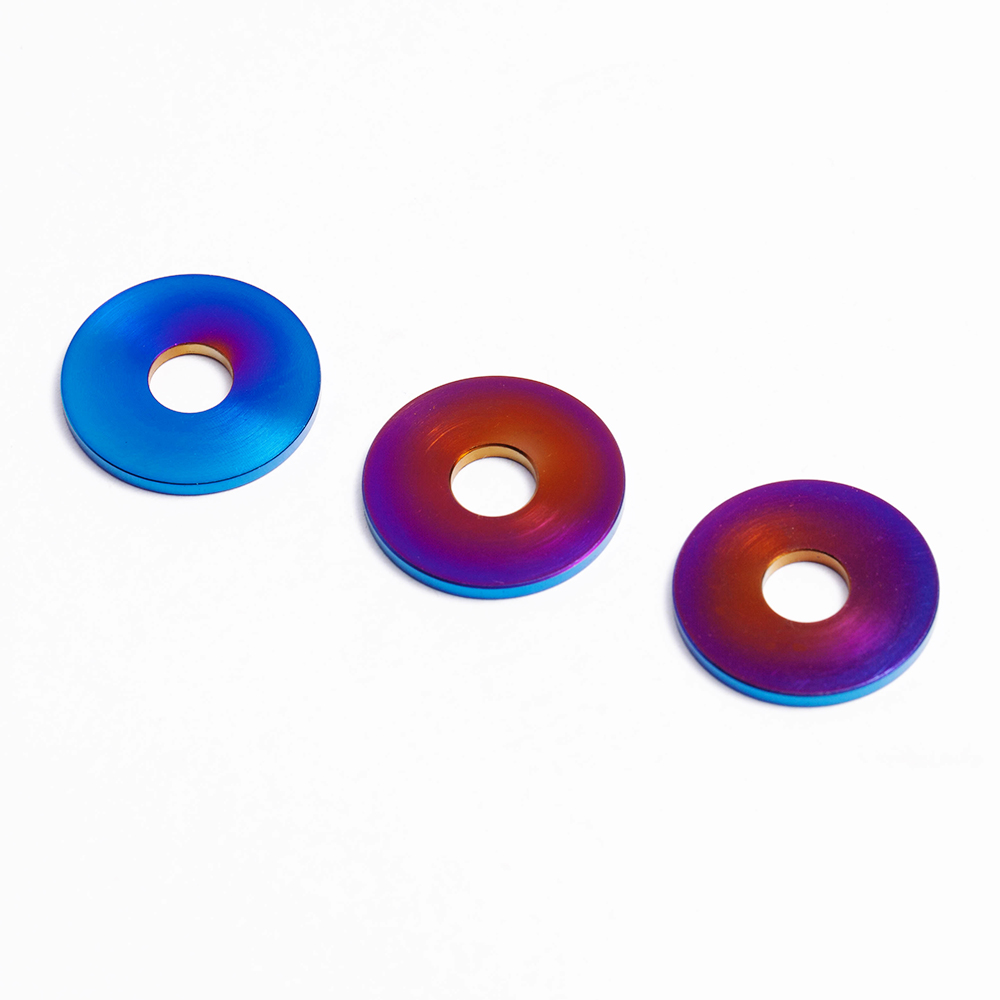
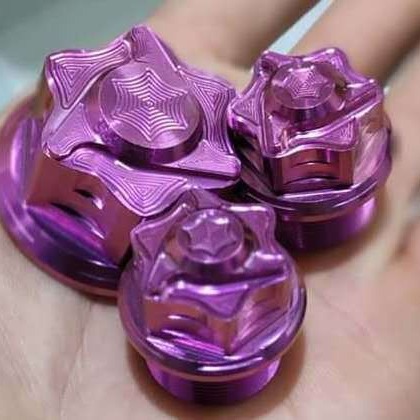
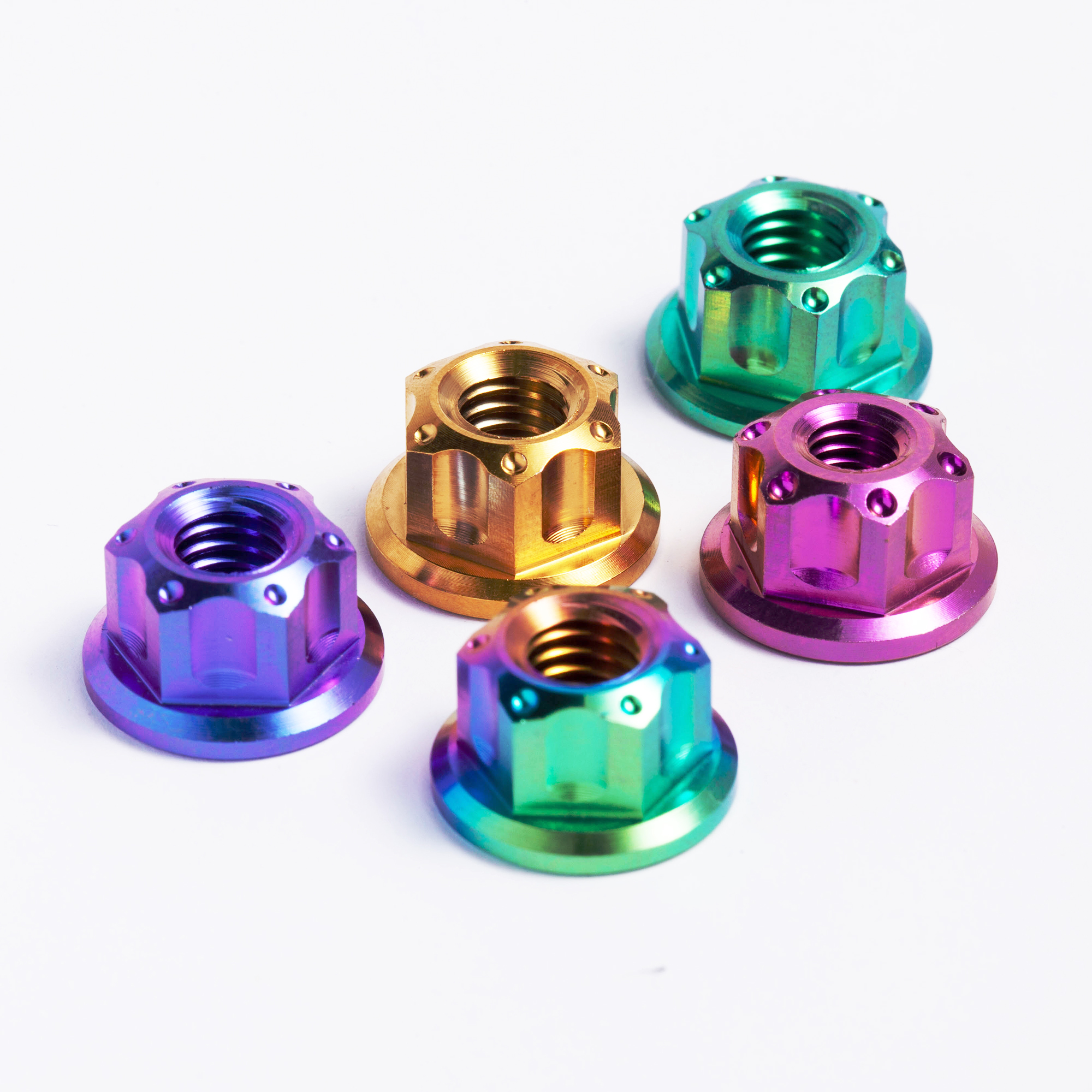
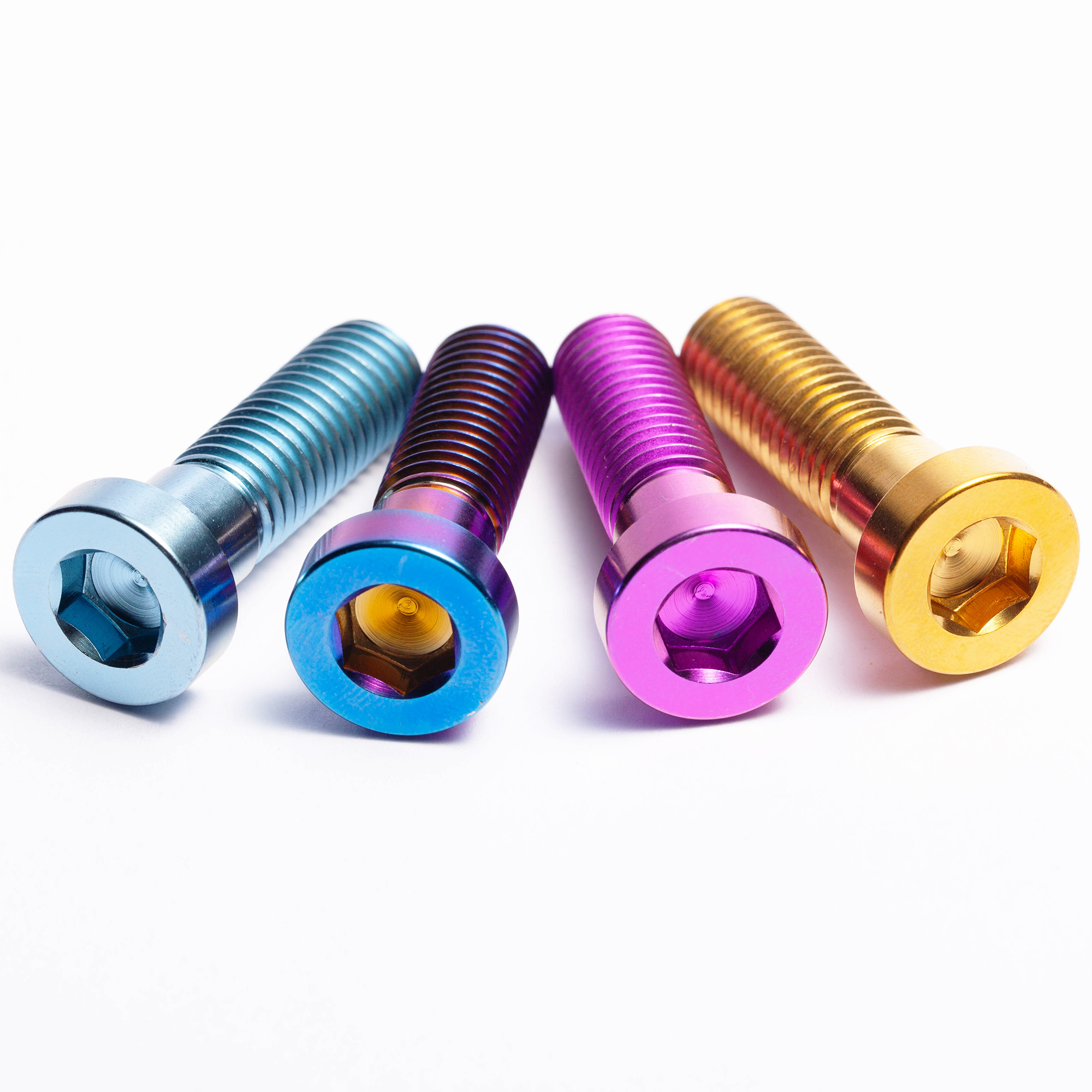
Precision laser cutting, CNC milling, 5-axis turning, thread rolling, and custom anodizing (burnt blue, gold, purple, rainbow) straight from CAD files or samples.
Established Global Logistics
Serving B2B buyers across the USA, Germany, United Kingdom, and Canada with full customs documentation, EPR packaging compliance, and fast lead times.
Comprehensive Procurement FAQ for B2B Buyers
Get expert answers to common engineering, metallurgy, order logistics, and quality assurance questions regarding titanium sheet and fastener procurement.
Ready to Source Premium Titanium Alloy Sheets & Custom Fasteners?
Partner directly with Jiaxing Wexra Titanium Products Co., Ltd.—your trusted ISO 9001 certified Chinese manufacturer. Get expert technical consultation, instant DFM feedback, and competitive factory-direct pricing today.
Contact Us