Featured Titanium Valvetrain & Precision Fasteners
Explore our high-performance titanium alloy hardware engineered for extreme fatigue resistance and thermal stability.
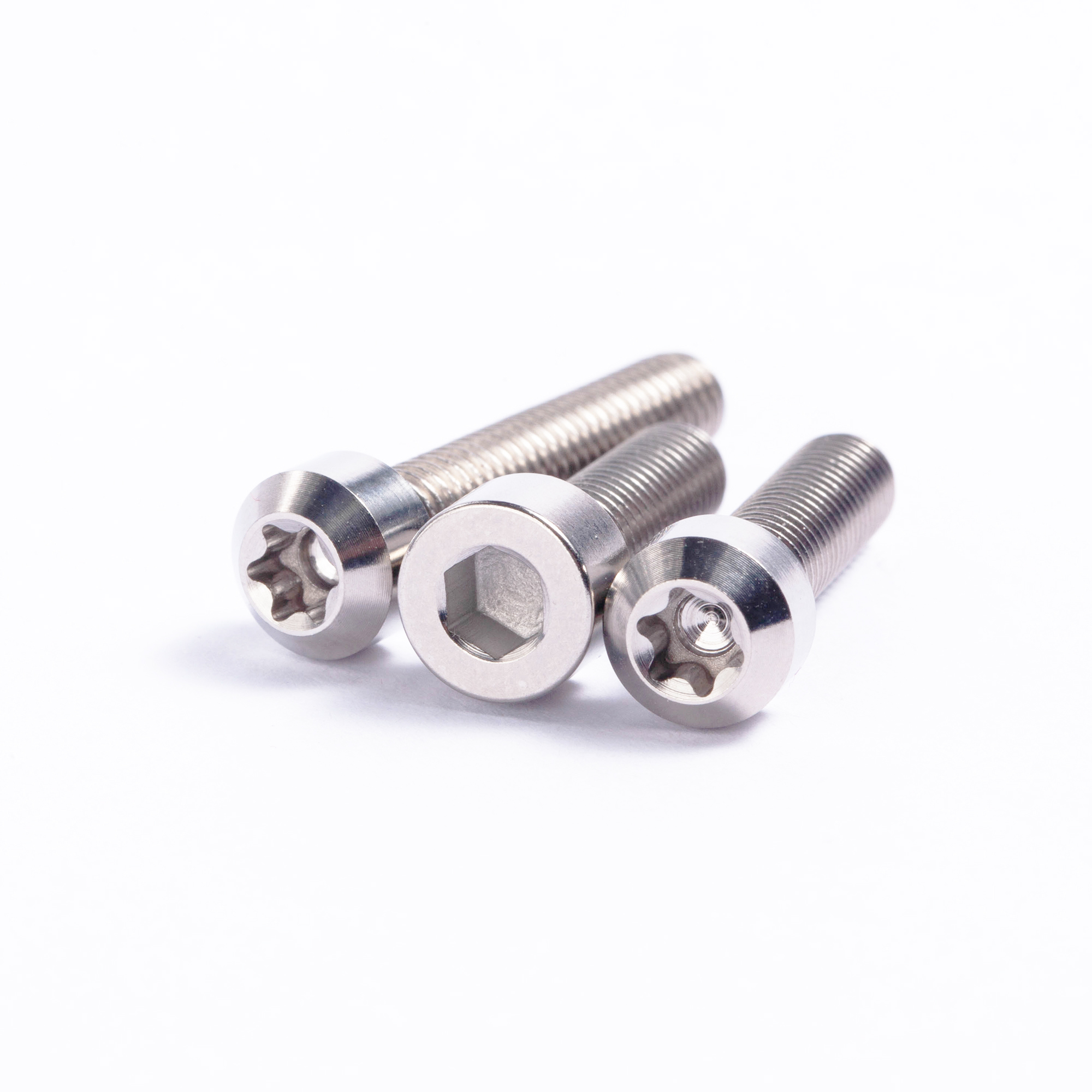
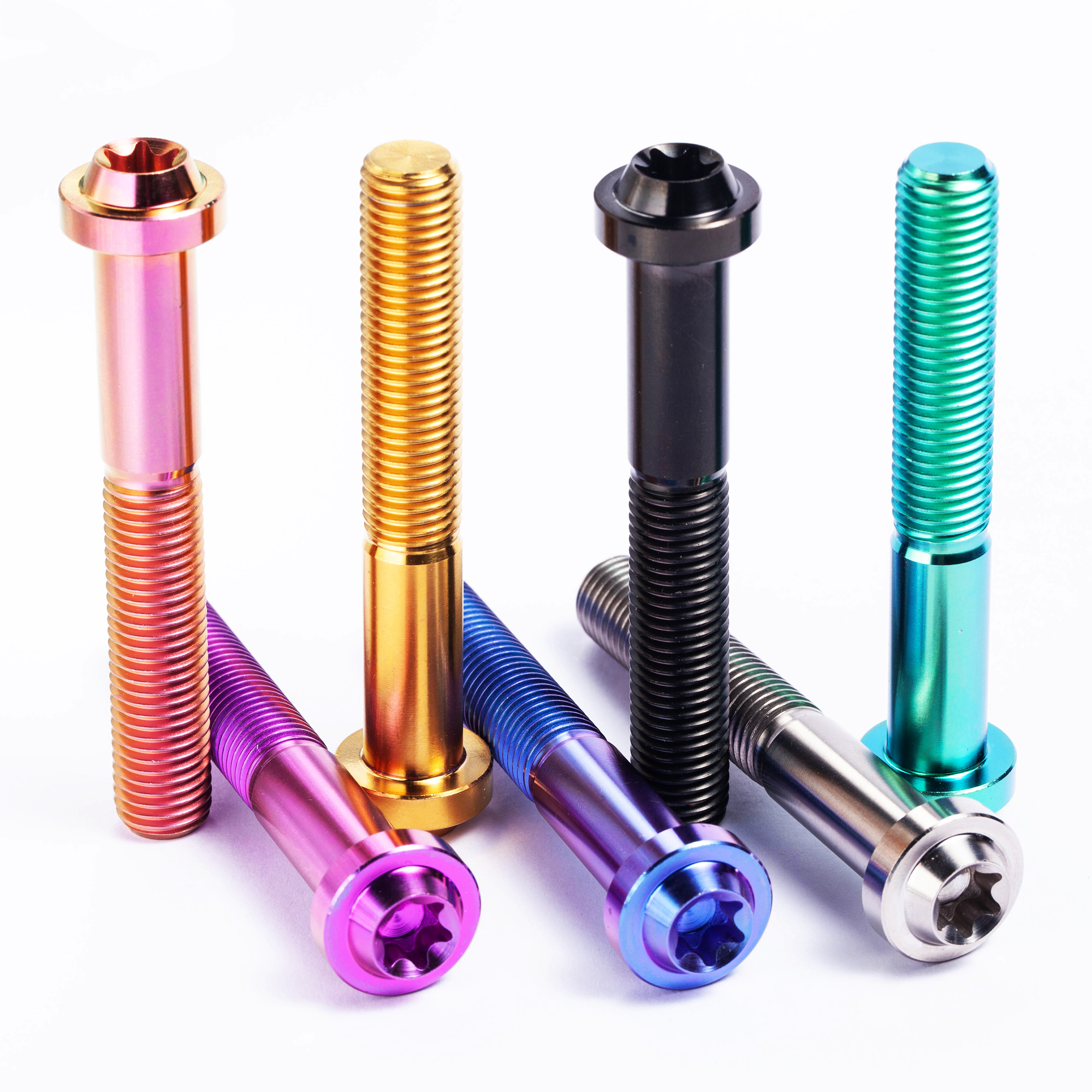
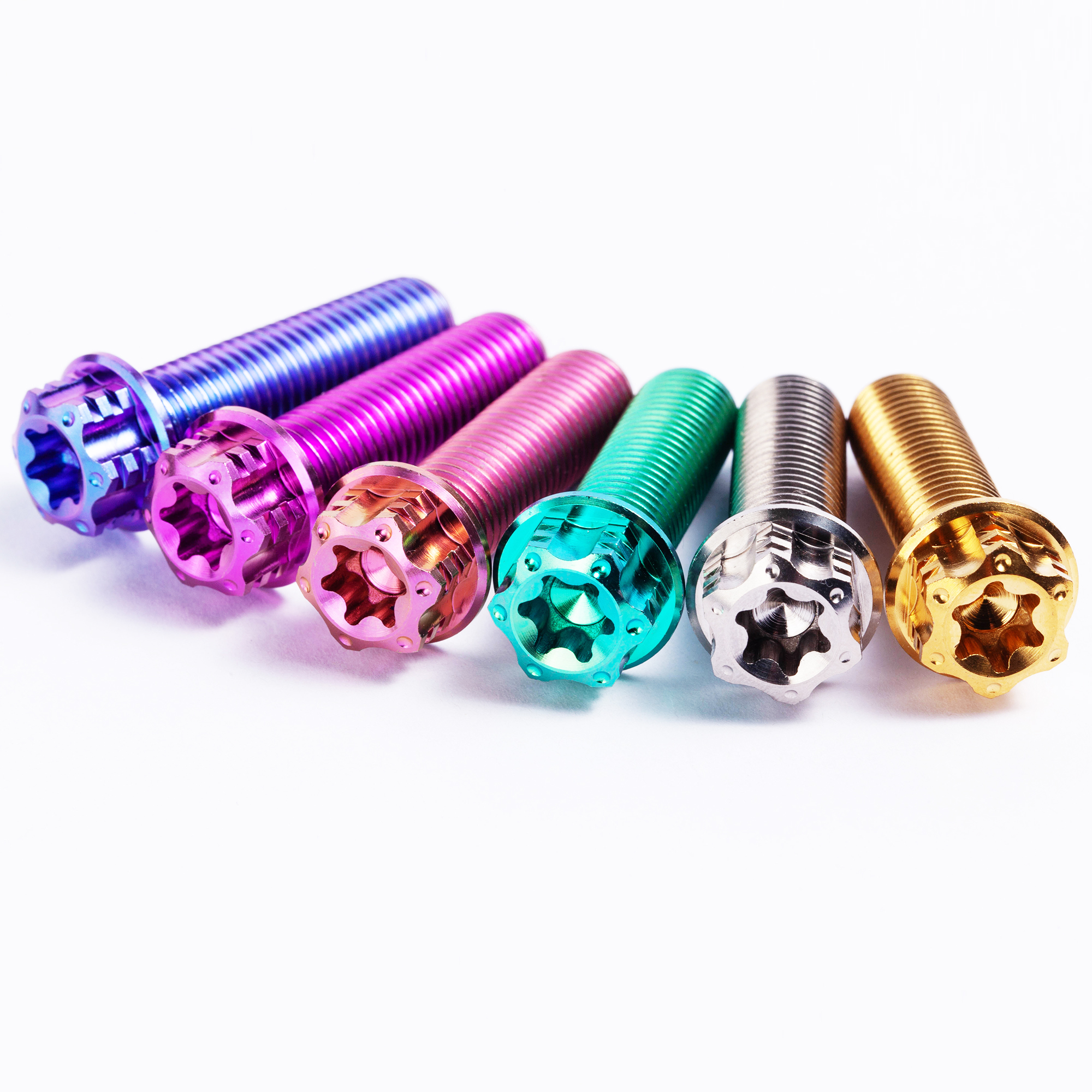
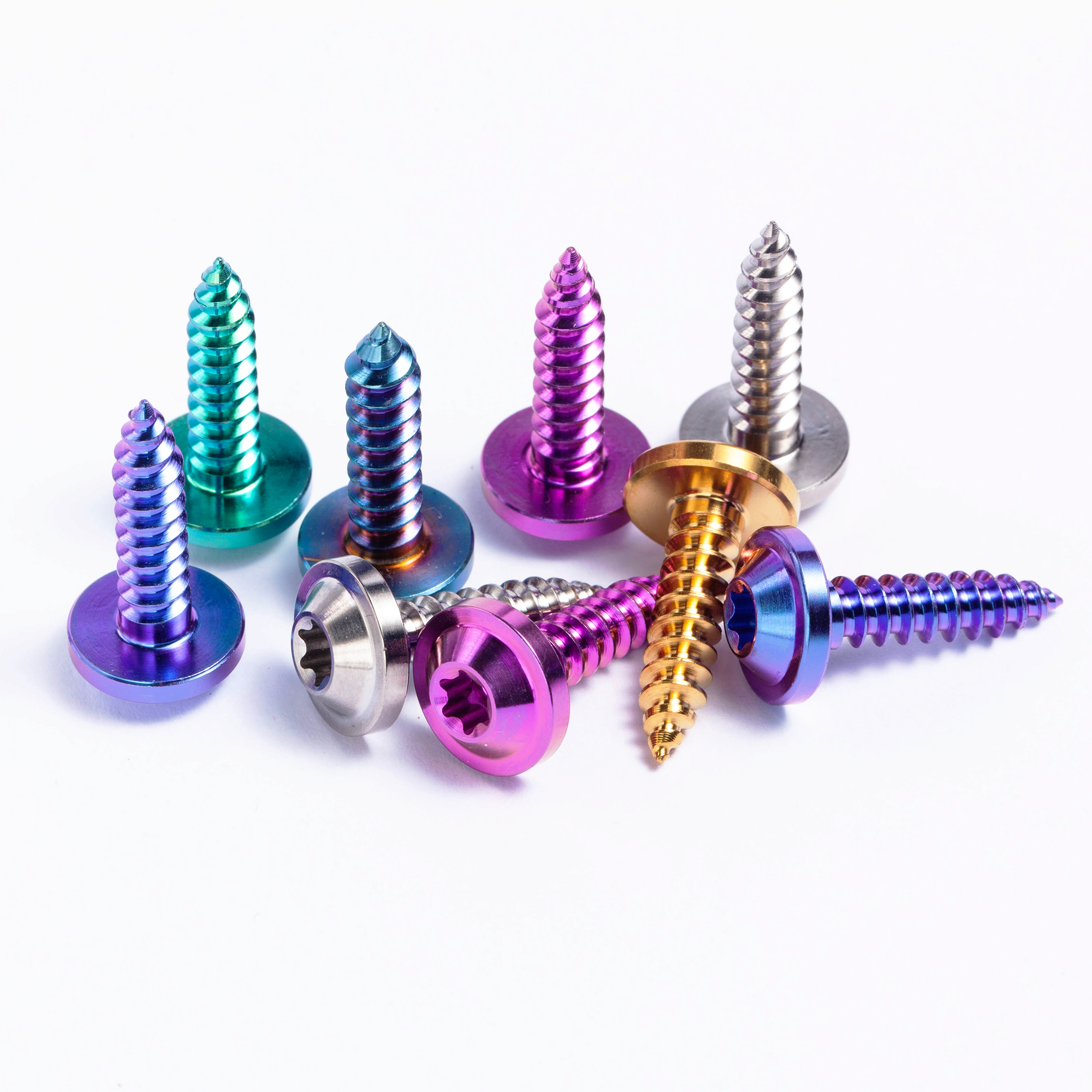
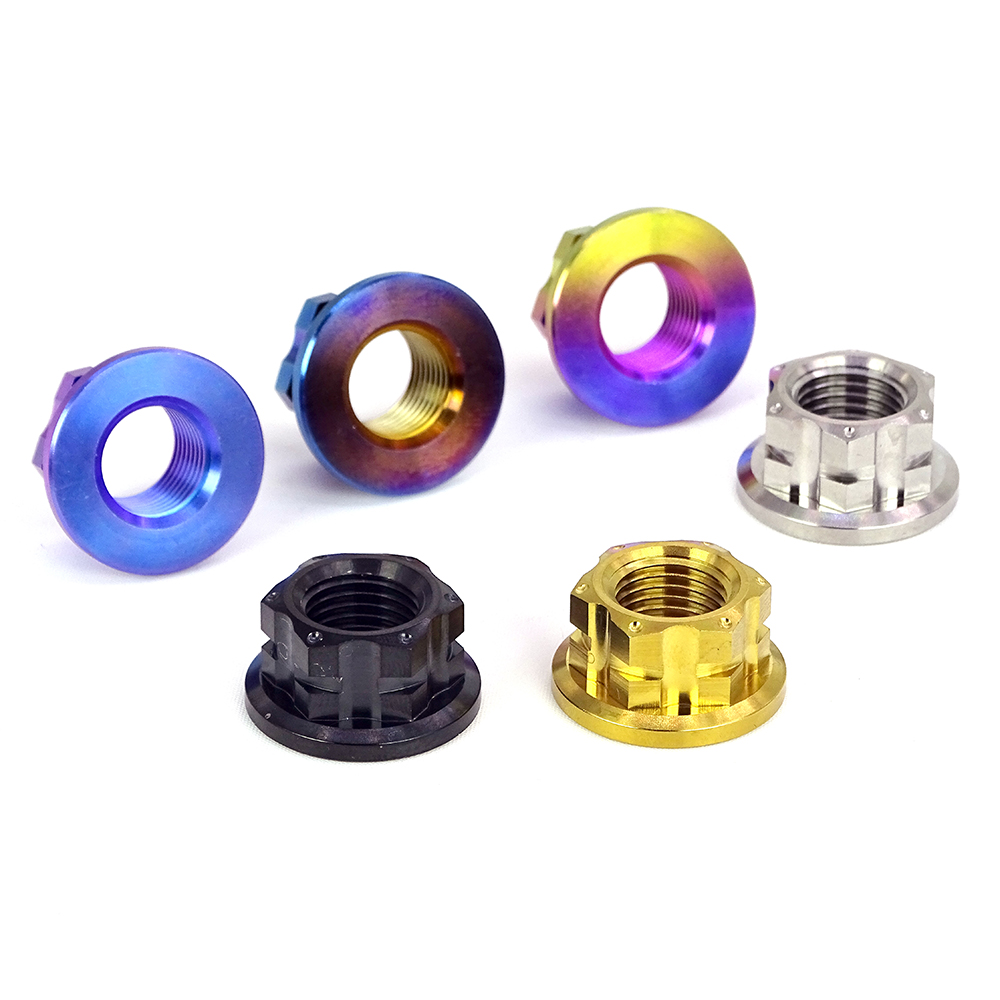
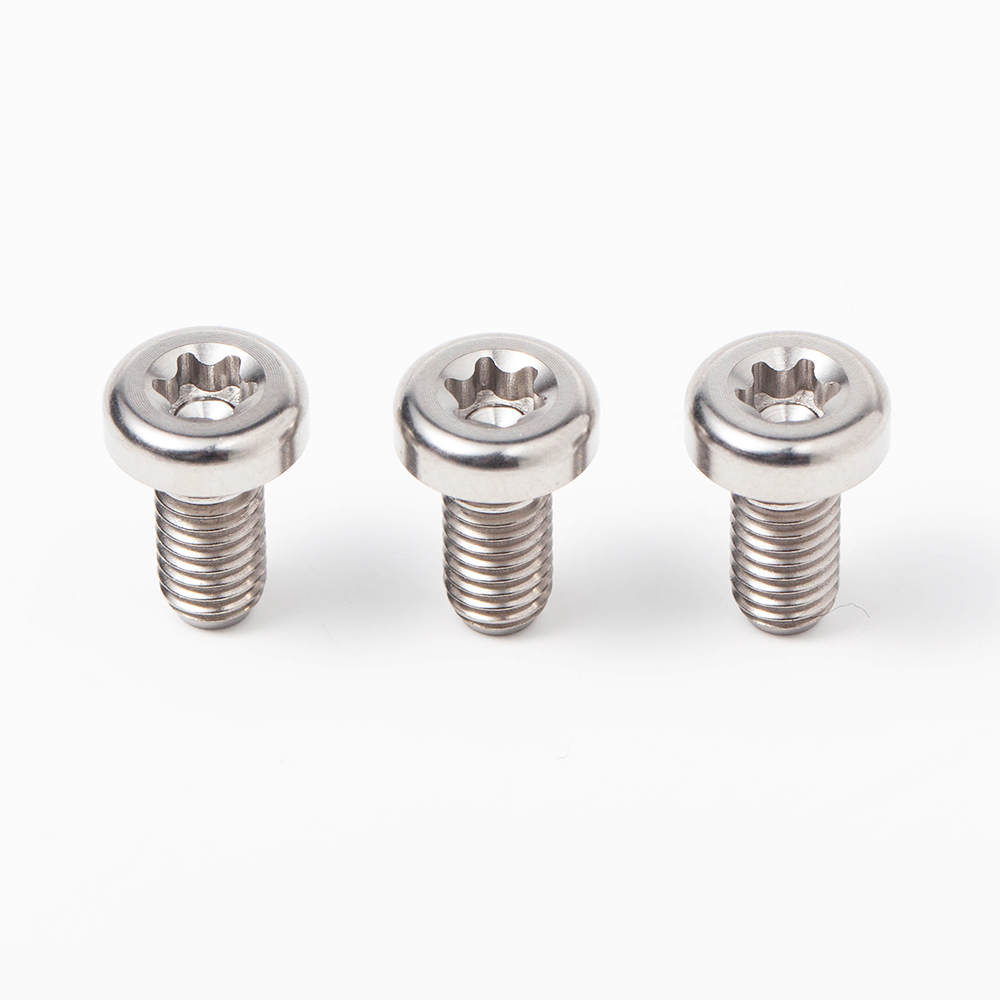
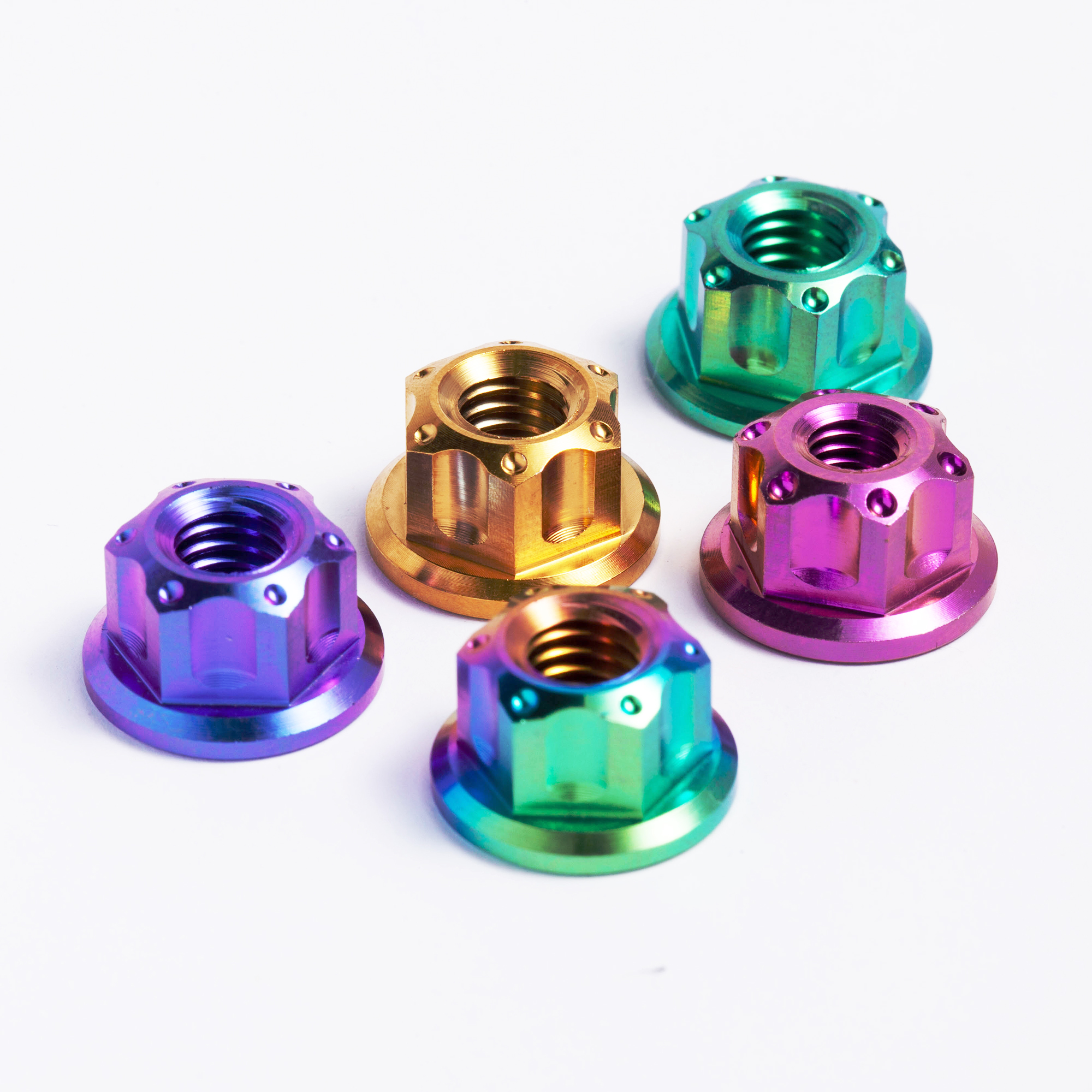
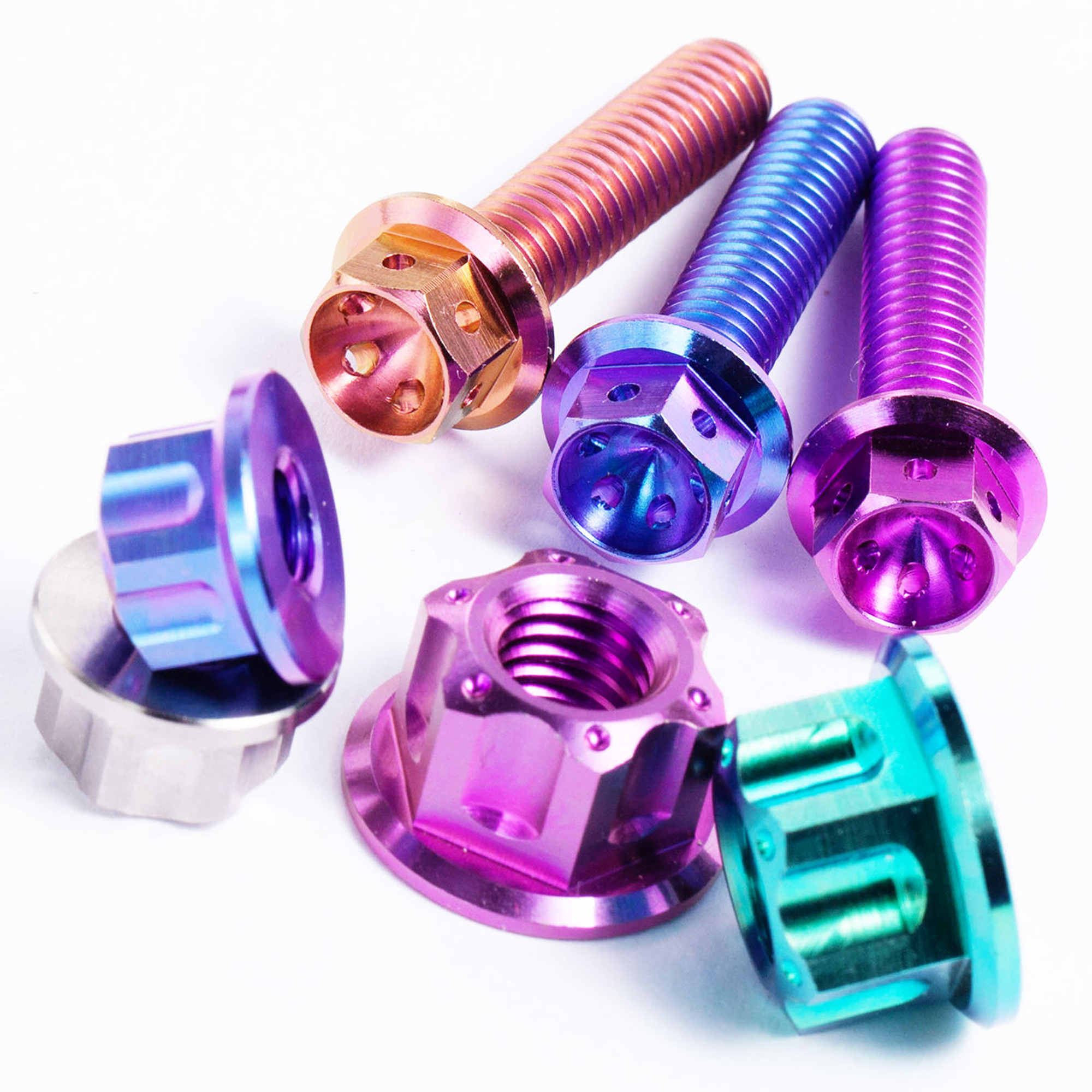
Engineering Titanium Valve Springs: Metallurgical Dynamics & Valvetrain Physics
In high-rpm internal combustion engine design, the valvetrain is the primary limiting factor for maximum engine speed and horsepower generation. As engine speeds exceed 8,000 to 12,000 RPM, traditional high-tensile chrome-silicon or vanadium-alloy steel valve springs encounter severe inertial barriers. The mass of the spring itself creates dynamic surge—a destructive standing wave harmonic phenomenon that leads to valve float, lost valve timing, and catastrophic engine failure.
As China’s leading titanium valve spring supplier, Jiaxing Wexra Titanium Products Co., Ltd. leverages advanced titanium metallurgy to engineer valvetrain components that bypass the physical limitations of steel. By substituting carbon steel with Grade 5 Titanium (Ti-6Al-4V) or specialized Beta Titanium alloys (such as Ti-15V-3Cr-3Sn-3Al), engine designers achieve a dramatic weight reduction of approximately 40% to 45% without sacrificing yield strength or high-cycle fatigue resistance.
1. Valvetrain Mass Reduction & Kinetic Harmonics
The total force required to accelerate a valve assembly is defined by Newton's second law, $F = m \cdot a$. Because valve acceleration profiles at high engine speeds routinely exceed $2,500 \text{ g}$, even a small reduction in moving mass dramatically reduces the required seating pressure. Reducing valvetrain mass via titanium springs and retainers produces three immediate benefits:
- Elimination of Valve Float: Higher natural resonant frequencies shift spring surge limits well above operational RPM ceilings.
- Reduced Camshaft Wear: Lower spring seat loads decrease friction and mechanical wear on camshaft lobes, lifters, and rocker arms.
- Improved Transient Throttle Response: Decreased rotational and reciprocating inertia allows the powertrain to spin up significantly faster.
2. Material Selection: Beta Titanium Alloys vs. Alpha-Beta Ti-6Al-4V
Choosing the correct titanium grade is paramount when designing valve springs versus matching retainers and locks. While Grade 5 Titanium (Ti-6Al-4V) is the undisputed industry standard for valve spring retainers, spring seats, and disc brake fasteners due to its exceptional strength-to-weight ratio (tensile strength $\ge 895 \text{ MPa}$), helical valve springs often utilize specialized Beta Titanium alloys (e.g., Ti-15V-3Cr-3Sn-3Al or Ti-3Al-8V-6Cr-4Zr-4Mo). Beta alloys feature a lower shear modulus ($G \approx 40-42 \text{ GPa}$ compared to steel’s $79 \text{ GPa}$), which allows fewer active coils to achieve the target spring rate, reducing overall spring height and weight even further.
| Material Specification | Density (g/cm³) | Tensile Strength (MPa) | Shear Modulus G (GPa) | Fatigue Limit (Cycles) | Primary Valvetrain Application |
|---|---|---|---|---|---|
| Titanium Grade 5 (Ti-6Al-4V) | 4.43 | 895 - 1050 | 44 | 107 | Spring Retainers, Lock Keepers, Fasteners |
| Beta Titanium (Ti-15V-3Cr-3Sn-3Al) | 4.75 | 1100 - 1300 | 40 | 107+ | High-RPM Helical Valve Springs |
| Pac Chrome Silicon Steel | 7.85 | 1600 - 1900 | 79 | 106 | Conventional Heavy-Duty Springs |
| Aluminum 7075-T6 | 2.81 | 570 | 27 | 105 (Low) | Low-Budget Lightweight Retainers |
3. Surface Metallurgy & Anti-Fretting Treatments
Titanium inherently suffers from a higher coefficient of friction and susceptibility to thread galling or surface fretting when in direct sliding contact with steel or hard alloy valve guides. To combat fretting fatigue and surface micro-cracking, Jiaxing Wexra Titanium implements state-of-the-art surface enhancement protocols:
- Controlled Shot Peening: Bombarding the surface with ceramic or titanium micro-beads introduces deep compressive residual stress layers, raising high-cycle fatigue thresholds by over 30%.
- Physical Vapor Deposition (PVD) Nitriding & DLC Coatings: Applied to retainers and valve spring contact surfaces, creating an ultra-hard (up to $2,500 \text{ HV}$) low-friction exterior barrier that eliminates galling against hardened steel valve keepers.
- Micro-Arc Anodizing: Forms a dense, wear-resistant titanium oxide film available in vivid technical color codes (Gold, Blue, Purple, Rainbow) for rapid quality classification in assembly lines.
Future Sourcing & Procurement Trends in Titanium Valve Springs
As global automotive manufacturers, high-performance aftermarket tuning firms, and aerospace propulsion developers seek greater thermal efficiency and higher energy densities, the procurement landscape for titanium valvetrain hardware is rapidly changing. Supply chain directors and technical sourcing managers must adapt to several decisive market shifts from 2025 through 2030:
1. Direct Factory Customization & MOQ Flexibility
Global B2B buyers are bypassing trading intermediaries in favor of direct engineering partnerships with certified Chinese manufacturers capable of low-MOQ prototype runs followed by scalable mass production.
2. Strict Traceability & EN 10204 3.1 Certification
Procurement teams demand 100% material heat-number traceability with full Chemical and Physical Mill Test Reports (MTC) to guarantee raw titanium sponge purity and prevent oxygen contamination.
3. Micro-Hybrid & Alternative Fuel Adaptation
Hydrogen and synthetic-fuel (e-fuel) internal combustion engines operate under higher cylinder pressures and thermal spikes, accelerating the transition from traditional steel hardware to corrosion-resistant Grade 5 titanium fasteners and valve retainers.
Advanced Manufacturing Technologies & Design Innovations
Precision manufacturing of titanium valve spring hardware demands stringent thermal and mechanical process controls. Unlike standard mild steel manufacturing, titanium’s tendency to work-harden requires specialized multi-axis CNC Swiss machining, thread rolling, and finite element modeling (FEA).
1. Finite Element Analysis (FEA) Stress Distribution
By simulating coil deflection and retainer shear stresses prior to production, our engineering team optimizes retainer geometry—removing dead weight from low-stress outer peripheries while reinforcing internal keeper step grooves. This yields ultra-lightweight designs capable of withstanding extreme valvetrain accelerations.
2. Precision Thread Rolling & Cold Heading
For associated valvetrain stud kits and high-tensile engine fasteners (such as M6-M12 flange bolts and cylinder head studs), Jiaxing Wexra utilizes precision cold forging and roll-threading techniques. Rolled threads preserve continuous metallurgical grain flow along the pitch line, yielding a 300% increase in fatigue life compared to standard cut threads.
Enterprise Advantages: Jiaxing Wexra Titanium Products Co., Ltd.
Located in Jiaxing City, Zhejiang Province, China, Jiaxing Wexra Titanium Products Co., Ltd. is a dedicated manufacturer and global exporter of high-grade titanium fasteners, custom CNC machined components, EDC tools, and raw titanium materials. Operating under an ISO 9001:2015 Quality Management System, we deliver OEM/ODM solutions to automotive, motorsport, marine, and industrial buyers across the United States, Germany, the United Kingdom, and Canada.
ISO 9001:2015 & Global Compliance
Fully compliant with international environmental and quality regulations, including RoHS, REACH, CE, and UKCA certifications for European and North American markets.
±0.01 mm High-Precision Machining
Equipped with multi-axis CNC turning and milling centers, laser cutting equipment, and optical CMM inspection tools to guarantee tight engineering tolerances.
Full In-House Surface Finishing
Complete control over post-processing: vacuum anodizing, polishing, sandblasting, and custom laser-engraved branding for turn-key OEM projects.
B2B Buyer Sourcing FAQ: Titanium Valve Springs & Hardware
Below are technical solutions to the most common questions raised by engine builders, procurement directors, and technical engineers during procurement review: