Featured Precision Titanium Fasteners & Forged Components
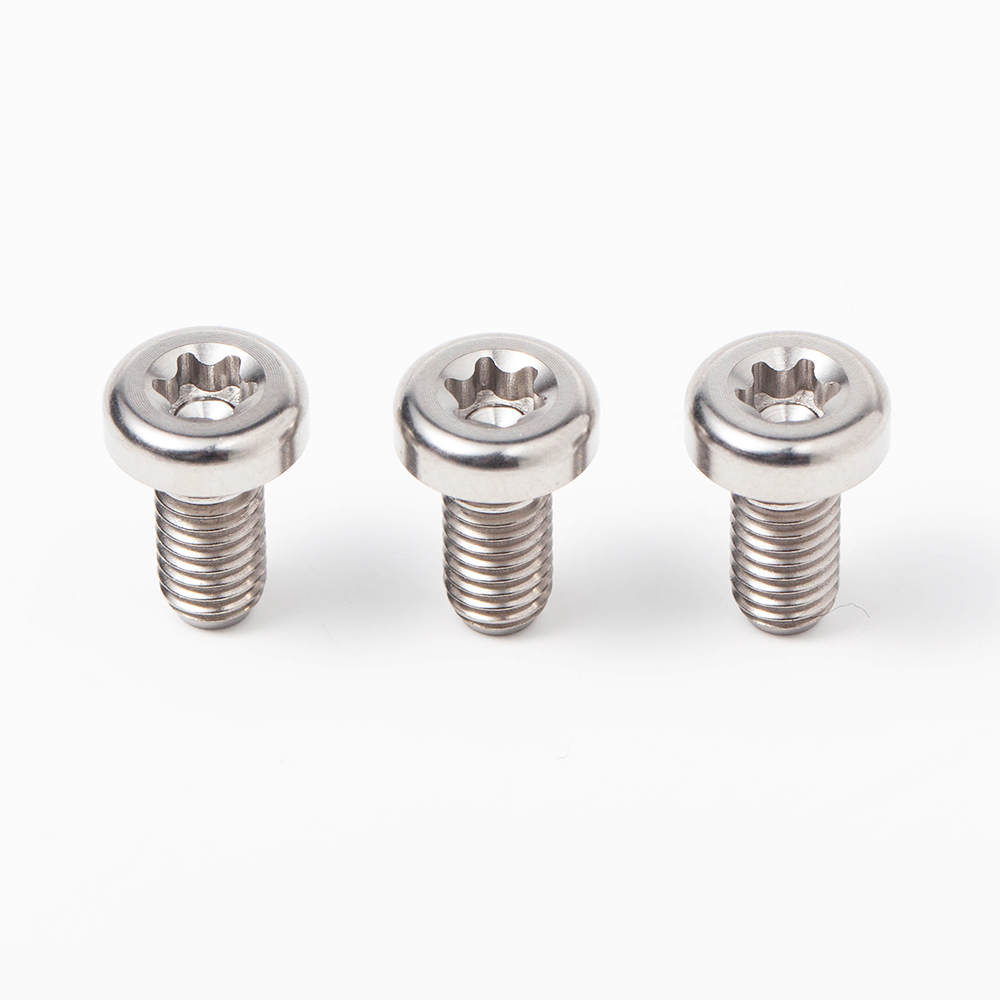
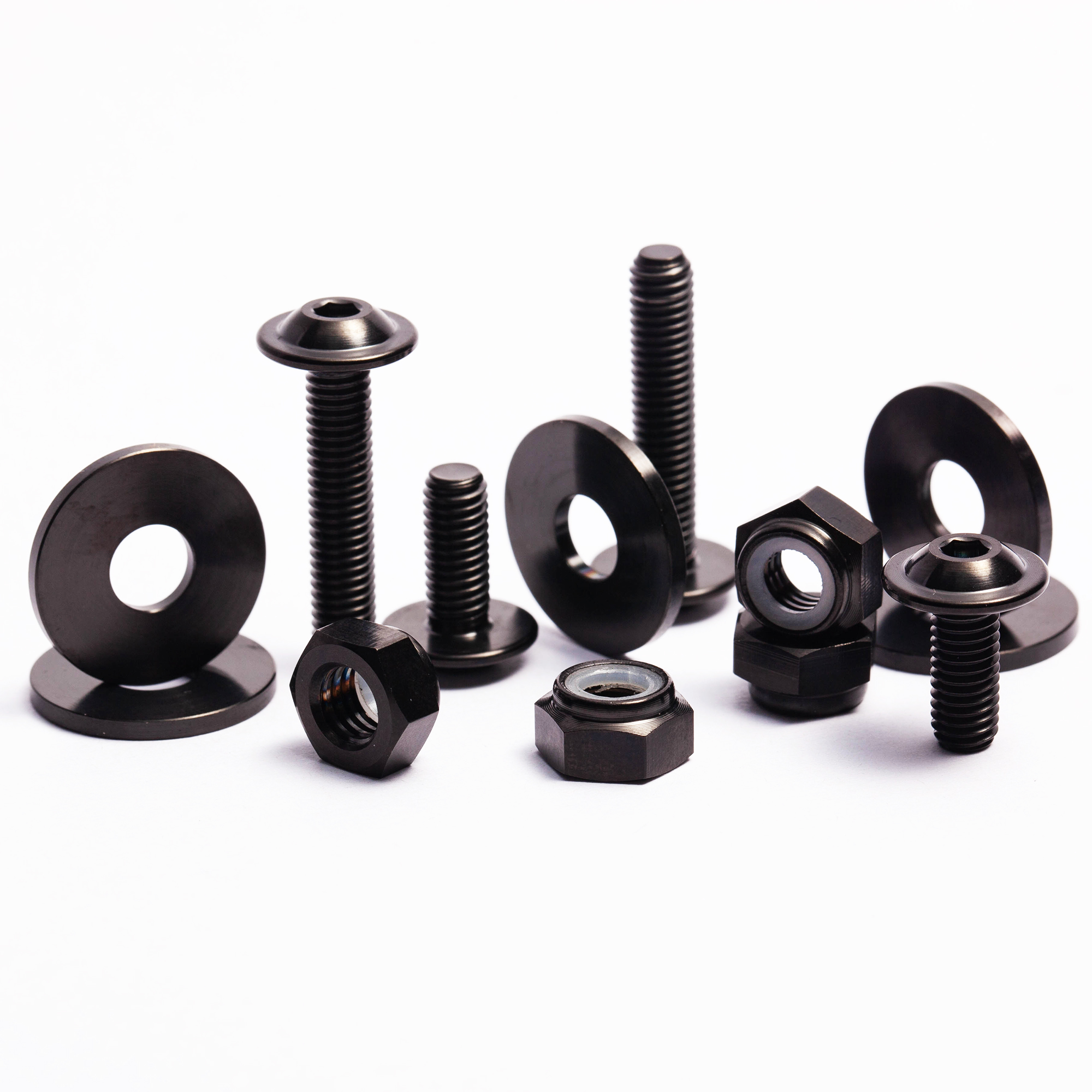
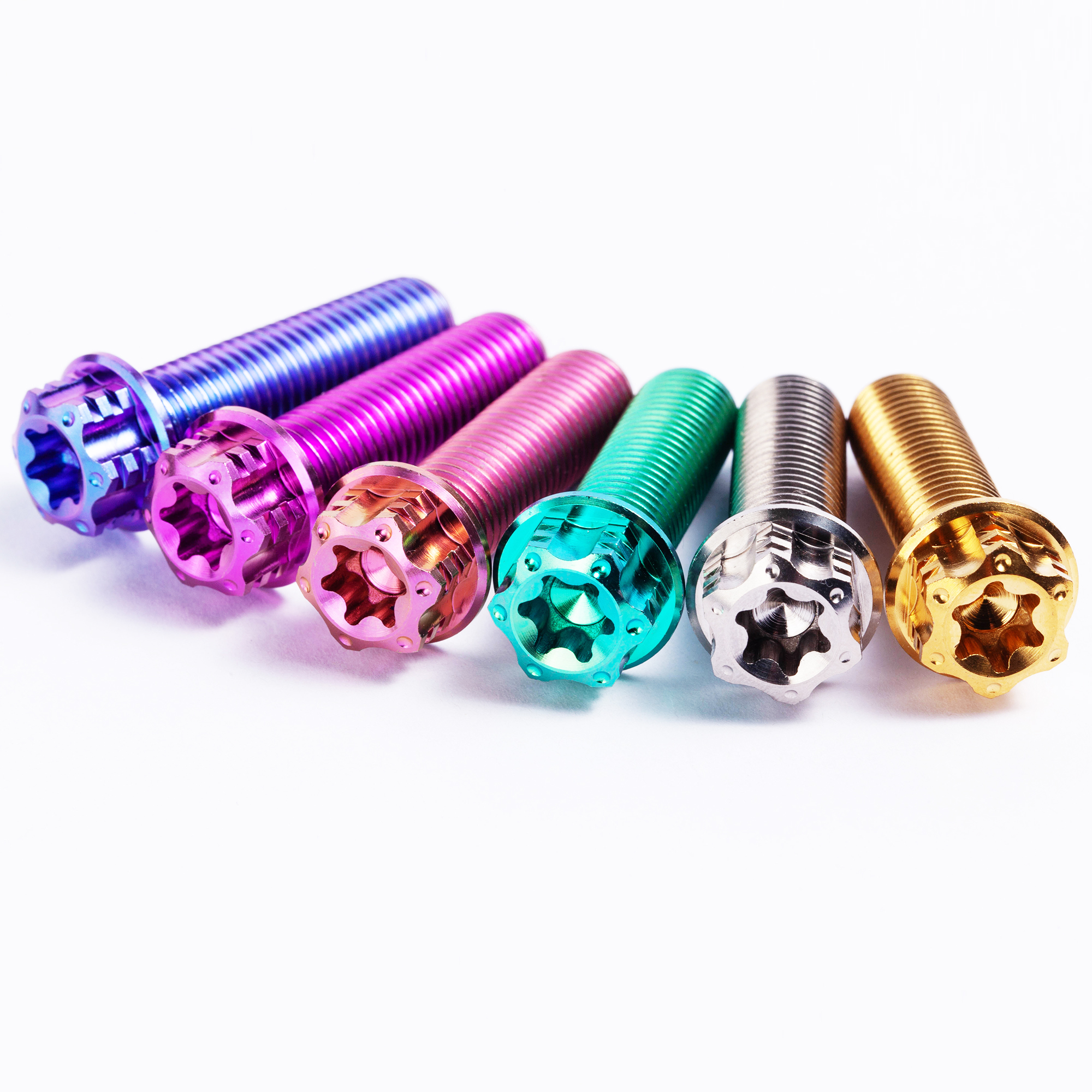
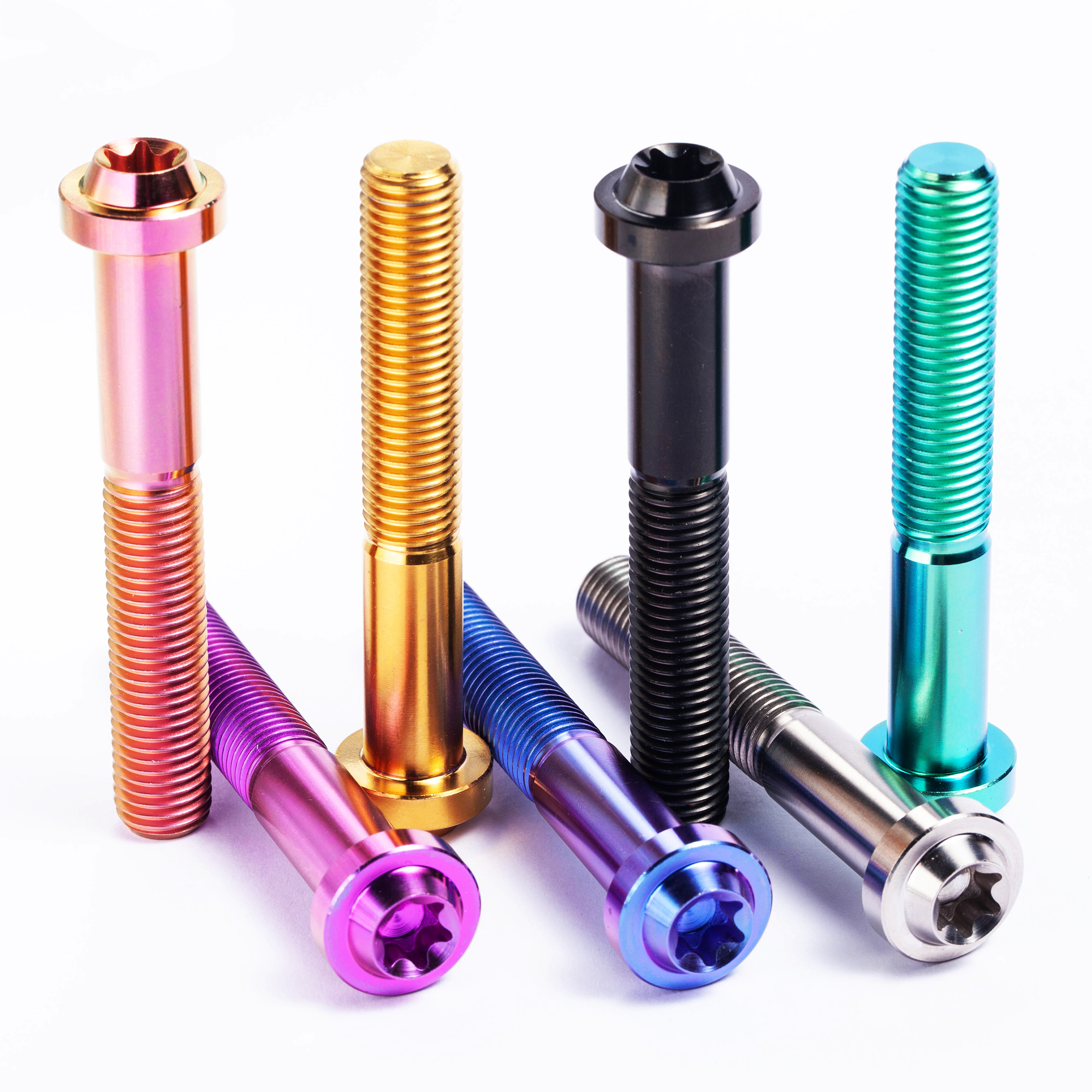
Engineered from aerospace-grade Grade 5 (Ti-6Al-4V) and Grade 9 alloys. Processed via precision hot forging and CNC thread rolling for maximum fatigue resistance, high tensile load performance, and zero atmospheric corrosion.
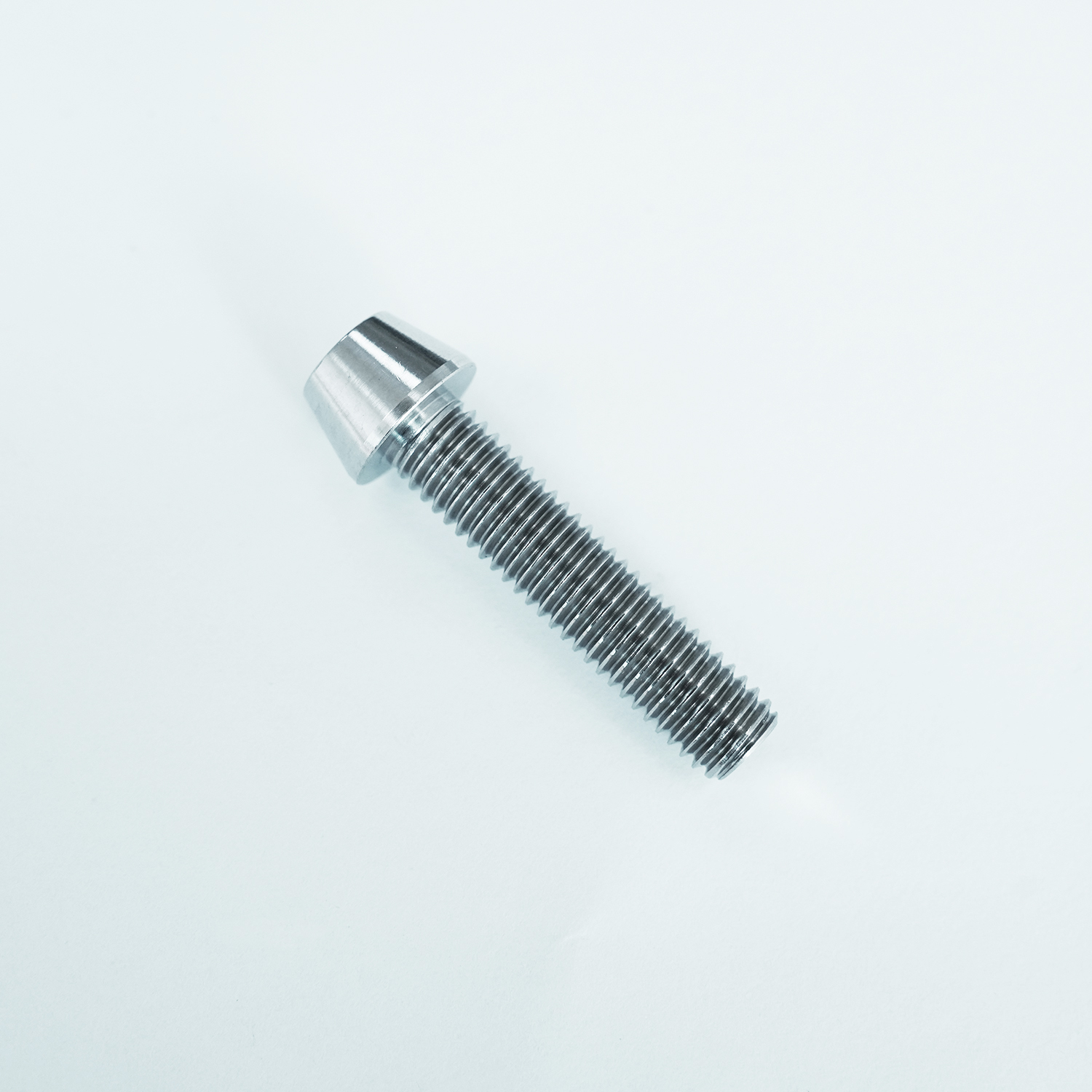
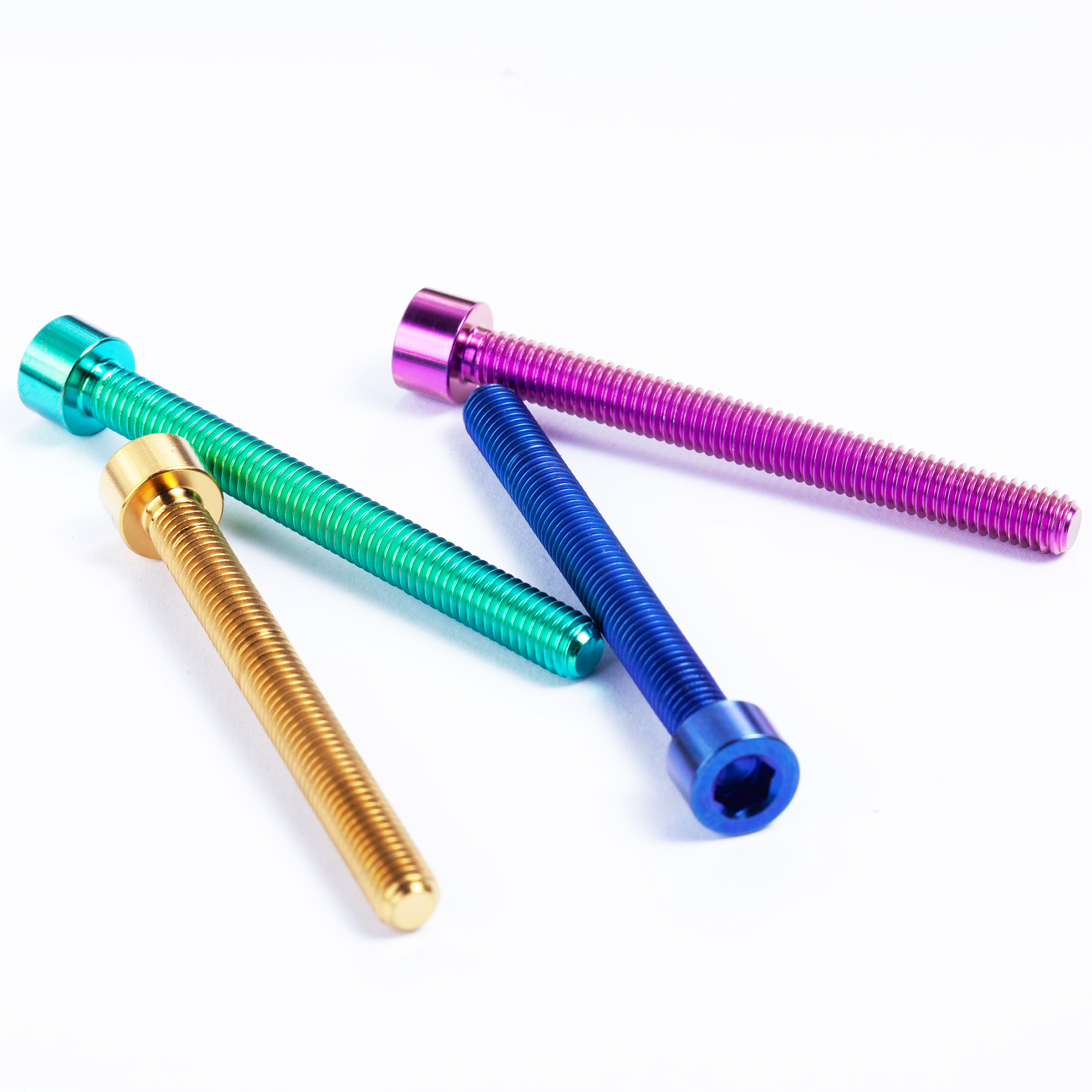
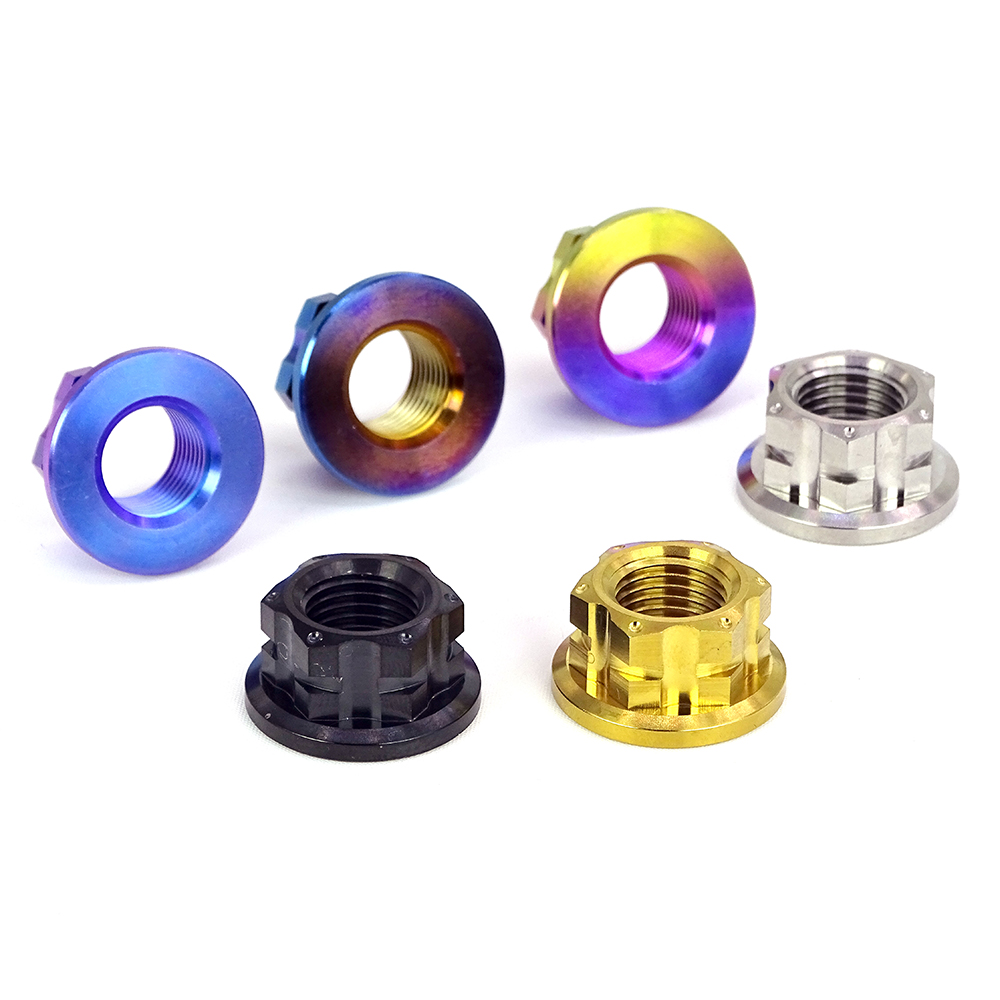
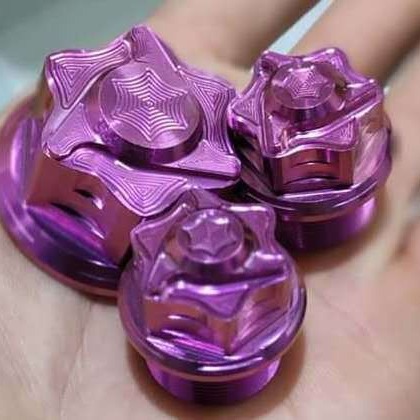
Technical Deep-Dive: Hot Forging vs. Cold Machining in Titanium Part Manufacturing
When procuring heavy-duty titanium structural elements, understanding the difference between cold subtractive CNC machining and closed-die thermo-mechanical hot forging is crucial for engineering teams. **Jiaxing Wexra Titanium Products Co., Ltd.** utilizes state-of-the-art induction-heated hot forging presses to process Grade 5 (Ti-6Al-4V) titanium bar stock within an optimal narrow temperature window of **850°C to 950°C (Alpha-Beta Phase Field)**.
1. Grain Alignment and Mechanical Integrity
In standard subtractive CNC machining, continuous metallic grain lines are severed along the cut contours, leaving micro-structural initiation sites for shear stress propagation and rotational fatigue failure. Conversely, our precision hot forging process re-orients the titanium crystal lattice along the continuous contours of the bolt head and flange transitions. This unbroken grain flow increases dynamic shear resistance by up to **28%** and drastically enhances fatigue life under high-frequency rotational stress (e.g., crankcase bolts, disc rotor studs, and suspension linkages).
2. Post-Forge Thread Rolling Technology
Rather than cutting thread profiles—which creates structural notches and tensile stress risers—Wexra subjects forged blanks to precision planetary thread rolling dies. Cold work hardening during thread rolling introduces compressive residual stresses on the thread roots. This process elevates the fatigue strength threshold by **30% to 40%** compared to cut threads, making our M2 through M24 titanium fasteners fully compliant with demanding industrial standards equivalent to Class 10.9 and Class 12.9 high-tensile steel ratings.
Titanium Alloy Metallurgy & Performance Comparison Matrix
Selecting the correct titanium grade is essential to prevent galling, optimize tensile load limits, and control overall bill-of-materials cost. Below is a comprehensive metallurgical benchmark compiled by our engineering laboratory.
| Material Grade | Composition Breakdown | Density (g/cm³) | Tensile Strength (MPa) | Yield Strength (MPa) | Corrosion Rating | Primary B2B Application Scope |
|---|---|---|---|---|---|---|
| Grade 5 (Ti-6Al-4V) | 6% Al, 4% V, Bal. Ti | 4.43 | 895 - 1000 | 828 | Superior (Passivated) | Structural chassis, brake calipers, engine head studs |
| Grade 9 (Ti-3Al-2.5V) | 3% Al, 2.5% V, Bal. Ti | 4.48 | 620 - 750 | 520 | Outstanding | High-pressure hydraulic lines, bicycle frame hardware |
| Grade 2 (Commercially Pure) | 99.2% Pure Titanium | 4.51 | 345 - 480 | 275 | Extreme (Acid/Marine) | Chemical processing pumps, marine exhaust flanges |
| Grade 23 (Ti-6Al-4V ELI) | Extra Low Interstitial Ti64 | 4.43 | 860 - 960 | 790 | Biocompatible | Medical implants, deep-sea exploration vessels |
| Class 10.9 Alloy Steel (Ref) | Fe-Cr-Mo Alloy | 7.85 | 1040 | 940 | Poor (Rusts Easily) | Standard automotive chassis bolts (Heavy) |
Future Procurement Trends in Titanium Hardware (2025–2030)
As global OEMs in automotive, e-mobility, aerospace, and outdoor gear accelerate weight-reduction timelines, supply chain procurement for titanium forged parts is undergoing three strategic paradigm shifts:
1. Near-Net-Shape Hot Forging
Raw material cost accounts for over 50% of finished titanium component expenses. Modern industrial buyers are mandating Near-Net-Shape (NNS) hot closed-die forging. NNS minimizes scrap rates from 70% in raw CNC cutting down to under 15%, delivering drastic cost-per-unit reductions for high-volume automotive and motorcycle assembly lines.
2. Advanced Anti-Galling PVD & Anodizing Coatings
Titanium's natural friction coefficient can lead to galling during high-torque dry assembly. Strategic buyers now mandate Type II hard-coat anodizing or Physical Vapor Deposition (PVD) micro-coatings (such as Diamond-Like Carbon DLC, TiN, and Titanium Carbonitride), which reduce surface friction while adding custom aesthetic finishes.
3. Traceable Digital Material Passport & Compliance
With stricter ESG and regulatory frameworks across the US, EU, and UK, global buyers require full supply chain auditability. Sourcing from accredited Chinese factories like Wexra ensures EN 10204 3.1 Mill Test Certificates (MTC), chemical composition analysis via XRF spectrometry, and full RoHS / REACH documentation.
Technological Innovations in Precision Titanium Manufacturing
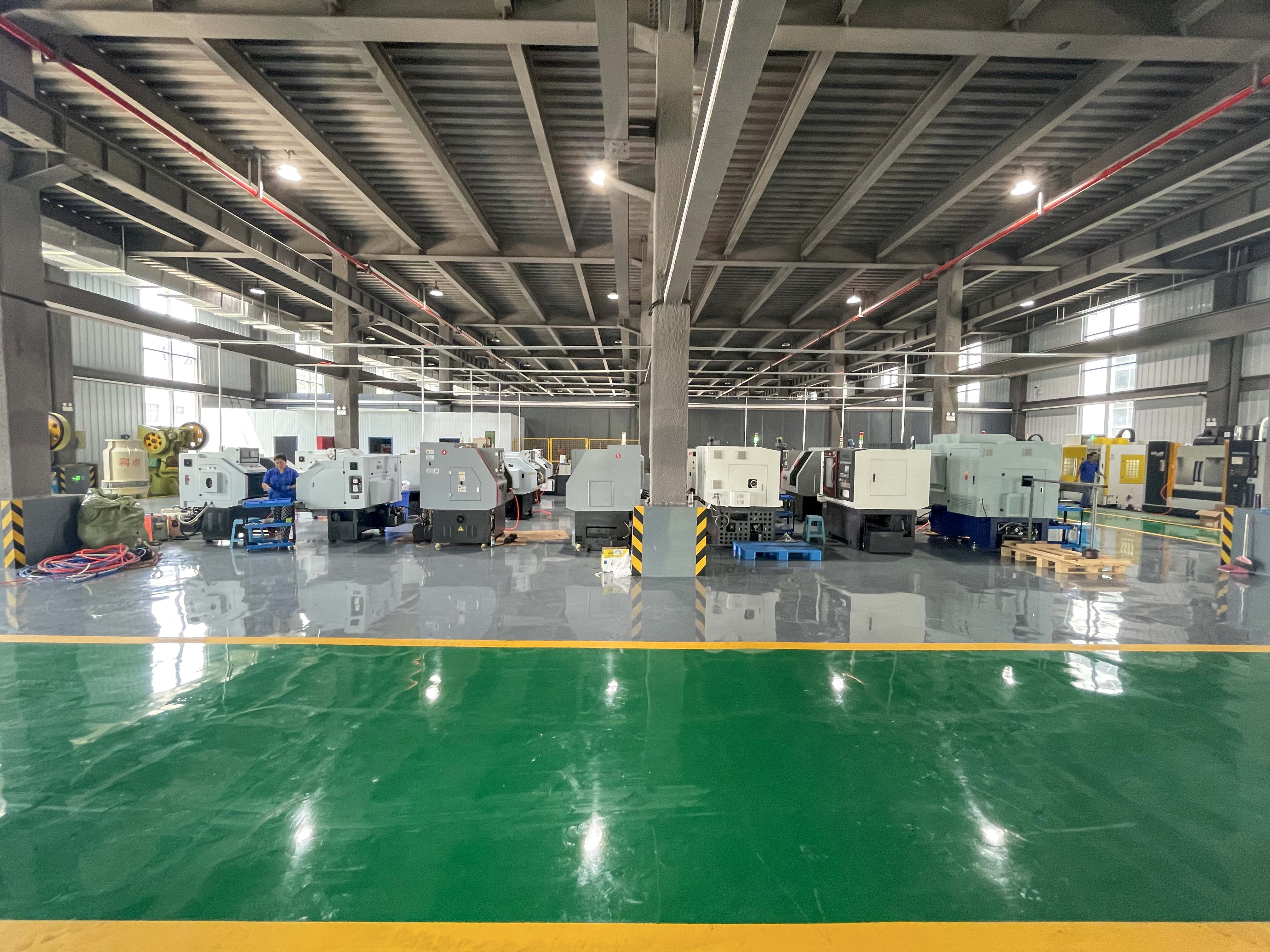
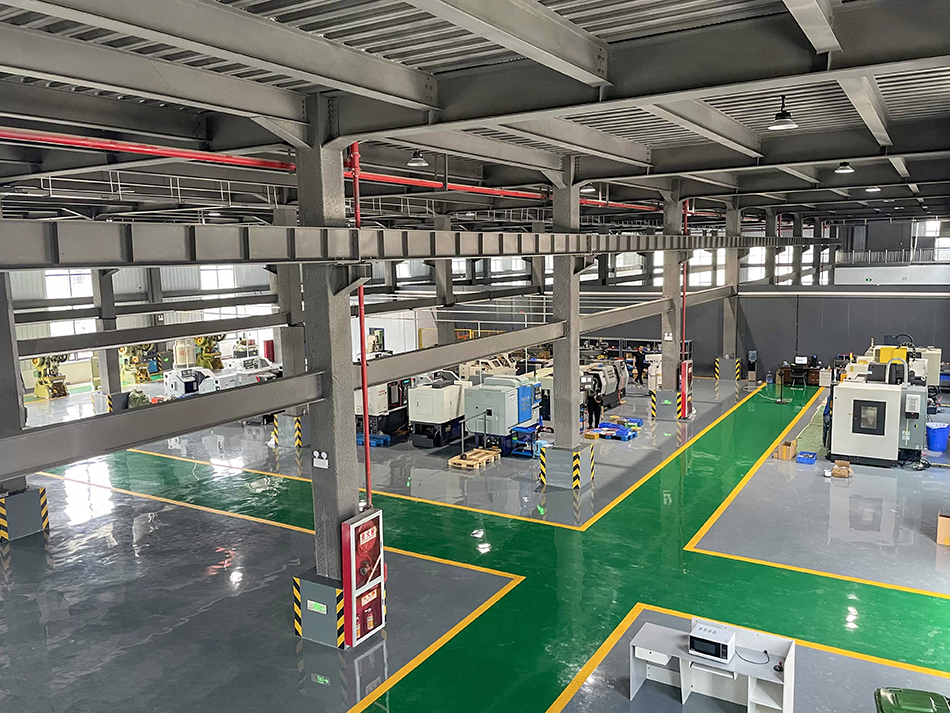
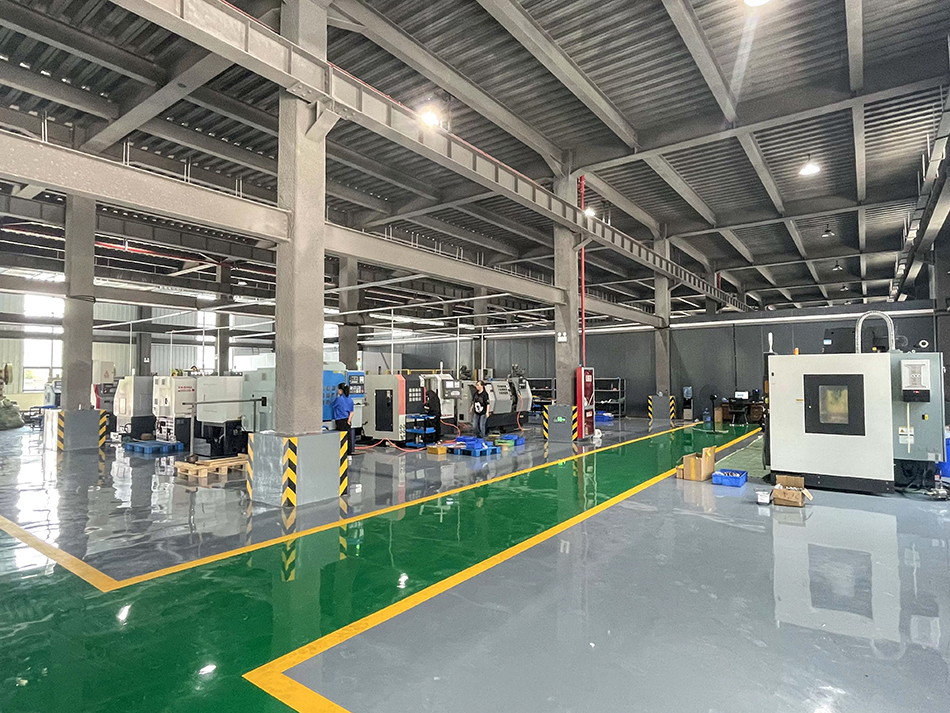
China's titanium processing industry has evolved from low-end raw material milling into advanced manufacturing of finished structural elements. **Jiaxing Wexra Titanium Products Co., Ltd.** leads this technological leap through integrated precision equipment and quality control loops:
- Automated 5-Axis Swiss CNC Machining Centers: Enables complex geometric turn-milling of intricate Torx heads, skeletonized race flanges, and hollowed bolt shanks in a single setup, guaranteeing concentricity within ±0.005mm.
- Induction Temperature-Controlled Blank Heating: Eliminates thermal gradients during hot head forging, preventing alpha-case formation and preventing internal micro-voids or grain boundary brittleness.
- Automated Thread Optical Sorting Systems: Every high-volume order undergoes 100% automated optical profile inspection to verify pitch diameter, lead angle, and surface defect limits before electrochemical treatment.
- Vacuum Thermal Stress Relieving: Post-machining vacuum heat treatment relieves internal stresses induced during cold rolling, optimizing yield elongation without causing surface oxidation or discoloration.
Why Partner with Jiaxing Wexra Titanium Products Co., Ltd.
Located in Jiaxing, Zhejiang, China, Wexra operates a state-of-the-art manufacturing center dedicated exclusively to non-ferrous alloy forging, high-speed CNC machining, and customized OEM development.
Certified ISO 9001 Quality System
Our entire production flow—from raw titanium ingot inspection to final packaging—strictly adheres to ISO 9001:2015 quality protocols, supporting RoHS, REACH, and EPR compliance for European & North American import mandates.
Full-Service OEM / ODM Engineering
We transform 2D CAD blueprints, 3D STEP files, or physical samples into high-precision prototypes in as fast as 7 days. Our in-house tooling shop cuts custom extrusion and hot forging dies efficiently.
Established Export Footprint
Over 90% of our production volume is exported directly to high-tier industrial, motorsport, and bicycle clients across the United States, Germany, the United Kingdom, Canada, and Australia.
Frequently Asked Questions (B2B Sourcing Guide)
In-depth answers to common metallurgical, dimensional, and commercial purchasing questions regarding titanium hardware procurement.