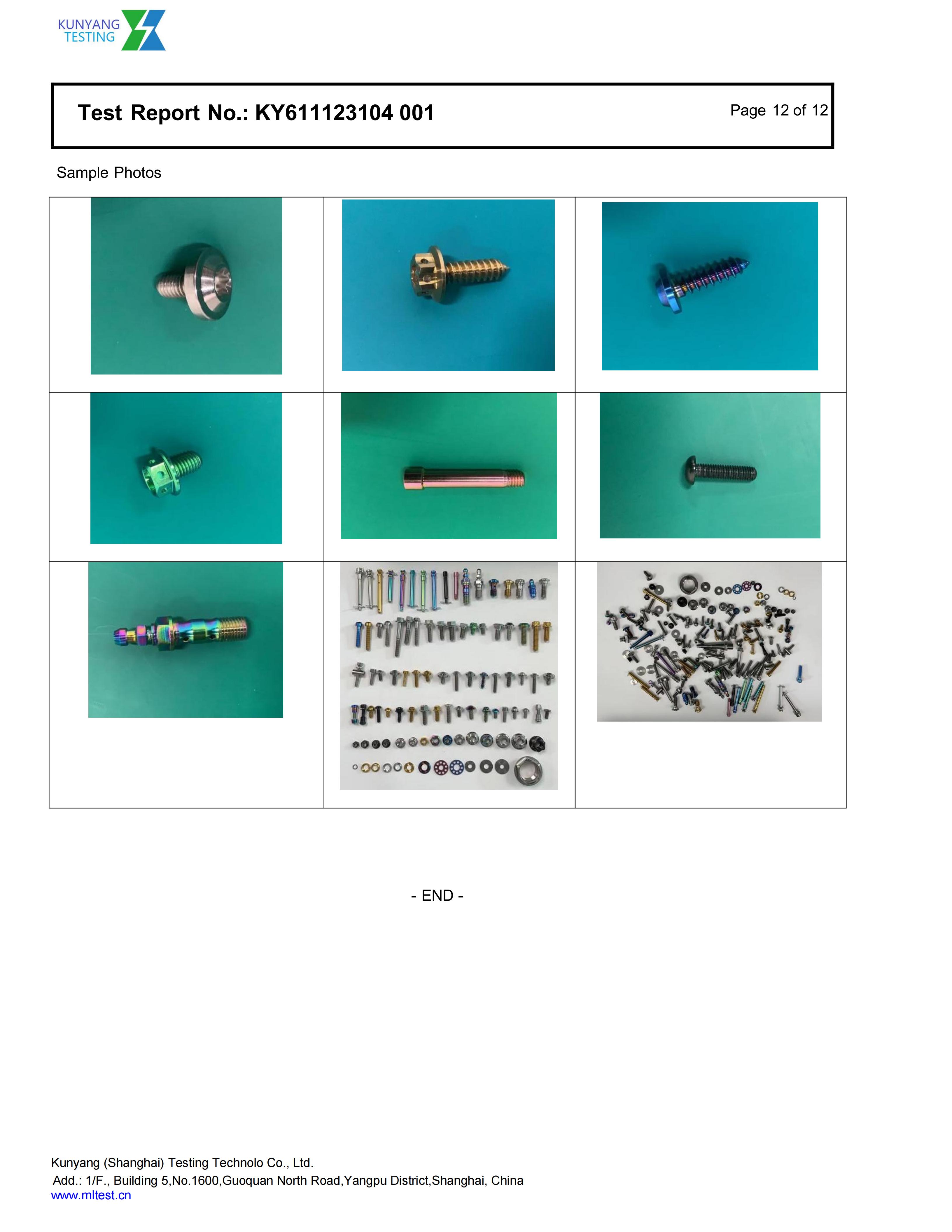
Featured Titanium Spindle & High-Stress Fastener Components
Engineered from aerospace-grade Ti-6Al-4V (Grade 5) and commercially pure Grade 2 titanium. Manufactured with cold thread-rolling, CNC 5-axis live tooling, and micro-inch surface finishes for extreme cycling, motorsport, and structural applications.
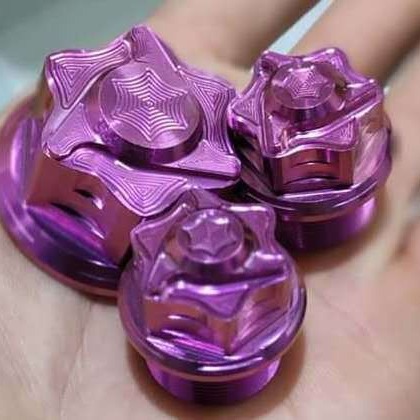
Grade 10.9 M24/M22 Titanium Alloy Motorcycle Oil Cap Screw
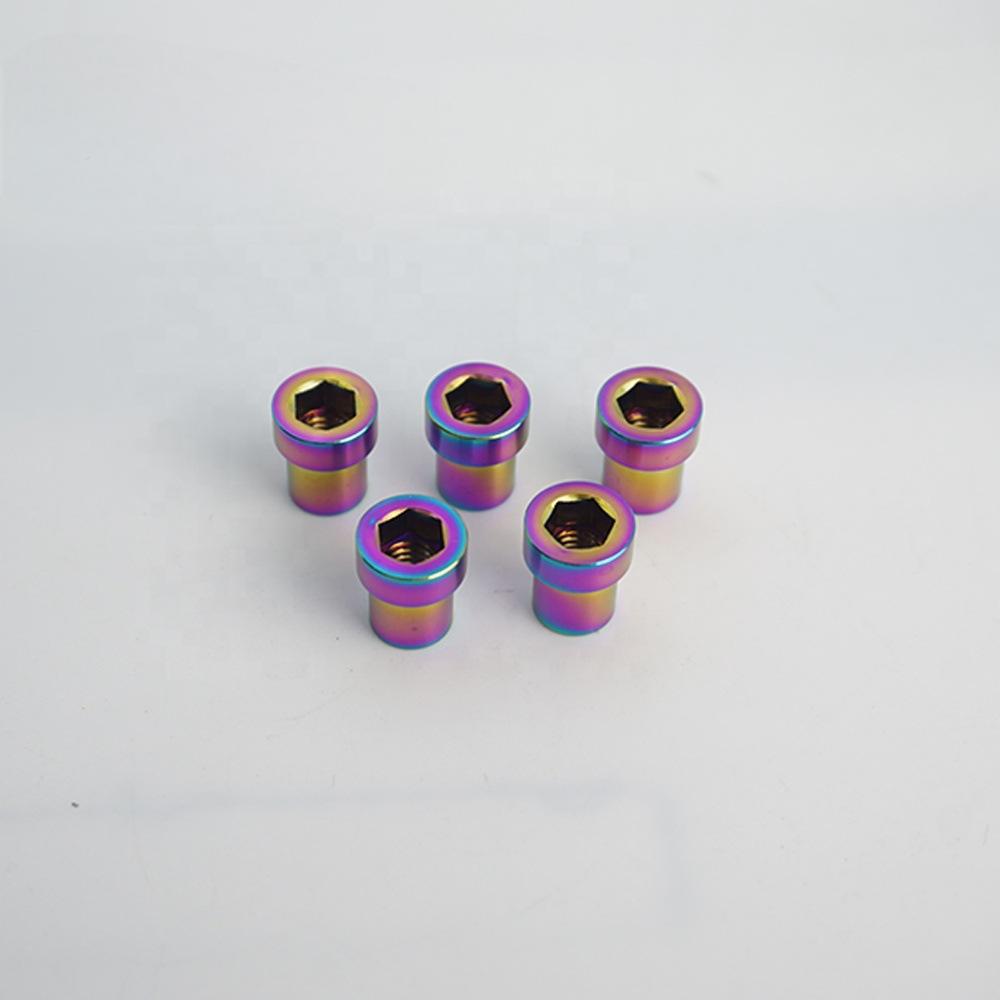
TC4 Titanium M5 Hex Locking Bolts for MTB Carbon Stems
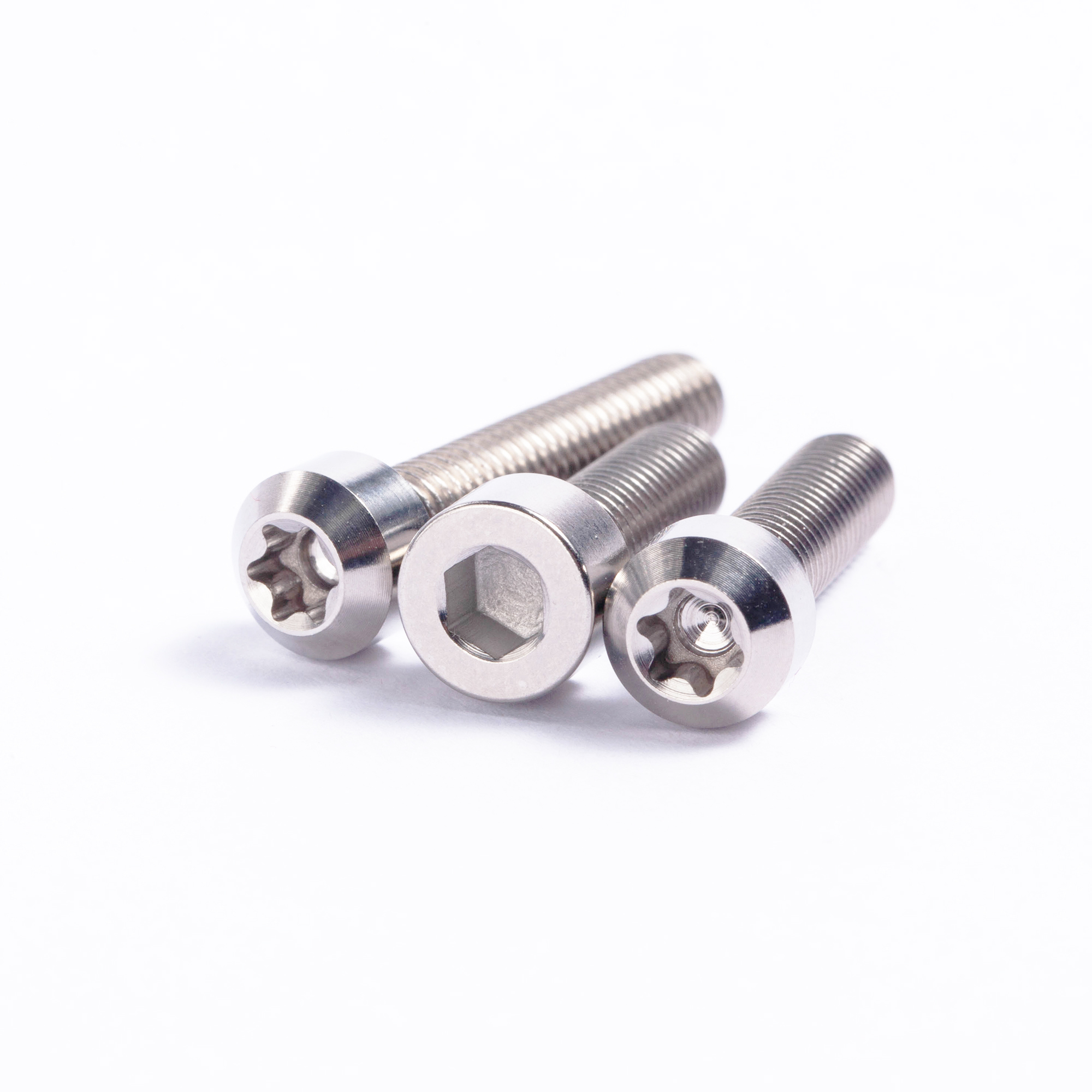
BST-TI Polished Titanium Gr5 DIN Disc Brake Bolts M7/M5x80
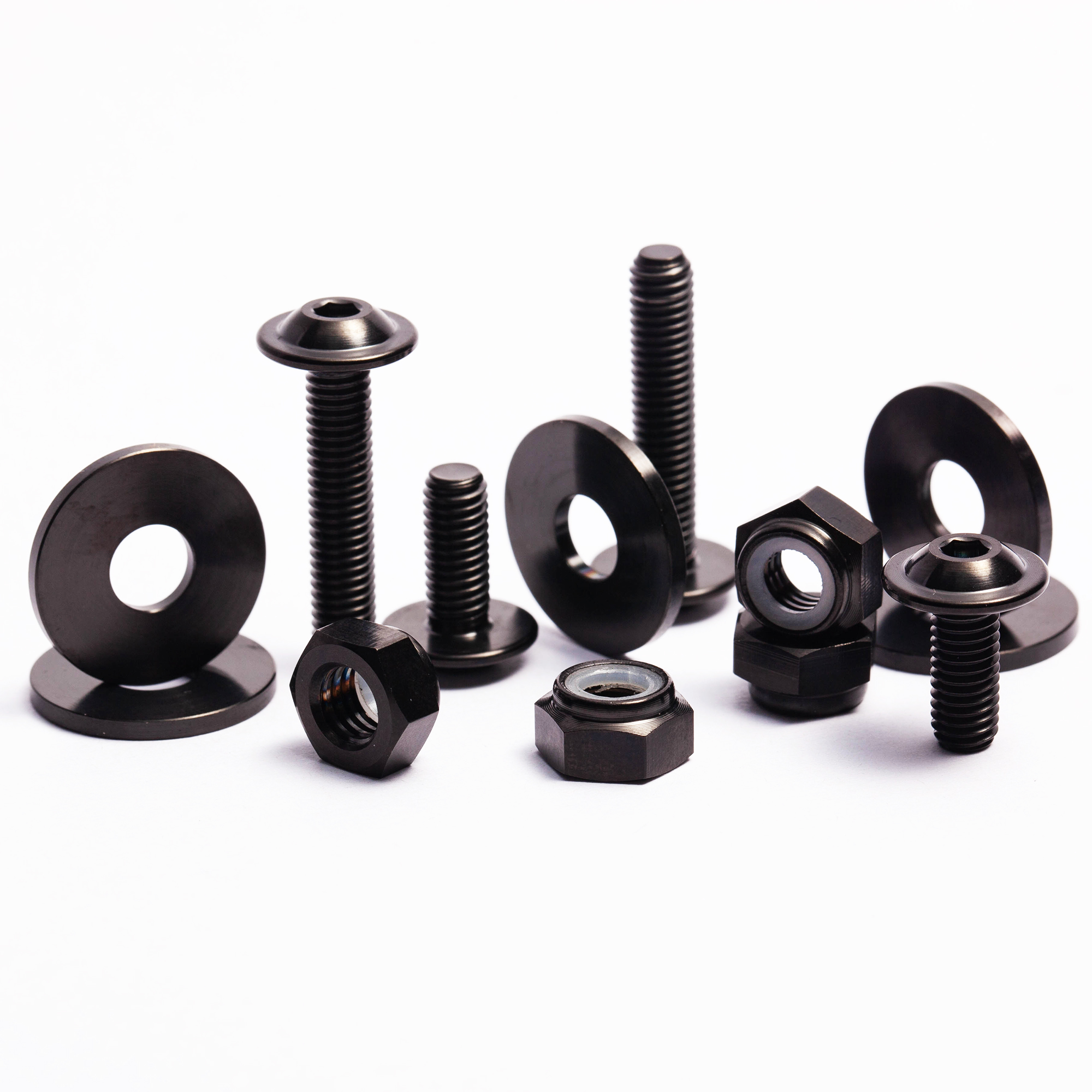
Custom Titanium Gr5 Torx Head Flange Fasteners & Nuts
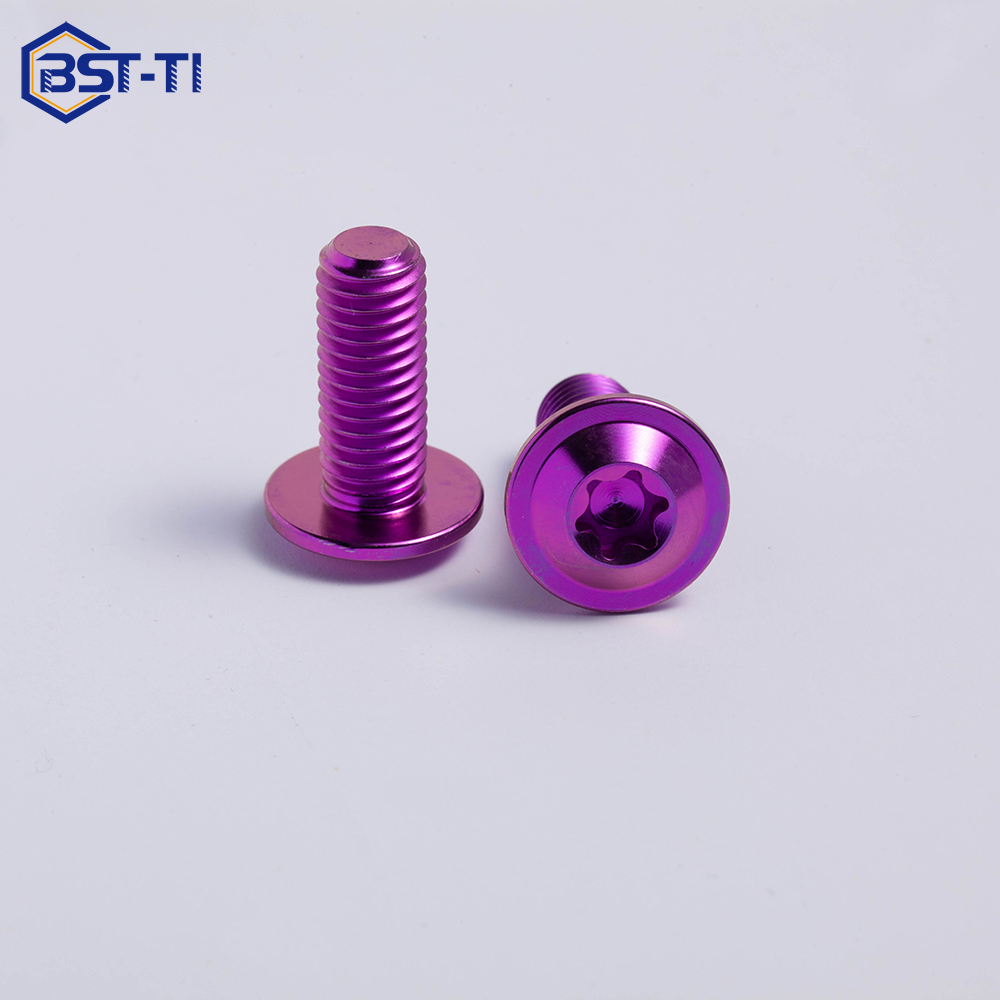
BST-TI Torx Head Titanium Alloy Disc Brake Bolts UNC/ISO
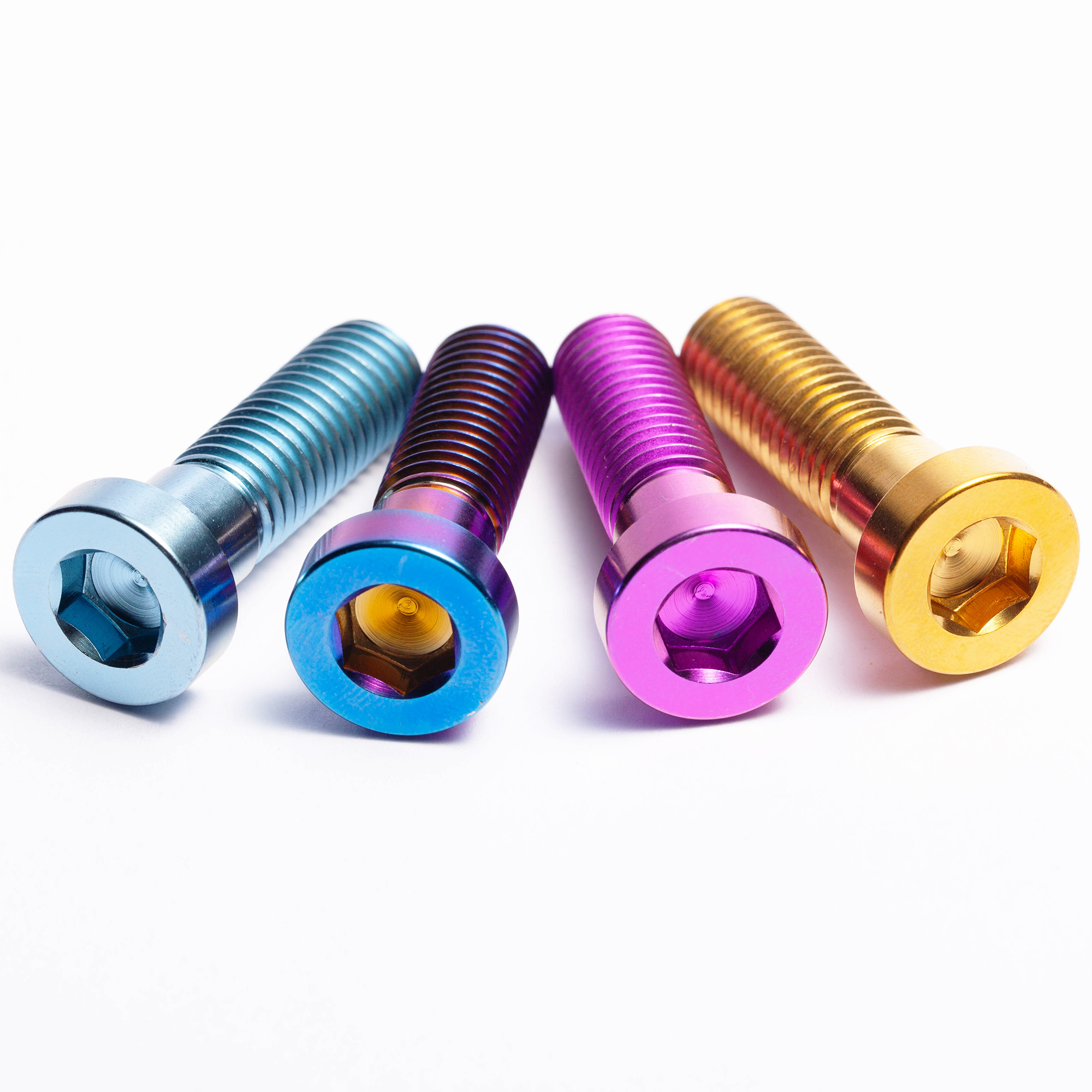
DIN6912 Low Head Socket Cap Titanium Screws
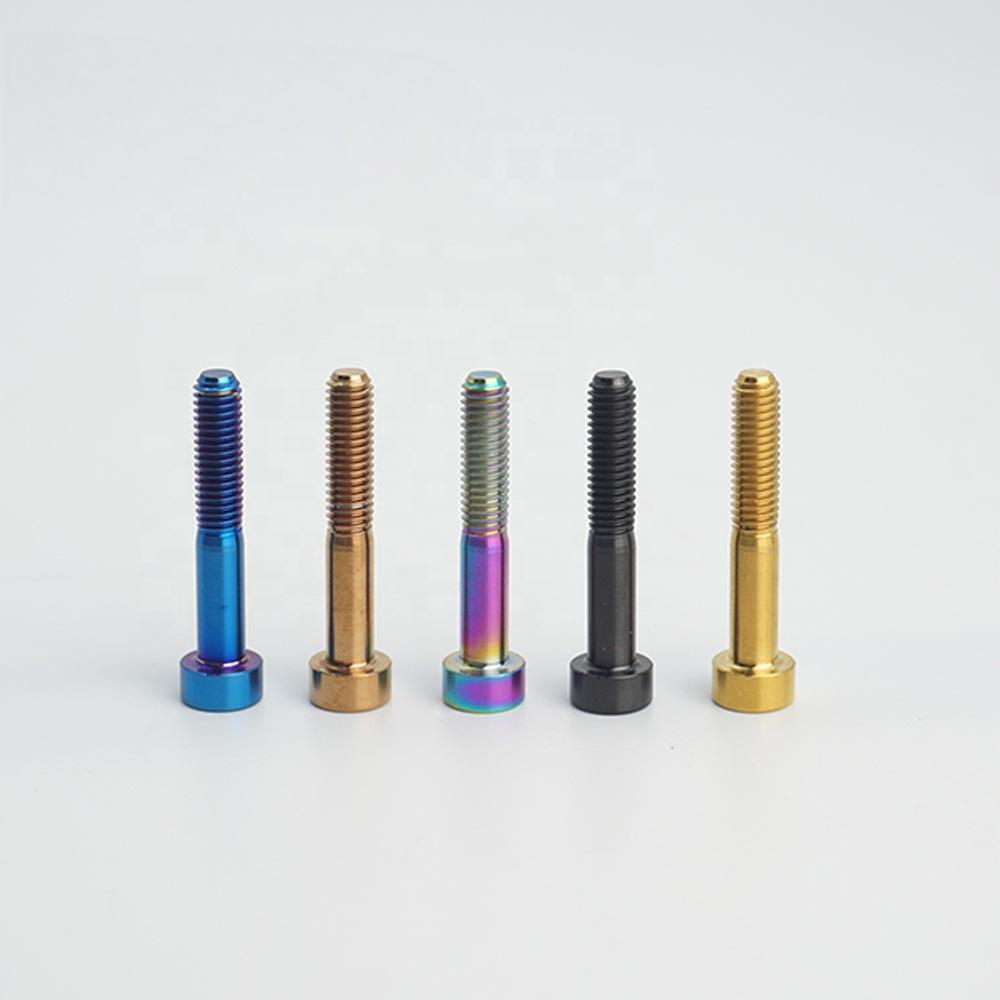
Black CNC Hex Button Head Titanium M5/M6 Hardware
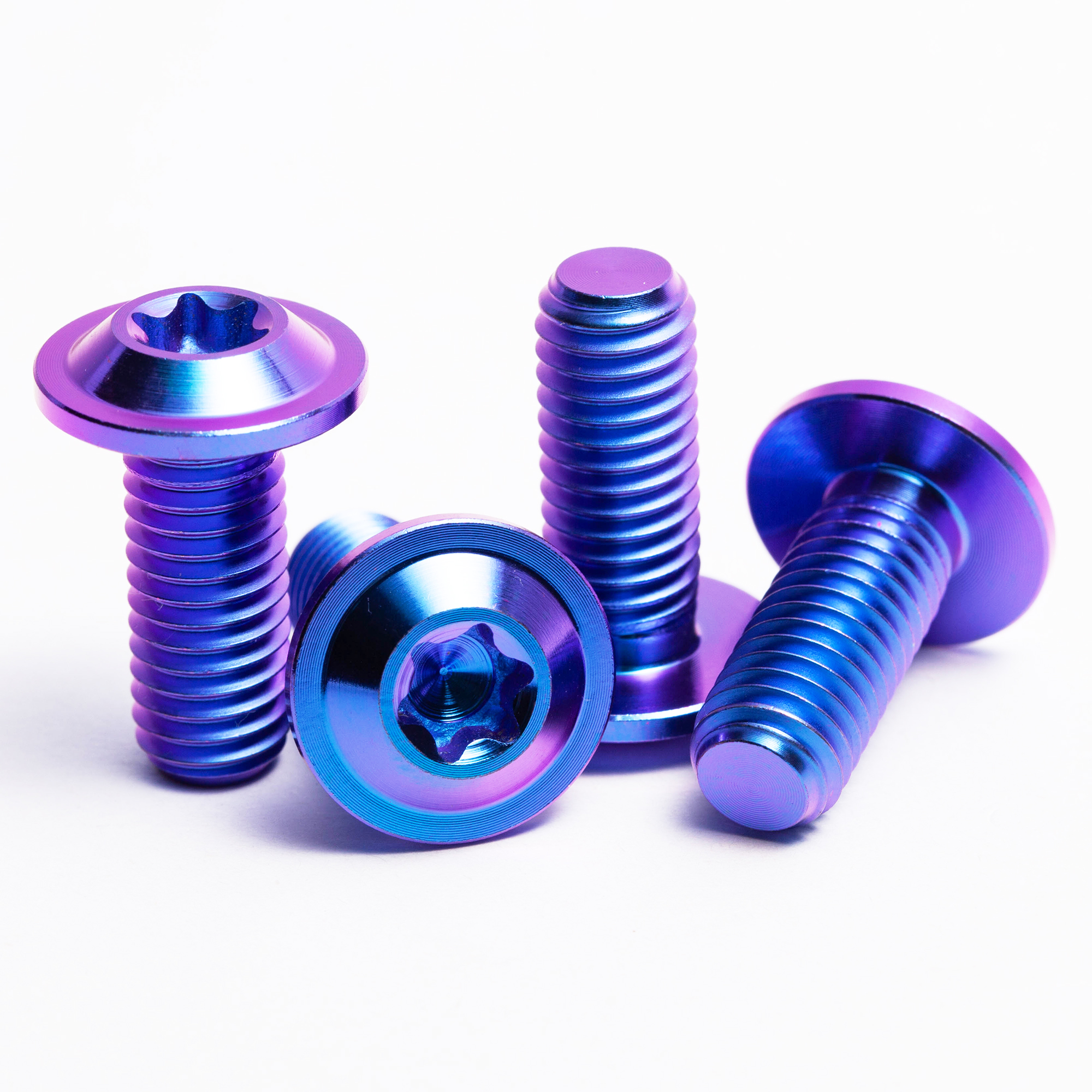
Gr5 Customized Titanium Disc Head Bolts M6/M8/M10
Technical Architecture: Why Ti-6Al-4V Dominates Bicycle Pedal Axles
An engineering analysis of material properties, torsional deflection dynamics, and structural endurance thresholds in high-end cycling spindle systems.
Bicycle pedal axles (spindles) represent one of the most mechanically demanding components in cycling mechanics. Acting as cantilevered shafts supported by the crank arm interface at one end and subjected to asymmetric, cyclical multi-axis downward thrusts up to 1,800 Newtons during professional sprint wattages, pedal axles experience continuous combined loading: flexural bending, torsional shear, and high-frequency cyclical fatigue. For decades, cold-drawn SCM435 chromoly alloy steel was the default standard due to its high tensile strength (approx. 980 MPa). However, the evolution of high-performance competitive cycling, UCI weight-reduction thresholds, and the rise of gravel and high-torque E-MTBs have positioned Grade 5 Titanium (Ti-6Al-4V / ASTM B348 / TC4) as the quintessential spindle material for premium bicycle platforms.
As a leading China top titanium pedal axle supplier and exporter, Jiaxing Wexra Titanium Products Co., Ltd. analyzes the core metallurgical mechanism: Ti-6Al-4V is an alpha-beta alloy containing 6% aluminum to stabilize the alpha phase and 4% vanadium to stabilize the beta phase. This metallurgical synergy results in a density of only 4.43 g/cm³ (roughly 56% that of steel) while achieving a minimum yield strength of 830 MPa and an ultimate tensile strength exceeding 895 to 960 MPa. The specific strength (strength-to-density ratio) of Grade 5 titanium substantially outperforms tempered alloy steels and 7075-T6 aluminum alloys, enabling bicycle engineers to shave 35% to 45% of rotational spindle mass without compromising structural integrity or rider safety.
| Material Specification | Density (g/cm³) | Yield Strength (MPa) | Tensile Strength (MPa) | Elastic Modulus (GPa) | Fatigue Limit (10⁷ Cycles) | Corrosion & Fretting Rating |
|---|---|---|---|---|---|---|
| Titanium Gr5 (Ti-6Al-4V Eli) | 4.43 | 880 | 950 | 114 | 510 MPa | Immune / Superb |
| Commercially Pure Ti (Gr2) | 4.51 | 275 - 345 | 450 | 103 | 240 MPa | Immune / Marine |
| Chromoly Steel (SCM435/4130) | 7.85 | 785 - 835 | 980 - 1080 | 205 | 480 MPa | Rust Prone (Req. Coating) |
| Stainless Steel (AISI 17-4PH) | 7.78 | 790 | 930 | 196 | 420 MPa | Passivated / Moderate |
| Aluminum Alloy (7075-T6) | 2.81 | 505 | 570 | 72 | 160 MPa (No fatigue limit) | Galvanic Vulnerable |
A critical engineering nuance highlighted in our manufacturing process is the Elastic Modulus (Young's Modulus). Titanium’s modulus of ~114 GPa is roughly half that of steel (205 GPa). While theoretical stiffness is lower, our CAD/CAM engineers leverage this lower modulus to achieve compliance and micro-dampening against trail harmonics in MTB and gravel applications, significantly mitigating micro-impact spikes transmitted to bearings. To neutralize excess flexural deflection across the standard 9/16"-20 TPI pedal interface, Wexra optimizes spindle core taper geometry, thickening bearing step shoulders and utilizing hollow internal CNC-drilled bores. This architectural optimization delivers maximum section modulus ($Z$) where bending moments peak near the crank-face collar, eliminating catastrophic sheer failure under ISO 4210 impact-drop fatigue tests.
Cold Thread Rolling vs. Cutting
We employ high-precision hydraulic thread rolling machines to cold-form the critical 9/16"-20 TPI pedal threads. Unlike conventional CNC single-point cutting that severs grain boundaries, thread rolling compresses the metallurgical grain flow lines parallel to the thread profile, boosting surface hardness by 15-20% and extending fatigue life up to 300% under cyclical sprint loads.
Bearing Journal Tolerances (±0.005mm)
Bicycle pedal bearings (needle cartridges, sealed cartridge deep-groove ball bearings, and self-lubricating DU bushings) require ultra-tight press-fit concentricity. Our Japanese multi-axis CNC Swiss screw machines ensure spindle bearing journal diameter runouts are held within ±0.005 mm to eliminate bearing pre-load binding, play, and premature failure.
PVD DLC & Anti-Galling Coatings
Titanium is inherently susceptible to galling when threaded against aluminum crank inserts or steel pedal bodies. Wexra applies specialized Physical Vapor Deposition (PVD) coatings—such as Diamond-Like Carbon (DLC), TiN (Gold), and TiCN—depositing a 2-3 micron layer that lowers friction coefficients below 0.1 while elevating surface hardness above 2,500 Vickers (HV).
Future Procurement Trends: Titanium Pedal Axles & Bike Hardware
Key structural shifts, supply chain reorganizations, and technological standards driving purchasing decisions for Tier-1 bicycle brands and distributors worldwide.
E-Bike & High-Torque Durability Specs
With E-MTBs generating instant crank motor torque beyond 90-110 Nm, pedal spindle stress cycles have doubled. Global buyers are abandoning lightweight alloy spindles and shifting toward hollow-core Grade 5 titanium axles capable of passing 1,000,000 cycles under ISO 4210-8 heavy-load durability testing.
Integrated Sensor & Power Meter Axles
Smart cycling dynamics demand pedal axles featuring precision interior gun-drilled channels to house strain gauges, ANT+/Bluetooth telemetry PCBs, and lithium charging coils. Wexra supplies custom deep-hole bored Grade 5 titanium spindles maintaining precise wall-thickness concentricity down to ±0.015 mm.
Closed-Loop Scrap & ESG Compliance
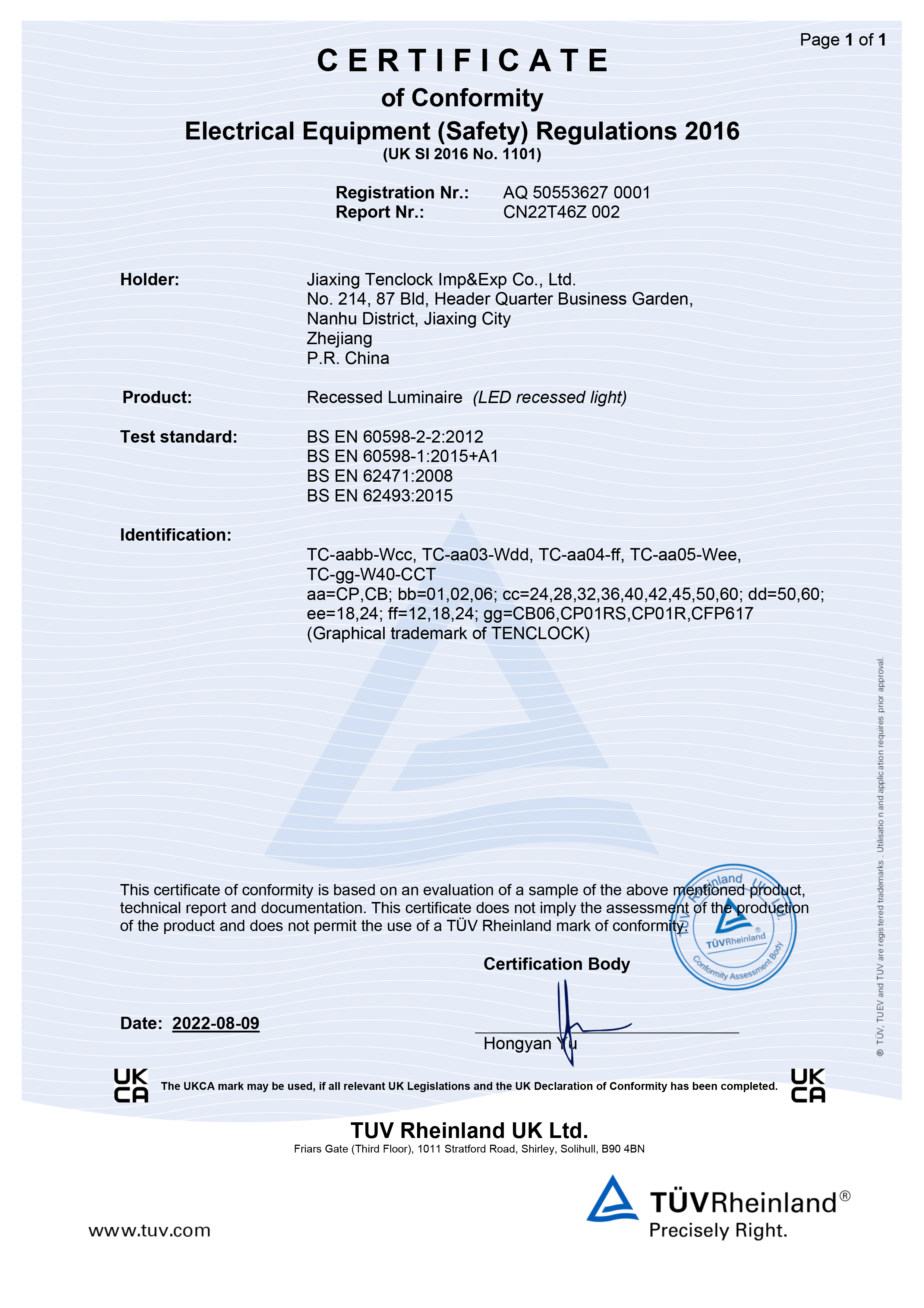
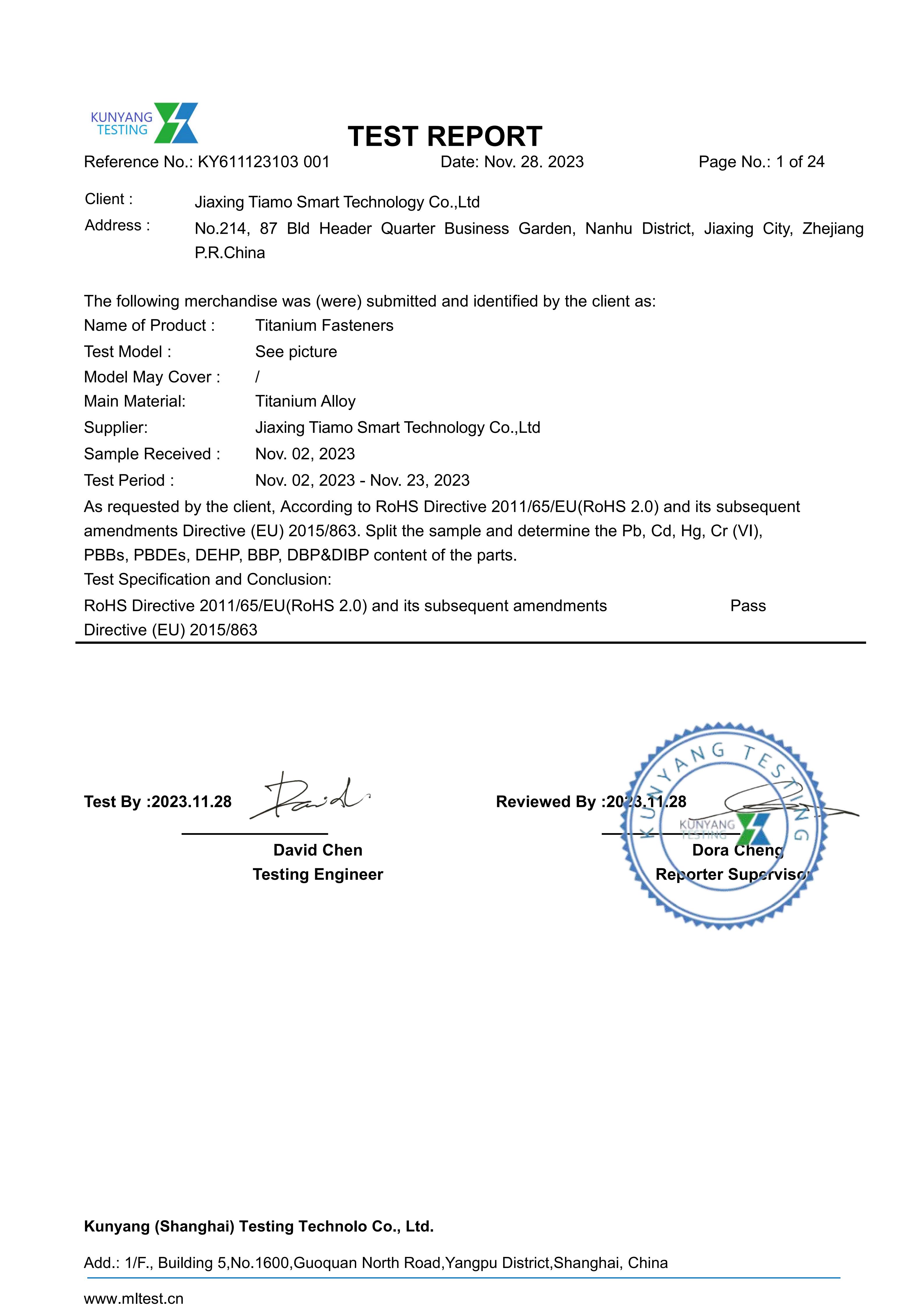
Western brand procurement departments in Germany, the US, and the UK require verified carbon footprint data and closed-loop material recycling. Wexra operates zero-waste CNC chip recovery systems and supplies complete RoHS, REACH, and EN 10204 3.1 chemical/physical traceability documentation.
Consolidated Sourcing: Axles to Fasteners
Purchasing directors are consolidating vendors, procuring complete titanium assemblies—including pedal axles, disc rotor screws, stem bolts, seatpost clamps, and crank bolts—under a single ISO 9001 certified supplier to lower shipping customs costs and eliminate lead-time variability.
Why Global Brands Partner with Jiaxing Wexra Titanium
Founded in 2018 in Jiaxing, Zhejiang, China, Jiaxing Wexra Titanium Products Co., Ltd. has grown into a premier specialized precision engineering center exclusively focused on titanium and titanium alloy hardware, CNC custom machined parts, and extreme-performance cycling and motorsport components.
Spanning an advanced manufacturing footprint exceeding 1,000 m², our workshop is outfitted with Japanese multi-axis CNC turning-milling centers, automatic Swiss screw machines, precision thread rolling machinery, high-speed optical inspection sorting projectors, and electrochemical anodizing facilities.
Unlike general metal fabricators who treat titanium as an occasional side project, Wexra’s tool geometries, coolant filtration, cutting feeds, and speeds are tailored specifically to the chemical behavior of titanium—overcoming heat concentration and work hardening to deliver mirror finishes and absolute dimensional consistency.
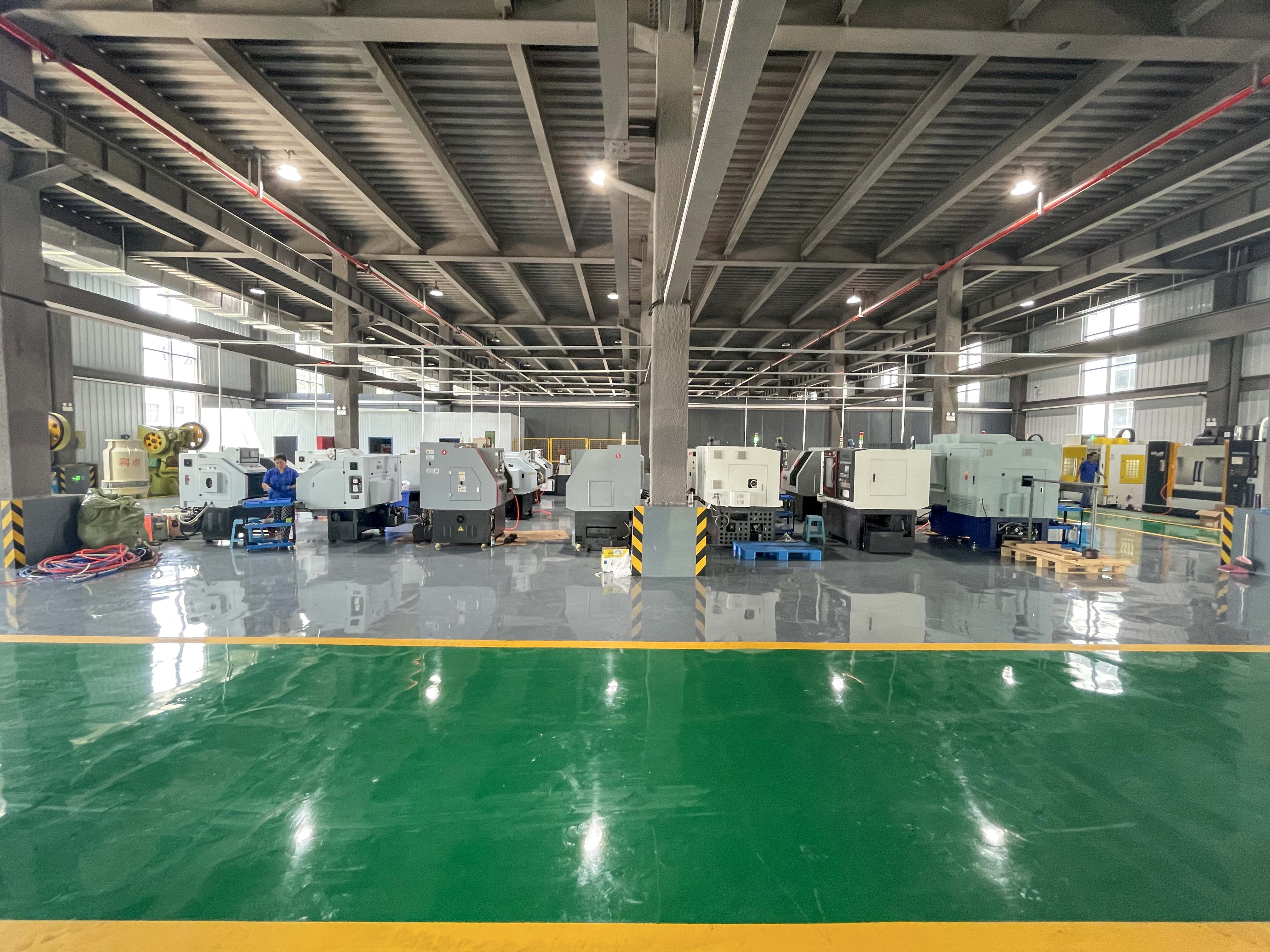
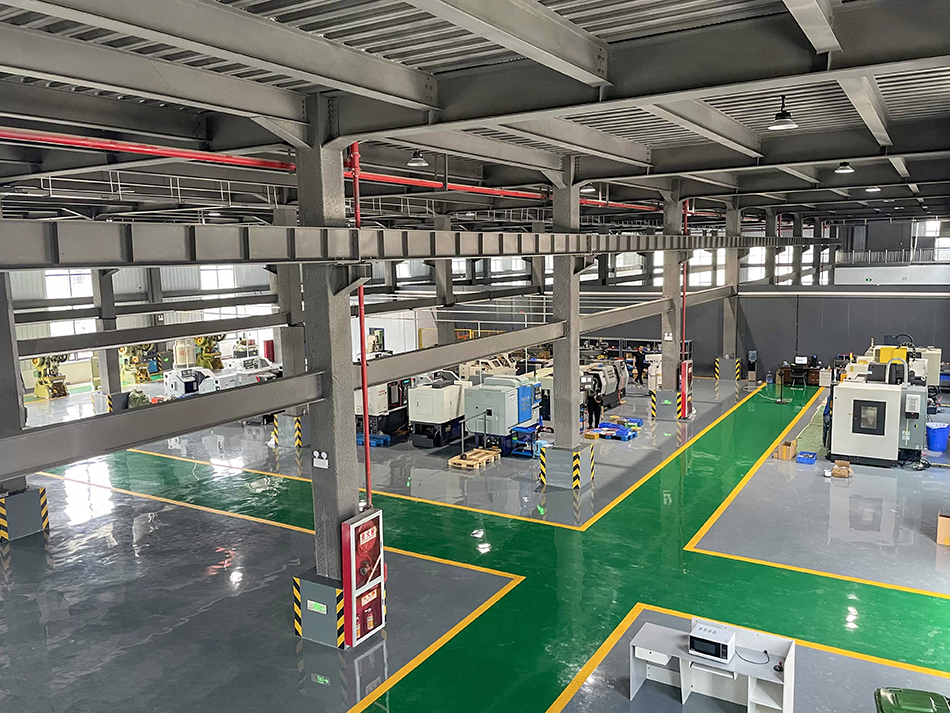
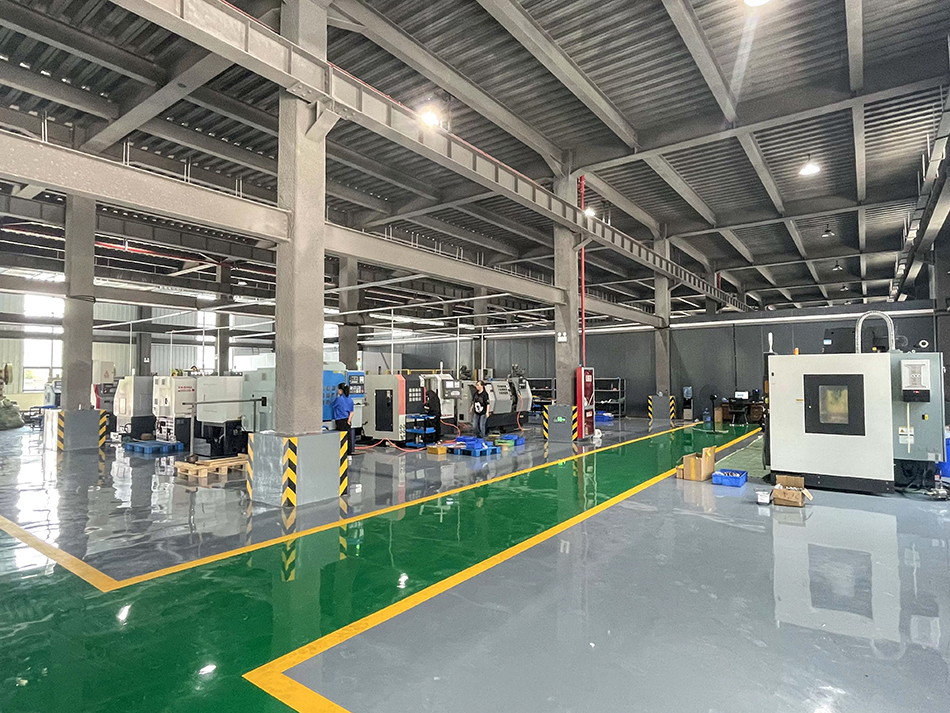
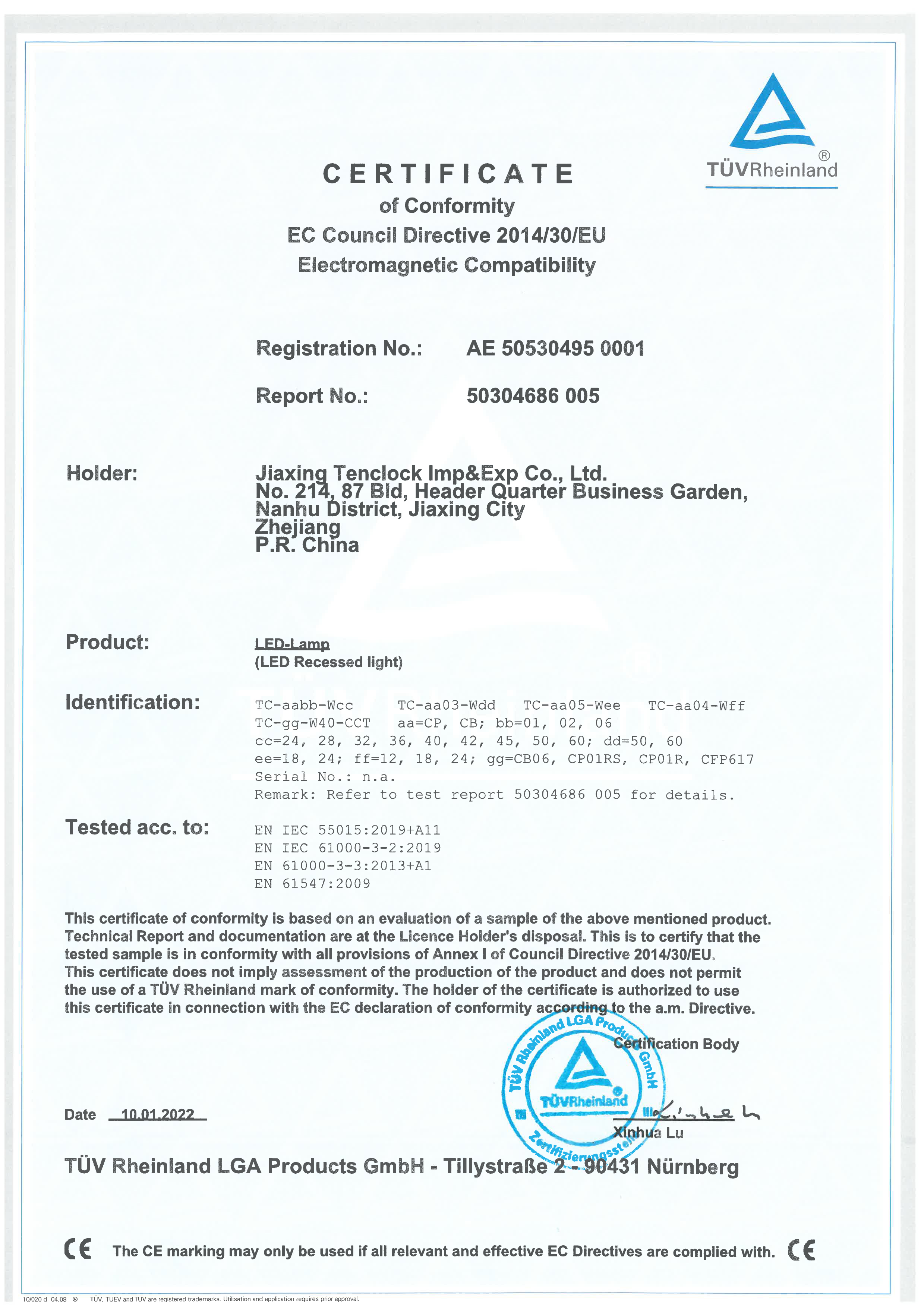
International Certifications & Regulatory Compliance
B2B Titanium Pedal Axle Sourcing FAQs
Clear, engineering-backed answers addressing tolerances, galling risks, rider weight recommendations, and OEM procurement workflows.
What are the standard thread dimensions and handedness for pedal axles?
The international cycling standard is 9/16" x 20 TPI (threads per inch). Pedal axles are directionally paired: the drive-side (right) axle features standard right-hand (clockwise) threads, while the non-drive side (left) axle utilizes left-hand (counter-clockwise reverse) threads to prevent mechanical precession from unthreading the pedal during pedaling. We supply matched pairs precision laser-etched with 'L' and 'R' indicators and thread class 2A/6g fits.
Is there a rider weight limit when switching from chromoly to titanium pedal axles?
For solid Grade 5 (Ti-6Al-4V) titanium pedal axles, fatigue thresholds comfortably accommodate rider weights up to 105 kg (230 lbs) across road, gravel, and XC mountain biking. For ultra-lightweight hollow-drilled spindles or extreme gravity applications (Downhill, Enduro, Freeride), we recommend specific wall thicknesses exceeding 2.2 mm or custom finite element design (FEA) testing, which our engineering department provides prior to production validation.
How does Wexra resolve titanium thread galling and cold welding?
Galling occurs when micro-asperities in titanium frictionally fuse with matching mating metals under pre-load torque. We resolve this by applying Physical Vapor Deposition (PVD) Diamond-Like Carbon (DLC) or TiN coatings, micro-polishing thread roots to Ra < 0.4 µm, and providing specialized copper or PTFE-based anti-seize assembly paste recommendations. When paired with aluminum crank arm helicoils or pedal bodies, galling is eliminated.
What CAD formats and design files do you accept for custom OEM/ODM spindles?
We accept 3D STEP (.stp), IGES (.igs), SolidWorks (.sldprt), and 2D dimensional drawings in PDF, DWG, or DXF formats specifying critical bearing journal fits (e.g., h6/js6 tolerances), geometric dimensioning and tolerancing (GD&T), concentricity callouts, and surface roughness requirements. Our engineering team conducts a thorough Design for Manufacturability (DFM) review within 24 hours.
What physical inspection certificates accompany our export shipments?
Every batch shipment includes an EN 10204 3.1 Mill Test Certificate verifying elemental chemical composition (Al, V, Fe, C, N, H, O content) and mechanical tensile/yield properties. We also supply dimensional CMM inspection reports, surface roughness charts, and RoHS / REACH compliance statements to satisfy import customs audits in the USA, Germany, the UK, and Canada.
What is the minimum order quantity (MOQ) and production turnaround?
For prototype development and pilot engineering validation, our MOQ starts at 50 to 100 pairs. For standardized catalog designs or high-volume OEM contracts, typical production batches range from 500 to 20,000 pieces. First-article samples are delivered in 10-15 business days, with mass production runs completing in 25-35 days supported by express DDP air or ocean freight forwarding.
Request Engineering Consultation & Spindle Quote
Partner directly with China's dedicated titanium manufacturing authority. Whether you require standard 9/16"-20 titanium pedal axles, custom sensor-bored shafts, or complete motorsport fastener kits, our metallurgical and CNC engineering team is ready to review your blueprints.