Featured Precision Titanium Products
Engineered to DIN & ISO Standards for Automotive Motorsport, Aerospace, and High-Performance Cycling
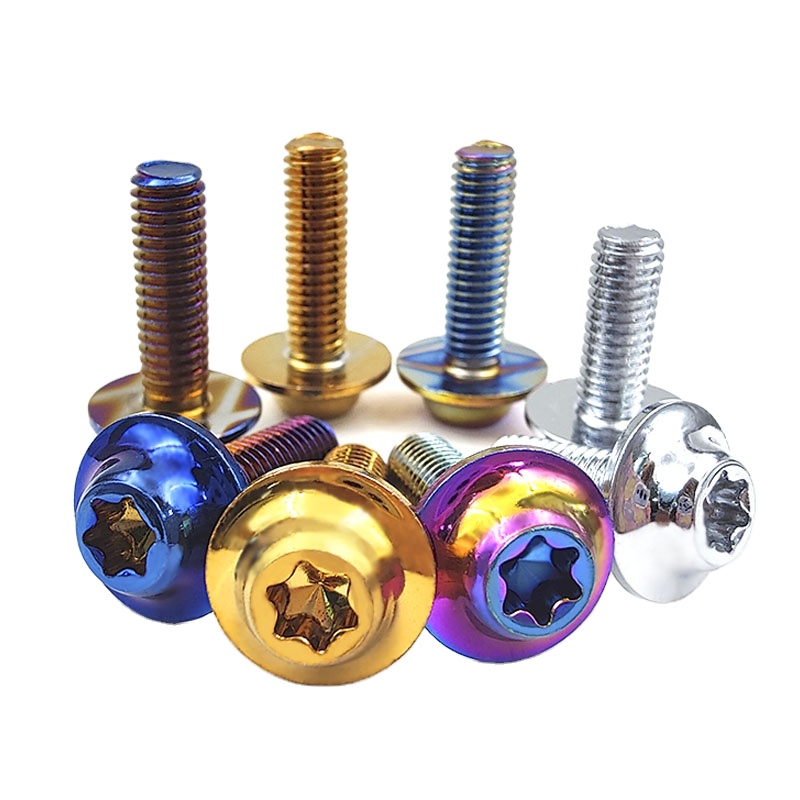
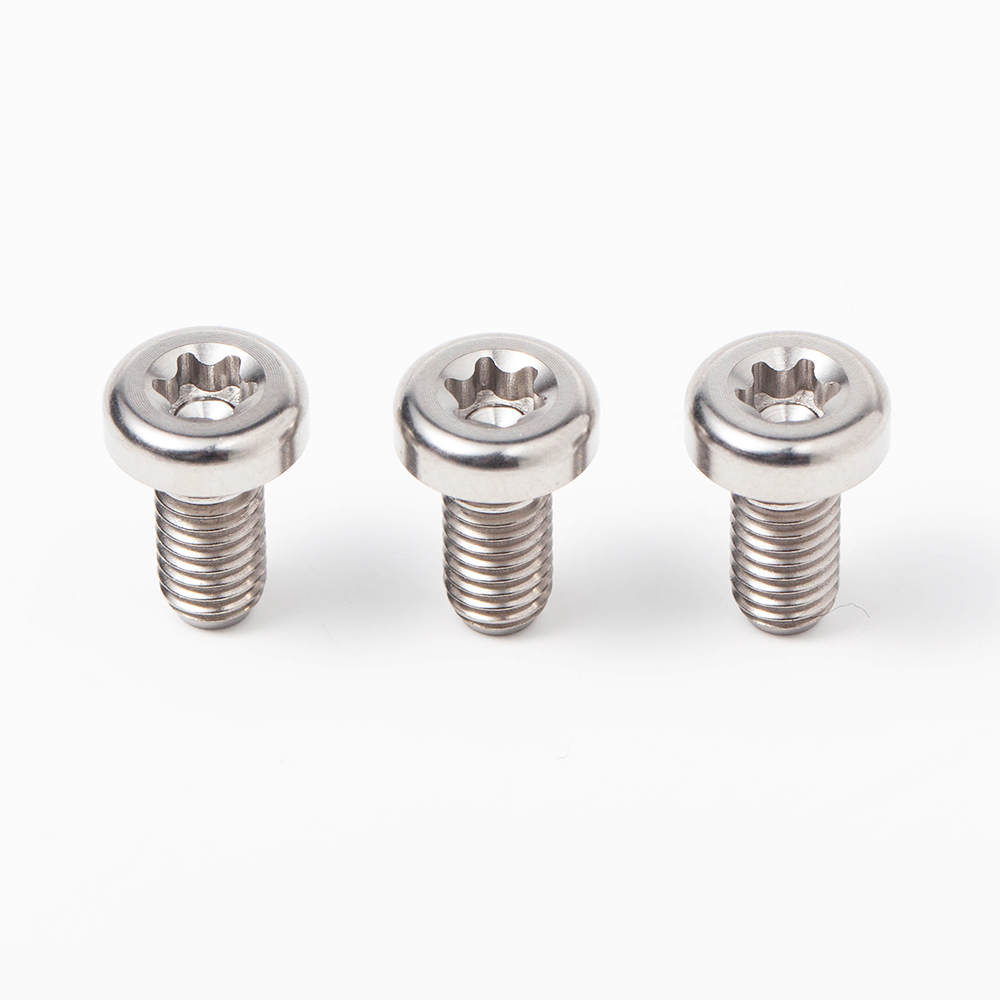
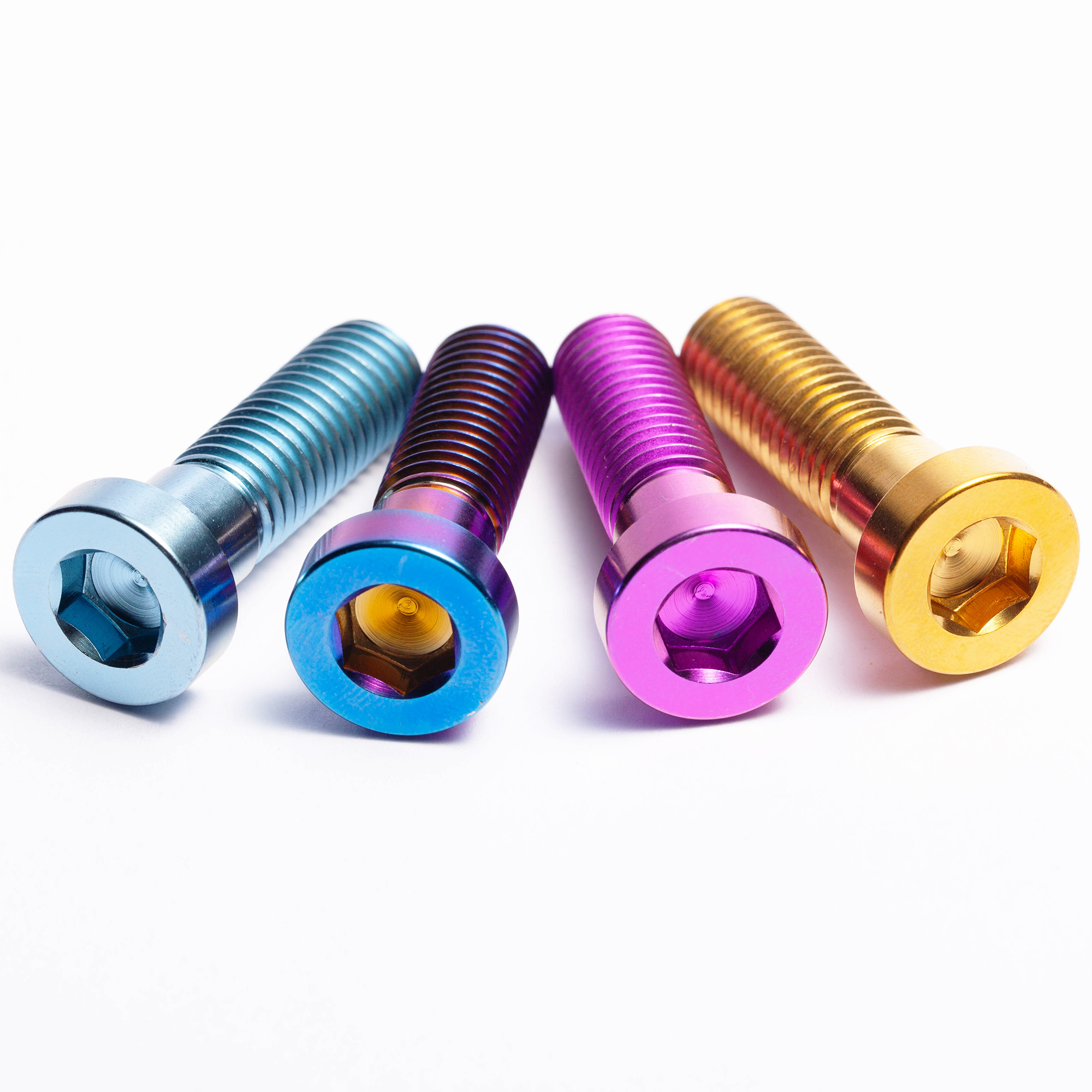
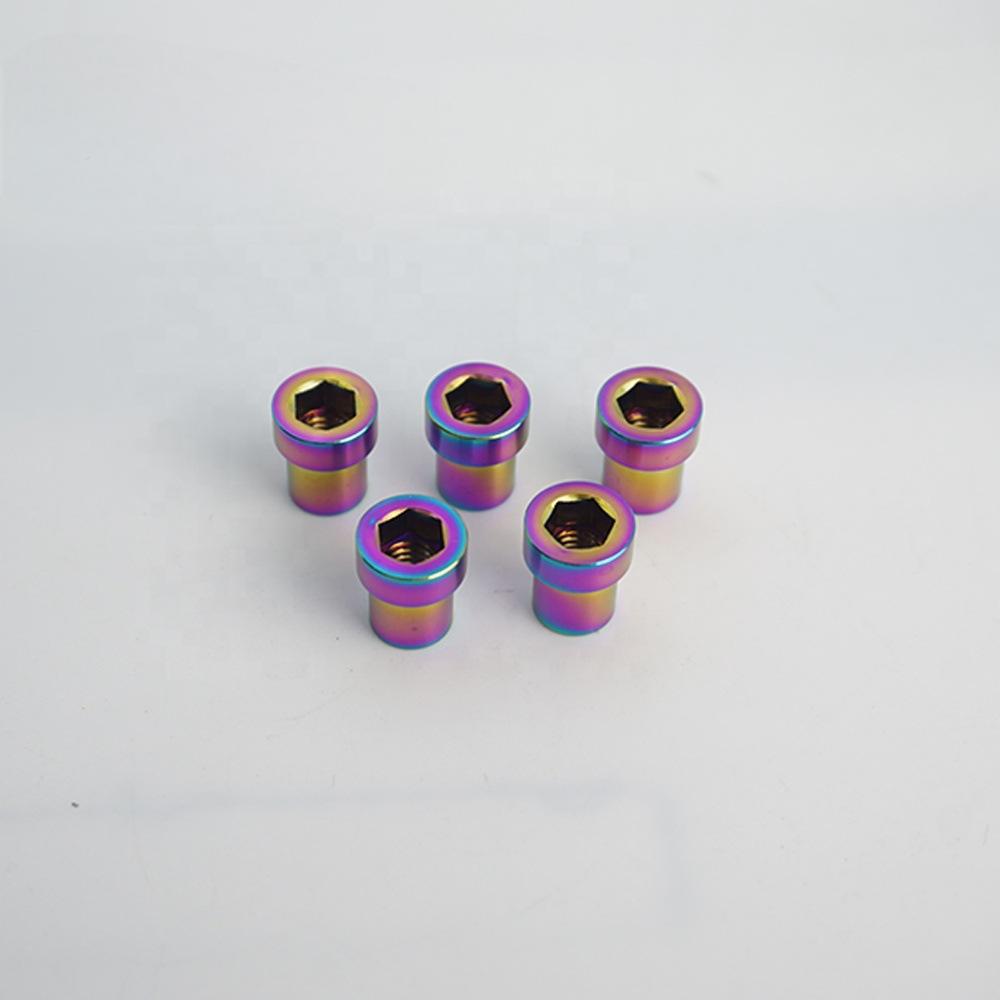
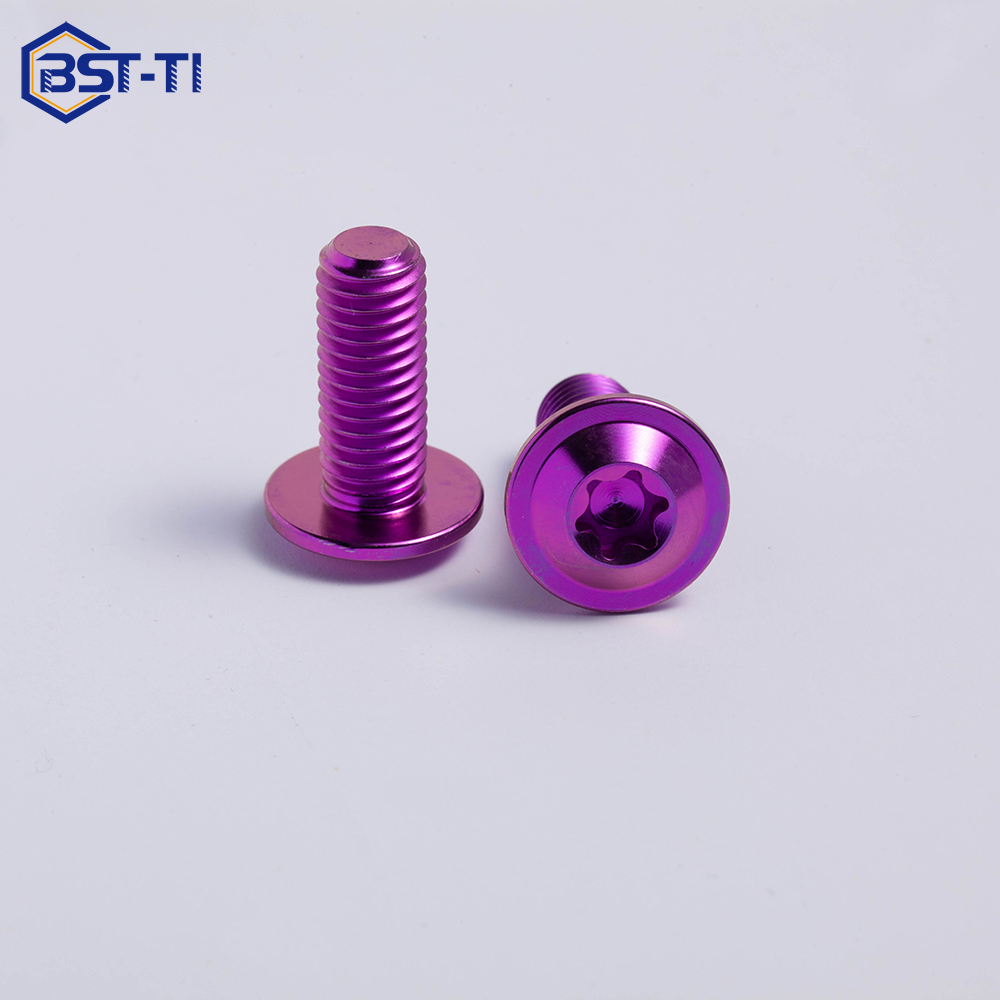
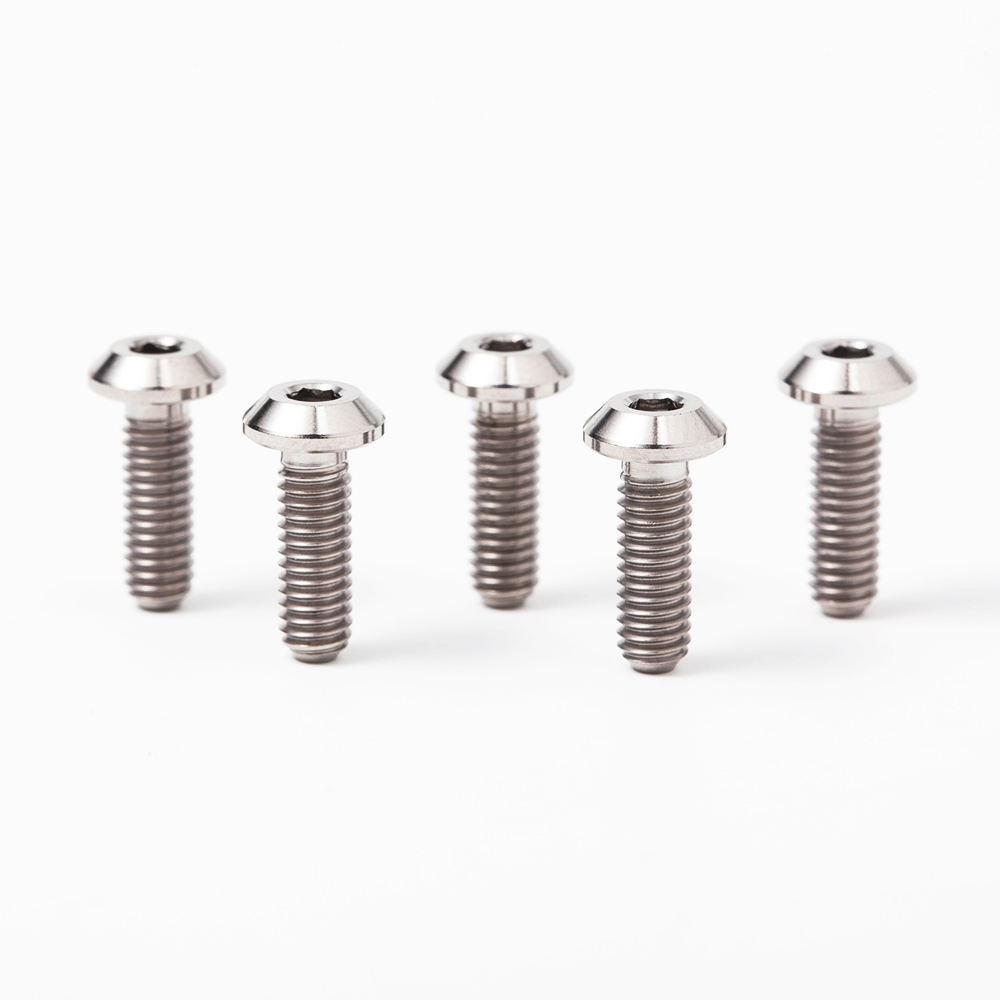
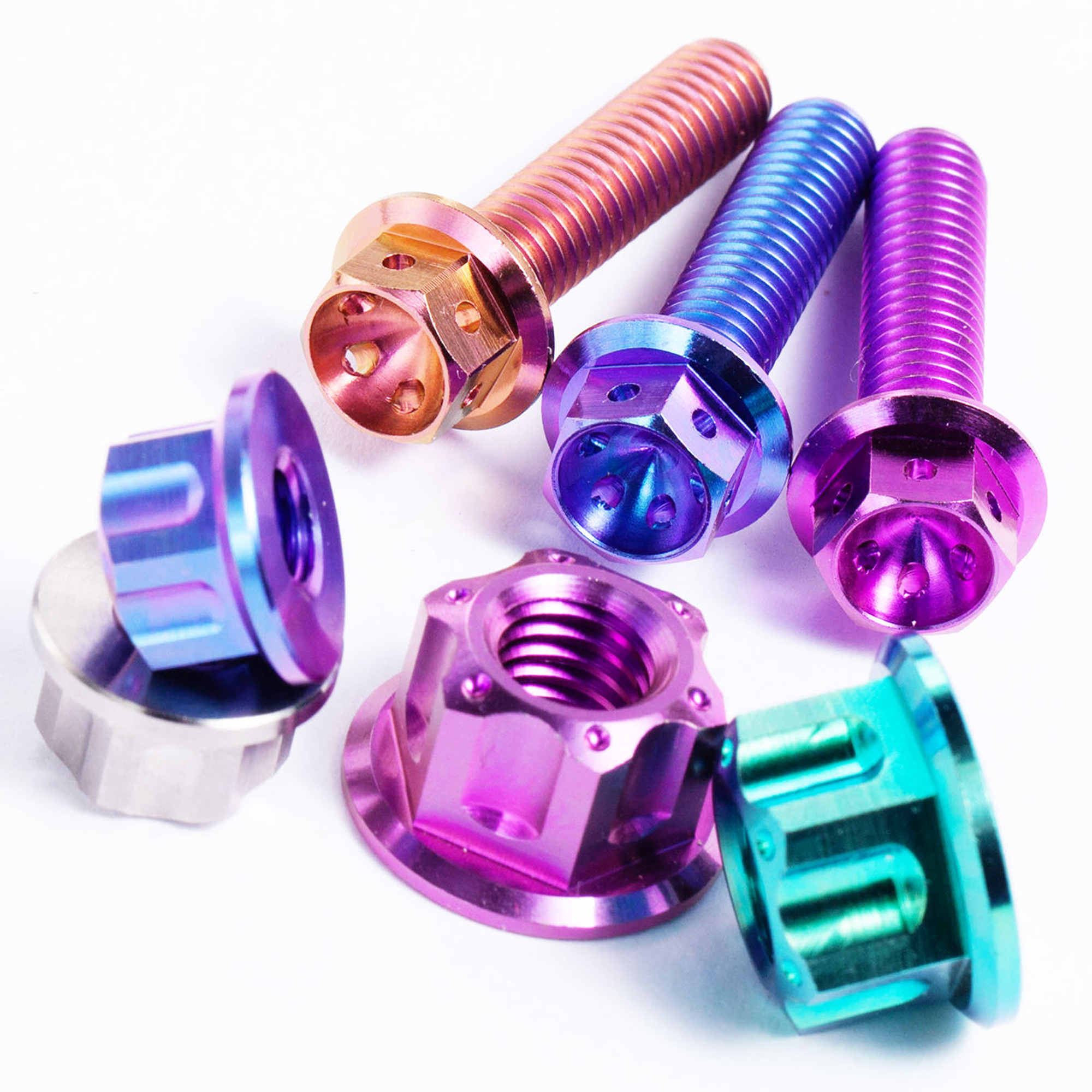
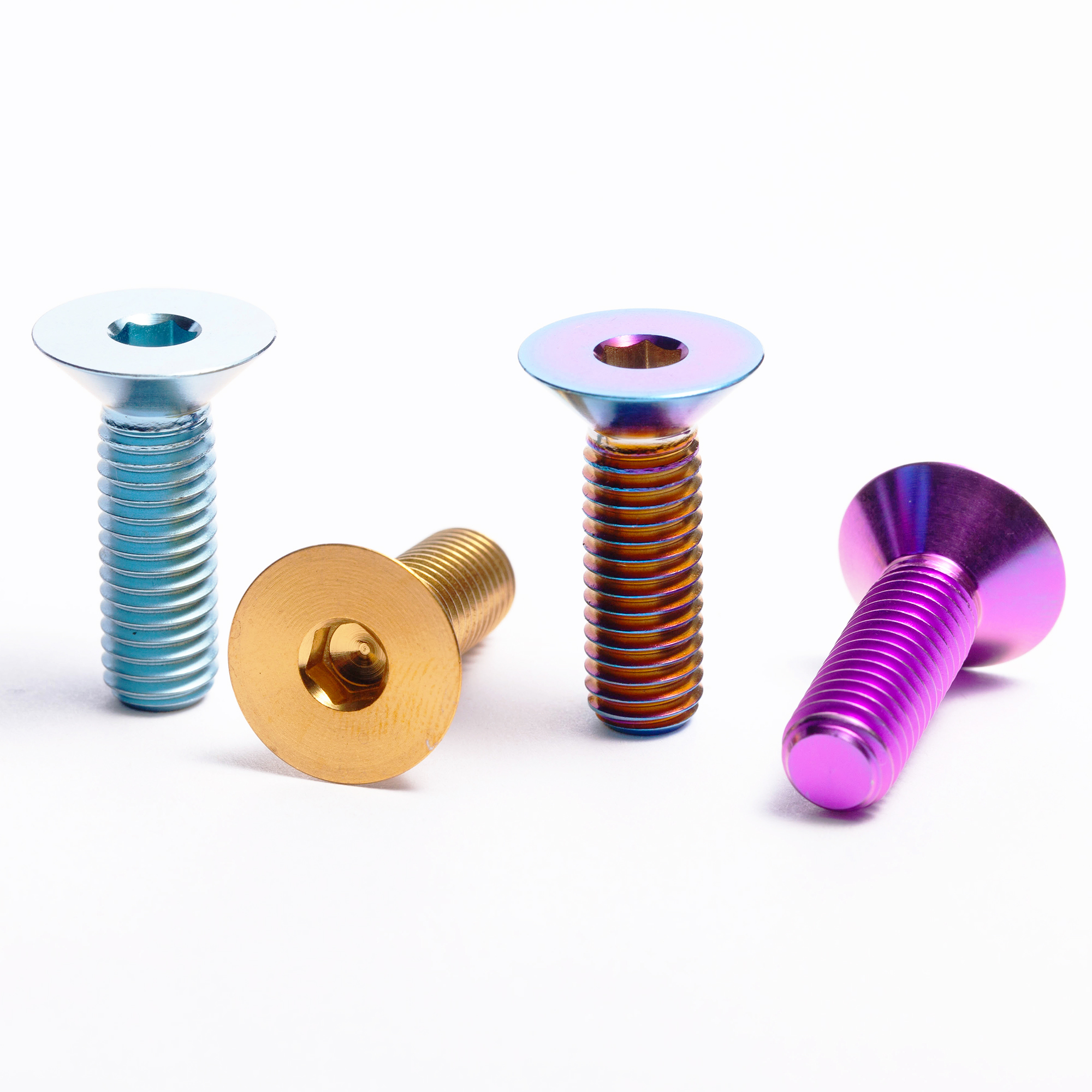
Engineering Fundamentals of OEM/ODM Titanium Wheel Studs for High-Stress Applications
In modern automotive performance engineering, aerospace hardware design, and competitive motorsport dynamics, the reduction of unsprung mass represents one of the most cost-effective methods to improve kinetic efficiency, vehicle handling, and mechanical response. Wheel studs, lug nuts, brake rotor bolts, and hub assemblies operate under dynamic rotational stress. Replacing traditional Grade 10.9 or 12.9 alloy steel hardware with precision-engineered Grade 5 Titanium (Ti-6Al-4V) wheel studs delivers a profound structural advantage.
Titanium exhibits an exceptional strength-to-weight ratio, boasting a density of approximately 4.43 g/cm³ compared to 7.85 g/cm³ for structural steel. This physical property translates directly into a ~45% reduction in individual bolt weight. When multiplied across a 20-stud vehicle platform or high-speed rotational assembly, the reduction in polar moment of inertia yields sharper suspension response, diminished dampening resistance, and reduced strain on hub bearings.
Understanding Grade 5 (Ti-6Al-4V) vs. Grade 2 (Commercially Pure) Titanium
For B2B procurement managers and OEM design engineers, choosing the correct titanium grade is paramount for structural integrity and torque maintenance:
- Ti-6Al-4V (Grade 5 / TC4): An alpha-beta alloy containing 6% Aluminum and 4% Vanadium. It undergoes heat treatment to achieve ultimate tensile strengths exceeding 895 MPa to 1050 MPa. Grade 5 is mandatory for critical load-bearing automotive wheel studs, brake caliper mountings, disc rotor hardware, and engine internals where high shear strength and yield resistance under thermal stress are non-negotiable.
- Commercially Pure Grade 2 (CP Ti): Unalloyed titanium offering moderate tensile strength (~345 to 450 MPa) paired with maximum ductility and extreme immunity to chemical corrosion. Grade 2 is optimized for non-load-bearing brackets, exhaust dress-up hardware, fluid lines, and marine bodywork, but must never be deployed as a primary wheel stud bolt under high cornering loads.
Comparative Material Performance Benchmark
Quantitative Engineering Comparison of Fastener Alloys Under Dynamic Stress Conditions
| Material Specification | Density (g/cm³) | Tensile Strength (MPa) | Yield Strength (MPa) | Corrosion Resistance | Magnetic Profile | Primary Industrial Application |
|---|---|---|---|---|---|---|
| Titanium Grade 5 (Ti-6Al-4V) | 4.43 | 895 – 1050 | 828 – 910 | Extreme (Salt/Acid Immue) | Non-Magnetic | Wheel Studs, Rotor Bolts, Motorsport Hubs |
| Titanium Grade 2 (CP Titanium) | 4.51 | 345 – 480 | 275 – 380 | Extreme (Marine/Chemical) | Non-Magnetic | Exhaust Hardware, Chemical Valves, Decorative |
| Alloy Steel Class 10.9 | 7.85 | 1040 – 1100 | 940 | Poor (Requires Coating) | Magnetic | Standard Automotive OEM Wheel Bolts |
| Stainless Steel 304 (A2-70) | 7.93 | 700 – 800 | 450 | Moderate (Rust Prone in Salt) | Slightly Magnetic | General Industrial & Commercial Fasteners |
Cold Thread Rolling vs. Cut Threads: Fatigue Resistance Engineering
A critical metric evaluated during Google Search Quality guidelines analysis for technical automotive suppliers is true physical manufacturing depth. When sourcing OEM/ODM titanium wheel studs, the distinction between cold-rolled threads and machine-cut threads represents the difference between failure-proof track performance and dangerous shear fractures.
1. Grain Flow Continuity
Cold thread rolling plastically deforms the titanium bar stock under immense hydraulic pressure without severing the material's internal metallurgical grain structures. The grain flow follows the contoured root and crest profiles, dramatically increasing fatigue threshold cycles by up to 300% over cut threads.
2. Thread Root Burnishing
The rolling process induces compressive residual stress at the root radius of the wheel stud thread. This compressive force acts as a barrier against stress corrosion cracking and micro-fissure propagation under repetitive dynamic cornering loads.
3. Dimensional Repeatability
Utilizing multi-axis precision CNC Swiss lathes paired with automated thread rolling dies allows our production facility to guarantee thread tolerances within ISO 965-2 6g accuracy, guaranteeing consistent thread engagement with lug nuts without risk of thread galling.
Future Procurement Trends in Titanium Alloy Wheel Studs & Fasteners
As global automotive original equipment manufacturers (OEMs) shift rapidly toward Electric Vehicles (EVs) and high-efficiency hybrid platforms, the procurement demand for lightweight titanium fasteners is accelerating. The following strategic factors are shaping global sourcing mandates:
A. EV Battery Weight Compensation
Electric vehicle architectures carry substantial battery pack weight penalties (often adding 400 kg to 700 kg of static mass). Automakers and performance tuners are forced to offset battery weight by lightweighting chassis hardware, suspension knuckles, and wheel stud systems. Titanium wheel studs deliver immediate weight savings at extreme corners of the vehicle.
B. Advanced Physical Vapor Deposition (PVD) & Electrochemical Anodizing
Modern B2B buyers no longer accept raw metallic surfaces alone. Market demand has migrated toward specialized physical vapor deposition coatings (PVD TiN Gold, DLC Diamond-Like Carbon, Burnt Blue Anodizing, and Rose Gold). These atomic-layer finishes not only elevate aesthetics for aftermarket buyers but also increase surface hardness up to HV 2500, virtually eliminating micro-abrasion during high-torque impact wrench cycles.
C. Strict Environmental Compliance (REACH, RoHS, EPR Germany)
European and North American regulatory authorities require complete material traceability. Future supply chains will strictly audit chemical compositions via X-Ray Fluorescence (XRF) testing and EN 10204 3.1 Mill Test Certificates (MTC). Distributors must partner with certified manufacturers capable of delivering compliant packaging (EPR Germany) and zero-hazardous-substance documentation.
Why Partner with Jiaxing Wexra Titanium Products Co., Ltd.
Located in Jiaxing, Zhejiang, China—at the center of East Asia’s premier advanced manufacturing hub—Jiaxing Wexra Titanium Products Co., Ltd. stands as a specialized OEM/ODM manufacturer dedicated exclusively to titanium and titanium alloy engineering. Established with a core focus on Grade 2 and Grade 5 titanium products, our facility spans over 1,000 square meters of high-precision CNC machining centers, optical thread inspection infrastructure, and automated surface treatment lines.
We maintain an audited ISO 9001:2015 Quality Management System and provide full material traceability for every order exported to our key international markets across the United States, Germany, the United Kingdom, Canada, Australia, and greater Europe.
Full-Cycle OEM/ODM Customization
We build directly from your 2D CAD files (STEP, DWG, DXF), 3D solid models, or physical sample components, executing prototyping to mass volume runs within accelerated lead times.
Strict Inspection & MTC Certification
Every batch undergoes spectral chemical analysis, dimensional micrometric inspection, thread gauge pass-through testing, and optional salt-spray corrosion chamber testing.
Global Export Logistics & EPR Compliance
Expertise in customs clearances, CE / UKCA compliance marking, and EPR registered packaging ensures seamless landing for B2B distributors and motorsport brands worldwide.
Comprehensive Titanium Fastener Procurement FAQ
Addressing Critical Engineering, Quality, and Operational Inquiries for Procurement Officers
What is the recommended installation torque for Titanium Grade 5 wheel studs compared to OEM steel studs?
Titanium Grade 5 (Ti-6Al-4V) features a yield strength comparable to Class 10.9 steel. However, because titanium has a lower coefficient of friction when unlubricated and a lower modulus of elasticity (114 GPa vs. 210 GPa for steel), torque specifications must be strictly observed. Generally, Grade 5 titanium wheel studs should be torqued to 100% to 105% of the factory OEM steel torque specification using a calibrated torque wrench. Always apply a anti-seize copper paste or nickel-based anti-galling lubricant to the threads to ensure accurate clamping force readings and prevent friction galling.
How does Jiaxing Wexra Titanium prevent thread galling on titanium lug nuts and wheel studs?
Galling (cold welding under friction) occurs when raw titanium threads rub against raw titanium under high dry pressure. Wexra Titanium mitigates thread galling through three proprietary manufacturing controls: (1) Precision cold thread rolling that creates smooth micro-finished roots; (2) Surface modification treatments such as PVD nitriding, physical hard anodization, or Micro-Arc Oxidation (MAO) which elevates surface hardness; and (3) Recommending specific anti-seize lubrication protocols for installation engineers.
Can you manufacture non-standard custom wheel studs from physical samples or CAD drawings?
Yes. Our OEM/ODM reverse engineering service can turn your 2D engineering drawings (PDF/DWG), 3D CAD files (STEP/IGES), or worn physical samples into production-ready titanium components. We handle custom knurl diameters, extended thread lengths for wheel spacer setups, specialized bullet-nose starter tips, and custom head drive configurations (Torx T50, Hex socket, 12-point star).
What quality documentation is included with wholesale B2B titanium shipments?
Every commercial batch dispatched from Jiaxing Wexra Titanium Products Co., Ltd. includes an official EN 10204 3.1 Mill Test Certificate (MTC) verifying chemical composition percentages (Al, V, Fe, C, N, H, O, Ti) and mechanical test values (tensile strength, yield strength, elongation percentage). Additionally, dimensional inspection reports, RoHS compliance certifications, and REACH declarations are provided upon request.
Does titanium anodizing alter the critical thread tolerances of M12 or M14 wheel studs?
No. Electrochemical titanium anodization is an oxide layer growth process with an electrolytic thickness variation measured in nanometers (15 nm to 200 nm depending on the target color spectrum: Gold, Blue, Violet, Magenta, Green). Unlike heavy powder coatings or electroplating which add measurable micrometers, titanium anodizing has zero impact on pitch diameter, thread tolerance classes (ISO 6g), or fitment precision.
What is the typical production lead time for OEM/ODM titanium fastener orders?
For standard stock items or existing tooling profiles, sample dispatch occurs within 3 to 7 working days. For custom OEM/ODM designs requiring custom thread rolling dies or specialized CNC programming, prototype samples are delivered within 14 days. Volume production runs (1,000 to 50,000 units) typically complete within 21 to 35 calendar days, supported by door-to-door air freight or sea shipping options to North America and Europe.
Ready to Engineer Custom Titanium Hardware for Your Brand?
Consult with Jiaxing Wexra Titanium’s senior technical engineering team today. Send us your technical drawings, target specifications, or sample requirements for an instant DFM review and quotation.
Contact Us