Engineering Fundamentals of Titanium Vehicle & Suspension Systems
Modern automotive engineering, racing dynamics, and high-performance motorcycle suspension design demand components that deliver exceptional strength-to-weight ratios, fatigue resistance, and environmental durability. Suspension systems represent a unique structural challenge: they operate in an environment characterized by extreme cyclic dynamic loads, multi-axis shear stresses, corrosive road salt exposure, and intense vibration. Within this framework, titanium suspension components—such as suspension control arm bolts, sway bar links, coilover spring retainers, damper mounts, and steering knuckle studs—have evolved from niche aerospace offshoots into vital performance enablers.
Primary among the physical drivers for replacing carbon steel or stainless steel suspension hardware with Grade 5 Titanium (Ti-6Al-4V / TC4) is the dramatic reduction in unsprung mass. Unsprung mass refers to the weight of components located between the suspension spring and the road surface, including wheels, tires, brake assemblies, control arms, and connecting fasteners. By reducing unsprung mass, engineers directly diminish the dynamic kinetic energy generated as the wheel moves over pavement irregularities:
Kinetic Energy (E_k) = 1/2 * m * v^2
Lower unsprung mass (reduced m) allows shock absorbers and suspension springs to react faster to sudden surface impacts. This optimizes tire-contact patch retention, significantly enhances cornering grip, dampens chassis deflection, and eliminates unwanted wheel chatter during aggressive deceleration.
Metallurgical Comparison: Grade 5 Titanium vs. Steel & Aluminum Alloys
To assist automotive procurement directors, chassis design engineers, and Tier-1/Tier-2 OEM buyers in evaluating materials, the table below highlights the physical, mechanical, and fatigue characteristics of leading engineering alloys utilized in automotive suspension manufacturing:
| Material Spec / Grade | Density (g/cm³) | Tensile Strength (MPa) | Yield Strength (MPa) | Fatigue Limit (MPa) | Corrosion Resistance |
|---|---|---|---|---|---|
| Ti-6Al-4V Grade 5 (TC4) | 4.43 | 895 - 1050 | 828 - 910 | 510 @ 10^7 cycles | Immune / Outstanding |
| Grade 10.9 Alloy Steel | 7.85 | 1040 | 940 | 420 @ 10^7 cycles | Poor (Requires Plating) |
| Grade 12.9 High-Tensile Steel | 7.85 | 1220 | 1100 | 490 @ 10^7 cycles | Poor (Hydrogen Embrittlement Risk) |
| Stainless Steel 316L | 8.00 | 580 | 290 | 240 @ 10^7 cycles | Moderate / High |
| Aluminum 7075-T6 | 2.81 | 570 | 505 | 160 @ 10^7 cycles | Moderate (Anodized) |
As demonstrated in the metallurgical dataset above, while Grade 12.9 steel exhibits marginally higher raw tensile strength, its density is nearly 80% higher than Grade 5 Titanium. Furthermore, Grade 12.9 steel is highly prone to stress corrosion cracking and hydrogen embrittlement when exposed to moisture and road de-icers. Aluminum 7075-T6 offers light weight but exhibits a low fatigue limit under sustained cyclic vibration, making it unsuitable for safety-critical load-bearing suspension bolts. Grade 5 Titanium achieves an unmatched synthesis: 45% lighter than steel, higher fatigue limit, and structural immunity to salt-water oxidation.
1. EV Battery Mass Offsetting
Electric vehicles carry heavy lithium-ion battery packs that add 300kg–700kg of curb weight. Auto OEMs are turning to titanium suspension arms, subframe bolts, and shock brackets to offset battery weight and extend EV driving range without compromising chassis rigidity.
2. Cold Forging & Thread Rolling
Leading Chinese factories have migrated from purely CNC-machined threads to high-speed cold heading and precision rolled threads. Rolled threads compress the grain flow along the titanium bolt profile, increasing thread fatigue life by up to 300% over cut threads.
3. Advanced Anti-Galling PVD Coatings
Thread galling has historically posed a challenge during high-torque titanium installation. Modern manufacturers utilize Physical Vapor Deposition (PVD) to deposit TiN, TiAlN, or DLC (Diamond-Like Carbon) coatings, stabilizing friction coefficients down to 0.12-0.15.
Why Partner with Leading Chinese Titanium Manufacturers: Enterprise Core Competencies
As a specialized leader in titanium hardware, custom CNC machined components, and motorsport suspension hardware, Jiaxing Wexra Titanium Products Co., Ltd. (operating under the global brand BST-TI) integrates raw material verification, multi-axis precision machining, and specialized surface finishing within an ISO 9001:2015 certified quality management system.
Our integrated manufacturing facility in Zhejiang, China, bridges the gap between aerospace-grade metallurgy and volume commercial procurement. Key advantages delivered to global B2B buyers in the US, Germany, UK, Canada, and Australia include:
- Traceable Raw Material Integrity: We utilize exclusively 100% virgin titanium sponge melted into Grade 2 and Grade 5 ingots. Every production batch is backed by comprehensive Mill Test Certificates (MTC) conforming to EN 10204 3.1 standards, detailing chemical composition (Fe, O, C, N, H, V, Al) and tensile mechanical verification.
- Precision Multi-Axis CNC Machining Capabilities: Equipped with advanced 3-axis, 4-axis, and 5-axis CNC turning and milling centers, automatic Swiss-type lathes, and thread rolling equipment, achieving tight tolerances down to ±0.01 mm on critical bearing fitments and thread pitches.
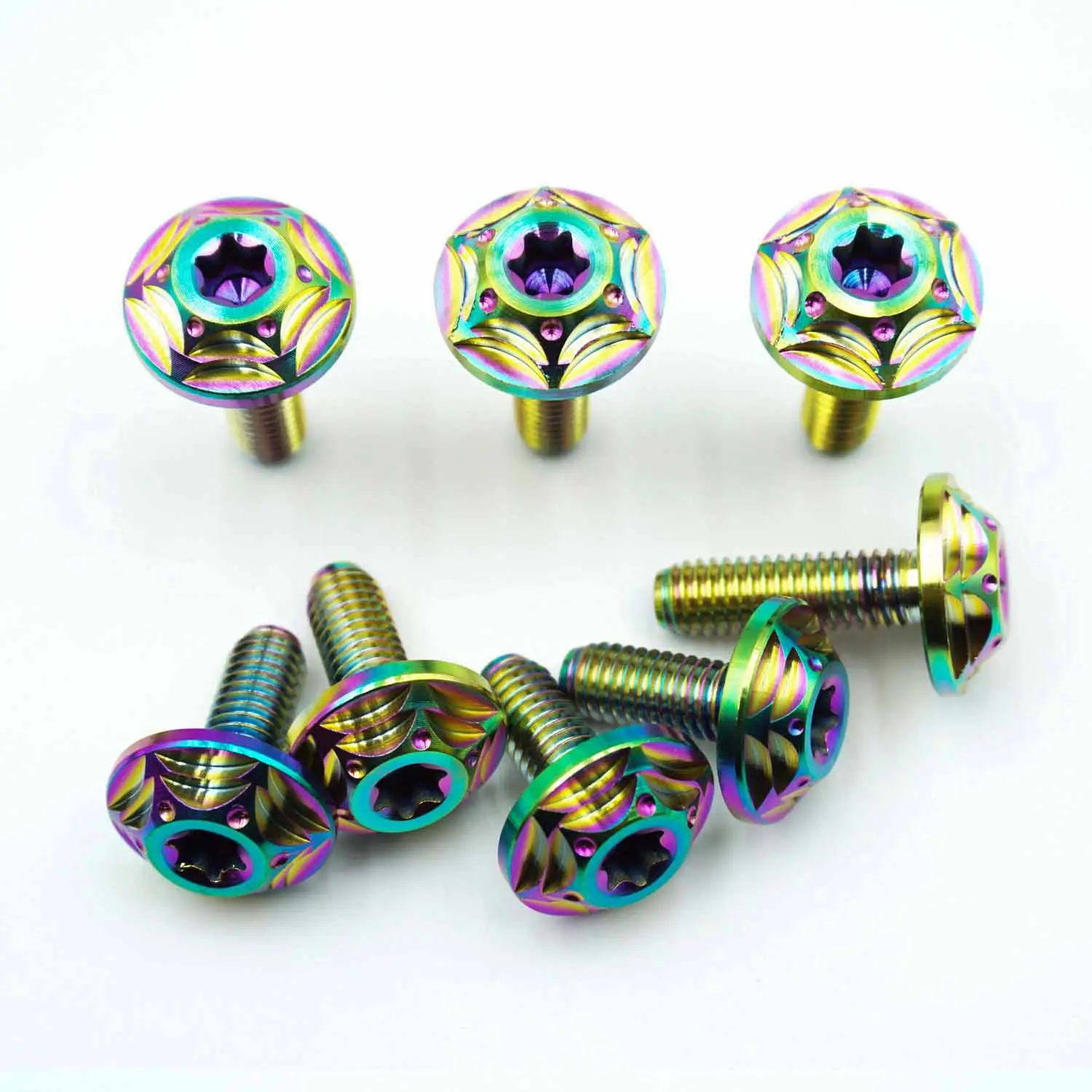
- Surface Finishing & Custom Aesthetic Customization: In-house multi-color electrolytic anodizing, micro-arc oxidation (MAO), mirror polishing, sandblasting, and thermal burnt-blue processing. Color retention is guaranteed across continuous production runs.
- Stringent Quality Assurance Testing Protocols: Every batch undergoes rigorous dimensional checking via optical profile projectors, thread gauge checks, Rockwell hardness testing, direct-reading spectrometer material verification, and salt-spray corrosion chamber testing.
- Full Environmental Compliance: Fully compliant with European Union RoHS Directive 2011/65/EU, REACH (EC 1907/2006) standards, and Germany Packaging Act (EPR registration), ensuring seamless import customs clearance for international automotive brands.
How do Grade 5 Titanium suspension bolts prevent thread galling during high-torque assembly?
Thread galling occurs when friction causes surface asperities between male and female threads to cold-weld under high pressure. To prevent galling in critical suspension bolts, we utilize cold-rolled thread manufacturing, apply low-friction PVD coatings (such as Titanium Nitride or DLC), and recommend using an anti-seize paste containing copper, molybdenum disulfide (MoS2), or nickel micro-particles during installation.
What torque specifications should be applied to titanium suspension hardware?
Because Titanium Grade 5 has a lower modulus of elasticity (~114 GPa) compared to steel (~210 GPa), titanium fasteners stretch slightly more under torque. When substituting Grade 10.9 steel bolts with Grade 5 Titanium bolts using appropriate anti-seize lubricant, tightening torque should typically be set at 85% to 90% of the OEM steel torque value to achieve equivalent clamping force without over-stretching the fastener.
Can you produce custom titanium suspension arms or bolts according to 2D/3D CAD drawings?
Yes. We provide complete OEM and ODM reverse-engineering and custom manufacturing services. B2B clients can upload STEP, IGES, DWG, or PDF drawings. Our engineering team performs a Design for Manufacturability (DFM) assessment within 24 hours, reviewing tool access, thread tolerances, stress concentration points, and material yield parameters before prototype machining.
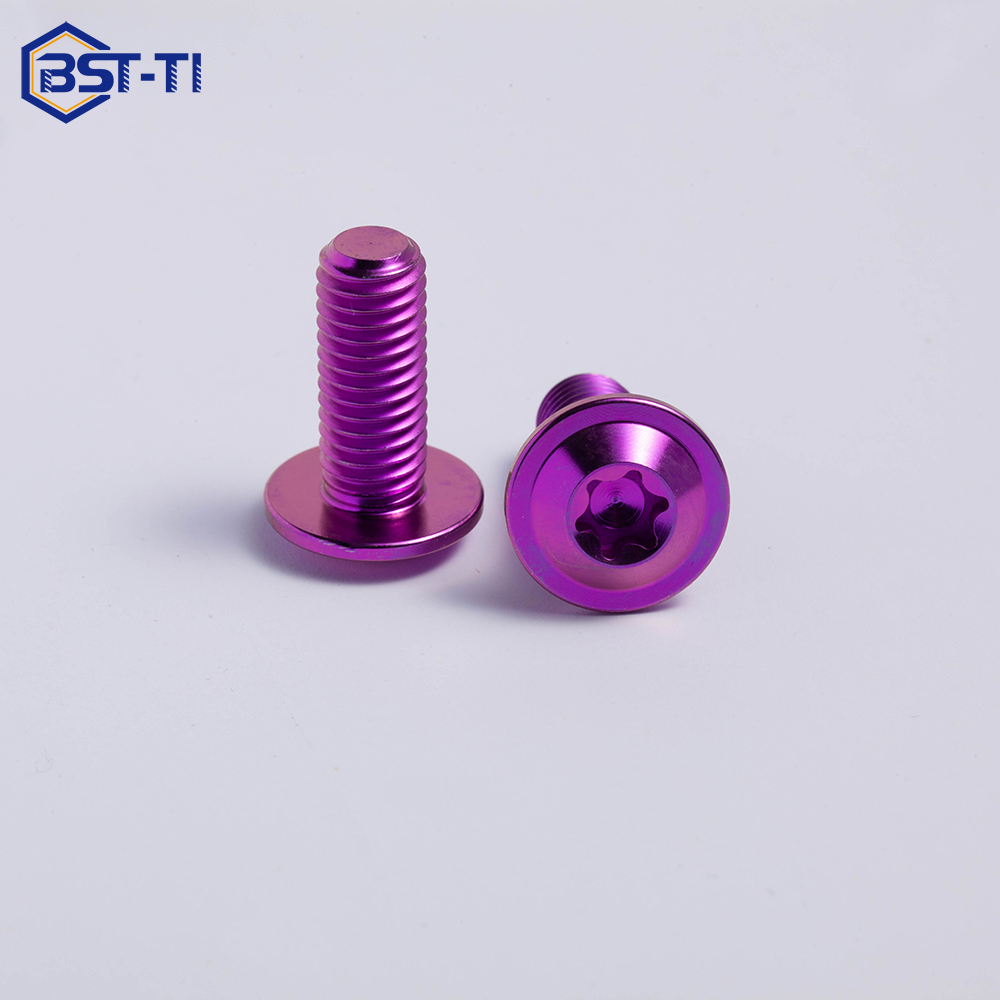
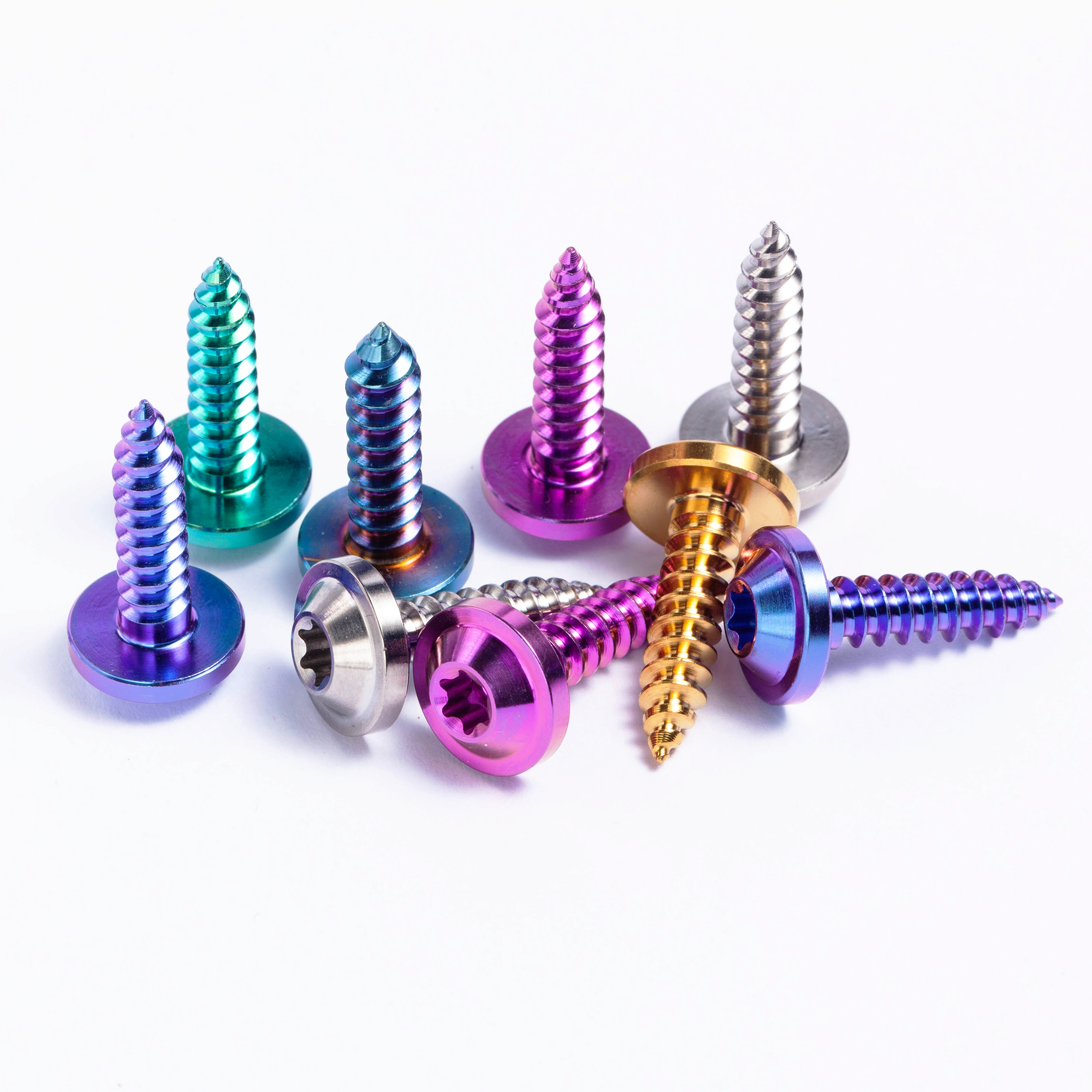
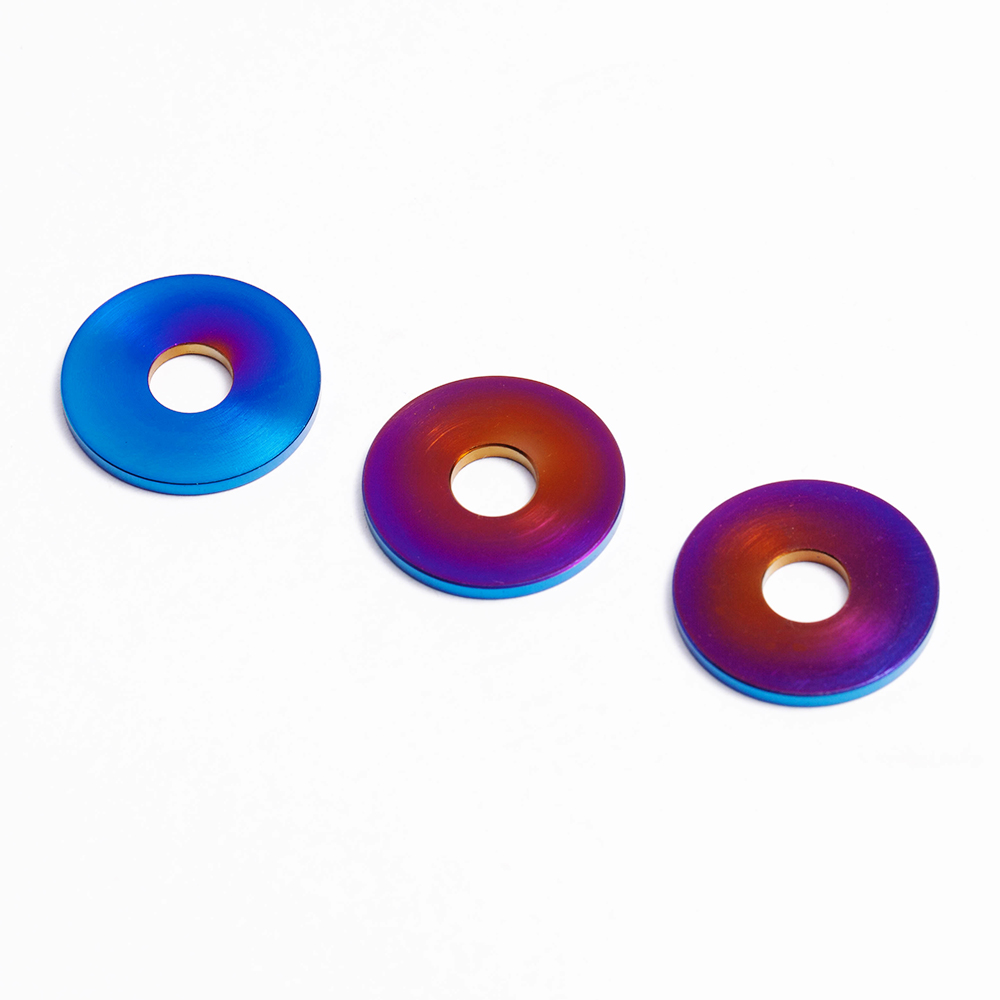
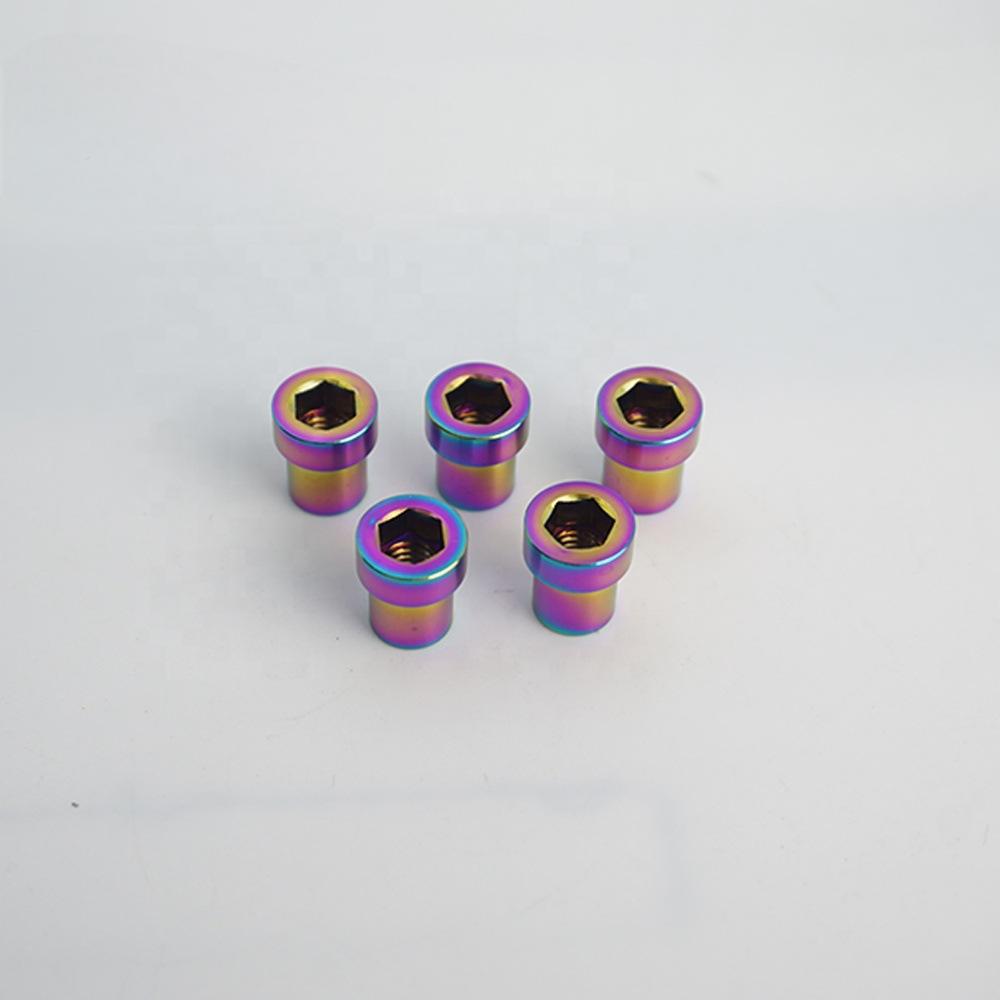
Does color anodizing (Burnt Blue, Gold, Purple) degrade thread dimensional accuracy or strength?
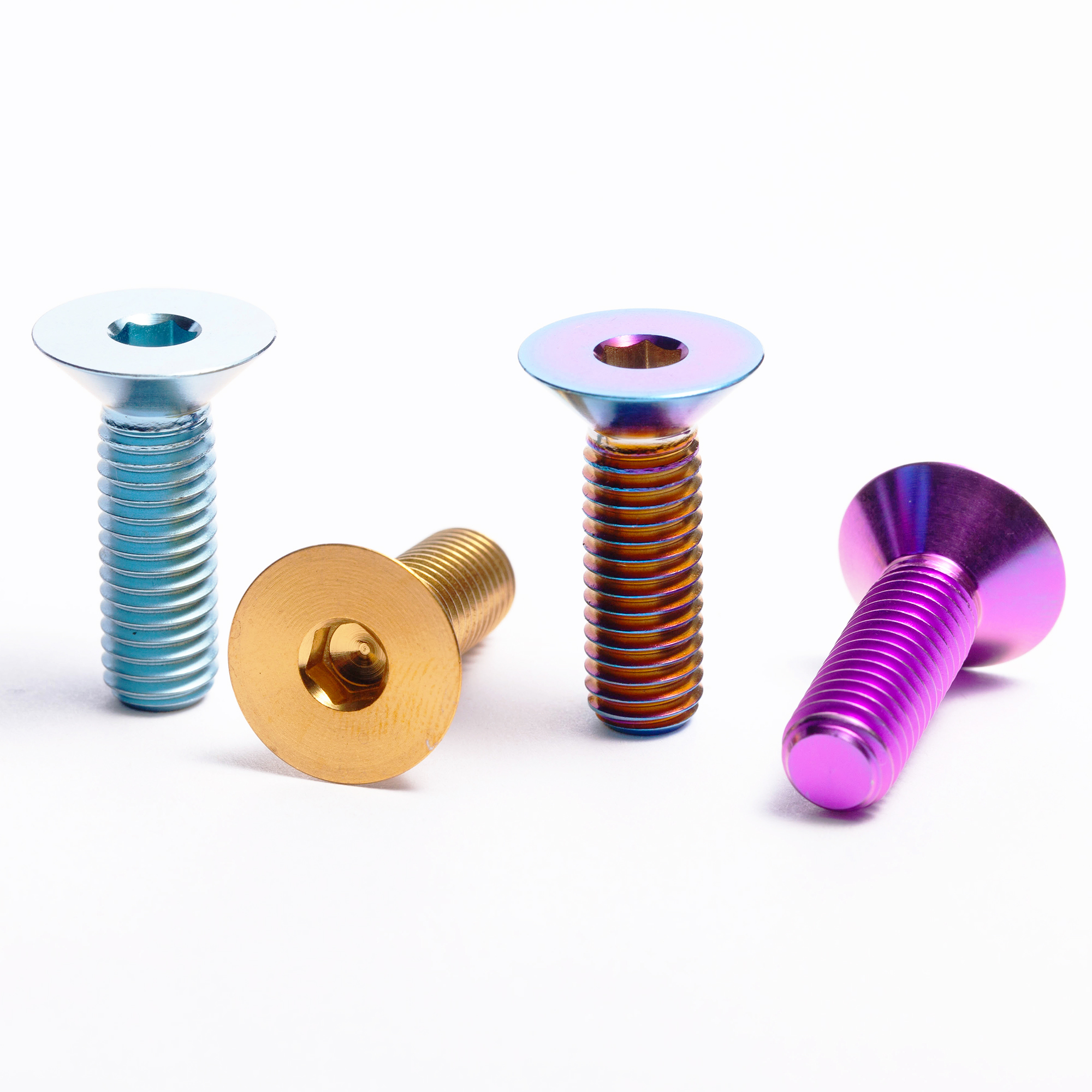
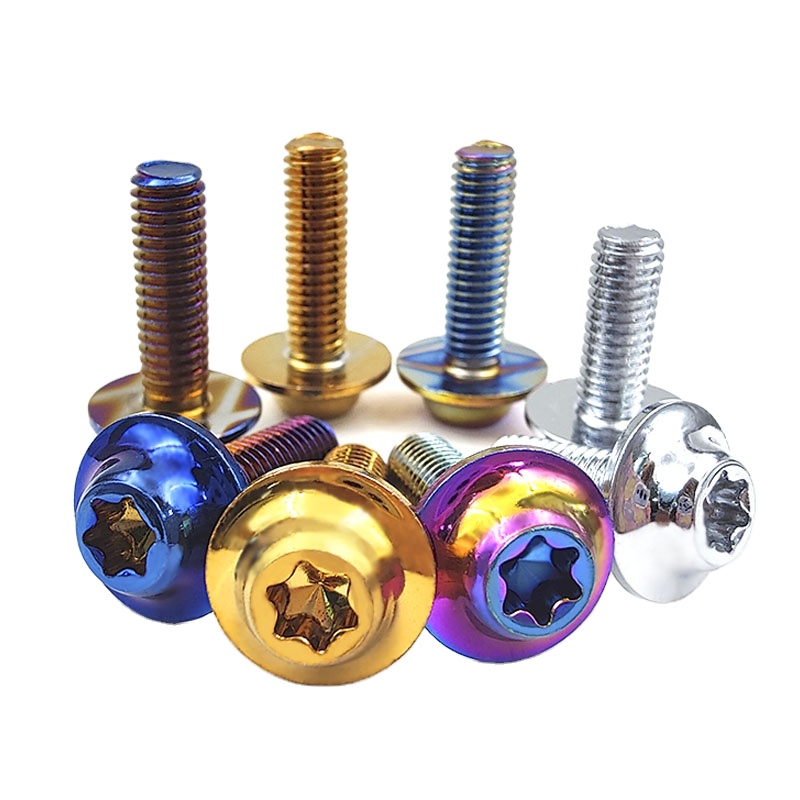
No. Titanium anodizing is an electrochemical process that grows a transparent titanium oxide (TiO2) layer on the component's surface. The color is determined by optical interference wavelengths of light through different oxide layer thicknesses (ranging from 10nm to 300nm). Unlike aluminum anodizing, titanium anodizing converts surface metal without building material thickness that alters tight thread pitch tolerances.
What quality documentation is provided with wholesale B2B titanium shipments?
Every commercial production batch shipped from our Jiaxing facility includes a complete Quality Documentation Package: EN 10204 3.1 Material Test Certificate (MTC), chemical composition breakdown report, mechanical tensile/yield test results, full dimensional inspection reports, and RoHS/REACH compliance certificates on request.
What is the typical production lead time for prototype and mass OEM titanium orders?
Standard stocked fastener samples are dispatched within 24–48 hours. Custom CNC prototype samples generally take 7 to 10 working days. Full-scale production lead times for volume OEM/ODM orders range from 15 to 25 days, depending on secondary surface finishing requirements and thread-rolling complexities.
Ready to Optimize Your Suspension Engineering with Titanium?
Whether you require standard ISO/DIN titanium disc bolts, lightweight motorcycle suspension hardware, or custom CNC machined suspension links built to custom CAD specifications, our engineering team is standing by.