Engineered Titanium Fasteners & Precision Components
Explore our premier line of precision CNC-machined titanium hex bolts, socket screws, low-head fasteners, and custom titanium components engineered for maximum yield strength, fatigue resistance, and absolute corrosion immunity.
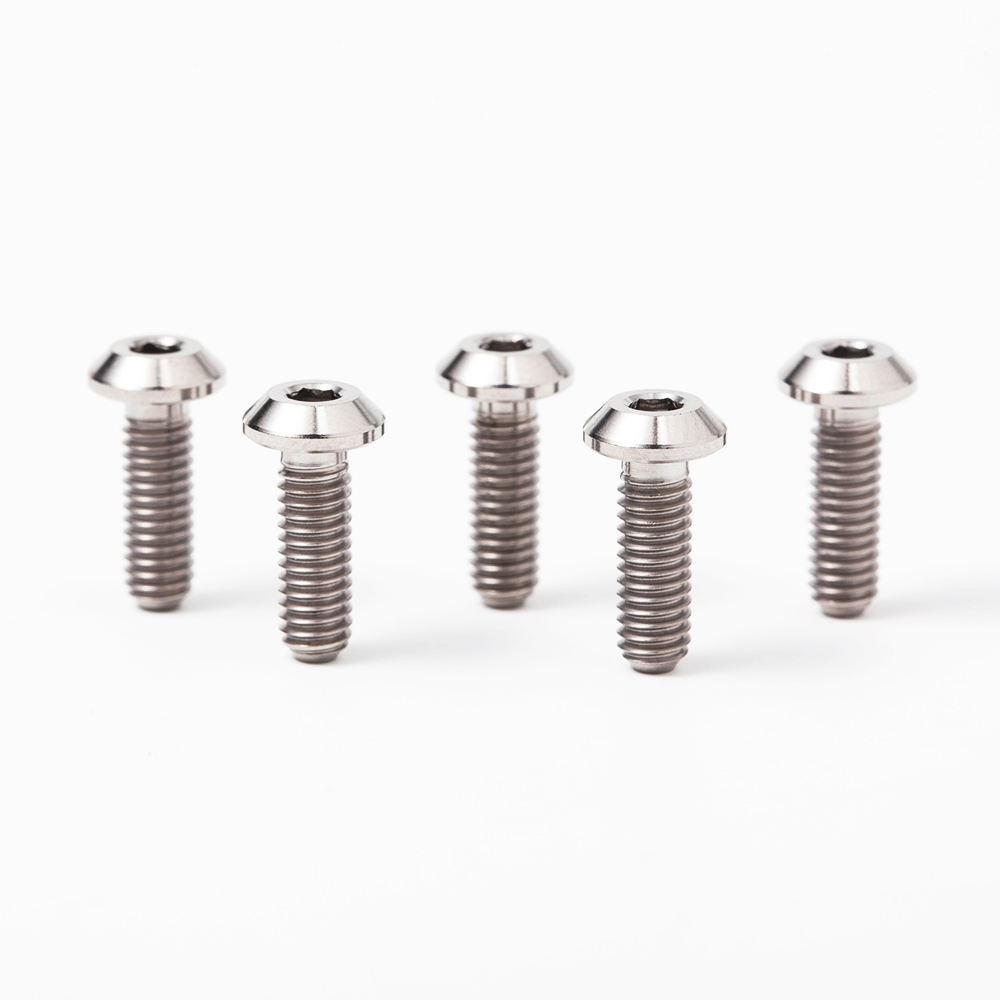
M5 M6 Metric Titanium Oval Head Disc Brake Screws Grade 5 ASTM F136
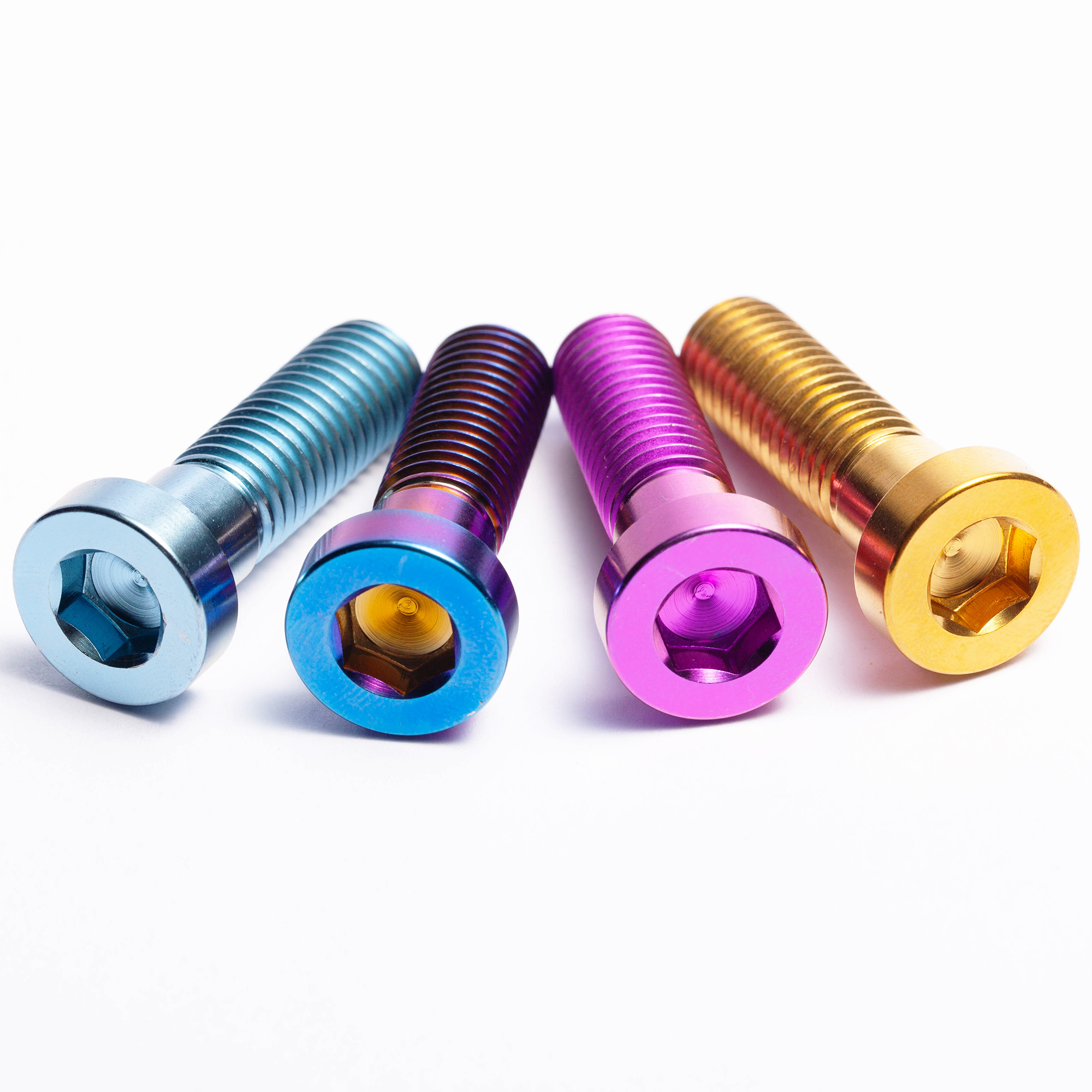
DIN6912 Titanium Alloy Low Head Socket Cap Bolt Anodized Parallel Screw
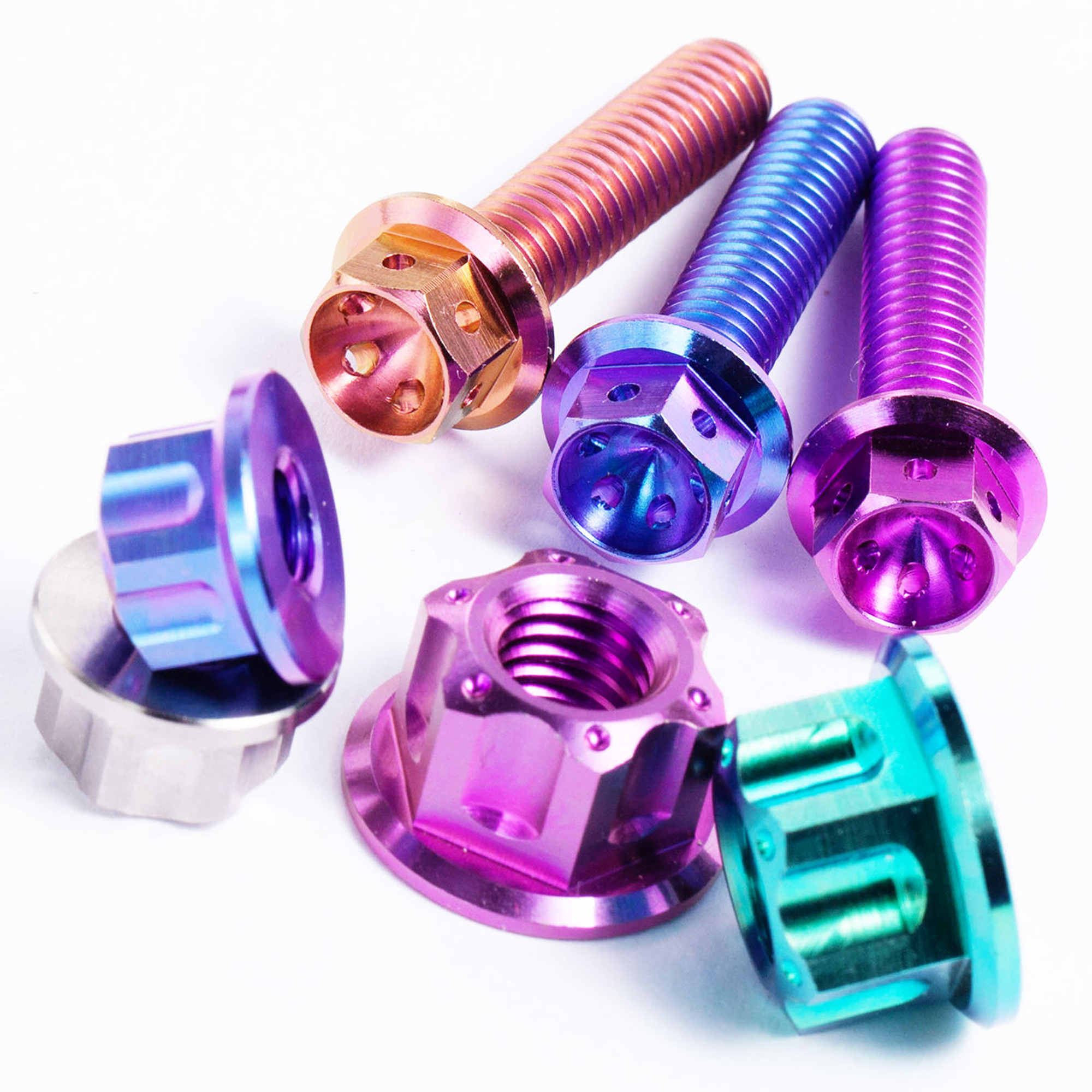
Titanium Alloy GR5 Hexagon Head Anodized Flange Bolts and Nuts M6-M12
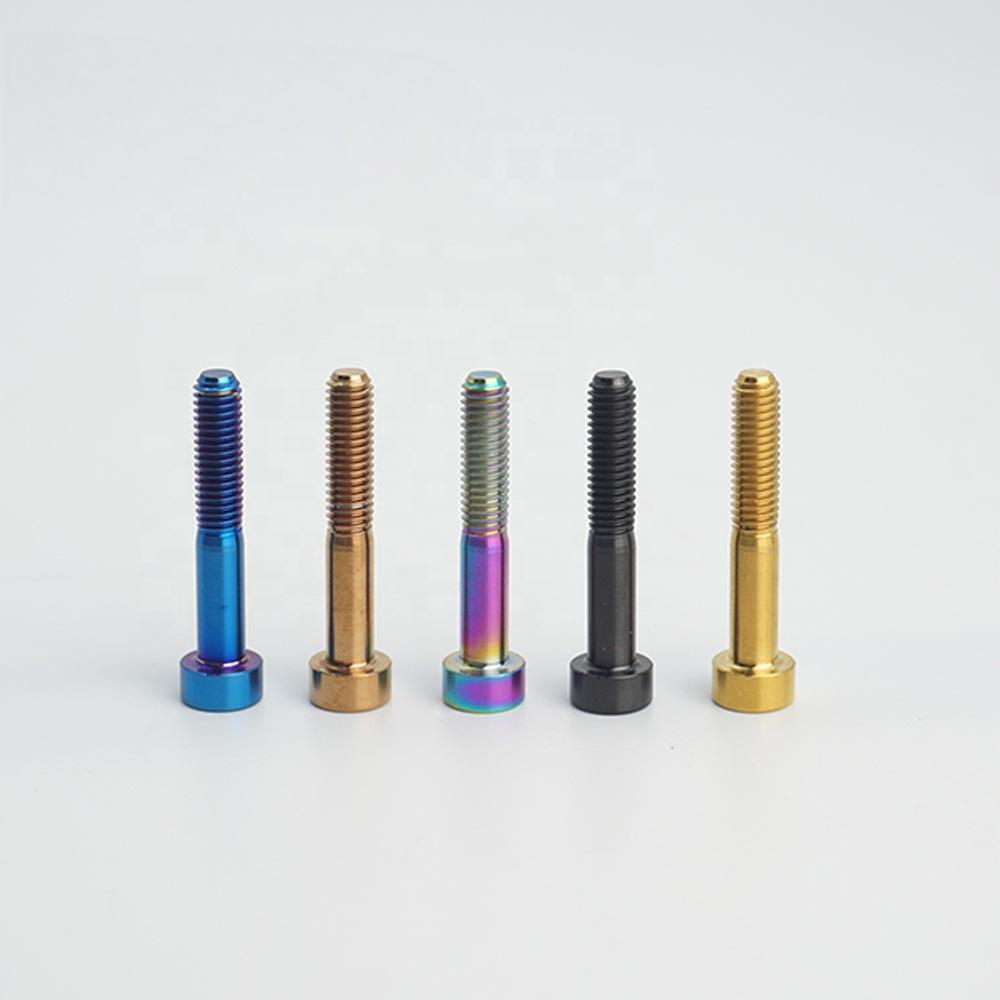
Titanium CNC Bolts Hex Button Head Black Oxide Finish Rustproof Lightweight
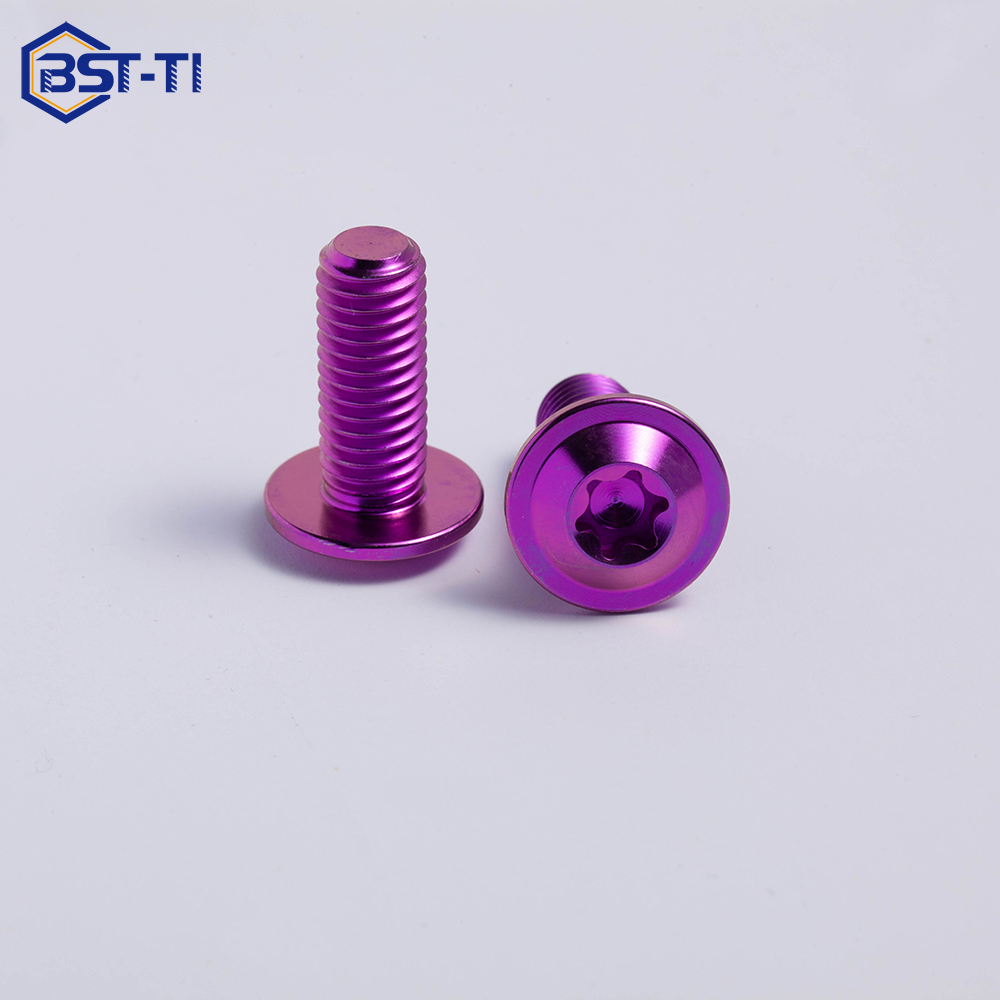
BST-TI Torx Head Titanium Alloy Disc Bolts ISO Standard Motorcycle Fasteners
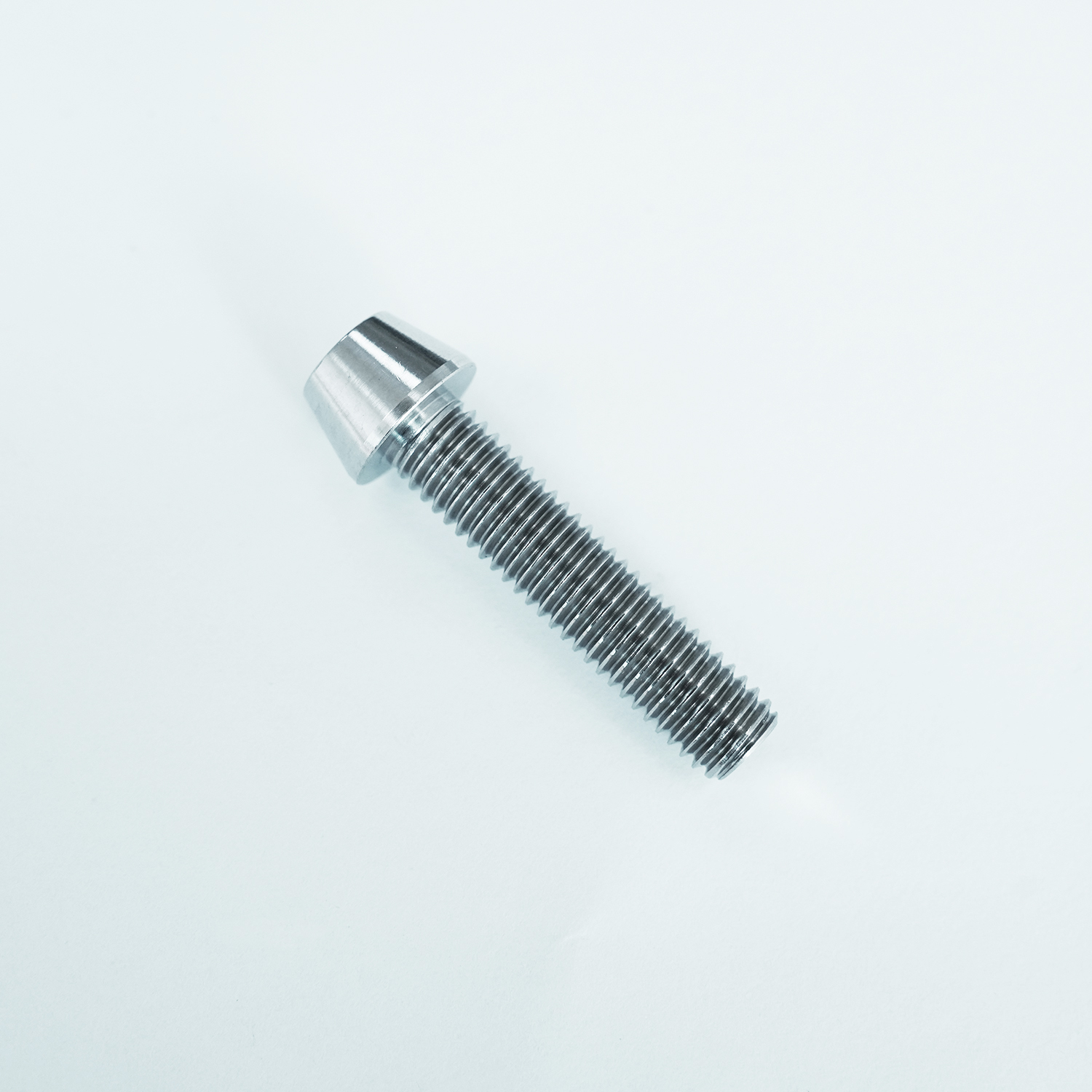
Bike Derailleur Hanger Bolt Allen BST-TI GR5 Titanium Oval Head Colorful Screws
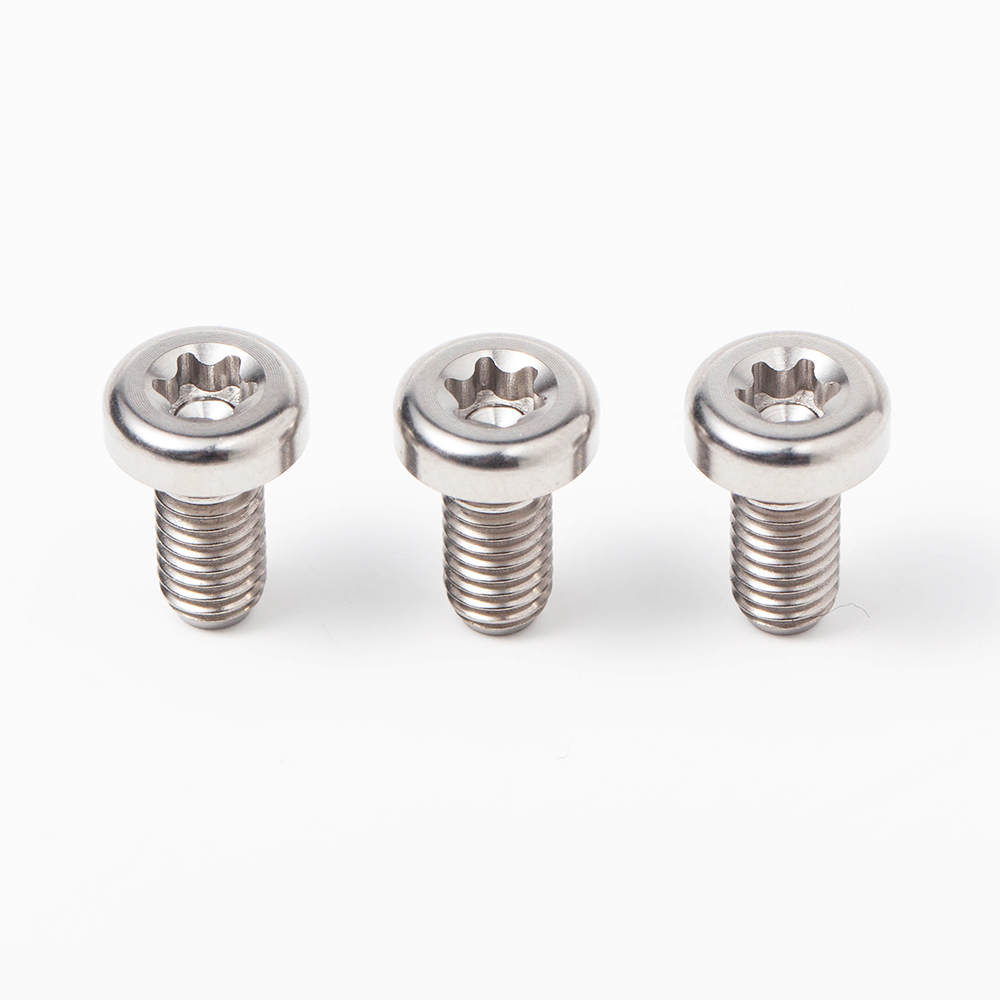
BST-TI M6 M8 Titanium Bolts Grade 9 DIN Standard High Strength Button Head
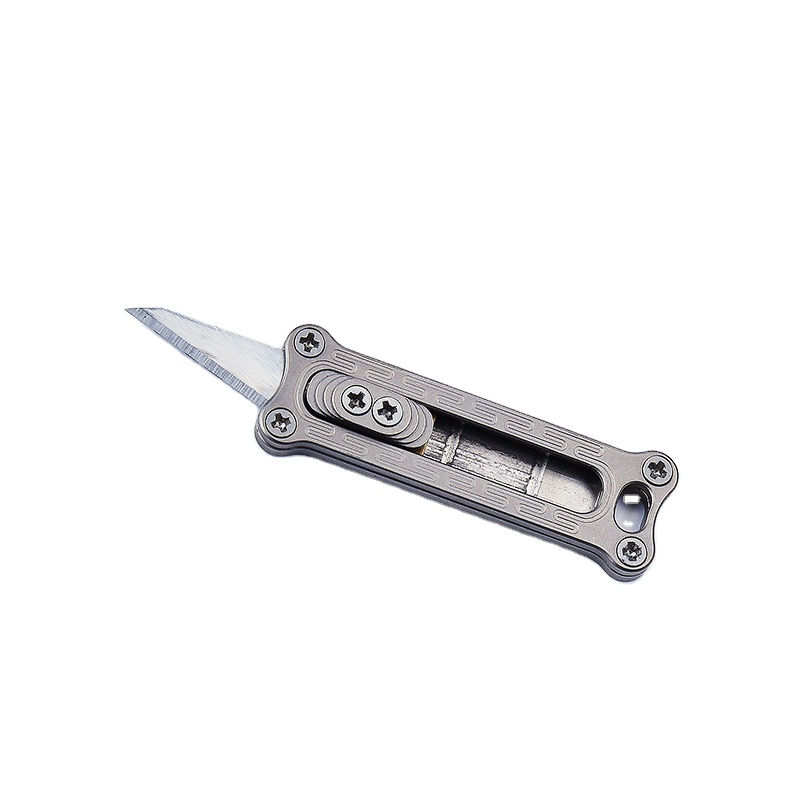
BST-TI Titanium Alloy EDC Multi-Functional Lightweight Pocket Gear CNC Machined
Engineering Deep Dive: The Metallurgy & Mechanics of Titanium Hex Fasteners
When selecting structural fasteners for critical assemblies in automotive racing, aerospace, deep-sea marine exploration, and high-end cycling, design engineers frequently encounter the physical limitations of conventional Class 8.8, 10.9, or 12.9 carbon steel and AISI 304/316 stainless steel. Standard steel hardware suffers from two fatal engineering flaws: excessive mass density (approx. 7.85 g/cm³) and vulnerability to electrochemical, pitting, and galvanic corrosion under harsh working environments.
Titanium alloy hex bolts—specifically those crafted from Grade 5 (Ti-6Al-4V / UNS R56400) and Grade 9 (Ti-3Al-2.5V / UNS R56320)—provide the ultimate solution by uniting an extraordinary strength-to-weight ratio with total thermodynamic immunity to chlorine-induced stress corrosion cracking (SCC) and industrial atmospheric oxidization.
Material Comparison Matrix: Titanium Alloys vs Standard Engineering Fastener Materials
To assist procurement officers and mechanical design team leaders in evaluating technical specifications, the following empirical dataset compares key physical and mechanical properties across industrial fastener materials:
| Material Specification | Density (g/cm³) | Yield Strength (MPa) | Ultimate Tensile (MPa) | Fatigue Strength Limit | Corrosion Rate (Seawater) |
|---|---|---|---|---|---|
| Titanium Grade 5 (Ti-6Al-4V) | 4.43 | ≥ 828 | ≥ 895 | ~ 510 MPa | < 0.0001 mm/year (Immune) |
| Titanium Grade 9 (Ti-3Al-2.5V) | 4.48 | ≥ 483 | ≥ 620 | ~ 380 MPa | < 0.0001 mm/year (Immune) |
| Titanium Grade 2 (CP Titanium) | 4.51 | ≥ 275 | ≥ 345 | ~ 220 MPa | < 0.0001 mm/year (Immune) |
| Stainless Steel AISI 316 | 8.00 | ≥ 290 | ≥ 620 | ~ 240 MPa | 0.005 mm/year (Pitting Risk) |
| Alloy Steel Class 10.9 (Quenched) | 7.85 | ≥ 940 | ≥ 1040 | ~ 420 MPa | Severe Rust Without Coating |
Precision Thread Rolling vs Thread Cutting: Fatigue Resistance Dynamics
At Jiaxing Wexra Titanium Products Co., Ltd., our engineering protocol strictly distinguishes between cut threads and cold-rolled threads. Cut threads produced on conventional lathes disrupt the continuous grain structure of the titanium bar stock, generating micro-notch stressors at the root radius where fatigue cracks typically initiate under cyclic dynamic loads.
By contrast, our premium Titanium Hex Flange Bolts (DIN 6921) and Low Head Socket Cap Bolts (DIN 6912) are manufactured using high-precision hydraulic thread rolling dies. Cold rolling reshapes the titanium metal grain along continuous unbroken flow lines while inducing beneficial compressive residual stresses on the thread root surface. This critical processing step increases the thread fatigue life of our titanium bolts by up to 300% compared to cut-thread alternatives.
Technology & Material Trends in Titanium Fastener Manufacturing
The global hardware industry is undergoing a structural transition toward light-alloy engineering. Here are the key technological advancements shaping the next generation of titanium hex bolts and CNC precision parts.
Swiss Multi-Axis CNC Turning-Milling
Integration of high-speed 5-axis Swiss-type automatic lathes allows single-setup machining of complex head geometries, safety-wire holes, internal Torx/Hex sockets, and integrated washers with tight tolerances down to ±0.01 mm.
PVD Hard Coating & Electrochemical Anodizing
Advanced Physical Vapor Deposition (PVD) titanium nitride (TiN) and black oxide vacuum coatings deliver micro-hardness ratings above 2000 HV. Electrochemical anodization produces stable oxide films (gold, purple, cyan, burnt blue) without dimensional change.
Micro-Arc Oxidation (MAO) & Anti-Galling Coatings
Galling (thread seizure) has historically affected titanium hardware. Modern industrial treatments apply ceramic-like MAO barrier layers combined with molybdenum disulfide (MoS2) dry lubricants, permitting smooth torque retention and repeated assembly cycles.
Global B2B Sourcing Trends & Strategic Sourcing Roadmap
As enterprise OEMs, Tier-1 automotive suppliers, and industrial distributors reassess their supply chains, purchasing strategy for titanium fasteners has shifted from low-cost sourcing to risk mitigation, material verification, and environmental compliance.
1. Traceability & EN 10204 3.1 Material Certification
Global procurement teams now require complete heat-lot traceability from primary titanium sponge to final machined fastener. Reputable suppliers must provide EN 10204 3.1 chemical composition and mechanical test certificates verified via Inductively Coupled Plasma Optical Emission Spectrometry (ICP-OES) to prevent uncertified, scrap-blended titanium from entering high-stress assembly lines.
2. ESG Compliance & Closed-Loop Titanium Recycling
With stringent European and North American carbon border adjustments and ESG disclosure mandates, leading titanium manufacturers are adopting closed-loop machining chip recovery systems. Titanium CNC swarf and turnings are segregated, cleaned, and remelted in Vacuum Arc Remelting (VAR) furnaces, lowering energy consumption by up to 60% relative to primary sponge refining.
3. On-Demand OEM Customization & Rapid Tooling Prototype Cycles
Modern product development cycles have compressed dramatically. OEMs expect titanium fastener suppliers to offer turn-key rapid prototyping—transitioning from customer CAD models (STEP/IGES) to finished first-article inspection (FAI) samples within 7 to 10 working days, backed by 3D optical profile measuring and CMM dimensional reports.
Enterprise Capabilities: Why Industry Leaders Partner with Wexra Titanium
Jiaxing Wexra Titanium Products Co., Ltd. is a specialized manufacturer and global exporter of high-grade titanium and titanium alloy hardware, leveraging state-of-the-art CNC production lines and rigorous quality management systems.
State-of-the-Art Production Facility
Headquartered in Jiaxing, Zhejiang, our modern 1,000+ m² facility houses high-precision CNC turning centers, multi-axis machining lathes, laser cutters, thread rollers, and automatic anodizing lines capable of managing high-volume enterprise orders.
Rigorous Quality Assurance Protocols
Operating strictly under ISO 9001:2015 quality standards, every manufacturing batch undergoes full spectral chemical verification, thread pitch diameter checking, micro-hardness testing, and salt-spray corrosion testing before export dispatch.
International Compliance & Export Expertise
Our titanium bolts and custom components are fully compliant with RoHS, REACH, CE, UKCA, and EPR Germany standards, serving leading B2B brands, racing engineering teams, and hardware distributors in over 30 countries.
Frequently Asked Questions (FAQ) for Titanium Fastener Procurement
Get immediate technical clarity on common engineering, metallurgy, order logistics, and customization queries.
Ready to Upgrade Your Assemblies to High-Performance Titanium?
Whether you require standard DIN 6921 titanium hex bolts, ultra-light bike disc brake screws, or fully custom CNC-machined components, our engineering specialists are standing by to review your specifications and provide direct factory pricing.