Specialized Titanium Fastener Solutions
Explore our certified aerospace and motorsport-grade fasteners, CNC-turned to precision tolerances (±0.01 mm) for high-vibration, corrosive, and weight-critical UK applications.
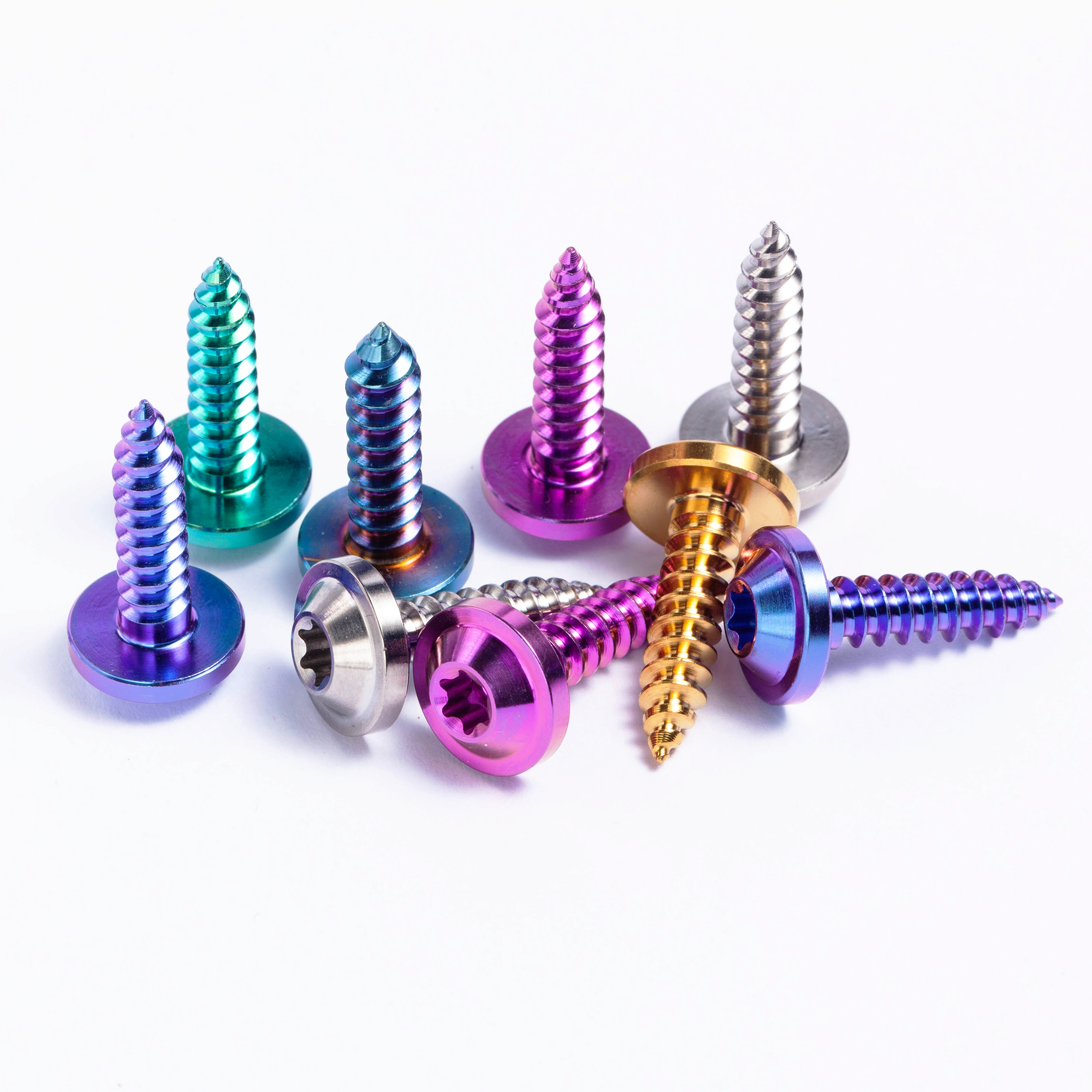
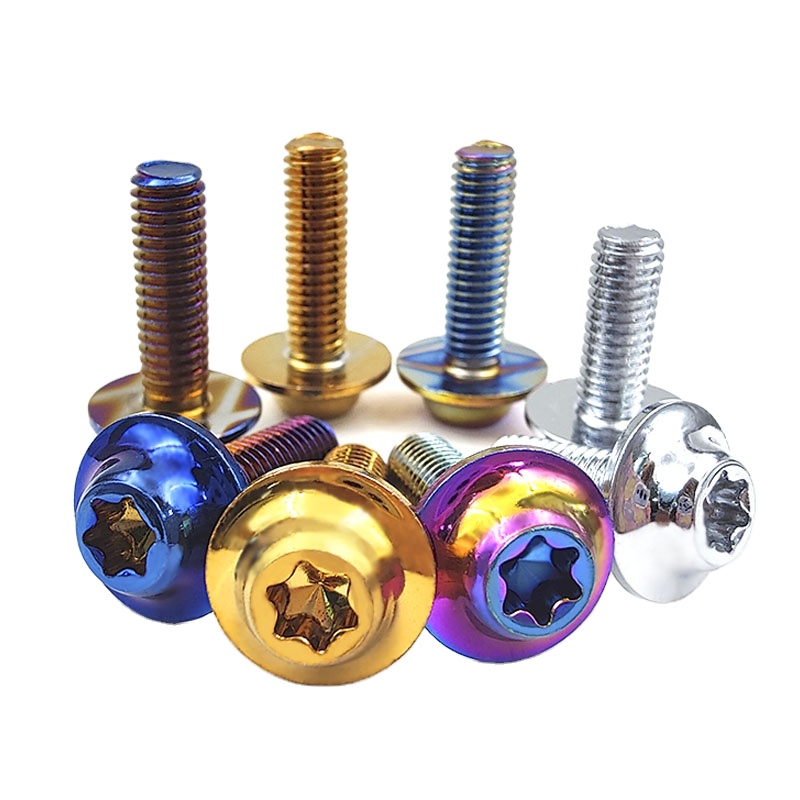
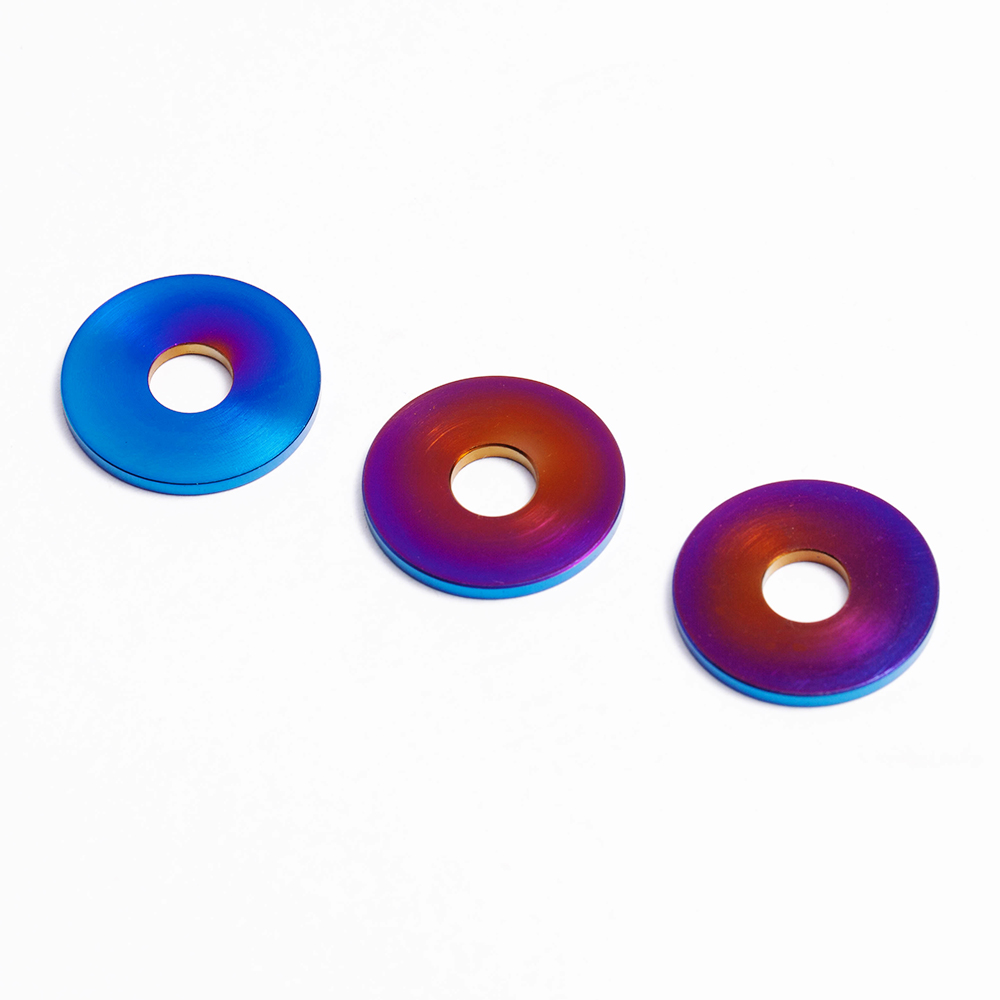
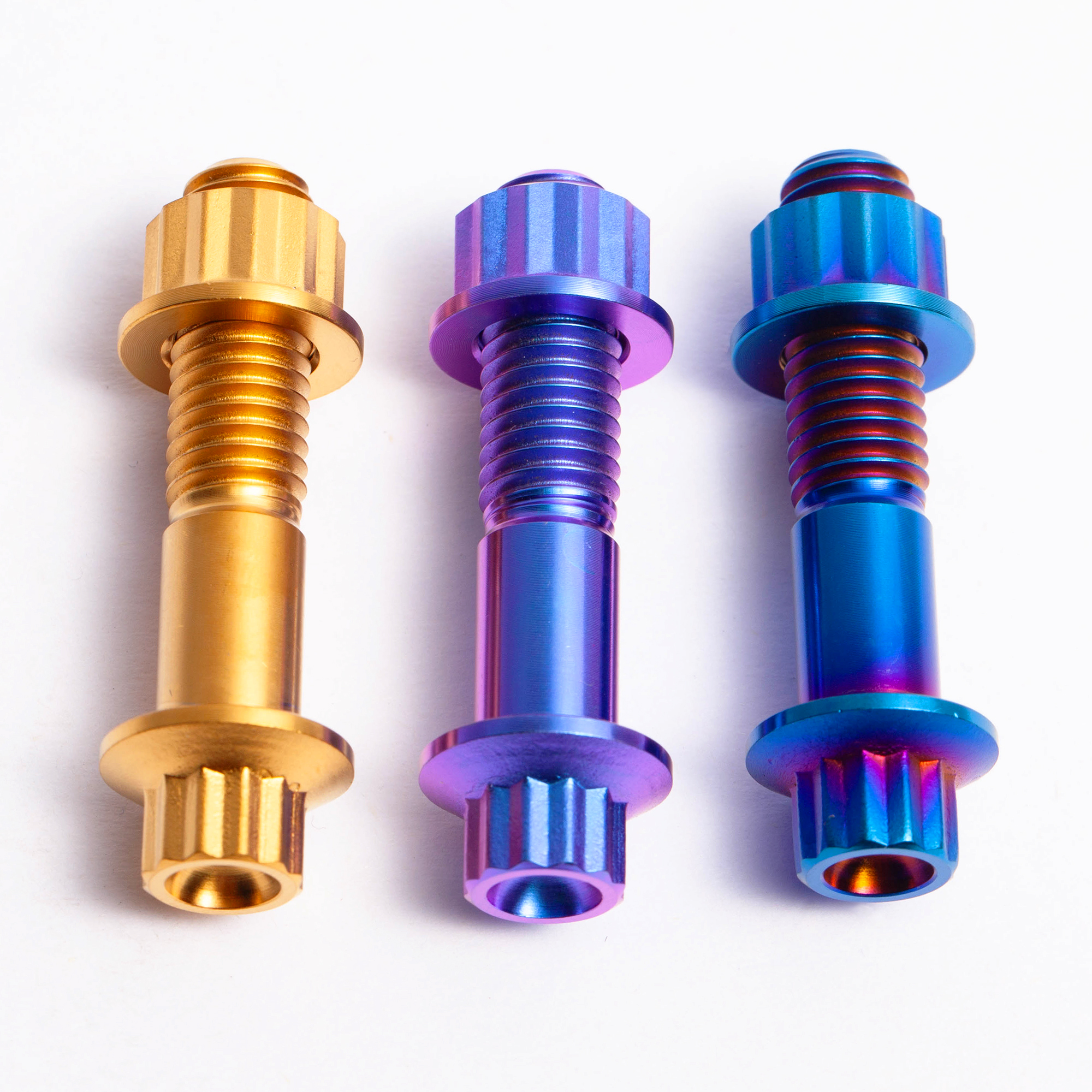
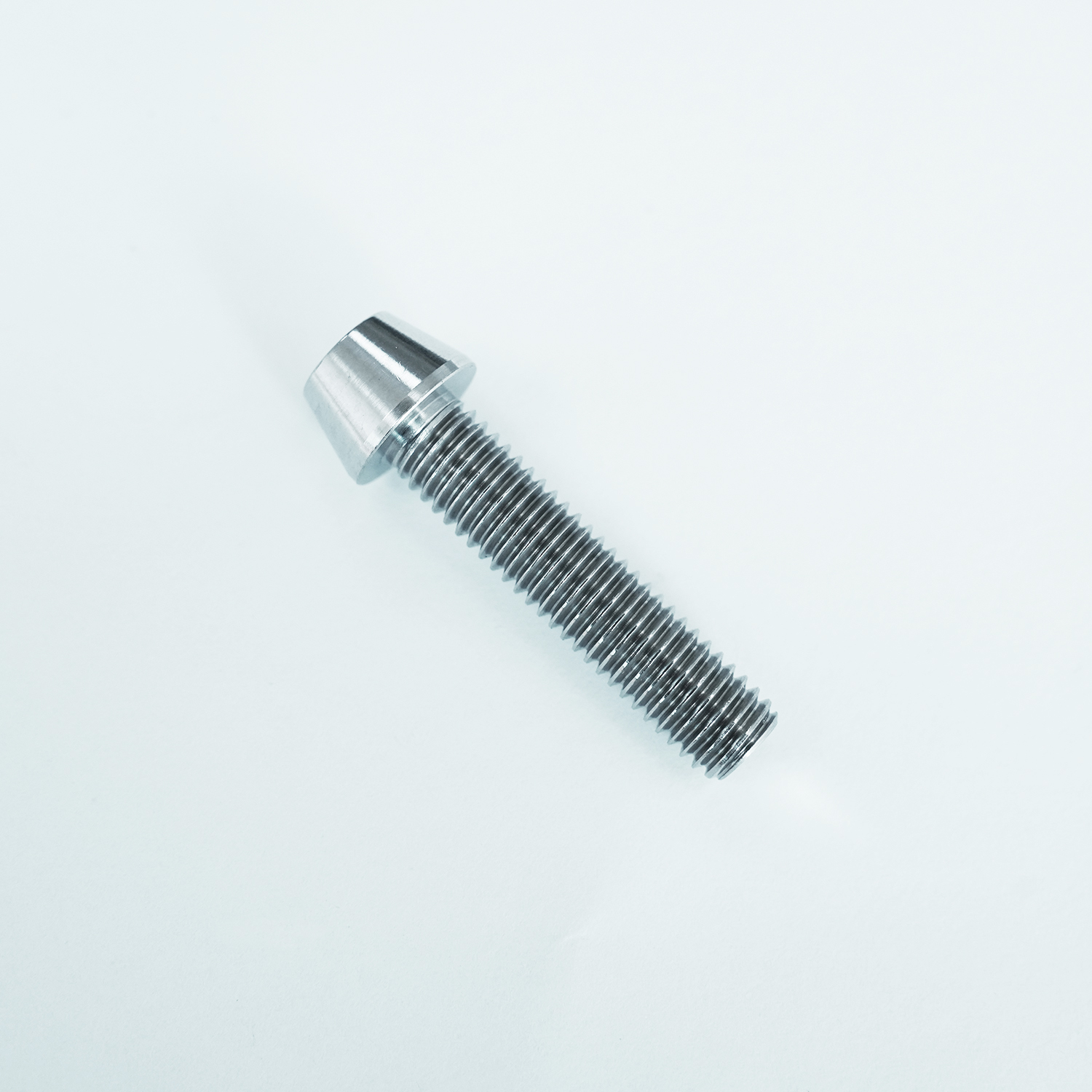
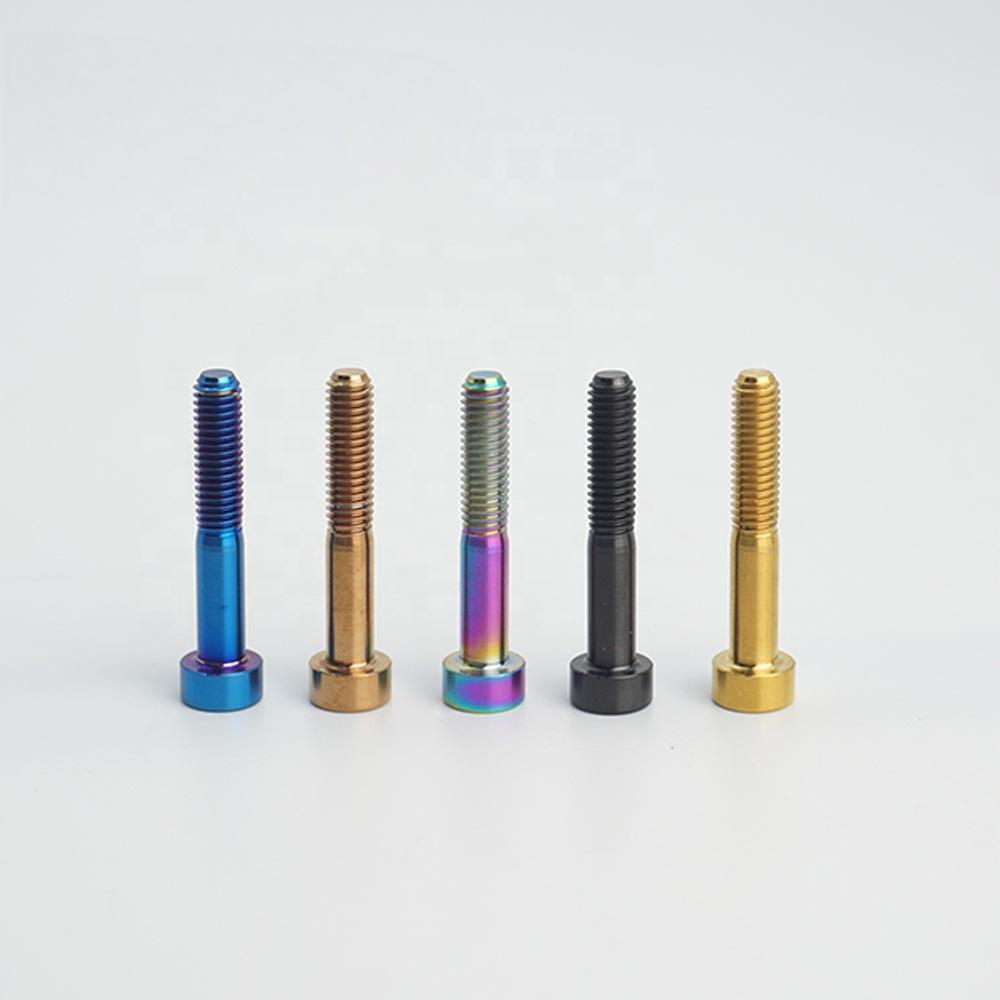
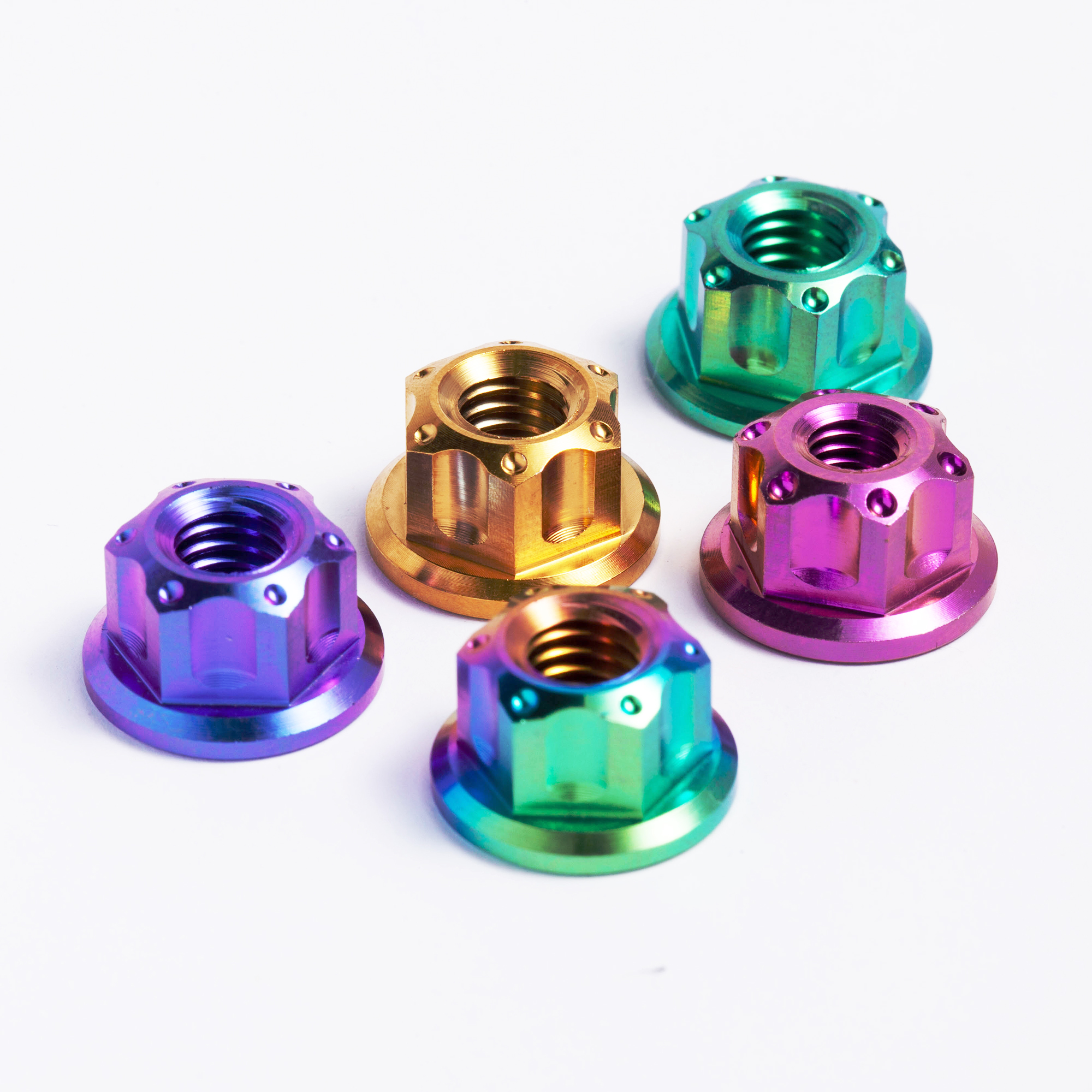
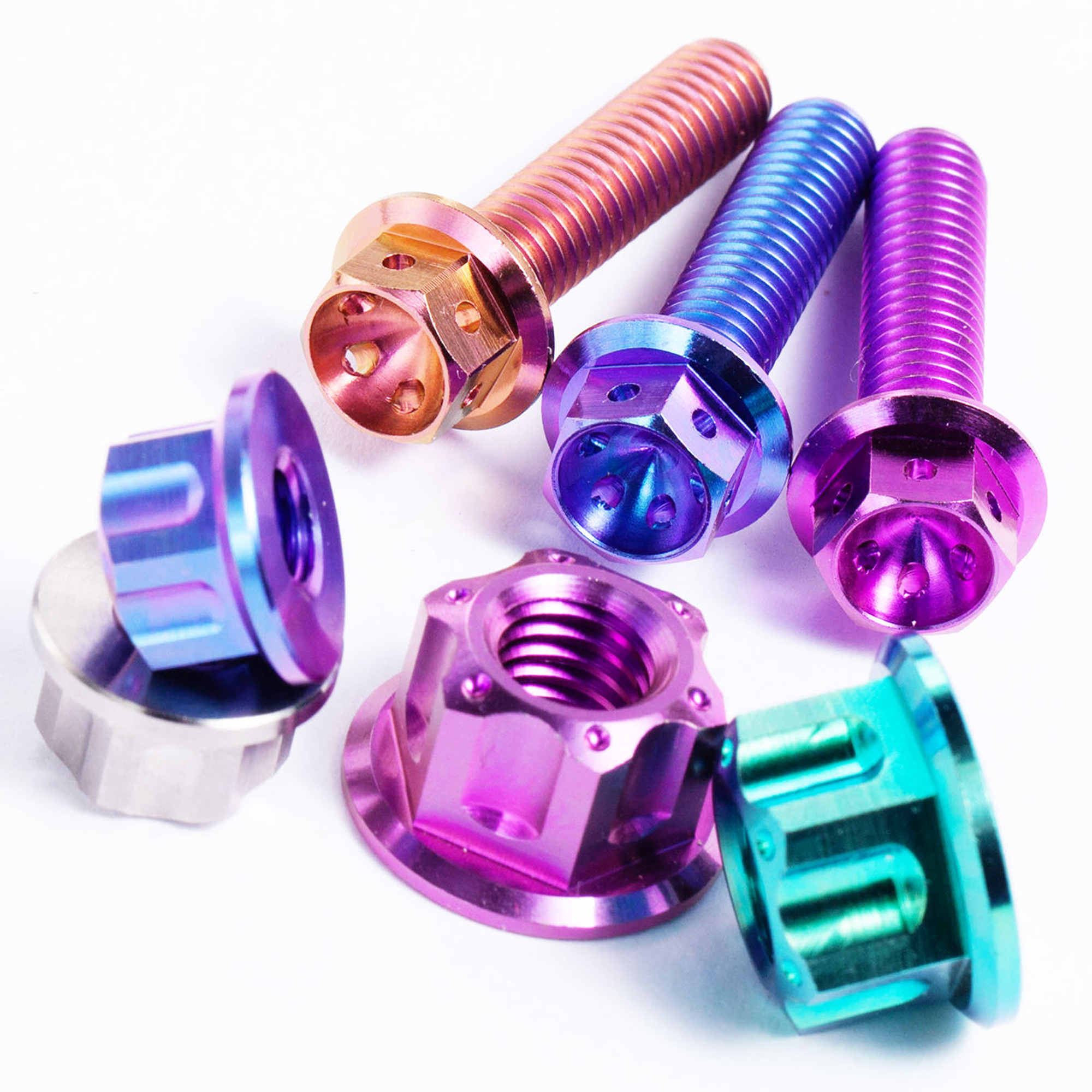
Technical Benchmark: Engineering Titanium Fasteners for the United Kingdom Aerospace Supply Chain
The United Kingdom represents one of the world's most sophisticated aerospace, space, and motorsport technology ecosystems. From the commercial airframe manufacturing centers in Filton and Broughton to the precision motorsport clusters in Oxfordshire and Northamptonshire, structural hardware is subjected to immense mechanical stresses, cyclic thermal shock, and aggressive environments. Within this ecosystem, Aerospace Titanium Fasteners manufactured from Grade 5 (Ti-6Al-4V) and Grade 2 unalloyed titanium have transitioned from premium alternatives to mandatory baseline standards.
As premier manufacturers and direct exporters, Jiaxing Wexra Titanium Products Co., Ltd. satisfies the complex technical parameters established by UK engineering authorities. Unlike generic commercial hardware, aerospace-tier titanium threaded components demand precise control over chemical segregation, thread root radii, cold-work grain integrity, and surface finishing to inhibit brittle failure modes, hydrogen embrittlement, and dynamic shear deformation.
Material Metallurgy: Why Ti-6Al-4V Grade 5 Dominates UK Critical Assemblies
Aerospace structures demand an optimal strength-to-weight ratio combined with low thermal expansion and immune corrosion resistance against airborne chlorides, de-icing chemicals, and atmospheric condensate. Grade 5 titanium, an alpha-beta alloy containing 6% aluminum and 4% vanadium, achieves nominal ultimate tensile strengths exceeding 895 to 1000 MPa with a density of merely 4.43 g/cm³. This performance represents approximately 44% mass reduction compared to 10.9-grade high-tensile structural alloy steel, while surpassing stainless steel 304 and 316 in fatigue life and shear loading resistance.
| Property Parameter | Ti-6Al-4V Grade 5 (Aerospace) | Grade 2 Unalloyed (CP) | A2-70 (AISI 304) Stainless | Class 10.9 Alloy Steel |
|---|---|---|---|---|
| Density (g/cm³) | 4.43 | 4.51 | 7.93 | 7.85 |
| Min. Tensile Strength (MPa) | 895 - 950 | 345 | 700 | 1040 |
| Yield Strength 0.2% (MPa) | 825 | 275 | 450 | 940 |
| Magnetic Permeability | 1.00005 (Non-magnetic) | 1.00005 (Non-magnetic) | 1.005 - 1.015 (Slight) | Ferromagnetic (High) |
| Corrosion Resistance in Marine/Salt | Virtually Immune | Virtually Immune | Susceptible to Crevice/Pitting | Rapid Oxidation (Needs Plating) |
| Continuous Service Temp (°C) | -250 to +400 | -100 to +300 | -196 to +450 | -50 to +300 |
Rolled Threads vs. Cut Threads in High-Cycle Dynamic Flight Controls
A critical divergence between standard industrial screws and aerospace-grade fasteners lies in the thread generation methodology. Wexra utilizes high-precision cold-thread-rolling dies following multi-axis CNC turn-milling. Thread cutting severs the continuous longitudinal grain structure of the titanium bar, introducing micro-notch stress concentration points susceptible to high-cycle fatigue cracking. In contrast, our cold-rolling process plastically displaces the alloy grains along the root profiles, leaving unbroken flow lines, work-hardening the root surface, and yielding up to 35% higher cyclic fatigue longevity.
Localized Application Scenarios in the UK Market
Where Wexra precision titanium fasteners contribute to mission-critical British engineering projects.
Civil Aviation & Airframe Retrofit
Deployed within non-engine nacelles, cabin bracket mounting, auxiliary power unit (APU) housing, and landing gear access panels in Midlands aerospace hubs. Resistant to galvanic corrosion when paired with carbon composite airframes.
UK "Motorsport Valley" Formula & GT
Serving world-championship constructor teams in Oxfordshire and Northamptonshire. Lightweight Grade 5 wheel studs, suspension mounting bolts, caliper fasteners, and exhaust studs reduce unsprung rotational weight under severe g-forces.
Offshore Marine & Green Subsea Energy
Employed in Scottish North Sea wind turbine electronic modules, tidal turbine subassemblies, and defense marine telemetry. Grade 2 and Grade 5 bolts maintain 0.00 mm/year erosion rates against turbulent North Sea salt-spray.
Procurement & Legislative Trends in the British Titanium Fastener Sector
The post-Brexit trade environment and the accelerating net-zero mandate from the UK Department for Business and Trade have fundamentally restructured supply chain dynamics for structural fasteners:
1. Net-Zero Airframe Lightweighting and Fleet Decarbonisation
British aerospace original equipment manufacturers (OEMs) face stringent SAF (Sustainable Aviation Fuel) and emissions regulations. Every kilogram shed from aircraft curb weight produces measurable cumulative kerosene conservation over decades of operation. Substituting standard stainless or high-tensile steel fasteners with Ti-6Al-4V fasteners across interior, electrical grounding, and secondary structural assemblies delivers an immediate, mathematically proven payload and thermal efficiency improvement without sacrificing structural safety margins.
2. Transition to UKCA Marking & ISO Traceability Frameworks
Procurement teams across Bristol, Manchester, and Belfast increasingly enforce comprehensive traceability protocols. Fasteners arriving at UK customs require complete compliance with the UKCA (UK Conformity Assessed) regulatory framework, European CE benchmarks, and stringent REACH / RoHS chemical parameters. Wexra provides complete batch mill test certification (MTC) adhering to EN 10204 3.1 standards, ensuring full transparency regarding elemental breakdown (interstitial elements like Fe, O, C, N, H), tensile testing, and grain morphology.
3. Galvanic Corrosion Mitigation in Composite-Rich Structures
With UK programs advancing structural Carbon-Fiber-Reinforced Polymers (CFRP) in wing components and fuselages, aluminum and carbon steel fasteners represent severe galvanic corrosion risks. Titanium possesses an electrode potential intimately matching carbon fibers (-0.05V to +0.05V vs SCE). Wexra Grade 5 bolts eliminate galvanic battery actions, ensuring British aerostructures maintain multi-decade service cycles without localized delamination or thread seizure.
Enterprise Advantages & Factory Direct Capabilities
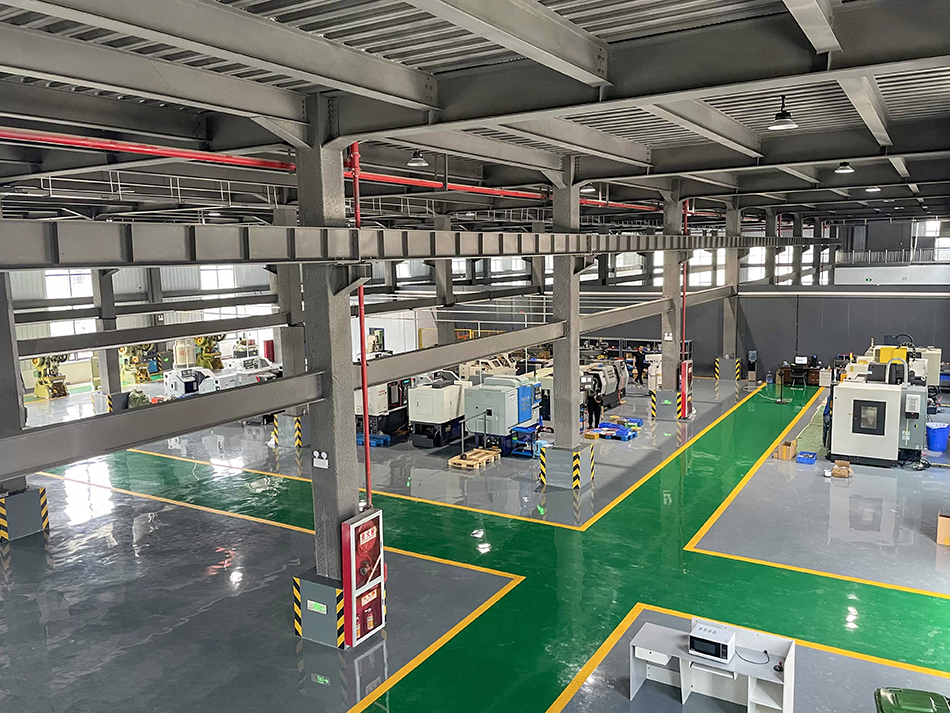
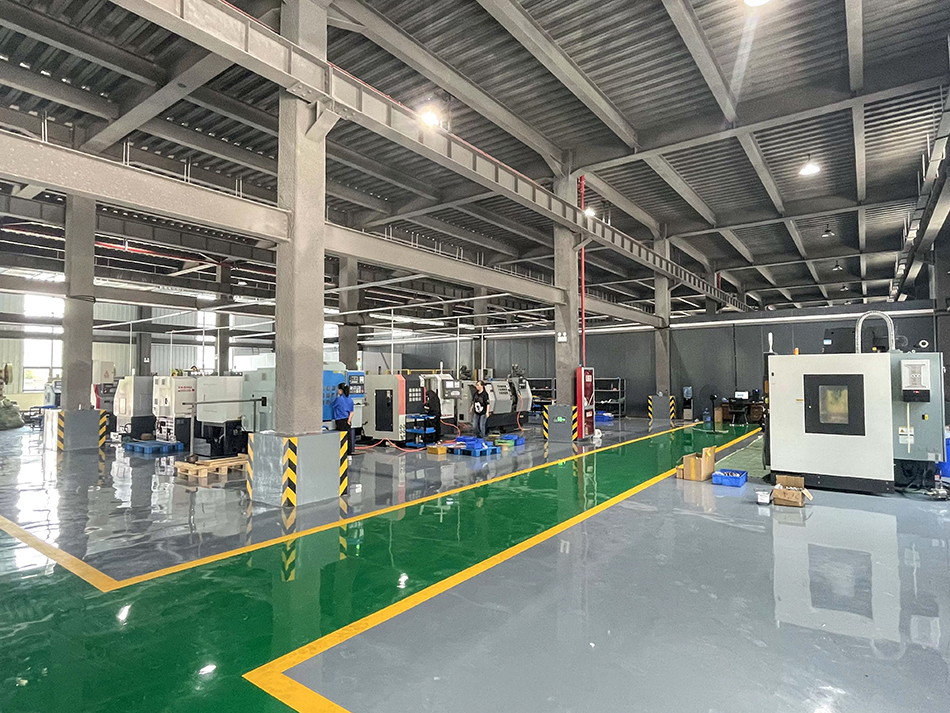
Founded in 2018 in Jiaxing, Wexra operates a dedicated, high-precision titanium fabrication facility designed for global export reliability.
Certified Raw Material Stocks
Direct supply agreements with Tier-1 sponge titanium mills. Every billet of CP Gr2 and alloyed Gr5 undergoes spectrometer verification and mechanical validation before induction into CNC lathe lines.
Rapid OEM/ODM Prototyping
From CAD step-files, DXF drawings, or aerospace sample hardware to initial functional prototypes within 5-7 business days. Custom heads (torx, 12-point, low-profile flanged) engineered precisely to customer prints.
Multi-Step Quality Gate Control
Operating under strict ISO 9001:2015 management systems. 100% thread engagement inspection using certified go/no-go gauges, optical projection comparators, and automated surface defect sorting.
Frequently Asked Questions: UK Buyer Sourcing Guide
Direct technical responses addressing import regulations, mechanical characteristics, and installation requirements for the British engineering sector.
Initiate Your UK Titanium Fastener Procurement
Connect directly with our engineering sales group. Provide your 2D engineering prints, CAD step-models, or DIN/ISO fastener call-outs for formal quotation, sample requests, and certified technical consultation.