Featured Titanium Hardware Available for Dublin Delivery
Direct manufacturer supply of DIN/ISO standard and custom anodized titanium fasteners, cold-forged and CNC-turned to tolerances down to ±0.01 mm.
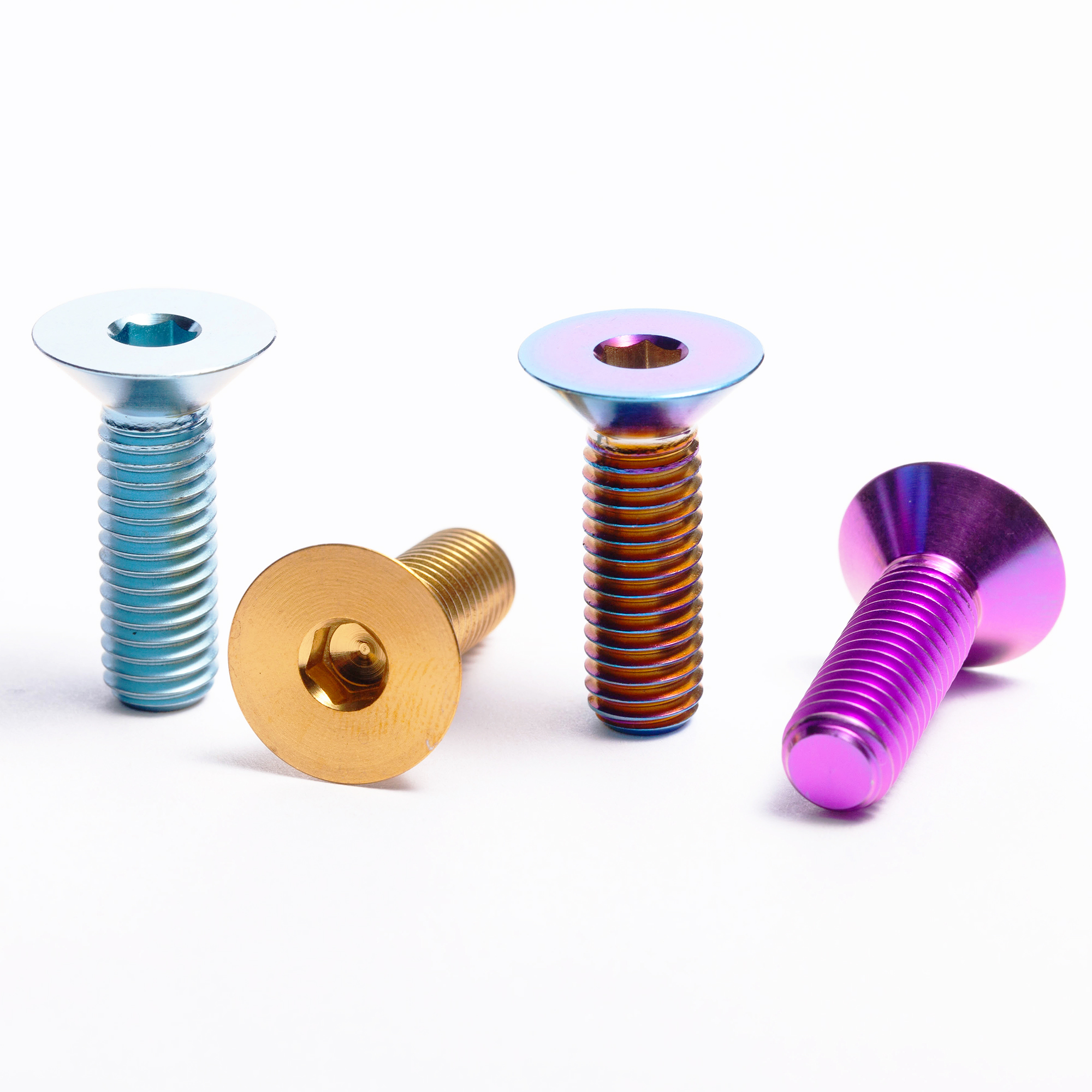
GR5 Titanium Alloy Hex/Torx Bicycle Allen Bolts
- Drive Type: Hex / Torx Star
- Tensile Strength: ≥ 895 MPa
- Anodizing: Multi-spectrum Type III
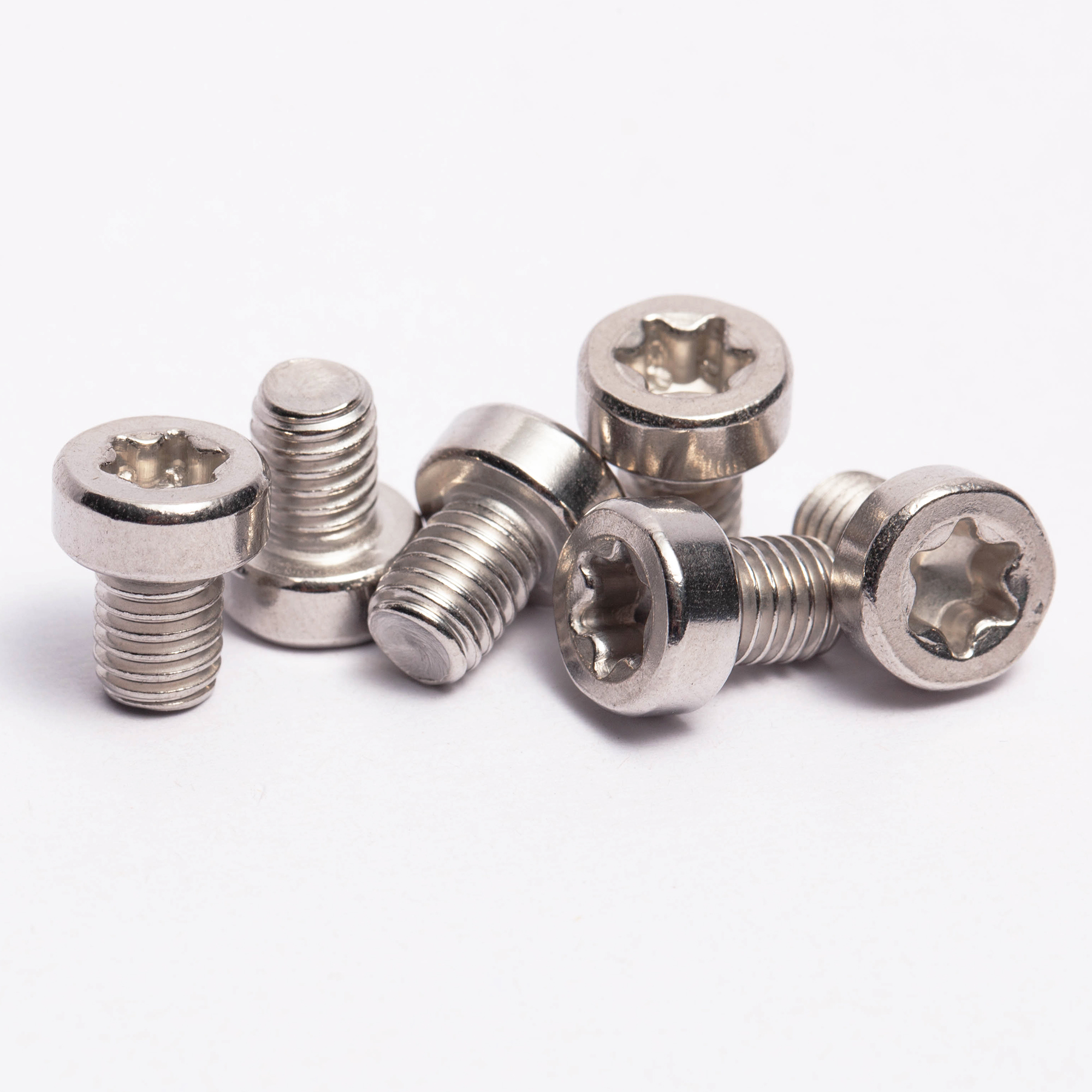
Custom Violet Step Torx Head UNF Bolts
- Standard: ISO Certified / UNF
- Surface: Interference Violet PVD
- Tolerance: ±0.01 mm CNC
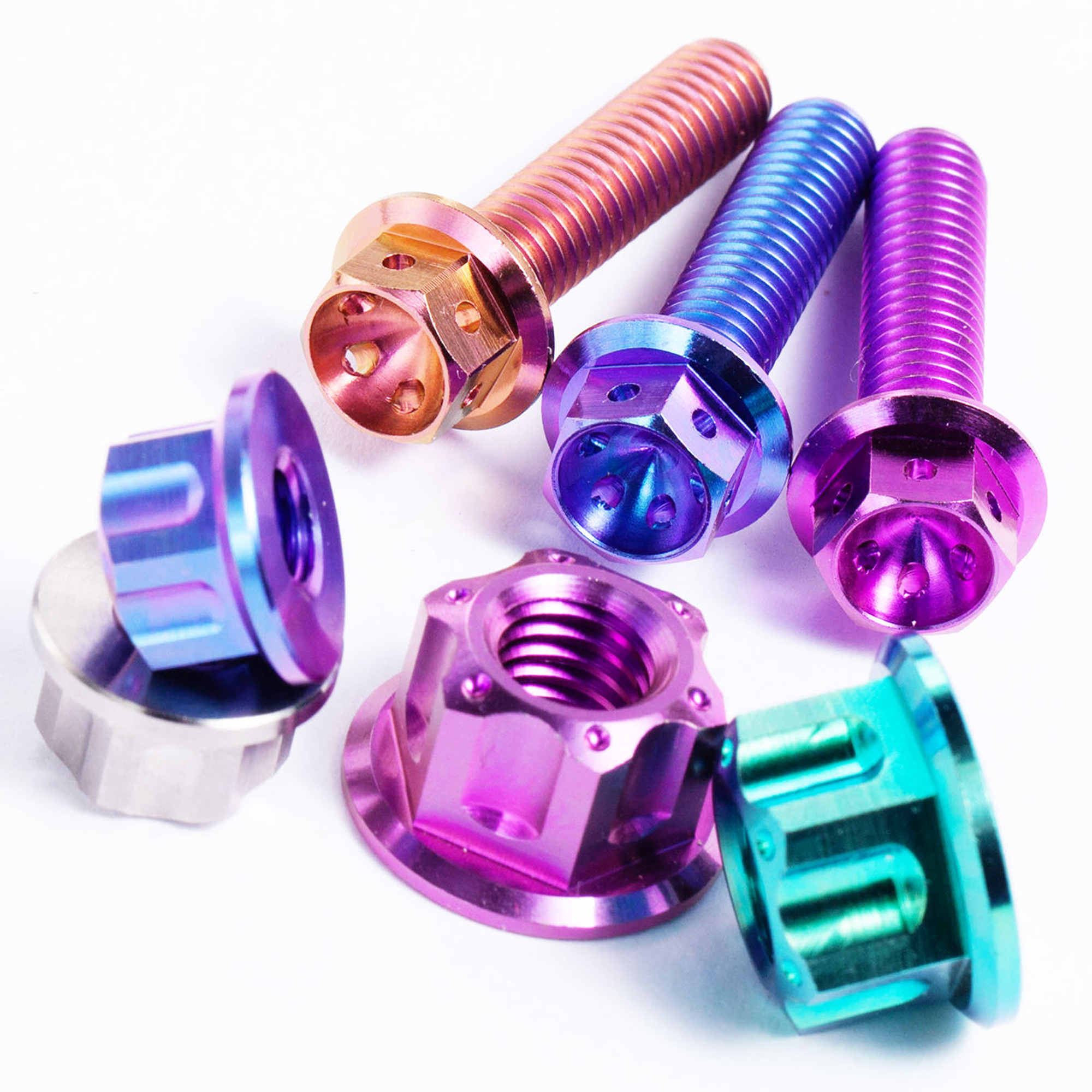
GR5 Hexagon Flange Anodized Bolts M6-M12
- Dimension: M6 to M12 DIN 6921
- Weight: 44% Less than Steel
- Process: Rolled Thread Structure
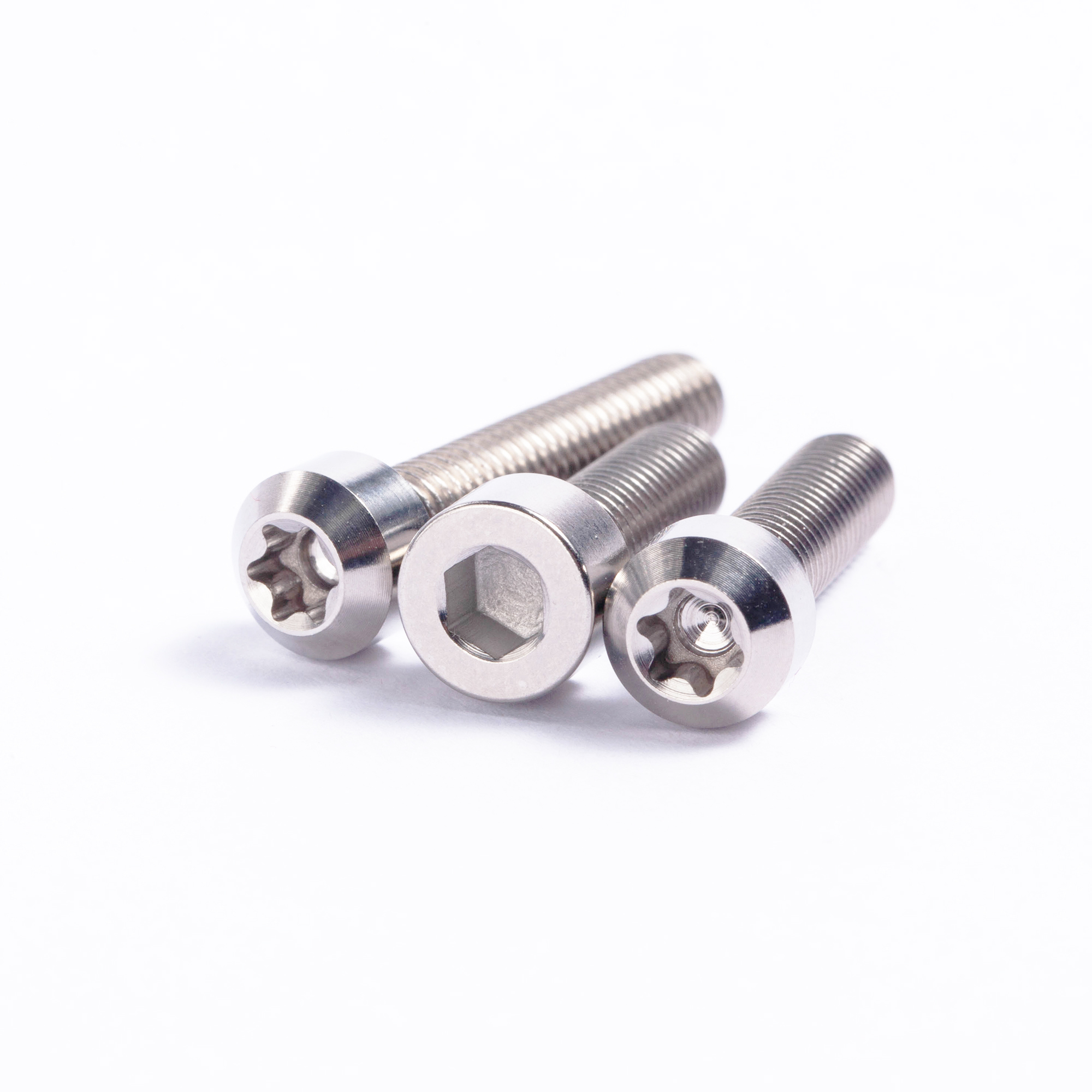
Gr5 12-Point Motorcycle Brake Disc Bolts
- Pitch/Size: M5x80, M7, M8 Custom
- Application: Brake Rotor & Calipers
- Finish: Diamond Polished & Anodized
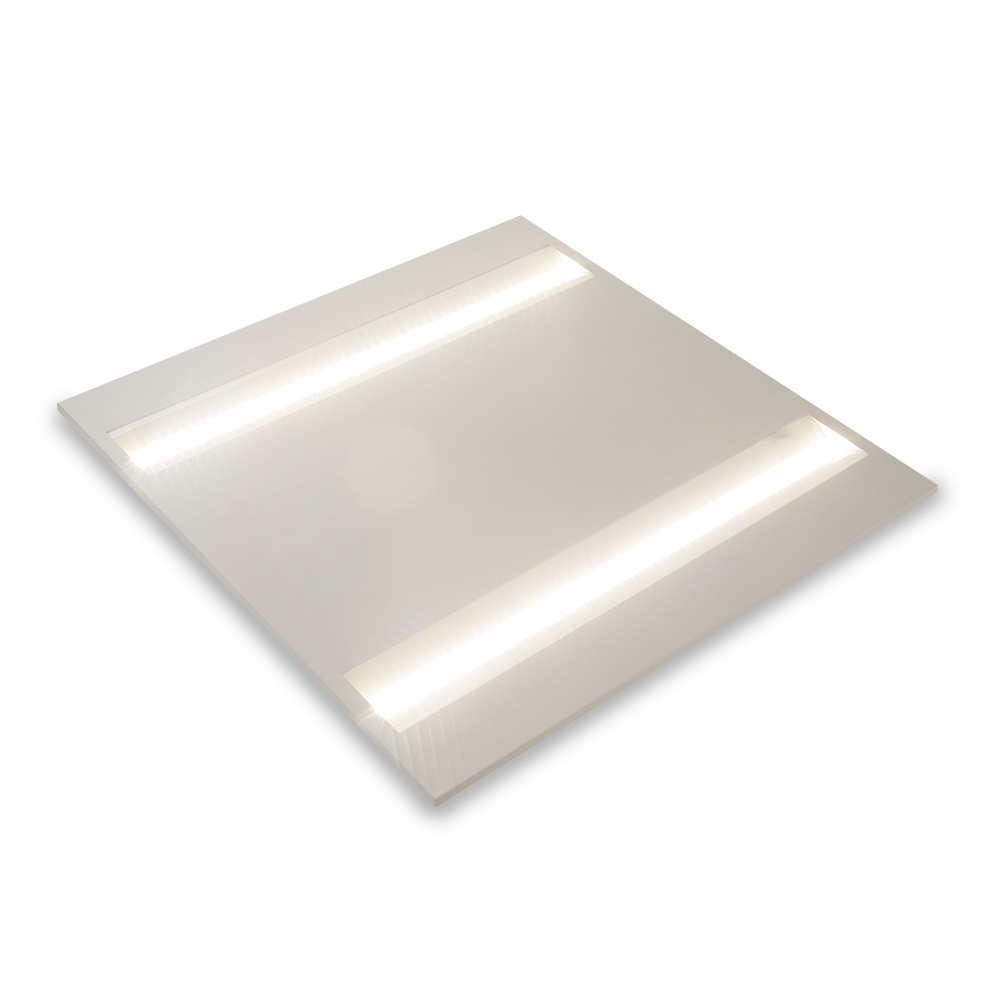
LENS 13 Architectural High-Spec Housing
- Category: Specialty OEM Enclosures
- Mounting: Titanium Vibration Isolators
- Warranty: 5-Year Extended Protocol
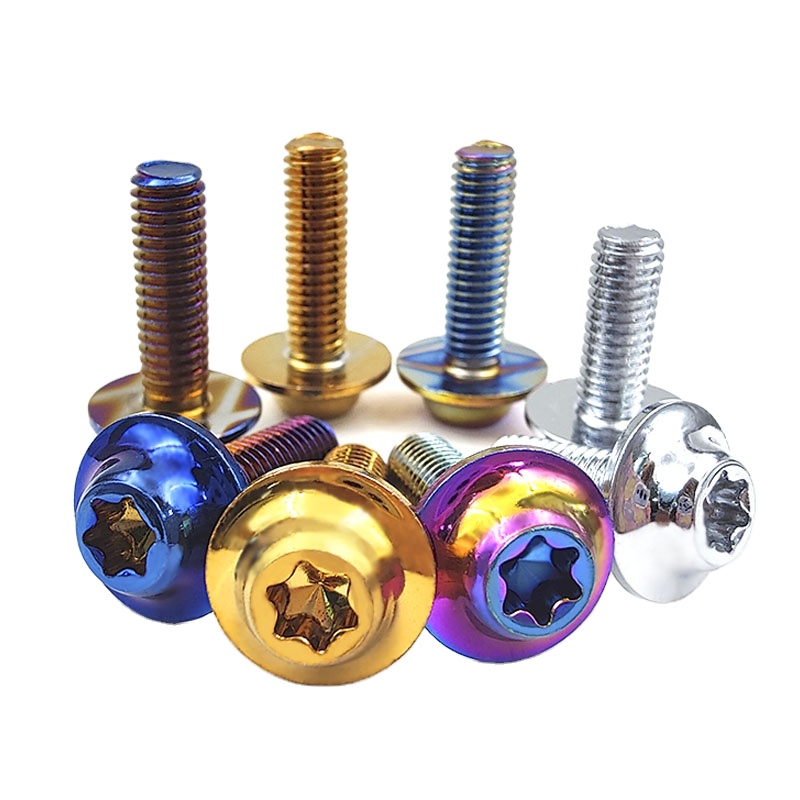
GR5 Disc Brake Rotor High-Fatigue Studs
- Torque Rating: Class 10.9 Mechanical Equivalent
- Yield Strength: 828 MPa minimum
- Compliance: ISO 3506-4 / DIN EN 10204
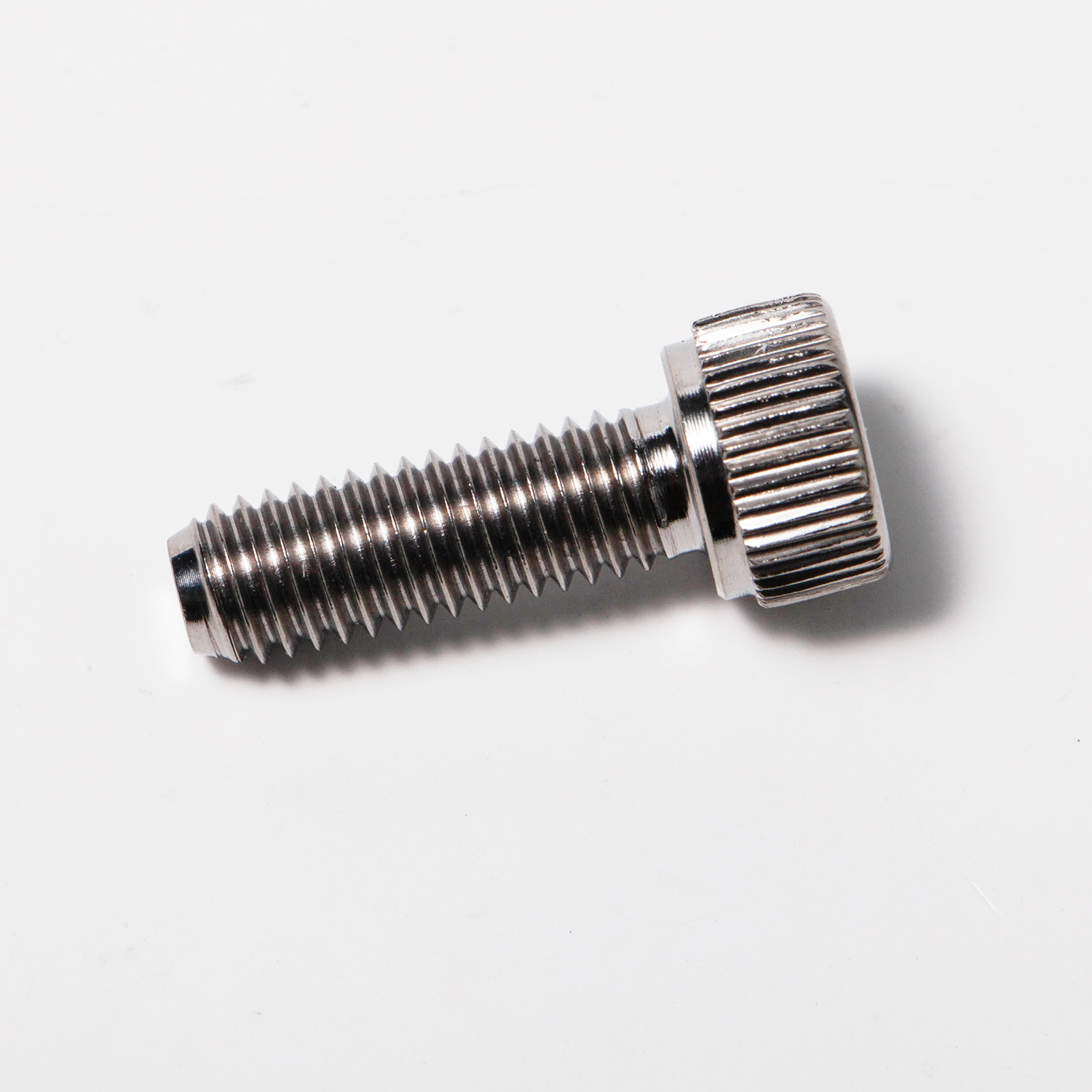
Titanium Socket Head Cap Screws (DIN 912)
- Configuration: Tapered / Flanged Head
- Anti-Corrosion: Immune to Sea Salt / Road Brine
- Custom Sizes: M3 to M10 Tailored Lengths
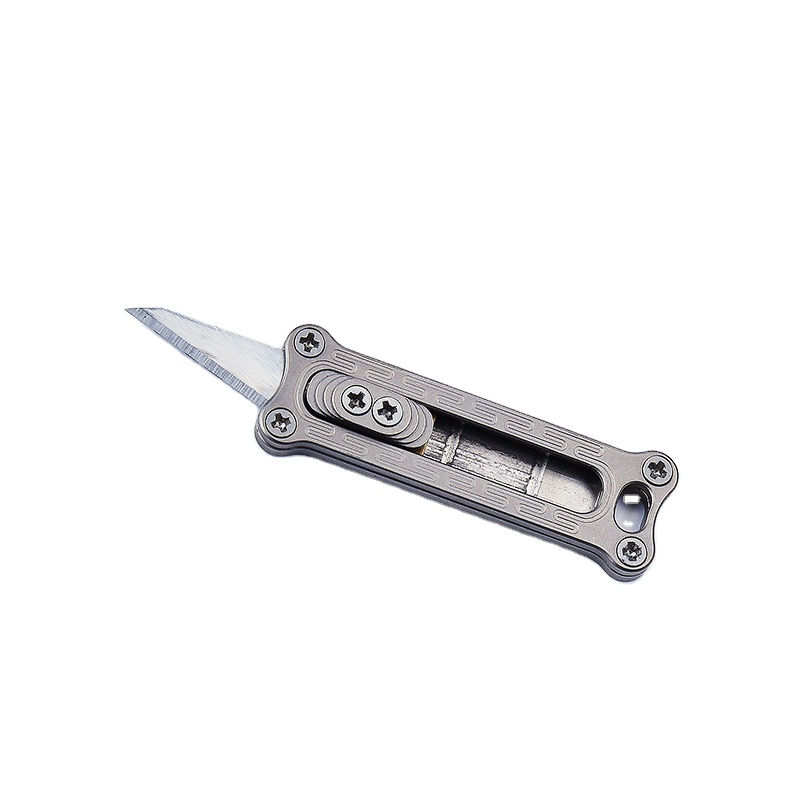
BST-TI Titanium Alloy EDC Multifunction Gear
- Chassis Material: Grade 5 Ti-6Al-4V Skeleton
- Mechanism: Push-pull Quick Release
- Properties: Non-magnetic / Ultra-durable
Electrolytic Anodizing & Fastener Physics for Dublin Industries
Why procurement teams across Greater Dublin—from the maritime quays of Dublin Port to the biomedical laboratories in Grange Castle—are shifting from 316L stainless and alloy steel to precision-anodized Ti-6Al-4V fasteners.
Electrolytic Anodization: Nanoscale Oxide Passivation
Unlike organic powder coats, paints, or aluminum anodizing which introduce dimensional build-up on pitch diameters, titanium anodizing is an electrolytic oxidation process governed by ASTM F86 and AMS 2488 protocols. Controlled bath voltages (15V to 110V) produce a coherent titanium dioxide (TiO2) barrier layer between 20 nm and 300 nm thick.
Because the spectrum of colors (gold, royal purple, cyan, burnt-bronze, rainbow) is generated strictly by optical light interference across the dielectric oxide thickness, there is zero thread pitch dilation. Class 6g and 6H metric threads retain exact mechanical fit tolerances without post-treatment chase tapping or risking micro-interference galling.
Rolled Threads vs. Cut Threads Under Dynamic Fatigue
At our manufacturing facility, every high-load Grade 5 titanium fastener undergoes thread forming via cold cylindrical dies rather than CNC single-point cutting. Thread rolling forces the grain boundaries of the Ti-6Al-4V hexagonal close-packed (HCP) alpha-beta microstructures to continuously follow the contour of the crest, flank, and root radius.
This grain-refinement mechanism creates favorable residual compressive stresses at the root of the bolt, increasing cyclic fatigue life by over 300% compared to single-point cut threads. This fatigue endurance is mandatory for Dublin’s subsea robotic telemetry and motorsport wheel hubs operating in damp, fluctuating stress environments.
| Alloy / Property Specification | Ti-6Al-4V Grade 5 (Anodized) | 316L Marine Stainless Steel | A4-80 Austenitic Steel | Grade 10.9 Quenched Steel |
|---|---|---|---|---|
| Density (ρ) | 4.43 g/cm³ | 8.00 g/cm³ | 8.00 g/cm³ | 7.85 g/cm³ |
| Tensile Strength (Rm) | ≥ 895 - 950 MPa | 500 - 700 MPa | 800 MPa | 1040 MPa |
| Yield Strength (Rp0.2) | ≥ 828 MPa | 220 MPa | 600 MPa | 940 MPa |
| Strength-to-Weight Ratio | 202 kN·m/kg (Superior) | 62 kN·m/kg | 100 kN·m/kg | 132 kN·m/kg |
| Dublin Bay Marine Chloride Immunity | Immune (PREN Equivalent > 45) | Pitting Risk in Stagnant Crevices | Good under aeration | Rapid Rusting / Requires Zinc-Nickel |
| Magnetic Permeability (μr) | 1.00005 (Non-Magnetic) | 1.020 (Cold-work permeable) | 1.015 | Ferromagnetic |
Localized Engineering Scenarios Across Greater Dublin & Leinster
Direct supply integrations into key regional sectors operating under unique maritime, industrial, and high-velocity stress vectors across Ireland.
Dublin Port & Irish Sea Marine Infrastructure
Subsea instrumentation packages, marine ROVs, and dockside lifting hardware deployed around Dublin Port and Howth Harbor contend with hyper-saline North Atlantic waters, continuous wave agitation, and chemical crevice conditions.
Our Type II and Type III anodized titanium bolts exhibit an impenetrable TiO2 boundary that completely eliminates pitting and crevice corrosion, ensuring 20+ year maintenance-free operation where standard 304 and 316 stainless steels suffer chloride stress cracking.
Mondello Park & Leinster Motorsport Engineering
Race constructors and competition motorbike squads competing across Leinster and at Mondello Park rely on unsprung weight optimization. Replacing carbon steel brake caliper bolts, sprocket nuts, and suspension links with Grade 5 titanium delivers a 44% direct reduction in unsprung reciprocating mass.
This drop in rotating inertia sharpens turn-in responsiveness, reduces wheel bounce over curbs, and preserves brake caliper alignment under severe thermal loads exceeding 450°C without fastener embrittlement.
Biomedical & High-Purity Cleanroom Automation
Dublin’s industrial clusters—including Citywest, Park West, and Grange Castle—host world-leading medical device, pharmaceutical, and cleanroom production lines. These automated filling and robotic manipulation rigs demand hardware with zero magnetic interference and zero particulate shed.
Our chemically passivated, electropolished titanium fasteners offer complete chemical inertness against aggressive clean-in-place (CIP) and steam-in-place (SIP) caustic sterilizers, ensuring absolute cleanroom compliance.
Sourcing Trends: Why Irish OEMs Are Bypassing Intermediary Stockists
How direct manufacturing partnerships solve the lead-time bottlenecks and traceability hurdles facing Dublin engineering contractors in 2025.
1. Direct Mill-to-Assembly Traceability (EN 10204 3.1)
Third-party hardware distributors in the UK and Europe often batch-mix fasteners from unverified secondary re-sellers. For Irish aerospace contractors at Dublin Airport Logistics Park (DUB) and medical OEMs, batch ambiguity risks regulatory non-conformance.
By procuring directly from our ISO 9001:2015 accredited facility, Dublin purchasing managers receive complete EN 10204 Type 3.1 Inspection Certificates, including optical emission spectrometer (OES) chemical breakdowns, tensile yield plots, and ultrasonic testing verification traceable to individual melting ingots.
2. Post-Brexit Direct Air & Maritime Freight to Dublin
Supplying Ireland via historical UK land-bridges now involves customs delays, VAT deposit frictions, and border agency clearance paperwork. Our supply chain protocol leverages direct international transit directly into Dublin Airport (DUB) and Dublin Port.
We provide full EU TARIC classification (Customs Heading 8108.90), seamless customs brokerage, and DDP (Delivered Duty Paid) consignments straight to your loading dock in Dublin, Kildare, Meath, or Wicklow without cross-channel transit delays.
Factory Infrastructure: Built for Sub-Micron Precision
Combining raw titanium ingot control, multi-axis CNC machining, and automated anodizing baths in a singular quality ecosystem.
High-Speed Swiss CNC Lathes
Our shop floor houses advanced Swiss-type sliding headstock lathes and 5-axis machining centers. We execute complex head configurations—including low-profile Torx, drilled safety-wire flange heads, and custom step studs—with repeat tolerances held securely to ±0.01 mm across batch volumes up to 100,000 units.
Strict Environmental Compliance
All anodization formulations, degreasing solvents, and passivation baths operate in full conformity with EU REACH Annex XVII and RoHS 3 (Directive 2015/863/EU). There is zero heavy-metal waste, hexavalent chromium, or toxic leaching, making our bolts 100% compliant for biomedical and environmental sensor installations.
Precision Optical Quality Control
Every single manufacturing run is subjected to keyway concentricity checks, Mitutoyo digital pitch profile verification, thread go/no-go plug gauging, and automated vision inspections. We ensure your Dublin assembly technicians encounter zero thread binding or stripping upon high-torque installation.
Frequently Asked Questions by Dublin Buyers & Engineers
Direct technical answers addressing galvanic isolation, torque curves, custom prototyping, and Irish customs clearance.
Q: Will titanium fasteners cause galvanic corrosion when threaded into aluminum casings?
A: In coastal Dublin marine exposures or road-salt wet environments, direct contact between titanium (an electrochemically noble cathode) and 6000/7000-series aluminum (anode) can induce galvanic decay of the aluminum if moisture bridges the junction. We recommend applying an anti-seize paste containing copper, nickel, or PTFE, or ordering our Type II anti-galling anodized bolts which provide enhanced surface barrier resistance.
Q: Does the color anodization layer alter standard ISO thread pitch engagement?
A: No. Titanium color anodizing is a microscopic optical oxide growth (typically between 25 and 150 nanometers) created by controlled bath voltage, not a physical pigment or coating deposition. The layer is more than 100 times thinner than typical Class 6g pitch tolerance windows, ensuring unimpeded, ultra-smooth thread engagement with standard female tappings.
Q: What torque spec adjustment is required when substituting Grade 10.9 steel with Grade 5 Titanium?
A: Grade 5 titanium (Ti-6Al-4V) matches approximately 90% of Grade 10.9 tensile strength and possesses an elastic modulus of ~114 GPa (roughly half that of steel). Because of its lower modulus and differing friction coefficient, we recommend torquing titanium fasteners to 75%–85% of standard dry steel torque ratings, always utilizing high-grade anti-seize lubrication to maintain accurate bolt clamp preload.
Q: Can your facility manufacture bespoke fasteners from our proprietary CAD step files?
A: Yes. Over 45% of our Dublin deliveries comprise custom OEM components. We accept 2D PDF engineering drawings (with geometric dimensioning and tolerancing) along with 3D STEP, IGES, or SolidWorks files. We provide rapid DFM (Design for Manufacturability) engineering reviews and ship prototype batches in as few as 10 to 14 business days.
Q: What documentation is included with commercial titanium shipments into Ireland?
A: All consignments are accompanied by an EN 10204 Type 3.1 Material Test Certificate, heat lot spectrographic chemical analysis, tensile and elongation test verification, dimension inspection sheets, and EU RoHS/REACH certificates of compliance. Customs commercial invoices contain accurate Irish Harmonized System (HS) codes for instant import clearance.
Q: What is the typical freight transit timeline to Dublin via air and ocean shipping?
A: Urgent prototyping and medium production runs are dispatched via air express (DHL/FedEx/UPS) directly to Dublin Airport (DUB), arriving within 4 to 6 business days from dispatch. High-volume containerized procurement orders are routed directly via ocean freight into Dublin Port with typical 26- to 32-day door-to-door transit schedules.