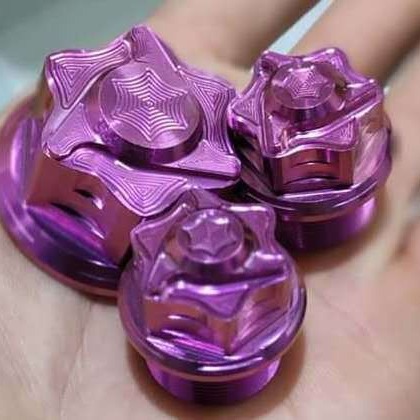
Precision Anodized Titanium Fasteners & CNC Turned Components
Certified ISO 9001:2015 production engineered with rolled threads, tight micro-tolerances, and barrier-layer electrolytic anodization for elite industrial applications.
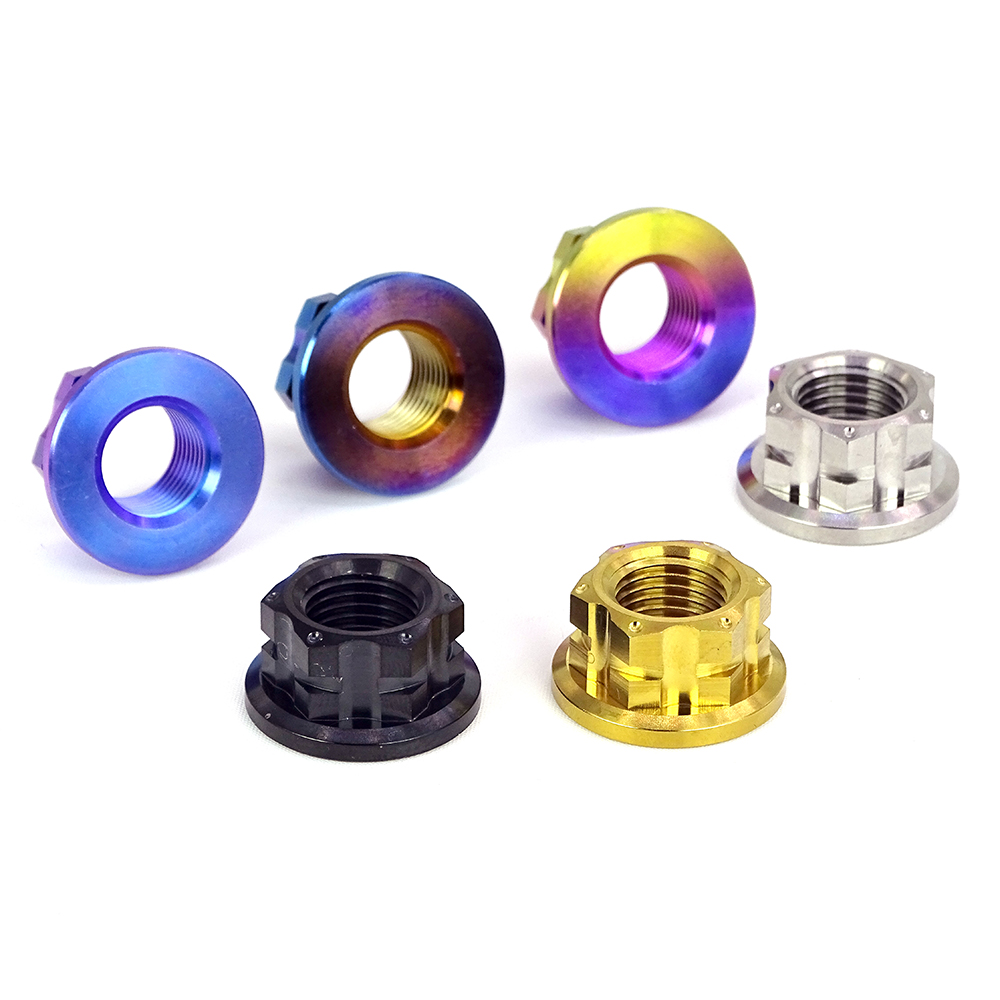
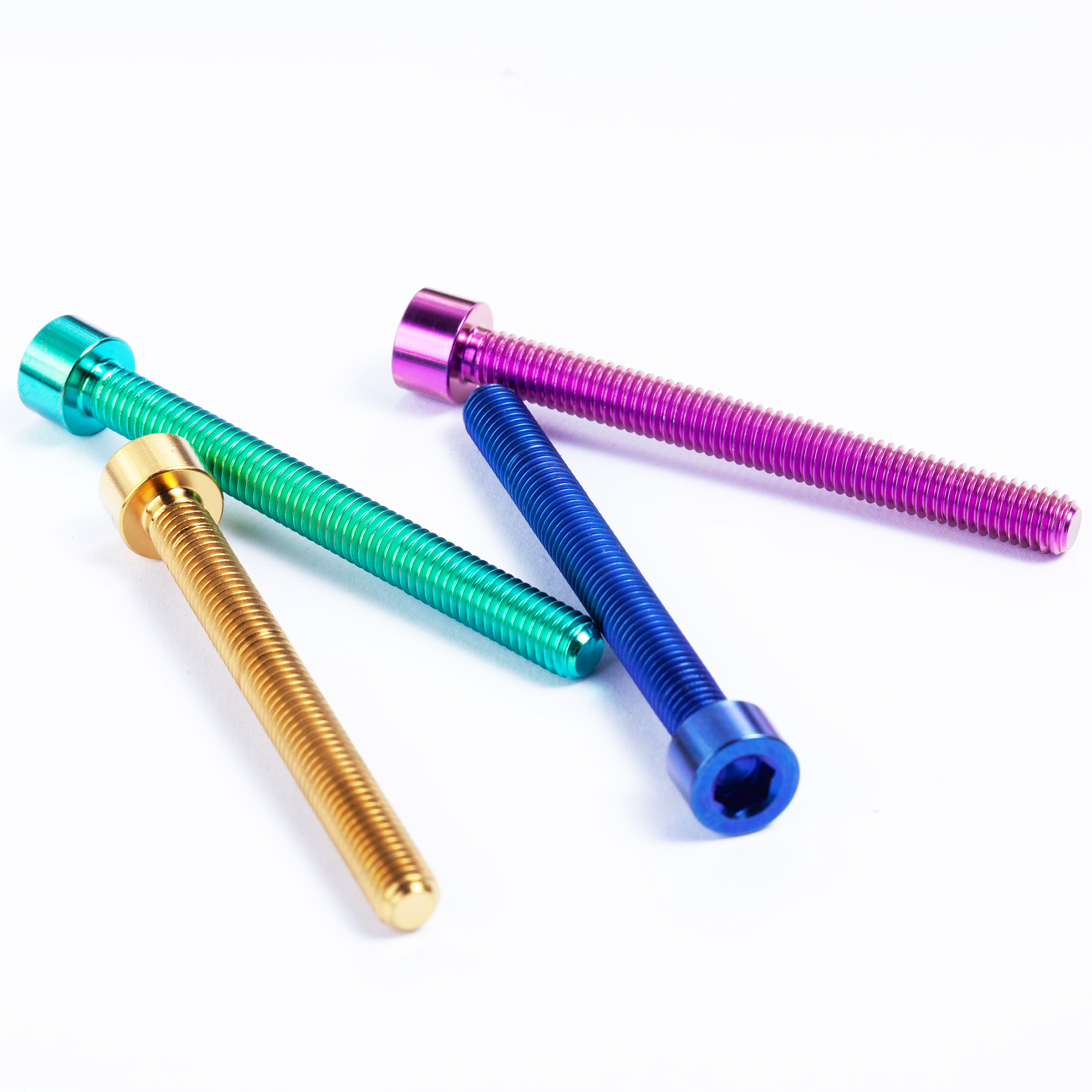
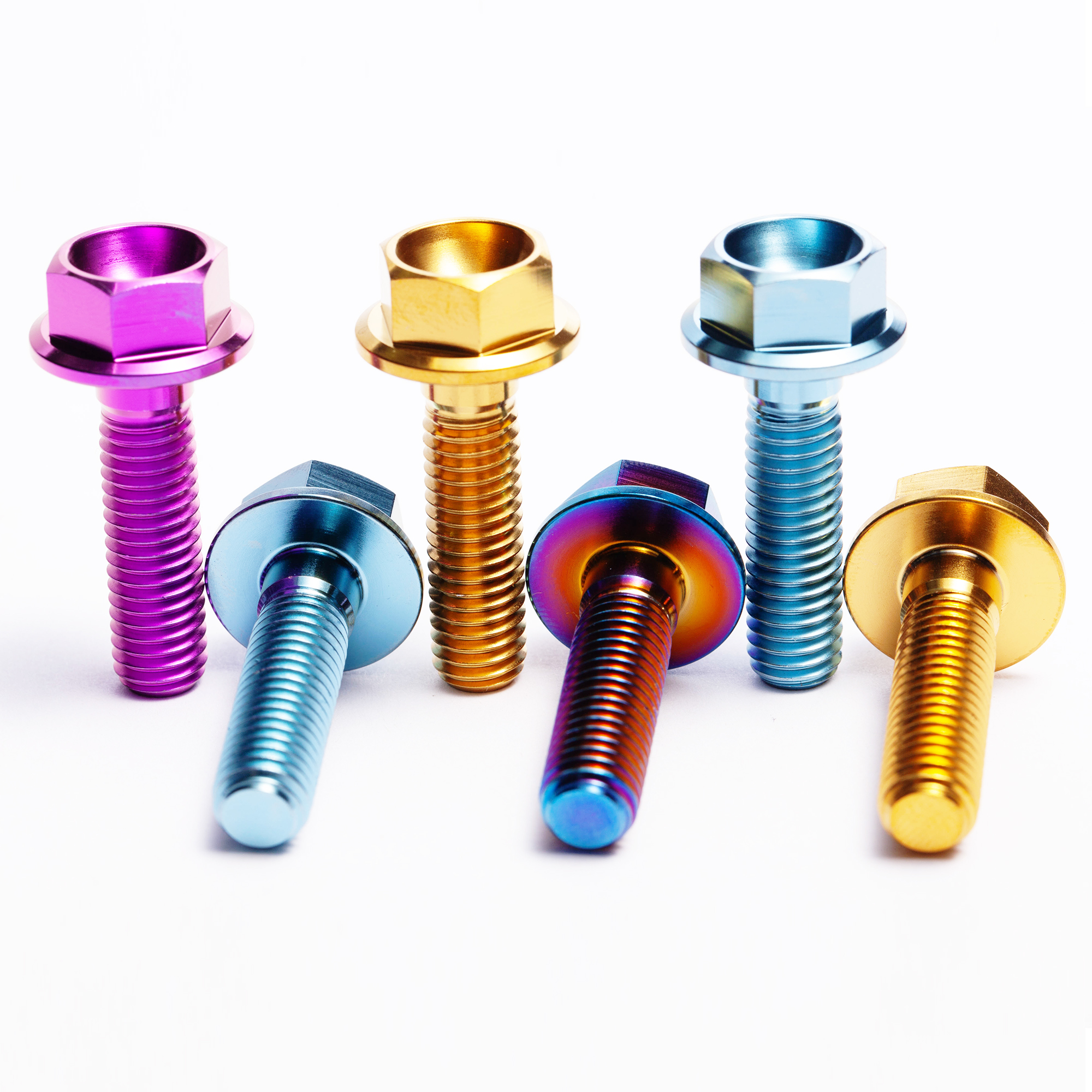
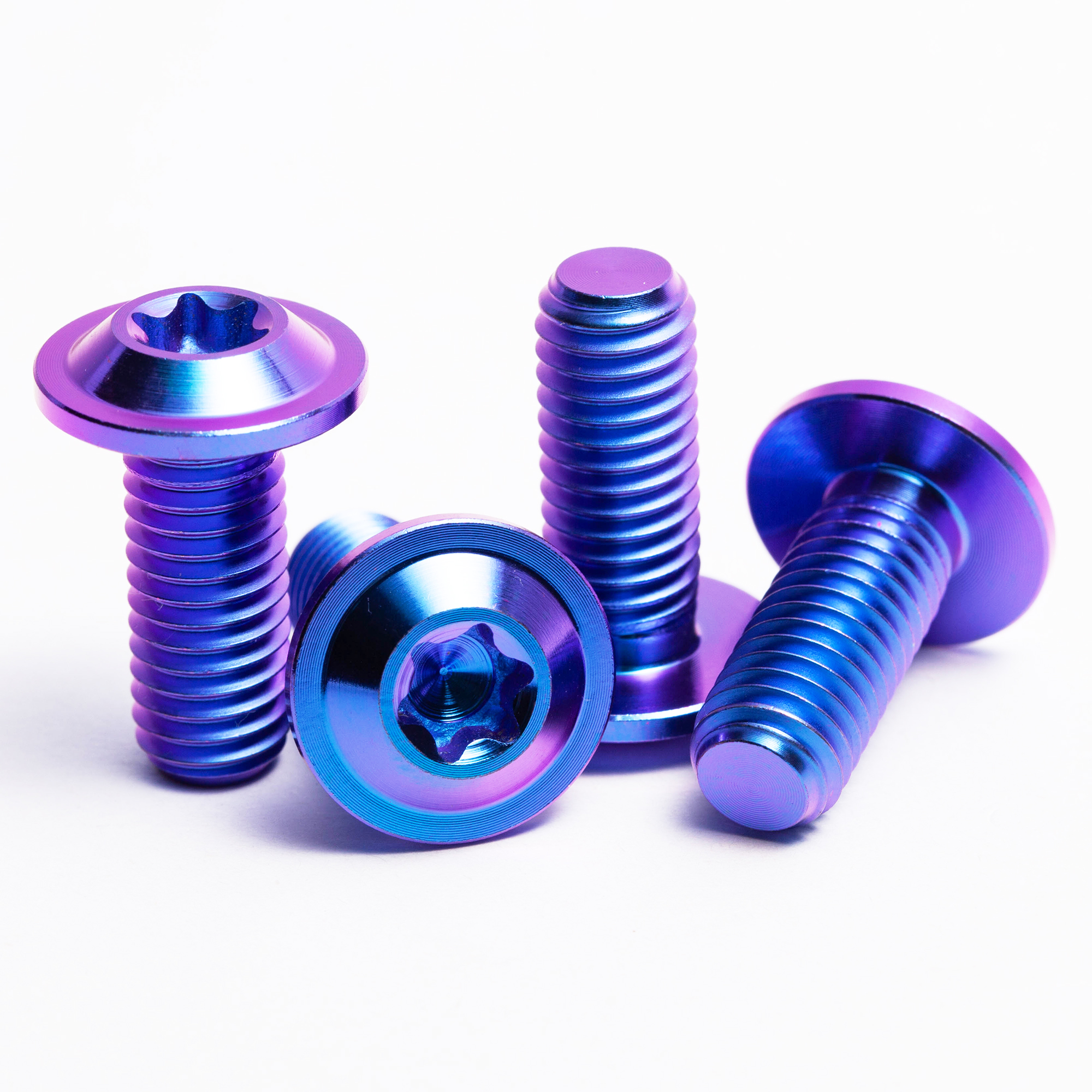
±0.01mm
CNC Turning & Milling Precision
895 MPa
Min. Tensile Strength (Ti-6Al-4V)
0.00 mm
Thread Dimension Shift via Anodizing
44% Less
Mass Reduction vs Standard Steel
Localized Application Scenarios in Gdańsk & Pomerania
Why procurement teams and engineering consultancies across the Gdańsk Bay industrial cluster are integrating precision anodized titanium into high-consequence assemblies.
Baltic Marine & Shipbuilding Infrastructures
In the Baltic Sea's unique brackish water conditions, 316L stainless steel frequently succumbs to crevice corrosion under elastomeric gaskets and inside stagnant fastener threads. Wexra's Grade 2 pure and Grade 5 alloy anodized fasteners provide perpetual immunity to pitting and stress-corrosion cracking across ship hull instrumentation, subsea telemetry pods, and Remotely Operated Vehicles (ROVs) operating out of the Port of Gdańsk and Gdynia shipyards.
Offshore Wind Farms (Baltic Power & Baltica)
Poland's massive deployment of offshore wind turbine arrays in the Southern Baltic shelf demands structural fasteners capable of handling cyclic fatigue while enduring harsh salt-spray environments without periodic replacement. Titanium fasteners eliminate catastrophic hydrogen embrittlement risks that plague zinc-nickel coated high-tensile carbon steels, ensuring secure nacelle sensory mounting and splash-zone structural integrity.
Hydrogen & Petrochemical Processing (Rafineria Gdańska)
Within refinery valve blocks, hydrogen cracking lines, and chlor-alkali production loops, fastener integrity determines systemic safety. Commercially pure Grade 2 titanium bolts resist wet chlorine and sour gas degradation far superior to austenitic alloys, preventing catastrophic blowout events in coastal industrial refineries across the Pomeranian district.
Precision Medical & Diagnostic Robotics
Tri-City biomedical instrumentation manufacturers take advantage of non-ferromagnetic, biocompatible Grade 5 ELI and Grade 2 titanium. Because titanium produces zero magnetic distortion, it is mandatory inside High-Field Magnetic Resonance Imaging (MRI) rigs, surgical robotic articulation linkages, and radiation therapy instrumentation assembled in northern Polish technology parks.
Automotive Motorsport & Drone Technologies
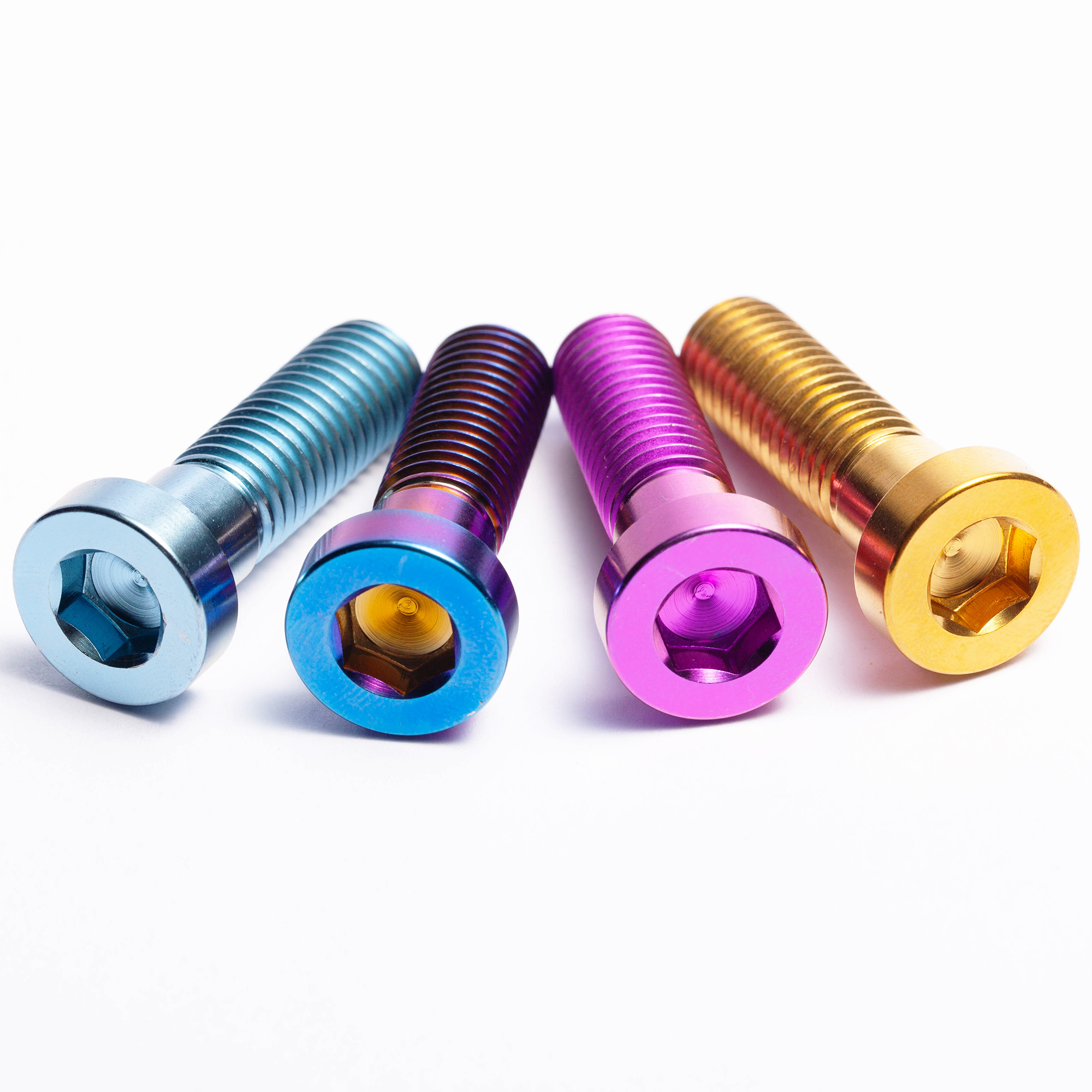
Autonomous underwater vehicles (AUVs), maritime reconnaissance UAVs, and racing teams throughout Central Europe utilize CNC-machined titanium hardware to minimize unsprung mass. Wexra's custom anodized titanium disc-head bolts and low-head socket caps achieve a 44% weight reduction relative to class 10.9 steel fasteners, directly boosting payload endurance and structural dynamic response.
The Metallurgy of Titanium Anodization: Type II vs. Type III Thin-Film Interference
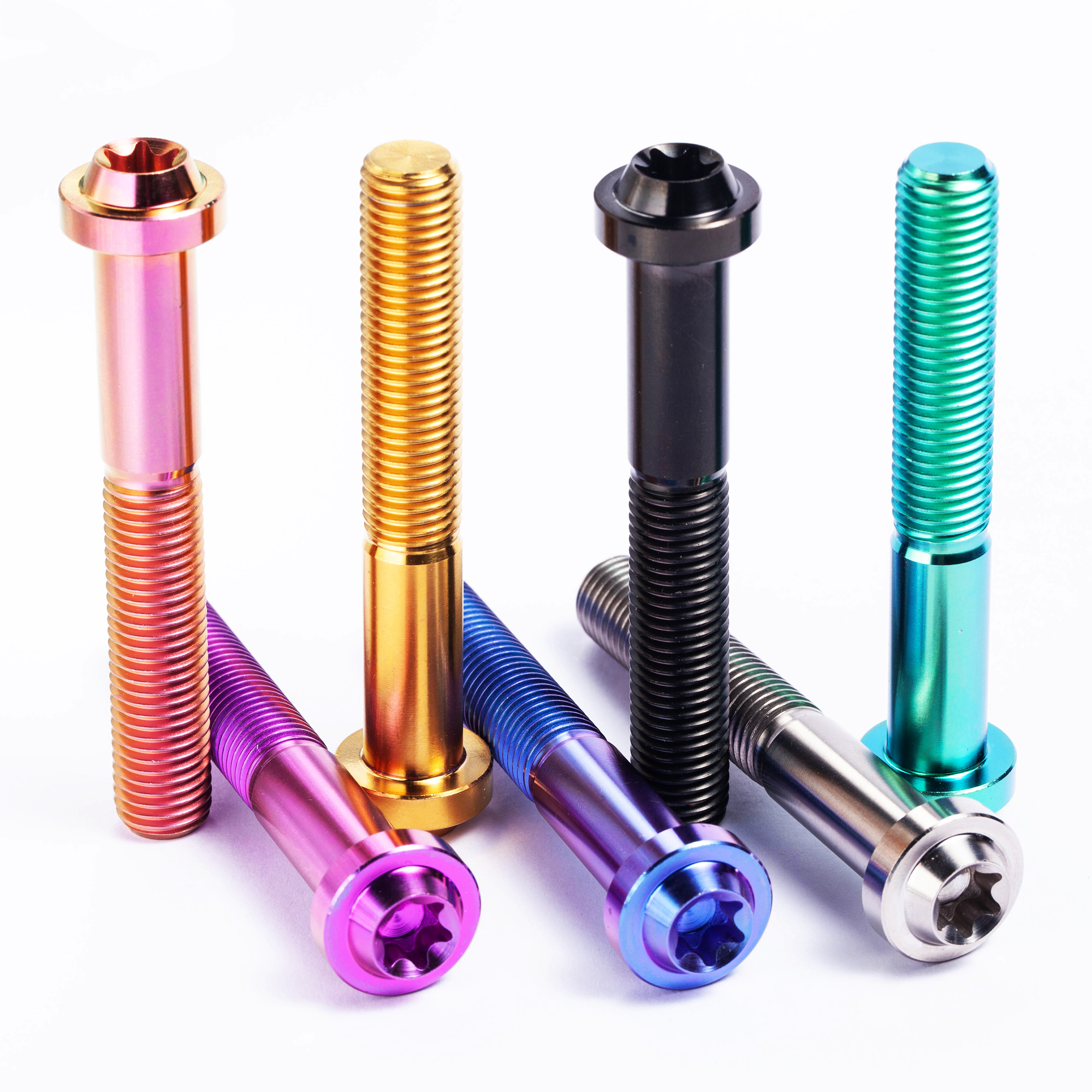
Unlike aluminium anodization, which creates a porous aluminium oxide layer that relies on organic dye absorption, titanium anodization is an electro-chemical passivation process that cultivates a uniform, transparent Titanium Dioxide (TiO₂) dielectric barrier. The vibrant spectrum of colors—ranging from gold (12–18V), royal purple (25–30V), sky blue (28–34V), to emerald green (50–65V)—is governed by optical thin-film light wave interference.
Because the TiO₂ film thickness varies strictly between 20 nm and 200 nm, no dimensional shift is introduced into thread flanks. Precision 6g metric threads or Class 2A/3A UN threads maintain pristine gauge tolerances post-treatment without risk of oversizing, binding, or stripping during torque application. For critical aerospace and subsea clamping, this passive oxide matrix additionally suppresses micro-fretting and catastrophic thread galling.
Material Performance: Fastener Mechanical Matrix
Comparing high-performance fastening alloys deployed in Baltic offshore and high-stress marine architectures.
| Mechanical Parameter | Titanium Gr5 (Ti-6Al-4V) | Commercial Pure Gr2 | Stainless Steel 316L (A4-80) | Alloy Steel Class 10.9 |
|---|---|---|---|---|
| Density (g/cm³) | 4.43 (Ultralight) | 4.51 | 7.98 | 7.85 |
| Tensile Strength Rm (MPa) | Min. 895 – 950 | Min. 345 – 450 | Min. 800 | Min. 1040 |
| Yield Strength Rp0.2 (MPa) | 828 | 275 | 600 | 940 |
| Magnetic Permeability (μ) | 1.00005 (Non-magnetic) | 1.00005 | 1.005 – 1.02 | Ferromagnetic |
| Chloride Pitting Resistance (PREN) | Immune (>100 Equivalent) | Immune | 23 – 25 (Vulnerable) | Near Zero (Corrodes) |
| Hydrogen Embrittlement Sensitivity | Negligible | Negligible | Moderate | Severe in Cathodic Zones |
Industrial Trends Shaping Titanium Procurement in Gdańsk
Key economic and technical transitions shifting the fastener sourcing landscape across Poland and Central Europe.
Nearshore & Direct Factory Supply Integration
Purchasing managers across Gdańsk are phasing out high-markup European catalog intermediaries in favor of vetted direct-factory OEM partnerships. Wexra provides technical consultation directly between Chinese machining workshops and European engineering offices, offering customized parts under comprehensive traceability schemes with verified 3.1 Mill Test Certificates.
Lifecycle Cost Reduction in Baltic Splash Zones
While austenitic stainless fasteners seem less costly initially, offshore corrosion maintenance in the Baltic costs up to 15 times the initial hardware value. Polish maritime contractors are adopting titanium assemblies that deliver a 30-year zero-maintenance service life, radically trimming lifecycle operational expenditure (OPEX).
Demand for Color-Coded Functional Assemblies
The requirement for anodized titanium is no longer merely aesthetic. High-tech assembly plants in the Tri-City metropolitan area use voltage-controlled anodized color hues (e.g., Gold for M6, Blue for M8, Purple for specific torque valves) as a visual Poka-Yoke error-proofing technique on high-throughput assembly lines.
Why European Procurement Officers Partner with Wexra Titanium
Combining world-class production infrastructure with uncompromising quality compliance designed for international engineering standards.
In-House 5-Axis CNC & Thread Rolling
Wexra avoids cutting threads on high-tensile Gr5 bolts whenever possible. Instead, our facility relies on cold and warm thread rolling lines. Thread rolling aligns the metallurgical grain lines along the thread pitch, yielding up to 30% higher fatigue resistance and eliminating shear notch sensitivity under shock vibration.
Rigorous ISO 9001:2015 & Full Traceability
Every single batch shipped to Poland includes detailed Mill Test Certificates (MTC EN 10204 3.1) stating chemical composition (ICP testing for interstitial elements like O, N, C, H, and Fe) and mechanical elongation/yield reports, alongside verified RoHS and REACH compliance dossiers.
Custom OEM/ODM Prototyping to Mass Batch
From CAD/SolidWorks design evaluation and DFM (Design for Manufacturability) advice to rapid 5-day prototyping and scalable production of 500,000+ units, our engineering wing accommodates both low-volume specialized marine hardware and mass OEM consumer lines.
Frequently Asked Questions: Sourcing Titanium in Gdańsk
Direct technical answers addressing customs clearance, metallurgical standards, surface chemistry, and delivery.
How does anodized titanium prevent galvanic corrosion when coupled to carbon fiber or aluminum in marine hulls?
When carbon fiber reinforced polymer (CFRP) interfaces with aluminium or standard steel fasteners in wet saline conditions, severe galvanic reaction occurs because carbon is noble (+0.2V) and aluminium is active (-0.9V). Titanium sits in direct electrical equilibrium with carbon fiber (+0.0V to +0.1V), creating no galvanic potential. Wexra's electrolytic anodization adds an extra non-conductive TiO₂ passivation film, making it the globally accepted fastening material for carbon hull construction and aerospace bulkheads.
What are the import procedures, tariffs, and lead times from your factory to Gdańsk, Poland?
We ship direct to Pomeranian business parks via air express (DHL/FedEx, 4–7 business days to Lech Wałęsa Airport Gdańsk) for critical samples and rapid spares, or via consolidated sea container freight directly arriving at DCT Gdańsk (Baltic Hub) for volume manufacturing runs (30–35 days). All goods are cleared smoothly using standard EU HS Codes (such as 8108.90 or 7318.15 equivalents for titanium fasteners), fully compliant with Polish SAD/TARIC customs declarations and VAT documentation.
Does the color anodizing peel, fade, or flake off during heavy torque application?
No. Unlike paint, powder coats, or PVD plating layers which are physically deposited onto surfaces, titanium anodization grows out of the substrate base metal itself as an atomic structural transformation. It cannot peel, blister, or flake away. However, because it is an ultra-thin optical layer, high friction on wrench flats can cause superficial burnishing; hence, we maintain precise socket broaching tolerances to ensure accurate tool contact without head degradation.
How should engineering teams handle torque values and thread galling during installation?
Titanium has a lower modulus of elasticity (~114 GPa for Gr5 compared to 210 GPa for alloy steel), meaning titanium fasteners stretch further under identical loads. To prevent galling (cold-welding of clean titanium oxide threads under extreme frictional load), our technical engineers always recommend an approved anti-seize paste (such as copper-slip, molybdenum disulfide, or nickel-based marine paste) and adjusting nominal torque values downward by 10%–15% compared to dry steel settings.
Can Wexra produce custom titanium components from SolidWorks, STEP, or DXF files?
Yes. Our engineering division operates advanced CAD/CAM software capable of importing STEP, IGES, DXF, and native SolidWorks files. We inspect part geometry, verify thread lead-ins, select the ideal toolpaths for Ti-6Al-4V high-shear machining, and return an optimized DFM appraisal within 8 working hours.
Ready to Upgrade Your Assemblies to High-Integrity Titanium?
Send your drawings, specifications, or standard fastener part numbers to our engineering department. Receive full material certificates, tolerance appraisals, and factory-direct commercial quotations within 8 hours.