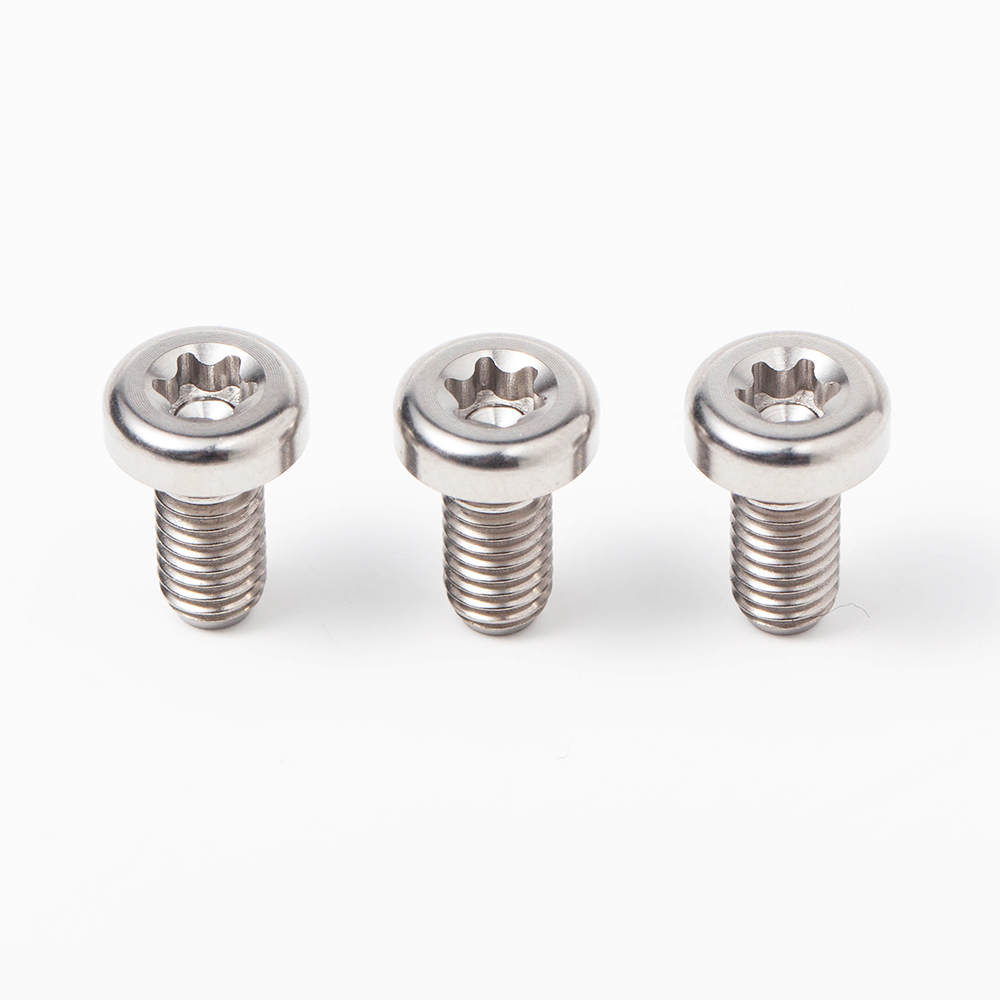
Featured Precision Lineup
Essential Fasteners & Hardware for Exhaust and Performance Assemblies
Engineered to withstand extreme cyclic thermal stress and eliminate thermal expansion galling across high-end bespoke vehicle and motorsport platforms.
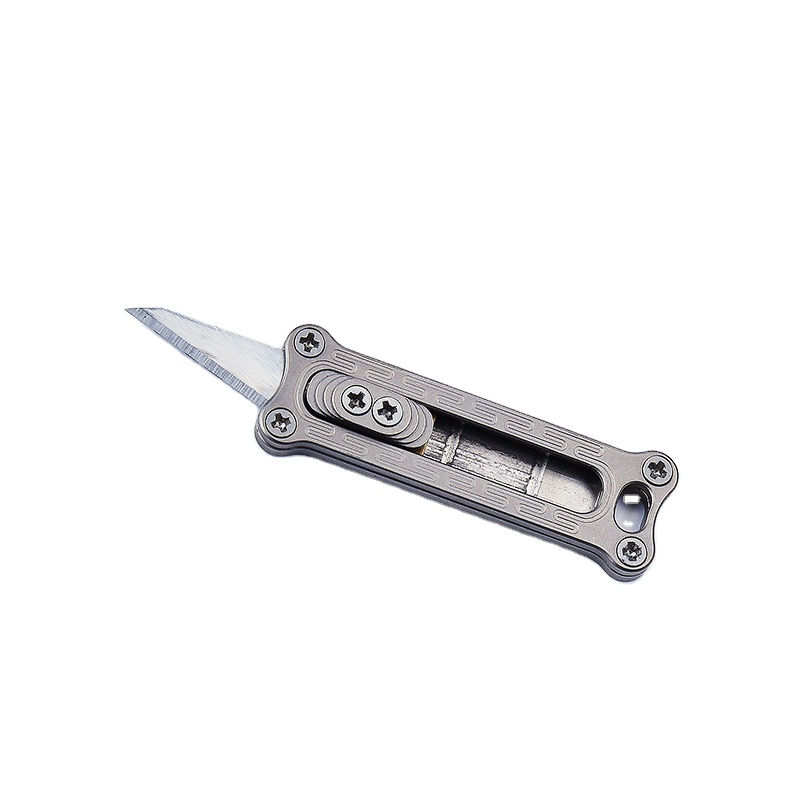
895+ MPa
Tensile Yield (Grade 5 Ti-6Al-4V)
±0.01 mm
Precision CNC Machining Tolerance
45%
Weight Reduction vs Stainless 304
100%
CE, UKCA & ISO 9001:2015 Traceable
Metallurgical Whitepaper
The Metallurgical Superiority of CE-Certified Titanium in Demanding Exhaust Systems
In high-performance automotive and motorcycle exhaust systems, selecting the appropriate metallic alloy dictates engine efficiency, thermal dissipation, acoustic dynamics, and system lifespan. Traditional exhaust piping has historically relied upon austenitic stainless steels (such as AISI 304 or 321) and low-carbon ferritic grades. However, demanding performance sectors across the West End market and specialized UK motorsport builders have accelerated the structural migration toward Grade 1 / Grade 2 Commercially Pure (CP) Titanium for lightweight mandrel-bent exhaust tubing and Grade 5 (Ti-6Al-4V / TC4) for critical CNC manifold studs, flanges, and high-stress bungs.
A primary failure mechanism in internal combustion exhaust tracts is cyclic thermo-mechanical fatigue compounded by atmospheric oxidation and chemical corrosion from sulfuric condensate. Grade 5 titanium possesses a specific strength-to-weight ratio that eclipses structural steel by more than 60%, with a mass density of 4.43 g/cm³ compared to steel's 7.93 g/cm³. More significantly, titanium develops an instantaneous, impervious passive rutile (TiO&sub2;) film upon exposure to oxygen, rendering it virtually impervious to intergranular corrosion and exterior road-salt pitting under continuous operating conditions up to 600°C (1112°F).
Empirical Material Benchmark: Titanium Alloys vs. Conventional Stainless Steel
When engineering high-flow collector headers, cat-back systems, and valvetronic mufflers, purchasing directors and motorsport design engineers must evaluate thermo-physical metrics closely to avoid premature header cracking, joint ovalization, and flange warping:
| Mechanical & Thermal Property | ASTM Gr5 (Ti-6Al-4V) Fasteners | ASTM Gr2 (CP3) Exhaust Tube | AISI 304 Stainless Steel | Inconel 625 Nickel Superalloy |
|---|---|---|---|---|
| Density (g/cm³) | 4.43 (Ultralight) | 4.51 (Ultralight) | 7.93 (Heavy baseline) | 8.44 (Ultra-dense) |
| Tensile Strength (MPa) | 895 - 1000 | 345 - 485 | 515 - 620 | 827 - 965 |
| Thermal Expansion (10−&sup6;/K) | 8.6 (High dimensional stability) | 8.6 (High dimensional stability) | 17.2 (High risk of distortion) | 12.8 (Moderate) |
| Fatigue Endurance Limit (MPa) | 510 (Cycles @ 10&sup7;) | 200 (Cycles @ 10&sup7;) | 240 (Cycles @ 10&sup7;) | 415 (Cycles @ 10&sup7;) |
| Weld Purge Inert Shielding Req. | 100% Argon (TIG Trailing Cup) | 100% Ultra-Pure Argon | Standard Shielding Gas | Inert Argon Backing |
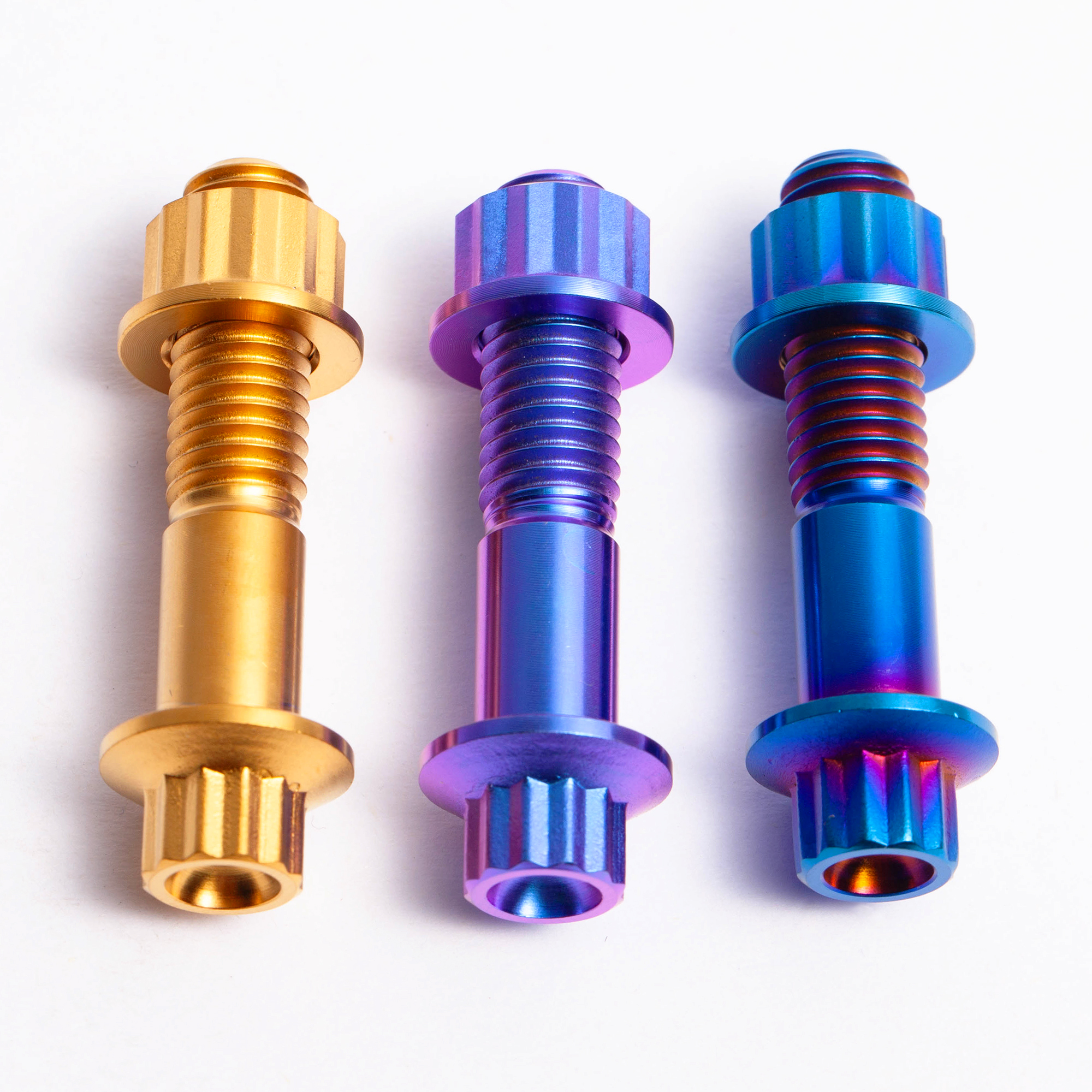
Because the thermal expansion rate of titanium is roughly half that of 304 stainless steel, exhaust systems constructed with CE-certified titanium tubes and matched with Jiaxing Wexra Grade 5 double-ended studs maintain consistent joint sealing tolerances without inducing severe thermal stress on cylinder head studs. This eliminates exhaust gas leakage at the head flange during abrupt heat cycling between idling and wide-open throttle.
Application Context
Specialized Applications in the West End & Greater European Markets
From central London's luxury hypercar enclaves to the racing garages of Oxfordshire and the M4 motorsport corridor, our components serve distinct technical demands.
Bespoke Supercar Restomod & Tuning
The West End of London and surrounding performance consultancies cater to discerning collectors of Ferrari, Porsche GT, McLaren, and Aston Martin vehicles. Upgrading to hand-purged titanium exhaust lines reduces overhung curb weight behind the rear axle by up to 18 kilograms, drastically refining polar inertia, mid-corner balance, and track capability.
Superbike & Isle of Man TT Platforms
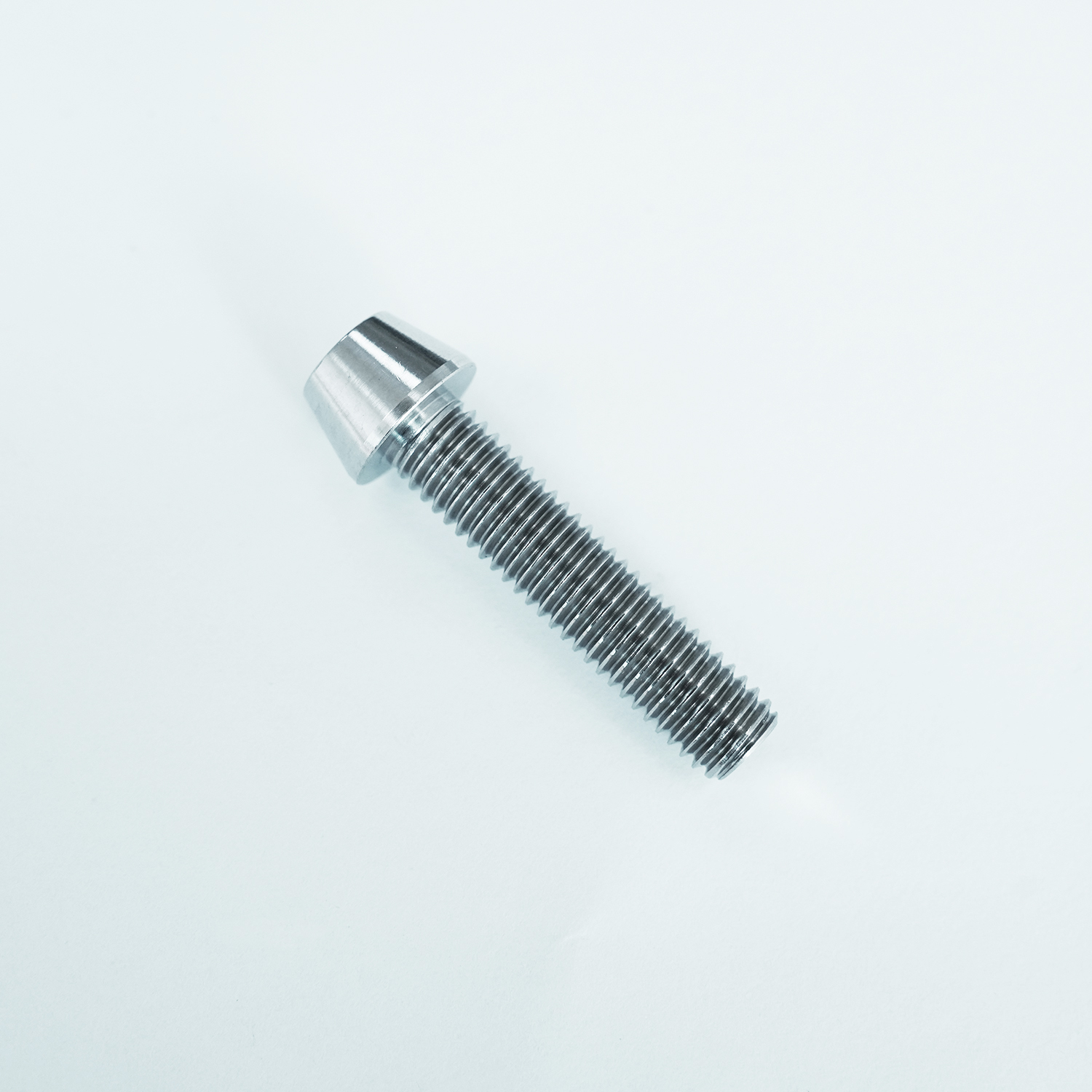
UK superbike race builders require exhaust hardware immune to shearing under intense track vibrations. Our CNC-machined DIN 6912 socket caps, GR5 rotor bolts, and titanium exhaust manifold studs are routinely integrated into championship machines where unsprung mass reduction directly improves damping responsiveness.
Ultra-Performance Marine & Coastal Fleet
Thames jet propulsion assemblies and Solent performance powerboats face saline vapor corrosion that destroys mild steel and degrades 316 stainless bungs. Wexra's fully inert Grade 2 titanium piping and Grade 5 threaded hardware deliver zero-pitting durability in wet exhaust mixing elbows.
Valvetronic Active Acoustic Exhaust Engineering
With tightening European vehicle noise directives, bespoke performance exhaust builders in the UK and Germany design dual-path valvetronic muffler designs. Because titanium resonant acoustics deliver a crisp, non-droning metallic pitch at high RPMs without excessive reverberation at highway speeds, it has become the standard for OEM Tier-1 aftermarket exhaust upgrades.
Market Intelligence
Procurement Trends in the UK & West End Performance Engineering Sector
The procurement landscape for titanium exhaust fabricators and wholesale distributors across Western Europe and the UK has evolved significantly over the past three fiscal years, shaped by three structural drivers:
1. Strict CE Marking and UKCA Harmonization: Following the transition periods post-Brexit, UK purchasers must source exhaust components that satisfy both UKCA conformity and the European Union’s CE mark (under relevant pressure equipment and machine component standards). Purchasing directors increasingly demand mill test certificates (MTC) conforming strictly to EN 10204 3.1, detailing exact melt chemistry, vacuum-arc remelt (VAR) lineage, and charpy impact toughness values.
2. The Electrification Paradox and Ultra-Lightweight ICE Retaining: While mainstream transit shifts toward EV platforms, the high-end ICE sports car market has simultaneously concentrated into a high-value collector sphere. Manufacturers such as Pagani, Koenigsegg, and bespoke UK restoration companies are investing heavily in lightweighting remaining combustion systems to comply with strict fleet gross-weight targets without penalizing power delivery.
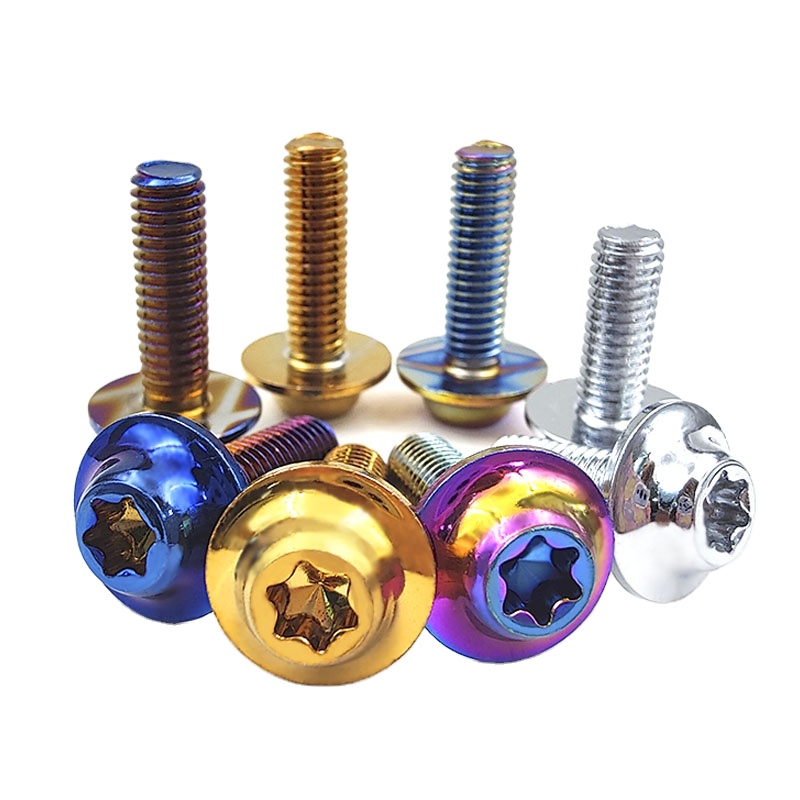
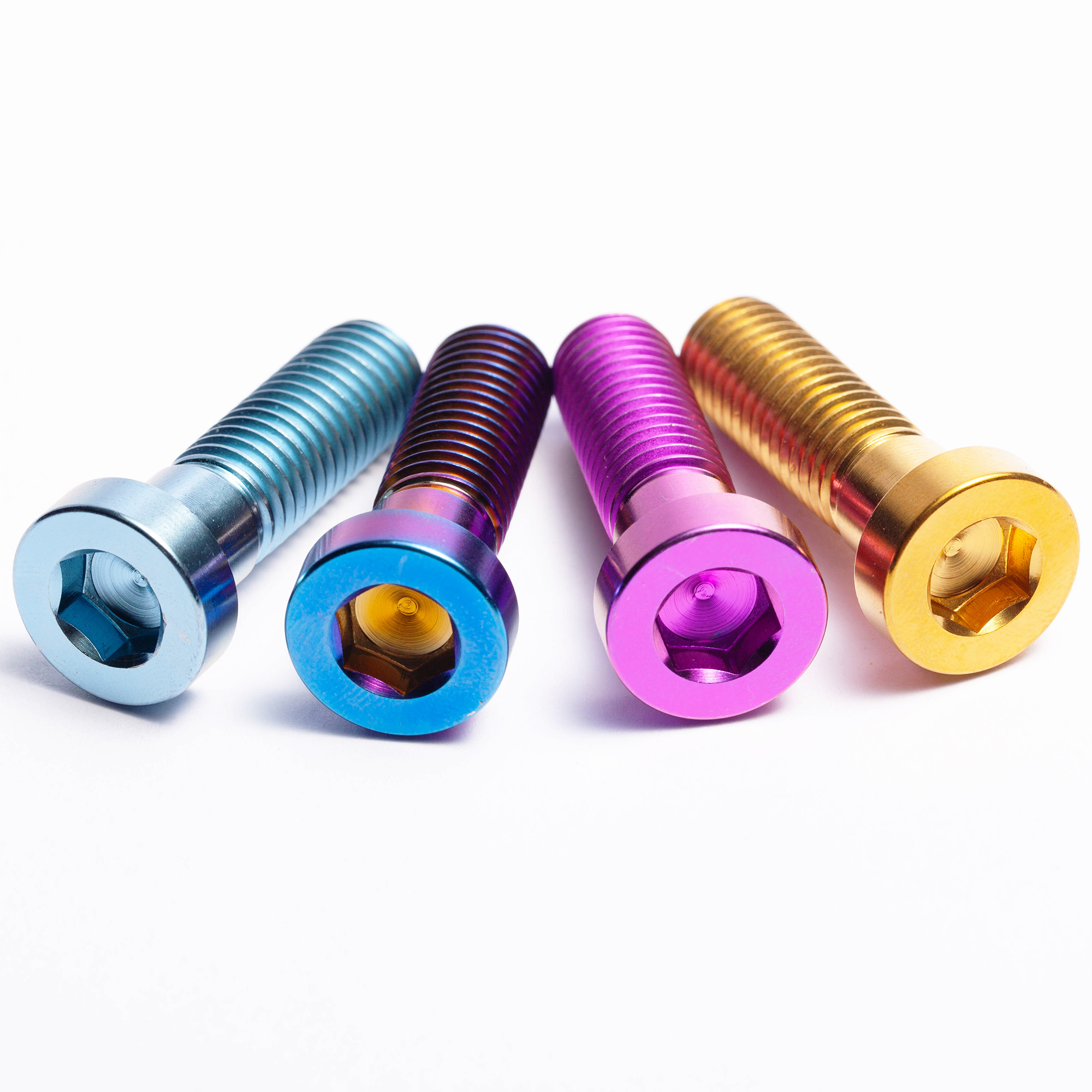
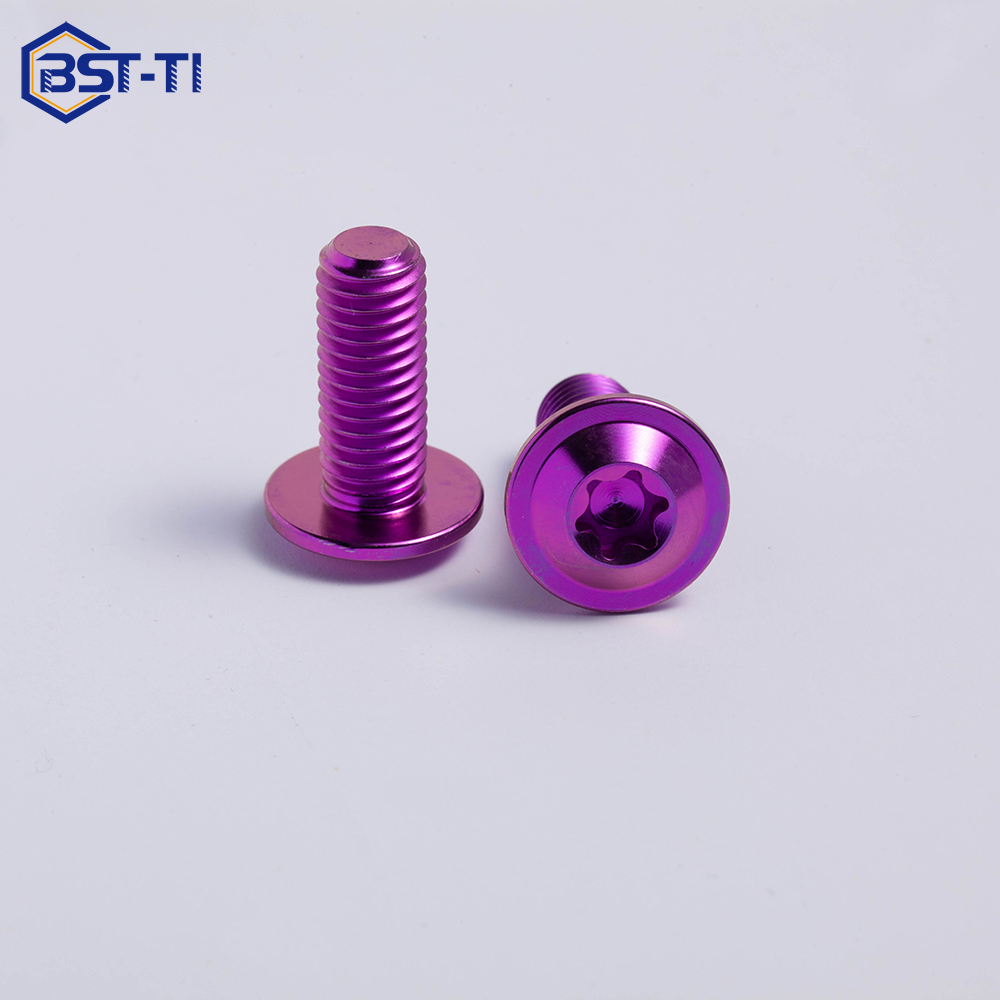
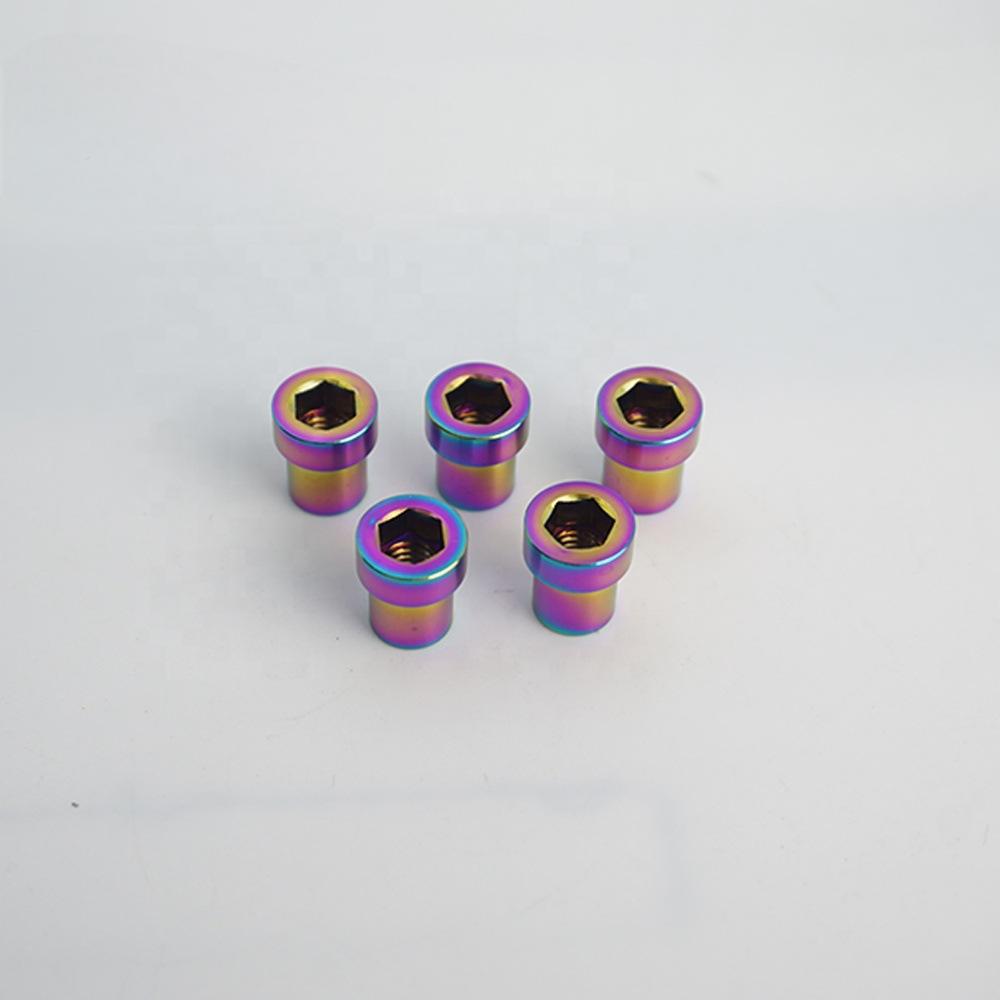
3. Adoption of PVD (Physical Vapor Deposition) and Controlled Thermal Coloration: Automotive buyers in London's luxury aftermarket require not only mechanical performance but distinct surface artistry. Wexra's automated vacuum anodizing and PVD coatings provide brilliant burnt-blue, gold, purple, and raw-polish finishes without degrading structural base metal fatigue life or stripping internal tolerances on threaded studs.
Factory Prowess
Why Global Engineering Teams Partner with Wexra Titanium
Operating with total dedication to titanium since 2018, Jiaxing Wexra Titanium Products Co., Ltd. bridges advanced Chinese metallurgical manufacturing with Western regulatory compliance.
ISO 9001:2015 Management
End-to-end quality control from raw sponge titanium certification to finished 5-axis CNC machining, laser cutting, and thread rolling.
RoHS, REACH & CE Compliant
Full chemical safety validation, European CE marks, UKCA conformity, and German EPR packaging compliance for rapid cross-border customs clearance.
±0.01 mm CNC Tolerance
High-precision turning and milling machinery capable of meeting tight aerospace tolerances on complex exhaust flanges, oxygen bungs, and double studs.
≤ 8 Hour Technical Response
Dedicated bilingual mechanical engineers providing thorough DFM (Design for Manufacturability) reviews from your 2D/3D CAD drawings or physical samples.
Buyer Knowledge Base
Frequently Asked Questions by West End & European Procurement Managers
Clear, technical guidance addressing common engineering queries regarding titanium fabrication, installation, and compliance.
▸ Why should Grade 2 be selected for exhaust tubing while Grade 5 is chosen for studs and bungs?
ASTM Grade 2 commercially pure titanium is unalloyed, offering exceptional cold-forming elongation (>20%) and smooth mandrel bending capability without cracking, making it optimal for exhaust pipes and mufflers. Grade 5 (Ti-6Al-4V) features an alpha-beta crystal structure yielding nearly 900 MPa tensile strength, which is vital for high-load exhaust manifold studs that must resist clamping stretch under extreme dynamic heat.
▸ How do you mitigate thread galling between titanium exhaust studs and nuts during high-heat operation?
Titanium threads possess a natural propensity to micro-friction weld under dry, high-torque conditions. Wexra implements micro-smooth thread rolling (rather than thread cutting) which improves surface finish and compresses grain structures. Furthermore, we provide anti-galling PVD coatings and advise applying nickel-based or copper-based high-temperature anti-seize paste during installation.
▸ What documentation accompanies OEM/ODM exhaust component shipments to the UK?
Every commercial consignment includes comprehensive quality packs: Material Test Certificates (MTC) conforming to EN 10204 3.1 with chemical spectrophotometry and tensile data, coordinate measuring machine (CMM) dimensional inspection reports, and UKCA/CE Declaration of Conformity certificates.
▸ Does Wexra offer custom mandrel-bent titanium exhaust sections from 3D STEP files?
Yes. We offer complete OEM/ODM production covering laser cutting, precision CNC turning, thread forming, and tube end-forming from customer-provided 3D CAD models (STEP, IGES) or physical exhaust prototypes, supporting batch runs from initial track testing to full distribution volumes.
Ready to Engineer Your Titanium Exhaust Project?
Send your CAD drawings, billeting specifications, or part numbers to our engineering team for a rapid DFM review and quotation within 8 hours.