Featured Titanium Hardware & Fittings Portfolio
Engineered for extreme structural fatigue resistance, vacuum compatibility, and absolute immunity to aggressive electrochemical oxidation in heavy process environments.
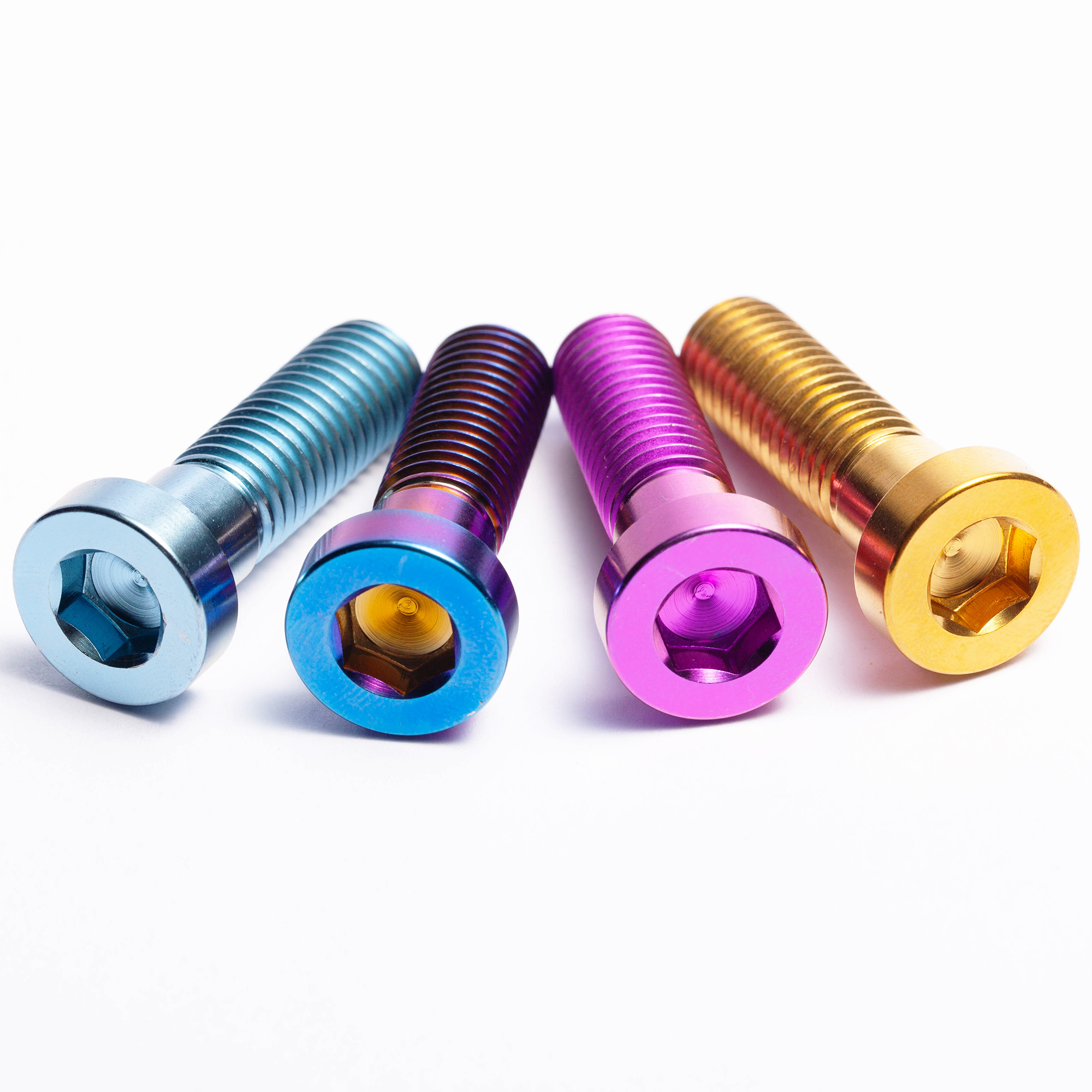
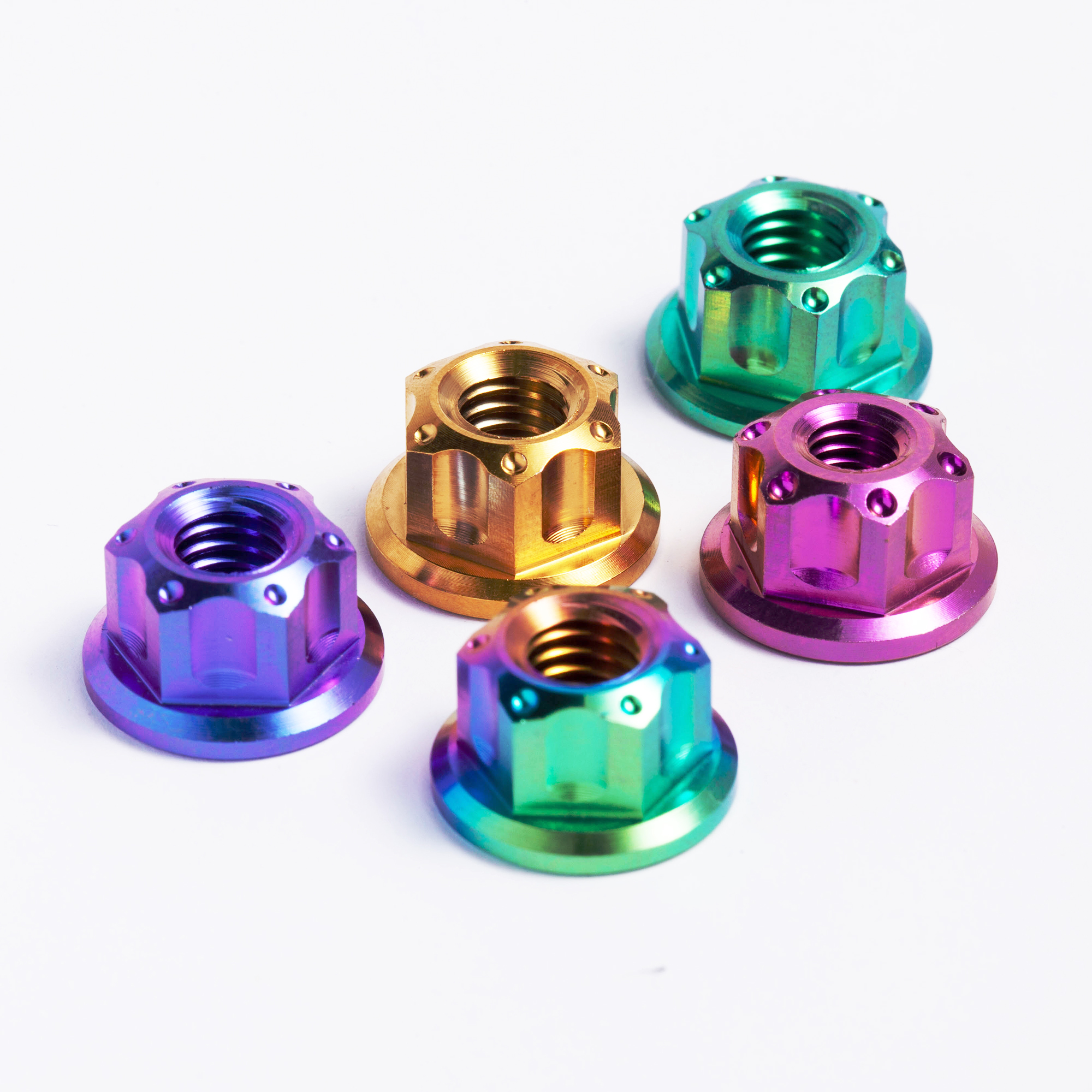
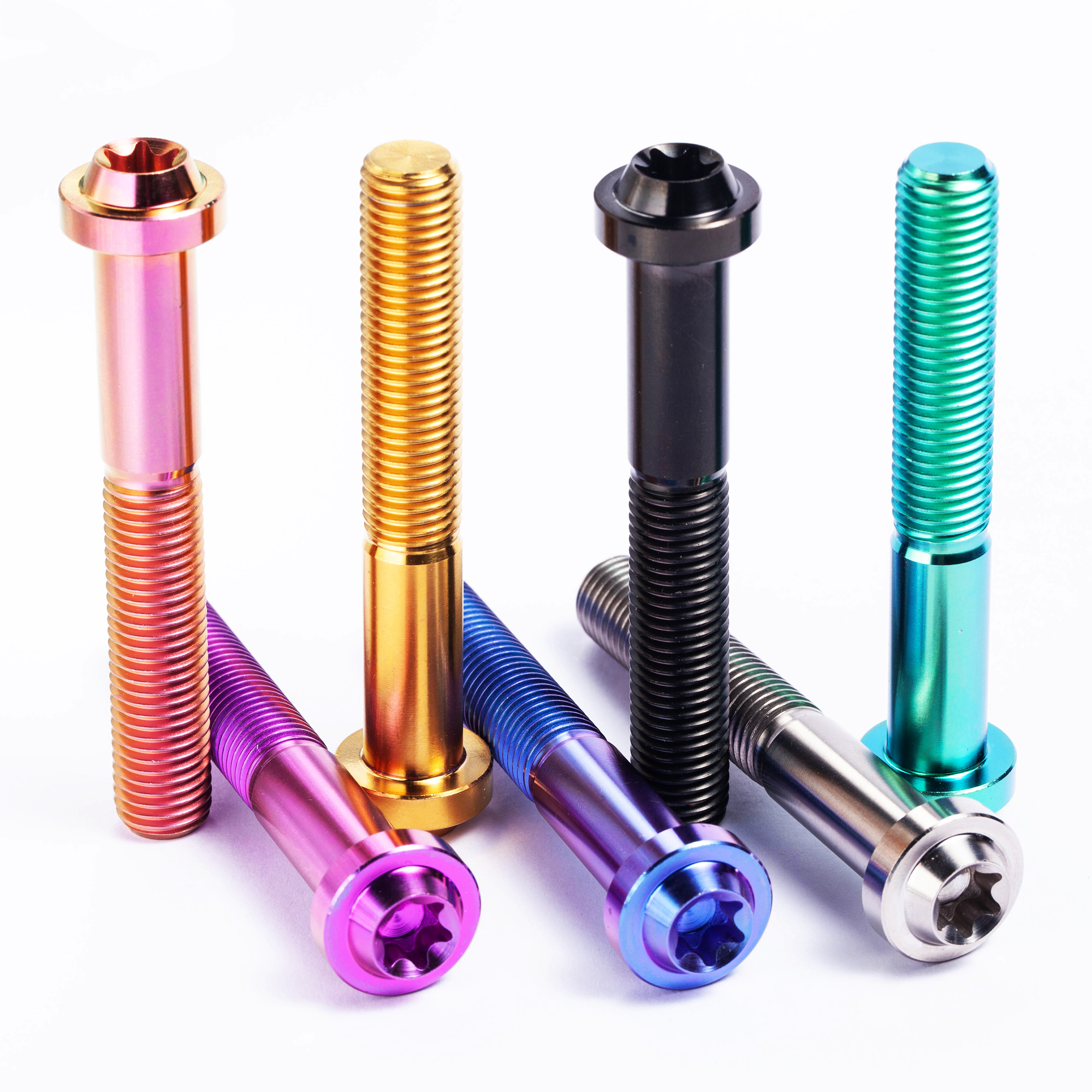
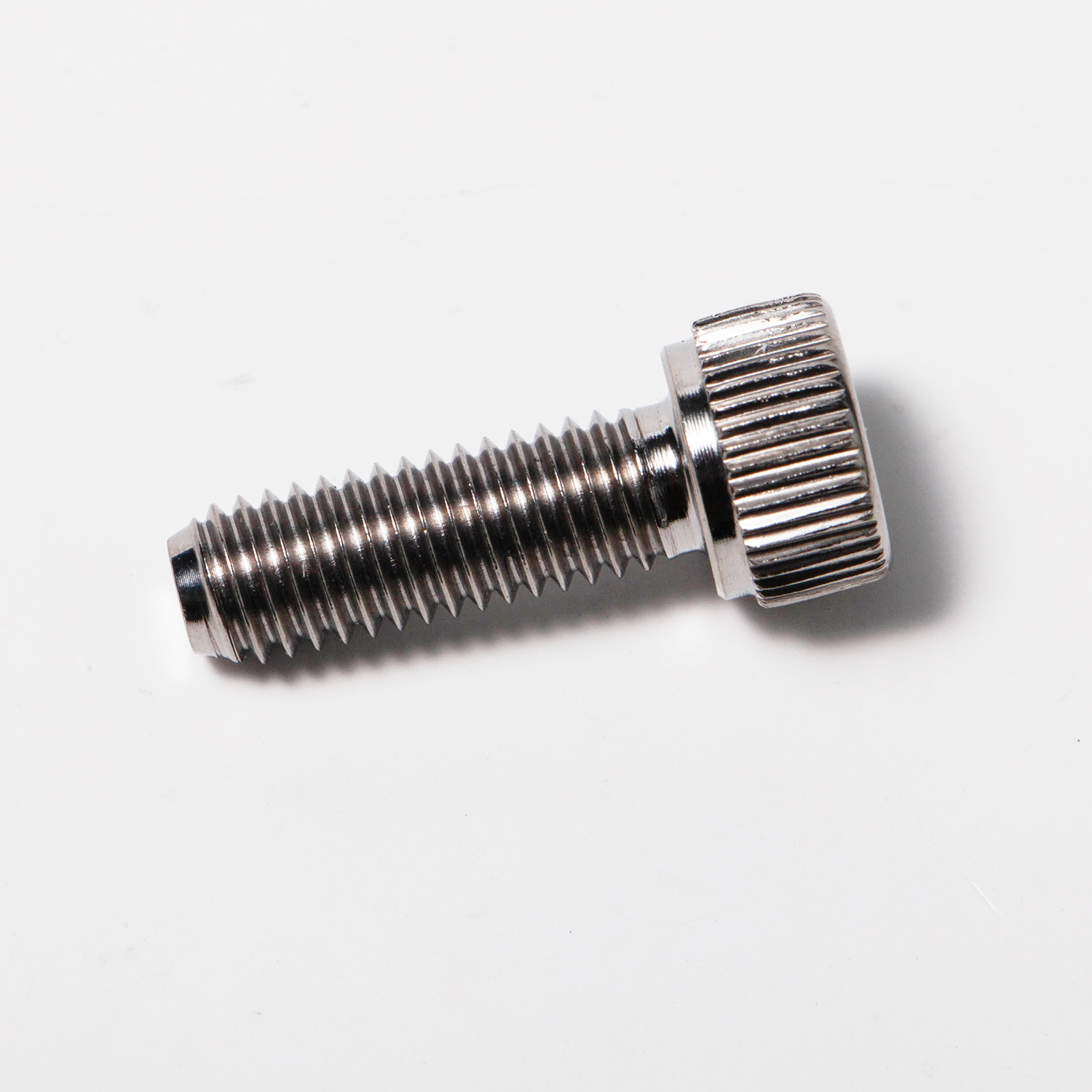
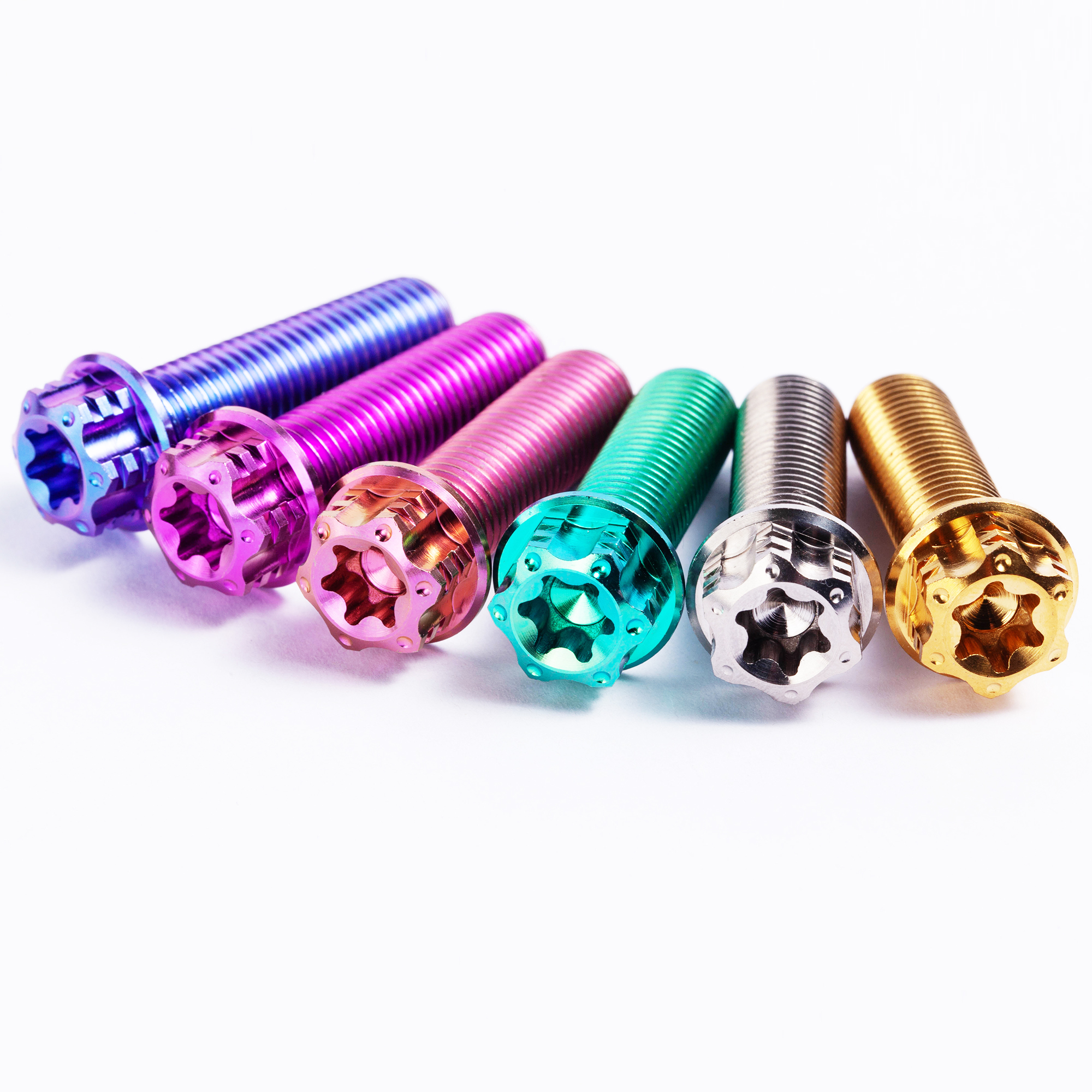
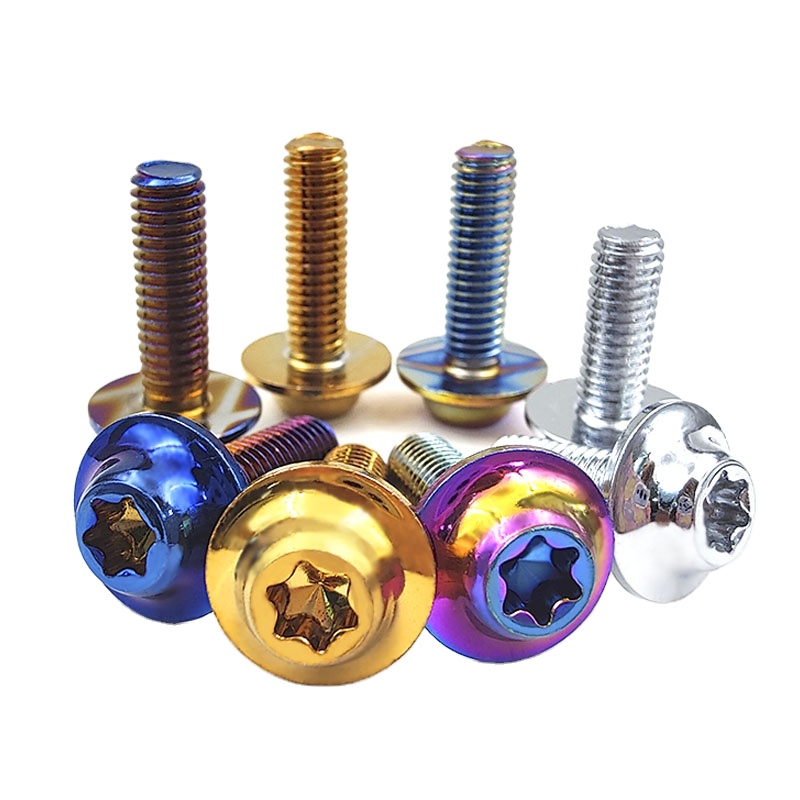
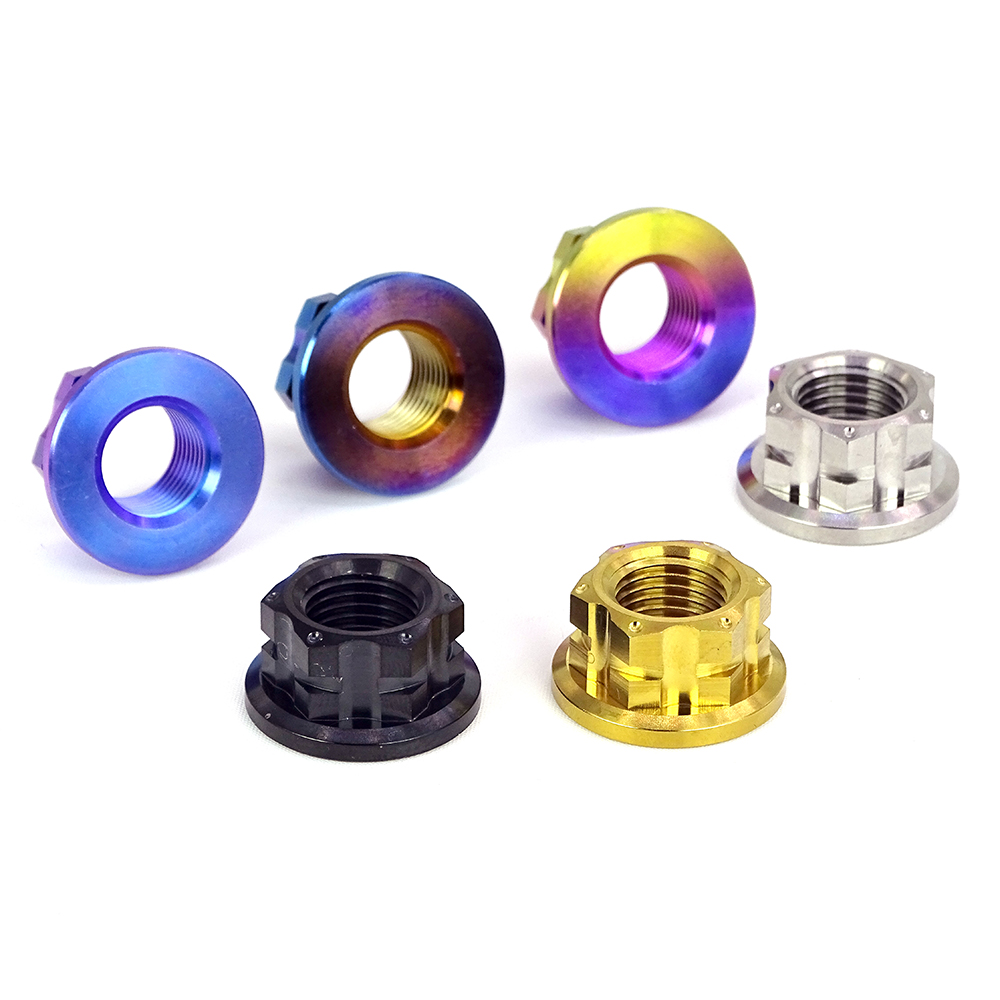
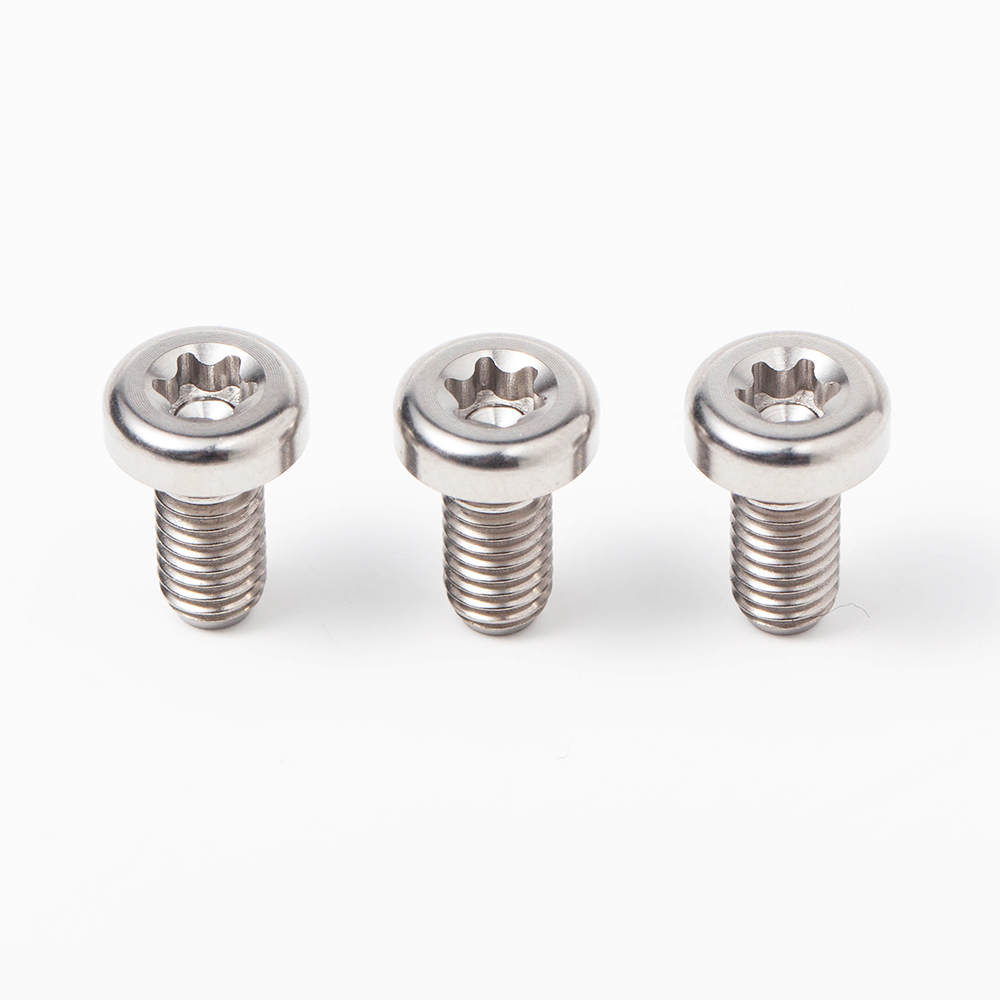
Titanium Alloys in Aggressive Chemical and Seaborne Regimes
A technical breakdown comparing commercially pure titanium and high-tensile titanium alloys against conventional stainless steels within maritime-industrial chemical facilities.
| Material Class | UNS / DIN Norm | Yield Strength (Rp 0.2 MPa) | PREN Value | Corrosion Resistance in Wet Cl₂ | Coastal Bruges Suitability |
|---|---|---|---|---|---|
| CP Titanium Grade 2 | UNS R50400 / 3.7035 | ≥ 275 - 345 | N/A (Immune to Pitting) | Complete Immunity (<0.01 mm/yr) | Optimal for acid loops & heat exchangers |
| Titanium Grade 5 (Ti-6Al-4V) | UNS R56400 / 3.7165 | ≥ 828 - 910 | N/A (Immune to Pitting) | Excellent in non-reducing media | Critical for high-pressure flanges & reactor tie-rods |
| Titanium Grade 7 (Ti-0.15Pd) | UNS R52400 / 3.7235 | ≥ 275 | Superior in crevice attack | Resistant to high-temp reducing acids | High-temperature chlor-alkali valves & seals |
| Super Duplex SS 2507 | UNS S32750 / 1.4410 | ≥ 550 | 42 - 45 | Pitting vulnerability above 35°C | Requires regular passivation maintenance |
| Austenitic SS 316L | UNS S31603 / 1.4404 | ≥ 220 | 23 - 25 | Severe Stress Corrosion Cracking (SCC) | High lifecycle replacement overhead |
For procurement engineers and industrial plant designers operating in Bruges and along the Flanders coastal economic axis, passive oxide films define asset lifespan. Commercially Pure Grade 2 titanium forms an instantaneous, tenacious, self-healing rutile and anatase ($TiO_2$) protective barrier when exposed to ambient moisture or oxygen. In saturated brine solutions, organic synthesis reactors, or bleaching towers handling sodium chlorite, conventional austenitic alloys fail by stress corrosion cracking (SCC) or rapid pitting. Wexra precision-machined titanium fittings provide an end to maintenance downtimes caused by galvanic degradation and chloride attack.
Localized Application Scenarios across Bruges & Flanders
How titanium piping assemblies, custom CNC forged fasteners, and precision valves serve the modern manufacturing and port landscape of Zeebrugge-Bruges.
1. Port of Antwerp-Bruges Terminals
The merger forming the Port of Antwerp-Bruges has positioned this coastal corridor as a global gateway for specialized chemical logistics, cryogenic LNG regasification, and liquid chemicals handling. Tank terminal manifolds, bunkering couplings, and fluid control fittings require non-corroding, non-sparking materials resistant to both continuous marine sea-spray and caustic vapors. Grade 2 titanium adapters and weld fittings prevent catastrophic fluid breaches on high-throughput docks.
2. Green Hydrogen & Chlor-Alkali Units
As Western Flanders deploys massive offshore wind capacity, green hydrogen plants leveraging PEM (Proton Exchange Membrane) and alkaline electrolyzers are scaling across industrial Bruges. The presence of humid hydrogen gas, acidic catalyst substrates, and raw demineralized seawater demands titanium bipolar plates, high-pressure fittings, and DIN 912 Grade 5 mounting fasteners that avoid hydrogen embrittlement and catastrophic crevice erosion.
3. Advanced Bio-Pharmaceutical & Food Processing
Operating along the Bruges-Ghent canal belt are advanced fermentation, biochemical processing, and enzyme refining facilities. Organic acids—such as formic, acetic, and lactic acids at elevated processing temperatures—leach heavy metals from basic steels. Titanium Grade 2 eliminates metallic ion leaching completely, complying with stringent European hygiene standards while standing up to caustic Clean-in-Place (CIP) nitric acid wash cycles.
Engineered Precision & Rigorous Quality Assurance
Our Jiaxing manufacturing facilities deploy multi-axis CNC lathe centers, automated optical thread sorting, and rigorous in-house chemical verification.
Market Evolution: Flanders Industry & Titanium Transitions
Three structural market shifts dictating titanium hardware adoption among Belgian engineering procurement teams.
Circular Carbon Neutrality & LCC Optimization
Belgian engineering contractors are transitioning from short-term initial CAPEX budgeting to comprehensive 30-year Life Cycle Costing (LCC). While nickel alloys like Hastelloy C-276 and super duplex steels incur significant raw material premia and require frequent passivation downtime, titanium fittings deliver an essentially indefinite operating life without periodic anti-corrosion chemical recoatings.
Offshore Energy Integration at Zeebrugge
With Bruges anchoring primary operations and maintenance infrastructure for Belgian North Sea wind farms, hybrid energy conversions (power-to-X) are central to the regional masterplan. Heat exchange systems cooling dense subsea converters utilize raw ocean brine, shifting cooling infrastructure permanently from copper-nickel alloys to titanium plate packs, nozzles, and threaded flanges.
Stringent REACH & RoHS Chemical Mandates
The European Union's escalating regulatory scrutiny over hexavalent chromium and fluorinated coatings (PFAS) commonly used on industrial bolts is accelerating substitution. Naturally passivated, uncoated titanium fasteners deliver superior corrosion protection without toxic surface coatings, directly future-proofing chemical infrastructure against tightening European chemical legislation.
Enterprise Competence & Supply Chain Reliability
Jiaxing Wexra Titanium Products Co., Ltd. combines specialized metallurgical focus with end-to-end export competence tailored to the European single market.
ISO 9001:2015 System
Comprehensive quality tracing across every heat lot. Mill Test Certificates (EN 10204 3.1) and complete chemical composition analyses accompany every commercial batch.
Thread Rolling Supremacy
Unlike standard cut threads that interrupt titanium's structural grain flow, our cold- and hot-rolled threads maximize fatigue life, shear thresholds, and thread galling resistance.
OEM/ODM Customization
Precision turning, multi-axis milling, and custom laser profiling directly from your STEP, DWG, or physical samples, supporting prototyping to container loads.
EU Compliance Ready
Full compliance with RoHS, REACH, and CE standards, alongside packaging compliant with German EPR laws, ensuring seamless EU customs clearance through Zeebrugge.
Frequently Asked Questions by Flanders Buyers
Key metallurgical, regulatory, and logistics answers for procurement specialists in Bruges and Western Europe.
Commercially Pure Grade 2 titanium contains lower interstitial elements (iron, oxygen, carbon), giving it exceptional ductility and higher resistance to general chemical oxidation and crevice attack in aqueous chlorides. Grade 5 (Ti-6Al-4V) provides more than double the tensile strength (895 MPa vs. 345 MPa), making Gr5 ideal for high-pressure flange bolts, rotating pump impellers, and structural tie-downs, whereas Gr2 excels in process pipework and heat exchanger tubes.
Titanium has a relatively low thermal conductivity and a reactive passive film that can weld micro-asperities under high friction. To prevent galling, our fasteners feature rolled threads with smooth root radii (Ra < 0.4 µm). We advise applying molybdenum disulfide or nickel-based anti-seize pastes, or specifying specialized dry-film molybdenum coatings, hard anodizing, or pairing titanium bolts with silicon-bronze or nitrided titanium nuts.
Yes. We regularly produce DIN EN 1092-1 Type 01, Type 11, and blind flanges, as well as ANSI/ASME B16.5 standards. We supply both solid titanium forgings and loose titanium slip-on collars with carbon steel backing rings to optimize cost without compromising chemical contact integrity.
Every shipment to Belgium includes complete commercial invoices, packing lists with TARIC code designations, clean Bills of Lading, Certificate of Origin, and EN 10204 3.1 Mill Test Certificates indicating heat numbers, chemical composition, and tensile/yield elongation parameters verified by third-party testing.
Optimize Your Chemical Plant Reliability in Bruges
Send your technical drawings, standard DIN/ISO specifications, or fluid handling parameters to our engineering team. We deliver detailed manufacturability analysis and rapid factory quotations.