Strategic Industrial Metallurgy: Titanium Wire Mesh in Kranj & Upper Carniola
As the historic industrial heartland of Slovenia's Gorenjska region, Kranj hosts an ecosystem spanning precision electronics, automotive engineering, polymers, and green electrochemical transitions. Navigating modern industrial filtration and electrode dynamics requires materials that withstand severe mechanical loads and chemical aggression. Jiaxing Wexra Titanium Products Co., Ltd. supplies high-integrity woven titanium wire cloth, micro-expanded mesh, and sintered porous titanium plates designed to meet rigorous standards across Central and Southeastern Europe.
Commercial-grade woven screens and custom sintered substrates are engineered directly from domestic sponge titanium melted under vacuum (VAR). By controlling interstitial elements (Carbon, Oxygen, Nitrogen, and Hydrogen) to fractional percentages, our woven wire meshes and structural fastening assemblies provide yield performance and stability under extreme thermal cycling. Kranj-based industrial operations require compliance with European standards, including EN 10204 3.1 certification, ASTM B863 for wire drawing, and ASTM B265 for raw plate stock.
Detailed Specifications & Metallurgical Parameters
Our titanium wire cloth is woven using Plain Weave (1:1 interlacing for uniform aperture stability), Twill Weave (2:2 diagonal structure allowing heavier wire in tight aperture matrices), and Dutch Weave (high-density compaction for sub-micron particulate filtration). The table below outlines parameters across our standard grades supplied to the European market:
| Titanium Grade | Standard Mesh Range | Aperture Range (mm / µm) | Tensile Strength (MPa) | Yield Strength (MPa) | Primary European Application Focus |
|---|---|---|---|---|---|
| Grade 1 (UNS R50250) | 1 Mesh to 200 Mesh | 10.0 mm – 0.075 mm | ≥ 240 MPa | ≥ 170 MPa | PEM Electrolyzer Anode PTL, Chlor-Alkali Anodes |
| Grade 2 (UNS R50400) | 2 Mesh to 400 Mesh | 8.0 mm – 0.038 mm | ≥ 345 MPa | ≥ 275 MPa | Chemical Process Filters, Seawater Desalination |
| Grade 5 (Ti-6Al-4V) | Custom Expanded / Coarse | Pattern dependent | ≥ 895 MPa | ≥ 828 MPa | Aerospace Debris Screens, Motorsport Oil Mesh |
| Grade 9 (Ti-3Al-2.5V) | Engineered Apertures | Custom tailored | ≥ 620 MPa | ≥ 483 MPa | Hydraulic Fluid Strainers, High-Vibration Filters |
Localized Application Engineering in the Kranj Industrial Corridor
Industrial operations in Kranj, Škofja Loka, and neighboring regions operate within tight technical frameworks. Selecting the right wire diameter, weave type, and surface treatment depends heavily on the intended operational environment:
Hydrogen & Clean Energy
Our Grade 1 expanded and sintered porous titanium substrates serve as Porous Transport Layers (PTL) in Proton Exchange Membrane (PEM) water electrolyzers. With titanium's stable passivating oxide layer and optional Platinum/IrO2 coatings, our materials maintain low interfacial contact resistance while handling acidic, oxidative anode environments.
Automotive & Tier-1 Electronics
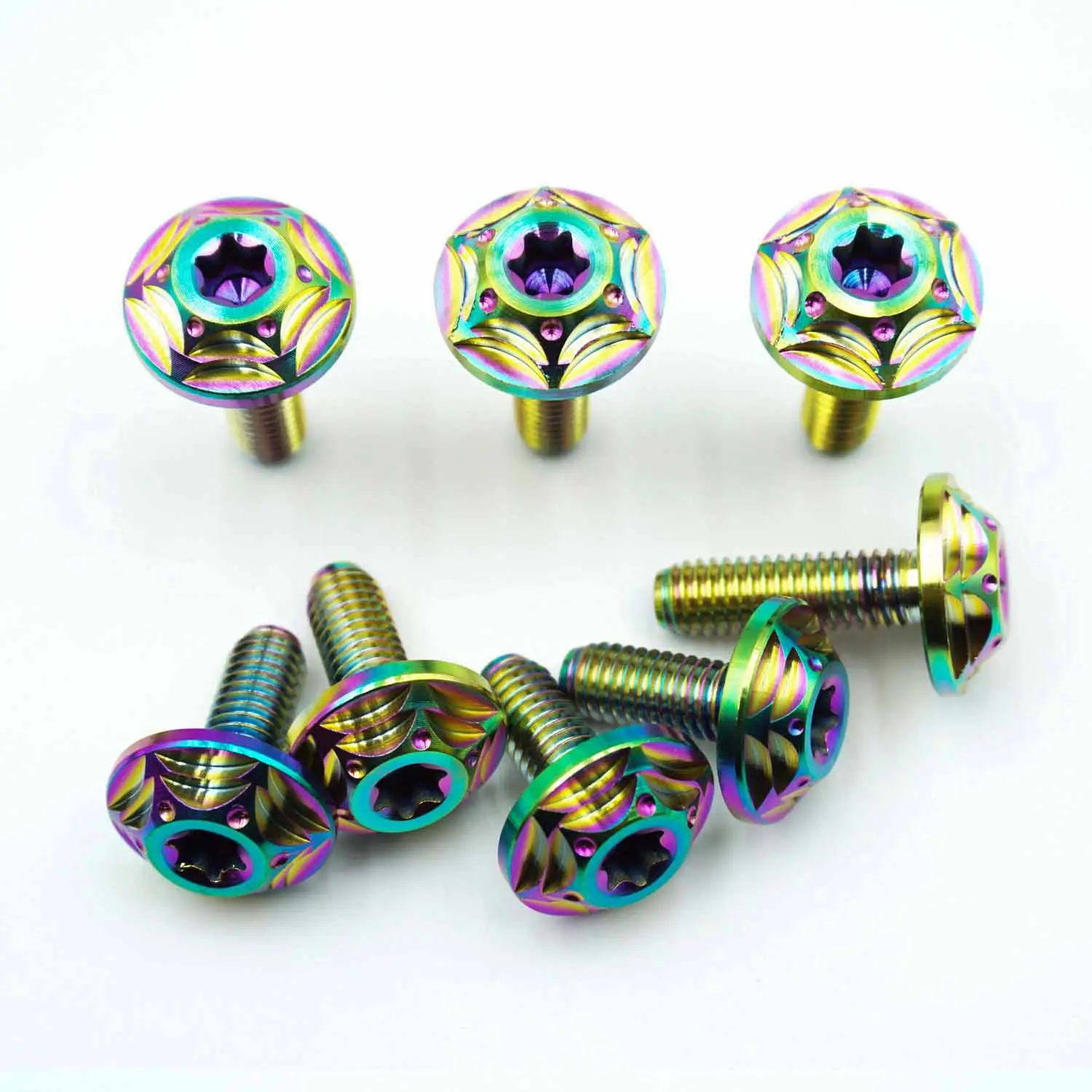
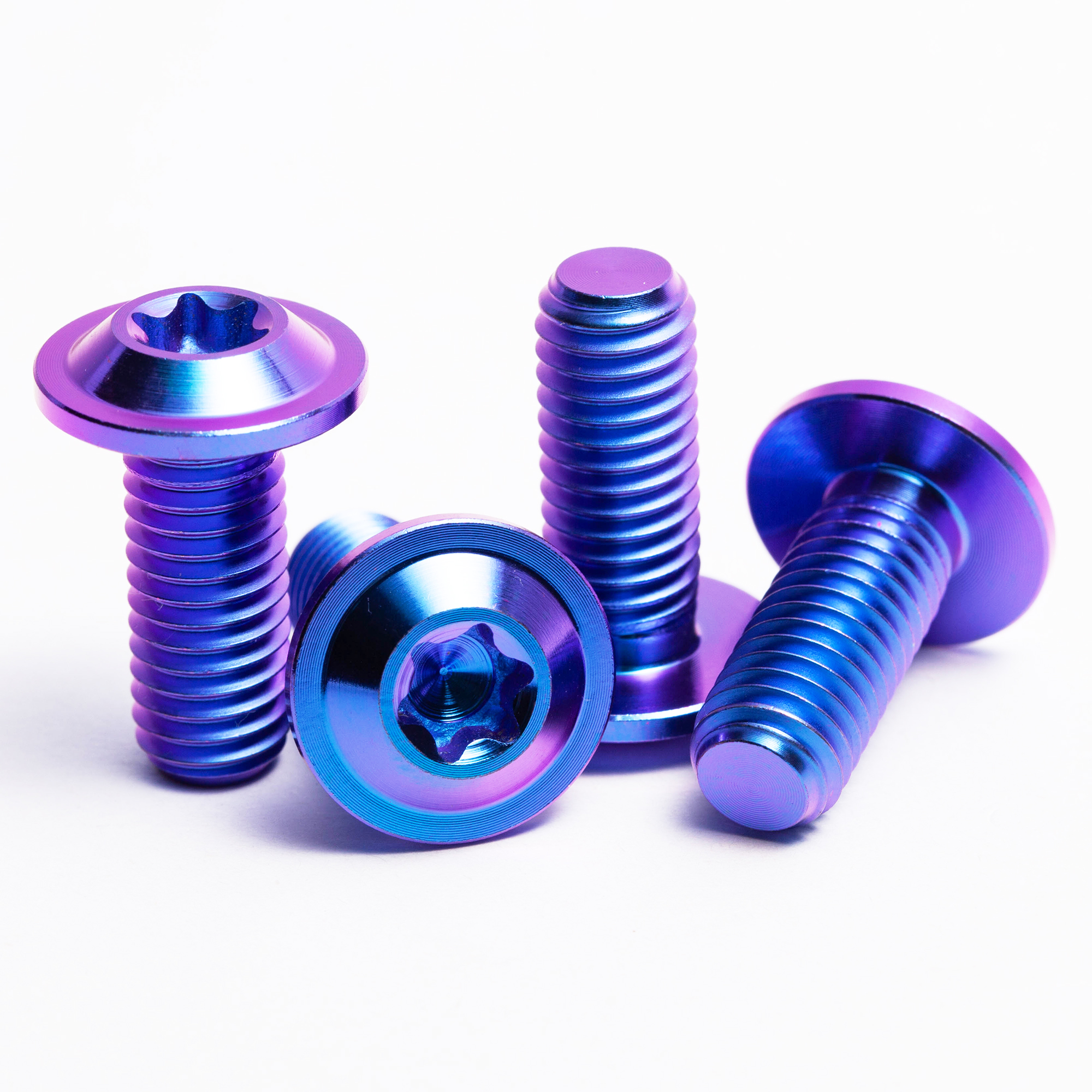
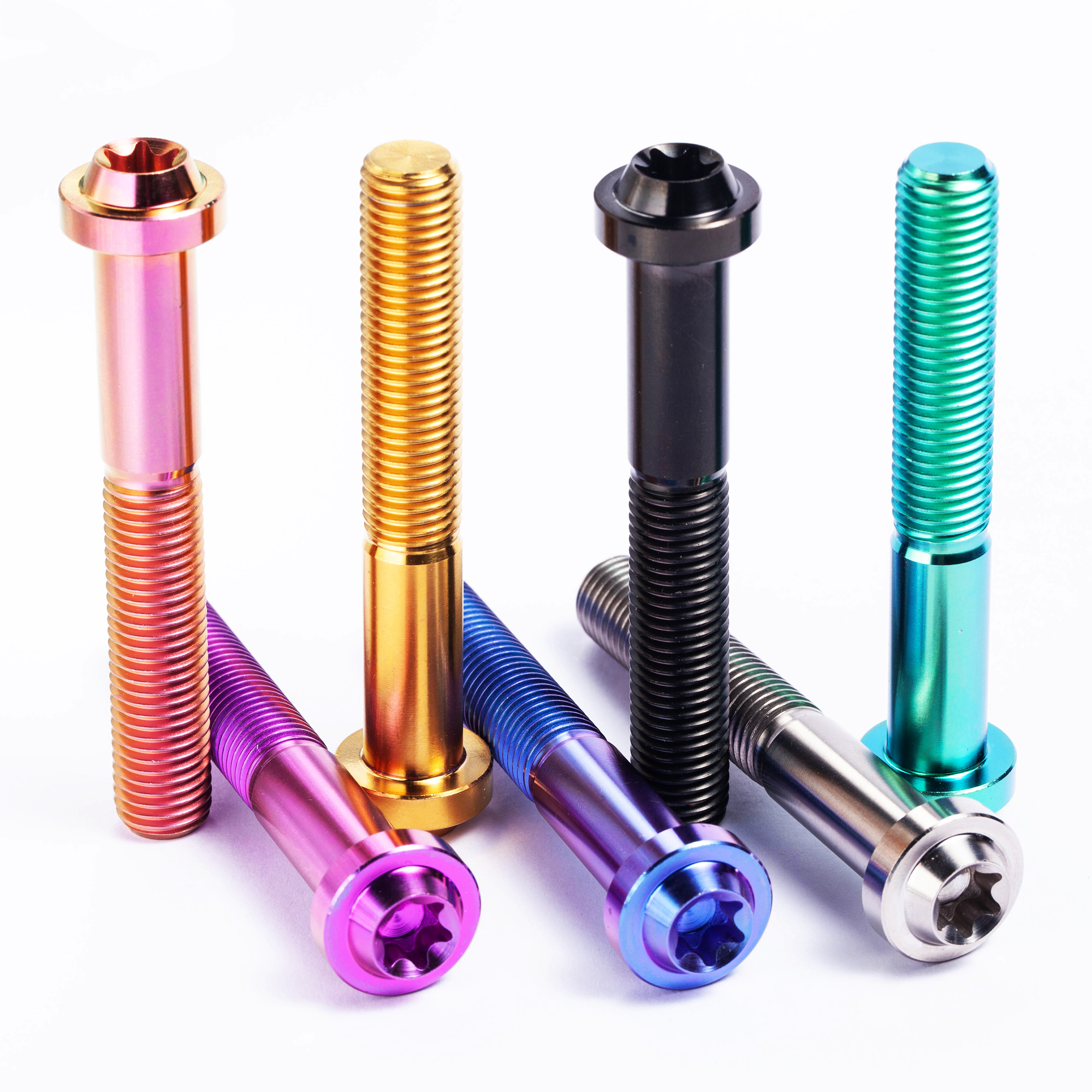
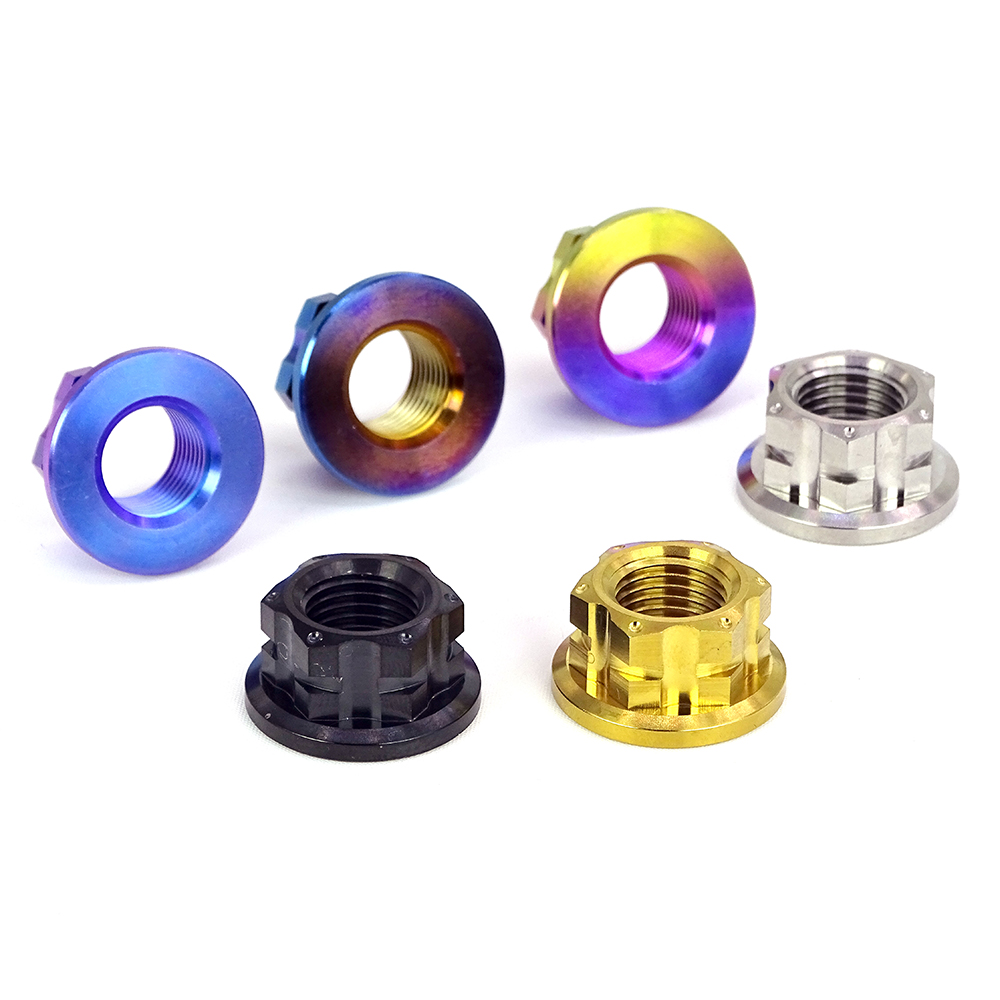
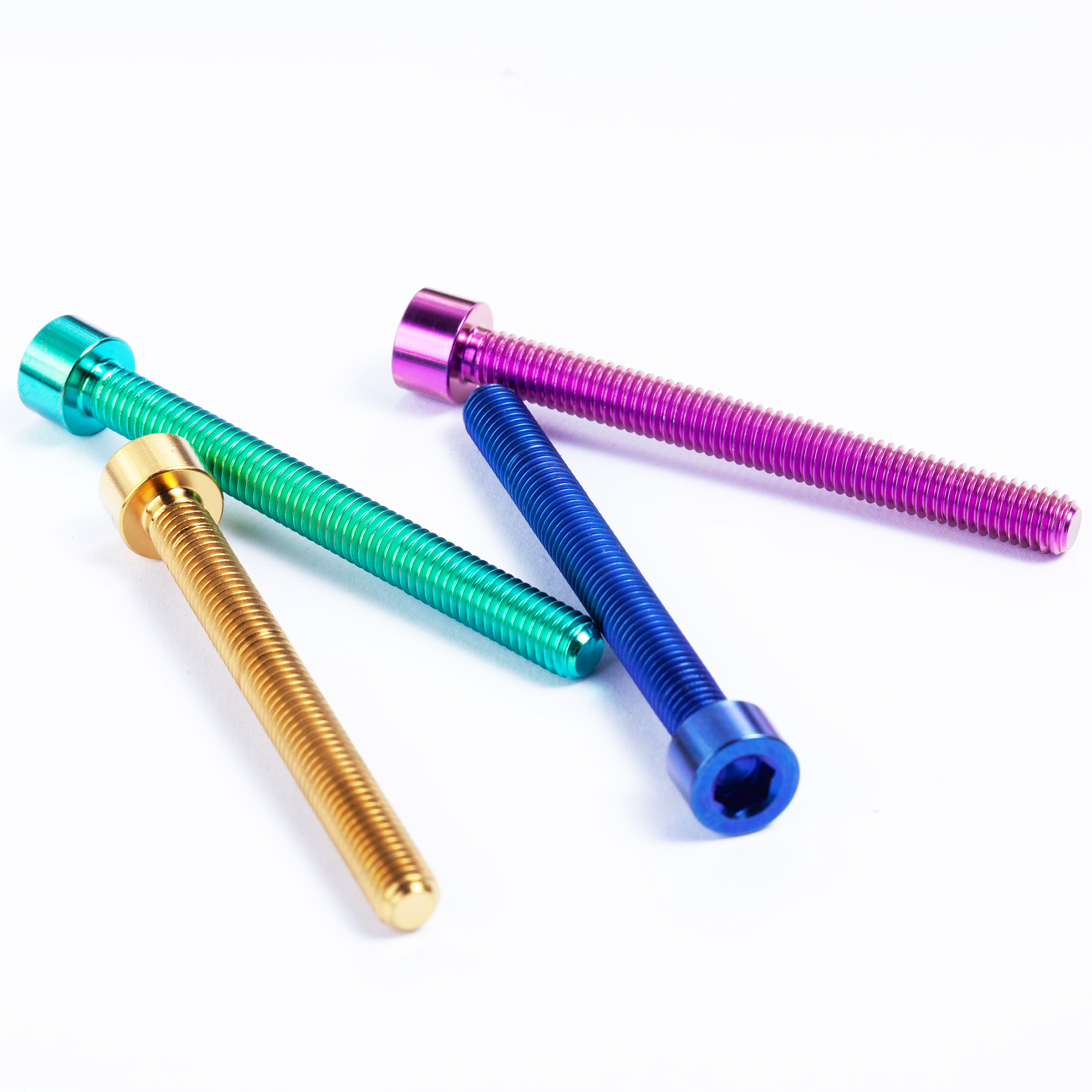
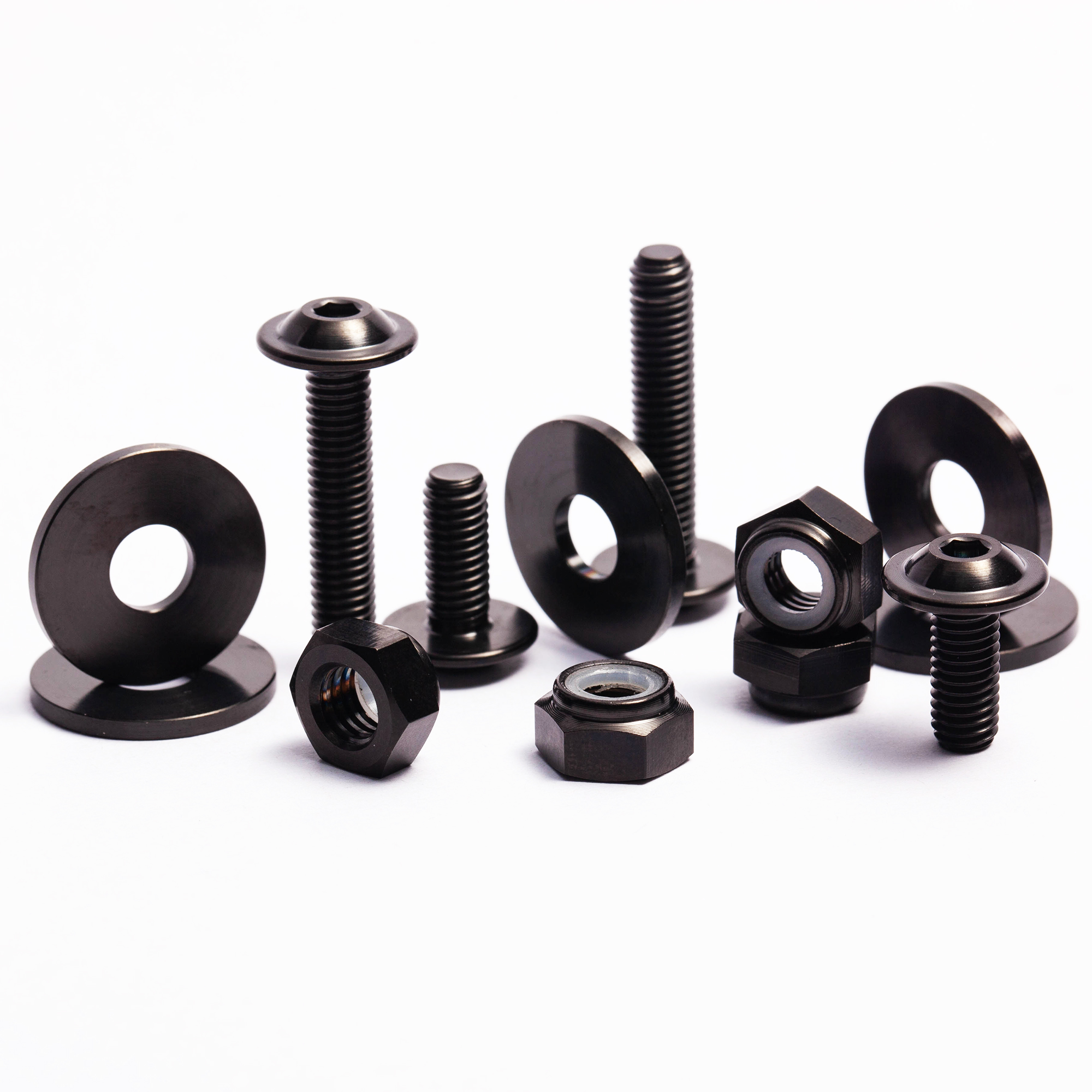
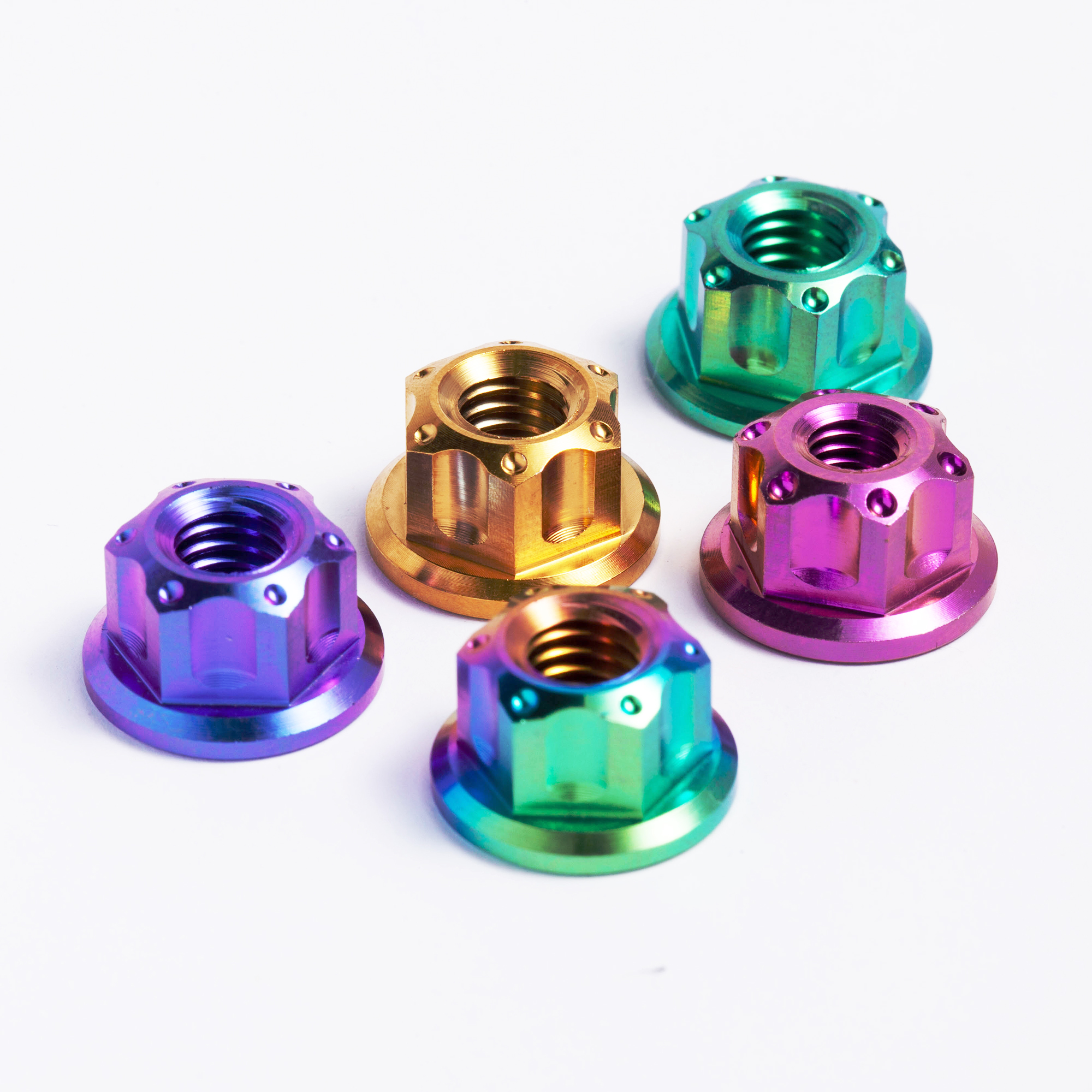
Kranj's automotive suppliers require light, vibration-resistant, and thermally durable solutions. From micro-mesh filters within fuel delivery and turbocharging lines to structural titanium fasteners on chassis and electronics enclosures, our components reduce mass by roughly 44% compared to steel while eliminating galvanic and atmospheric corrosion.
Chemical & Polymer Processing
Chemical processing installations around the Sava River basin deal with aggressive organics, wet chlorine compounds, and process steam. Our Grade 2 woven wire screens and demister pads provide broad chemical resistance, operating safely at temperatures exceeding 300°C without risk of stress corrosion cracking.
Emerging Trends: Industrial Modernization Across Slovenia
Manufacturing across Slovenia is shifting toward higher-efficiency green hydrogen technologies, advanced automotive electrification, and circular closed-loop chemical handling. The demand for industrial wire mesh has transitioned away from generic 304 and 316 stainless steels toward refractory and reactive alloys. In high-chloride chemical synthesis and marine environments, austenitic stainless steels often suffer from localized pitting and crevice attack. Unalloyed commercially pure titanium (CP Grades 1 and 2) forms a self-healing titanium dioxide (TiO2) film that prevents corrosion up to high redox potentials.
In the renewable energy sector, European green hydrogen mandates require electrolyzer systems to achieve service lives exceeding 80,000 operational hours. Sintered titanium fiber felts and precision-woven meshes are becoming standard specifications for gas diffusion layers and current collectors. Wexra supports these engineering shifts through specialized cleanroom processing, ultrasonic degreasing, and customized vacuum sintering protocols that keep porous transport media free from foreign particulate contamination.
Enterprise Strengths: Direct-From-Source Manufacturing Excellence
Headquartered in Daqiao Town, Jiaxing Headquarters Business Garden, Jiaxing Wexra Titanium Products Co., Ltd. operates a vertically integrated production ecosystem spanning over 1,000 square meters. Unlike simple trading intermediaries, we control raw wire drawing, precision wire weaving, CNC multi-axis turning/milling, and advanced anodizing in-house. This structure provides our European partners with distinct advantages:
- True Metallurgical Traceability: Every batch of titanium wire mesh, bolt, or CNC component traces directly to authentic mill test certificates (EN 10204 3.1) with full chemical ingot analysis and tensile verification.
- Tight Tolerance CNC & Slitting: In-house CNC machinery and specialized wire-cloth slitting equipment handle cut-to-shape mesh discs, pleated filter packs, and complex threaded assemblies to tolerances within ±0.01 mm.
- Direct European Export Compliance: Fully compliant with EU RoHS and REACH regulations, along with verified German EPR packaging registration (LUCID), ensuring smooth customs clearance and regulatory ease across the EU single market.
- Engineering Consultation: Direct access to technical engineers who review 2D/3D drawings, advise on DFM (Design for Manufacturability), and assist with alloy selection across Grade 1, Grade 2, Grade 5, and Grade 9 configurations.
Technical Procurement FAQ for Slovenian Industrial Buyers
Q: How does titanium wire mesh compare with 316L stainless steel in high-chloride filtration?
A: While AISI 316L performs reliably in neutral, low-chloride conditions, it remains vulnerable to pitting, crevice corrosion, and stress corrosion cracking (SCC) when chloride concentrations or operating temperatures rise. Commercially pure titanium (Grade 2) is practically immune to chloride-induced pitting at ambient and elevated process temperatures, offering significantly longer replacement cycles in chemical and industrial filtration setups.
Q: What quality certificates accompany shipments delivered to Kranj?
A: Shipments include full EN 10204 Type 3.1 Inspection Certificates containing detailed optical emission spectrometry (OES) chemical breakdowns, mechanical tensile tests, aperture conformity reports, and RoHS/REACH statements. Third-party testing via SGS or TÜV can also be coordinated prior to export dispatch.
Q: Can you deliver finished filter shapes, discs, and sintered multi-layer assemblies?
A: Yes. Beyond standard rolled mesh goods, we provide CNC laser cutting, stamping, multi-layer spot welding, and edge-banding in cleanroom conditions. Finished filter discs, cylinders, conical strainers, and porous diffusion electrodes can be manufactured directly from your CAD drawings (.DWG, .DXF, .STEP).
Q: What are the standard lead times for dispatch to the Slovenian market?
A: Common mesh specifications (Grade 1 and Grade 2 from 10 to 200 mesh) are maintained in stock as roll goods, ready for conversion and dispatch within 5–7 working days. Custom weaves, heavy wire draws, or CNC machined titanium components typically require 15–25 working days depending on quantity and finishing specifications, shipped via priority air freight directly to Ljubljana Jože Pučnik Airport (LJU) or sea freight via Koper port.