Gr5 Ti-Alloy
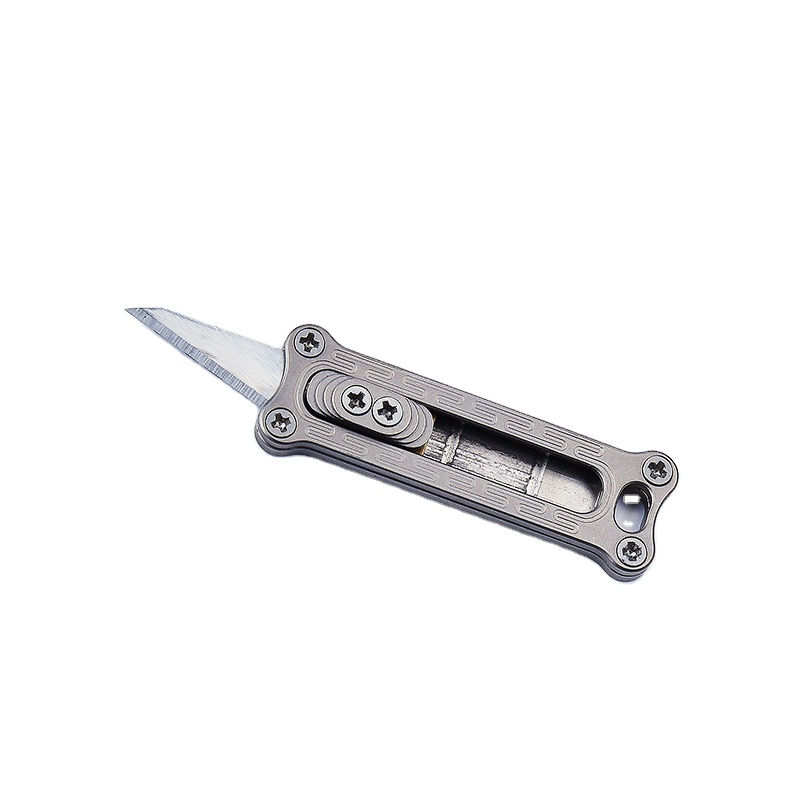
Discover our high-precision Grade 5 (Ti-6Al-4V) and Grade 2 components, fully compliant with DIN/ISO industrial norms and built to eliminate galling, fatigue failure, and corrosion.
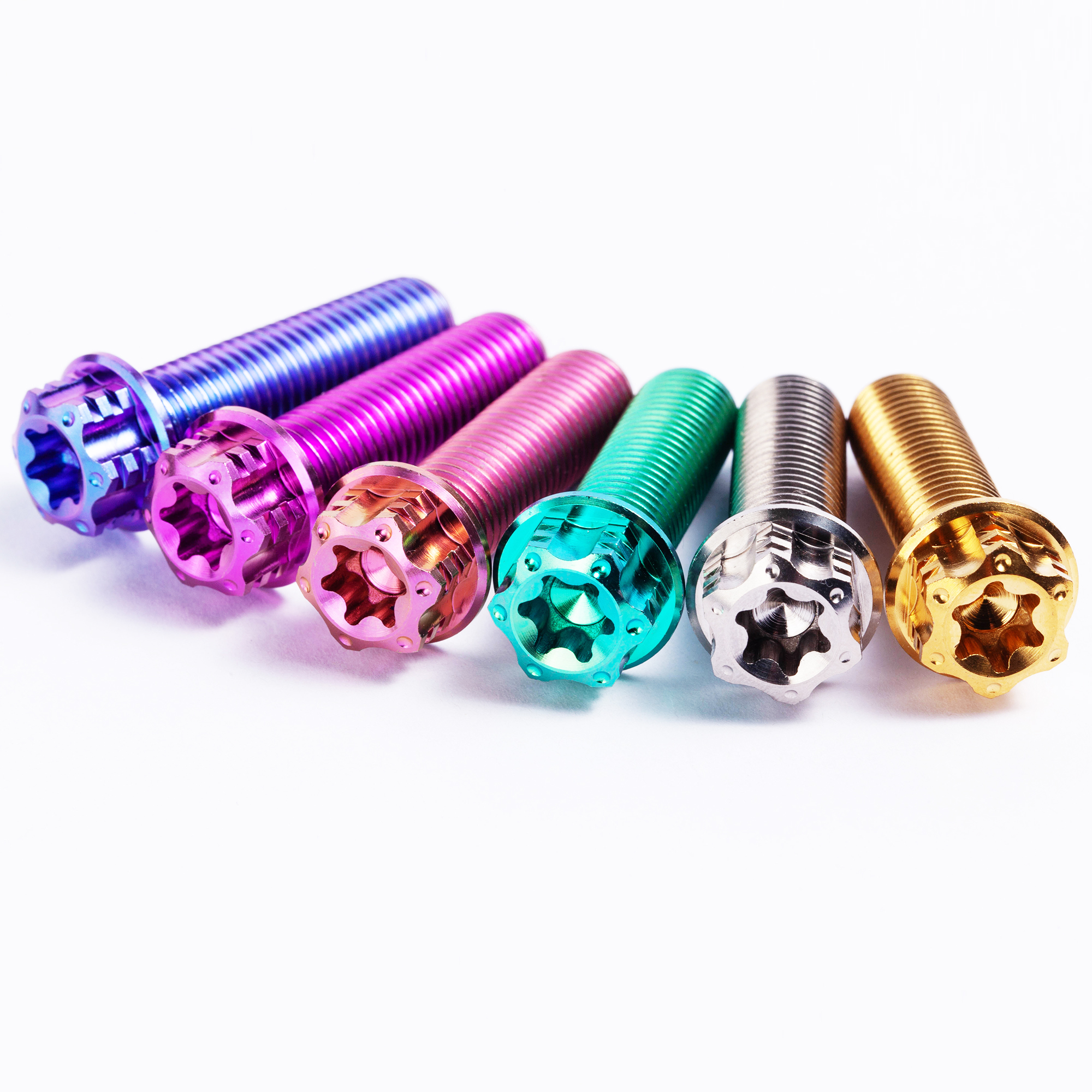
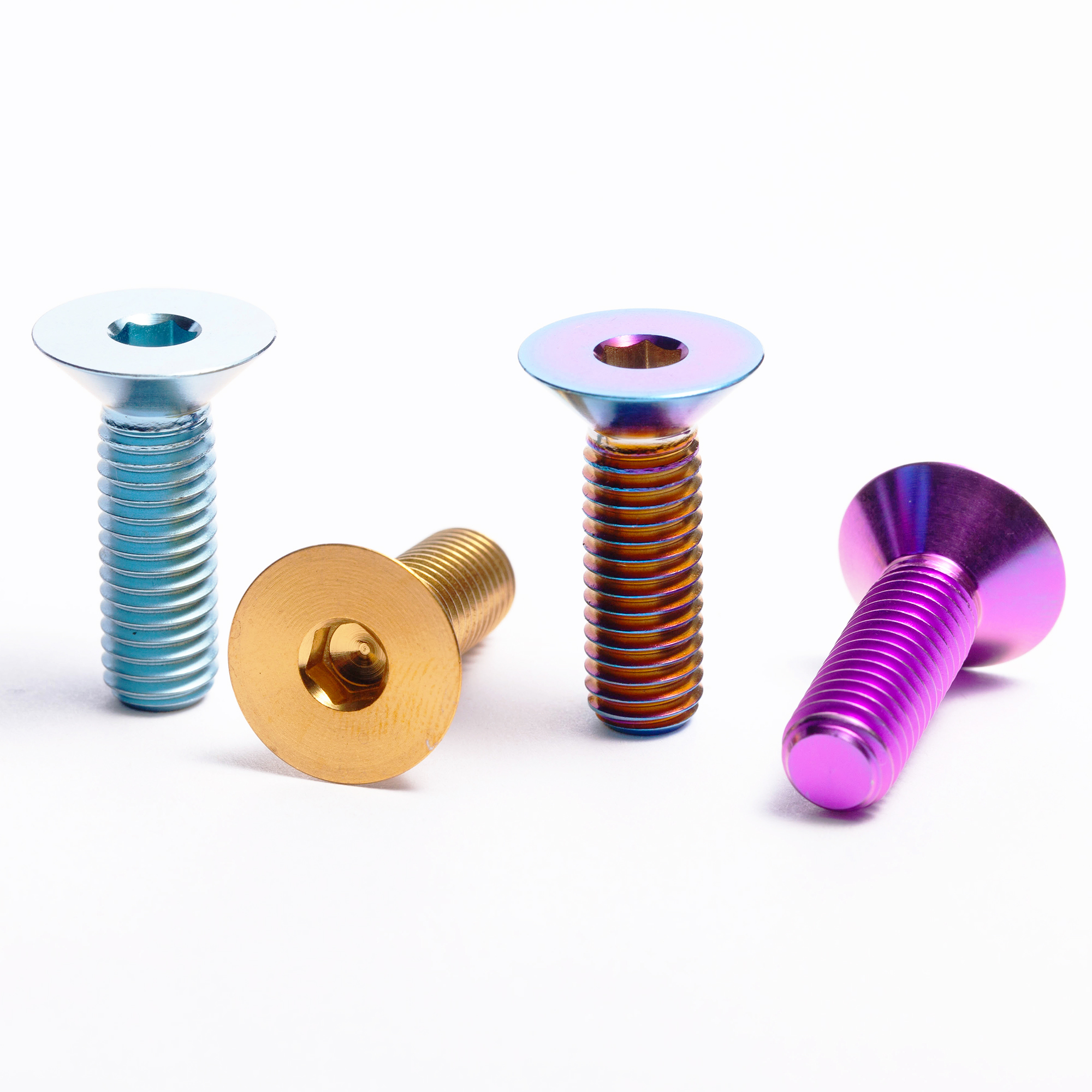
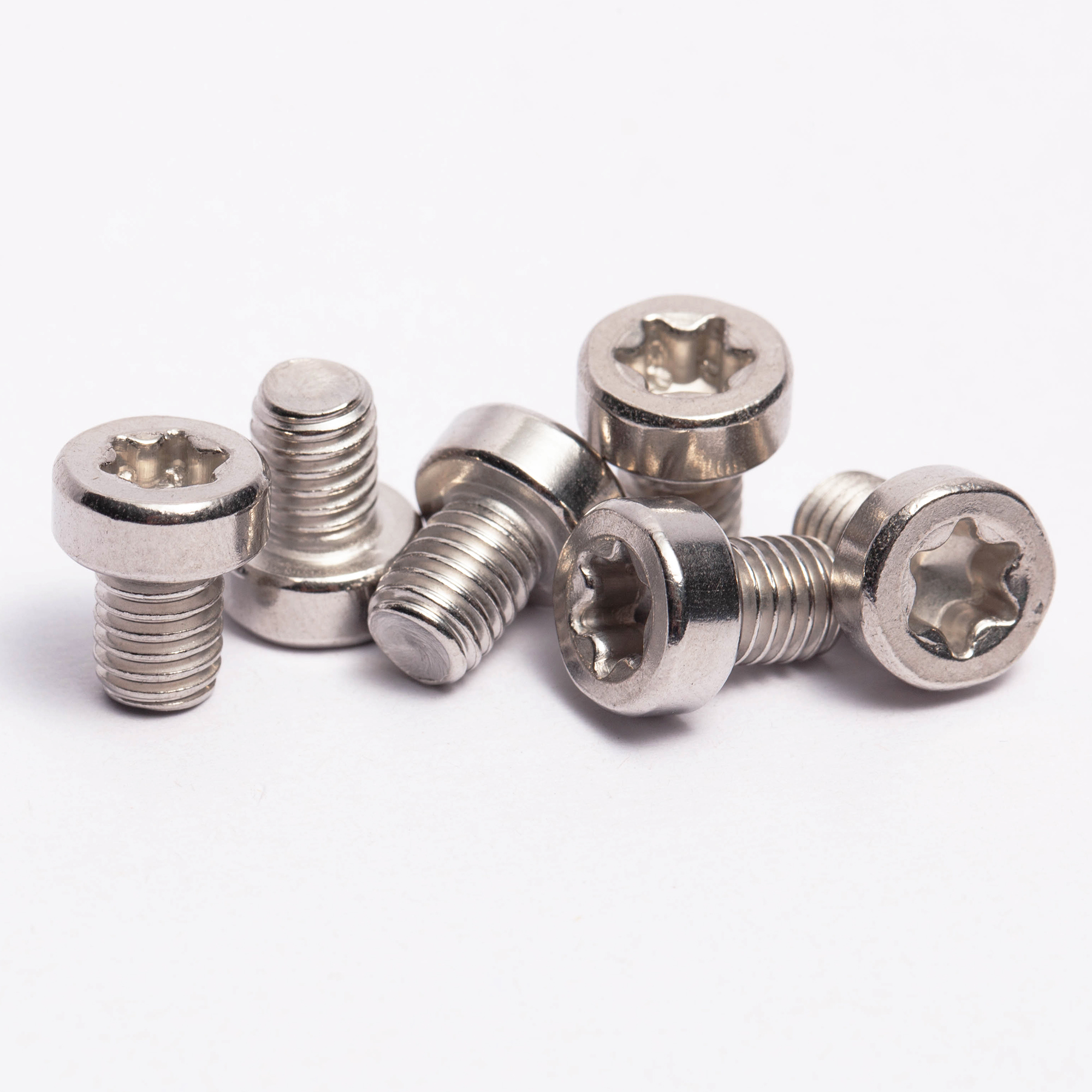
Bridging Chinese State-of-the-Art Milling Prowess with Central Europe's Dynamic Automotive, High-End Automation, and Green Mobility Ecosystem
The Greater Bratislava Region, strategically situated at the tri-border crossroads of Slovakia, Austria, and Hungary, has emerged as one of the dense corridors of ultra-precision engineering and automotive excellence in Europe. As home to top-tier international automotive manufacturing facilities—including Volkswagen Bratislava, Porsche's body assembly lines, and neighboring Stellantis and Jaguar Land Rover ecosystems—Western Slovakia demands unprecedented material reliability, mass minimization, and thermodynamic endurance. In this high-stakes industrial framework, traditional steel fasteners and aluminum sub-components frequently reach their mechanical ceiling. Jiaxing Wexra Titanium Products Co., Ltd. serves as the direct manufacturing partner, supplying custom multi-axis CNC machined titanium Grade 5 (Ti-6Al-4V) and commercially pure Grade 2 hardware engineered to strict DIN, ISO, and aerospace specifications directly to Bratislava's procurement teams.
Titanium machining is fundamentally distinct from working with structural carbon steels or free-cutting aluminums. Ti-6Al-4V possesses poor thermal conductivity (6.7 W/m·K compared to steel's ~50 W/m·K and aluminum's ~200 W/m·K), an elastic modulus of approximately 114 GPa (virtually half of carbon steel), and severe chemical reactivity at cutting temperatures above 500°C. In conventional workshops, this induces severe tool chatter, premature tool edge wear through thermal welding, and work hardening. Wexra overcomes these physics constraints by utilizing high-pressure internal-through-spindle coolant delivery, custom negative-rake carbide inserts coated in Titanium Aluminum Nitride (TiAlN), ultra-rigid 5-axis CNC machining centers, and cold thread-rolling processes. Rolled threads retain uninterrupted grain structure lines, elevating fatigue endurance by more than 35% compared to single-point cut threads—a critical metric for powertrain, suspension, and high-frequency vibratory components deployed in Western Slovakia's prototyping centers.
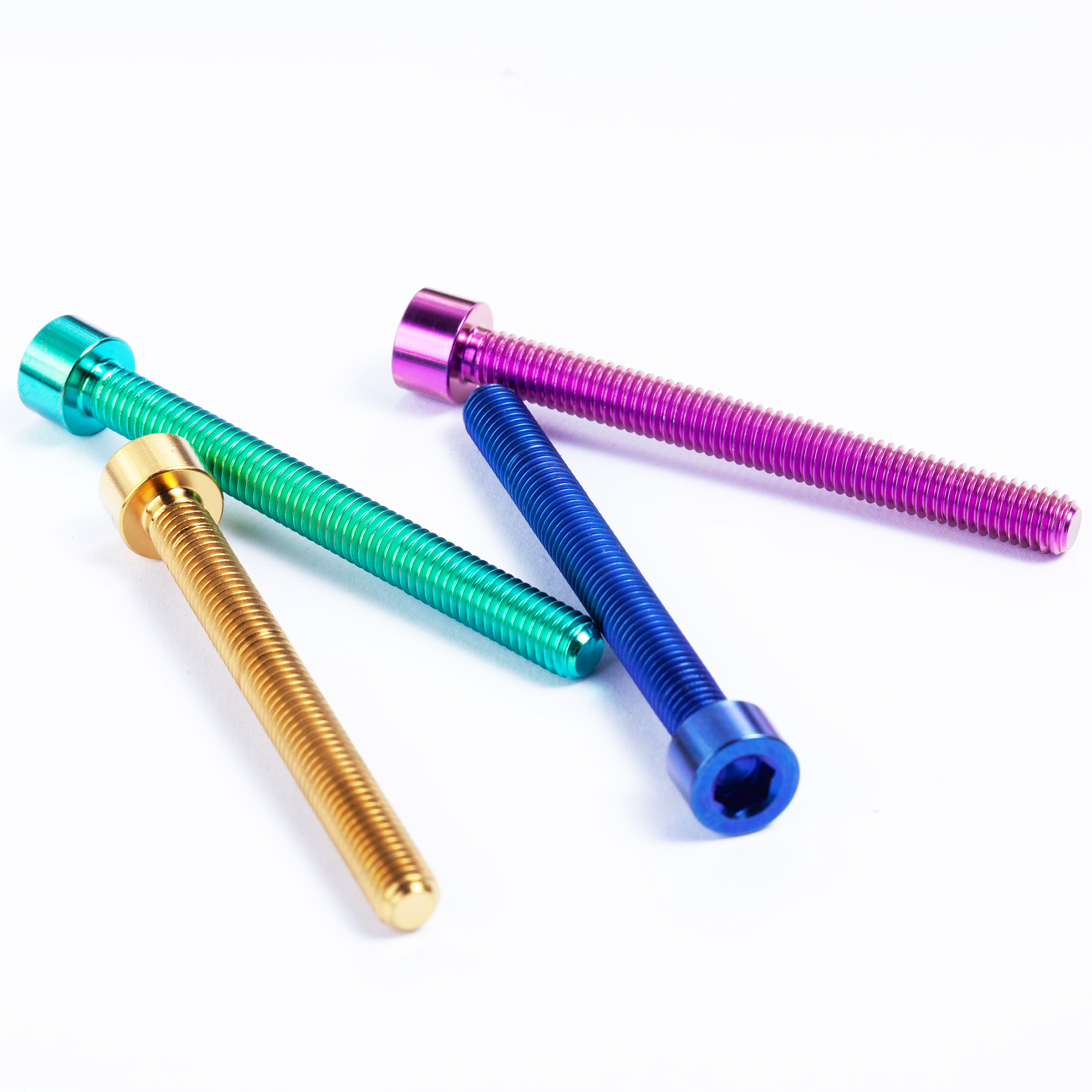
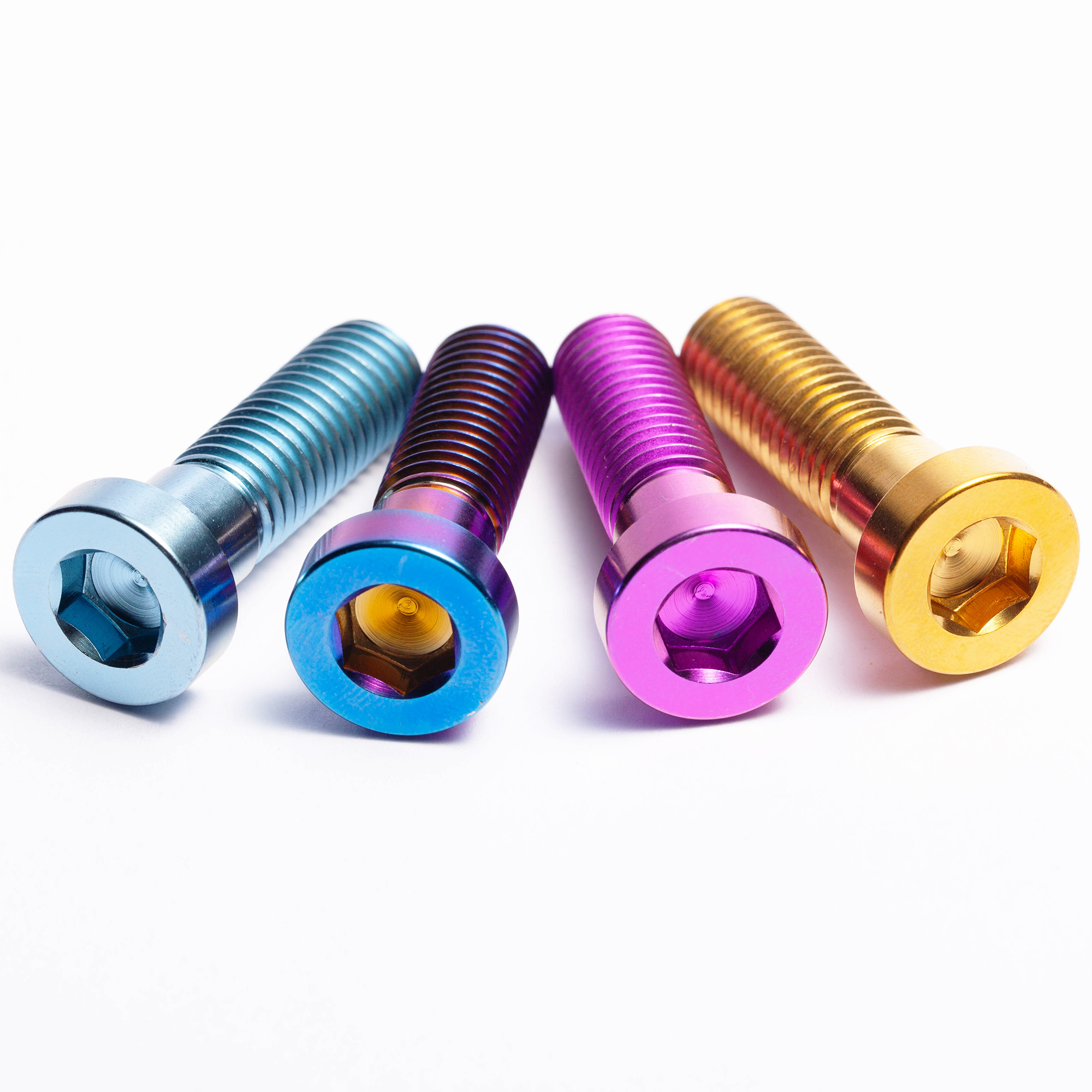
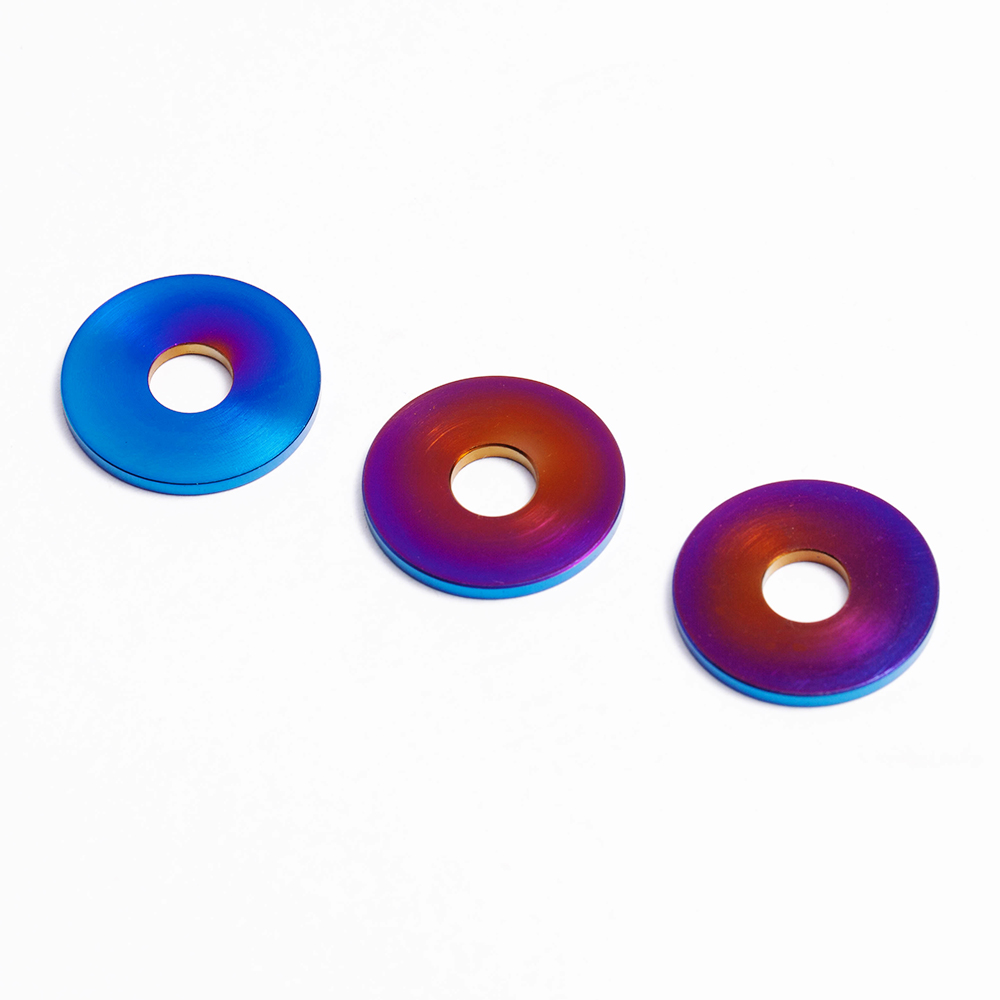
Modern Slovak manufacturing operations are rapidly transitioning toward electrified mobility (EV) and lightweight autonomous transport. In high-performance battery pack enclosures, localized galvanic corrosion and structural thermal expansion can induce catastrophic module failures. Uncoated stainless steel fasteners exposed to road de-icing salts (common in Danube Valley winters) and road moisture cause electrolytic decay when in direct contact with lightweight structural alloys. Titanium naturally passivates, forming an impervious, self-healing Titanium Dioxide (TiO₂) nanometer film that guarantees complete galvanic inertness and stress-corrosion immunity. Furthermore, Wexra’s integrated anodizing line permits exact stoichiometric oxide tuning—producing distinct electrochemical colors including violet, burnt blue, and gold—enabling fail-safe color coding for high-voltage and load-specific assemblies on the factory floor without introducing dimensional coating buildup.
| Material Designation | Tensile Strength (MPa) | Density (g/cm³) | Specific Strength (kN·m/kg) | Fatigue & Shear Limit | Bratislava Localized Use Case |
|---|---|---|---|---|---|
| Titanium Gr5 (Ti-6Al-4V) | 895 – 1100 | 4.43 | 202 - 248 (Highest) | Exceptional (Rolled Threads) | Brake calipers, unsprung wheel hubs, suspension links |
| Titanium Gr2 (Pure) | 345 – 480 | 4.51 | 76 - 106 | Moderate Clamping | Chemical immersion, exhaust bungs, corrosion hardware |
| Structural Steel 10.9 | 1040 | 7.85 | 132 | High (Heavy Mass) | Heavy structural joints (corrosion-vulnerable) |
| Stainless 304 / A2-70 | 500 – 700 | 7.93 | 63 - 88 | Prone to Galling / Shear | Standard enclosures (excessive dead weight) |
Custom-machined titanium components tailored to the exact performance benchmarks of Bratislava's most prominent industrial supply chains.
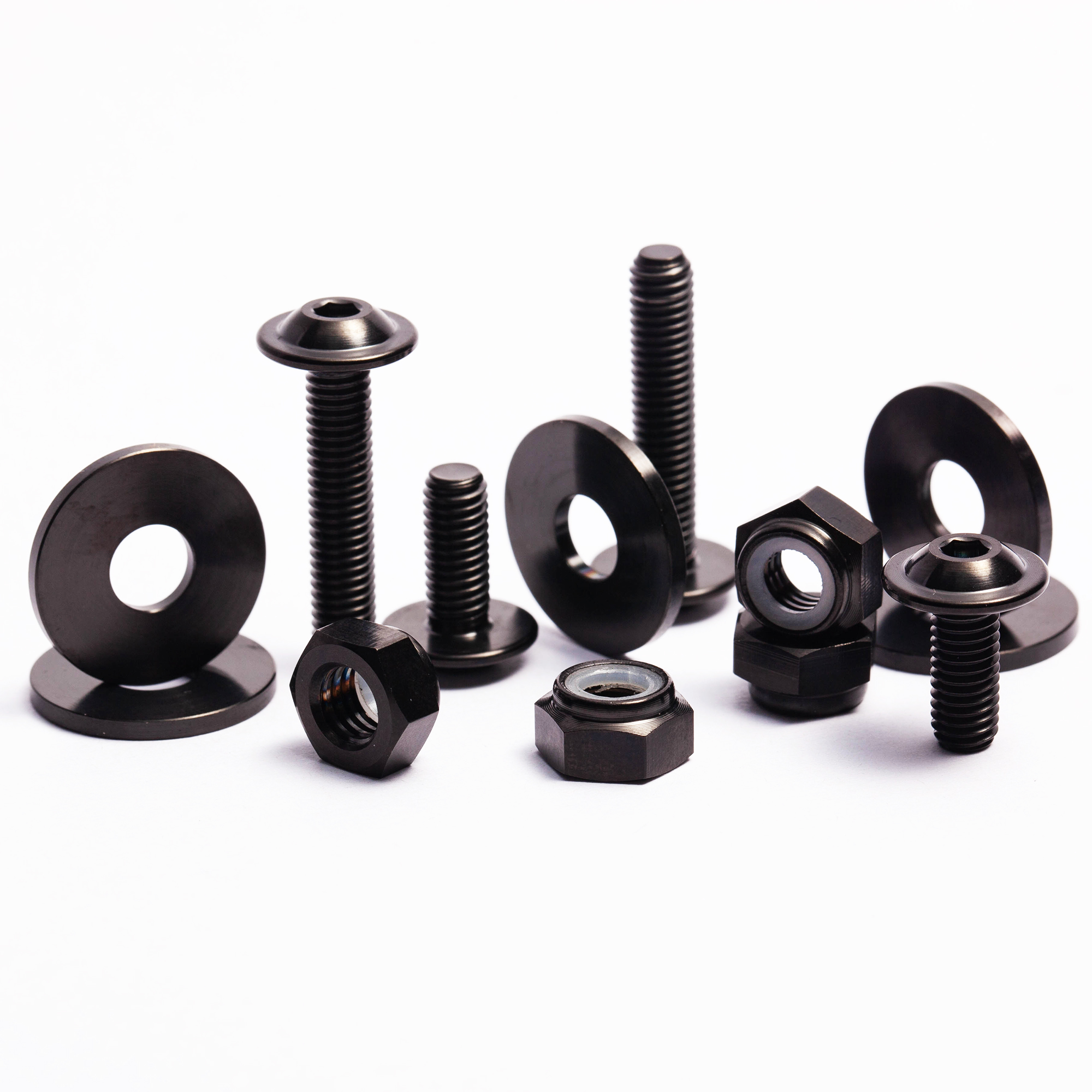
In Devínska Nová Ves and the Lozorno automotive cluster, high-tier chassis and hyper-EV setups utilize our Gr5 stepped Torx bolts and flange nuts to shed crucial unsprung mass, reducing gyroscopic inertia at wheel hubs and brake calipers by up to 45% compared to steel.
Bratislava’s expanding automated robotic cells and mechatronic integrators deploy our custom-milled low-profile DIN 6912 socket bolts and spacer sleeves in high-cycle pick-and-place end-effectors, where reducing mass translates directly into lower motor wear and higher acceleration.
Refineries, chemical processing installations along the Danube river corridor, and cryogenic testing labs employ our Grade 2 pure titanium fittings and laser-cut flange blanks for their indefinite resistance to chlorides, brackish water, and hydrocarbon catalysts.
Navigating the shift toward near-tolerance outsourcing, full ESG compliance, and zero-defect direct imports.
Procurement patterns across Central Europe (Slovakia, Czechia, Poland, and Austria) have shifted decidedly away from passive catalog distribution toward direct-from-manufacturer collaborative engineering. Supply chain vulnerabilities exposed over recent years have prompted Slovak Chief Technology Officers and Supply Chain Heads to enforce three core prerequisites when qualifying overseas manufacturers:
1. Direct Digital Thread & Rapid Prototyping: Slovak engineering firms no longer accept 12-week prototyping latency. Wexra’s rapid DFM (Design for Manufacturability) protocol evaluates STEP, IGES, and CAD files within 8 business hours, generating simulation-backed toolpath strategies that permit 5-axis machining of prototype runs within 7 days, air-dispatched directly to M. R. Štefánik Airport or Vienna International for immediate trial validation.
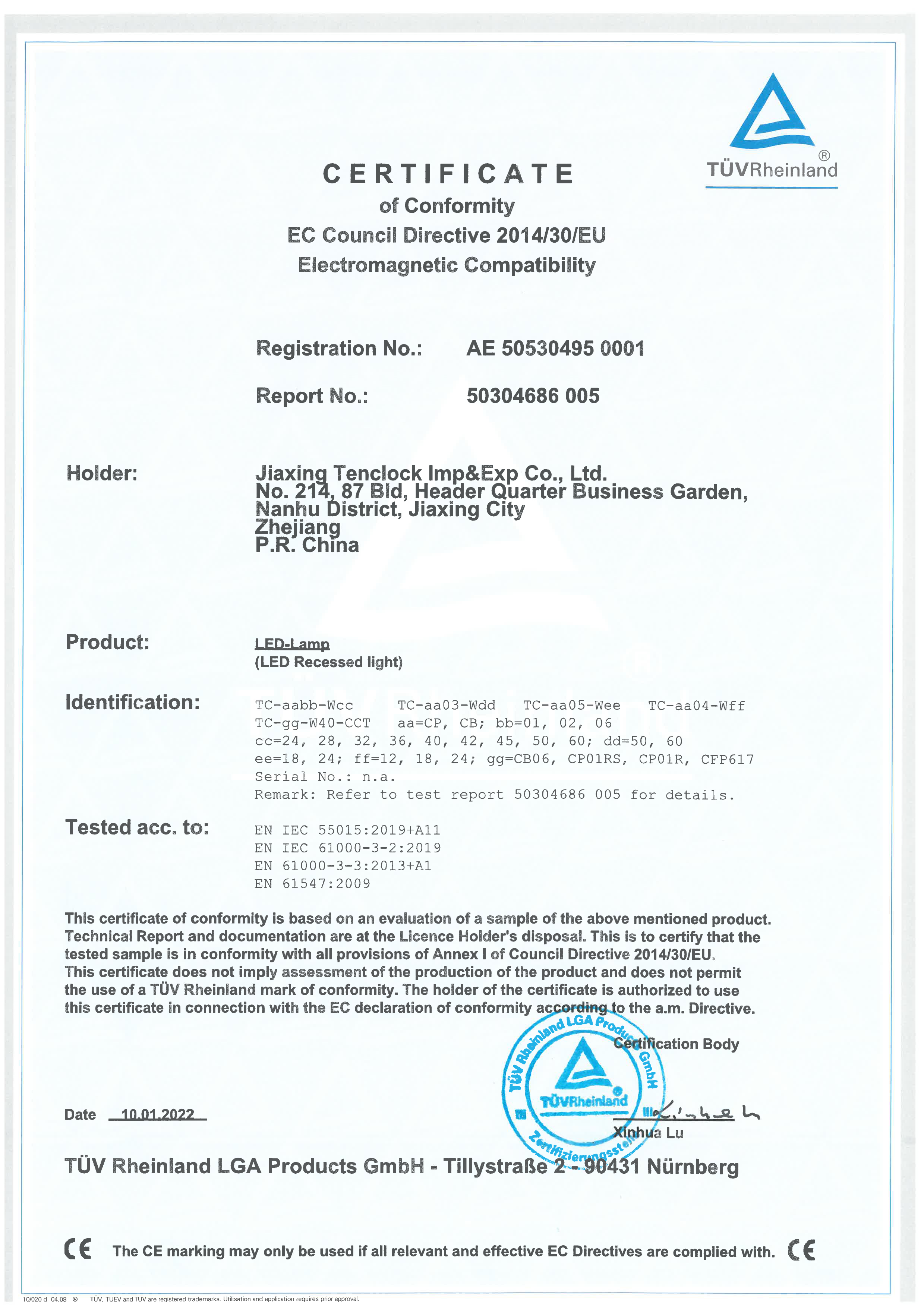
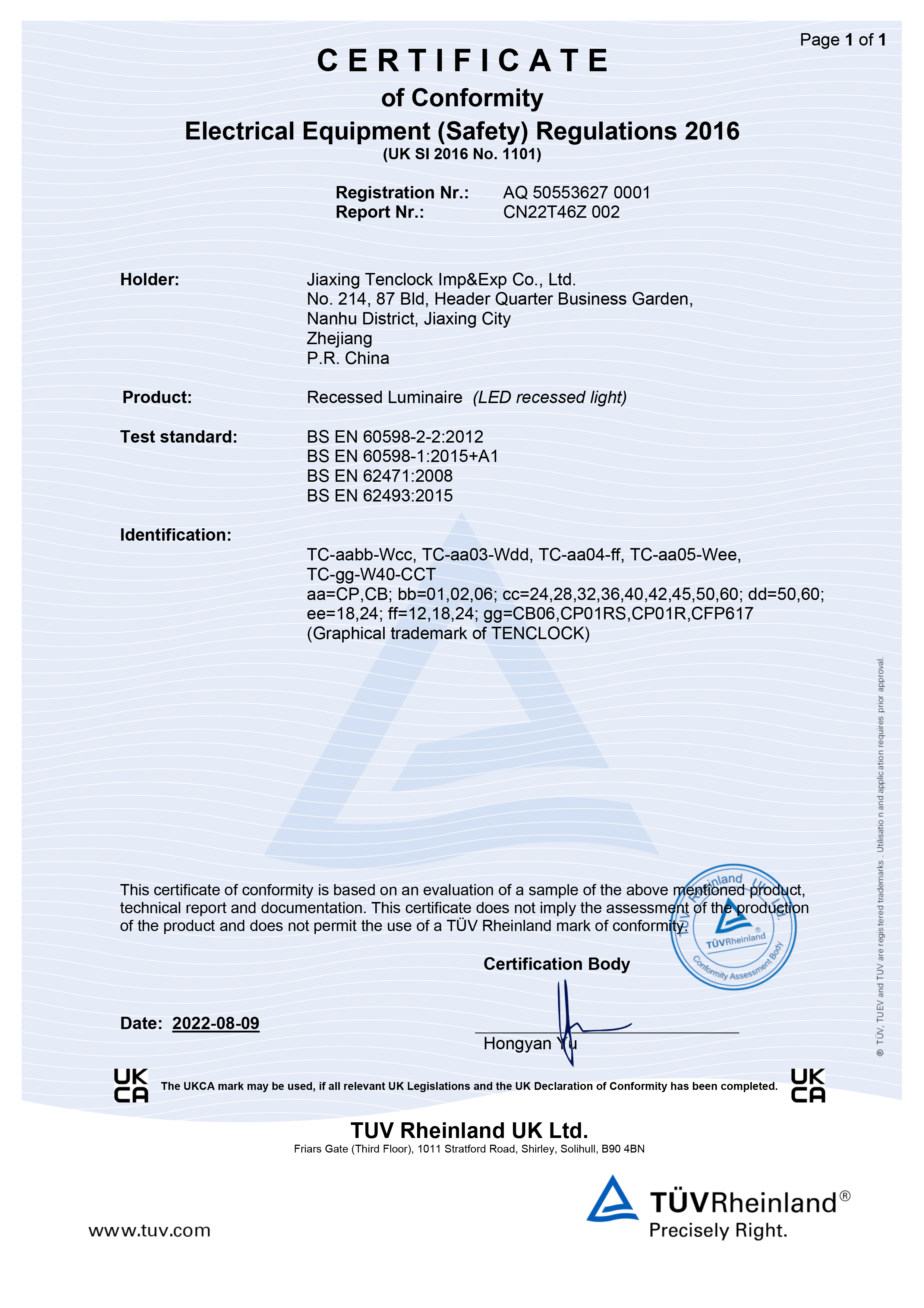
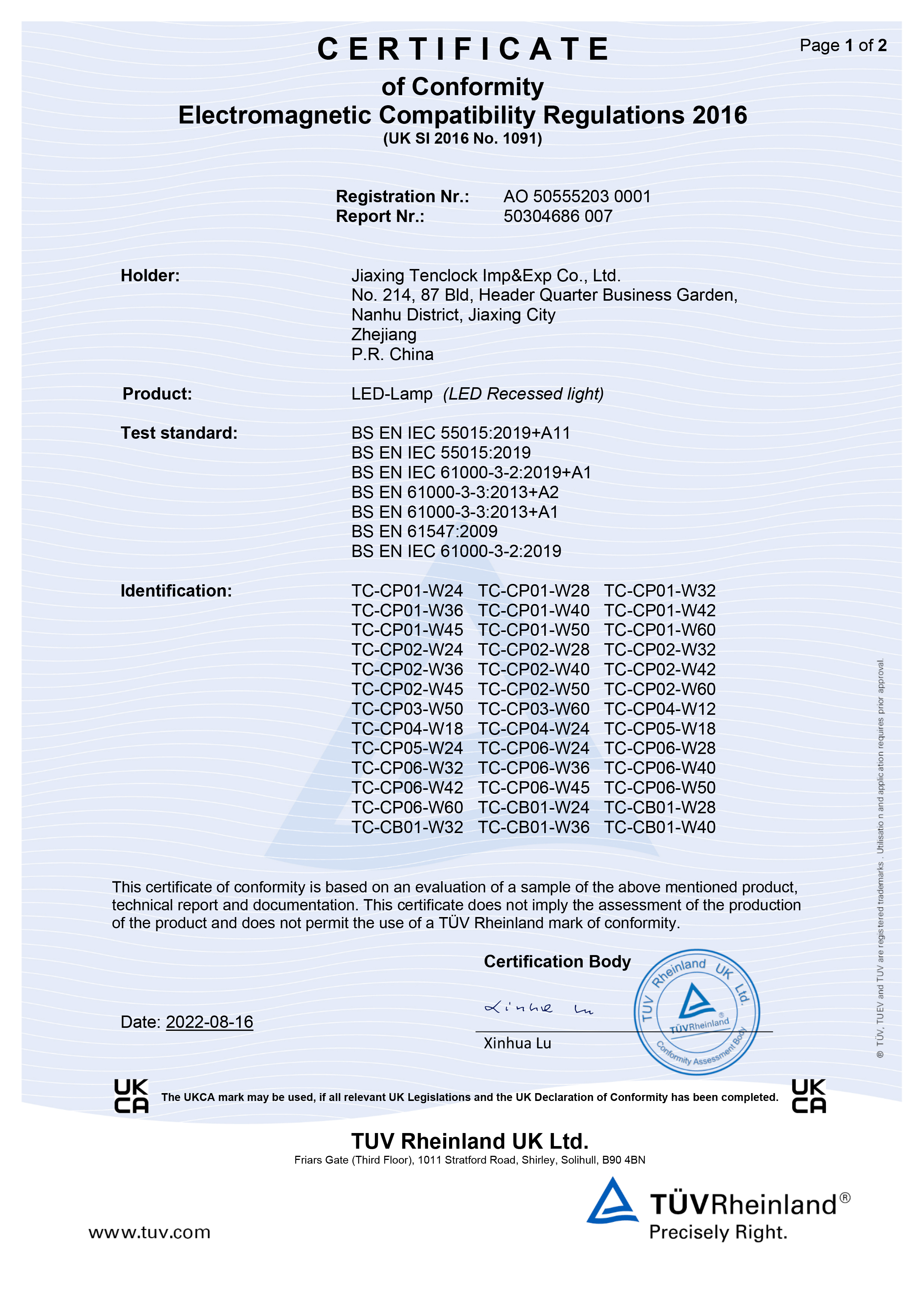
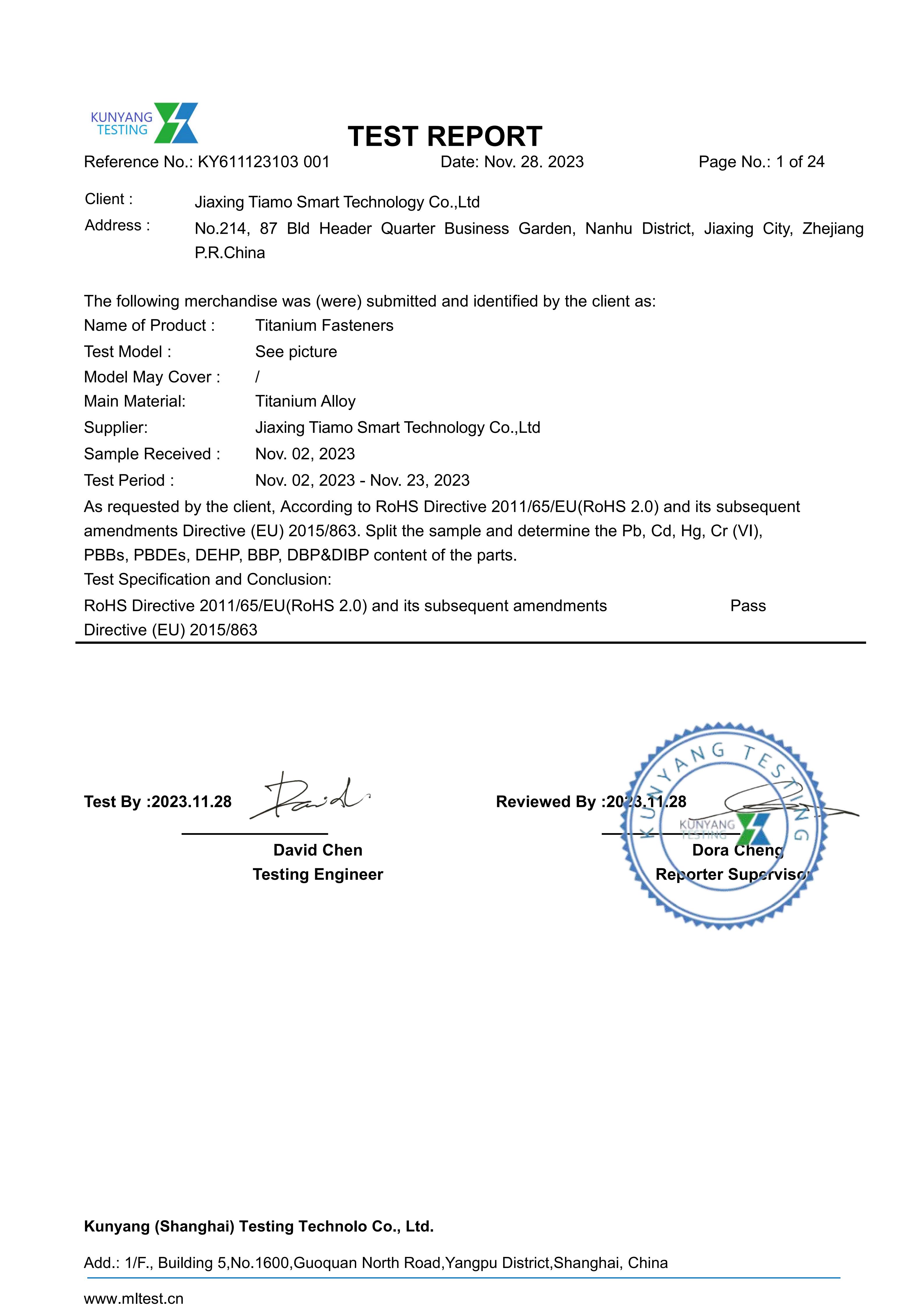
2. Absolute Carbon Footprint & ESG Documentation: As part of the European Green Deal and Slovak circular economy mandates, Tier-1 and Tier-2 suppliers must declare total scope-3 greenhouse emissions and verify material traceability. Wexra ensures all raw bar stocks originate from certified sponge titanium producers under ISO 9001:2015 frameworks, eliminating hazardous heavy metal traces and certifying full RoHS and EU-REACH chemical compliance.
3. Thread Galling Elimination via Controlled Finishing: A historical reluctance among European mechanics to adopt titanium hardware was thread galling—cold pressure welding under dynamic torque. Wexra solves this through micro-finish surface polishing down to Ra 0.4 µm followed by specialized dry-film micro-coatings or hard anodization, drastically stabilizing friction coefficients (µ) to match standard steel torque tables without seizing risks.
Combining vertically integrated raw material supply, high-speed multi-axis CNC machines, and uncompromising Western export documentation.
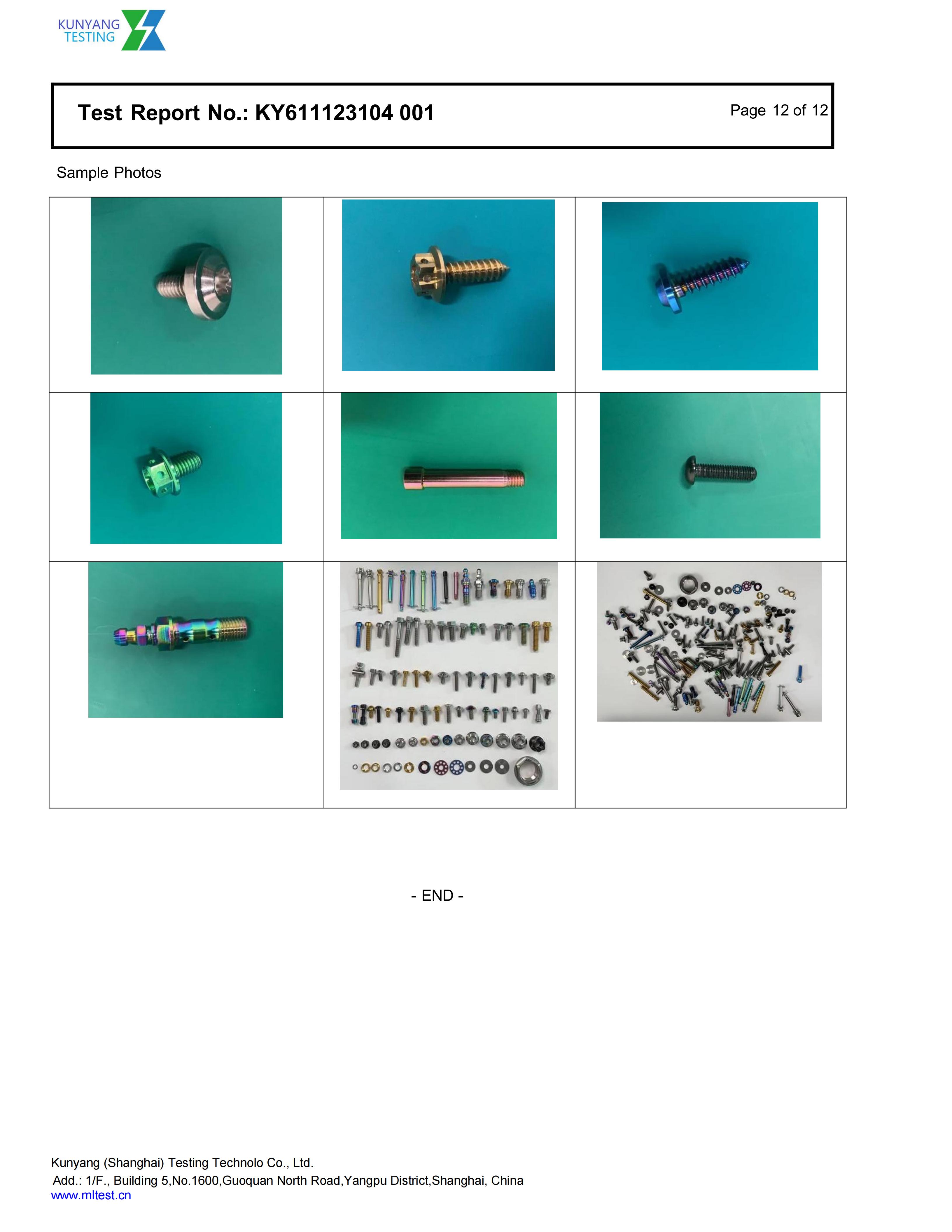
From initial sponge ingestion to finished thread micrometer inspection, our 1000+ m² Jiaxing manufacturing facility maintains comprehensive lot-level traceability, providing Mill Test Certificates (EN 10204 3.1) and complete chemical assays with every delivery.
We do not cut critical threads. Wexra implements hydraulic cold thread rolling dies, producing superior grain density, pristine micro-finishes, and zero micro-notches, effectively doubling fatigue life under severe high-RPM motorcycle and motorsport cycles.
Serving core European buyers across Germany, the UK, and Central Europe, we manage turn-key customs declarations, EU EPR-compliant protective packaging, and fast door-to-door courier freight via DHL/FedEx Express directly to facilities in Bratislava, Trnava, and Žilina.
Clear, technical, and regulatory answers addressing real-world purchasing inquiries for precision titanium components.
We source 100% prime virgin titanium sponge that undergoes vacuum arc remelting (VAR). Every single batch is physically cross-checked via Optical Emission Spectrometry (OES) to guarantee aluminum (5.5–6.75%) and vanadium (3.5–4.5%) boundaries under ASTM B348 / AMS 4928 standards. Comprehensive 3.1 Material Test Certificates (MTC) stating actual chemical composition and mechanical tensile limits accompany each production run sent to your Slovak facility.
For custom CNC turning and milling orders, initial sample prototypes are machined and surface-finished in 7 to 10 working days. Mass volume batches (5,000 to 50,000 units) require 20 to 25 days depending on thread rolling and anodizing complexity. Express air consignments to Bratislava Airport (BTS) or Vienna Schwechat (VIE) arrive within 4 to 6 business days via DHL/FedEx, with full customs clearance support under DDP terms.
In approximately 90% of dynamic mechanical assemblies, yes. Grade 5 titanium exhibits a minimum tensile strength of 895–1000 MPa, very close to Class 10.9 steel (1040 MPa), while shedding ~44% of total weight. However, because titanium’s modulus of elasticity is roughly half that of steel (~114 GPa vs ~210 GPa), our engineering team conducts joint-stiffness evaluations to recommend appropriate pre-load torque specifications and anti-seize lubricants to prevent galling during automated high-speed torque assembly.
Unlike aluminum anodizing which builds up a thick dimensional oxide layer (10–25 µm), titanium anodization is an electrolytic color conversion process that generates an interference oxide layer measuring only a few nanometers in thickness. It produces no measurable dimensional change on pitch diameter, ensuring 100% compliance with 6g / 6H thread gauge tolerances.
To support Slovak prototyping initiatives and tier-level R&D, we offer flexible MOQ levels starting at just 50 to 100 pieces for bespoke custom-turned parts, and as low as single assembly sets for trial validation. For standard DIN metric bolts, bulk orders start at 500 pieces per dimensional spec.