Specialized Titanium Suspension & Dynamic Chassis Fasteners
Precision-milled from aerospace-certified Ti-6Al-4V Grade 5 titanium bar stock to withstand extreme vertical shock loads, heavy lateral cornering G-forces, and severe chemical de-icing attack along the E18 corridor.
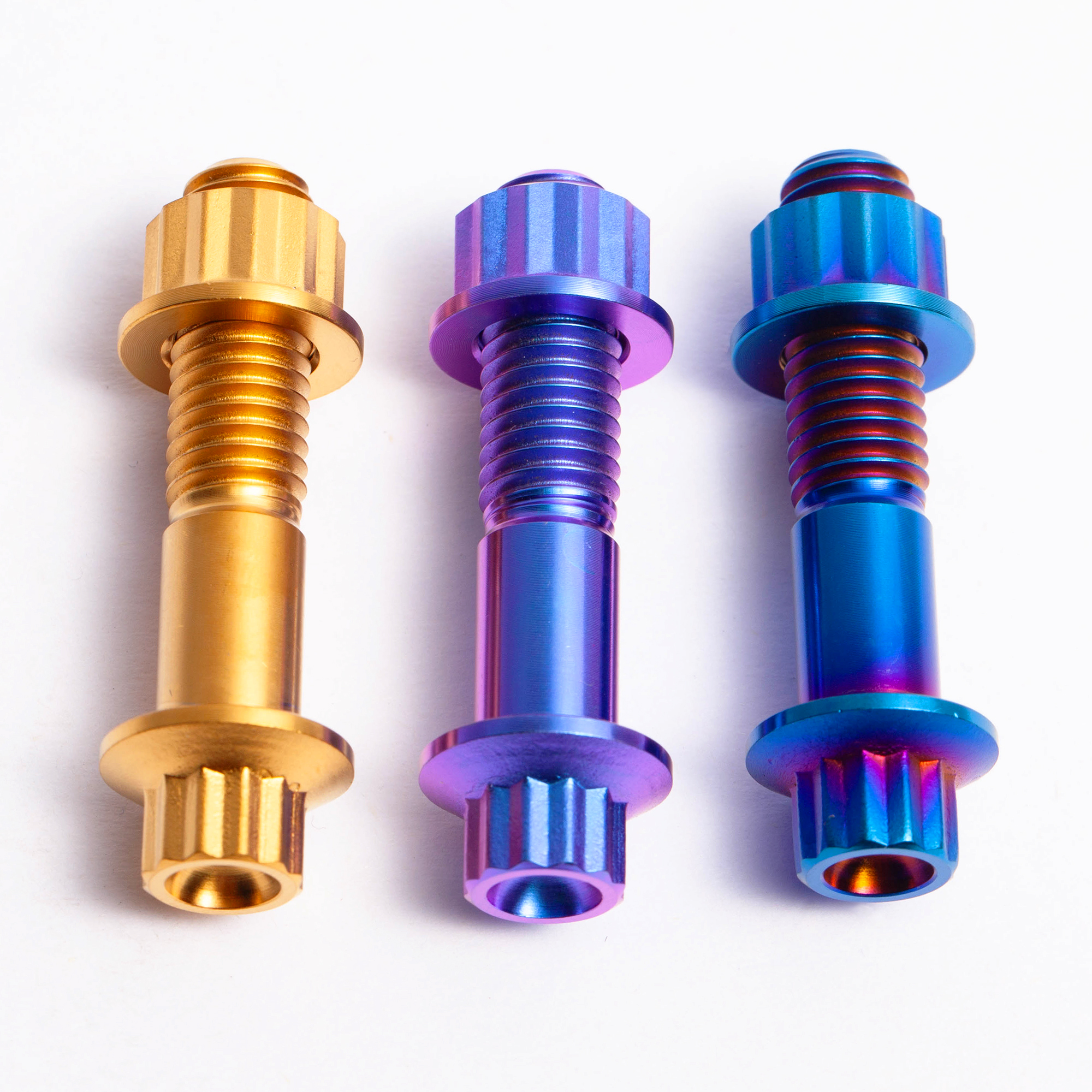
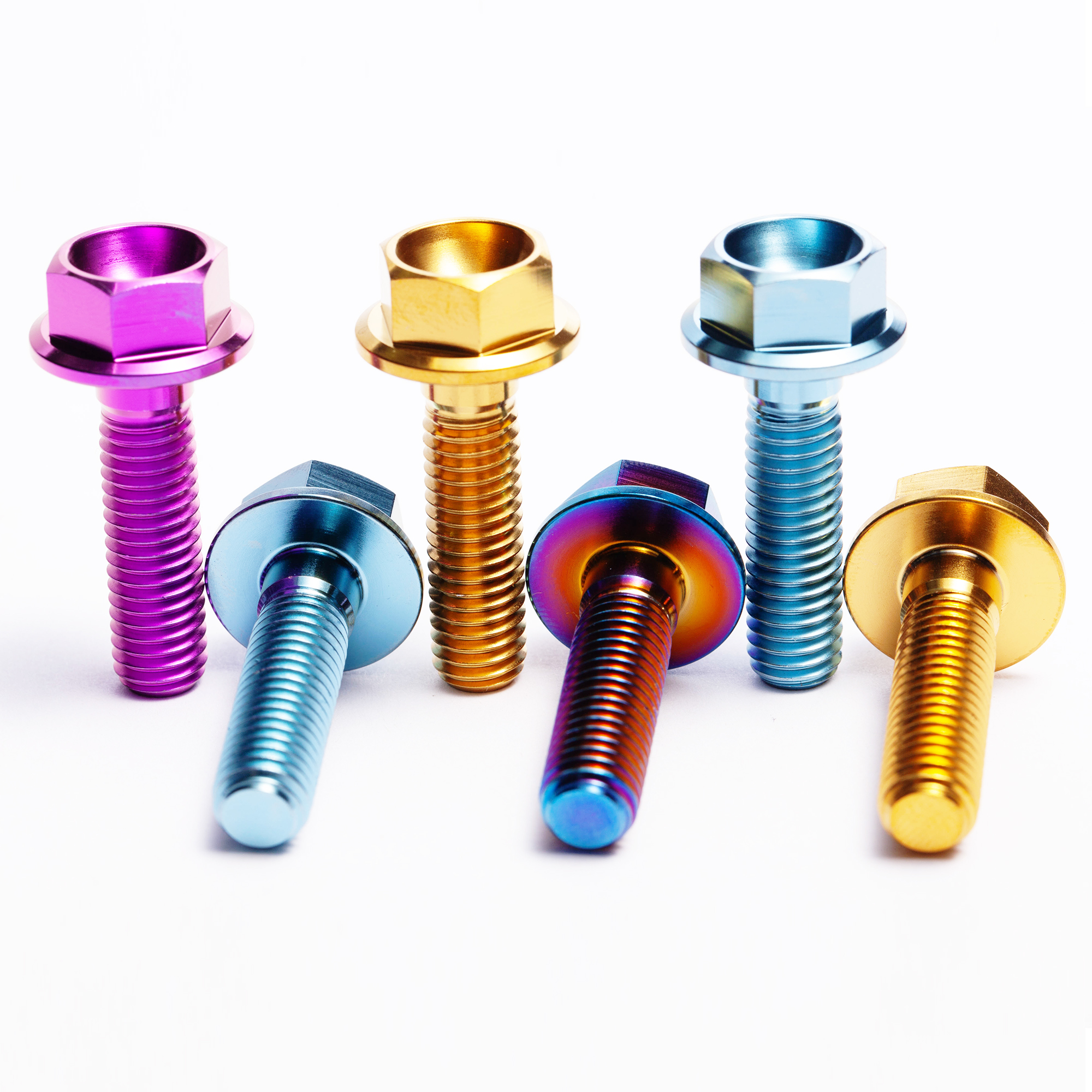
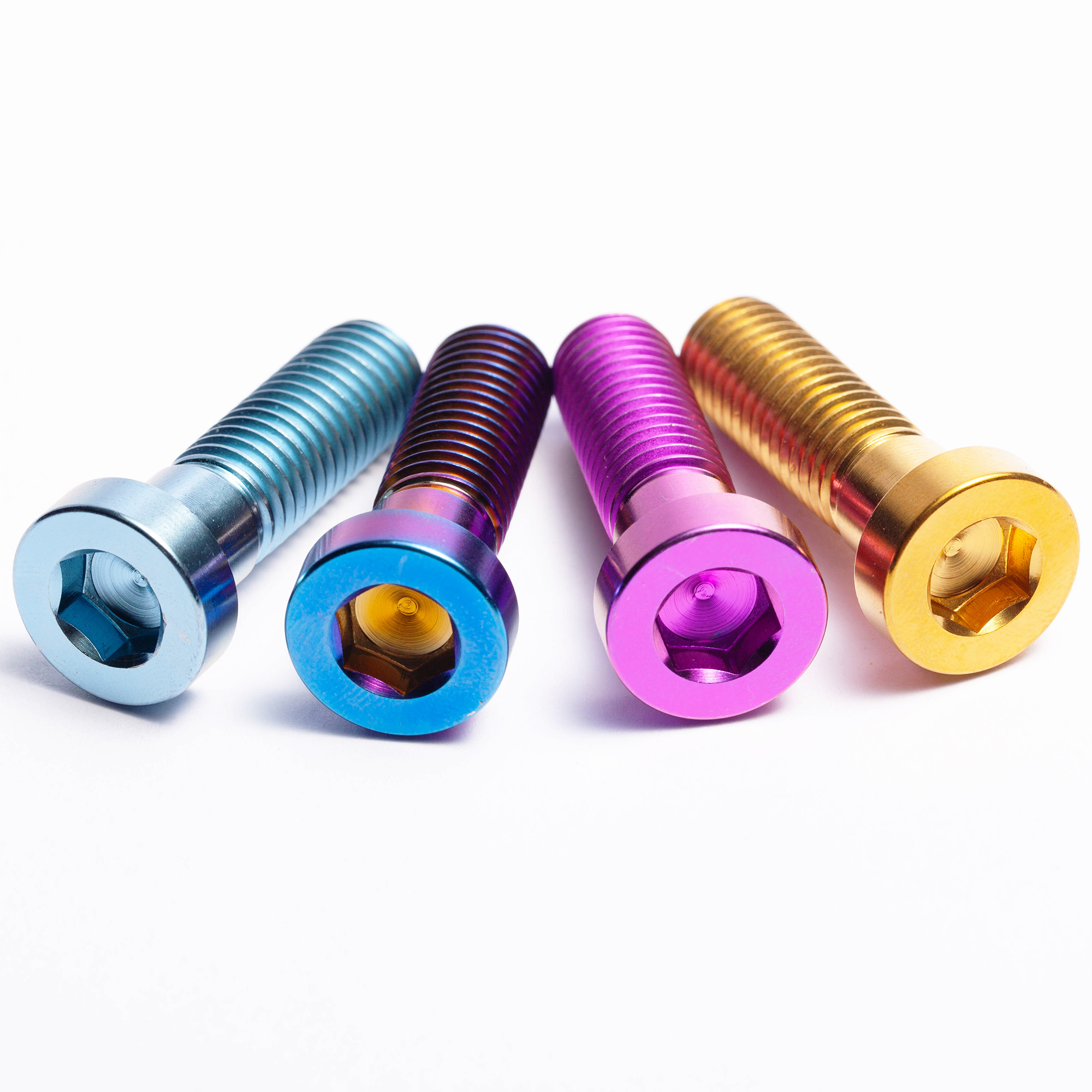
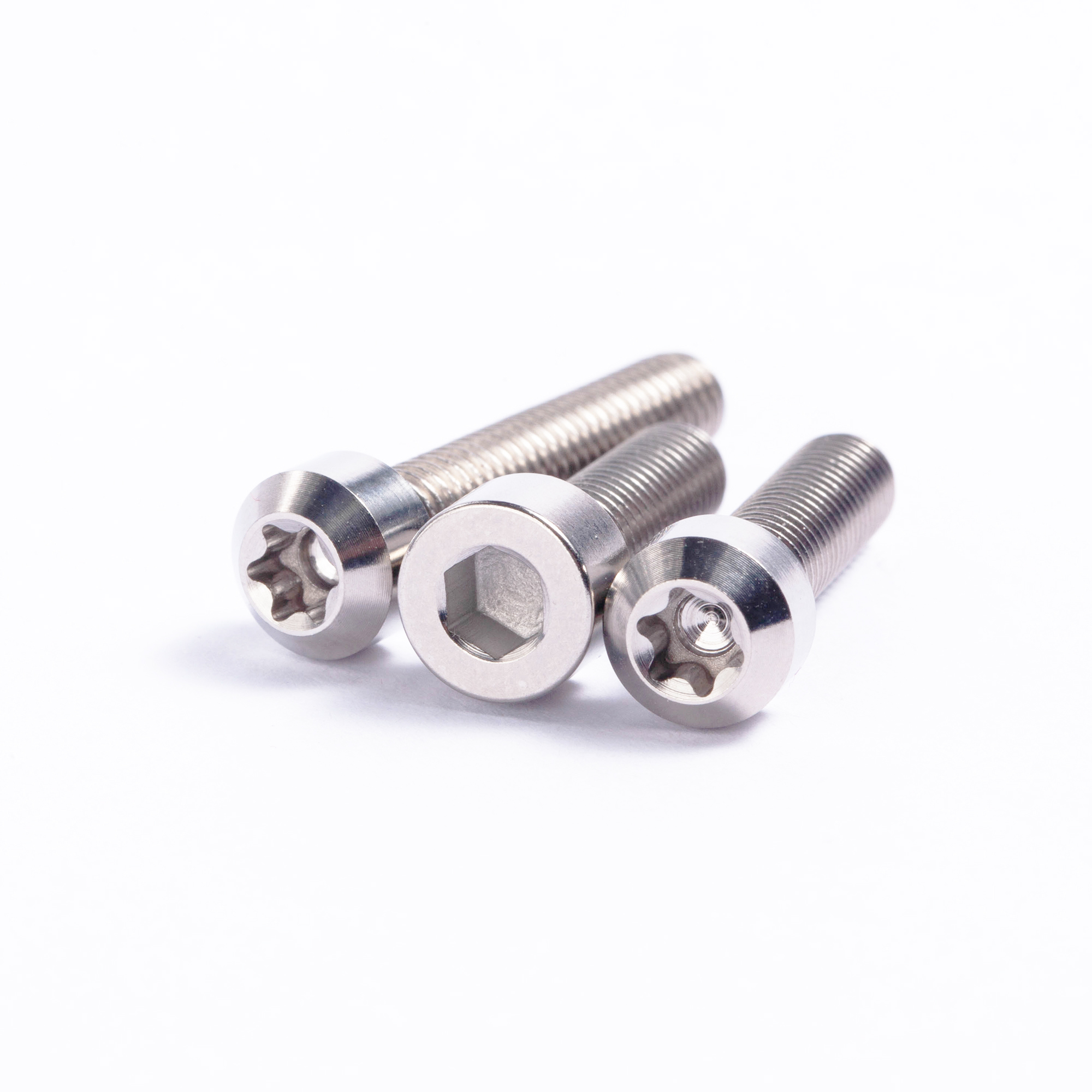
Structural Metallurgy of Titanium Suspension Systems in Drammen's Automotive Corridor
As the primary automotive import nexus of Norway, the Port of Drammen (Drammen Havn) processes upward of 70% of all passenger cars, electric vehicles (EVs), and commercial utility transports entering the Kingdom. This concentration of automotive logistics coincides with one of Northern Europe's most aggressive operating environments: extreme sub-zero cycloid winter climates, intensive magnesium chloride road brine deposition, and high mechanical shock cycles caused by frost-heaved pavement. For Tier-1 suspension assemblers, custom motorsport workshops, and electric mobility retrofitteurs based in Drammen and the greater Viken administrative region, migrating critical unsprung suspension components from conventional carbon steel to high-tensile Ti-6Al-4V Grade 5 titanium represents a decisive technological pivot.
1. The Dynamic Structural Challenge: Heavy Battery Enclosures & Dynamic Suspension Deflection
Norway leads global automotive electrification, with battery electric vehicles (BEVs) accounting for nearly 90% of newly registered passenger vehicles rolling through Drammen’s discharge terminals. However, the presence of structural lithium-ion traction packs increases total vehicular curb weight by 350 kg to 600 kg compared to equivalent internal combustion chassis. This structural mass concentrates dynamic loading across the lower control arms, tie rods, roll bar linkages, and strut tower mounting pivots.
Under continuous cornering along the serpentine fjords and undulating inclines of Eastern Norway (Østlandet), OEM carbon steel suspension bolts (Property Class 8.8 or 10.9) experience severe multiaxial cyclic shear and localized bending fatigue. Our factory manufactures cold-worked and CNC-machined Grade 5 Titanium suspension hardware with a minimum tensile yield strength of 895 MPa to 960 MPa. By leveraging the superior specific strength of Ti-6Al-4V (yield strength divided by density of ~200 kN·m/kg versus ~125 kN·m/kg for high-strength steel), suspension architects achieve high safety factors while drastically reducing structural mass at the wheel assembly.
2. Halide-Resistant Passivation vs. Coastal Norwegian Chemical Brine
Winter maintenance across the Statens vegvesen road network surrounding Drammen (specifically the E18 and E134 corridors) relies heavily on liquid de-icing agents composed of dissolved sodium chloride ($NaCl$), calcium chloride ($CaCl_2$), and magnesium chloride ($MgCl_2$). When atomized by rolling tires, this chemical slurry penetrates ball-joint housings, damper eyelets, and subframe attachment recesses, triggering aggressive crevice corrosion and galvanic oxidation on zinc-plated or Dacromet-coated alloy steel bolts.
In contrast, Grade 5 Titanium forms an instantaneous, thermodynamically stable, and self-healing titanium dioxide ($TiO_2$) passivating oxide layer. This native ceramic film renders Wexra titanium components chemically inert to chloride ion penetration ($Cl^-$), completely preventing the catastrophic pitting and intergranular stress corrosion cracking that commonly plagues standard steel fasteners in Drammen's coastal microclimate. Furthermore, titanium exhibits zero risk of hydrogen embrittlement during acid-wash decontamination or electro-chemical plating cycles—a critical reliability consideration for high-load suspension pins and camber eccentric bolts.
| Alloy Specification | Density (g/cm³) | Tensile Yield (MPa) | Modulus (GPa) | Resistance to Salt Brine | Sub-Zero Ductility (-30°C) |
|---|---|---|---|---|---|
| Wexra Ti-6Al-4V Gr5 | 4.43 | 895 – 960 | 114 | Immune / Infinite Life | High Charpy Impact (HCP) |
| Alloy Steel Class 10.9 | 7.85 | 900 – 940 | 205 | Rapid Pitting & Rust | Ductile-Brittle Transition |
| Stainless Steel A4-80 | 7.95 | 600 – 650 | 196 | Moderate (Crevice Prone) | Ductile (Austenitic) |
| Aircraft Al 7075-T6 | 2.81 | 505 | 72 | Exfoliation Corrosion | Moderate Notch Sensitivity |
3. Unsprung Mass Dynamics & Sub-Zero Nordic Cryogenic Fracture Toughness
Minimizing unsprung mass—the combined weight of hubs, knuckle assemblies, brake calipers, dampers, and linkage fasteners—is essential for optimizing wheel tracking on washboard road surfaces common during Nordic thaw-freeze transitions. Replacing steel suspension hardware with Grade 5 Titanium delivers an immediate 44% reduction in fastener weight. Because titanium possesses a lower modulus of elasticity (~114 GPa versus ~205 GPa for steel), it displays superior mechanical compliance. Under high-impact road shocks, titanium fasteners act as micro-elastic dampers, distributing kinetic energy spikes and lowering peak stress concentrations transmitted into cast aluminum knuckle hubs and carbon-fiber subframe mounts.
Crucially for Drammen and Buskerud operating conditions, ferritic automotive steels exhibit a sharp Ductile-to-Brittle Transition Temperature (DBTT) around -10°C to -25°C, where impact toughness plummets and brittle cleavage fracture can trigger sudden failure under shock loads. In contrast, the hexagonal close-packed (HCP) alpha crystalline lattice of Ti-6Al-4V Grade 5 maintains high fracture toughness ($K_{1C} \approx 50\text{--}75\text{ MPa}\cdot\text{m}^{1/2}$) and ductile behavior down to cryogenic temperatures well below -60°C, ensuring flawless chassis integrity throughout severe Nordic winters.
Localized Use Cases Across Drammen's Automotive & Industrial Sectors
From portside logistics fleets to competitive Scandinavian rallycross, our titanium suspension and chassis hardware delivers performance, longevity, and metallurgical resilience.
High-Load EV Retrofits & Fleet Remediation
Logistics operators handling EV distribution centers in Drammen utilize our M12–M16 Grade 5 titanium subframe bolts and control-arm pins to prevent recurring stress corrosion cracking and bolt stretching on heavy commercial battery chassis operating on coastal delivery routes.
Nordic Motorsport & Track Day Chassis Tuning
High-performance engineering teams and rallycross constructors frequenting the nearby Rudskogen Motorsenter and Vålerbanen circuits rely on our lightweight titanium strut studs, wishbone pins, and anti-roll bar end-links to shave unsprung lap weight while resisting severe kerb strikes.
Harbor Cranes, Heavy Rigs & Marine Shifters
The Port of Drammen's maritime container terminals subject heavy container straddle carriers, ro-ro terminal tractors, and low-bed car transport trailers to constant saltwater mist. Our bespoke CNC titanium suspension pivot pins ensure continuous duty without maintenance down-time.
Key Procurement Trends Shaping the Drammen Industrial Basin
How forward-thinking Norwegian chassis fabricators, port logistics managers, and tier suppliers are reshaping material procurement for long-term sustainability and reliability.
Lifecycle Decarbonization & Circular LCA
Norwegian public fleet and private enterprise tenders increasingly mandate full Life Cycle Assessment (LCA) compliance. Titanium's virtually indefinite service life eliminates repeated component replacements and rust mitigation treatments, generating a substantially smaller 20-year carbon and material footprint compared to short-lived galvanized steels.
Strict Tolerance Demands for Automated Assembly
As advanced automotive conversion centers around Drammen integrate robotic torque-angle monitoring and automated subframe assembly, dimensional precision of ±0.01 mm on titanium fastener heads and rolled threads eliminates cross-threading, galling, and unexpected bolt tension relaxation.
Direct OEM & Tier-1 Sino-Nordic Logistics
Norwegian engineering buyers are bypassing high-margin European intermediary distributors in favor of direct, ISO 9001-certified Chinese factory partnerships that offer mill-test certified Ti-6Al-4V stock, custom technical drawings processing, and expedited sea/air freight directly to Drammen.
Why Norwegian B2B Procurement Chooses Jiaxing Wexra Titanium
Decades of specialized titanium metallurgy, comprehensive in-house CNC turning, thread rolling, and rigorous batch traceability trusted across North America, Europe, and the Nordic countries.
Certified Raw Stock Traceability
100% pure Grade 5 (Ti-6Al-4V) and Grade 2 titanium sourced from premier vacuum arc remelting mills. Every batch is supplied with an authentic EN 10204 3.1 chemical & physical MTC.
Precision Rolled Threads
Unlike cheaper machined threads that cut grain flow, our threads are rolled under high pressure. This continuous grain boundary flow enhances fatigue life by up to 300% under severe cyclic chassis deflection.
ISO 9001:2015 Compliance
Integrated quality assurance protocols featuring multi-axis CMM inspection, optical comparator thread profile scanning, torque-tension testing, and automated defect rejection.
Seamless Global Supply Chain
Direct air-express and maritime container shipping lines linked into Oslo and Drammen ports. DDP delivery terms, clear customs clearance documentation, and responsive European-time engineering support.
Drammen Automotive Sourcing FAQ: Titanium Suspension Components
Direct metallurgical and operational answers for chassis development engineers, motorsport builders, and procurement officers.
How do Grade 5 (Ti-6Al-4V) titanium suspension bolts compare directly with Grade 10.9 steel hardware?
Grade 5 Titanium provides a minimum tensile yield strength of 895–960 MPa and an ultimate tensile strength exceeding 950–1000 MPa, matching Property Class 10.9 steel (900 MPa yield, 1040 MPa ultimate). However, Grade 5 titanium boasts a density of just 4.43 g/cm³ compared to 7.85 g/cm³ for alloy steel, delivering an immediate 44% to 45% weight savings. Additionally, Grade 5 titanium does not undergo brittle transition down to sub-zero Nordic temperatures and is completely immune to chloride salt-spray pitting, whereas zinc-plated 10.9 steel relies on thin coatings that degrade within 1–2 winter seasons in Drammen.
Does titanium cause galvanic corrosion when mated with aluminum suspension uprights or carbon fiber monocoques?
When in contact with carbon fiber reinforced polymers (CFRP), titanium is the industry-standard fastener material because its noble electrochemical potential is nearly identical to carbon, completely eliminating the severe galvanic corrosion that occurs when steel or aluminum fasteners contact bare carbon fibers. When bolting into cast or forged aluminum knuckles (such as 6082-T6 or A356-T6), titanium acts as the cathode. To prevent minor galvanic acceleration on the aluminum in the presence of conductive Norwegian road salt slurry, we recommend applying an anti-corrosion barrier such as high-grade nickel anti-seize paste, ceramic assembly lubricant, or our specialized PVD/fluoropolymer coated titanium fastener variants.
How do we prevent thread galling (cold welding) during high-torque suspension assembly?
Thread galling occurs when friction breaks down the microscopic oxide film between contacting titanium threads under high compressive loads. Wexra eliminates this risk through two core strategies: First, all our suspension threads are manufactured using precision cold thread-rolling rather than machining, producing an ultra-smooth surface finish with minimal microscopic asperities. Second, we recommend or supply specialized molybdenum disulfide ($MoS_2$), copper, or synthetic anti-seize paste during installation. Furthermore, for critical multi-link installations, our micro-anodized or PVD-treated bolt threads maintain low, uniform friction coefficients ($\mu \approx 0.12\text{--}0.15$), ensuring predictable preload tension without binding.
What quality assurance certificates accompany shipments delivered to Drammen?
Every commercial and custom batch is manufactured under our ISO 9001:2015 certified quality system. We supply comprehensive Mill Test Certificates (MTC) conforming to EN 10204 3.1, detailing the precise chemical composition (including interstitial oxygen, nitrogen, and hydrogen limits) and mechanical tensile testing properties. Additional compliance reports include RoHS, REACH, dimensional inspection certificates measured via CMM, and ultrasonic flaw detection reports for high-stress suspension linkage pins.
What are the typical lead times, minimum order quantities (MOQ), and shipping channels to Drammen?
For standard metric DIN/ISO suspension bolts and wheel nuts kept in stock, orders ship within 48 to 72 hours via air express (DHL/FedEx/UPS), arriving at Drammen addresses in 4–7 business days. For custom OEM CNC components produced to customer drawings or samples, prototype batches typically take 10–15 days, with full production runs completing in 20–30 days. We support low-volume high-mix prototyping (MOQ as low as 50–100 units for custom parts) as well as containerized maritime logistics delivering directly into Drammen Havn or Oslo port under DDP (Delivered Duty Paid) terms.
Upgrade Your Suspension Engineering with Titanium Precision
Whether you require standard high-tensile Gr5 suspension bolts or bespoke CNC-machined control arm pivot pins for demanding Scandinavian road and track conditions, our technical team provides immediate CAD review, DFM consultation, and competitive direct-factory pricing.