High-Integrity Titanium Suspension & Kinematic Fasteners
Engineered to replace failure-prone alloy steels in unsprung mass assemblies. Each part is hot-forged, precision CNC turned to ±0.01 mm, and thread-rolled for extreme dynamic fatigue endurance.
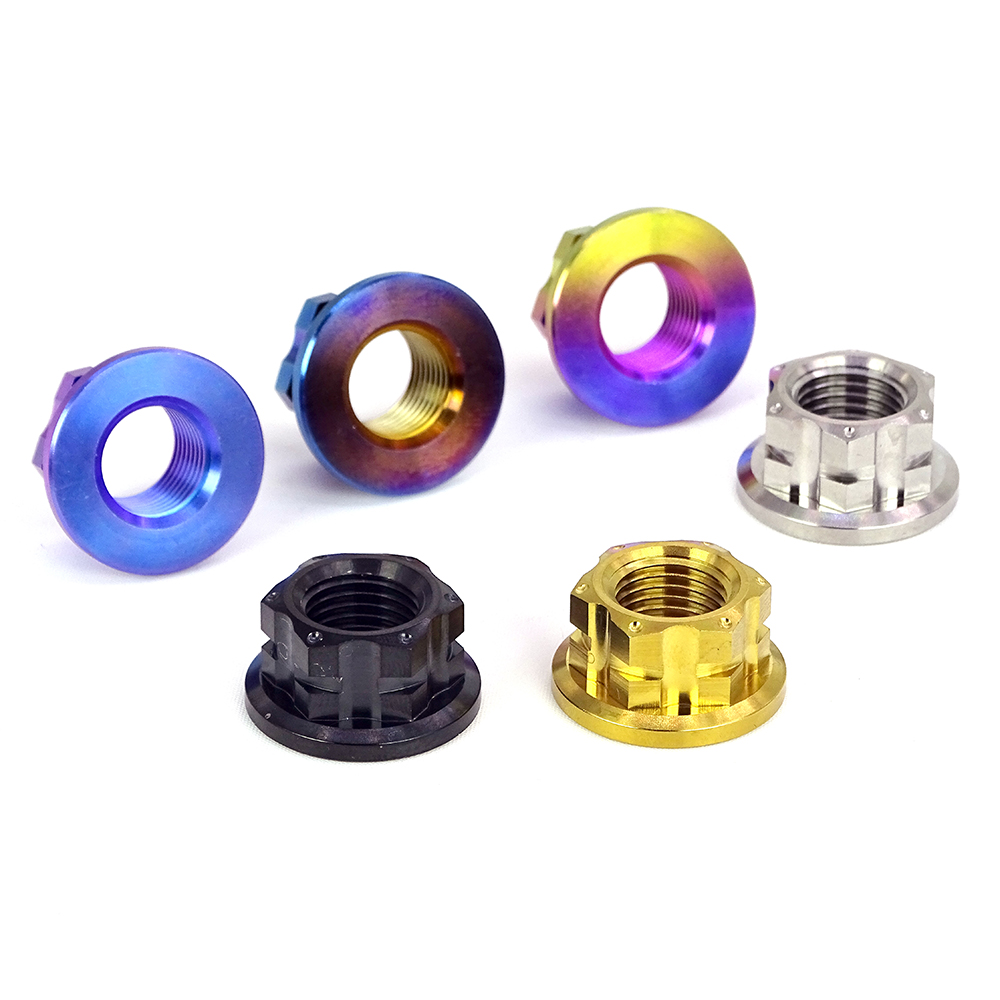
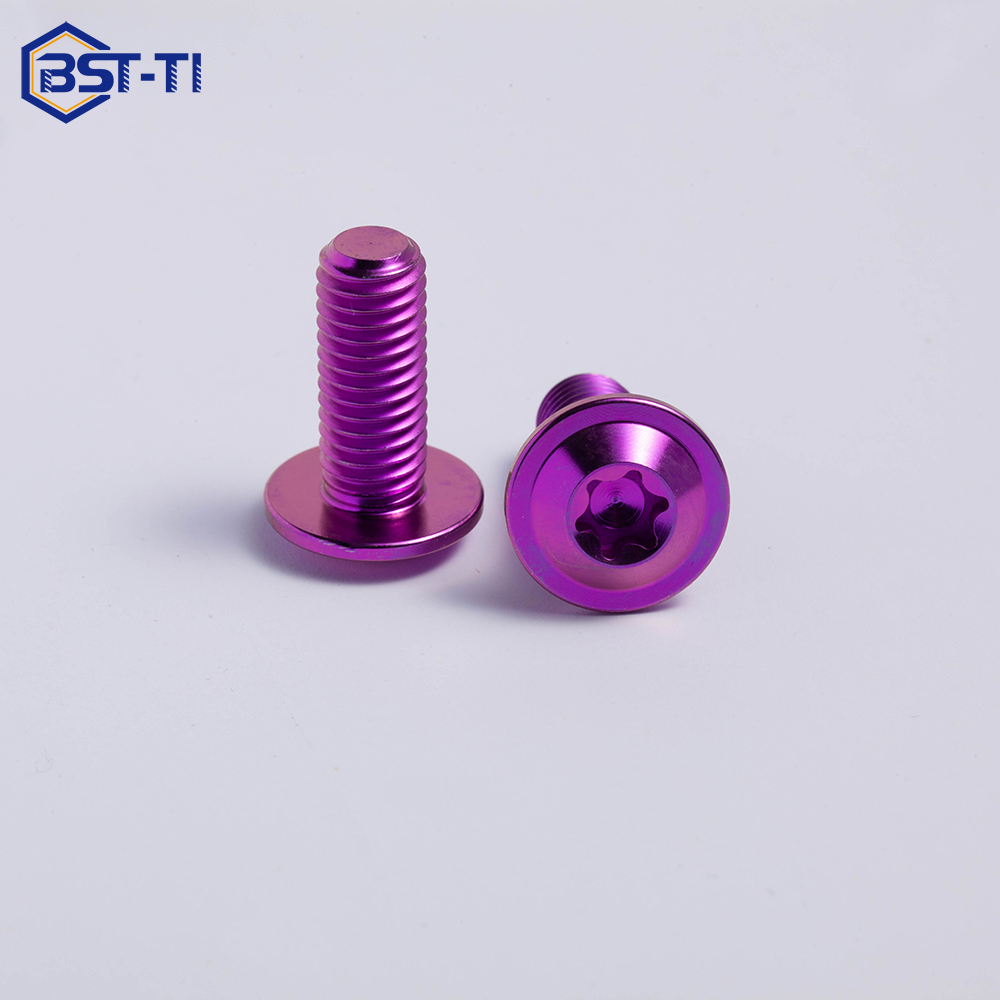
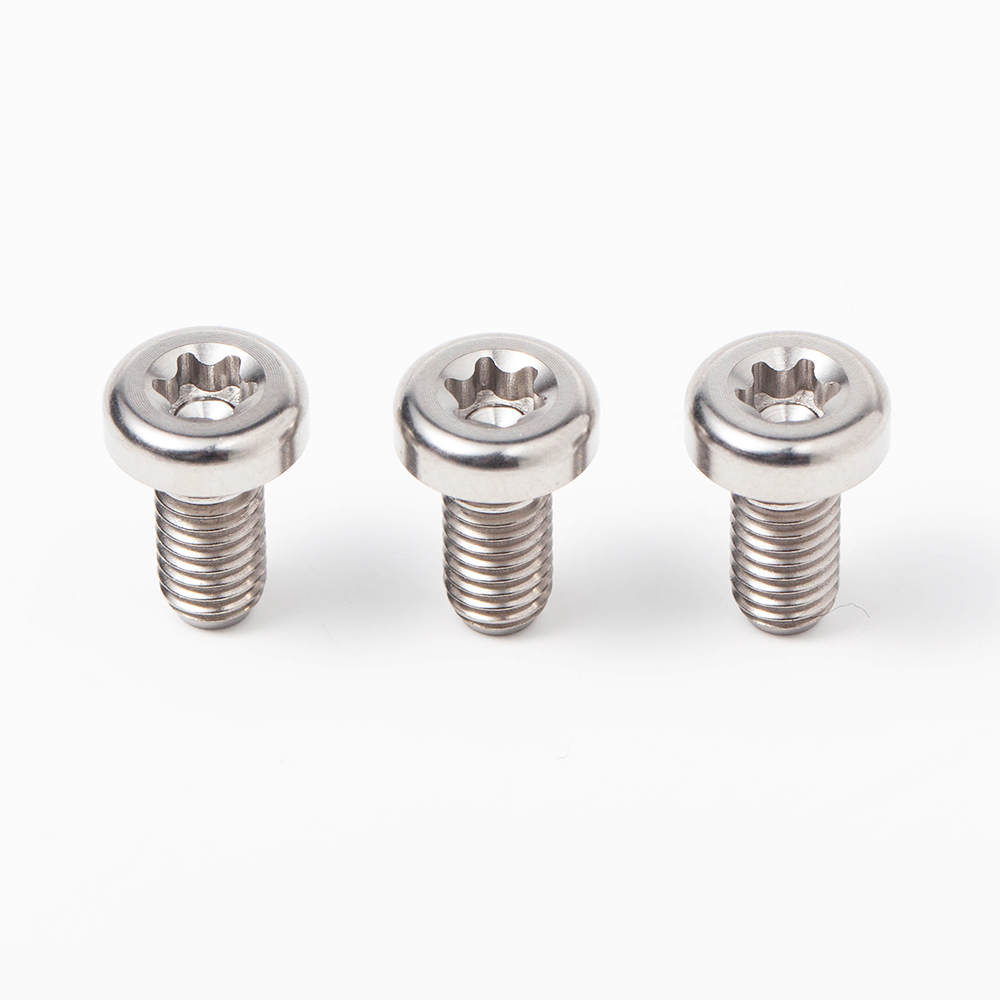
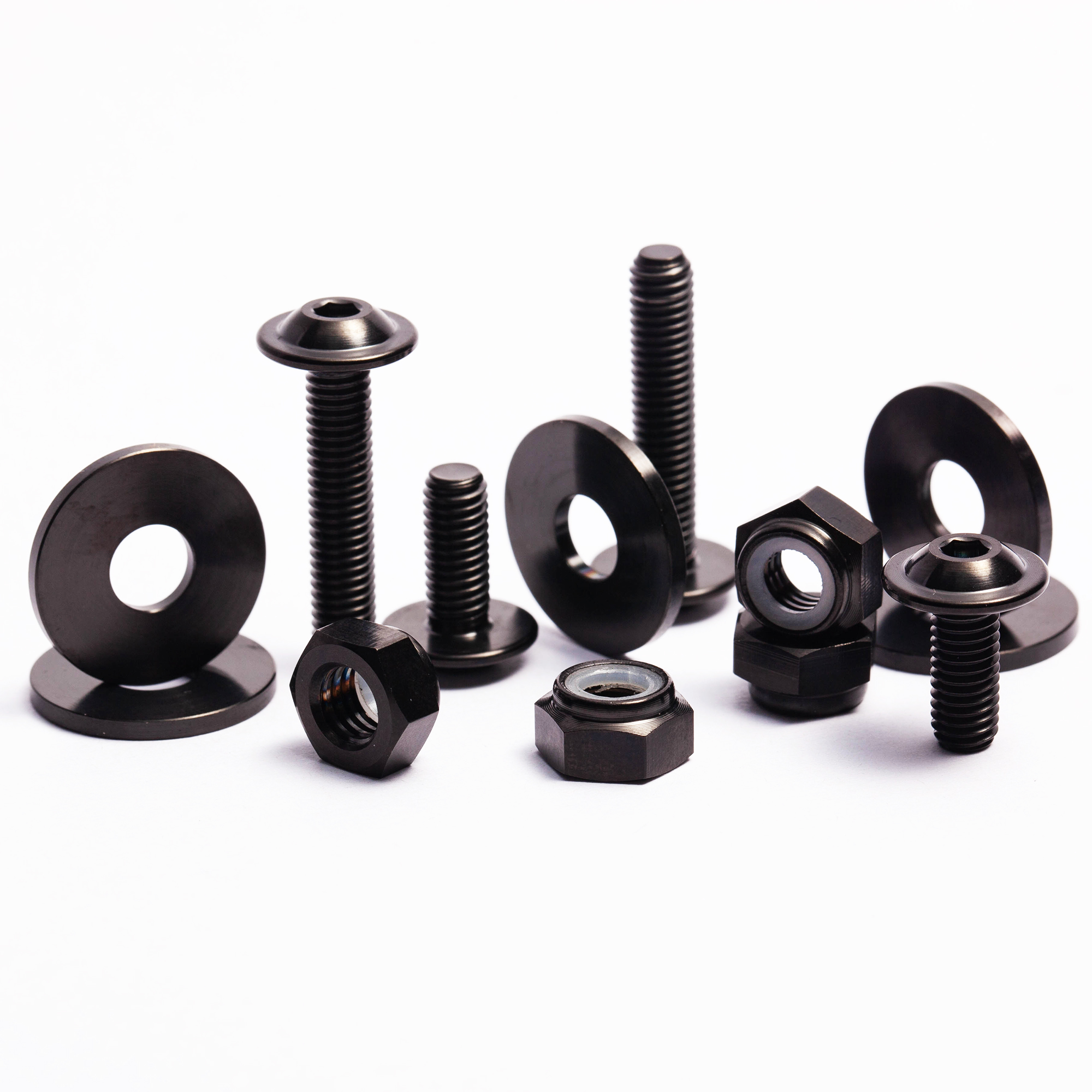
Unsprung Mass Optimization: Metallurgical Analysis of Titanium Alloys in Suspension Kinematics
In automotive and high-velocity ground vehicle engineering, suspension dynamics dictate not merely handling fidelity, but the mechanical work required by shock absorbers to maintain tire-contact patch compliance. In technical environments across San Jose, Santa Clara, and Fremont, where leading autonomous vehicle developers and electric vehicle (EV) chassis architectures converge, reducing unsprung weight (Mu) represents the highest return on mechanical investment. Accelerating mass located outbound of spring-damper units amplifies transient inertial shocks transferred into chassis subframes according to Newton’s second law (F = m × a). By replacing standard structural alloy steels (such as 4140, 4340, or Class 10.9 automotive fasteners) with aerospace-grade Ti-6Al-4V (Grade 5 Titanium, UNS R56400), chassis engineers achieve an immediate 42% to 45% mass reduction across critical suspension nodes while retaining tensile strengths exceeding 950 MPa.
Unlike pure commercial titanium (Grade 2), which is tailored primarily for chemical immersion and deep-draw ductilities, Grade 5 Titanium is an α-β alloy that delivers an extraordinary specific strength (strength-to-density ratio) of roughly 212 kN·m/kg, compared to approximately 130 kN·m/kg for quenched and tempered medium-carbon steels. In dynamic multi-link, MacPherson strut, and double-wishbone suspension systems, suspension control arm bolts, sway bar end-links, upright studs, and damper mounting bolts undergo intense multi-axial fatigue loading, consisting of alternating shear loads, cyclical bending, and high preload tension.
| Engineering Material | Density (ρ, g/cm³) | Yield Strength (0.2%, MPa) | Ultimate Tensile (Rm, MPa) | Elastic Modulus (E, GPa) | Dynamic Fatigue Limit (10&sup7; Cycles) | Corrosion Rate (Salt Spray ASTM B117) |
|---|---|---|---|---|---|---|
| Wexra Ti-6Al-4V (Gr5 Forged) | 4.43 | 880 - 920 | 950 - 1050 | 114 | 510 MPa (High) | 0.00 mm/yr (Immune) |
| Class 10.9 Alloy Steel (Quenched) | 7.85 | 940 | 1040 | 210 | 420 MPa | > 0.15 mm/yr (Pitting) |
| 6061-T6 Billet Aluminum | 2.70 | 276 | 310 | 68.9 | 96 MPa (Definite failure) | Micro-galvanic risk |
| 7075-T6 Aerospace Aluminum | 2.81 | 503 | 572 | 71.7 | 159 MPa (Stress Crack) | Prone to exfoliation |
| 316L Marine Stainless Steel | 8.00 | 290 | 580 | 193 | 240 MPa | Passivated |
A crucial and often overlooked parameter in suspension kinematics is the Elastic Modulus (Young’s Modulus). Steel exhibits a modulus of roughly 210 GPa, whereas Ti-6Al-4V measures approximately 114 GPa. This lower modulus allows titanium fasteners and kinematic tie-rods to absorb harmonic micro-shocks, chassis flexure, and lateral road vibration with lower internal stress concentration peaks than rigid steel components. Under high shock impacts (such as curb strikes or washboard vibration cycles during high-speed autonomous validation runs), titanium components deform elastically within their elastic zone rather than suffering sudden brittle cleavage or permanent plastic distortion.
Furthermore, our manufacturing architecture employs precision CNC thread rolling rather than traditional subtractive single-point thread cutting. Thread rolling induces plastic grain displacement along the contour of root radiuses, generating an unbroken grain flow line and imposing deep compressive residual surface stresses. This metallurgical characteristic increases fatigue life under reverse-bending cycle conditions by over 300% compared to cut-thread components, safeguarding high-load suspension joints against catastrophe.
Localized Engineering Applications in San Jose & the Bay Area
Supplying Tier-1 EV gigafactories, prototype incubator workshops, and aerospace skunkworks throughout the Santa Clara Valley corridor.
EV Battery Skateboard Suspensions
Electric vehicle development labs around San Jose and Fremont balance heavy dual-motor battery skateboards with sensitive damping. Wexra Grade 5 titanium subframe isolation pins, upright mounting bolts, and camber-link studs eliminate dead weight, allowing engineers to retain rapid suspension rebound responses and extend vehicle battery range.
Autonomous Robotic Mobility Platforms
Milpitas and Mountain View autonomous delivery vehicles and quadruped robotics operate non-stop across diverse terrains. Wexra titanium bellcrank axles, damper shafts, and wheel-hub spindle bolts provide zero magnetic interference with sensitive ground-penetrating radar, LiDAR arrays, and IMU inertial navigation systems.
Motorsport & Track Day Prototyping
Positioned within driving distance of Laguna Seca and Sonoma Raceway, Bay Area performance builders rely on our custom CNC titanium control arms, anti-roll bar end-links, and spherical bearing retainers to lower unsprung corner weight, ensuring rapid directional change under intense braking and curb strikes.
Emerging Silicon Valley Chassis Engineering Trends
Strategic engineering shifts shaping procurement specifications in Northern California hardware engineering centers.
Aggressive Solid-State Light-Weighting
As Silicon Valley next-gen mobility pioneers transition from pouch cells to structural solid-state battery packs, mechanical target weights for chassis suspension nodes have dropped by up to 35%. Ti-6Al-4V is rapidly replacing cast ductile iron knuckles and steel links in premium OEM hardware programs.
Marine Salt-Air Atmospheric Resilience
Vehicles navigating the Pacific Coast Highway, San Francisco Bay shoreline, and coastal mountains endure aggressive saline fog and moisture condensation. Titanium forms an instantaneous, passive titanium dioxide (TiO2) ceramic film that permanently prevents rust and pitting, avoiding warranty failures caused by stress corrosion cracking.
On-Demand Agile Production Validation
Hardware iterations in San Jose move on rapid two-week sprints. Procurement leads demand manufacturers capable of shifting from CAD (STEP/Parasolid) direct to 5-axis CNC machining within 5 working days, backing each batch with ultrasonic flaw detection and full chemical spectrometry.
Jiaxing Wexra Titanium Products Co., Ltd.
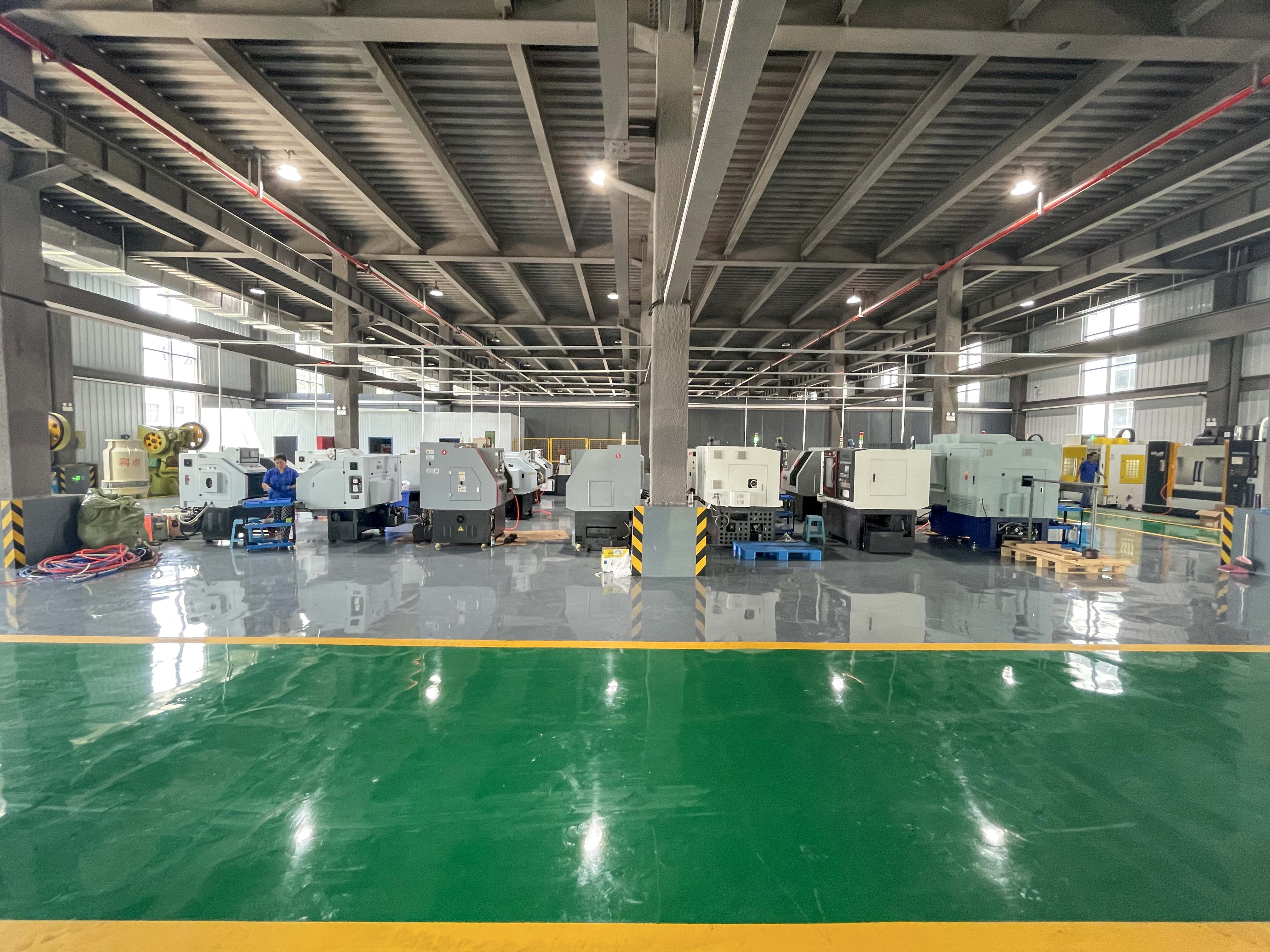
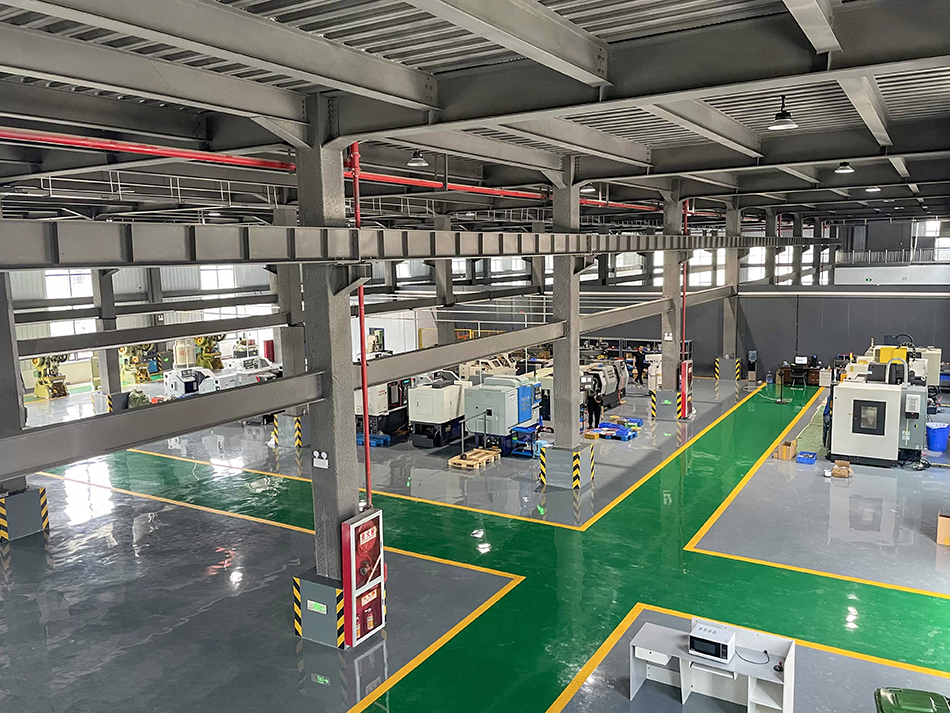
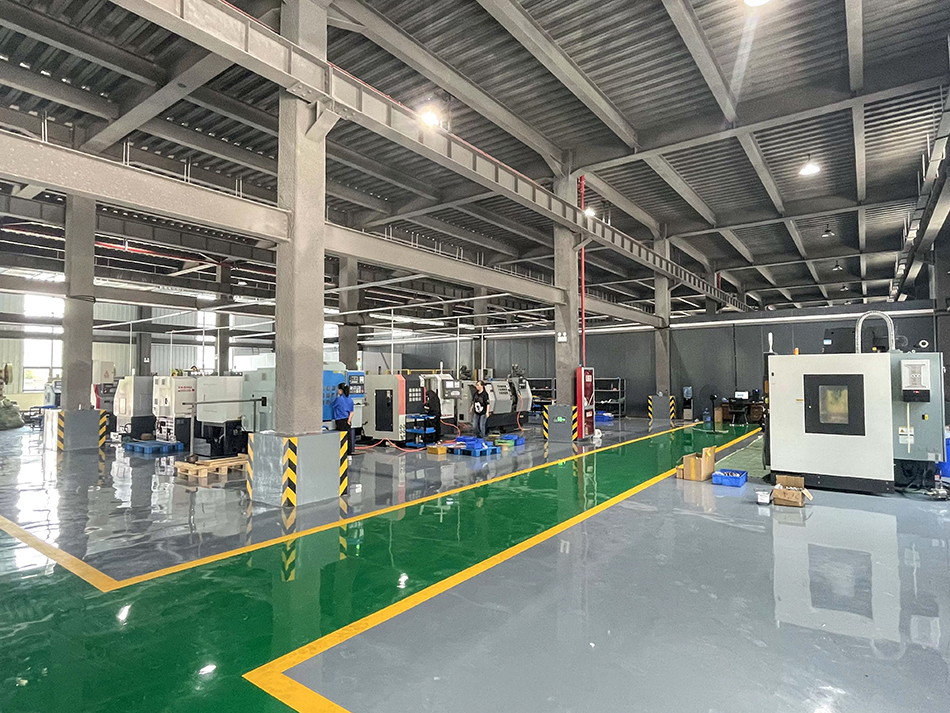
Headquartered in the advanced manufacturing hub of Jiaxing, Zhejiang, Wexra Titanium operates over 1,000+ m² of cutting-edge production facilities specializing purely in titanium metallurgy. Operating under strict ISO 9001:2015 quality governance, our engineering workflows integrate vacuum induction melting raw material sourcing, robotic hot forging, and multi-axis CNC turning centers.
- Pure Titanium Metallurgy Focus: Dedicated entirely to Grade 2, Grade 5 (Ti-6Al-4V), and Grade 9 (Ti-3Al-2.5V), eliminating cross-contamination from carbon steel tooling.
- Rolled Thread Superiority: Thread dies cold-roll threads onto forged blanks, producing continuous grain structure and eliminating microscopic stress notches.
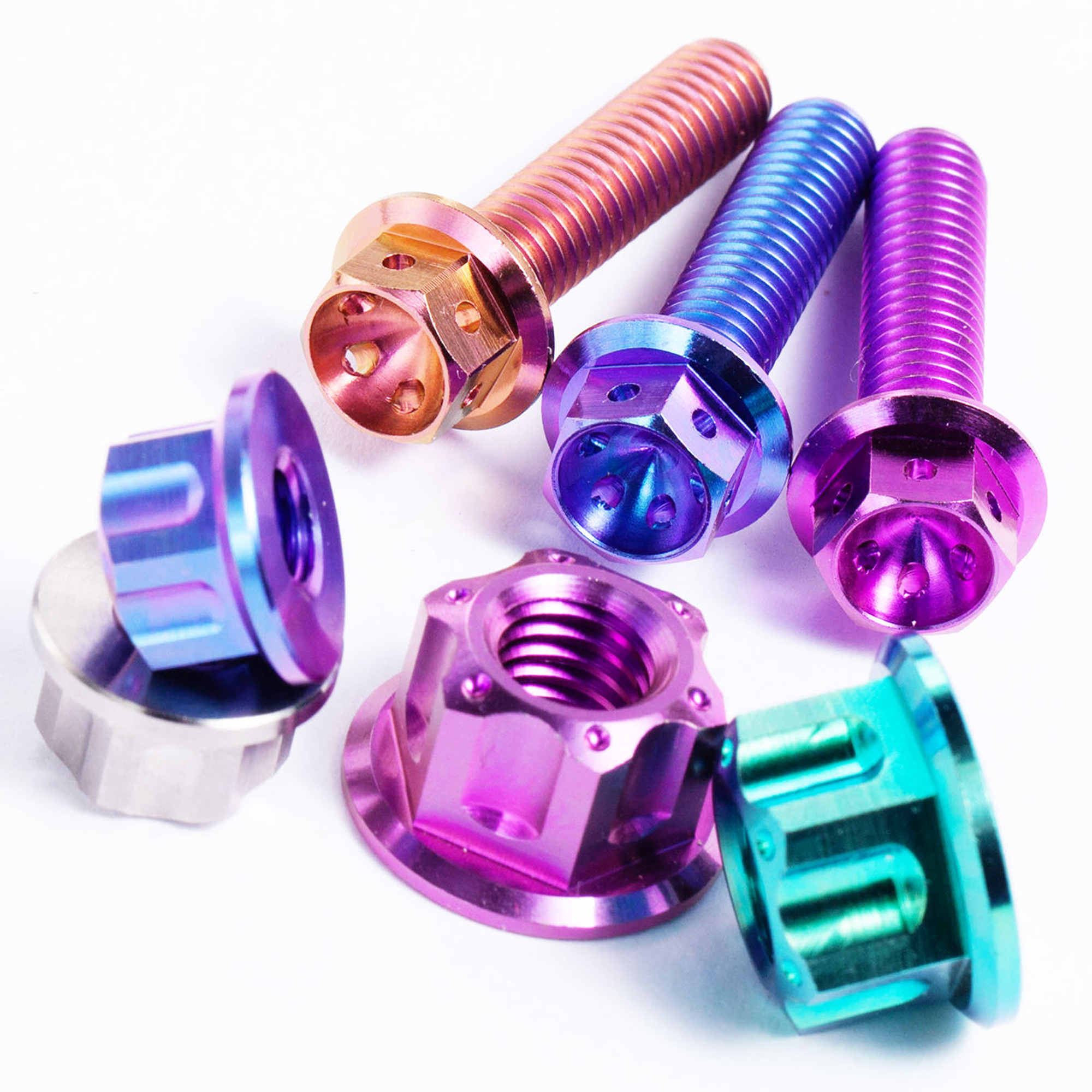
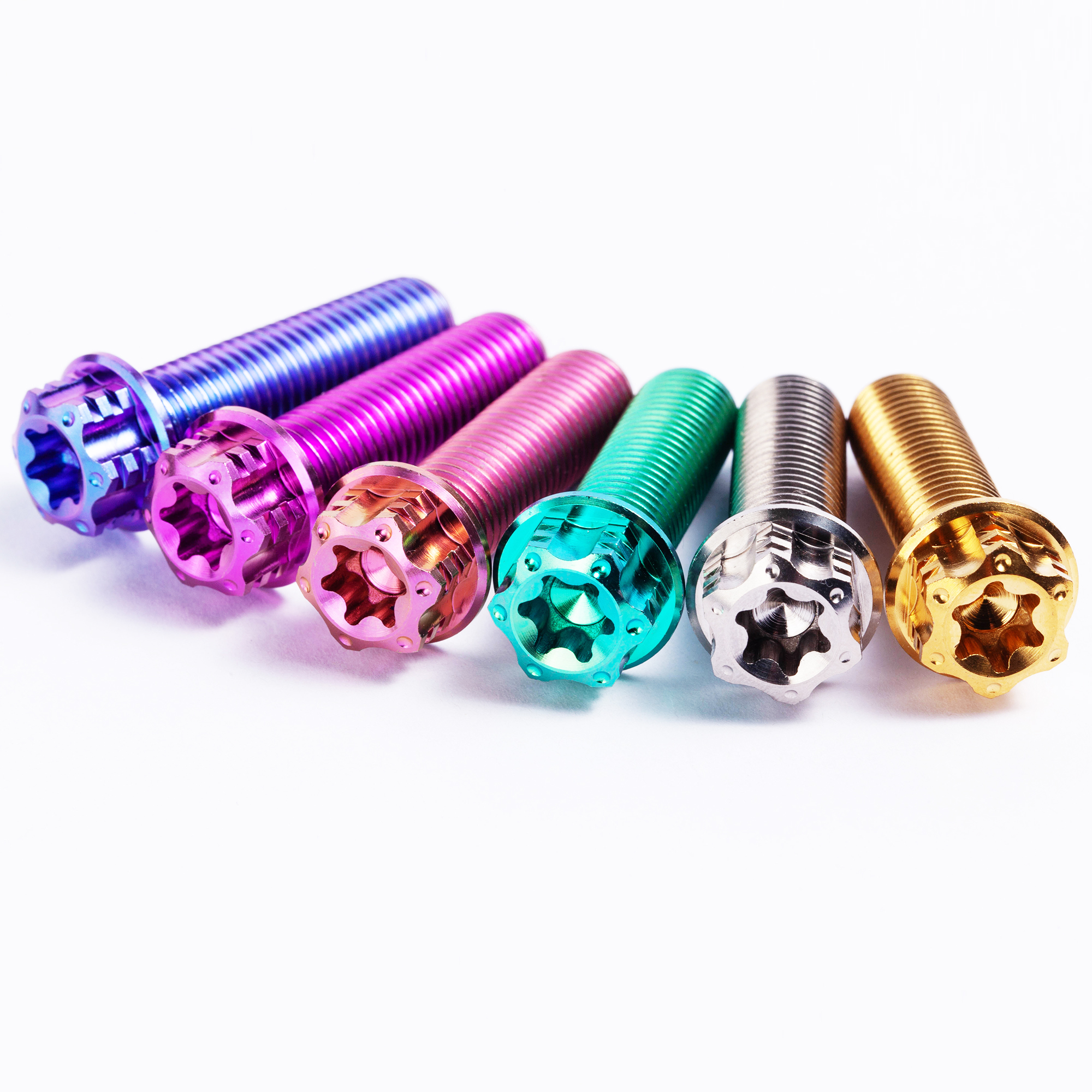
- Anodizing & PVD Surface Treatments: In-house multi-color electrochemical anodization (violet, gold, burnt blue) providing thread lubricity and aesthetic branding without altering dimensional pitch tolerances.
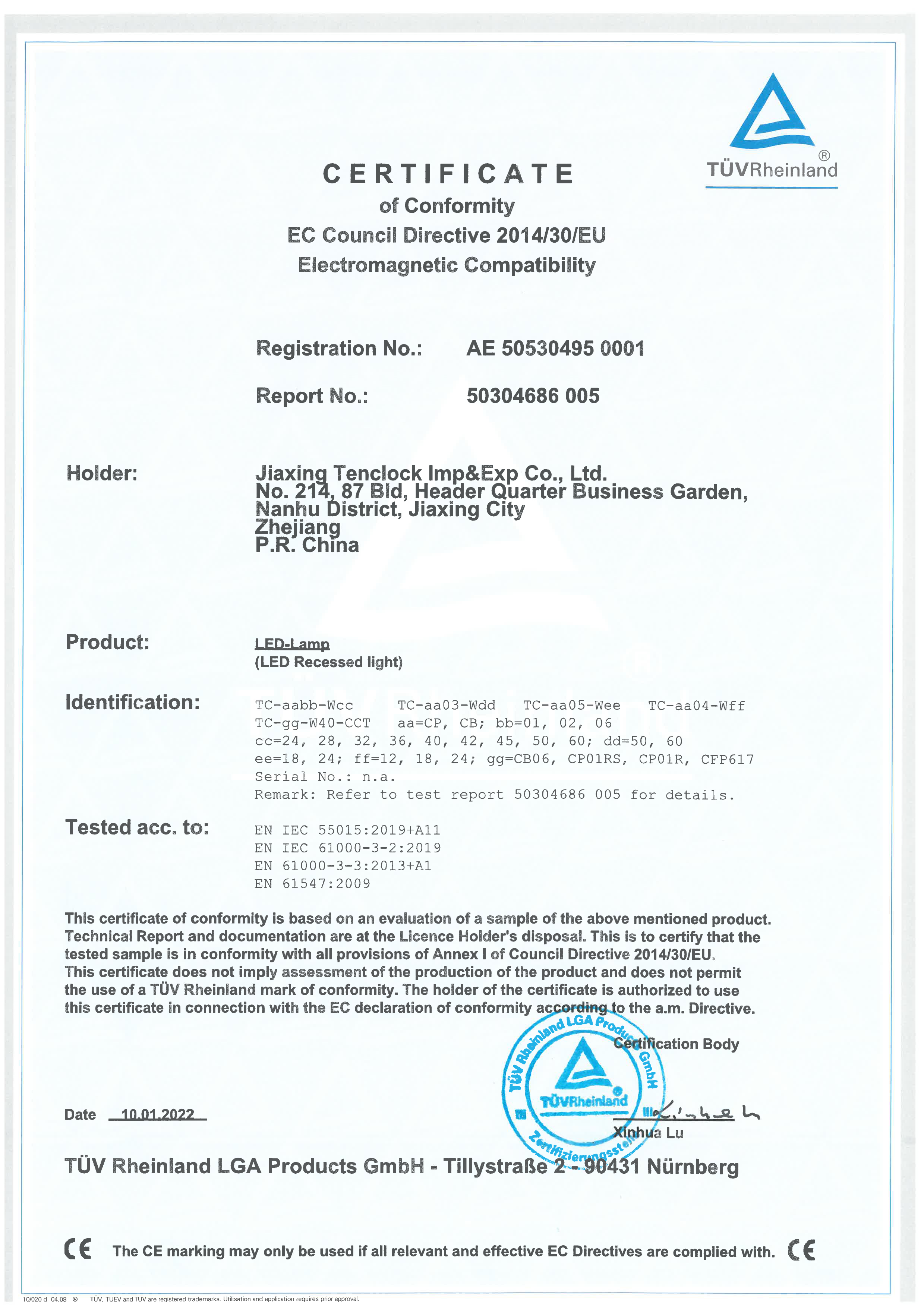
- Complete Regulatory Compliance: Full compliance documentation provided with every export: CE Marking, UKCA, RoHS, REACH, and EN 10204 3.1 Mill Test Certificates.
San Jose & Bay Area Procurement FAQ
Detailed technical answers addressing logistics, metallurgical isolation, DFM, and quality documentation for Northern California engineering directors.
What are the standard shipping routes and transit lead times into San Jose (SJC)?
For rapid R&D prototyping and pilot batch orders, we utilize direct express air freight via DHL, FedEx Priority, and air cargo routes landing directly at Mineta San Jose International Airport (SJC) or San Francisco International Airport (SFO), with customs clearance and door-to-door transit averaging 3 to 5 business days. For high-volume serial assembly production orders, maritime freight moves from Shanghai/Ningbo ports directly into the Port of Oakland (14 to 18 days ocean transit), followed by rapid local truck drayage into South Bay facilities.
How do you mitigate galvanic corrosion when titanium interfaces with aluminum knuckles or carbon fiber uprights?
Titanium has a relatively noble electrode potential (+0.05V vs SCE). When mated directly to active 6061-T6 or 7075-T6 aluminum in the presence of an electrolyte, galvanic current could accelerate aluminum degradation. We provide proprietary factory surface solutions, including electrochemical micro-arc oxidation, hard anodizing, and physical vapor deposition (PVD) non-conductive barriers. For carbon-fiber composite control arms, titanium is completely compatible (unlike steel, which rapidly corrodes against carbon fiber), as both materials share closely aligned galvanic potentials.
How is thread galling prevented during high-torque suspension knuckle installation?
Titanium threads have a natural tendency toward micro-friction welding (galling) when torqued dry at high RPM. Wexra mitigates this at the manufacturing level by cold-rolling threads to an ultra-smooth surface finish (Ra < 0.4 μm) and applying factory-baked molybdenum disulfide (MoS2) dry-film anti-friction coatings. We also supply exact torque conversion tables (typically requiring 15% to 20% lower torque values compared to steel bolts to achieve identical clamping forces due to lower friction coefficients when paired with nickel-based anti-seize paste).
Can Wexra fabricate bespoke suspension geometries directly from customer STEP files?
Yes. Our dedicated OEM/ODM engineering department works directly with 3D models in STEP, IGES, SLDPRT, and DXF formats. Our engineering team conducts automated Design for Manufacturability (DFM) reviews within 8 hours, checking tool clearances, corner radiuses, and thread stress transitions. We program 5-axis CNC machining centers to turn and mill intricate hollow-core suspension studs, rocker pivots, eccentric alignment bolts, and tie-rod turnbuckles to tolerances of ±0.01 mm.
What material validation documentation is supplied with each delivery batch?
Every production batch is accompanied by comprehensive quality records: EN 10204 3.1 Mill Test Certificates (MTC) detailing chemical spectrometry (carbon, nitrogen, oxygen, iron, vanadium, aluminum, titanium balance) and physical tensile/yield testing; dimensional inspection reports generated by optical coordinate measuring machines (CMM); and RoHS/REACH compliance certifications for US environmental standards.
Are these commercial Grade 5 titanium suspension parts compliant with US import regulations?
Yes. Our civilian automotive, commercial e-mobility, and industrial robotic titanium suspension components are classified under harmonized standard tariff schedules (HTS Code 8108.90 for wrought titanium articles and 7318/8108 for titanium fasteners). These commercial items are fully compliant for standard import processing into the United States without EAR or ITAR dual-use restrictions, allowing seamless commercial customs release into California.
What are your Minimum Order Quantities (MOQ) for prototypes versus production runs?
To support agile hardware incubators and prototype testing phases throughout the Silicon Valley ecosystem, our prototype MOQ starts as low as 20 to 50 pieces for custom CNC suspension pins or test bolts. Once design validation is achieved, our high-speed multi-spindle automatic lathes and cold-heading lines scale seamlessly to thousands of pieces per month with volume pricing schedules.
How does Wexra ensure thread pitch precision across diverse metric and imperial automotive standards?
Suspension joints feature varying standards across American muscle, European performance, and Japanese EV chassis. We maintain complete sets of certified thread gauges (Go/No-Go calibrated per ANSI/ASME B1.1 for UN/UNF/UNEF threads and ISO 965 for metric coarse and fine threads). Pitch diameters, lead angles, and root radii are inspected at 100x magnification to ensure zero binding and flawless integration into forged steering uprights, hubs, and coilovers.
Ready to Engineer Lightweight Suspension Solutions?
Send your STEP files, engineering 2D drawings, or bill-of-materials to our application engineering team. Receive an exhaustive DFM analysis, material certificate breakdown, and quotation within 8 business hours.