Direct China Factory Supply · Latgale Regional Coverage

China Wholesale Titanium Heat Exchanger Manufacturers & Factories Serving Daugavpils

Engineered Grade 2 and Grade 5 (Ti-6Al-4V) titanium heat transfer bundles, plate modules, corrosion-proof pressure shells, and high-tensile flanged connection hardware for Daugavpils municipal district heating, chemical synthesis, and heavy transport equipment.

Precision Titanium Engineering

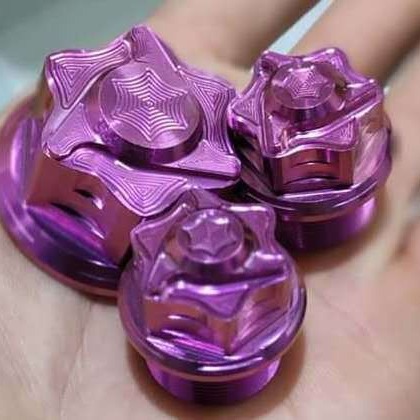
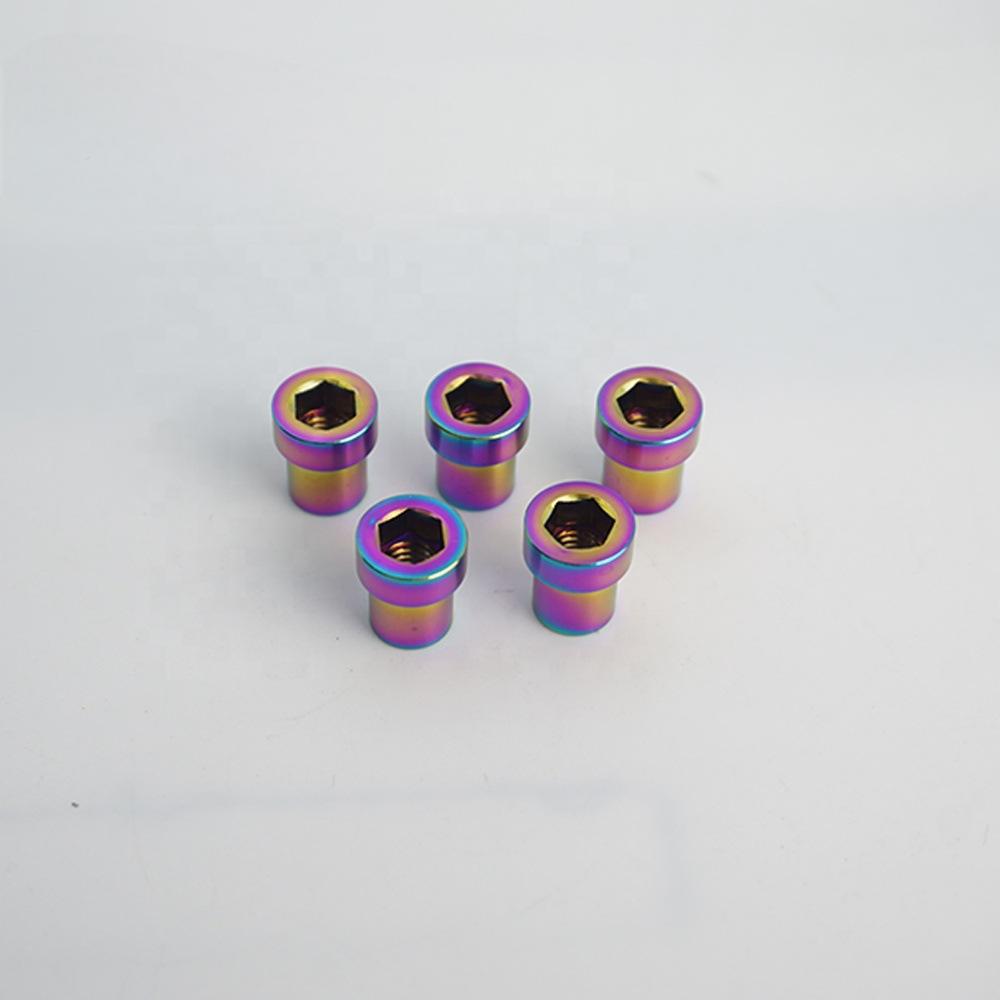
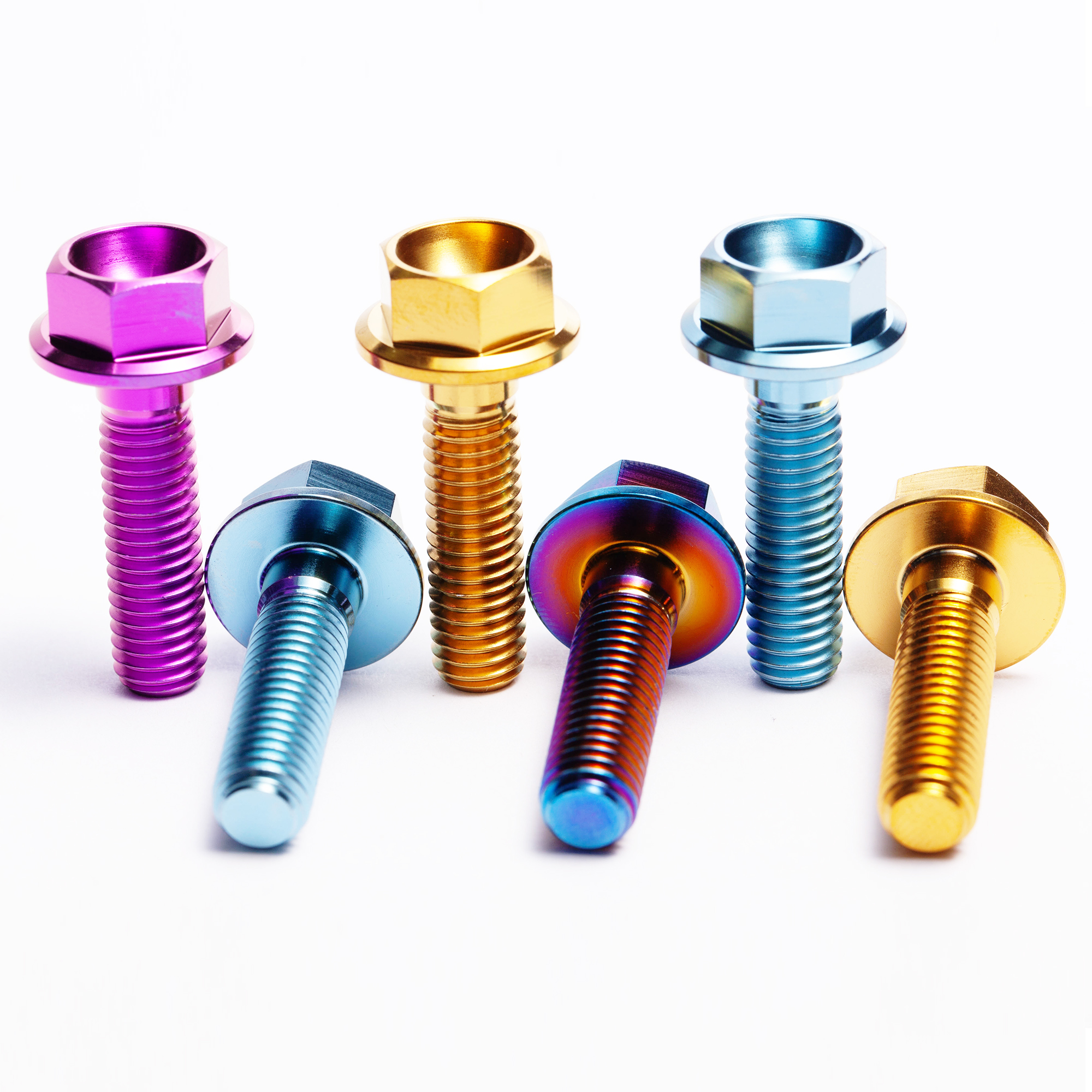
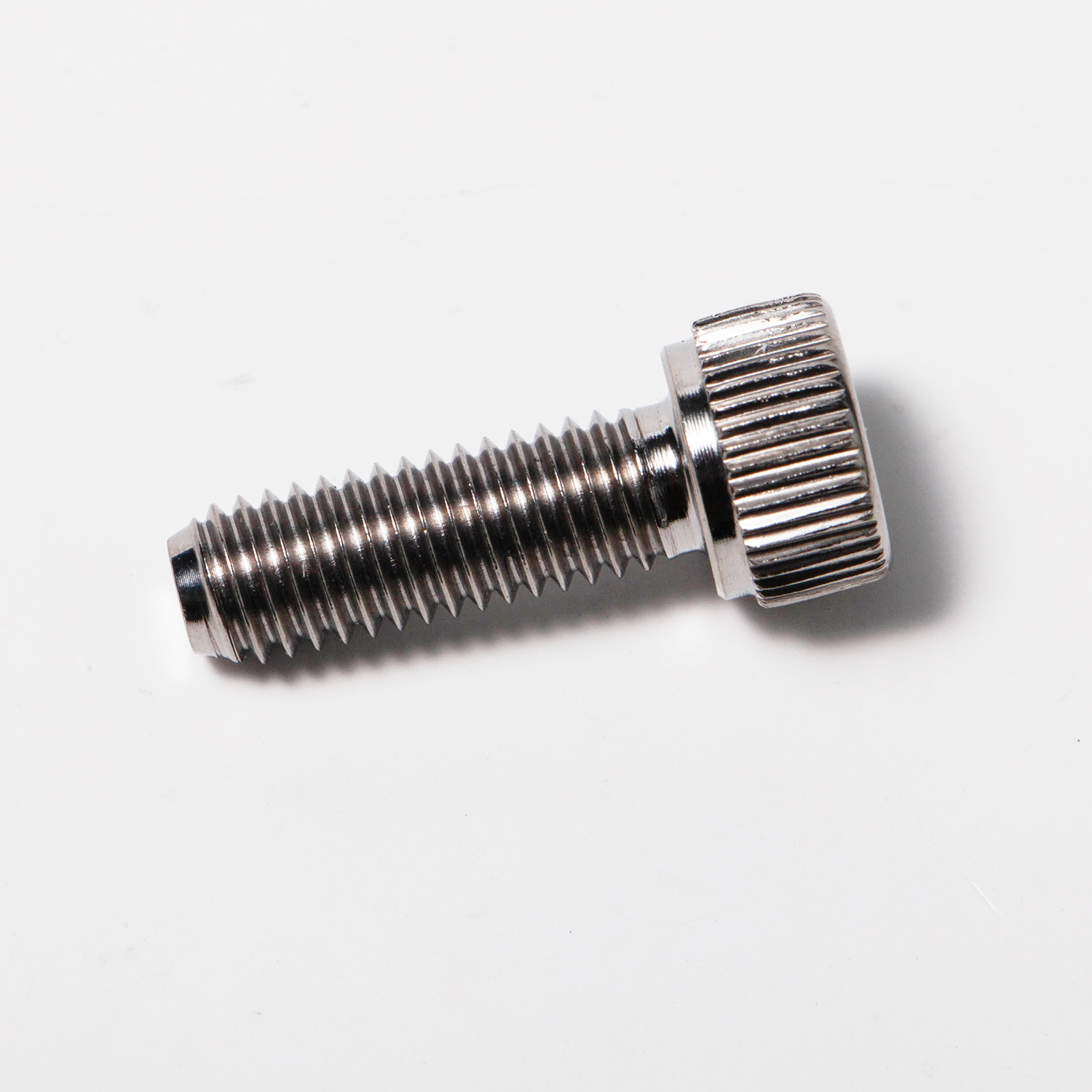
High-Integrity Heat Exchanger Fasteners & Structural Components

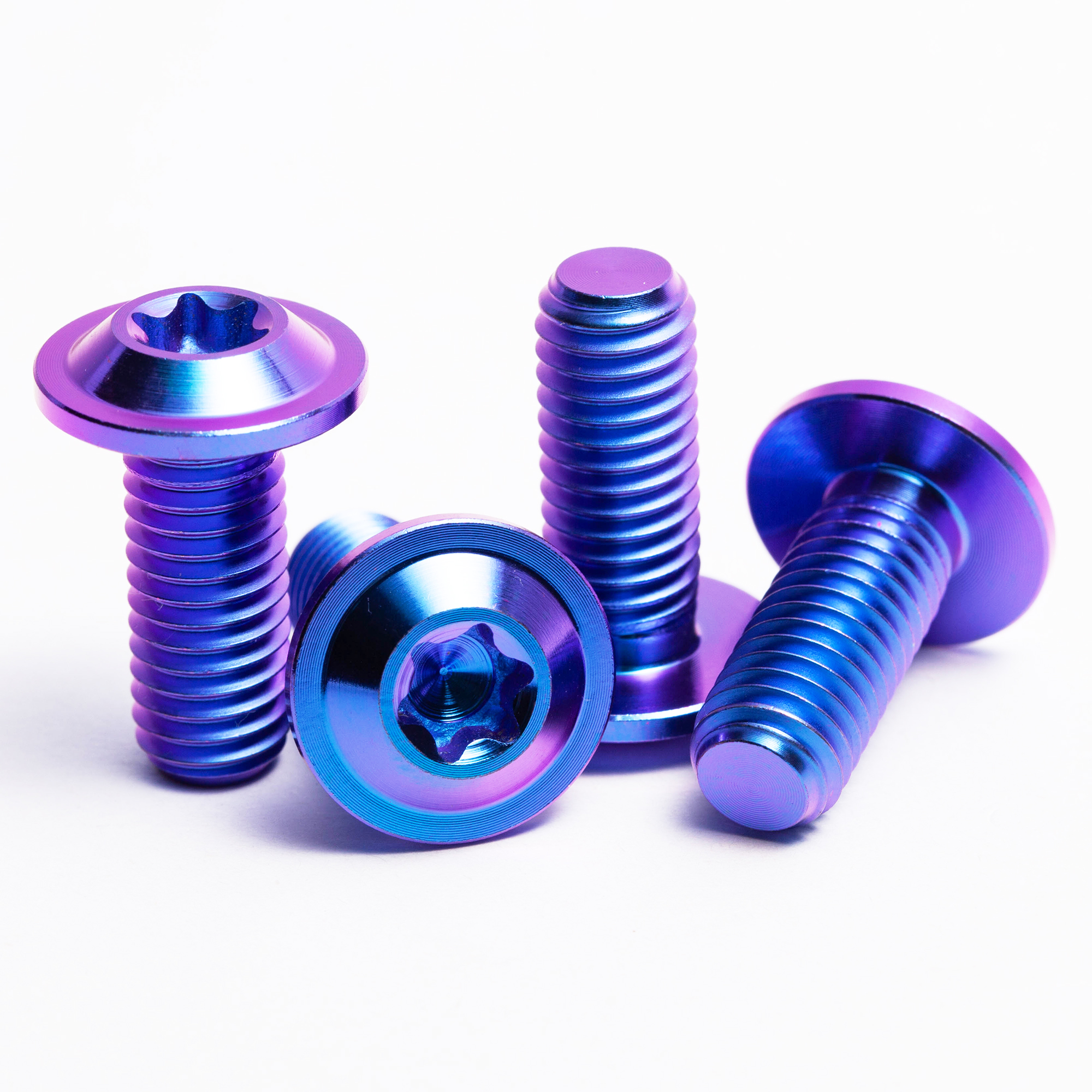
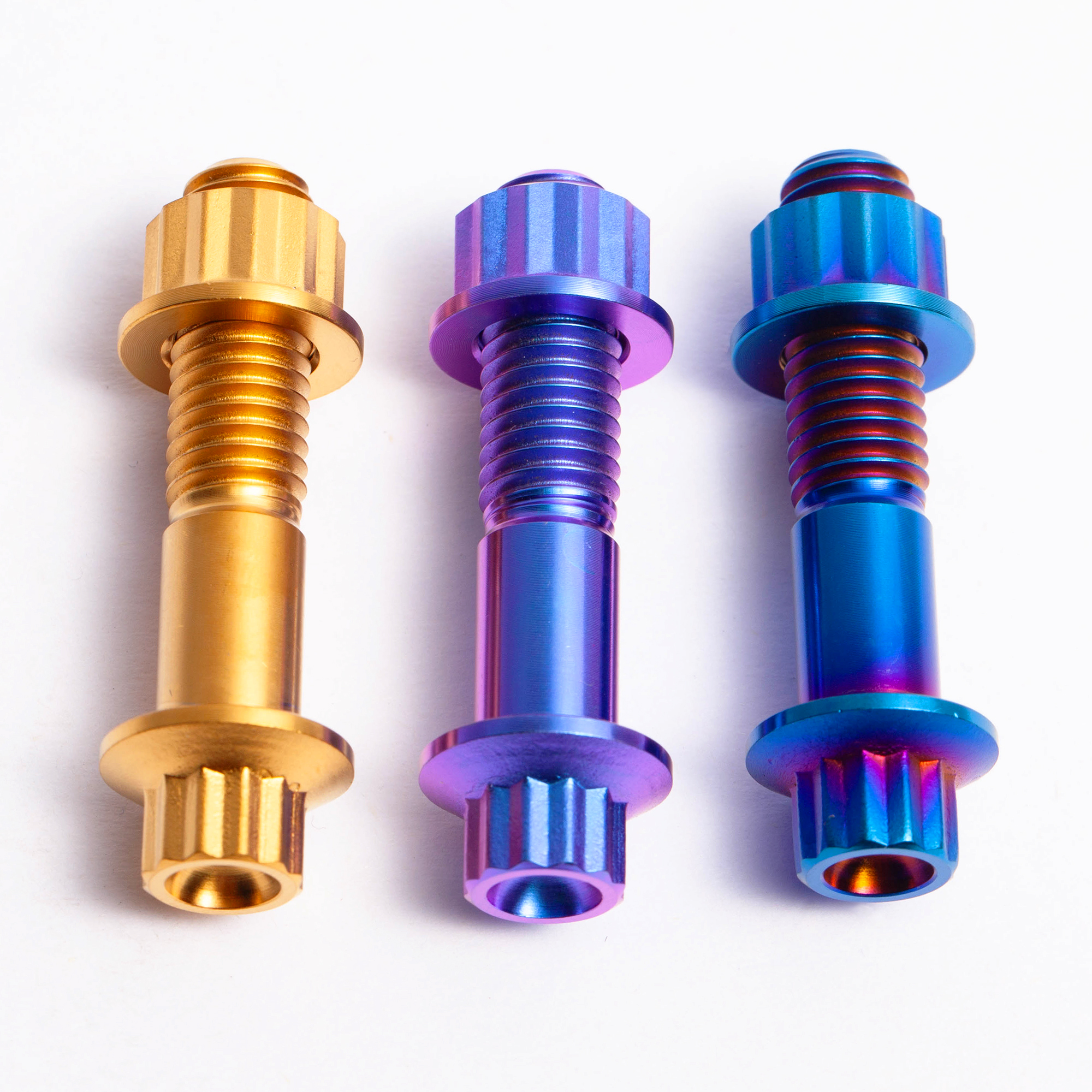
Severe thermal stress, acidic condensate, and aggressive fluid cycling in industrial heat exchange demand metallurgical purity. Wexra Titanium manufactures CNC-machined titanium fasteners and fluid boundary fittings adhering strictly to DIN and ISO standards for dependable deployment across Daugavpils facilities.

White Paper Deep Dive

Metallurgical Selection: Why Titanium Solves Thermal Degradation

In high-chloride waters, fluctuating thermal differentials, and abrasive condensing vapor streams, conventional austenitic stainless steels (AISI 304/316L) suffer catastrophic localized failure due to Chloride Stress Corrosion Cracking (CSCC) and crevice corrosion. Industrial titanium forms an instantaneous, self-healing rutile (TiO₂) oxide passivating film that operates stably across wide temperature bands.

Material Designation Yield Strength (MPa) Tensile Strength (MPa) Thermal Conductivity (W/m·K) Chloride Pitting Resistance (PREN) Suitability for Daugava River / District Water
Titanium Grade 2 (UNS R50400 / CP-Ti) 275 – 450 min. 345 21.9 Immune (>50) Optimal (Plate / Shell / Tube)
Titanium Grade 5 (Ti-6Al-4V / UNS R56400) min. 828 min. 895 6.7 Immune (>50) Structural Tie-Rods / Bolts / Flanges
Stainless Steel 316L (EN 1.4404) min. 220 520 – 680 16.3 23 – 25 Moderate (Prone to CSCC > 60°C)
Copper-Nickel 90/10 (CuNi10Fe1Mn) min. 105 280 – 380 45.0 Low Poor in ammonia/sulfur conditions

Zero Crevice Corrosion

Unlike stainless steels where stagnating chloride deposits cause localized pitting beneath gaskets, Grade 2 Commercially Pure Titanium maintains total immunity in neutral and brackish waters up to 130°C, drastically extending service life in closed-loop systems.

High Thermal Fatigue Life

Ti-6Al-4V Grade 5 fasteners and internal heat exchanger tie rods handle harsh cyclic thermal expansion without experiencing thread creep, hydrogen embrittlement, or loss of clamp force during cold seasonal shutdowns in Eastern Latvia.

Fouling Factor Mitigation

The anti-adhesive surface properties of titanium reduce biological adhesion and scaling deposits from untreated river intake water, preserving heat transfer efficiency coefficients (k-values) and cutting Clean-In-Place (CIP) cycle downtime.

Regional Engineering Integration

Localized Applications Across Daugavpils Industrial Infrastructure

As the primary industrial hub of Eastern Latvia (Latgale) and a critical transit gateway connecting the Baltics to Central Europe, Daugavpils possesses an industrial ecosystem defined by district energy distribution, locomotive manufacturing, chemical synthesis, and heavy metalworking along the Daugava River corridor.

Municipal District Heating & Biomass Combined Heat & Power (CHP)

Daugavpils' municipal heating infrastructure (including thermal stations modernized by PAS "Daugavpils siltumtīkli") increasingly integrates wood chip biomass boilers, waste-heat economizers, and flue gas condensation units. Titanium heat exchangers resist acidic sulfur- and chloride-bearing condensates produced by biomass combustion, ensuring zero wall perforation and preventing cross-contamination into district heating supply loops.

Railway Traction & Locomotive Repair Clusters

Centering around the historic locomotive engineering infrastructure of Daugavpils, locomotive cooling systems, diesel turbocharger intercoolers, and transmission oil radiators require vibration-proof, high-tensile titanium tube bundles and M8–M24 Grade 5 fasteners. Titanium’s 45% weight saving over steel directly optimizes locomotive axle load distributions while resisting thermal fatigue.

Chemical Processing, Galvanizing & Surface Treatment

Metal processing and component fabrication plants in the Daugavpils Industrial Zone deploy pickling tanks, phosphating lines, and electroplating installations. Titanium Grade 2 heat coils and plate exchangers withstand direct immersion in hot nitric acid, chromic baths, and organic acids where standard nickel-chromium alloys dissolve within weeks.

Strategic Market Evolution

Macro Trends Driving Titanium Heat Exchanger Adoption in Latvia

Industrial procurement in Latvia is navigating a generational modernization cycle triggered by European Union decarbonization frameworks, soaring energy tariffs, and the imperative for industrial resilience.

Decarbonization Mandates & EU Efficiency Standards

Under the EU Energy Efficiency Directive and Latvia’s National Energy and Climate Plan (NECP 2030), district heating and industrial facilities in Latgale must minimize transmission losses and capture low-grade industrial waste heat. Upgrading to ultra-thin (0.5 mm – 0.6 mm) titanium plates allows superior heat transfer coefficients compared to bulky 1.2 mm stainless steel alternatives. This engineering refinement reduces pumping energy, optimizes delta-T (ΔT) thermal exchange, and qualifies municipal modernization projects for European Regional Development Fund (ERDF) subsidies.

Mitigating Hard Water Scaling from Daugava River Basins

Industrial operations drawing cooling water from the Daugava River or deep Baltic aquifer wells face elevated carbonate hardness, biological silt, and seasonal chloride surges from de-icing salt runoff. Titanium’s natural passive surface layer prevents biological encrustation and crystalline scale adhesion, eliminating the need for hazardous chemical corrosion inhibitors while preventing unexpected mid-winter heating breakdowns.

Direct-from-Factory Chinese Supply Chain Advantages

Historically, Latvian engineering firms relied on Western European heat exchanger distributors, enduring markups of 200–350% and 16-to-24 week lead times. By partnering directly with Wexra Titanium’s production lines in Zhejiang, China, Daugavpils EPC contractors and facility directors secure custom CNC-machined titanium components, plate packs, and certified fasteners at direct wholesale pricing with full EN 10204 3.1 material traceability.

Transition to Predictive Maintenance (Total Lifecycle Costing)

With industrial labor costs rising across the Baltic states, frequent gasket repacking, tube plugging, and replacement of corroded carbon steel heat exchangers is no longer economically viable. Titanium delivers an effective operational lifespan exceeding 25 to 30 years in continuous service, slashing lifecycle cost of ownership (LCC) by over 60% relative to standard copper or 304/316 alloy units.

Manufacturing Authority & Quality

Enterprise Strengths: Precision Titanium Manufacturing in China

Jiaxing Wexra Titanium Products Co., Ltd. (operating from our headquarters business park in Daqiao Town, Jiaxing, Zhejiang) is an audited manufacturer specializing exclusively in titanium and titanium alloy metallurgy. With comprehensive in-house machining, testing, and European logistics compliance, we supply reliable hardware to performance-critical industries globally.

2018

Specialized Focus

100% dedicated to Grade 2 and Grade 5 titanium products, fasteners, CNC fluid components, and custom alloy parts.

±0.01mm

CNC Tolerances

Multi-axis CNC turning and milling centers delivering micron-level tolerances for seamless dimensional integration.

91%

Export Ratio

Trusted supplier to demanding engineering markets across Germany, the UK, the United States, Canada, and the Baltic States.

≤ 8h

Rapid Engineering Response

Dedicated technical sales and engineering support providing DFM reviews, quotation files, and 2D/3D CAD validations within 8 hours.

ISO 9001:2015 Quality Management

Our complete manufacturing pipeline—from sponge titanium melting inspection, ultrasonic bar testing, CNC machining, thread rolling to final surface passivation—operates under strict ISO 9001:2015 protocols.

Full EU Compliance & Traceability

We supply CE Marking, UKCA declarations, and complete compliance dossiers for EU RoHS and REACH regulations, accompanied by EN 10204 3.1 chemical and mechanical inspection test certificates with every production batch.

End-to-End Baltic Logistics Support

Consolidated sea-freight through Ningbo/Shanghai to Riga Port, backed by express air cargo for emergency replacement components and seamless customs clearance documentation tailored to Latvian VAT and TARIC regulations.

Procurement Intelligence

Frequently Asked Questions for Daugavpils Purchasing Teams

Clear, technical, and commercial answers addressing customs regulations, metallurgical standards, low-temperature resilience, and order execution for Latvian procurement specialists.

What are the import procedures, customs duties, and documentation required for shipping titanium heat exchanger parts to Daugavpils?
Shipments entering Latvia from China require standard EU import documentation: an accurate Commercial Invoice with correct HS codes (such as 8419.50 for heat exchangers or 8108.90 for titanium articles and fasteners), Packing List, Bill of Lading (or Airway Bill), and a Certificate of Origin. Wexra provides complete EN 10204 Type 3.1 Material Test Certificates (MTC) stating precise chemical composition (nitrogen, carbon, hydrogen, iron, oxygen, and titanium balance) and tensile test results. Shipments processed through Riga Free Port or direct bonded courier into Daugavpils customs terminals clear efficiently without tariff bottlenecks when backed by our export records.
How does titanium perform during severe sub-zero winter temperatures in Latgale? Does it undergo ductile-to-brittle transition?
Unlike ferritic and carbon steels which undergo a well-defined ductile-to-brittle transition (DBTT) at temperatures between 0°C and -30°C, commercially pure titanium (Grade 2) and alpha-beta alloy (Grade 5) possess a hexagonal close-packed (HCP) crystal matrix. This metallurgical structure retains remarkable fracture toughness, elongation, and impact resistance down to cryogenic temperatures (-196°C). Daugavpils facilities experiencing winter extremes (-25°C to -30°C) during seasonal shutdowns can restart fluid loops without risk of brittle wall fracture.
Can Wexra manufacture custom titanium plates, tube bundles, or flanged fittings according to European design drawings (DIN / EN / ASME)?
Yes. A primary pillar of our production is OEM and ODM custom fabrication from customer-provided 2D drawings (DWG, DXF, PDF) and 3D CAD files (STEP, IGES). Whether you need replacement titanium tie-bolts with custom thread pitches for plate frame exchangers, CNC-machined titanium fluid distributor nozzles, or specialized baffle plates, our engineers execute Design for Manufacturability (DFM) verification before initiating CNC cutting, turning, or thread rolling.
How does titanium compare in Clean-in-Place (CIP) maintenance cycles compared to stainless steel 316L?
Titanium Grade 2 allows the use of significantly more aggressive and rapid CIP acid washes. For example, dilute nitric acid, strong organic acids, and sodium hypochlorite sanitizers can be circulated through titanium heat exchangers without eroding the base metal or attacking microscopic grain boundaries. In contrast, 316L plates rapidly degrade under free chloride or hydrochloric solutions, requiring expensive specialty inhibitors and prolonged flushing cycles.
What surface treatments and anti-galling finishes do you provide for titanium heat exchanger threaded fasteners?
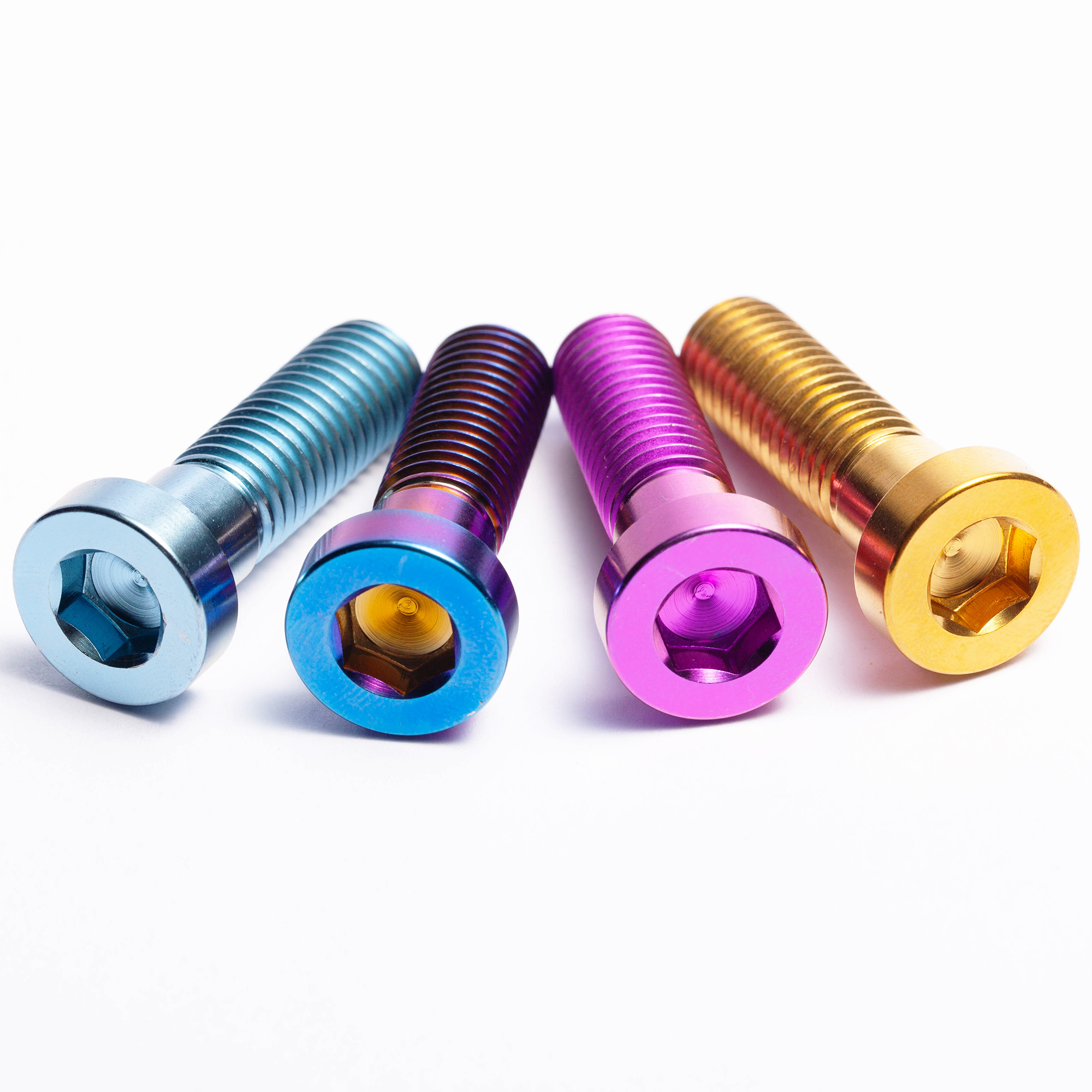
Titanium has a high coefficient of friction, which can induce galling when tightening high-torque threads. Wexra resolves this by providing specialized surface treatments including micro-arc oxidation, hard PVD nitride coatings, electrolytic anodizing, and precision thread rolling that burnishes root radii. We also supply engineering guidelines on anti-seize lubricants (such as molybdenum disulfide or nickel-based paste) to ensure repeatable, accurate torque values during exchanger re-torquing.
What are typical production lead times and Minimum Order Quantities (MOQ) for industrial clients in Latvia?
For standard DIN/ISO titanium fasteners, hex bolts, and port plugs, MOQ starts as low as 100–500 units depending on size, with in-stock items dispatching within 3 to 7 working days. For custom OEM CNC components, tube sheets, or specialized manifold fittings, prototyping batches require roughly 12 to 18 working days, followed by scalable mass production runs. Express air freight to Daugavpils takes 5 to 8 business days, while cost-optimized sea freight arrives in Riga Port in approximately 30 to 35 days.

Upgrade Your Daugavpils Thermal Infrastructure

Connect directly with Wexra Titanium’s metallurgical engineering department. Send your part specifications, CAD drawings, or project tender requirements to receive a comprehensive DFM assessment and competitive factory-direct wholesale quotation.