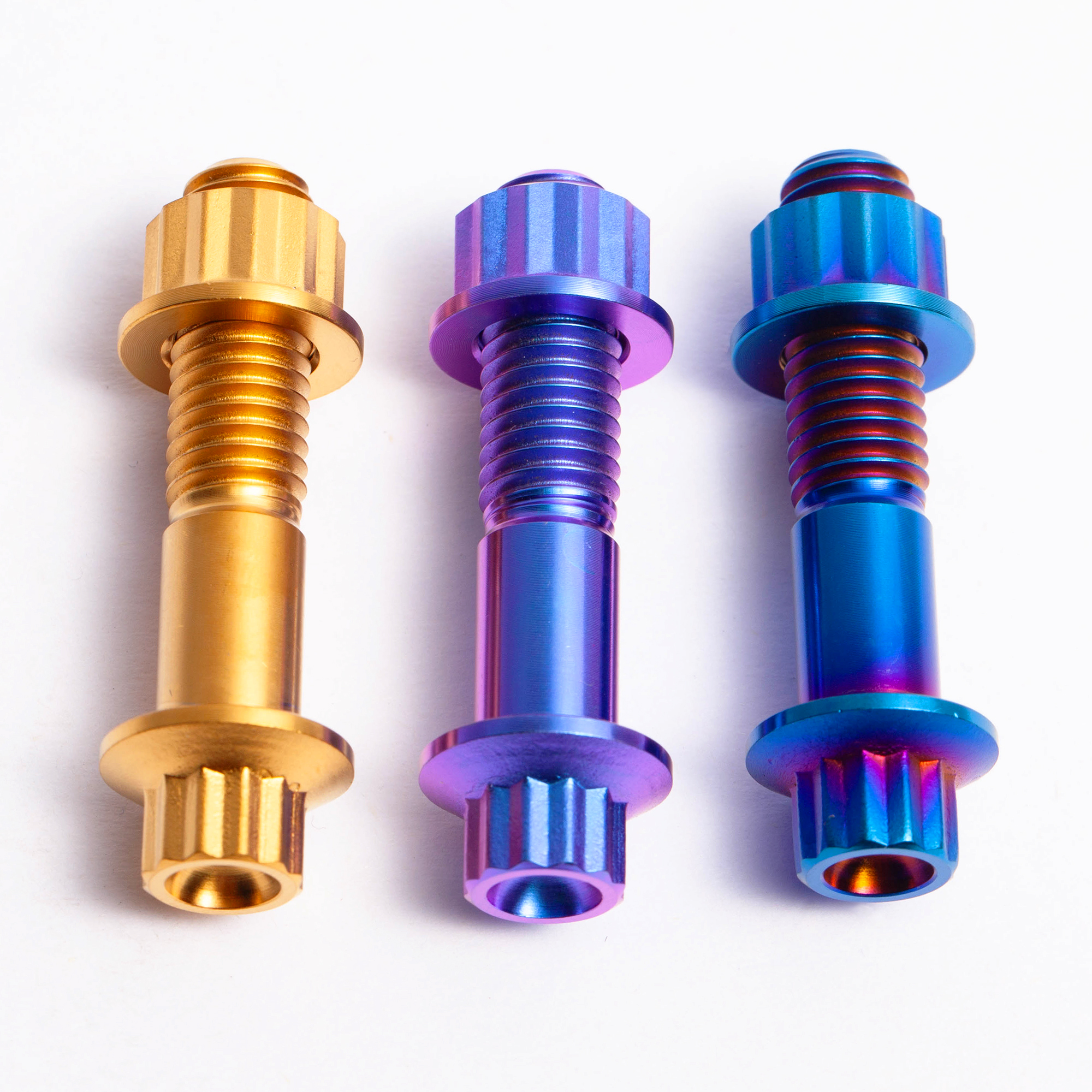
GR5 Titanium Alloy Double Stud Fastener CNC
M8/M10 plain finish studs engineered for high heat cycling and severe exhaust vibration resistance in harsh humid climates.
Direct supply from Jiaxing Wexra Titanium Products Co., Ltd. for downstream integration into heavy machinery, river navigation fleets, mineral processing skids, and infrastructure projects.
M8/M10 plain finish studs engineered for high heat cycling and severe exhaust vibration resistance in harsh humid climates.
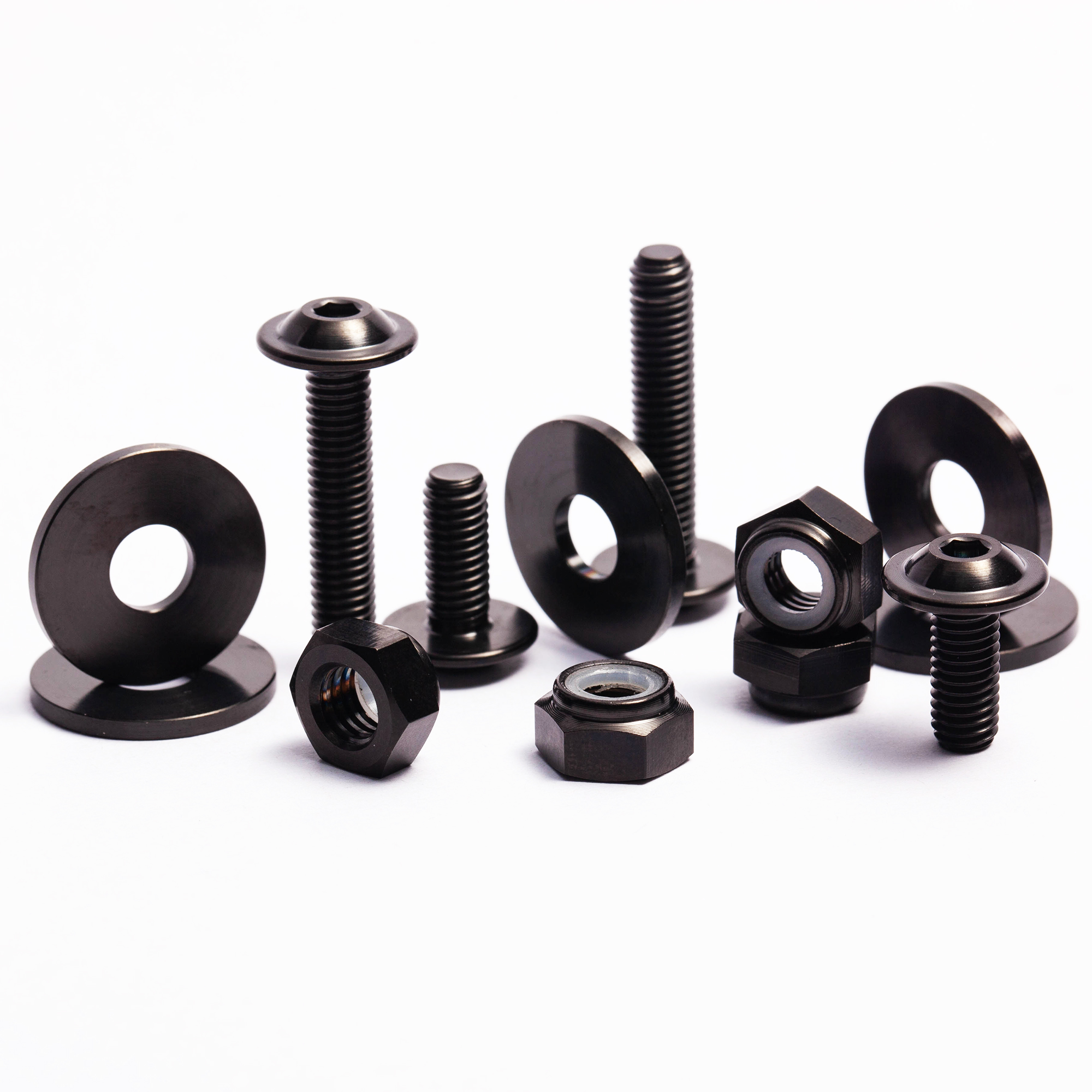
20mm Class 12 high-torque motorsport and equipment fasteners featuring anti-stripping torx drives and anti-galling geometry.
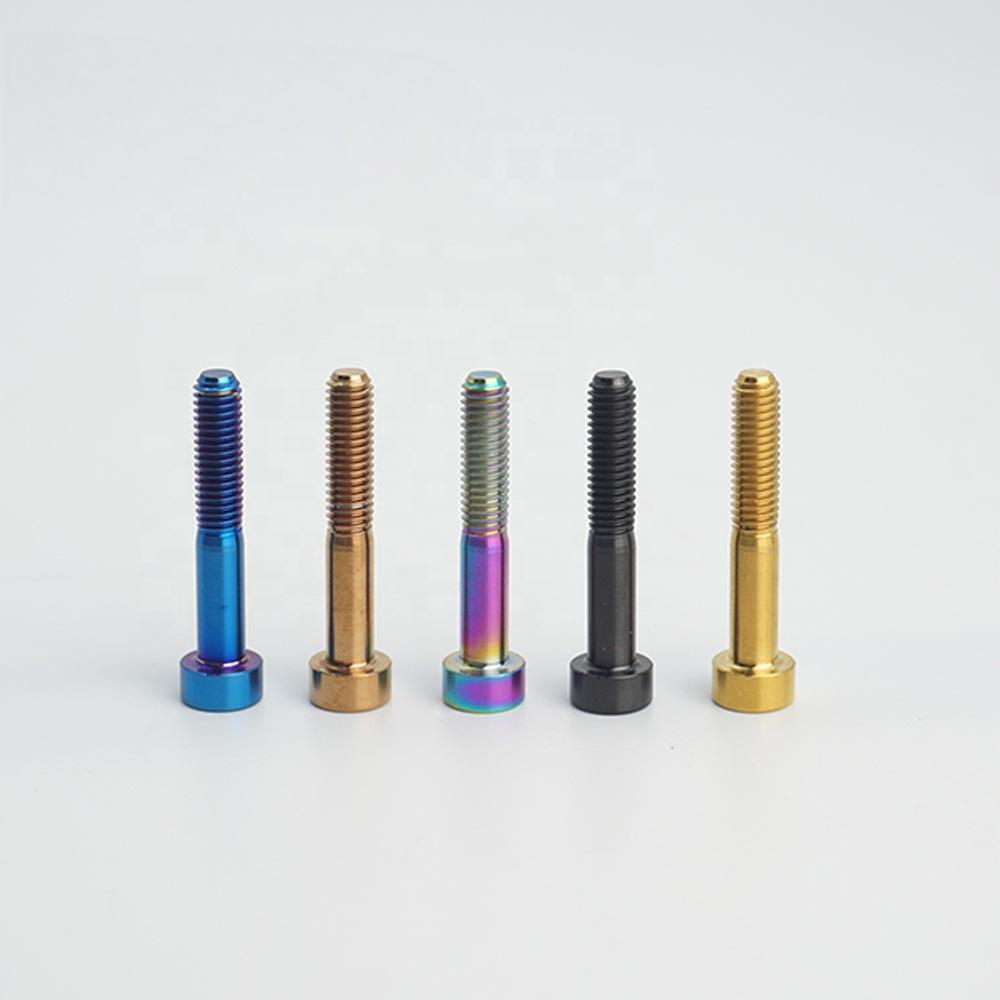
Precision M5/M6 UNC/Metric hardware with dense chemical blackening for rust-proof field service and architectural discretion.
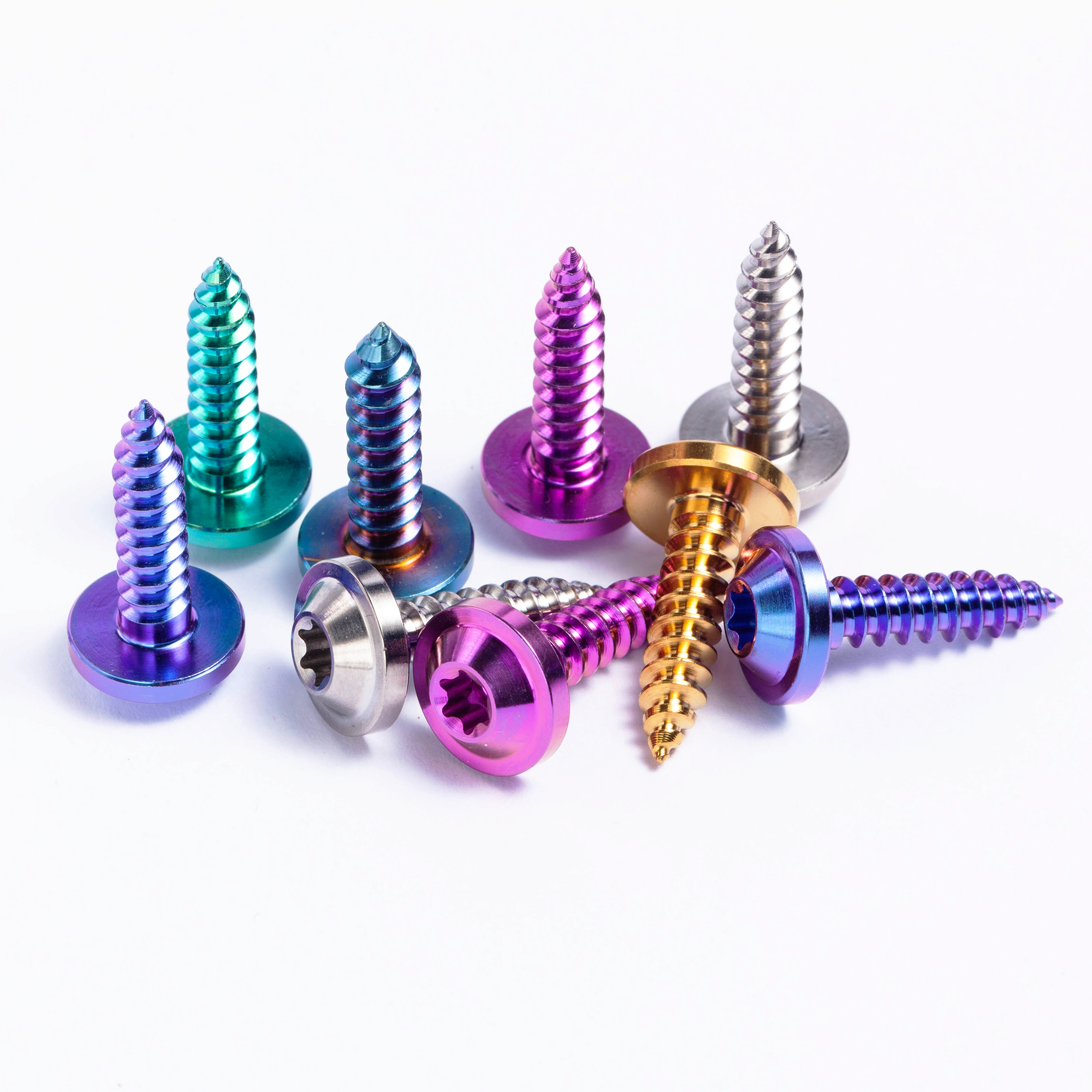
Self-tapping titanium fasteners for air intake filtration brackets, fine mesh screens, and thin-gauge structural cladding.
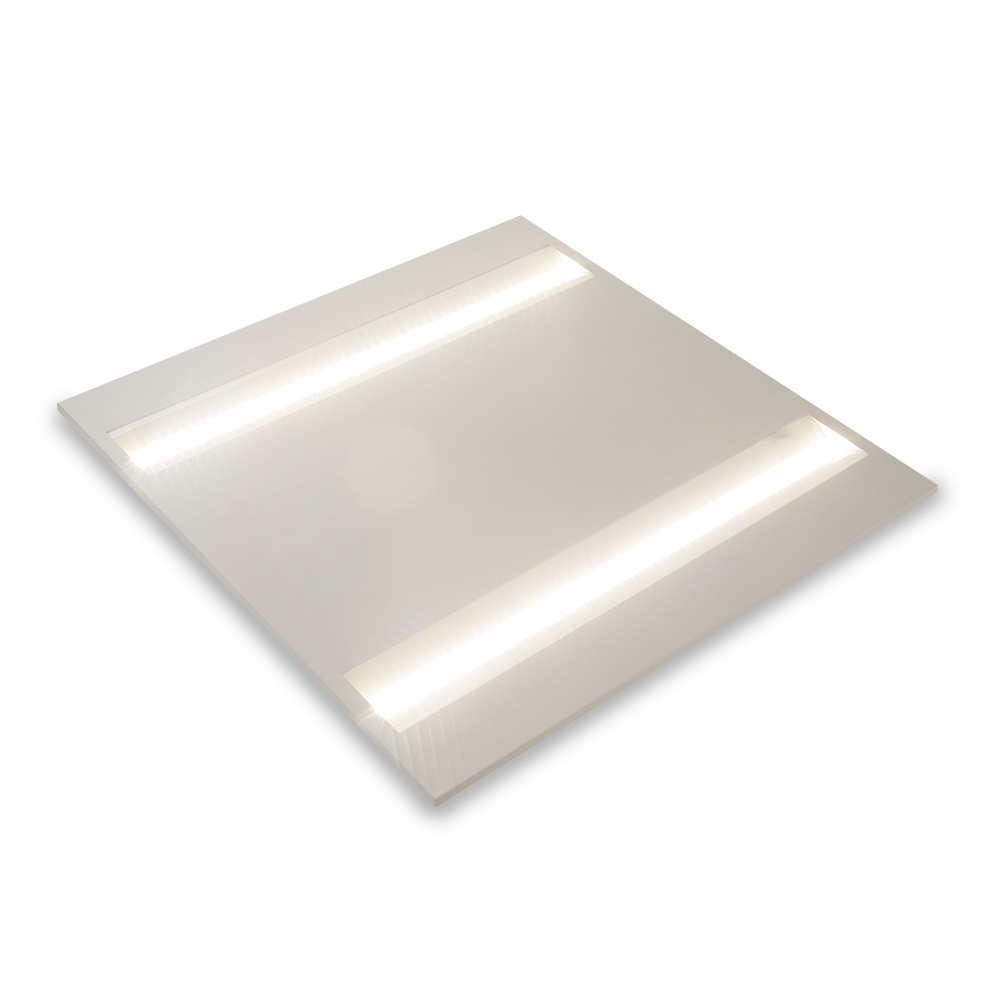
Heavy-duty corrosion-sealed fixture housings optimized for chemical inspection docks and industrial sorting facilities.
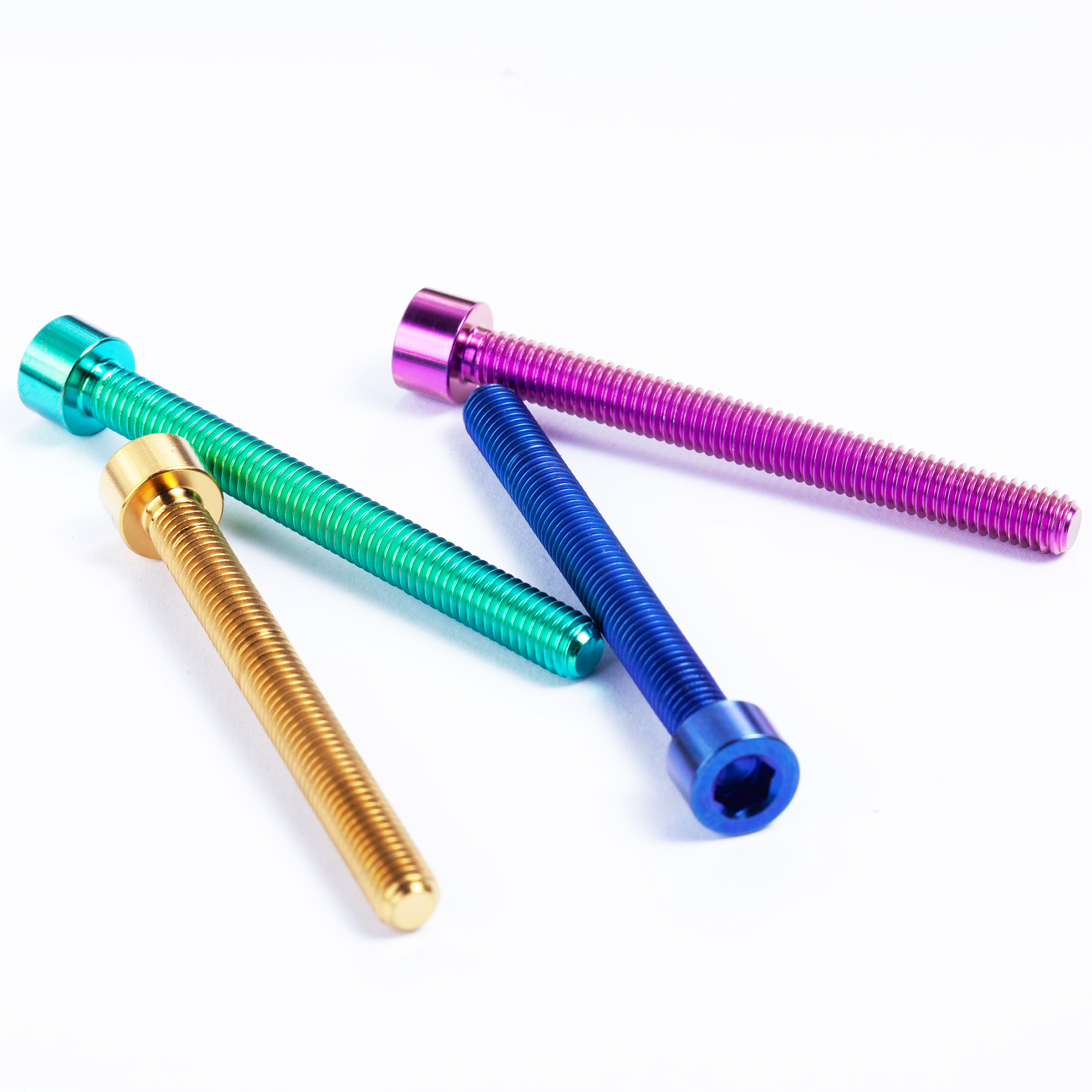
High shear yield fasteners certified for rotary filtration assemblies, centrifugal drums, and severe cycling applications.
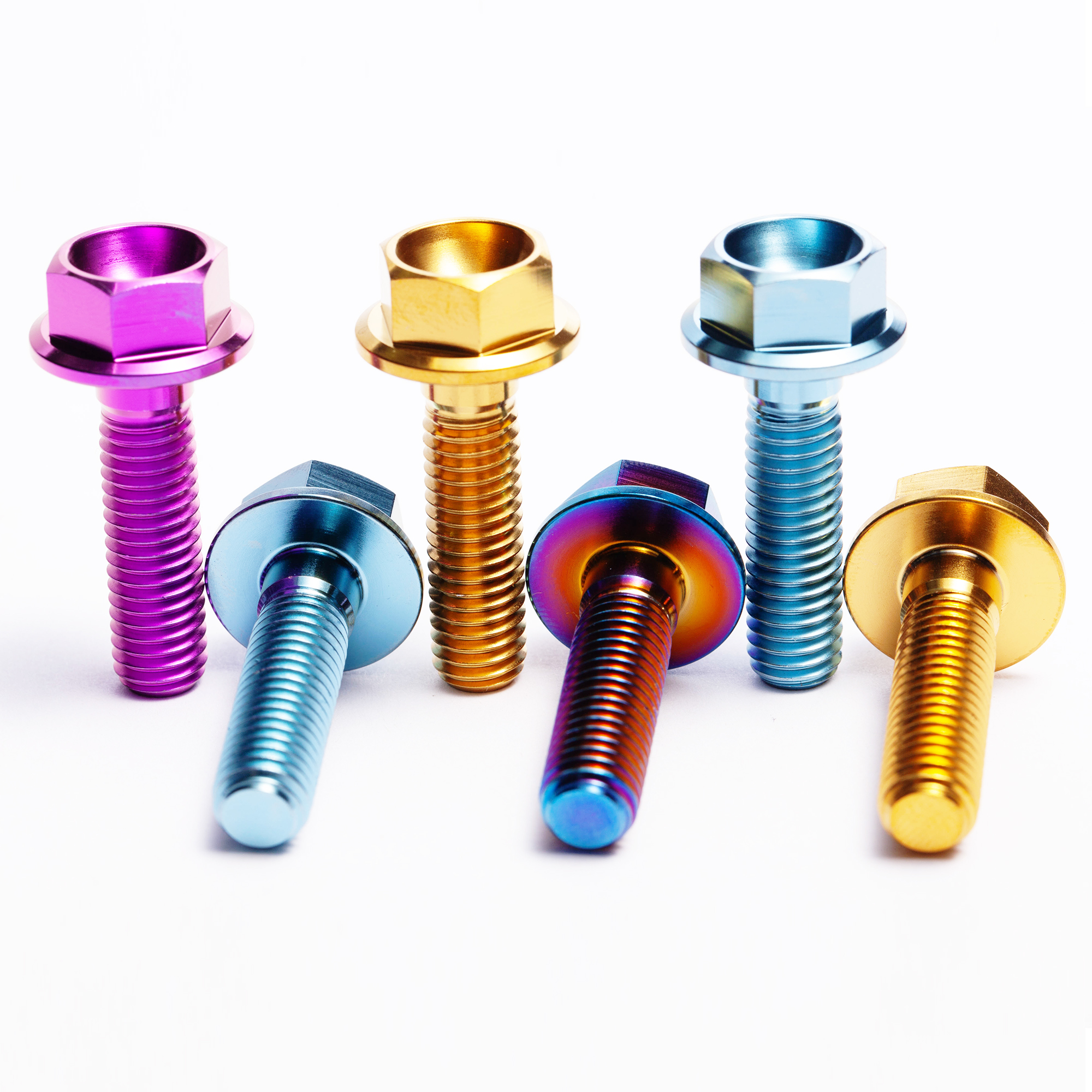
UNF/Metric thread M5-M10 flange bolts treated with physical vapor deposition for superior frictional coefficient control.
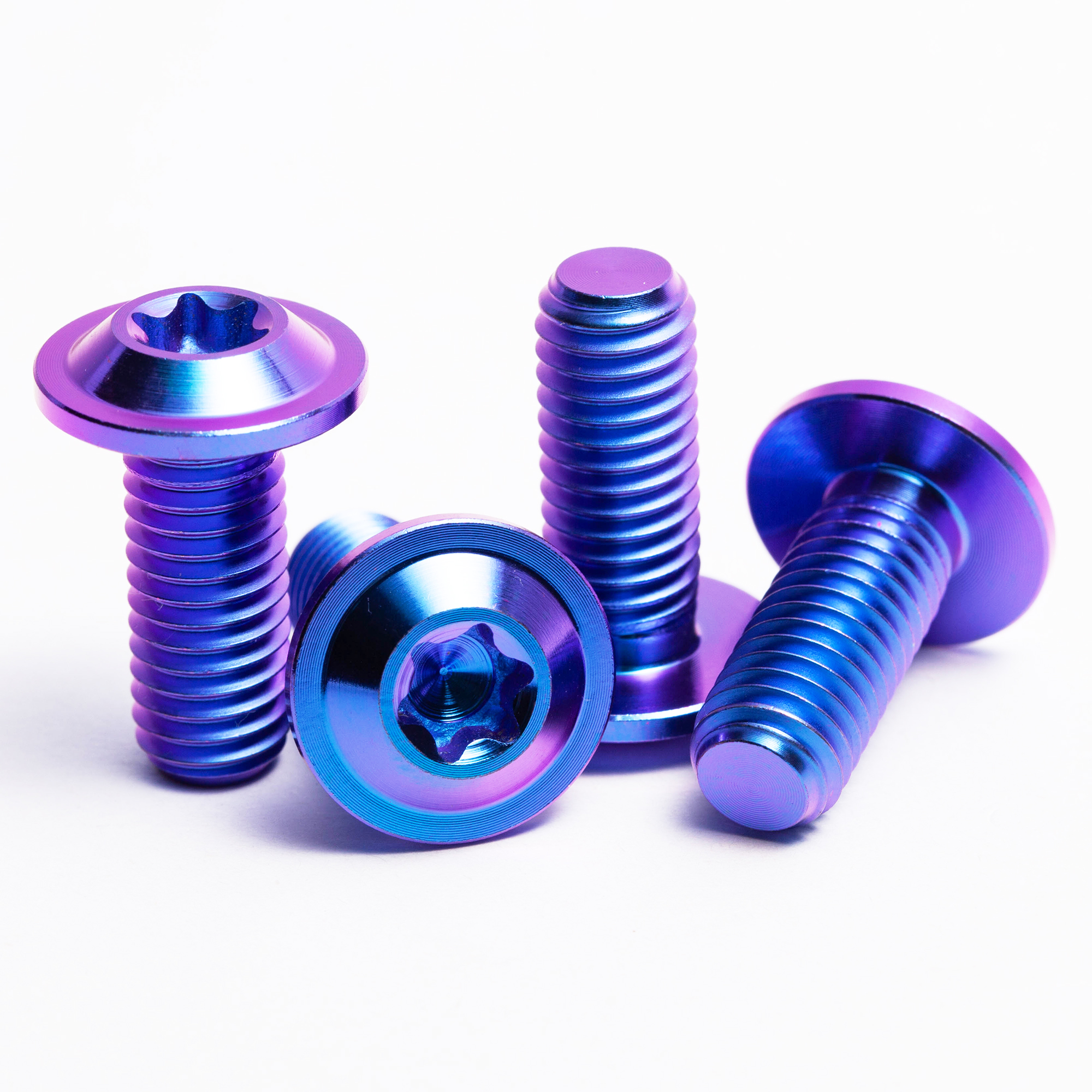
Low-profile disc head locking screws manufactured for tensioning screen media, filter leaf packs, and vibration mounts.
A systematic analysis of why titanium wire mesh (Grade 1 commercially pure up to Grade 5 Ti-6Al-4V) outperforms 316L stainless steel, nickel alloys, and copper mesh across equatorial Southeast Asia.
Titanium’s non-reactive nature stems from the spontaneous formation of a continuous, thermodynamically stable rutile/anatase titanium dioxide (TiO₂) oxide boundary. Unlike chromium oxide in austenitic stainless steel which suffers pitting and crevice corrosion under stagnant chloride conditions, titanium retains zero pitting corrosion in wet chlorine, chlorates, and tropical freshwater river silts found along the Mekong Basin.
Manufactured using cold-drawn titanium wire per ASTM B863, our weaving regimes encompass Plain Weave (1:1 square aperture for straightforward flow), Twill Weave (2:2 overlapping pattern for high-pressure hydrodynamic backwash), and Dutch Weave (compact warp and weft differential for sub-20 micron particle classification in hydrometallurgy).
With an elastic modulus roughly half that of alloy steel (~105-115 GPa) and low thermal expansion coefficient (8.6 × 10⁻⁶/K), titanium wire screens absorb violent mechanical impulses from pulsating slurry intake pumps without experiencing work-hardening embrittlement or micro-fractures in structural welds.
| Material Grade | Composition Standard | Tensile Strength (MPa) | Corrosion Index (Chloride / Slurry) | Primary Application Profile in Laos |
|---|---|---|---|---|
| Grade 1 (CP Ti) | ASTM B265 / B348 / B863 | ≥ 240 | Exceptional Ductility | Fine electrochemical filtration, chlor-alkali anodes, architectural mesh overlays. |
| Grade 2 (CP Ti) | ASTM B863 / DIN 3.7035 | ≥ 345 | Universal Chemical Resistance | Mekong intake water filtration, runoff silt separator screens, wastewater treatment. |
| Grade 5 (Ti-6Al-4V) | ASTM B348 / ISO 5832-3 | ≥ 895 | High Tensile & Fatigue | Heavy aggregate screening, high-pressure slurry screens, mining trommel media. |
| SS316L (Comparison) | AISI 316L / DIN 1.4404 | ≥ 485 | Susceptible to Crevice Attack | Conventional food processing (unsuitable for acidic mining leachates). |
Strategic deployment of titanium wire mesh systems across Northern Laos infrastructure, ecological conservation corridors, and extraction belts.
Luang Prabang sits at the nexus of major hydroelectric corridors including the Nam Khan and Mekong run-of-river cascades. Runoff silt carries abrasive suspended silica and biological tannin organics that blind ordinary woven screens within months. Our Grade 2 square woven titanium mesh withstands high fluid shear velocities while offering complete immunity to cavitation pitting and microbiologically influenced corrosion (MIC).
Across surrounding mining concessions in northern provinces (bauxite, copper, rare earth elements, and alluvial gold), hydrometallurgical leaching involves sulfuric and hydrochloric acidic lixiviants at elevated temperatures. Using sintered multi-layer titanium wire mesh filter discs ensures continuous solvent extraction filtration without media degradation, preventing downstream valve contamination.
As a UNESCO World Heritage City, Luang Prabang enforces rigorous architectural preservation regulations on vernacular wooden structures. High monsoon humidity, continuous mold exposure, and wood-boring insects degrade conventional galvanized wire cloth. Our PVD-anodized architectural titanium wire mesh delivers 50+ years of zero-maintenance protection, invisible structural reinforcement, and historic timber preservation.
Large-scale processing plants converting regional agricultural outputs like cassava starch and rubber require non-toxic, biocompatible separation screens. Titanium wire cloth eliminates metal ion leaching into edible starch cakes while eliminating clogging caused by sticky organic residues during centrifuge separation cycles.
Analysis of regional logistics modernization, China-Laos Railway freight impacts, and the transition from cheap consumables to lifecycle-engineered capital assets.
The operational maturity of the Boten-Vientiane high-capacity railway line running directly through Luang Prabang Railway Station has transformed sourcing logistics. Bulk freight from manufacturing bases in Zhejiang and Yunnan can reach Luang Prabang yards within 72 hours, drastically reducing safety stock carrying costs and enabling direct-from-mill customization of non-standard mesh specifications.
Plant operators in Luang Prabang previously relied on low-grade galvanized or SS201 screens, which required bi-monthly replacement shut-downs and costly imported technical labor. Engineering tenders are shifting toward Total Cost of Ownership (TCO) paradigms where titanium’s 10x operational lifespan eliminates unscheduled downtime across remote job sites.
The Ministry of Natural Resources and Environment (MONRE) in Laos is enforcing heightened restrictions on untreated industrial runoff into the Mekong and Nam Khan hydro-basins. Chemical tailings retention dams now mandate precision filtration barriers capable of zero-degradation containment, accelerating procurement of Grade 2 titanium woven filtering fabrics.
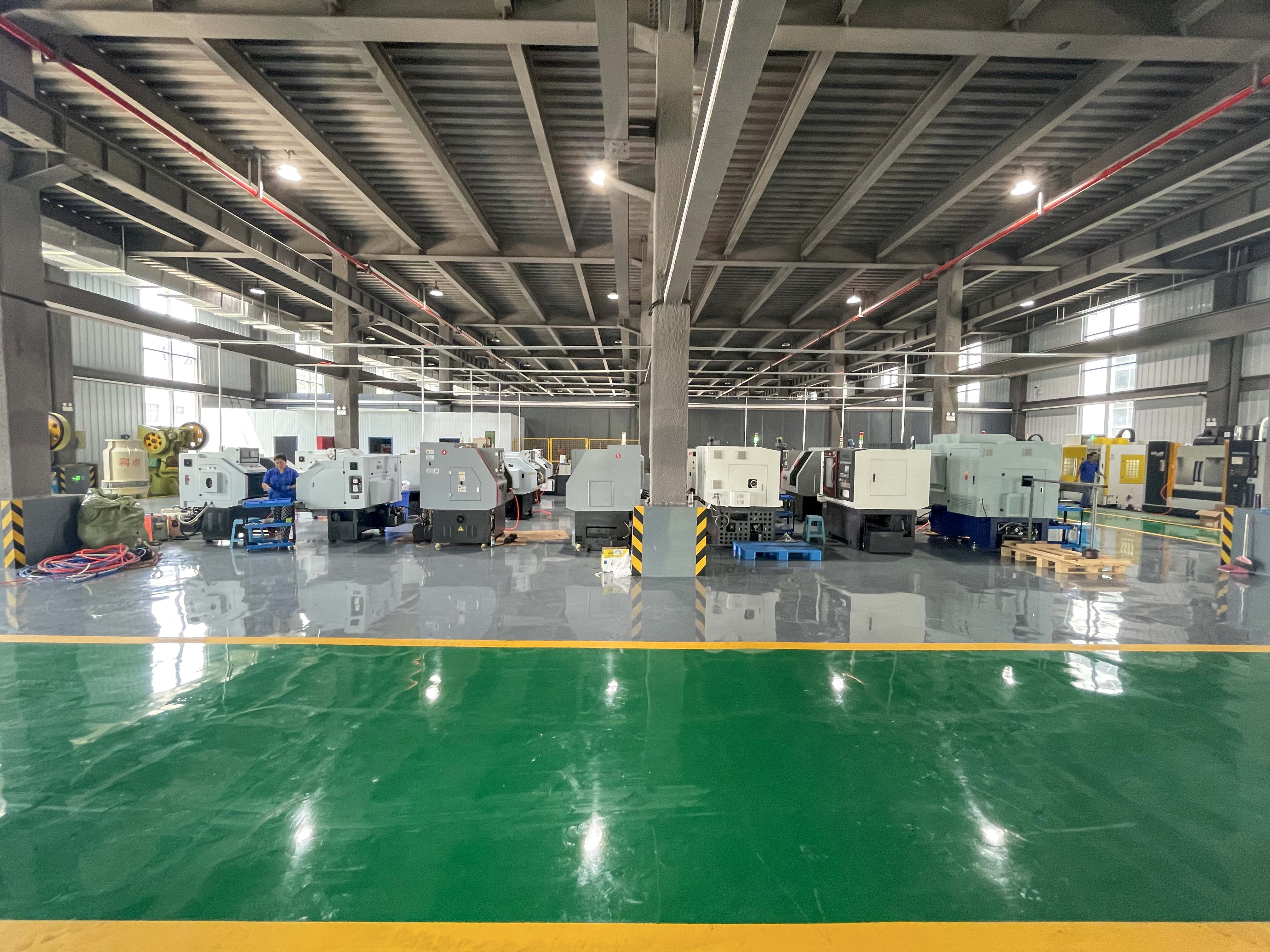
Founded in 2018 in Jiaxing, Zhejiang, China, Wexra Titanium operates as an integrated manufacturer focusing exclusively on Grade 1, Grade 2, and Grade 5 (Ti-6Al-4V) engineered solutions. Serving Tier-1 industrial buyers across Europe, North America, and high-growth ASEAN infrastructure corridors, our facility combines automated shuttleless wire-mesh looms, multi-axis CNC machining, vacuum diffusion bonding, and laser-slitting technology.
Every shipment bound for Luang Prabang is supported by batch-specific Mill Test Certificates (MTC 3.1) per EN 10204, certified metallurgical chemical breakdown, precision coordinate measuring inspection reports, and export-compliant protective crating designed for monsoon transit.
Contact UsDirect technical answers addressing customs clearances, logistical transit along the China-Laos corridor, and material selection criteria.
Production lead time for standard mesh rolls (e.g., 20 mesh to 200 mesh) is typically 7 to 10 days. Sintered laminates and custom-fabricated mesh filter elements take approximately 15 days. For Luang Prabang shipments, cargo moves via the Kunming-Mohan rail corridor entering Laos at Boten, arriving directly at the Luang Prabang freight handling depot within 3 to 5 business days after customs clearance. Complete customs packing lists, commercial invoices, and Certificate of Origin (Form E under ACFTA for reduced or zero tariff treatment) are pre-cleared digitally.
For chemical and freshwater applications such as water treatment plants, river intakes, and standard architectural screens, commercially pure Grade 2 (CP-Ti) is the standard industrial choice balancing excellent ductility with total chloride corrosion immunity. Grade 1 offers greater malleability for ultra-fine filtration meshes (>300 mesh) that undergo extensive bending. Grade 5 (Ti-6Al-4V) is specified when the mesh or perforated basket is subjected to intense hydraulic mechanical pressure, aggregate abrasive wear, or high tensioning in vibrating screens.
Direct fusion welding of titanium to carbon steel or stainless steel produces brittle intermetallic compounds (such as Fe-Ti phases) that crack under vibration. For installation onto steel equipment in Luang Prabang facilities, we recommend mechanical clamping using our Grade 5 titanium flange bolts and isolated PTFE/EPDM gaskets, or utilizing explosively bonded transition joints. Wexra Titanium can pre-fabricate framed mesh cassettes with custom perimeter margins to allow simple bolting directly into your existing skid assemblies.
Titanium is cathodic (noble) compared to most common structural metals. When coupled with plain carbon steel or aluminum in an electrolyte like the Mekong River, the titanium remains completely unattacked while the less noble metal may experience accelerated galvanic corrosion. To mitigate this, our engineering team supplies dielectric isolation sleeves, or we recommend fabricating the entire wet filter assembly—including screen frame, fastening bolts, and support ribs—out of matching Grade 2 titanium.
Every export package comes complete with an ISO 9001:2015 inspection certificate, a detailed Mill Test Certificate (MTC EN 10204 3.1) showing exact optical emission spectrometer (OES) chemical breakdowns (Fe, O, C, N, H, and Ti balance), wire gauge dimensional verification sheets, and aperture opening consistency reports measured via optical micrometers.
Whether you require master rolls of Grade 2 woven wire cloth or custom-stamped Grade 5 filter discs for Luang Prabang projects, our engineering sales desk responds within 8 hours.
Contact Us