Featured Titanium Fasteners & OEM Forged Components
Engineered from vacuum-arc remelted Grade 5 (Ti-6Al-4V) and Grade 9 (Ti-3Al-2.5V) titanium alloys. Developed to replace steel fasteners at 45% weight savings while delivering extreme tensile integrity and absolute galvanic resilience.
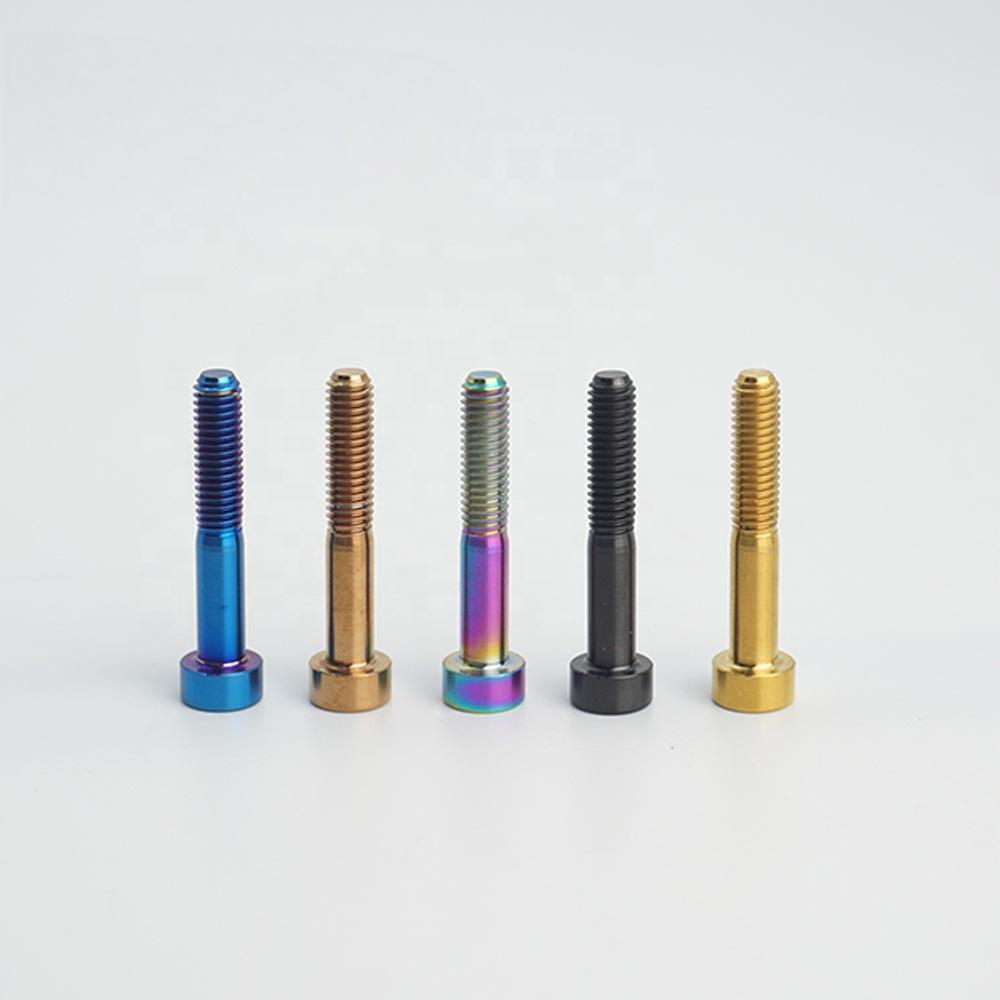
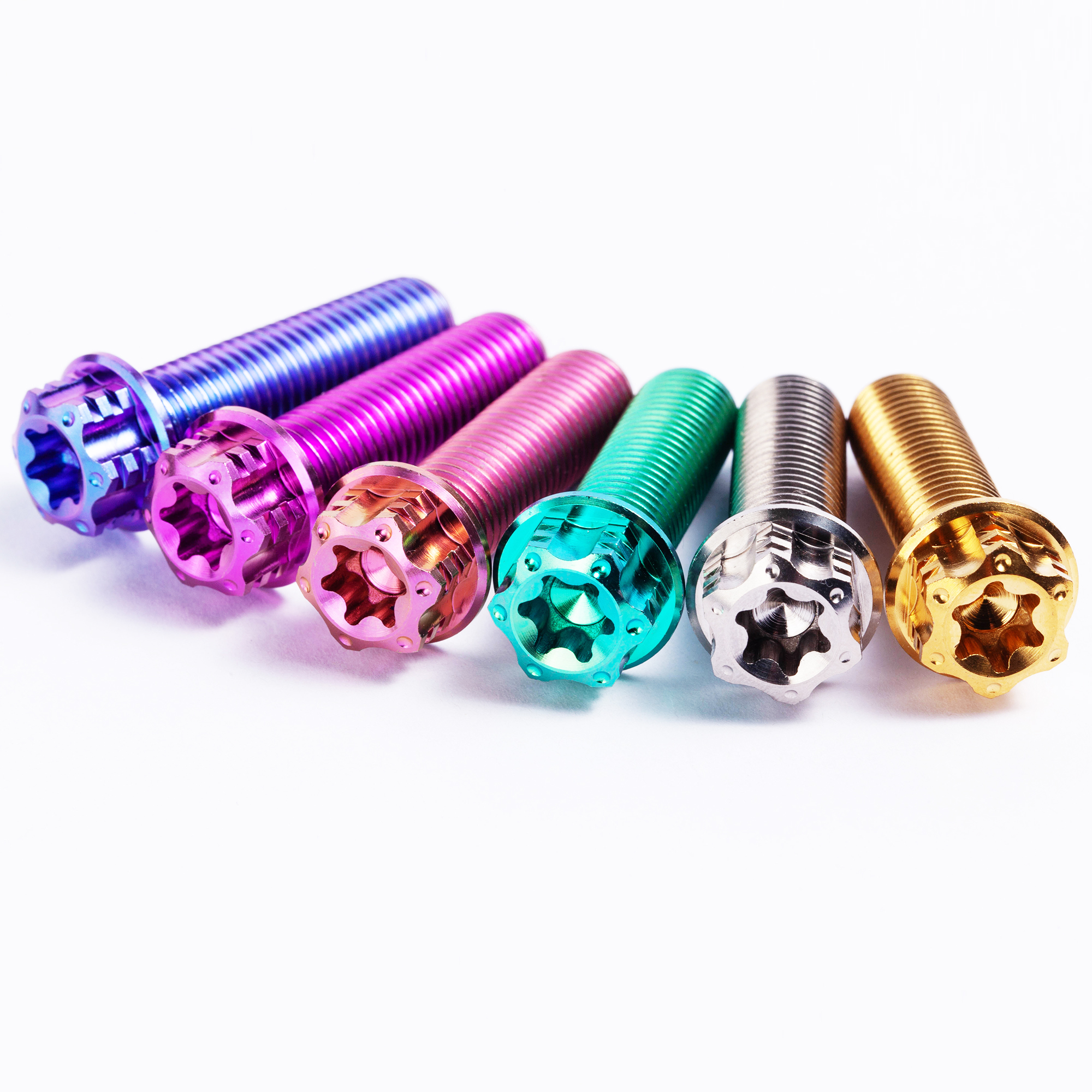
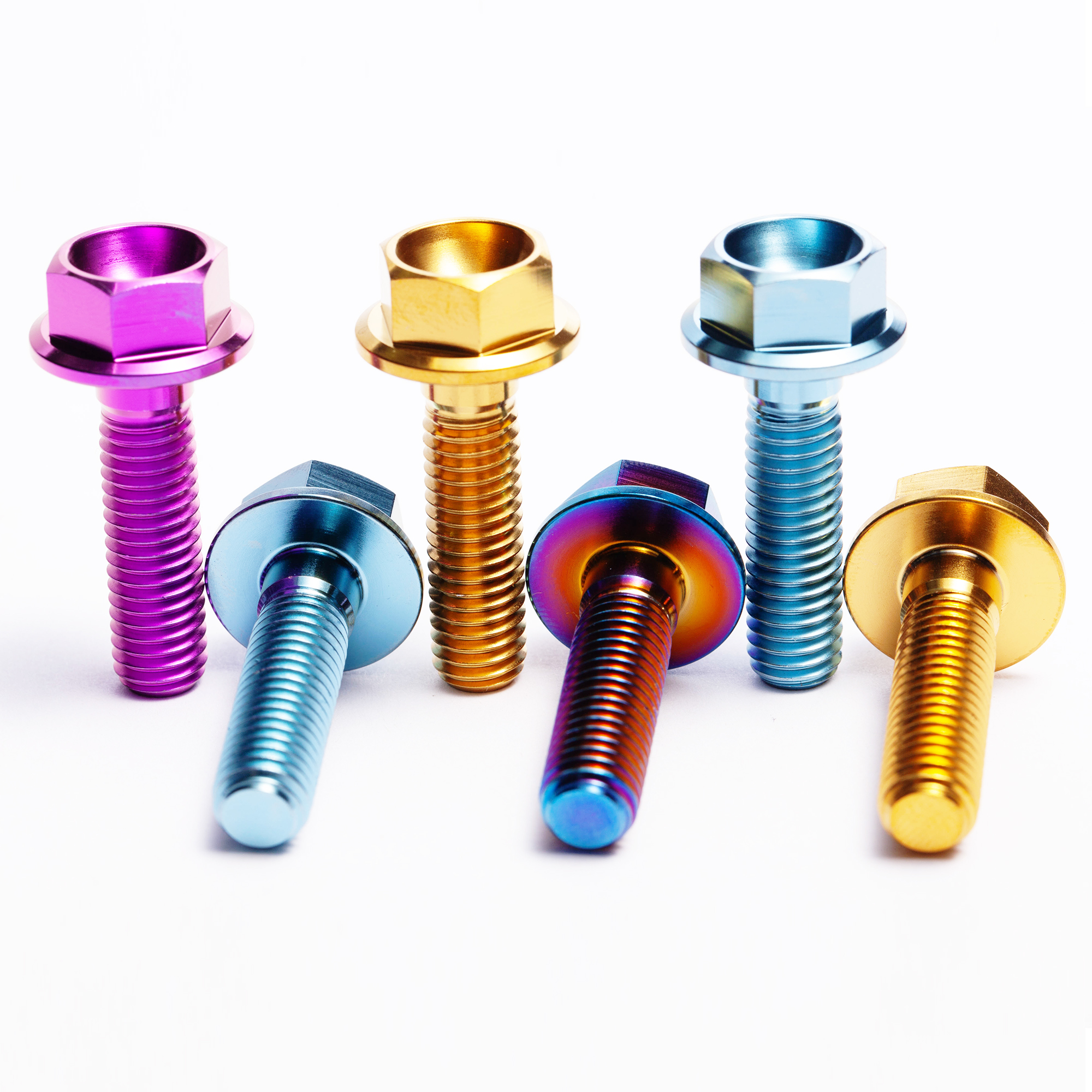
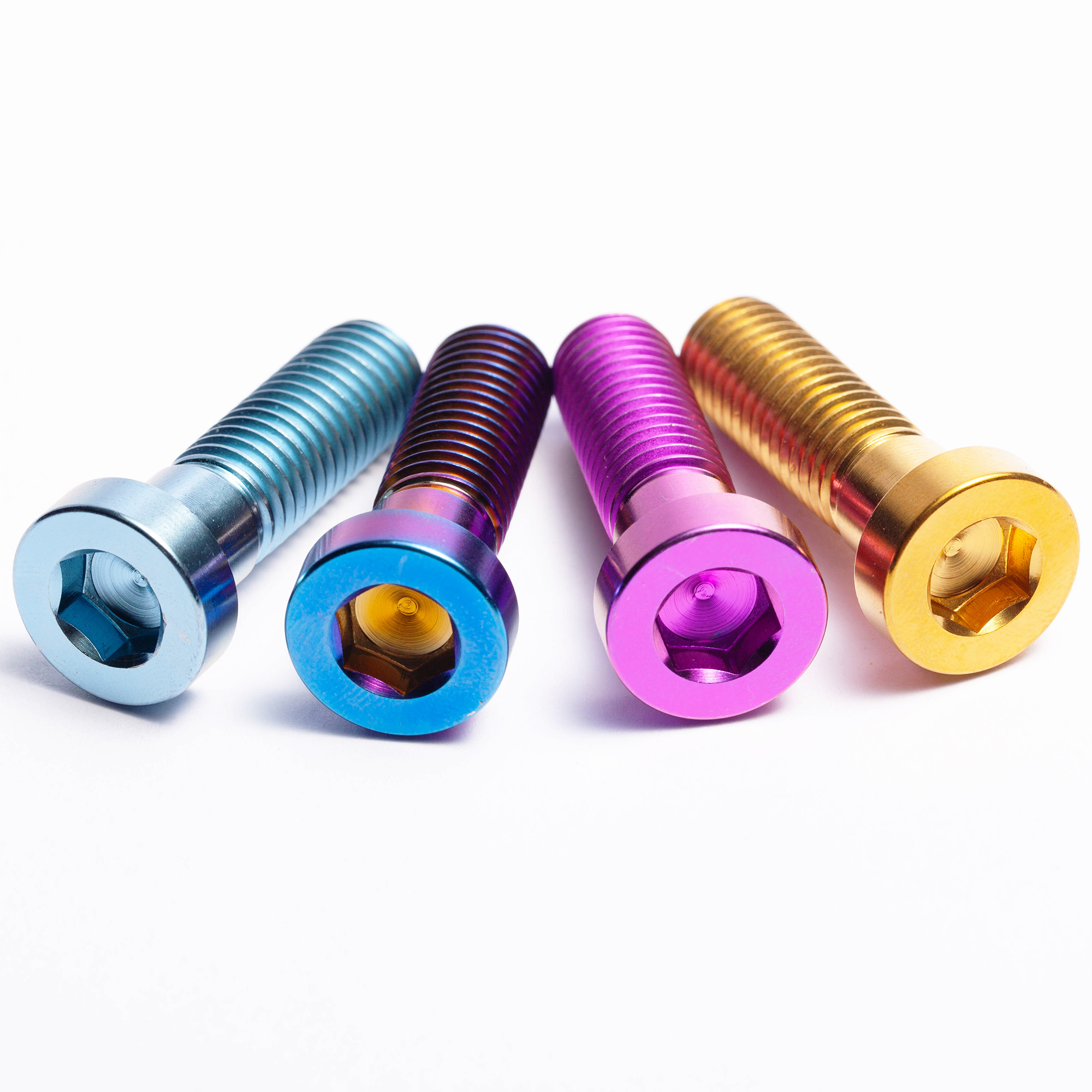
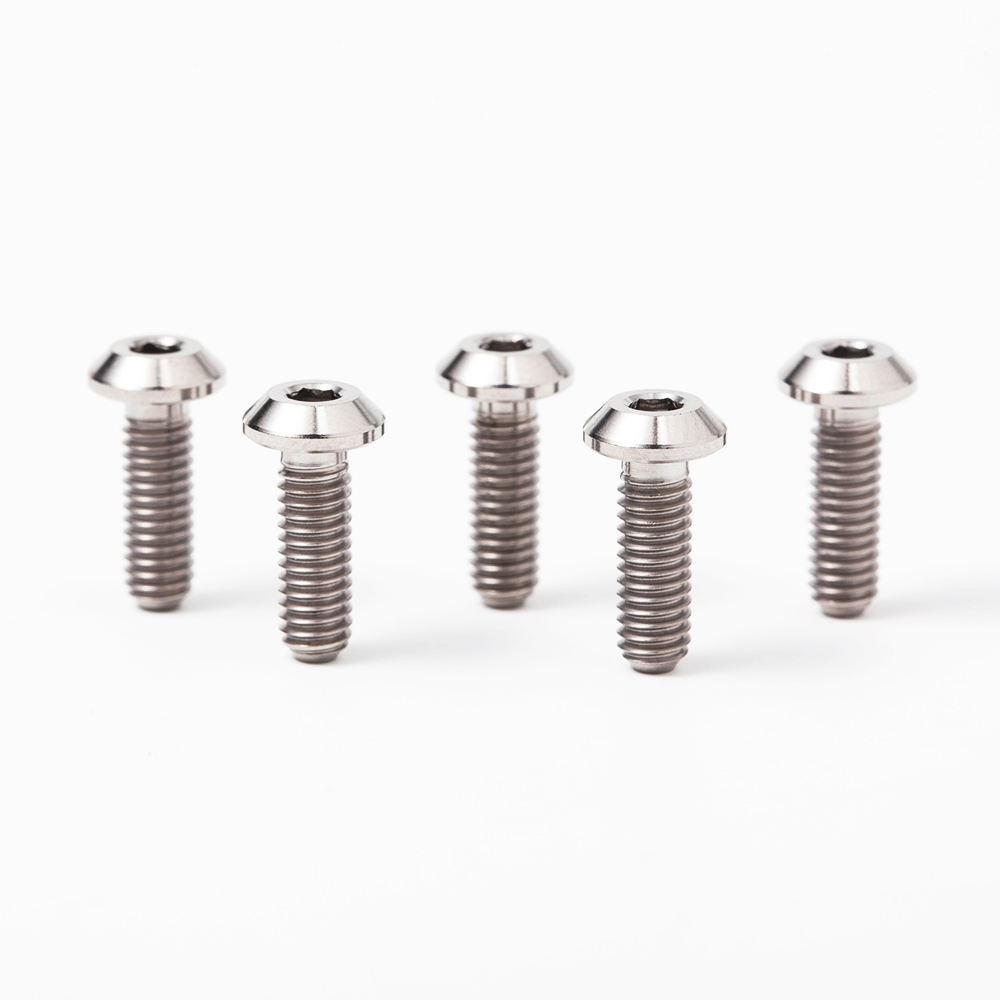
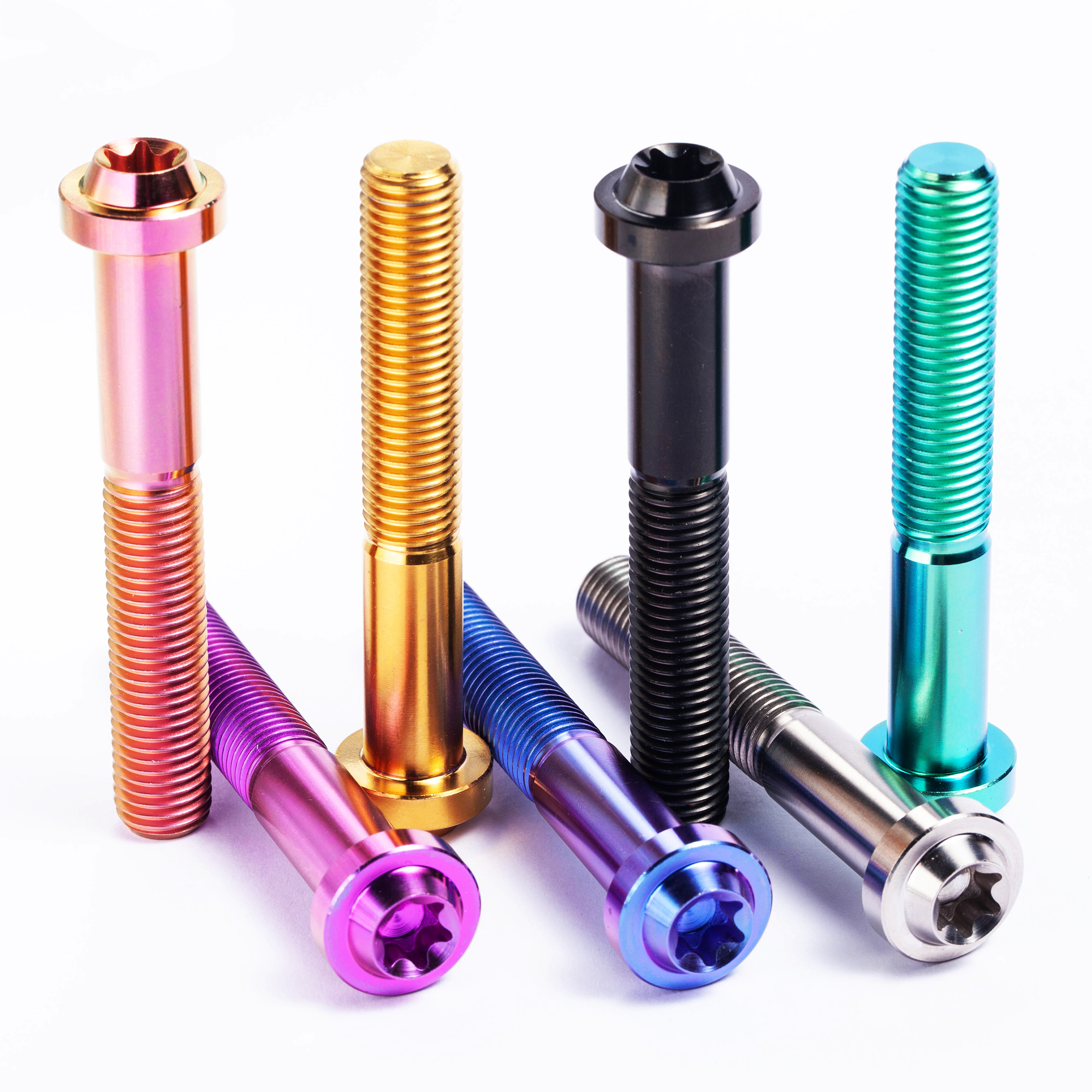
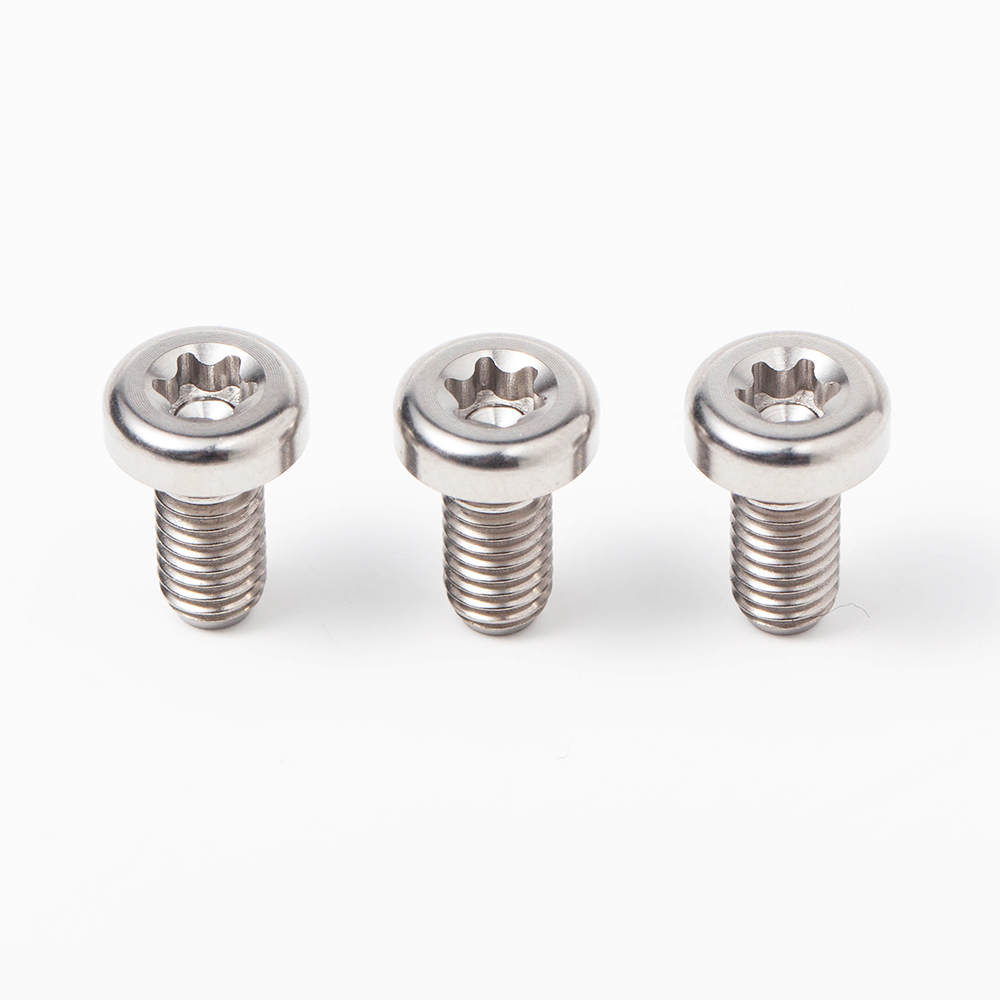
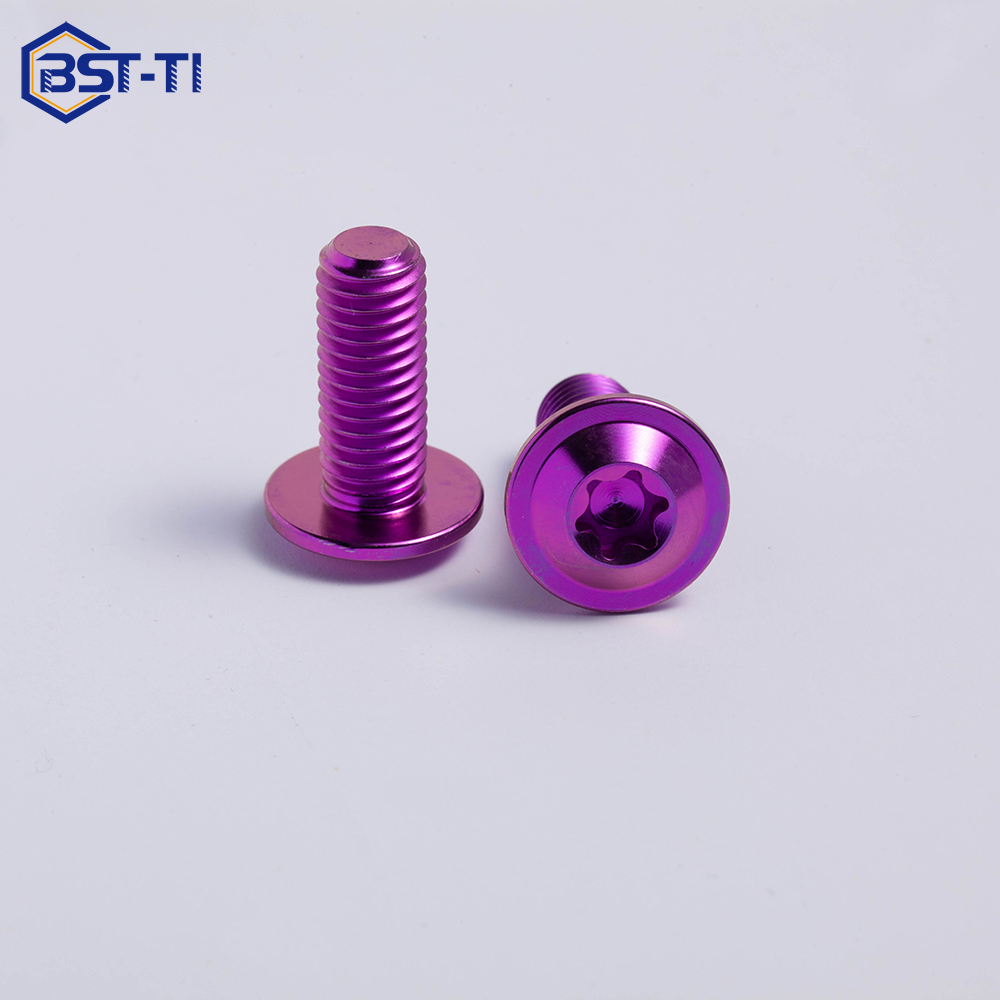
Precision Titanium Forging Architecture for the Greater Chukyo Manufacturing Belt
Nagoya stands as the indisputable epicenter of Japanese advanced heavy manufacturing, anchoring the Chubu industrial cluster. This whitepaper establishes how Jiaxing Wexra Titanium Products Co., Ltd. Bridges high-integrity closed-die forging, cold heading, and multi-axis CNC finishing with the exacting standards of Aichi’s automotive giants, aerospace tier suppliers, and rail infrastructure innovators.
Crystalline Grain Alignment via Closed-Die Forging
Unlike subtractive machining directly from extruded round bars, our closed-die hot forging forces alpha-beta titanium alloy grain structures to continuously contour along the geometric boundaries of the finished component. This continuous metallurgical flow eliminates shear cleavage planes, elevating high-cycle fatigue resistance by up to 38% under cyclic mechanical stress common in Tokai automotive powertrains.
Near-Net-Shape Isothermal Processing
Given titanium’s notoriously low thermal conductivity (approx. 6.7 W/m·K) and propensity to rapid surface chill in open atmospheric tooling, our precision isothermal forging maintains dies at strict operational temperatures (900°C – 950°C for Ti-6Al-4V). This minimizes the formation of brittle alpha-case oxygen-enriched layers, achieving raw material utilization rates exceeding 78% for aerospace structural brackets.
JIS H4600 & AMS 4928 Strict Dual Compliance
Navigating the dual requirements of domestic Japanese Industrial Standards (JIS Class 60 / Class 61) and global aerospace certifications (AMS 4928, ASTM B381), our forging billets undergo vacuum arc double-remelting (VAR). We provide EN 10204 3.1 chemical inspection logs guaranteeing hydrogen contents below 0.0125% to prevent internal embrittlement during high-velocity rotation.
Engineered for Nagoya's Specialized Manufacturing Ecosystems
Aichi Prefecture accounts for Japan’s highest manufacturing product shipment value year after year. Wexra Titanium’s OEM forgings and custom CNC components are optimized specifically for the operational demands of regional Tier-1 and Tier-2 engineering ecosystems.
Toyota City Automotive Powertrains & Fuel Cells
OEM titanium forged connecting rods, turbocharger wastegate pins, and Grade 2 titanium bipolar plate fittings for hydrogen fuel cell (FCEV) drivetrains. Our lightweighting cuts reciprocating inertial mass inside high-RPM engines while Grade 2’s chemical passivity resists extreme acidic and moist hydrogen environments.
Oye & Komaki Aerospace Structural Sub-Assemblies
Serving aerostructure contractors surrounding Nagoya Airport and the Port of Nagoya. We deliver forged titanium hinge brackets, wing-flap actuator pins, and nacelle mounting fasteners that resist severe vibration fatigue across operating thermal cycles from -55°C to +350°C without creep deformation.
Tokaido Shinkansen High-Speed Bogie Assemblies
High-speed rail bogie fasteners require high shear strength combined with total immune resistance to de-icing salt sprays and moisture. Wexra’s forged DIN 6921 hex flange bolts and custom pins replace heavy steel bolts, reducing unsprung bogie mass for reduced track dynamic wear and energy consumption.
Chubu Industrial Robotics & High-Speed Automation
Articulated 6-axis robotic arms deployed across automotive welding and semiconductor cleanrooms demand maximum rigidity with minimal kinematic momentum. Forged titanium joint shafts, pivot flanges, and lightweight end-effector mounts allow higher acceleration-deceleration cycles with zero magnetic interference.
Emerging Engineering Trends in the Chubu Titanium Supply Chain
As Nagoya navigates the global transition toward carbon-neutral mobility, green hydrogen, and NextGen commercial aviation, procurement managers face stringent technical benchmarks. Here are the core structural shifts shaping the market.
Electric Vehicle (BEV) Inverter & Battery Housing Lightweighting
The drive to expand battery pack capacities without exceeding vehicle gross weight ceilings has triggered massive demand for non-magnetic, corrosion-proof titanium enclosures and tie-down bolts. Nagoya R&D teams are phasing out plated steel fasteners in favor of cold-headed and forged Grade 5 titanium bolts to eliminate roadside electrolyte corrosion risks.
Hydrogen Transportation & Cryogenic Valve Assemblies
With the Port of Nagoya establishing comprehensive hydrogen maritime terminals, valves and flanges operating down to cryogenic temperatures (-253°C) encounter severe ductile-to-brittle risks in standard ferritic steels. Titanium Gr5 ELI (Extra Low Interstitial, ASTM F136) maintains exceptional fracture toughness and zero magnetic susceptibility under liquid hydrogen pumping conditions.
Subtractive-Forging Hybrid Workflows
Japanese engineers increasingly mandate near-net-shape hot die pre-forms followed by 5-axis DMG MORI / Mazak precision finishing. This dual manufacturing methodology slashes machining cycle times by 65%, eliminates tooling chatter, and prevents excessive thermal build-up during deep-cavity profile milling in complex structural aerospace geometries.
Titanium Forging Alloy Mechanical Matrix
Direct comparative benchmarking for material substitution in automotive, aerospace, and high-load mechanical hardware. Validate specifications across ASTM, JIS, and DIN standards before final blueprint release.
| Material Designation | JIS / ISO Equivalent | Tensile Strength (MPa) | Yield Strength (0.2% MPa) | Density (g/cm³) | Elongation (%) | Primary Industrial Use Case |
|---|---|---|---|---|---|---|
| Titanium Grade 5 (Ti-6Al-4V) | JIS Class 60 / ISO Gr5 | 895 – 1050 | 825 min | 4.43 | ≥ 10% | Brake caliper bolts, wheel hubs, aerospace structural hinges |
| Titanium Gr5 ELI (ASTM F136) | JIS Class 60E | 860 – 980 | 790 min | 4.43 | ≥ 12% | Cryogenic fuel systems, medical implants, high-impact motorsport |
| Titanium Grade 2 (CP-Ti) | JIS Class 2 | 345 – 480 | 275 min | 4.51 | ≥ 20% | Hydrogen fuel cell fittings, marine heat exchangers, exhaust pipes |
| Titanium Grade 9 (Ti-3Al-2.5V) | AMS 4943 | 620 – 750 | 485 min | 4.48 | ≥ 15% | High-pressure hydraulic tubing, motorcycle frames, light fastener shafts |
| SCM435 Alloy Steel (Class 10.9) | JIS G4053 | 1040 – 1200 | 940 min | 7.85 | ≥ 9% | Standard automotive chassis bolts (Prone to galvanic rust) |
| SUS304 Stainless Steel | JIS G4303 | 520 – 700 | 205 min | 7.93 | ≥ 40% | General hardware (Heavy, lower tensile yield threshold) |
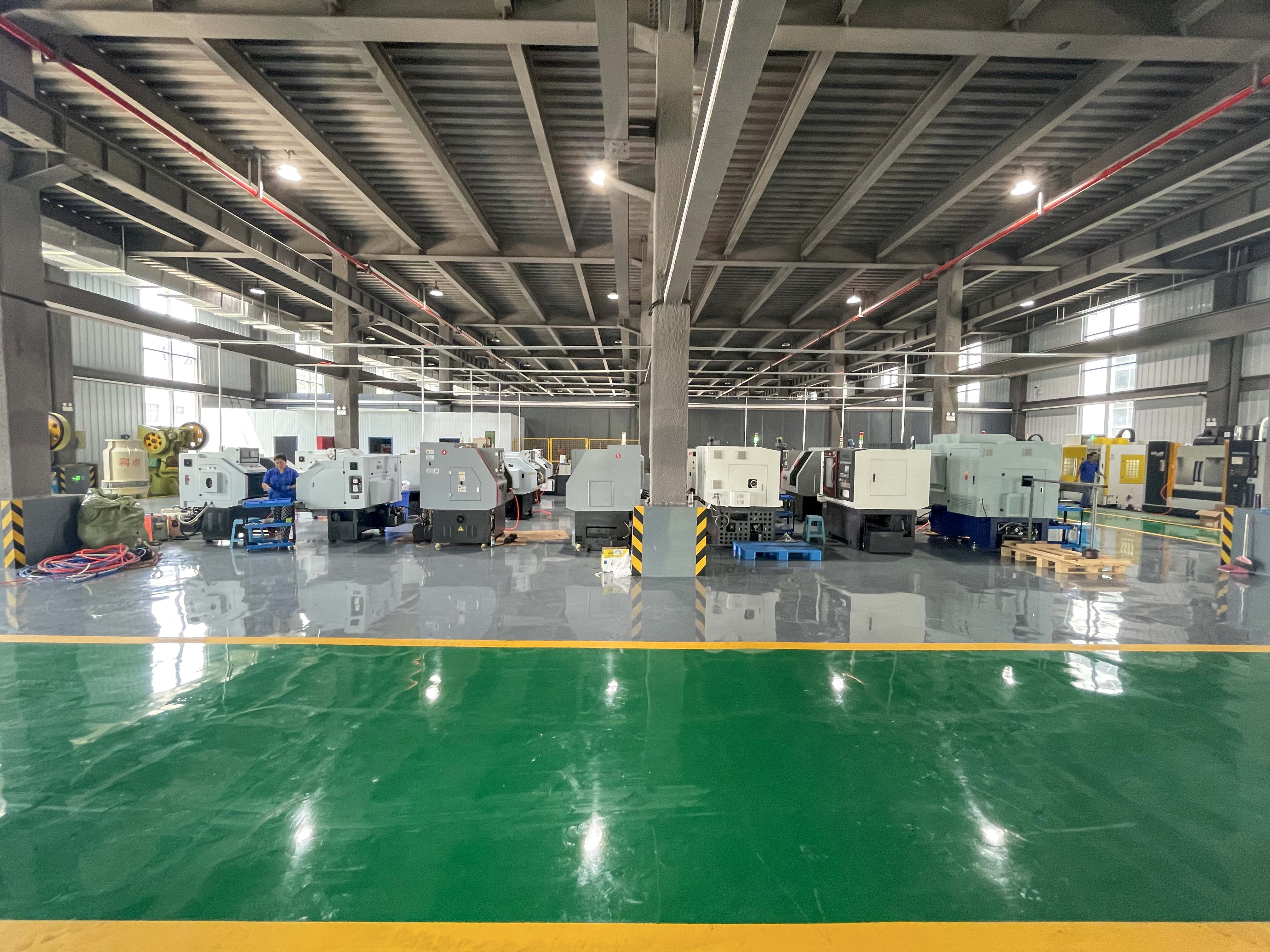
Precision Titanium Engineering Built for Japanese Quality Standards
Operating from our modern manufacturing base in Jiaxing, Zhejiang, Wexra Titanium specializes exclusively in the R&D, precision forging, and CNC machining of titanium and titanium alloys. We provide OEM/ODM supply partnerships configured to support Just-in-Time (JIT) production rhythms across Nagoya, Toyota, and Gifu industrial facilities.
Frequently Asked Questions by Nagoya Purchasing & Engineering Teams
Direct, transparent technical answers addressing metallurgy, quality control protocols, trade logistics to the Port of Nagoya, and tooling qualification.
Accelerate Your Nagoya Engineering Project With Custom Titanium Forgings
Whether you require PPAP-validated Grade 5 fasteners for motorsport chassis, precision near-net aerospace forgings, or cleanroom-certified robotic linkages, our metallurgical team provides full DFM analysis and rapid quotes within 8 hours.