Engineered Titanium Components & Precision Assemblies
Certified Grade 2 Commercially Pure and Grade 5 Ti-6Al-4V structural fasteners, custom profiled brackets, and CNC-lathed double-stud joints precision-machined for extreme maritime and mechanical environments.
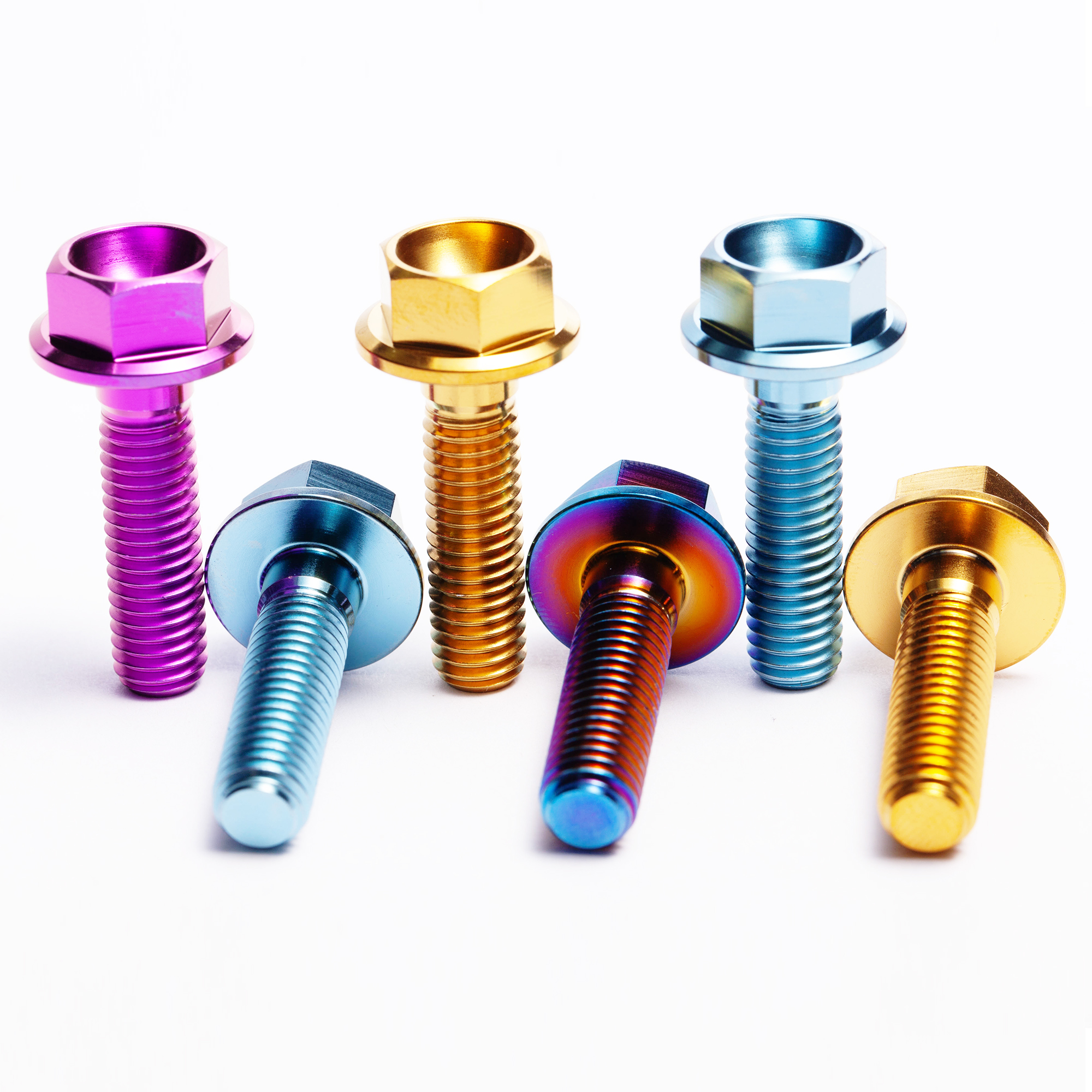
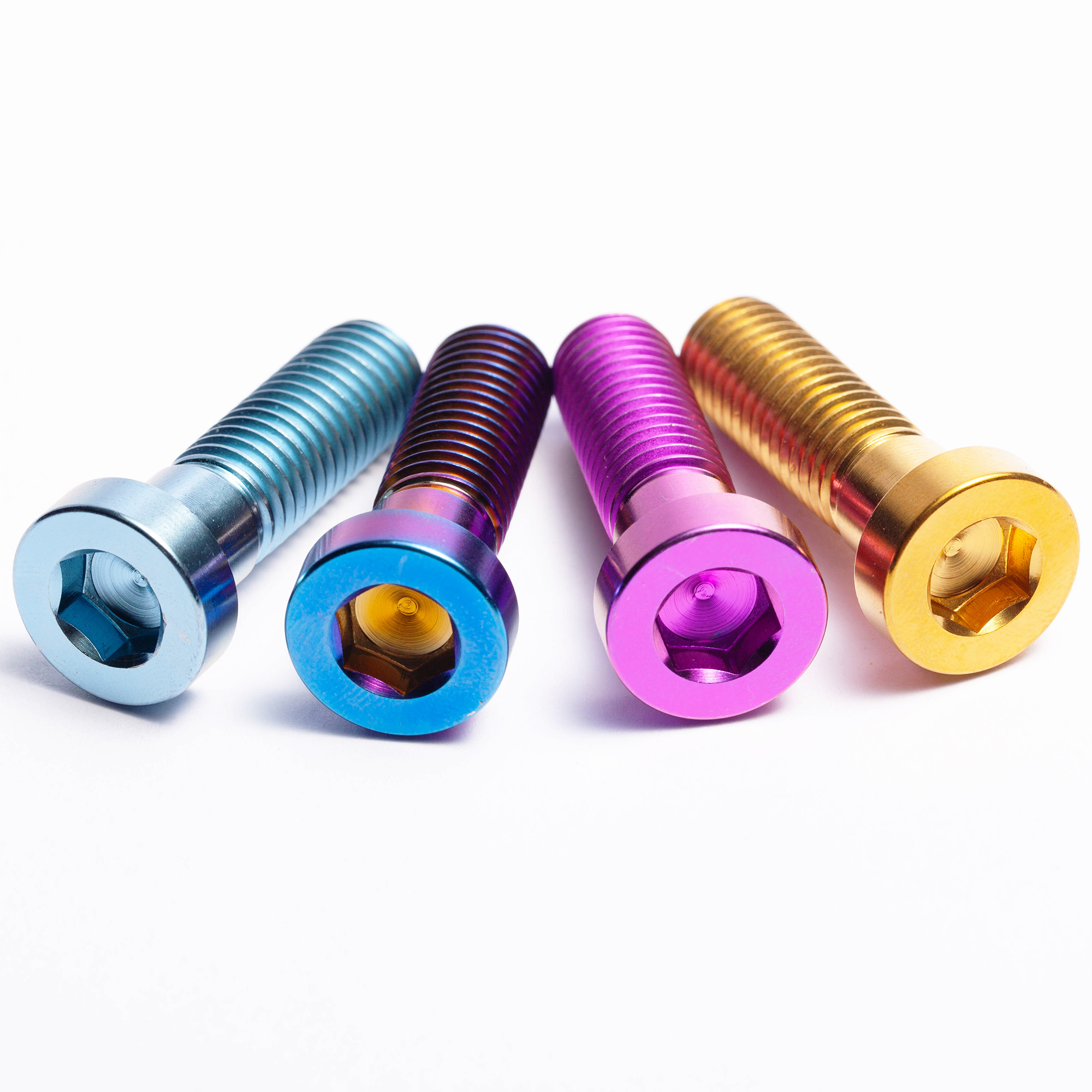
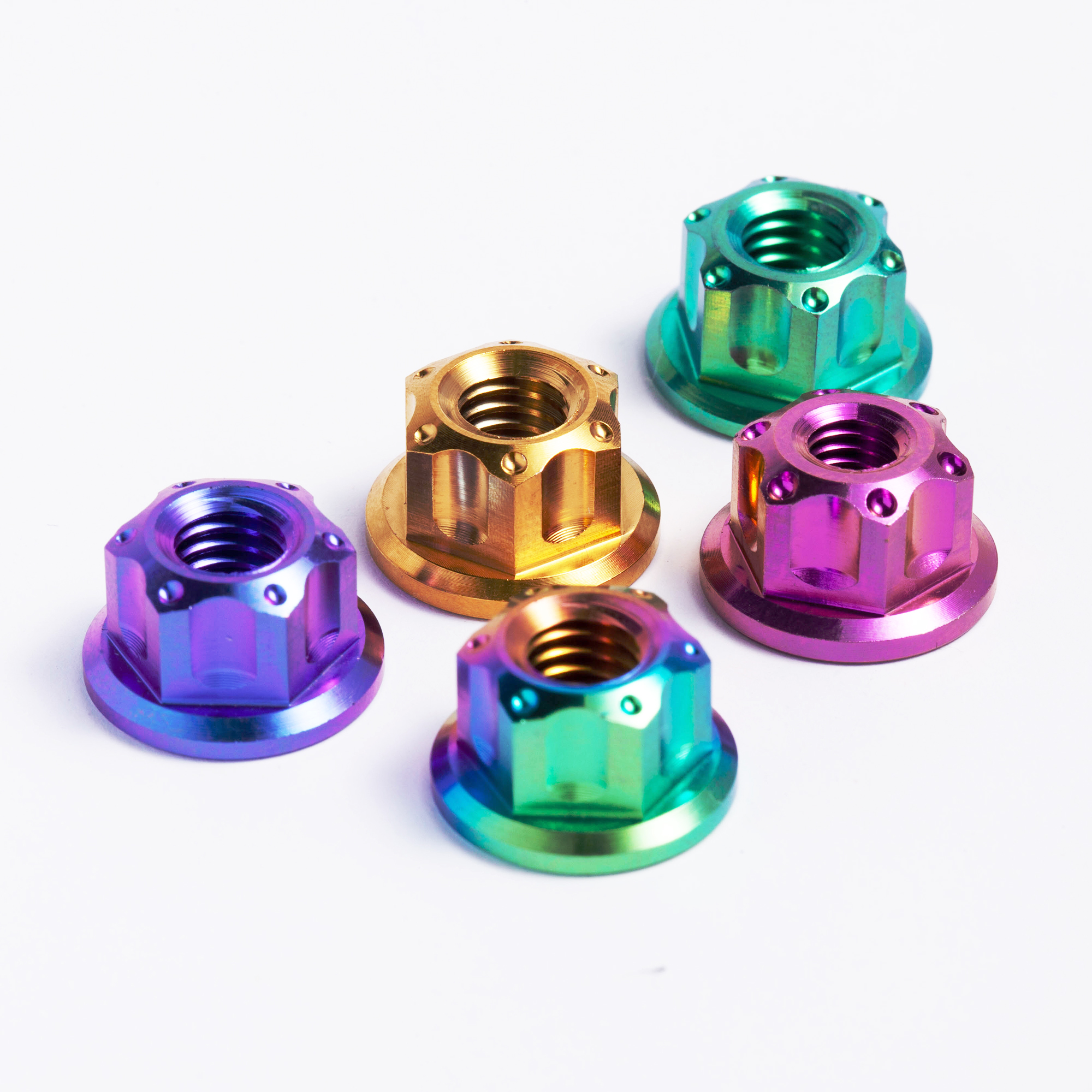
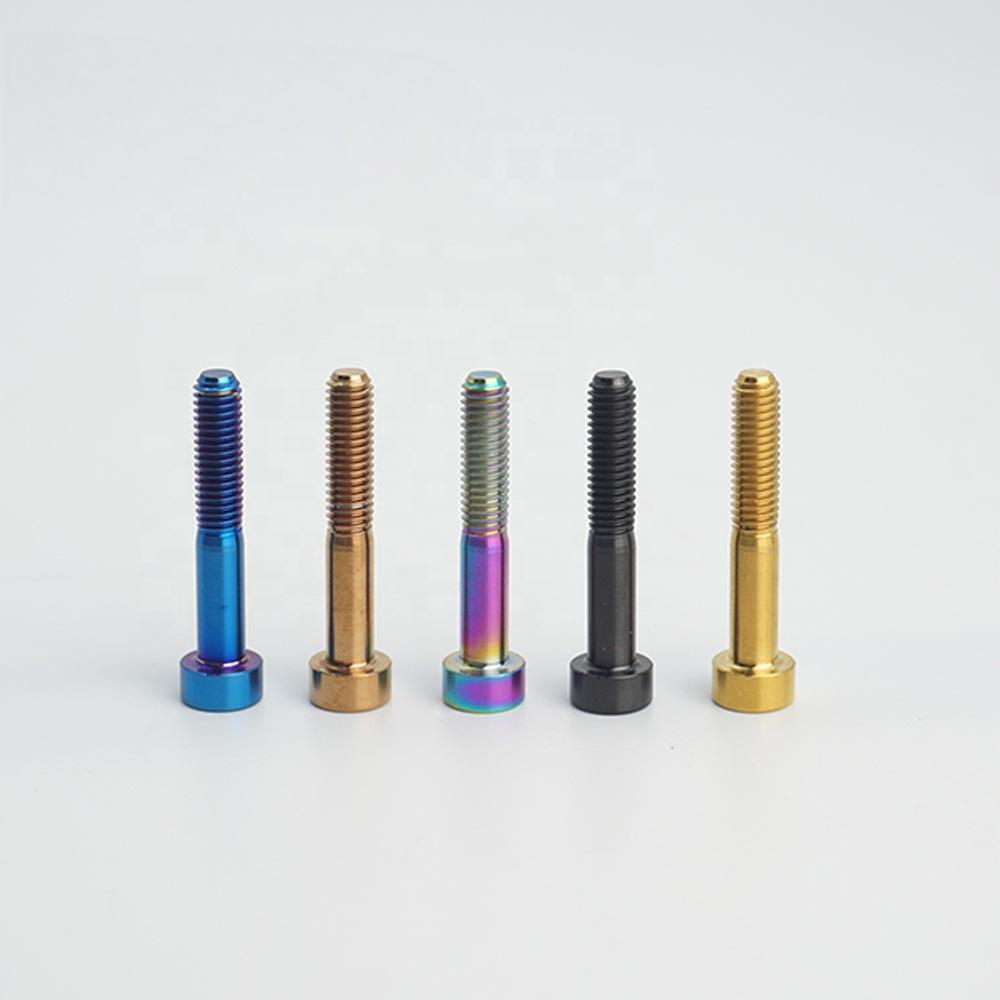
High-Precision Laser Cutting & Metallurgical Integrity for Industrial Busan
Busan operates as the undisputed maritime capital of South Korea and a dominant global hub for vessel construction, offshore energy processing, and heavy marine engineering. In marine subsea systems, LNG carrier superstructures, and naval defense installations across the Port of Busan and the Gangseo industrial corridor, components are exposed to continuous saltwater immersion, high-velocity tidal splash zones, and high galvanic currents. Wexra Titanium delivers advanced, clean-profile laser cut sheet and plate fabrications along with 5-axis CNC-machined titanium hardware designed explicitly to replace degraded duplex steels and marine bronzes.
Cutting titanium via high-density industrial laser systems requires strict metallurgical process control. Commercially Pure Titanium (Grade 2) and Alpha-Beta structural alloys (Grade 5, Ti-6Al-4V, UNS R56400) exhibit an extreme chemical affinity for interstitial gases—notably oxygen, nitrogen, and hydrogen—at elevated temperatures above 400°C. Conventional plasma or oxygen-assisted cutting generates an excessively brittle, oxygen-enriched microstructural boundary layer known as the alpha-case. This brittle casing induces micro-cracking under cyclic dynamic loads, directly threatening the operational safety of marine valves, subsea sensors, and shipboard structural brackets.
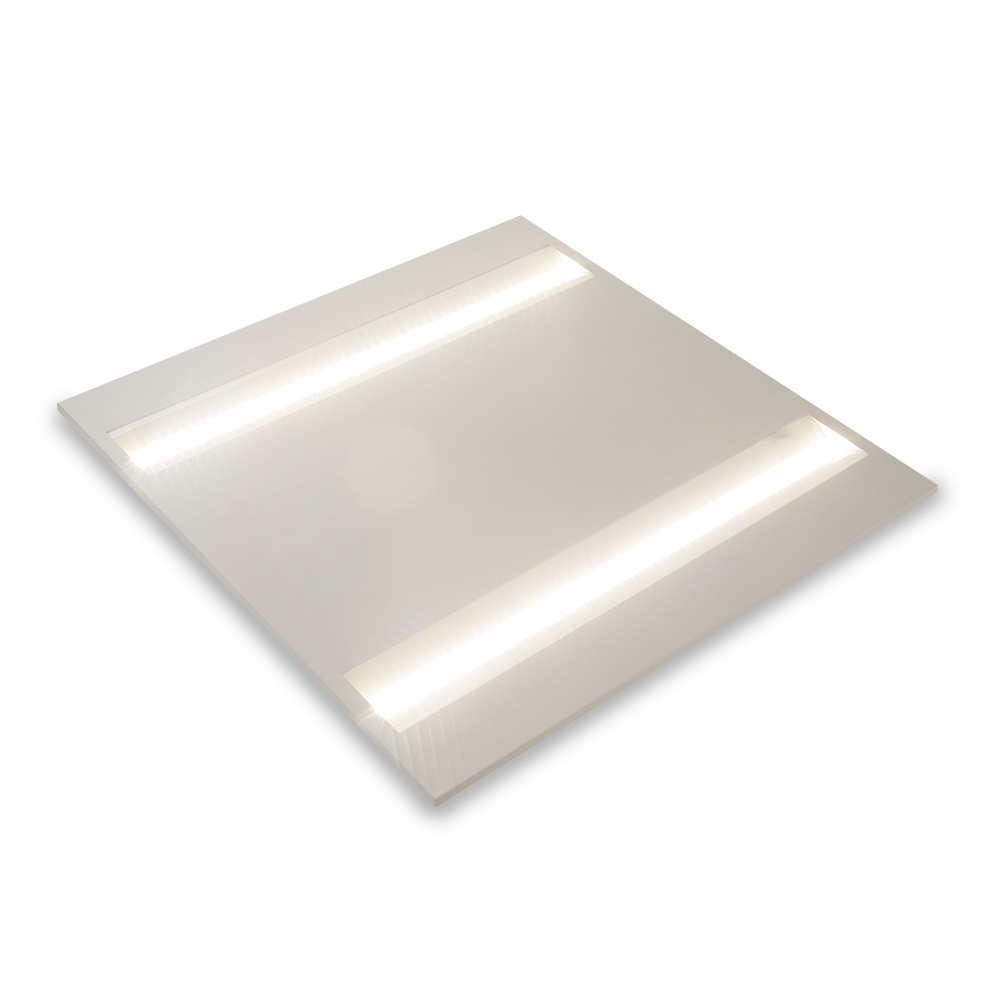
Technical Differentiator: Wexra Titanium employs ultra-high purity coaxial Nitrogen (N₂) shielding (99.999% purity) with precision multi-kilowatt fiber laser cutting heads. This ultra-high pressure inert-gas shearing expels liquid melt instantaneously without oxidation, eliminating surface alpha-case formation, preserving baseline material ductility, and leaving a mirror-smooth kerf with micro-burr tolerances under 0.05 mm.
| Alloy Specification | Yield Strength (MPa) | Density (g/cm³) | PREN Value | Busan Industrial Application Focus |
|---|---|---|---|---|
| Titanium Grade 5 (Ti-6Al-4V) | 828 – 910 | 4.43 | Immune (Passivated) | Offshore moorings, subsea ROV housings, motorsport drivetrains |
| Titanium Grade 2 (CP Titanium) | 275 – 350 | 4.51 | Immune (Passivated) | Seawater cooling manifolds, heat exchangers, ballast baffles |
| Super Duplex Steel (2507) | 550 | 7.80 | ≥ 42 | Heavy piping systems (Susceptible to stress cracking >60°C) |
| Marine Grade 316L Stainless | 220 | 8.00 | 23 – 25 | General hardware (Subject to severe crevice corrosion in stagnant sea water) |
* PREN: Pitting Resistance Equivalent Number. Titanium relies on a self-healing native TiO₂ oxide film that renders it impervious to ambient and pressurized seawater crevice corrosion.
Mission-Critical Applications Across Busan's Industrial Clusters
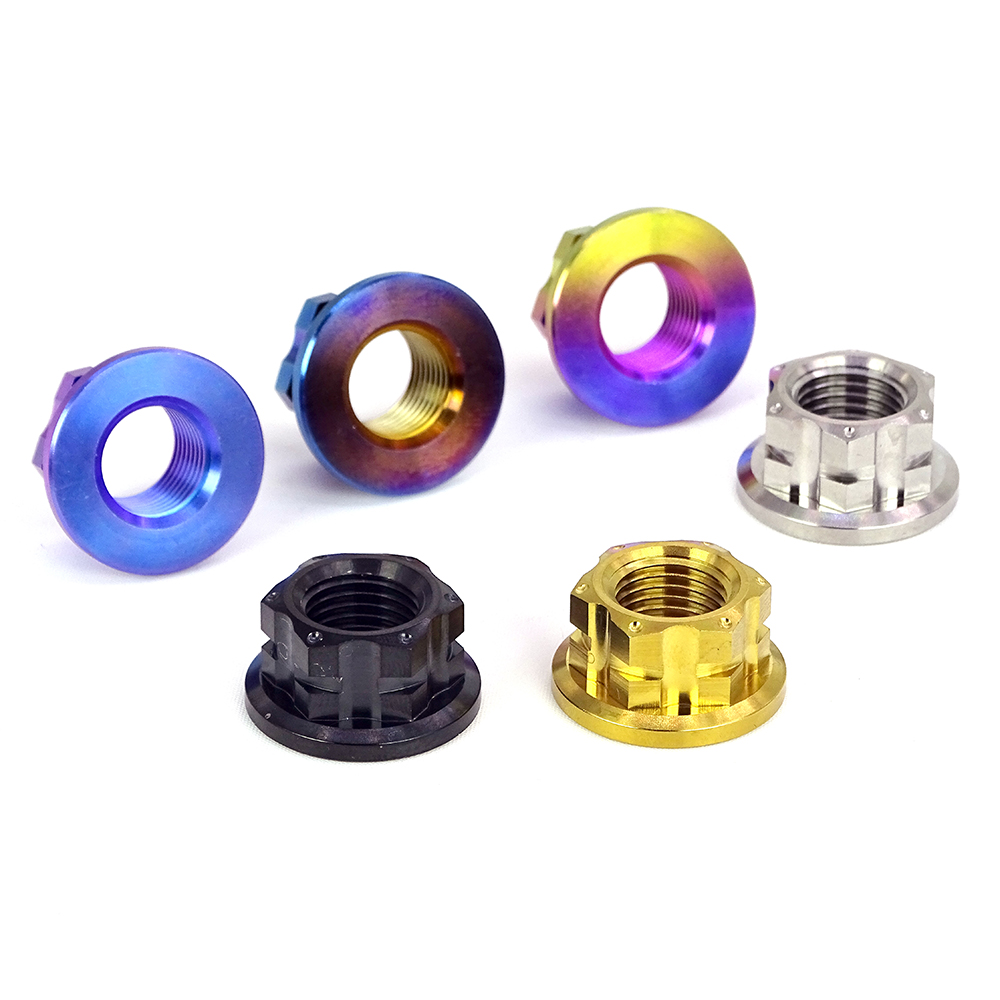
Precision-profiled titanium sheet, CNC-milled flanged fittings, and laser-slotted plates directly address the specialized operating criteria of prominent industrial clusters throughout the Busan metropolitan area and the adjacent Southeast Marine Industrial Belt (incorporating Ulsan and Geoje):
LNG Shipbuilding & Cryogenics
Laser cut Grade 2 and Grade 5 baffle plates, pump seals, and cryogenic manifold flanges deployed in Busan shipyard retrofits. Titanium experiences zero low-temperature ductile-to-brittle transition down to -196°C, offering complete mechanical stability for LNG carriers.
Subsea Robotics & Hydro-Sensors
Custom laser cut end-caps, acoustic transceiver brackets, and ROV structural chassis built for Busan marine research institutes. Zero biofouling degradation and unmatched strength-to-weight ratios minimize parasitic displacement in deep-trench submersibles.
Automotive & Hydrogen Mobility
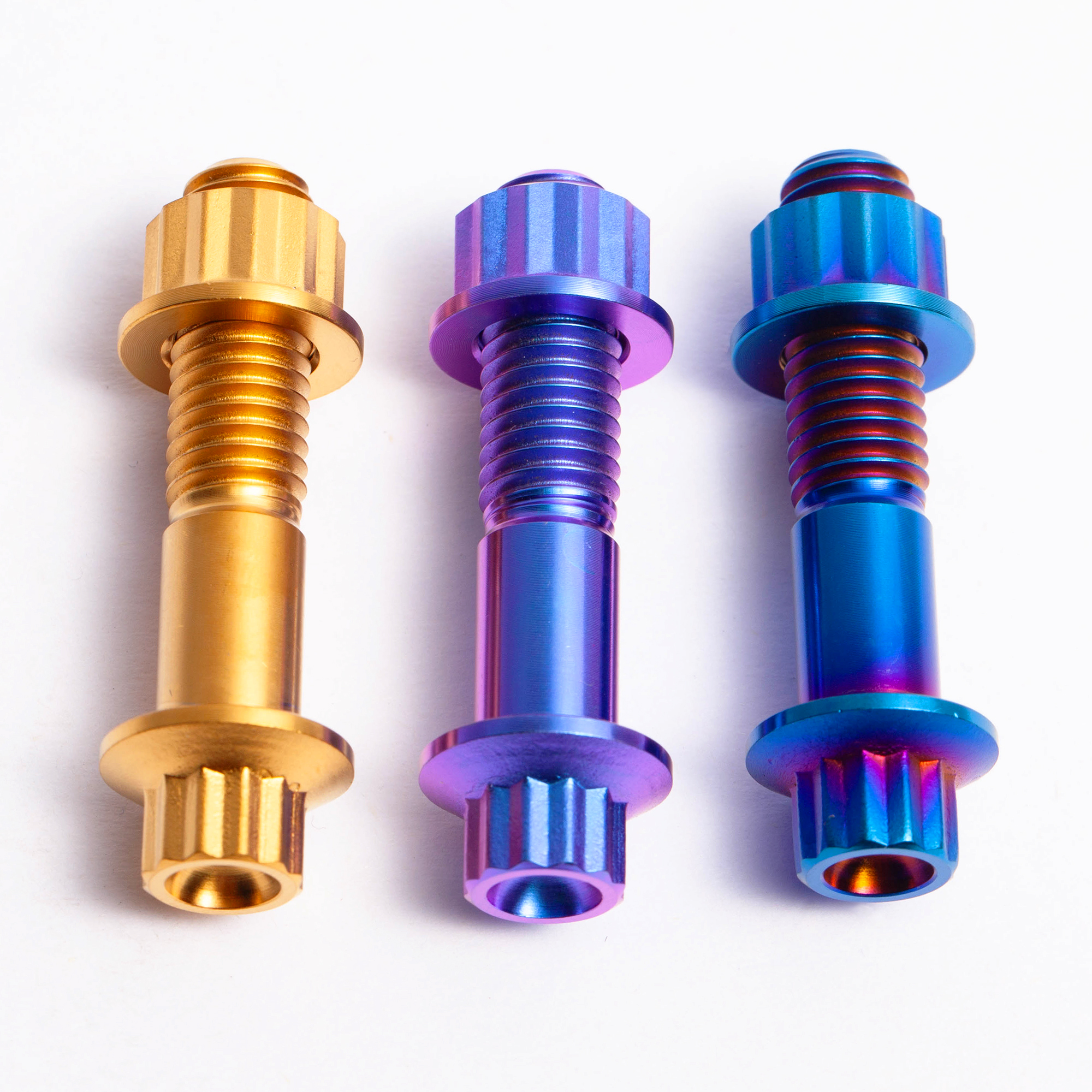
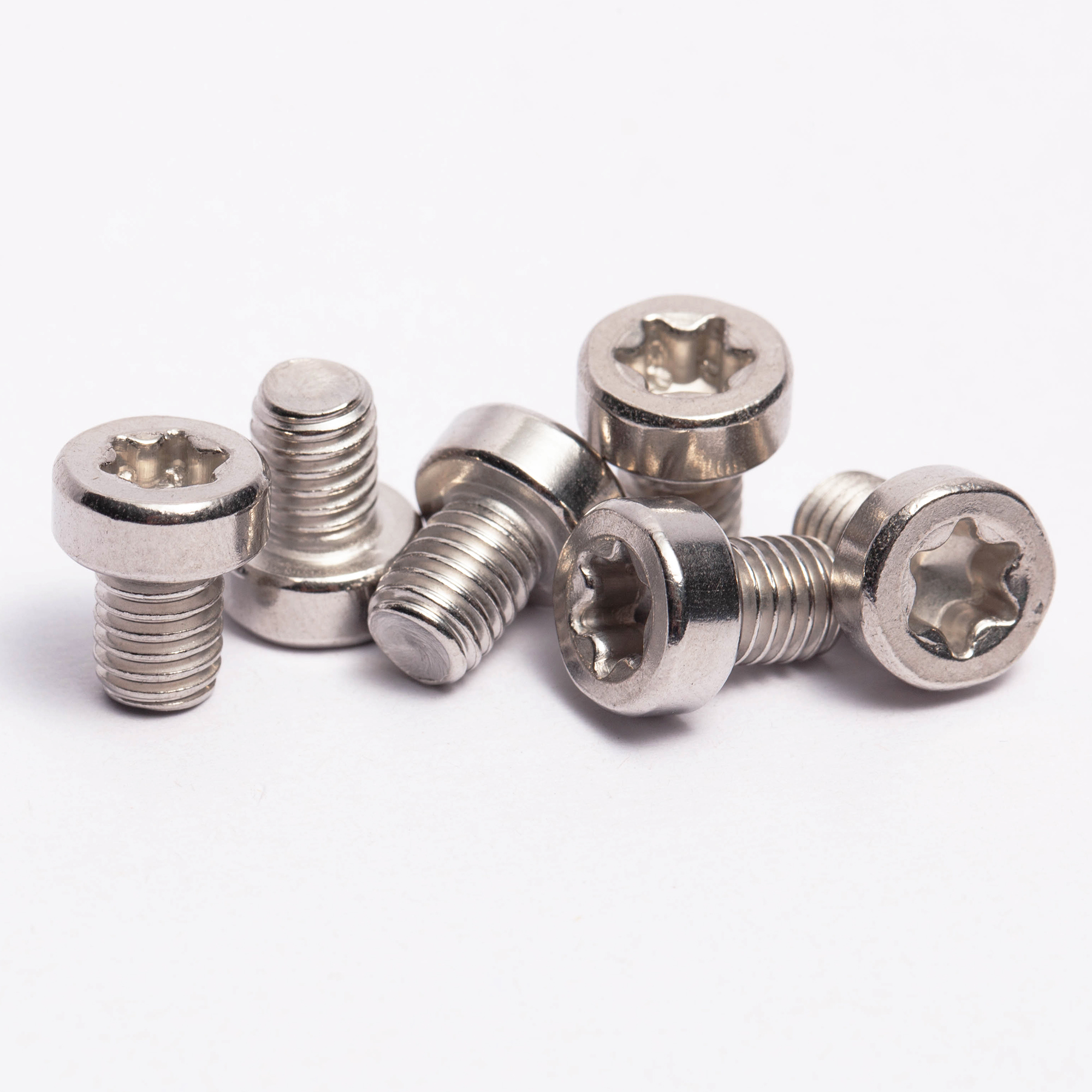
Busan and Gyeongsangnam-do host tier-one automotive and fuel-cell innovators. Our CNC lightweight titanium exhaust double-studs, Torx fasteners, and stack balance-of-plant plates reduce unsprung mass while surviving aggressive heat cycles and high chemical exposure.
End-to-End Processing: From Certified Ingot to Finished Part
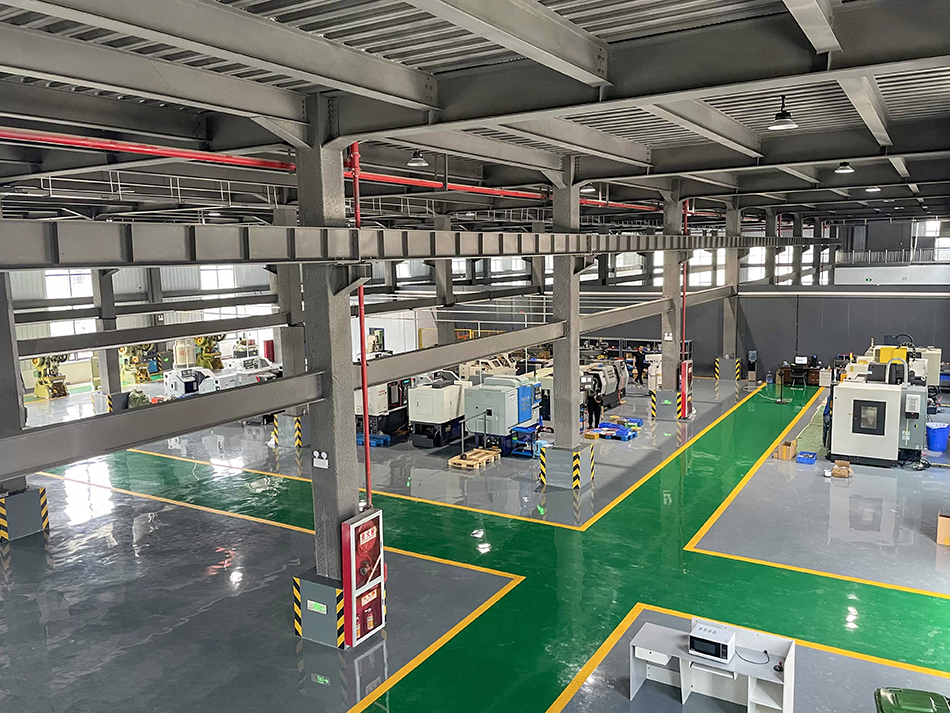
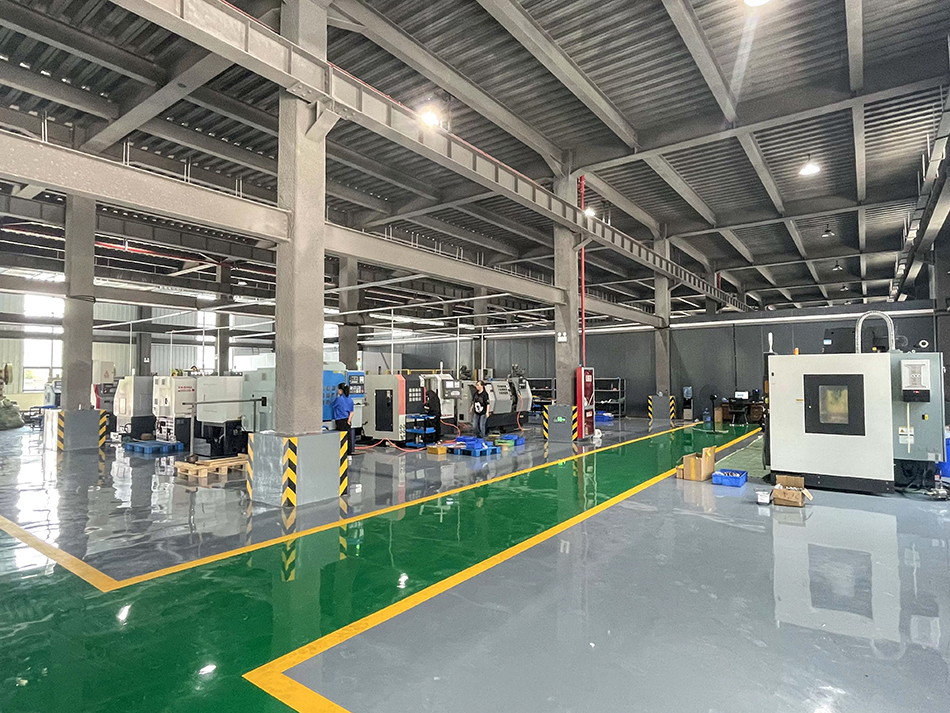
Operating under rigorous ISO 9001:2015 standards, Jiaxing Wexra Titanium Products Co., Ltd. oversees complete manufacturing continuity across raw billet validation, multi-kilowatt fiber laser cutting, high-speed 5-axis CNC machining, cold-heading thread rolling, and controlled vacuum surface treatments.
Macro Trends Driving Busan’s Titanium Procurement Strategies
The South Korean government's aggressive maritime decarbonization policies and Busan's ongoing modernization of port handling machinery have triggered a sweeping review of lifecycle costs across engineering sectors. Historically, procurement teams prioritized initial alloy cost, frequently selecting 316L stainless or coated carbon steels. However, accelerated drydock intervals and premature corrosion failures in offshore scrubbers, ballast water treatment systems (BWTS), and hydrogen fuel delivery mechanisms have made lifecycle cost analysis the primary purchasing metric.
Modern naval architects and offshore designers in Busan are moving toward structural weight-reduction ratios: substituting heavy alloy steels with Grade 5 Titanium achieves immediate 44% weight savings without sacrificing yield strength (895 MPa vs 1040 MPa in 10.9-grade steel). In addition, titanium’s exceptional fatigue limit and near-zero thermal expansion coefficient make it an ideal candidate for high-vibration power generation packages and precision robotic end-effectors produced in the Noksan National Industrial Complex.
Why Busan Engineers and Procurement Directors Source from Wexra
We serve international supply chains across North America, Germany, the UK, and key East Asian marine clusters, bringing focused metallurgical depth to custom B2B production contracts:
Traceable Chemical Purity
Every laser-cut blank and CNC fastener is backed by full EN 10204 3.1 Mill Test Certificates (MTC), certifying mechanical properties, chemical composition, and origin.
Burr-Free Nitrogen Laser Cutting
Advanced high-pressure CNC laser systems operating without heat-affected alpha-case distortion, delivering clean edge quality ready for direct robotic TIG/laser welding.
Rapid Busan Port Logistics
Streamlined logistics routes from our manufacturing facilities in Zhejiang to Busan Port terminal gates, supporting just-in-time delivery for drydocks and assembly facilities.
Frequently Asked Questions by Busan Engineering Buyers
Direct technical answers regarding alloy selection, laser cutting cut-edge integrity, and international logistics integration.
Q1: How do you prevent alpha-case brittleness during laser cutting?
We use high-power fiber laser systems equipped with coaxial high-pressure pure nitrogen (N₂) assist gas at up to 25 bar pressure. By displacing oxygen from the cutting zone, molten titanium is ejected before oxides can form, protecting structural ductility for cyclic offshore loads.
Q2: Can your titanium parts replace 316L or Super Duplex in shipboard scrubbers?
Yes. In hot acid-chloride conditions found in SOx exhaust scrubbers, 316L and duplex stainless often experience severe pitting and stress-corrosion cracking above 60°C. Commercially pure Grade 2 Titanium remains stable in wet chlorine and sulfur-bearing environments, significantly reducing drydock service intervals.
Q3: Can you machine custom components directly from Korean CAD drawings (KS/JIS standards)?
Yes. Our engineering department works with standard 2D formats (DWG/DXF/PDF) and 3D native formats (STEP, IGES, SolidWorks). We regularly manufacture metric and imperial profiles compliant with ISO, DIN, and KS (Korean Standard) tolerance classes.
Q4: What surface treatments are available for components exposed to sea spray?
We offer controlled acid pickling, micro-bead sandblasting, PVD thin-film vacuum coating, and Type II anodization. Anodizing creates an integral oxide layer that increases surface hardness and prevents thread galling without altering tight dimensional tolerances.
Q5: How do you avoid galvanic corrosion between titanium fasteners and steel frames?
Because titanium is noble on the galvanic series, direct coupling with carbon steel or aluminum in seawater can accelerate base metal corrosion. We provide specialized non-conductive PTFE washers, ceramic coatings, or recommend pairing with compatible passivated substrates based on your engineering drawings.
Q6: What are the standard lead times for shipping to Busan Port or Gimhae Airport?
Rapid prototypes typically ship within 5 to 7 business days via air express (clearing into Gimhae or Incheon within 48 hours). Production batch orders ship via direct sea routes from Ningbo/Shanghai to Busan Port, with transit times averaging 2 to 4 days.
Accelerate Your Busan Engineering Project with Wexra Titanium
Submit your CAD drawings, 3D step files, or custom fastener schedules. Our technical engineering team provides DFM reviews, alloy recommendations, and quotation turnaround within 8 hours.