Precision-Engineered Titanium Fasteners & CNC Turned Hardware
Our high-tensile Gr5 (Ti-6Al-4V) and lightweight Grade 9 fasteners are designed to replace brittle stainless steels and heavy alloy steels across extreme stress, hyper-corrosive, and mass-sensitive assemblies throughout Greater Oklahoma City.
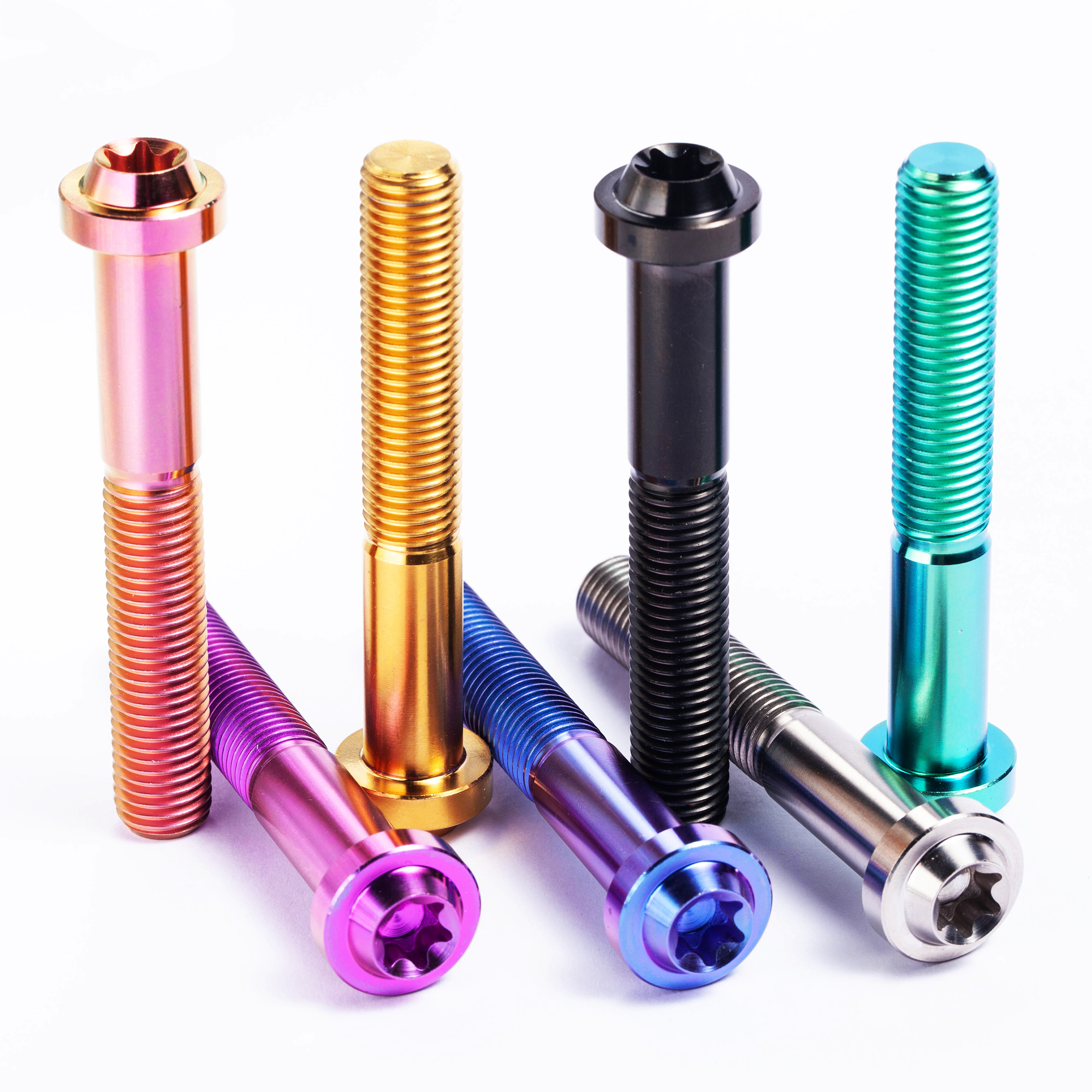
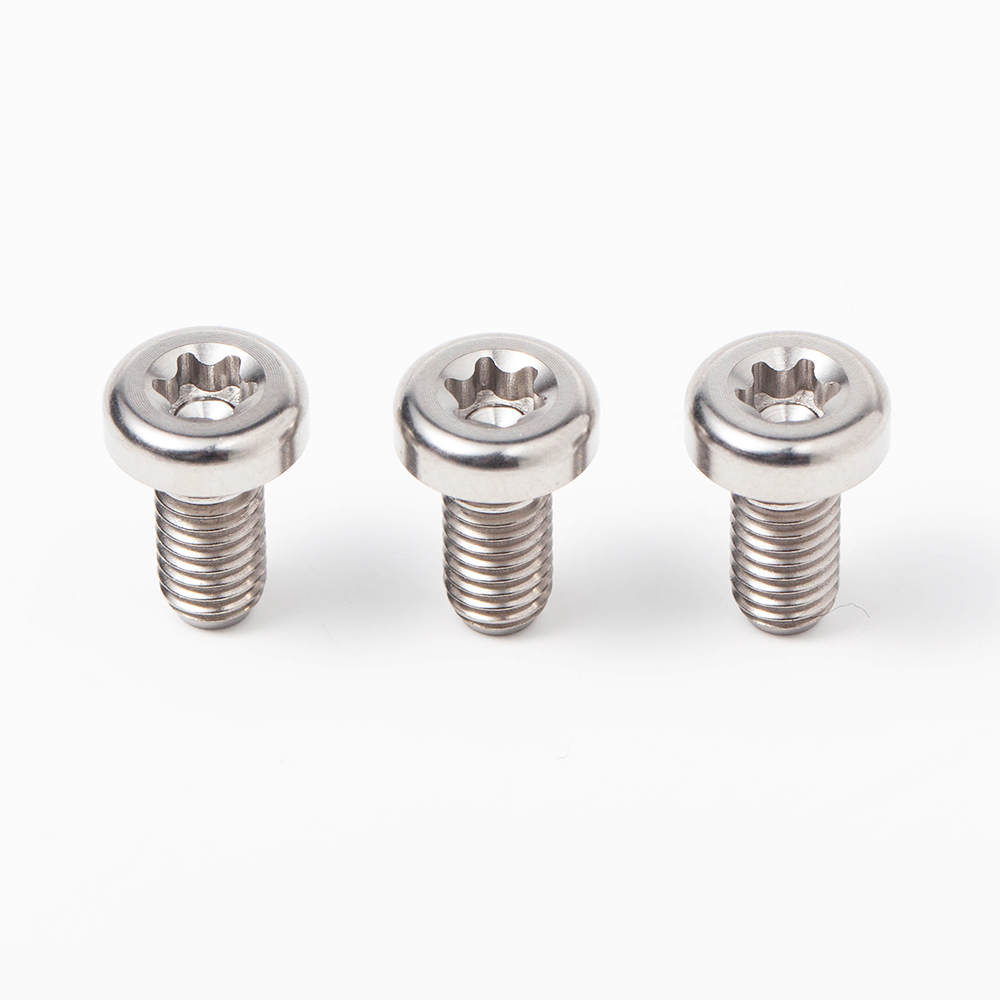
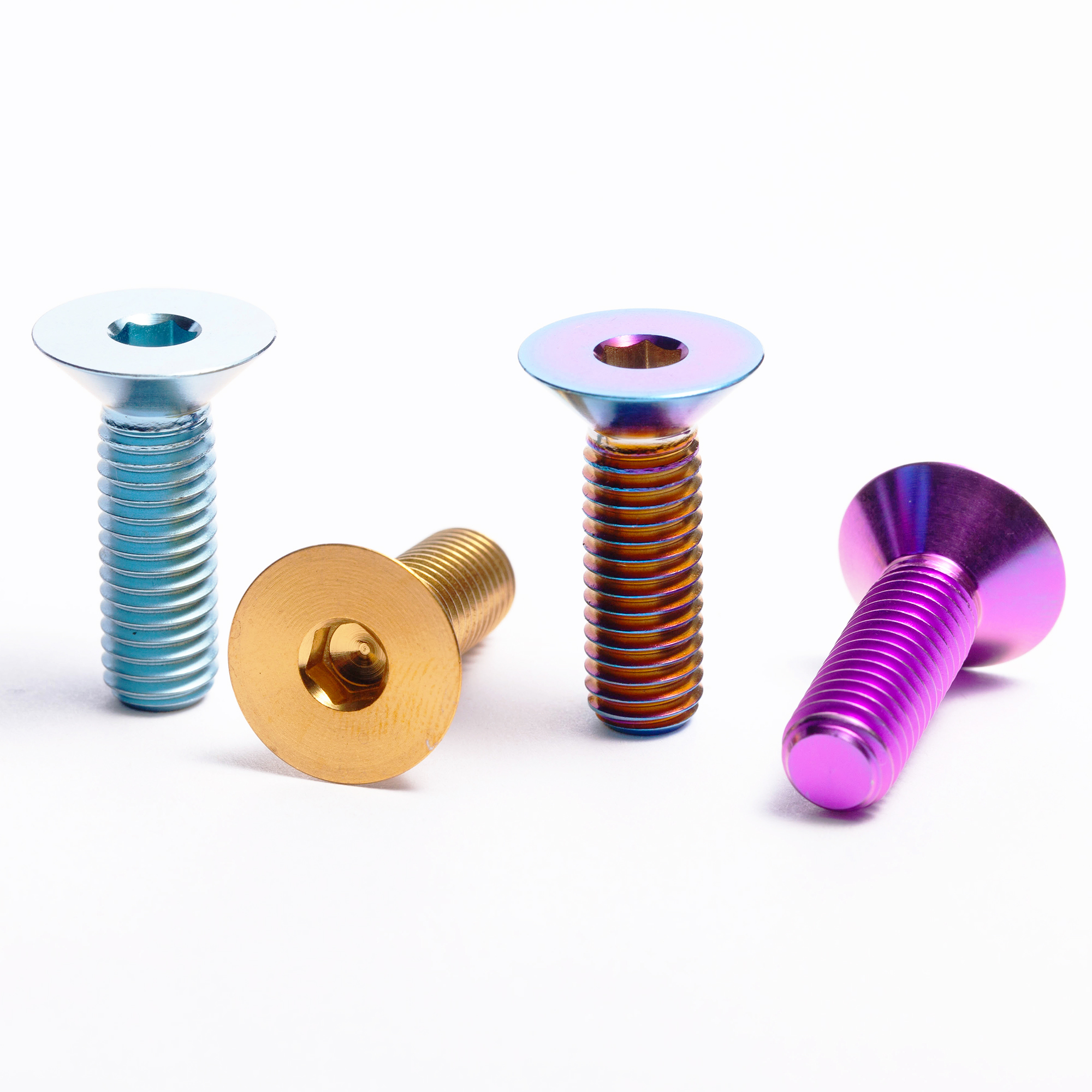
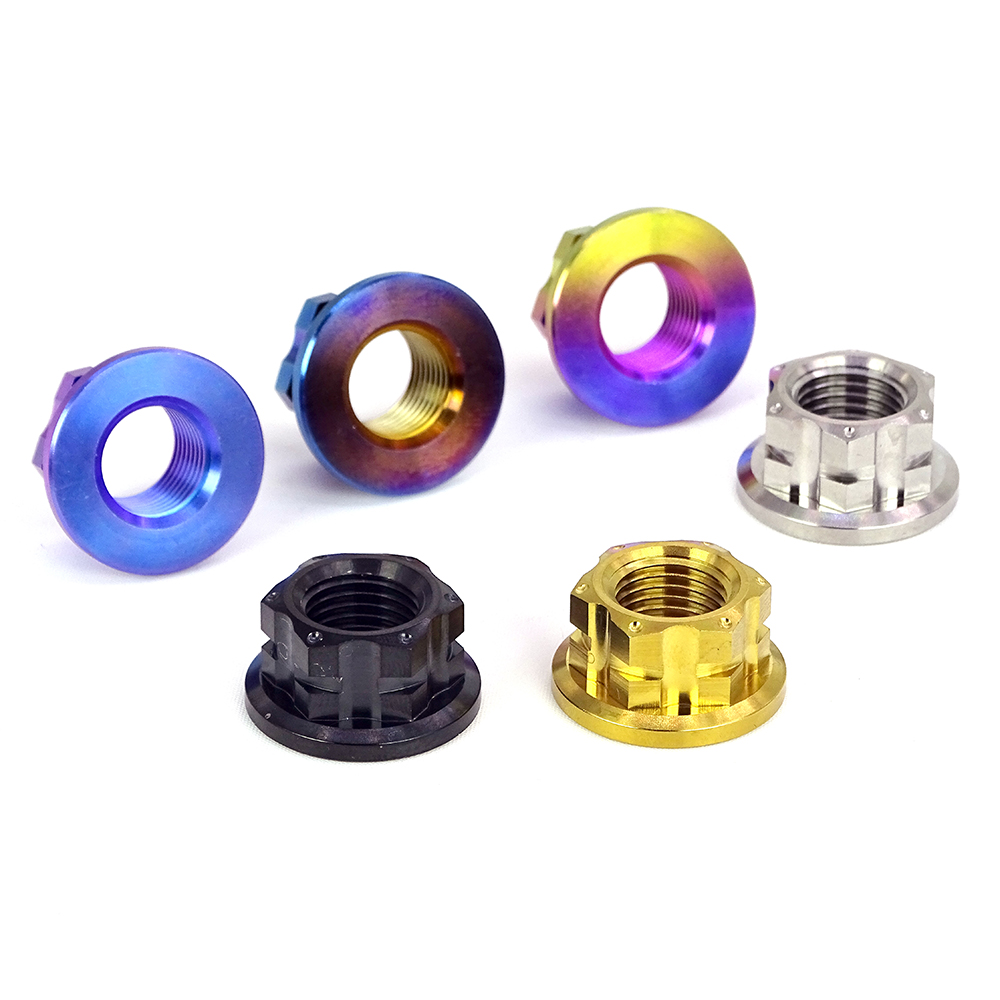
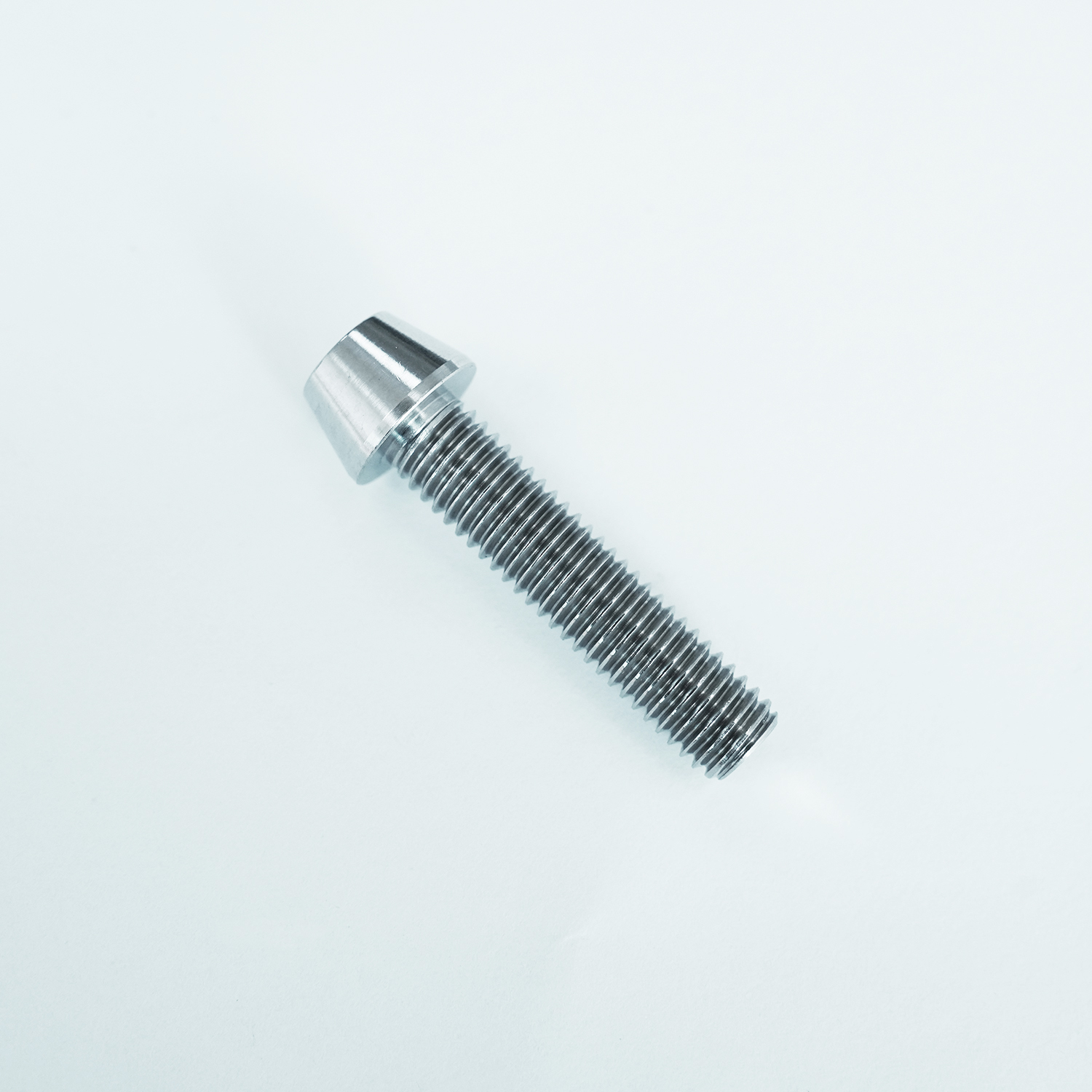
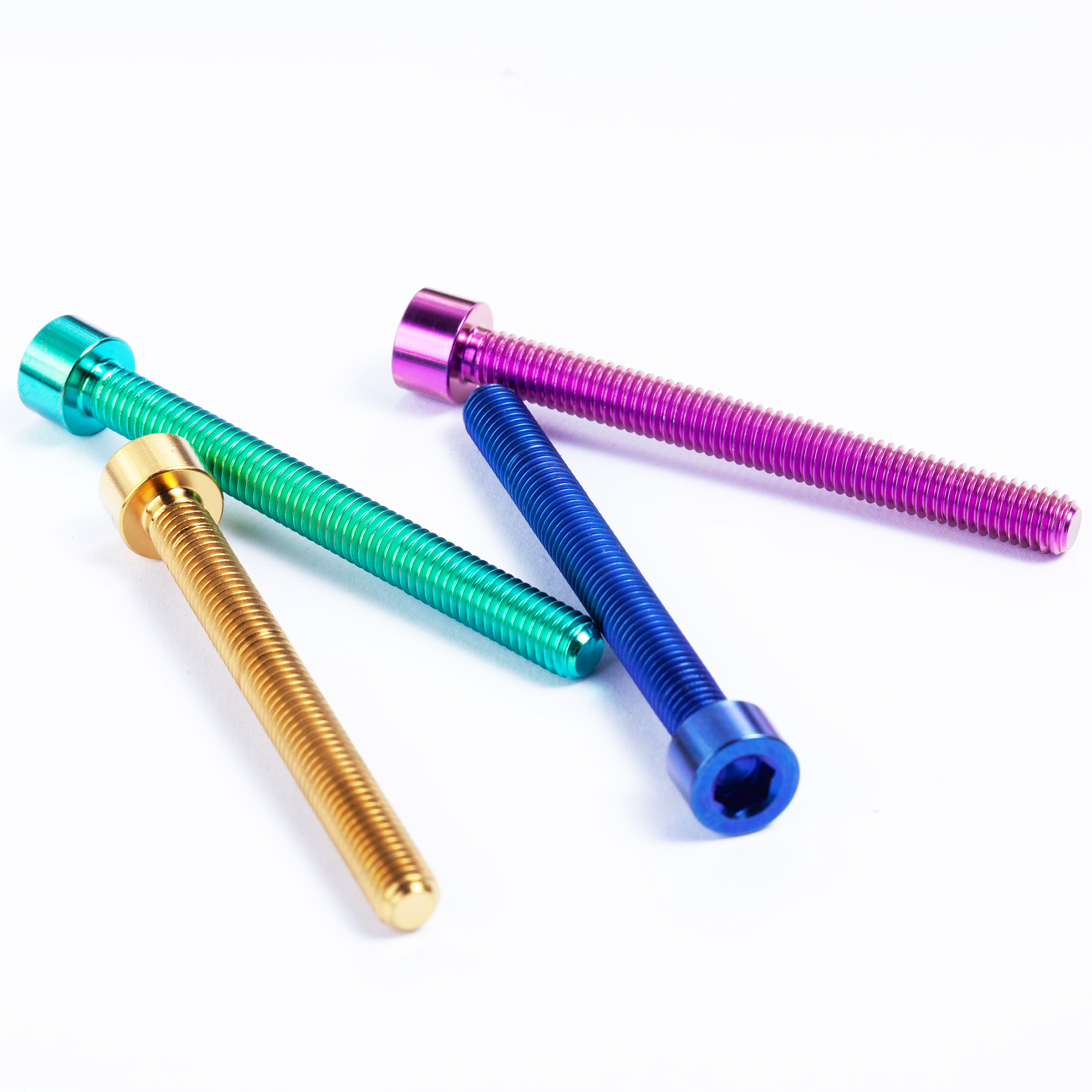
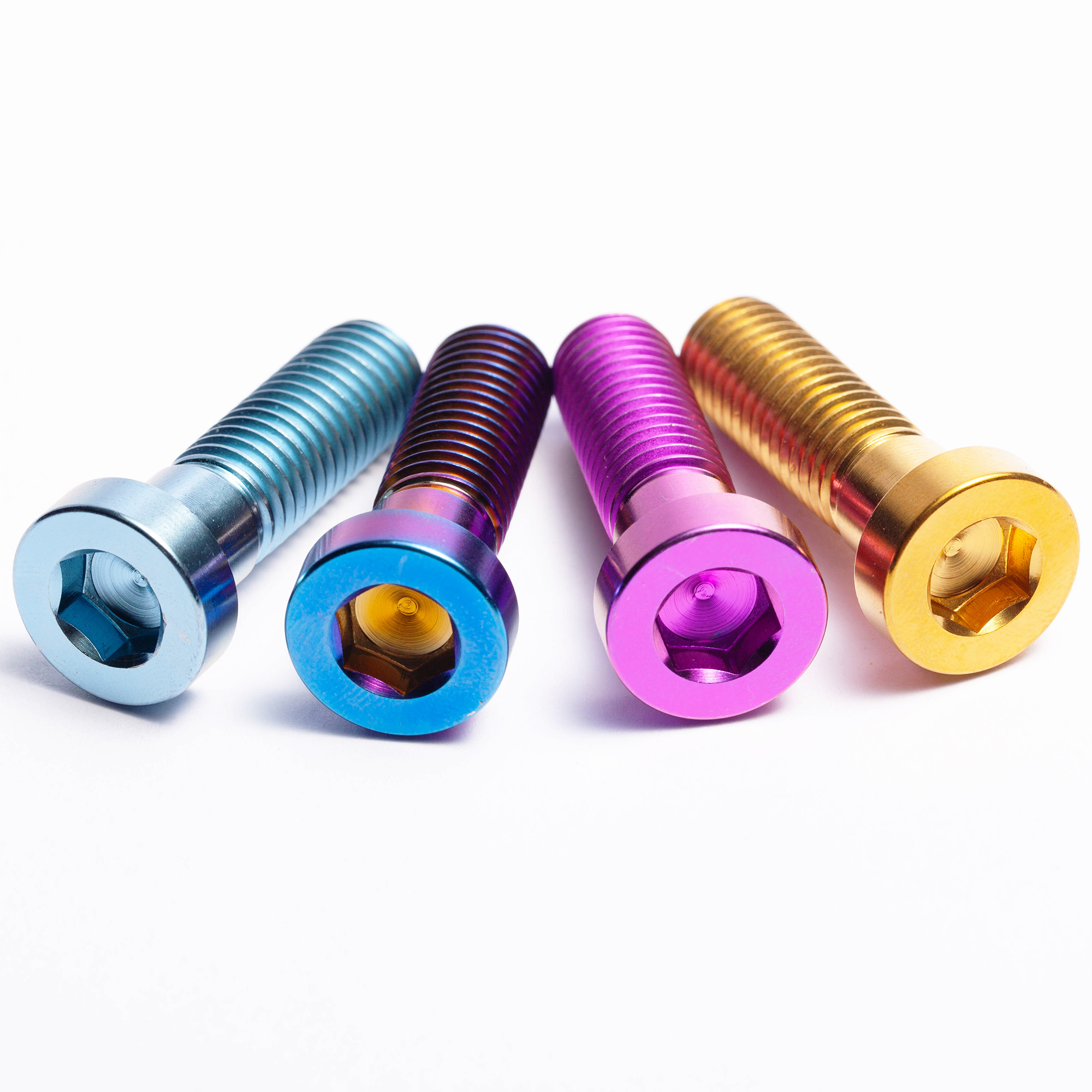
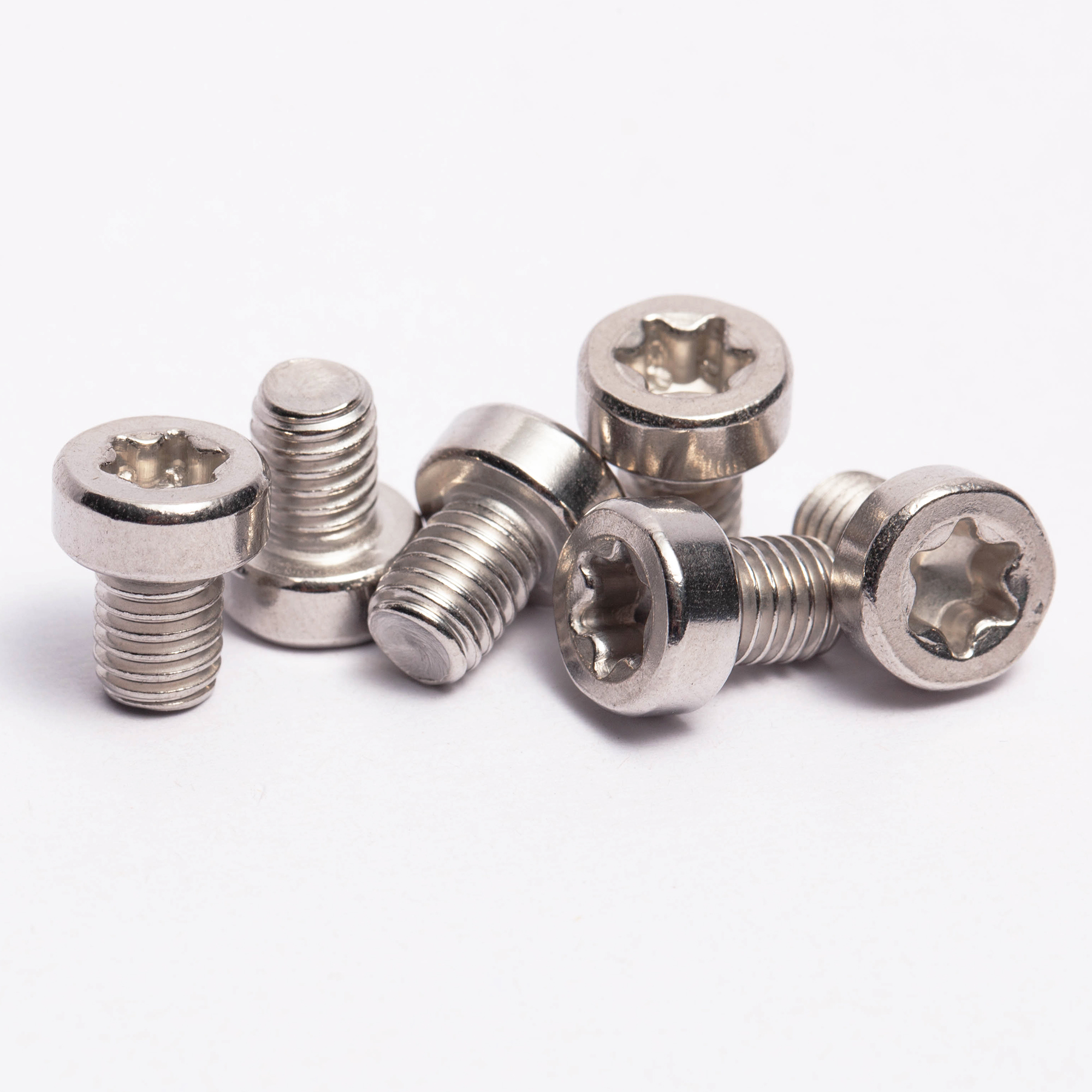
Titanium CNC Machining Architecture for Greater Oklahoma City's Industrial Ecosystem
Addressing the rigorous metallurgical challenges of the central Oklahoma manufacturing corridor, spanning aeronautical maintenance at Tinker Air Force Base to downhole exploration equipment in the Anadarko Basin.
The manufacturing landscape of Oklahoma City (OKC) represents one of the most mechanically demanding environments in North America. Home to the Tinker Air Force Base Air Logistics Complex—the United States Department of Defense's premier depot repair facility—alongside an aggressive cluster of energy technology innovators and advanced motorsport fabricators along the I-35 corridor, OKC demands structural integrity far exceeding commercial commercial-off-the-shelf (COTS) componentry. For sub-tier defense contractors, aerospace design houses, and downhole drilling engineers, sourcing OEM/ODM custom CNC milled titanium components is not merely a weight-saving exercise; it is an imperative for preventing catastrophic fatigue failure, galvanic corrosion, and high-pressure galling under severe downhole and flight conditions.
Jiaxing Wexra Titanium Products Co., Ltd. serves as an advanced engineering foundry and precision CNC manufacturing partner tailored directly to Oklahoma City industrial procurement channels. We eliminate the vulnerabilities typical of intermediary brokerage firms by delivering direct-from-mill raw material certifications, multi-axis simultaneous milling tolerances down to ±0.01 mm, and controlled metallurgical post-processing under rigorous ISO 9001:2015 quality management systems. Whether producing bespoke Grade 5 (Ti-6Al-4V) internal flight-control actuator housings, Grade 9 (Ti-3Al-2.5V) hydraulic transfer couplings, or commercially pure Grade 2 subsea valve manifolds, Wexra bridges the gap between offshore cost efficiency and Tier-1 aerospace precision.
Deploying Titanium CNC Milling in Oklahoma City’s Strategic Sectors
Precision engineering aligned with the specialized operational parameters of central Oklahoma’s primary economic engines.
Aerospace & Defense Sustainment (Tinker Ecosystem)
For military MRO facilities, contractor supply chains around Midwest City, and aviation support hubs along Will Rogers World Airport, we machine structural titanium brackets, fuel line disconnect fittings, and heat-resistant airframe hardpoints. Ti-6Al-4V provides exceptional fracture toughness (ΔKic) and immunity to stress corrosion cracking under aviation hydraulic fluid (Skydrol) contact.
Anadarko Basin & SCOOP/STACK Energy Extraction
Downhole drilling assemblies operating in the deep, overpressured formations of the Anadarko Basin encounter extreme bottom-hole temperatures (>175°C) and sour gas (H2S/CO2) conditions. Our CNC-milled Grade 5 and palladium-stabilized Grade 7 components serve in telemetry logging-while-drilling (LWD) subs, measurement-while-drilling (MWD) housings, and non-magnetic sonde carriers.
Advanced E-Mobility & Performance Racing
Oklahoma City’s expanding electric vehicle sub-assemblies and specialized chassis fabrication shops demand uncompromised power-to-weight ratios. We mill low-moment-of-inertia suspension pivots, wheel hub spindle nuts, brake caliper brackets, and motor rotor retaining assemblies that shed unsprung mass without sacrificing cyclic fatigue thresholds.
Titanium Alloys vs. Legacy Steels: Material Science for OKC Engineers
Empirical mechanical data to substantiate specification changes from 4130 Chromoly, 17-4PH Stainless, or 7075-T6 Aluminum to Wexra Precision Titanium.
| Alloy Specification | Density (g/cm³) | Tensile Strength (MPa) | Yield Strength (MPa) | Thermal Expansion (×10⁻⁶/K) | Corrosion & Stress Cracking Resistance | OKC Operational Target |
|---|---|---|---|---|---|---|
| Titanium Gr5 (Ti-6Al-4V) | 4.43 | 895 – 1000 | 828 | 8.6 | Immune to chlorides, ambient saltwater, sour H2S | Aerospace Airframe, Downhole LWD/MWD Sensor Shells |
| Titanium Gr9 (Ti-3Al-2.5V) | 4.48 | 620 | 483 | 9.1 | Exceptional fatigue endurance, high pressure resistance | Hydraulic Lines, Lightweight Actuator Tubes, Tie-Rods |
| Titanium Gr2 (Unalloyed) | 4.51 | 345 – 450 | 275 | 8.9 | Near-universal acid/alkali resistance, biocompatible | Chemical Processing, Refinery Sensor Housing, Brine Lines |
| 17-4PH Stainless Steel (H900) | 7.78 | 1310 | 1170 | 10.8 | Moderate; vulnerable to pitting in stagnant sour brine | Legacy High-Load Downhole Drive Shafts (Heavy) |
| 4130 Chromoly Alloy Steel | 7.85 | 670 – 980 | 435 – 730 | 12.3 | Poor; requires nickel/cadmium plating or paint coatings | Structural Drag Racing Chassis, Standard Drill Collars |
| Aluminum 7075-T651 | 2.81 | 572 | 503 | 23.4 | Susceptible to galvanic reaction & stress corrosion | Low-temperature lightweight avionics chassis brackets |
Navigating the OKC Advanced Manufacturing Landscape: Trends for 2025–2030
How decentralized procurement, defense electrification, and deep-horizon energy demands are reshaping titanium sourcing in Oklahoma.
1. Defense Supply Chain Redundancy & Rapid Re-Tooling
With increasing global volatility, DoD sub-contractors in the Oklahoma City metropolitan region are mandating diversified Tier-2 supply networks. Wexra eliminates single-source chokepoints by guaranteeing robust raw sponge sourcing, immediate digital design-for-manufacturability (DFM) verification, and complete batch serialization for uninterrupted program sustainment.
2. Extended-Reach Lateral Drilling in SCOOP/STACK
As Oklahoma operators extend horizontal wellbore laterals beyond 10,000 feet, rotational drag and cyclic drill-string harmonics escalate geometrically. Substituting dense nickel alloys with lightweight, high-yield Gr5 and Gr9 titanium subs dramatically decreases rotational torque, minimizes tool-string fatigue, and delivers clean signal transparency for downhole RF sensors.
3. Additive vs. Subtractive Milling Rationalization
While metal 3D printing continues to expand in the aerospace sector, high-performance mechanical applications require the continuous grain flow, superior surface lubricity (Ra < 0.4 μm), and void-free density that only billet-forged, 5-axis CNC subtractive milling and rolled thread forming can reliably guarantee.
Factory-Direct Engineering Rigor for Oklahoma Purchasing Managers
From single-piece aerospace flight prototypes to 500,000-unit continuous production runs, our facility guarantees traceable, zero-defect machining.
Simultaneous 5-Axis Milling
Advanced high-torque spindle machining centers specifically tuned for low thermal-conductivity alloys, keeping workpieces stable without micro-structural phase changes.
ISO 9001:2015 Traceability
Raw-stock Mill Test Certificates (MTC / EN 10204 3.1) and full XRF spectrographic composition verification accompany every single export crate bound for Oklahoma.
Thread Rolling Fatigue Life
Unlike inferior cut threads that sever metallurgical flow lines, our threads are cold-rolled under hydraulic pressure, elevating root fatigue endurance by upwards of 35%.
Rapid US Freight Logistics
Dedicated North American express freight channels deliver prototype batches to Will Rogers World Airport (OKC) within 4 to 6 business days post-QC sign-off.
Frequently Asked Questions for Oklahoma City Sourcing Specialists
Direct technical clarifications on alloy selection, thread galling mitigation, QA documentation, and shipping protocols.
Titanium has a natural tendency to cold-weld under friction due to its spontaneous protective oxide film breakdown. For our Oklahoma clients in aerospace and energy downhole applications, we implement three critical engineering solutions: precision thread rolling (which work-hardens and smooths the root radii), molybdenum disulfide (MoS2) dry-film coatings, or specialized micro-arc plasma anodization which prevents bare metal-to-metal contact during final pre-load torque sequences.
Yes. Our engineering department operates master CAD/CAM systems supporting native SolidWorks, STEP, IGES, and Parasolid formats. We perform comprehensive Design for Manufacturability (DFM) reviews within 8 hours, assessing tool path deflection, radius optimization for internal pockets, and dynamic thermal dissipation strategies before chip generation begins.
Every delivery includes full lot traceability records: EN 10204 Type 3.1 Mill Test Certificates (documenting precise chemical stoichiometry and tensile elongation values), CMM dimensional verification reports, RoHS and REACH compliance certifications, and Certificate of Conformance (CofC) verified under our ISO 9001:2015 management system.
While Grade 5 yields the highest tensile threshold (895+ MPa), Grade 9 offers superior cold-formability and exceptional burst fatigue endurance while maintaining roughly 20-50% higher tensile strength than commercially pure grades. Grade 9 is widely specified for high-pressure aerospace hydraulic tubing, race chassis structural trusses, and sub-surface fluid conveyance lines.
Unlike aluminum anodizing—which builds a thick, non-conductive oxide layer that significantly alters shaft diameters—titanium anodizing is an electrolytic refraction process that modifies the microscopic thickness of the surface oxide layer (measured in tens of nanometers). Consequently, dimensional shifts are negligible (<0.0005 mm), ensuring Class 2A/3A and 6g thread fitment remains fully intact.
For prototype tooling and urgent test batches, our average production turnaround is 7 to 10 working days, with expedited 3-5 day air freight routing to Oklahoma City. Full production contracts generally ship within 20 to 25 days depending on batch scale, custom anodizing specs, and secondary finishing requirements.
Optimize Your Aerospace & Energy Assemblies with Wexra Titanium
Submit your 2D blueprints, 3D CAD files, or custom fastener specifications today. Our senior metallurgical engineers will provide comprehensive DFM analysis, material traceability data, and factory-direct pricing for your Oklahoma City programs.