Industrial-Grade Titanium Fasteners Available in Wrocław
Tested to ISO 9001:2015 and DIN/ISO metrics. Our CNC-machined and cold-forged titanium screws eliminate rotational mass, withstand caustic electrolytic corrosion, and deliver ultimate tensile thresholds beyond 895 MPa.
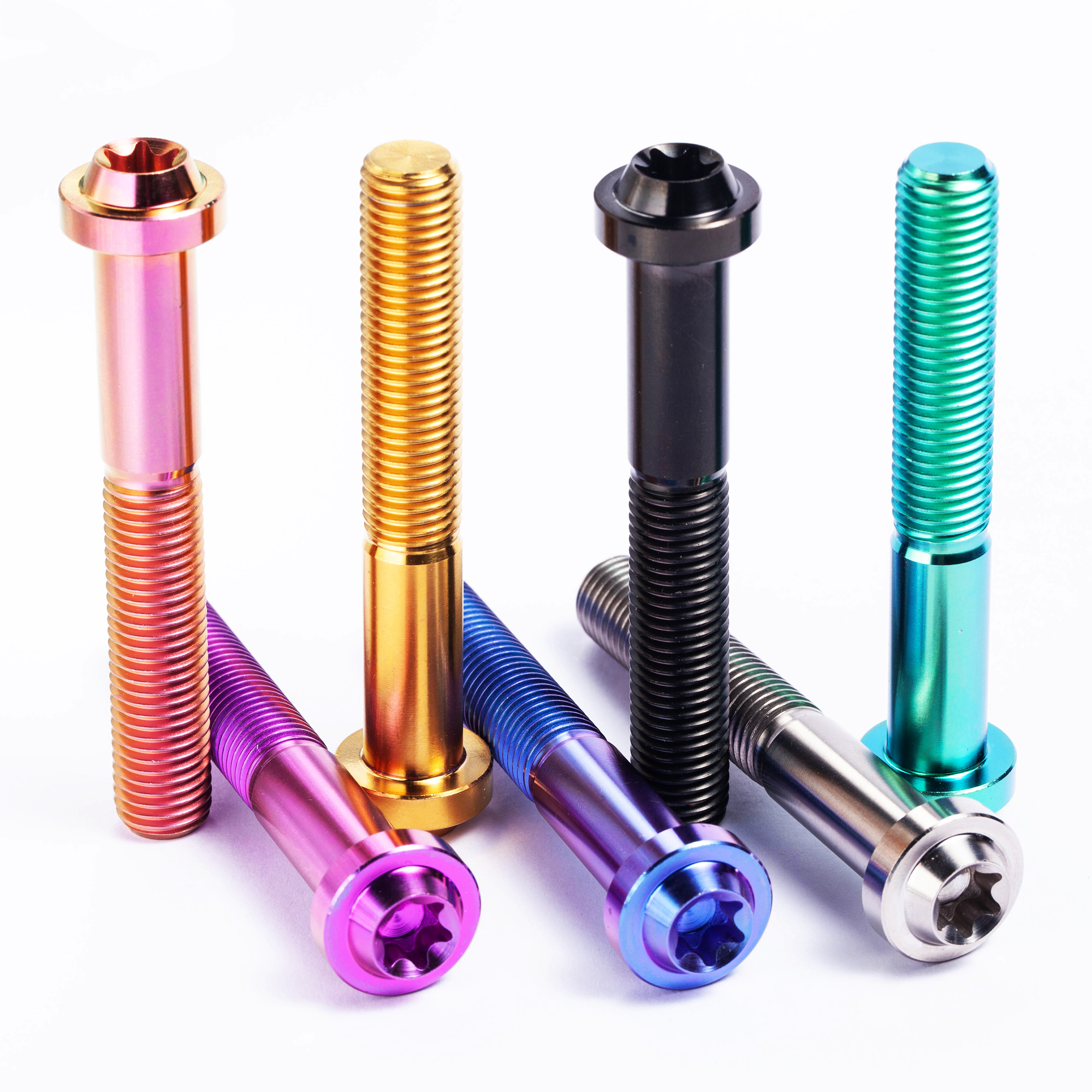
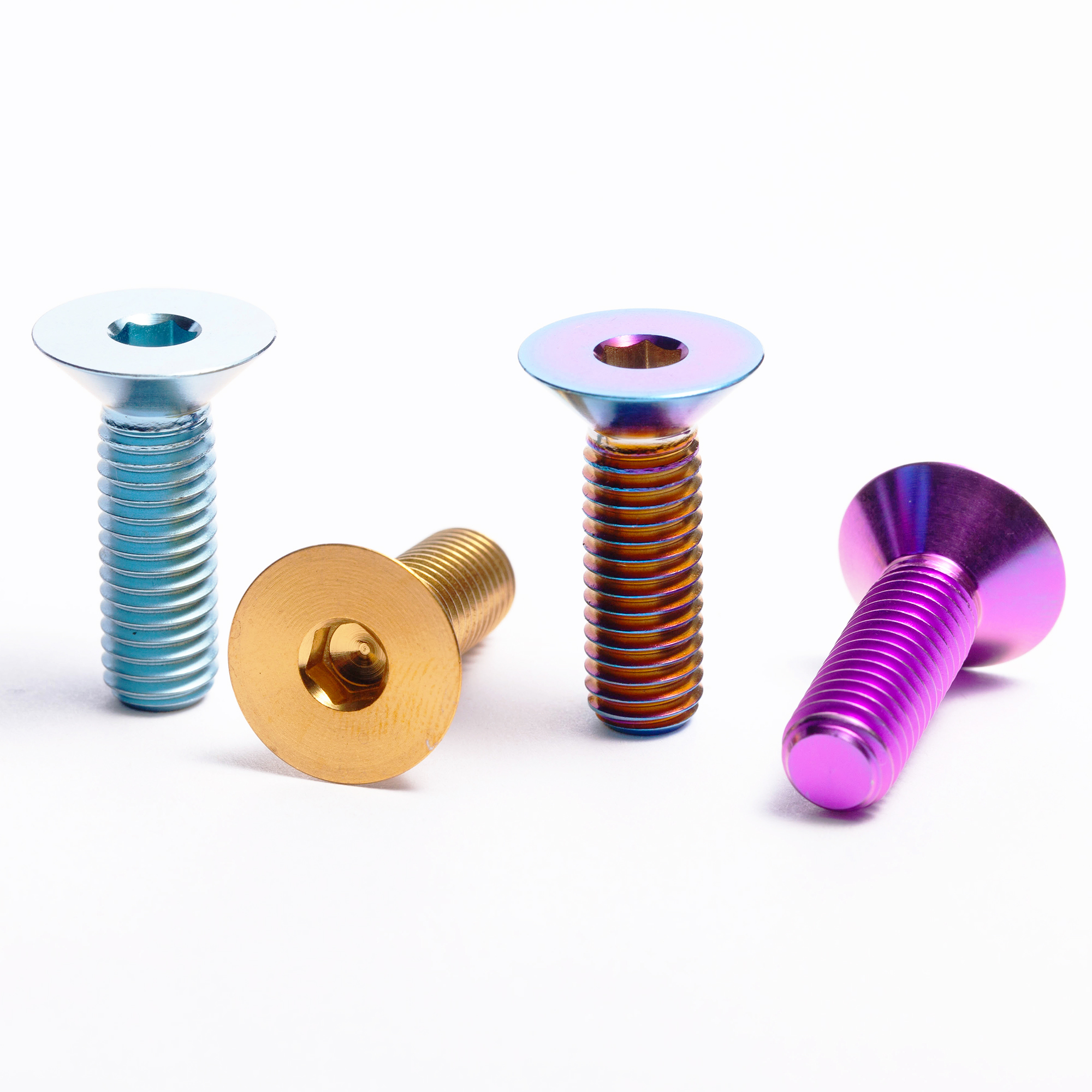
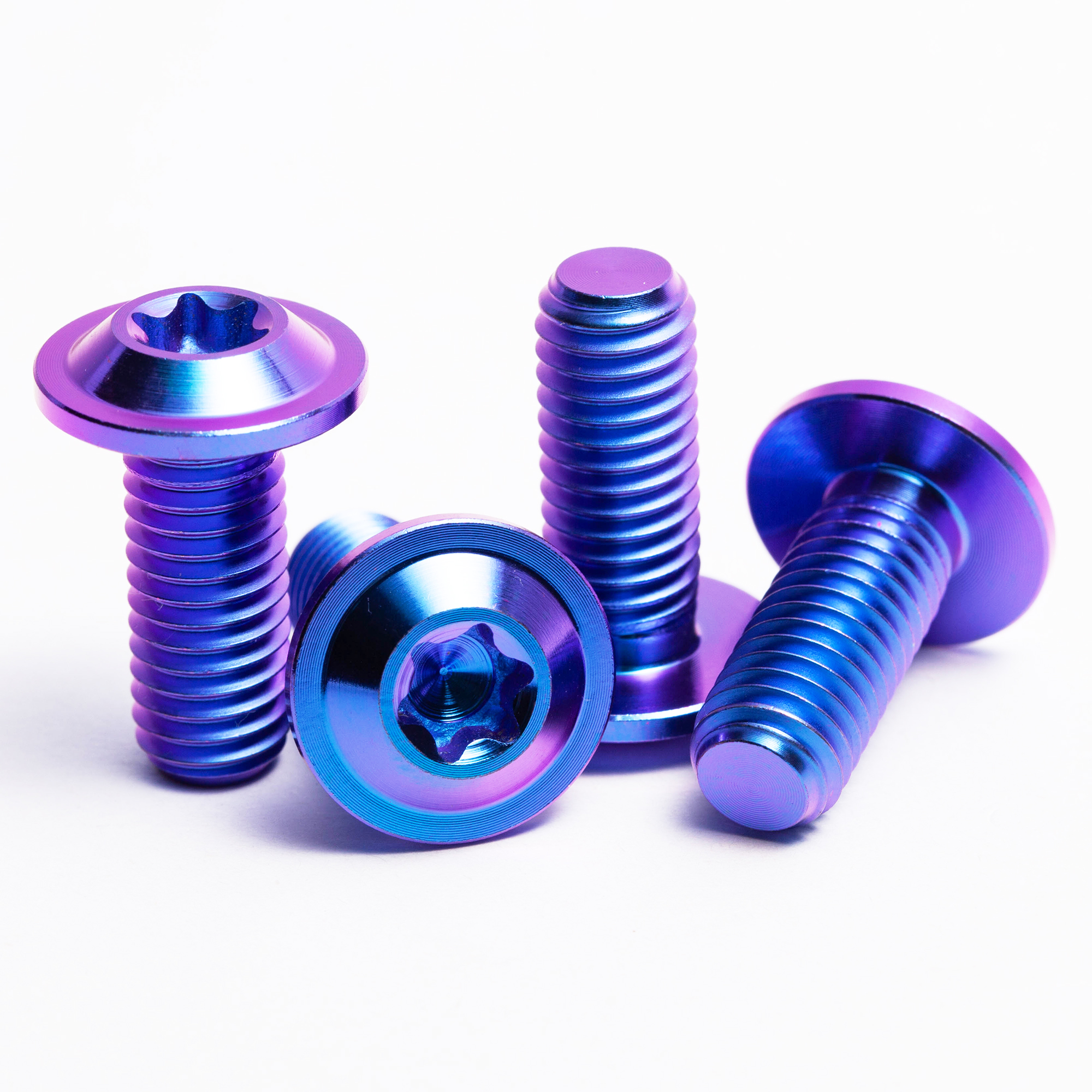
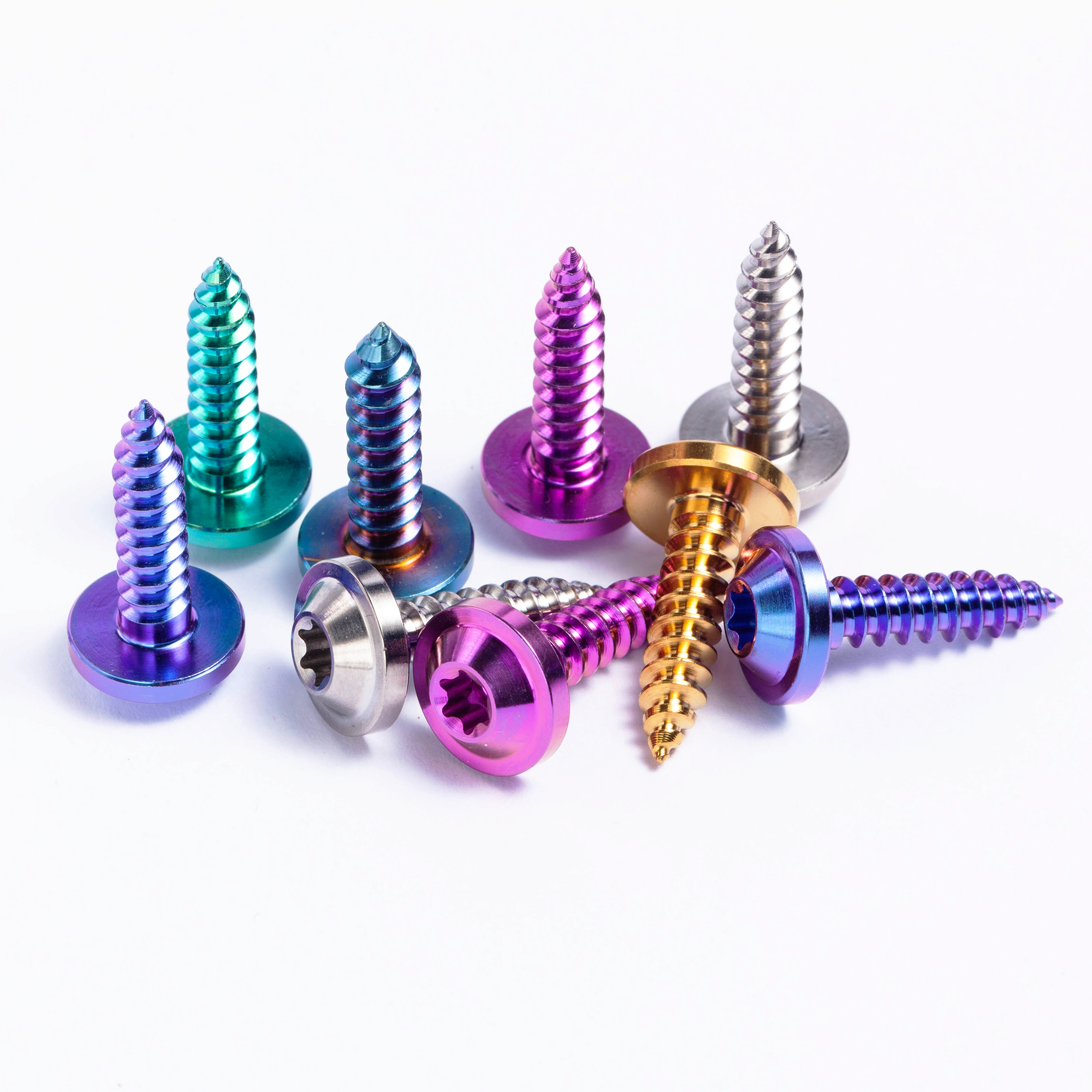
Advanced Titanium Fastener Metallurgy: Resolving Lower Silesia's Engineering Bottlenecks
For design engineers and procurement teams situated across the Wrocław industrial basin—from the research corridors of Wrocław Technology Park (WPT) to high-throughput production lines across Bielany Wrocławskie and Nowy Dwór—specifying fasteners demands balancing rigorous strength-to-weight metrics with chemical passivity. When operating in environments prone to mechanical fatigue, galvanic potential differences, or aggressive chemical washdowns, conventional carbon steels and austenitic stainless steels (A2-70, A4-80) present severe structural compromises.
Our titanium manufacturing operations focus on two prime metallurgical classes: Commercially Pure Grade 2 (CP-Ti) and Alpha-Beta Grade 5 (Ti-6Al-4V, UNS R56400). Understanding the grain boundary behavior, yield mechanics, and elastic modulus of these materials is crucial for Polish design authorities seeking zero-defect field reliability.
| Property / Standard | Titanium Grade 5 (Ti-6Al-4V) | Titanium Grade 2 (CP) | Stainless Steel 316 (A4-80) | Alloy Steel Class 10.9 |
|---|---|---|---|---|
| Ultimate Tensile Strength (Rm) | ≥ 895 – 1000 MPa | ≥ 345 – 450 MPa | ≥ 800 MPa | ≥ 1040 MPa |
| 0.2% Yield Strength (Rp0.2) | ≥ 828 MPa | ≥ 275 MPa | ≥ 600 MPa | ≥ 940 MPa |
| Mass Density (ρ) | 4.43 g/cm³ | 4.51 g/cm³ | 8.00 g/cm³ | 7.85 g/cm³ |
| Elastic Modulus (E) | 114 GPa | 103 GPa | 193 GPa | 210 GPa |
| Corrosion Index (PREN) | Immune to Chloride & Salt Spray | Total Seawater Passivity | 23 – 25 PREN | Requires Zinc/Cadmium Platings |
| Non-Magnetic Permeability (μr) | < 1.00005 (Non-Magnetic) | < 1.00005 (Non-Magnetic) | Slightly Paramagnetic Post-Work | Ferromagnetic (> 100) |
Thread Rolling vs. Single-Point CNC Cutting: A critical differentiator in Jiaxing Wexra Titanium Products' manufacturing process is the application of cold-thread rolling for all dynamic load fasteners (DIN 912, DIN 6921, and bespoke disc studs). Unlike subtractive thread cutting which severs the axial metallurgical grain boundaries, cold rolling plastically deforms the grain flow along the root contour. This creates residual surface compressive stresses that increase fatigue resistance by up to 300% to 400% under high-frequency cyclic loading, making them fail-safe for automotive suspension uprights and aviation actuators.
Precision Applications Across the Wrocław Tech Corridor
Wrocław and the broader Lower Silesian Voivodeship represent Poland's fastest-growing advanced manufacturing engine. We supply custom and standard titanium components direct to plant floors across strategic regional verticals.
E-Mobility & Battery Gigafactories
In Biskupice Podgórne and Kobierzyce, home to Europe's flagship lithium-ion battery production facilities, non-magnetic and spark-free properties are vital. Wexra Gr5 titanium metric fasteners secure composite battery housing trays and busbars, delivering zero galvanic reaction against carbon fiber reinforced polymers (CFRP) and avoiding battery pack magnetic interference.
Aviation & Aerospace Sub-Assemblies
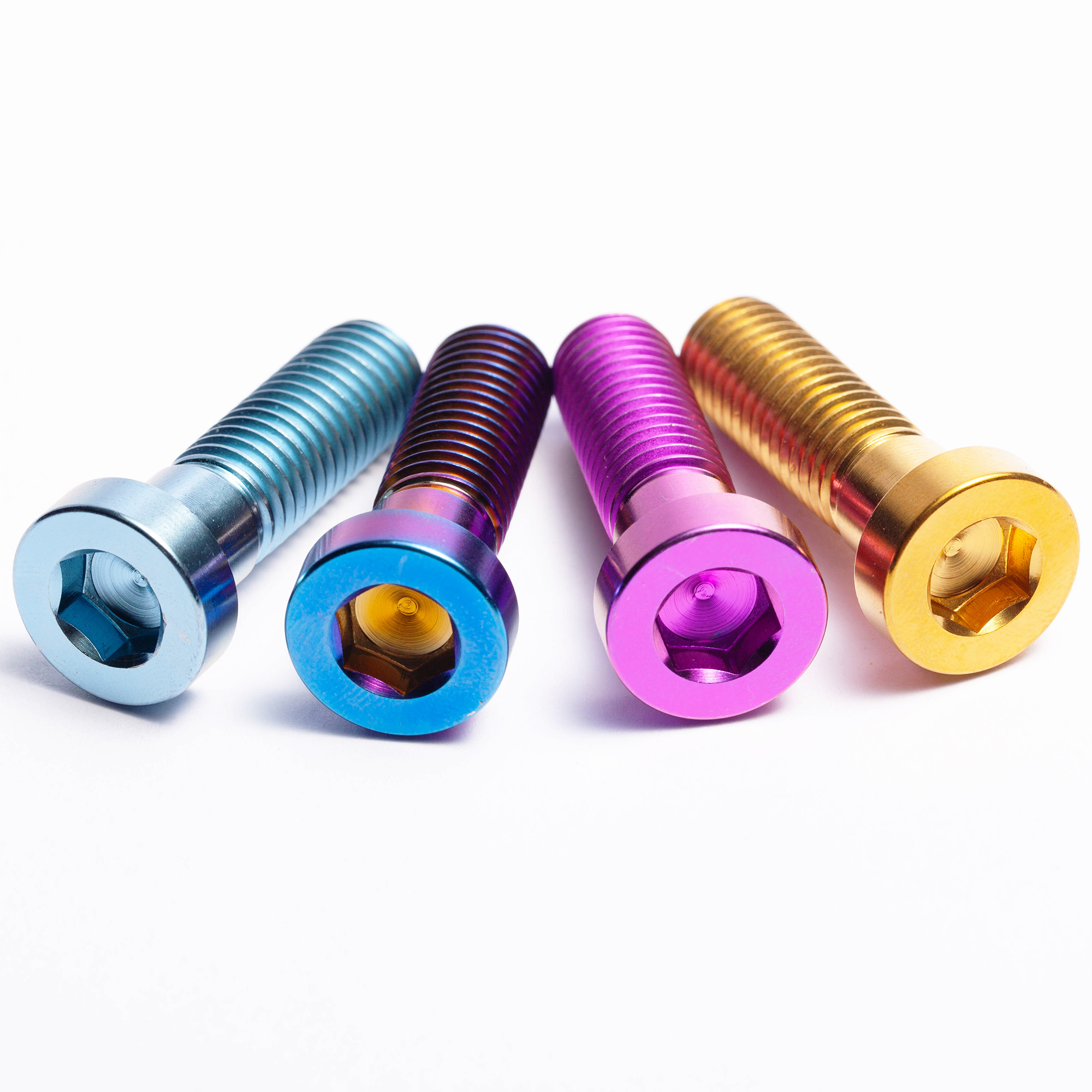
Leveraging direct logistics ties along the Dolnośląskie industrial network toward the Aviation Valley, we supply high-precision DIN 6912 socket screws and custom turn-mill bushings. Grade 5 titanium handles critical hydraulic actuators, drone airframes, and sensor housings where a 44% weight reduction translates to greater payloads and extended flight duration.
Medical Instruments & Bio-Robotics
Centering around Wrocław's health-tech incubators and med-tech innovators, our ISO 13485-compliant manufacturing protocols supply Grade 2 and Grade 5 ELI titanium fasteners. Non-cytotoxic, biocompatible, and fully sterilizable via autoclaving, these micro-screws (M2–M4) serve medical diagnostics, surgical robotic arms, and orthopedic prosthetic assemblies.
Automated Warehouse AGVs & Robotics
Lower Silesia is Central Europe's prime logistics crossroads. High-speed Automated Guided Vehicles (AGVs) operating in e-commerce fulfillment hubs demand ultra-low unsprung mass to maximize motor torque and battery lifespans. Our DIN 912 and flange screws secure wheel drivetrains and LiDAR telemetry masts against vibration looseness.
Performance Cycling & Motorsport Engineering
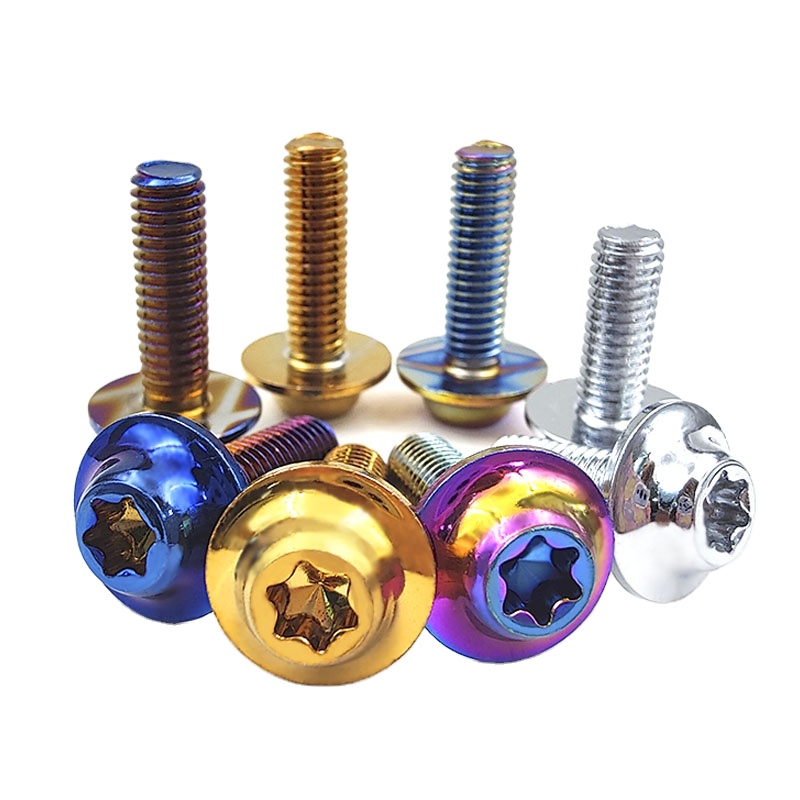
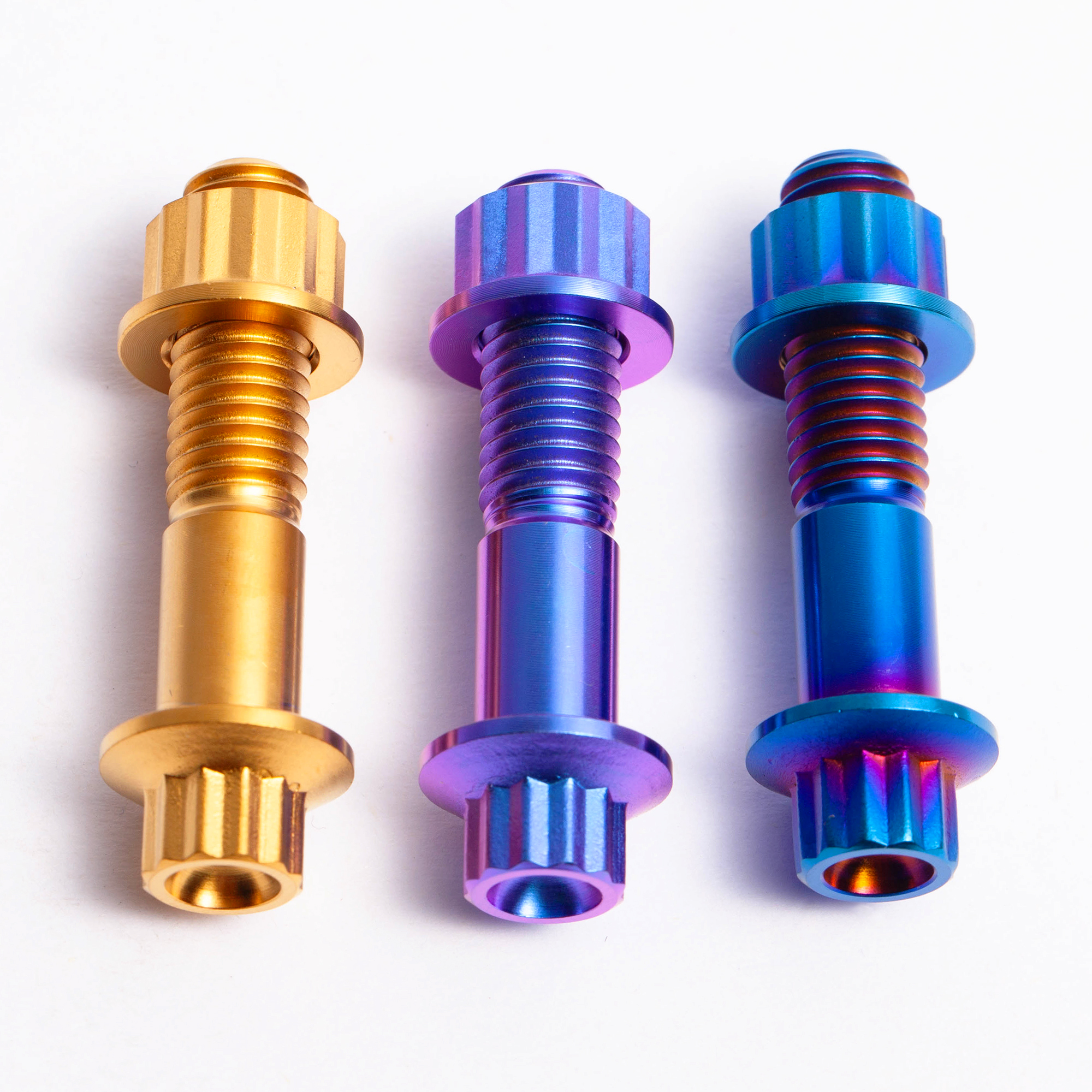
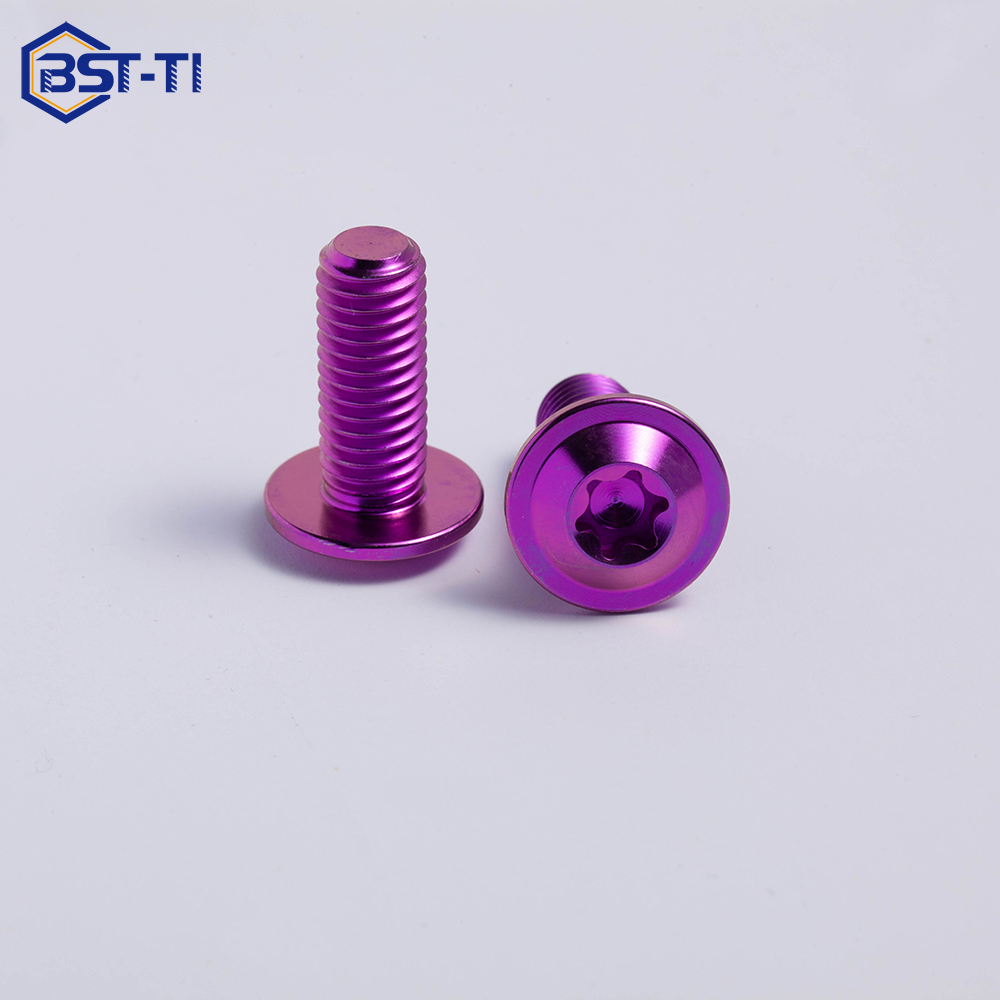
With Lower Silesia's proximity to mountain trails in Karkonosze and automotive test tracks, race prep shops and boutique bike builders rely on our Torx-head disc brake studs and hollow stem screws. By upgrading to Ti-6Al-4V, teams shed critical grams while gaining complete immunity against winter salt and humid trail mud.
Chemical Processing & Electrolysis Plants
For chemical and surface treatment processing plants near the Odra River corridor, commercially pure Grade 2 titanium fasteners withstand wet chlorine, nitric acid solutions, and high-concentration chlorides that corrode 316L stainless in months, preventing expensive maintenance shutdowns.
Wrocław Fastener Procurement Trends: The Decoupling & Quality Evolution
Procurement parameters in Lower Silesia have evolved rapidly over the past 36 months. Polish engineering firms, traditionally dependent on intermediaries within Western Europe, are actively restructuring their Tier-1 hardware supply lines to achieve dual-sourcing security and total batch traceability. Key macro trends shaping the market include:
1. Carbon Footprint & Mass Efficiency Under European Green Mandates: With European Union vehicle weight limits and strict energy consumption ceilings, eliminating excess deadweight in rotating hardware has shifted from an exotic luxury to a structural requirement. In heavy industrial robotics, lighter titanium end-effector bolts reduce mechanical inertia, allowing automated pick-and-place robots to run at higher cycles-per-minute without motor thermal overload.
2. Direct Mill-to-Factory Integration: Supply chain managers along the A4 and S8 highway corridors in Poland are sidestepping regional broker markups. By purchasing directly from dedicated titanium manufacturing plants equipped with CNC multi-axis centers and hot/cold forging capabilities, companies reduce component acquisition costs by 22% to 35% while accessing mill test certifications directly from source.
3. Mitigation of Galvanic Corrosion in CFRP Assemblies: As Wrocław's aerospace and hypercar tuning sub-suppliers adopt structural carbon fiber composites, standard zinc-plated and stainless steel fasteners trigger galvanic breakdown due to electrical potential differences against carbon matrixes. Titanium exhibits a near-identical galvanic voltage potential to graphite, making it the industry standard to prevent hidden joint corrosion without requiring dielectric isolation sleeves.
Why Polish Engineers & OEMs Choose Wexra Titanium
Operating dedicated CNC turning, cold-heading, and thread-rolling lines under rigorous quality management, we deliver certified fastener hardware engineered to exacting European specifications.
ISO 9001:2015 Quality System
Every fastener production batch is governed by ISO 9001:2015 protocols. We supply comprehensive material test certificates (MTC) matching EN 10204 3.1, complete with chemical spectrometry and mechanical tensile/yield test validation.
Tolerance Control to ±0.01 mm
Equipped with advanced 5-axis CNC machining centers and optical profile projectors, we machine complex heads, deep internal Torx geometries, and parallel threads within aerospace-grade precision tolerances.
PVD & Anodizing Treatments
We provide in-house electrolytic anodizing (gold, purple, blue, green, rainbow) and vacuum PVD titanium nitride coatings. Surface oxide transformations preserve micrometer-level thread tolerances without altering thread fit classes.
Frequently Asked Questions by Polish Engineering Buyers
Direct technical answers to common queries on logistics, DIN/ISO interchangeability, documentation, and assembly dynamics.
We support FOB, CIF, DAP, and comprehensive DDP (Delivered Duty Paid) shipping directly to your facility in Wrocław, Legnica, or Wałbrzych. Air freight consignments clear through Warsaw Chopin (WAW) or Katowice (KTW) customs terminals and arrive within 5 to 8 business days, while volume maritime shipments enter via Gdańsk port or European rail corridors (Małaszewicze) with all VAT/customs duties pre-processed.
Yes. Grade 5 titanium boasts an ultimate tensile strength exceeding 895 MPa, which matches and often exceeds standard ISO Class 8.8 steel bolts (~800 MPa). For Class 10.9 substitutions (1040 MPa), Gr5 titanium satisfies shear and tensile loads in 90% of dynamic mechanical designs while reducing assembly weight by ~44%. However, because titanium has a lower Young's Modulus (114 GPa vs 210 GPa for steel), clamping elongation rates differ; we advise tightening torque adjustments of approximately 15% to 20% lower than dry steel to achieve optimal joint pre-load.
Titanium rapidly forms an inert passive titanium oxide (TiO2) film which, when mated under dry friction at high RPM assembly speeds, can generate frictional micro-welding or galling. To prevent this, we recommend: 1) applying high-pressure anti-seize paste (such as molybdenum disulfide or copper-based grease), 2) specifying factory-applied micro-encapsulated dry lubricants, or 3) requesting anodized or PVD coatings that modify surface hardness and lower coefficient friction values.
Yes, every delivery comes accompanied by a comprehensive EN 10204 Type 3.1 inspection certificate indicating exact chemical melt analysis (percentages of Ti, Al, V, Fe, C, N, H, O), yield strength, tensile rupture metrics, elongation percentages, and dimensional compliance records verified against calibrated optical comparators.
Yes. Our engineering division operates dedicated CAD/CAM software to review your 2D drawings and 3D native models. Whether you require custom flanged heads, ultra-low profile sockets, cross-drilled safety wire holes for racing regulations, or proprietary thread pitches, we produce sample prototypes within 5 to 7 days followed by volume CNC batch execution.
Optimize Your Machine Assemblies with Certified Titanium Hardware
Whether you need rapid delivery of standardized DIN 912 titanium socket screws to your Wrocław facility or require custom CNC machining to precision engineering prints, our metallurgical team is standing by to evaluate your project specifications.
Inquire Now