Featured Industrial & Precision Fastening Products
Certified titanium structural hardware engineered via cold forging, precision CNC turning, and high-tensile thread rolling to fulfill severe operational criteria in marine, transport, and dynamic load environments.
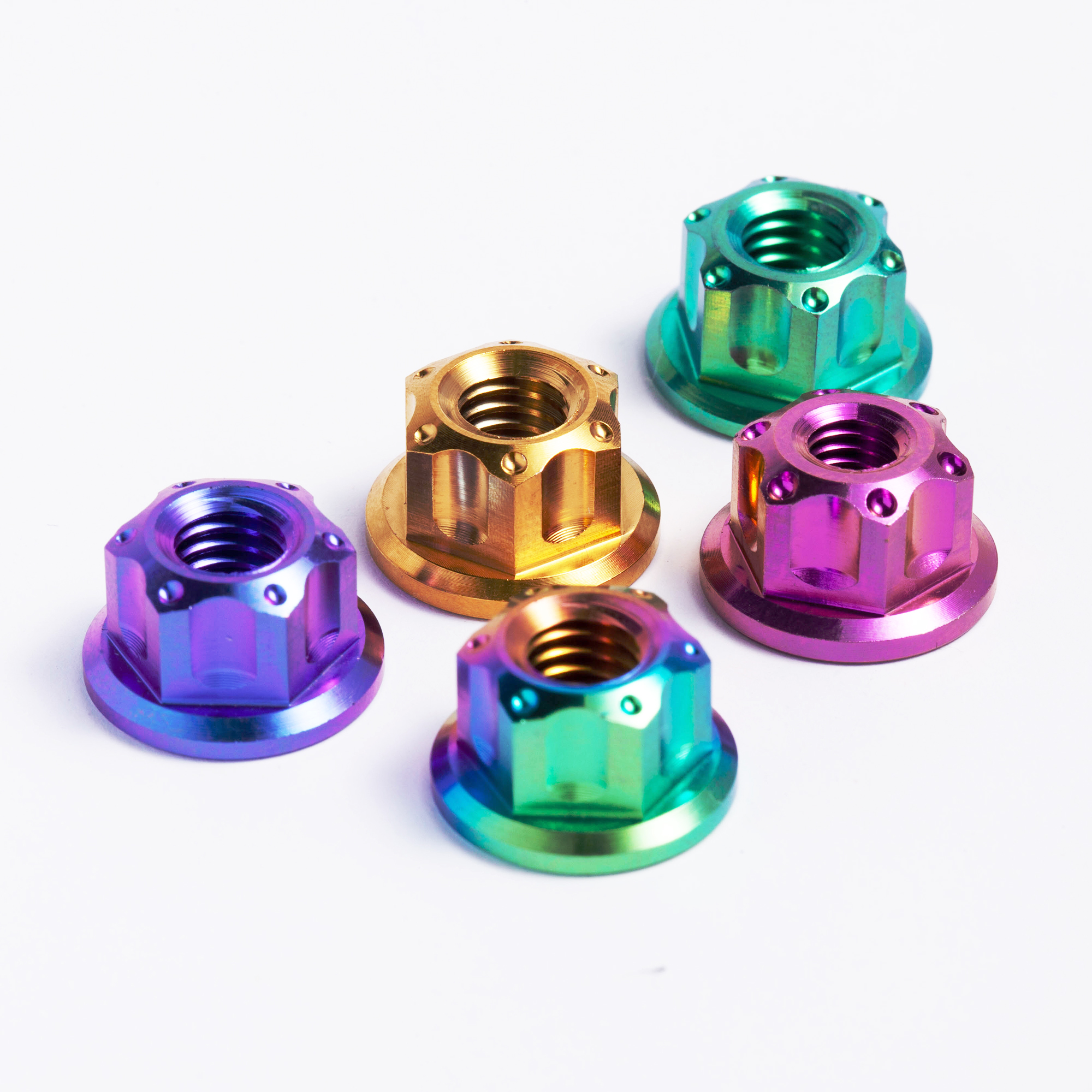
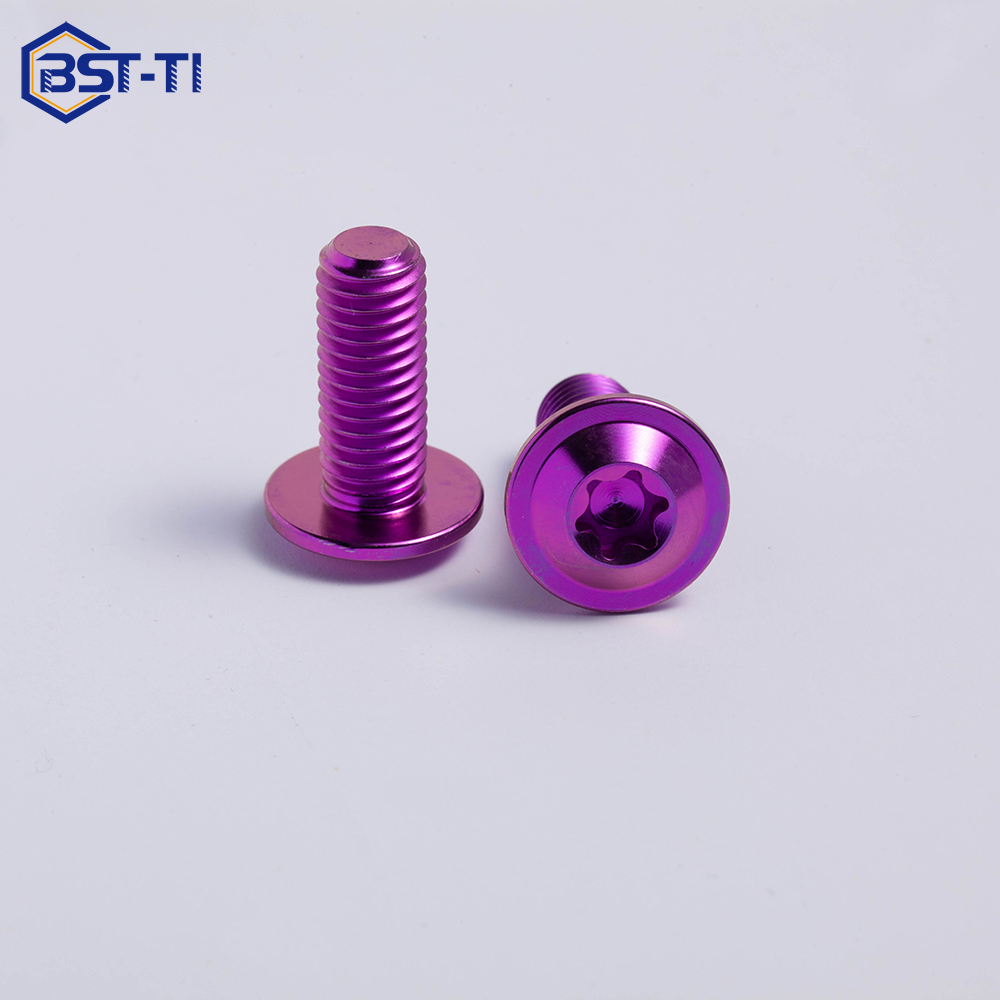
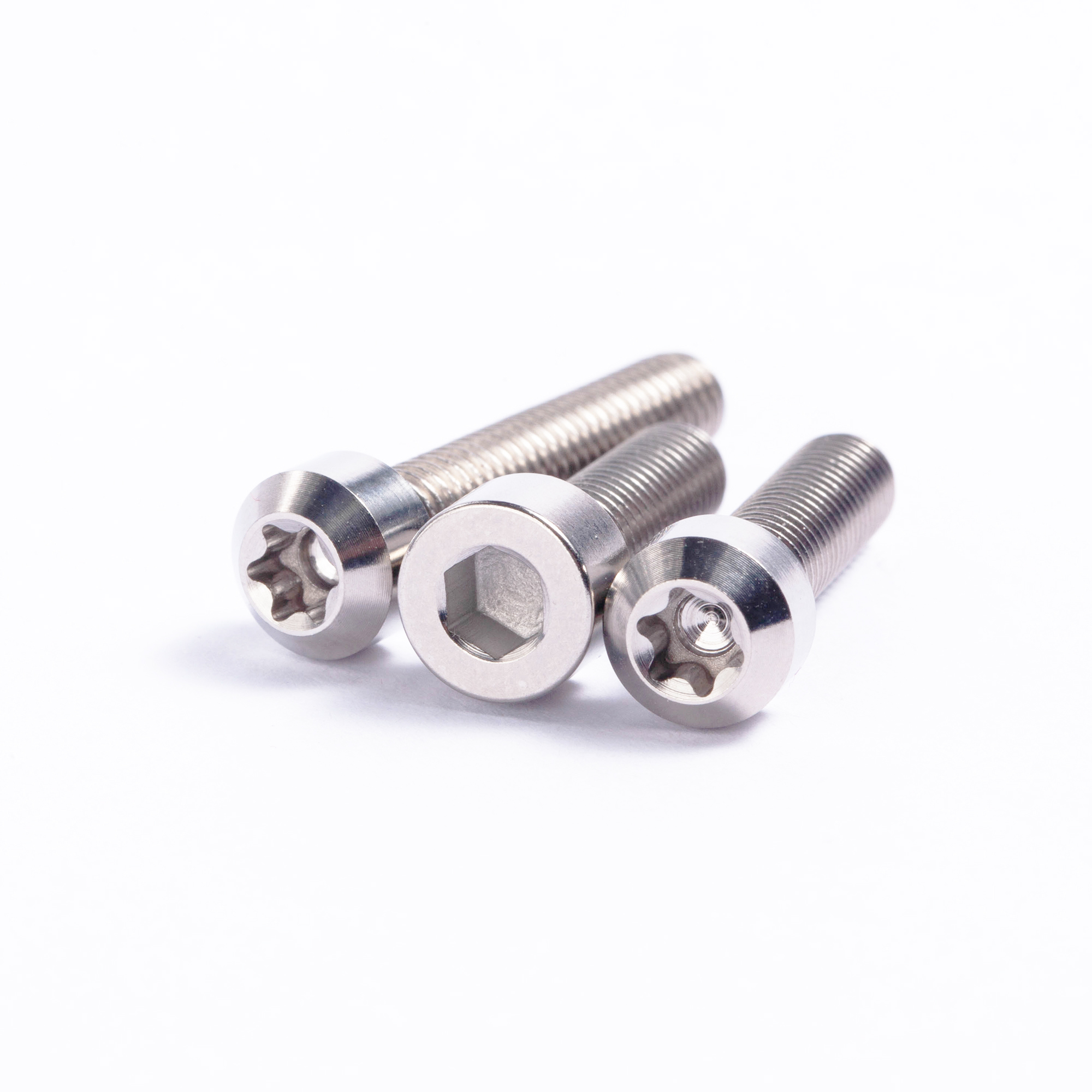
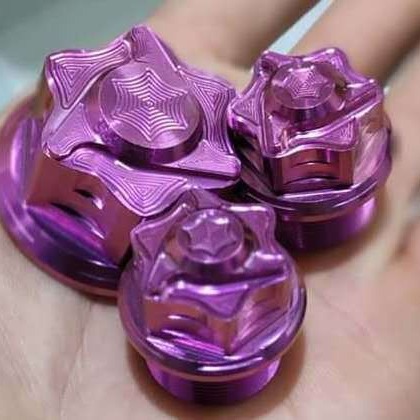
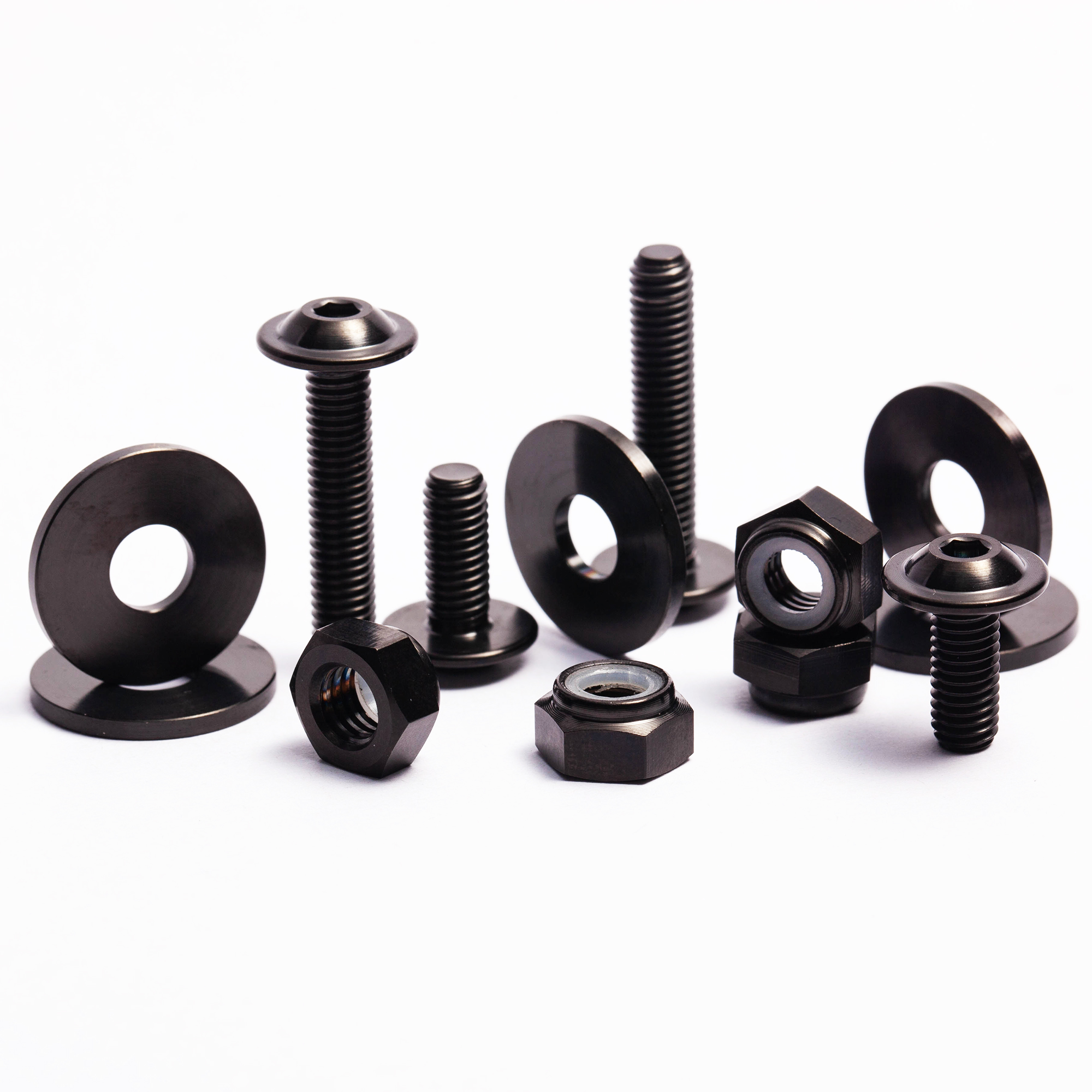
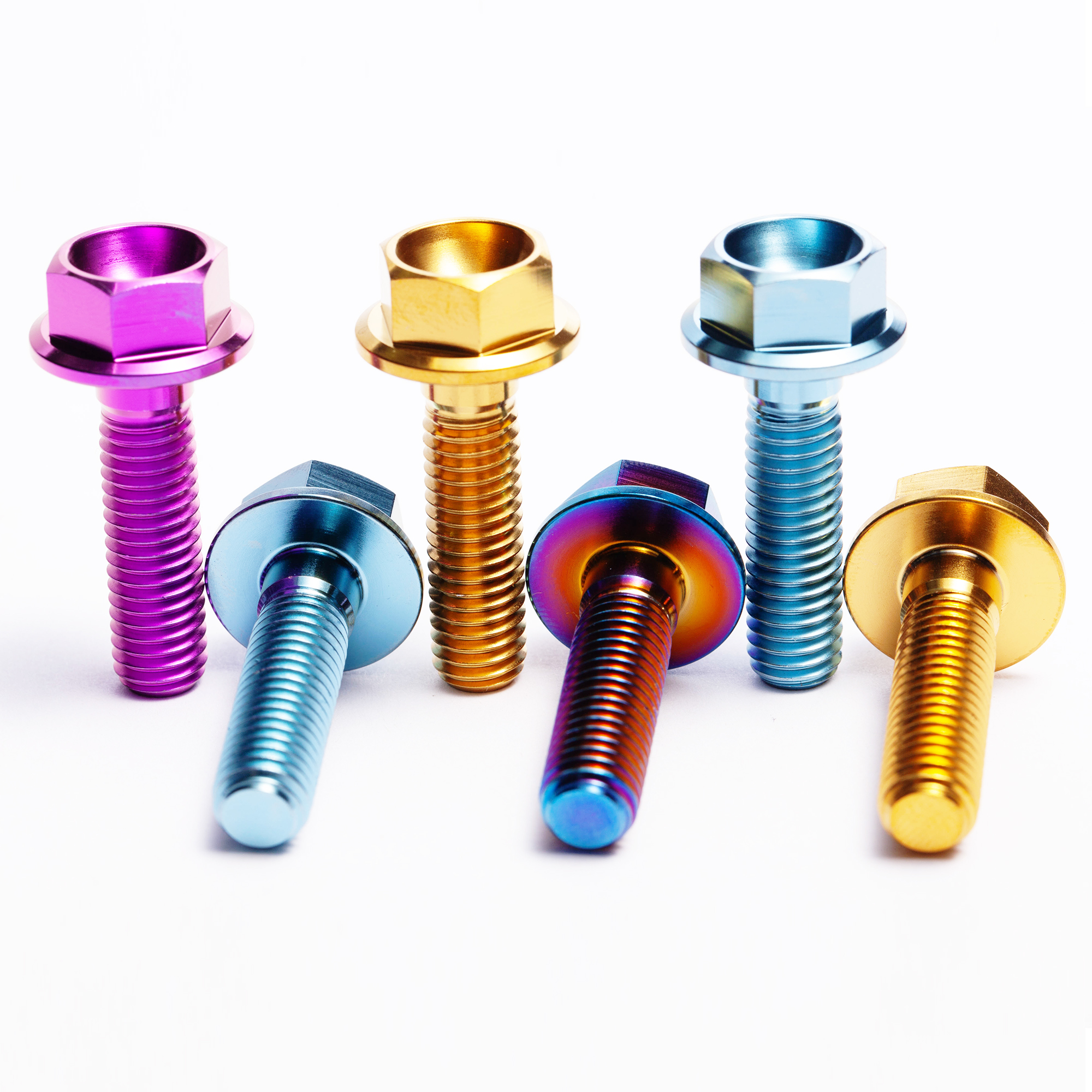
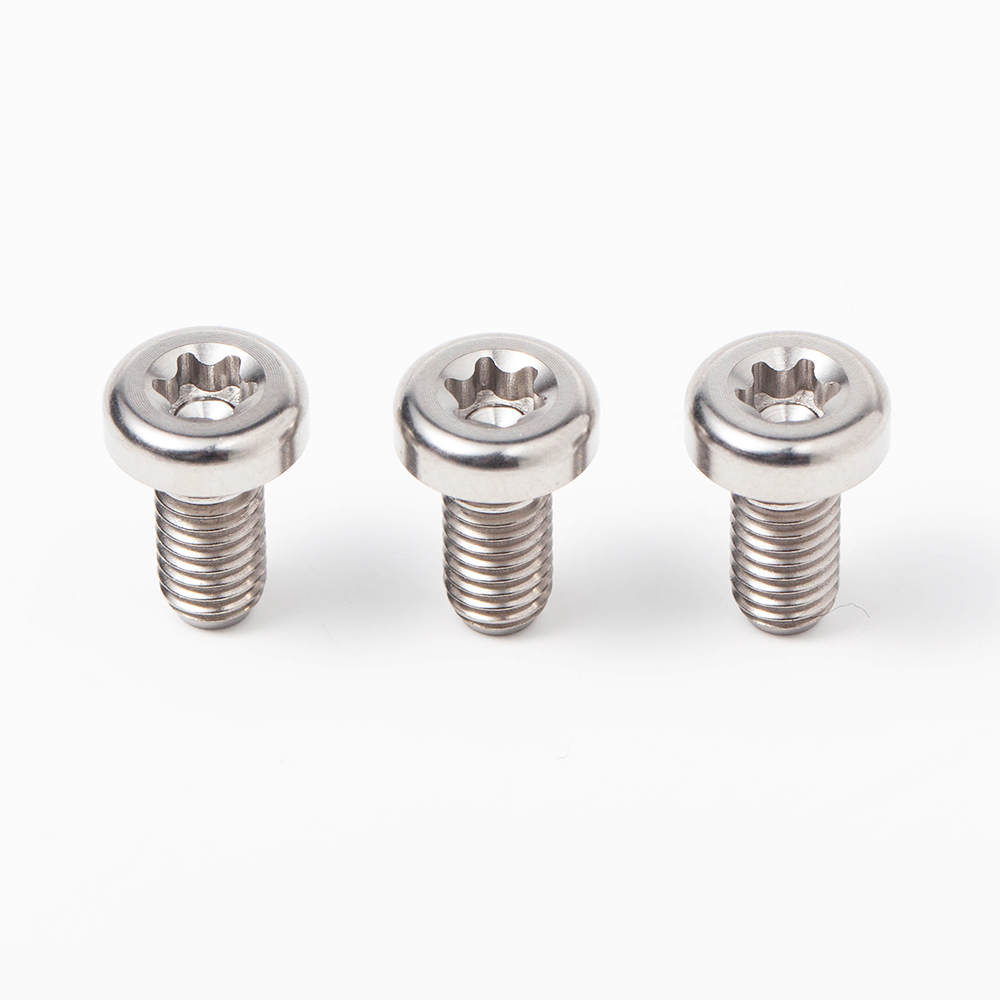
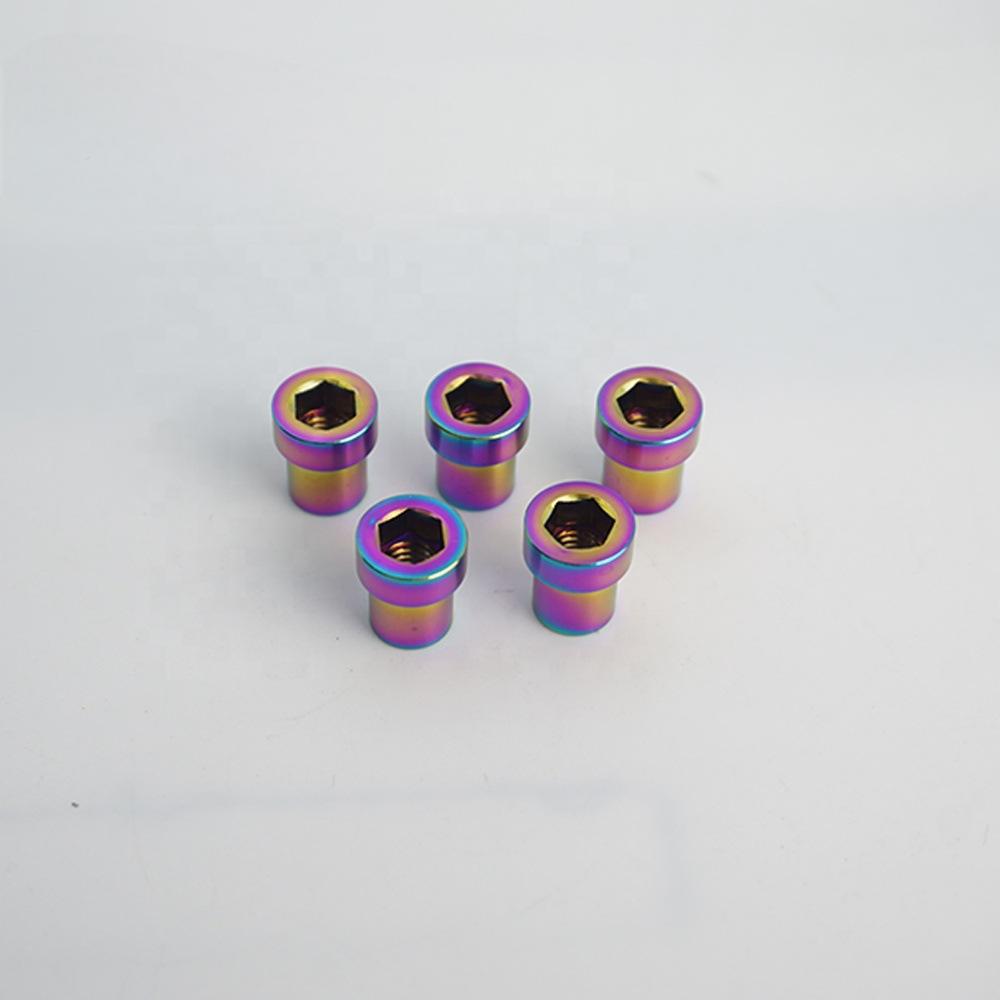
Titanium Metallurgical Engineering Serving Kobe’s Heavy & Maritime Sectors
An in-depth metallurgical analysis for Hanshin Industrial Region mechanical engineers, marine procurement executives, and precision device builders evaluating ASTM B348, ASTM F136, and JIS H4600 compliance.
| Alloy Grade & Standard | Composition Metrics | Tensile / Yield (MPa) | Corrosion Resistance Mechanism | Target Kansai / Kobe Sector Applications |
|---|---|---|---|---|
| Grade 5 (Ti-6Al-4V / TC4) ASTM B348 / JIS Class 60 |
Ti-balance, 5.5-6.75% Al, 3.5-4.5% V, Fe ≤ 0.40%, O ≤ 0.20% | Tensile: ≥ 895 MPa Yield: ≥ 828 MPa |
Stable self-passivating TiO2 oxide film; impervious to marine pitting and boundary shear corrosion. | High-vibration engine blocks, Port of Kobe loading mechanisms, motorsport drive assemblies, and chassis fasteners. |
| Grade 2 (Commercially Pure) ASTM B265 / JIS Class 2 |
Ti-balance, Fe ≤ 0.30%, O ≤ 0.25%, C ≤ 0.08%, N ≤ 0.03% | Tensile: ≥ 345 MPa Yield: 275-450 MPa |
Ultimate corrosion barrier across boiling organic acids, chlorine solutions, and coastal sea splash zones. | Chemical processing valves, coastal infrastructure, marine exhaust heat exchangers, and cathodic piping systems. |
| Grade 9 (Ti-3Al-2.5V) ASTM B338 / Aerospace Std |
Ti-balance, 2.5-3.5% Al, 2.0-3.0% V, Fe ≤ 0.25%, O ≤ 0.15% | Tensile: ≥ 620 MPa Yield: ≥ 483 MPa |
High hydraulic stress resilience combined with deep marine ambient resistance. | High-pressure hydraulic lines in shipbuilding, lightweight cycling structural frames, and pneumatic instrumentation. |
Industrial Implementation Across the Kobe-Osaka Economic Sphere
Adapting precision titanium raw materials and fastening components to the specialized mechanical demands of Hyogo Prefecture’s high-tech manufacturing corridors.
Shipbuilding & Offshore Port Facilities
The Port of Kobe is one of Japan's preeminent deep-water container hubs and maritime engineering clusters. Marine environments impose hyper-aggressive electrochemical attack on conventional steels. Our Grade 2 and Grade 5 titanium fasteners and machined pins completely eliminate crevice corrosion and galvanic breakdown in underwater sensor housings, propulsion baffles, and deck-level instrumentation, reducing lifecycle servicing overhead for shipyards across Hyogo.
Precision Heavy Equipment & High-Speed Rail
Kobe's heavy manufacturing complexes design cutting-edge rolling stock, high-pressure hydrogen compressors, and advanced power turbine components. Titanium's exceptional strength-to-weight ratio (4.43 g/cm³) coupled with high fatigue limit guarantees rotational balance and eliminates centrifugal shear stress in high-RPM dynamic subsystems where alloy steels suffer mechanical fatigue.
Hydrogen Energy & Decarbonization Hubs
As a pioneer in the international liquefied hydrogen supply chain, the Kobe Waterfront ecosystem requires materials capable of retaining dimensional tolerance and impact toughness without embrittlement. Wexra’s ultra-low interstitial titanium grades serve specialized cryogenic valve seats, sensor enclosures, and non-sparking fluid distribution housings.
Biomedical Instrumentation & Medical Devices
Kobe Biomedical Innovation Cluster (KBIC) is Japan’s largest biomedical research and clinical translation zone. We supply implant-grade Ti-6Al-4V ELI (ASTM F136) rods and micromechanical fasteners characterized by complete biocompatibility, zero magnetic deflection for MRI compatibility, and extreme corrosion resistance against biological electrolytes.
High-Performance Motorsport & Specialty Two-Wheelers
The Kansai enthusiast and racing circuits demand unsprung weight minimization. Our cold-forged and CNC-machined Ti-6Al-4V brake rotor bolts, sprocket fasteners, and hollow-head wheel spindles reduce rotating mass by 44% compared to Grade 10.9 steel, resulting in immediate improvements in suspension damping response and thermal stability under prolonged braking.
Custom CNC Machined Components & EDC Hardware
Serving Kansai design labs and specialty consumer product manufacturers, Wexra delivers OEM micro-turning, fine-tolerance milling, laser cutting, and electrolytic anodizing. From precision multi-tools to high-rigidity bicycle cockpits, our production lines execute custom designs directly from 3D CAD files within ±0.01 mm repeatability.
Future Market Trends Shaping Titanium Procurement in Hyogo
Strategic procurement analysis detailing the shifting supply chain dynamics, decarbonization targets, and alloy substitution trends across the Japanese manufacturing sector through 2030.
1. Decarbonization via Structural Light-Weighting
With Japan targeting carbon neutrality by 2050, transportation equipment manufacturers in the Kansai corridor are accelerating the substitution of heavy steel fasteners with Grade 5 titanium. In heavy rail, commercial electric vehicles, and high-speed ferries, reducing structural deadweight directly translates into lower energy consumption per payload ton-kilometer.
2. Marine Lifecycle Cost Optimization (LCC)
Traditional maintenance doctrines at port terminals and shipping fleets relied on sacrificial zinc anodes and frequent protective coating reapplications on marine steel fixtures. Port engineers in Kobe are shifting towards Life Cycle Costing (LCC) models, where the initial capital investment in Grade 2 and Grade 5 titanium hardware is amortized over 25+ years of zero-maintenance operation in salt spray.
3. Supply Chain Resilience & Direct Factory Partnerships
Fluctuations in global titanium sponge availability have driven Japanese trading houses (sogo shosha) and mid-sized Tier-2 fabricators to build direct, verified factory supply agreements. By eliminating multi-tier brokerage markups and enforcing rigorous EN 10204 3.1 certification at source, Kobe manufacturers secure predictable production schedules.
Comprehensive Manufacturing & Quality Control Systems
Integrating primary material verification, tight tolerance multi-axis machining, and rigorous compliance to serve discerning international engineering teams.
ISO 9001:2015 Quality System
Our facility operates an end-to-end ISO 9001:2015 quality assurance workflow. From spectrographic verification of incoming raw bar stock to thread pitch verification using optical comparators, every phase is recorded with full heat number traceability and Mill Test Certificates (MTC).
Thread Rolling & CNC Tolerancing
Unlike inferior fasteners with cut threads that disrupt grain flow and create micro-notches, our threads are rolled under high pressure. This cold-working process increases root fatigue strength by up to 30%, guaranteeing dynamic performance in high-vibration applications.
Full International Compliance
Our manufactured materials and parts comply strictly with RoHS, REACH, CE, and UKCA standards. We provide transparent material data, third-party chemical spectrography, and ultrasonic flaw detection reports upon client specification, supporting frictionless global customs clearance.
Frequently Asked Questions for Kobe Procurement Engineers
Clear, data-backed answers addressing material substitution, documentation, surface finishing, and logistical integration for Japanese manufacturing buyers.
How do ASTM Grade 5 titanium fasteners compare to JIS standard high-tensile steel bolts?
ASTM B348 Grade 5 (Ti-6Al-4V) provides a minimum tensile yield of 895 MPa, which matches the mechanical shear and tensile profile of JIS SCM435 / Class 8.8 and approaching Class 10.9 alloy steel bolts. However, Grade 5 titanium operates at approximately 4.43 g/cm³ compared to 7.85 g/cm³ for steel, yielding a 44% weight reduction while delivering absolute immunity to chloride and saltwater stress corrosion cracking.
How does your factory prevent thread galling during high-torque assembly?
Titanium has a natural tendency to cold weld or gall under dry high-load friction due to its adherent oxide film. We mitigate this through cold-rolled precision thread forming to achieve low surface roughness (Ra ≤ 0.4 μm), physical vapor deposition (PVD) anti-friction coatings, specialized micro-arc oxidation, and by recommending molybdenum disulfide or nickel-based anti-seize lubricants with adjusted assembly torque values.
What certification documentation accompanies titanium raw material and fastener shipments?
Every export batch to Japan is supplied with a comprehensive Mill Test Certificate (MTC) in accordance with EN 10204 3.1. This includes full spectrographic chemical composition analysis (verifying interstitial O, N, C, H limits), mechanical tensile and yield testing, elongation percentages, dimensional inspection reports, and certificate of RoHS/REACH compliance.
Can you manufacture custom titanium parts from metric Japanese Industrial Standard (JIS) drawings?
Yes. We specialize in precision OEM/ODM manufacturing based on 2D engineering drawings (PDF/DWG) specifying JIS tolerances or 3D CAD step files. Our CNC turning and milling centers maintain tolerances within ±0.01 mm, catering to metric fine pitch threads (e.g., M10x1.25, M12x1.25) commonly utilized across Japanese automotive and heavy machinery designs.
What are the lead times and logistical pathways for delivery into the Port of Kobe or Kansai Airport?
Standard fastener inventory items ship within 48 to 72 hours. Custom CNC runs or large-scale bar stock orders typically require 15 to 25 production days. Logistically, we offer consolidated sea freight directly into the Port of Kobe (approx. 3-5 days transit from Shanghai/Ningbo ports) or priority air cargo into Kansai International Airport (KIX) for mission-critical engineering runs.
Does PVD or anodized color finishing affect the dimensional tolerances of precision threads?
Titanium anodizing is an electrolytic passivation process that generates a controlled optical interference oxide layer without adding significant dimensional coating thickness (typically under 200 nanometers). Physical Vapor Deposition (PVD) adds an ultra-hard titanium nitride (TiN) or titanium carbonitride layer of only 1 to 3 microns, which remains well within standard 6g/6H metric thread class tolerances.
Request an Engineering Consultation & Direct Factory Quotation
Send your CAD files, part specifications, or raw material bill of materials. Our metallurgical engineering team provides comprehensive DFM reviews, material compliance verification, and competitive volume pricing for the Kobe and Kansai markets.