High-Integrity Fasteners, Flange Connectors & Valve Assembly Hardware
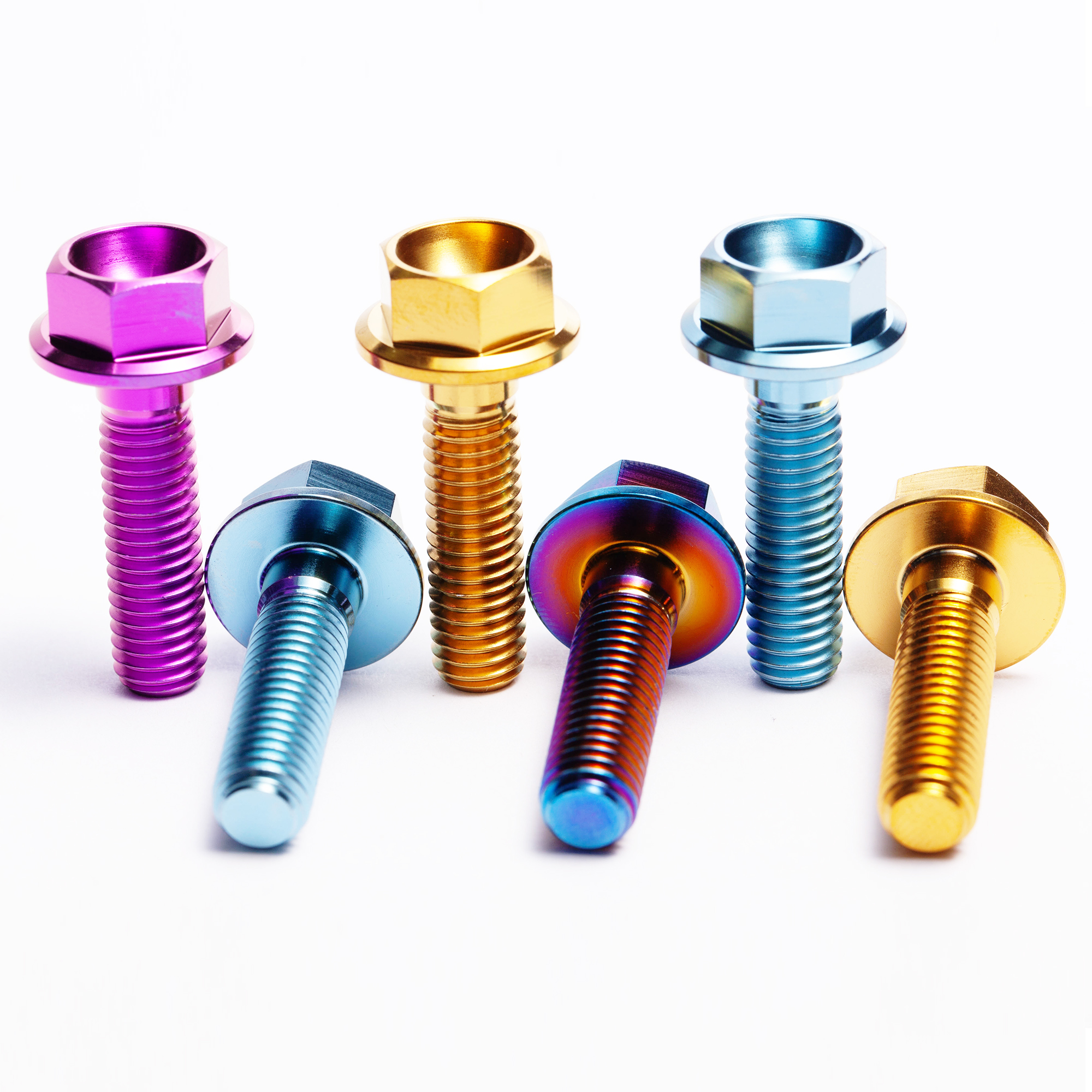
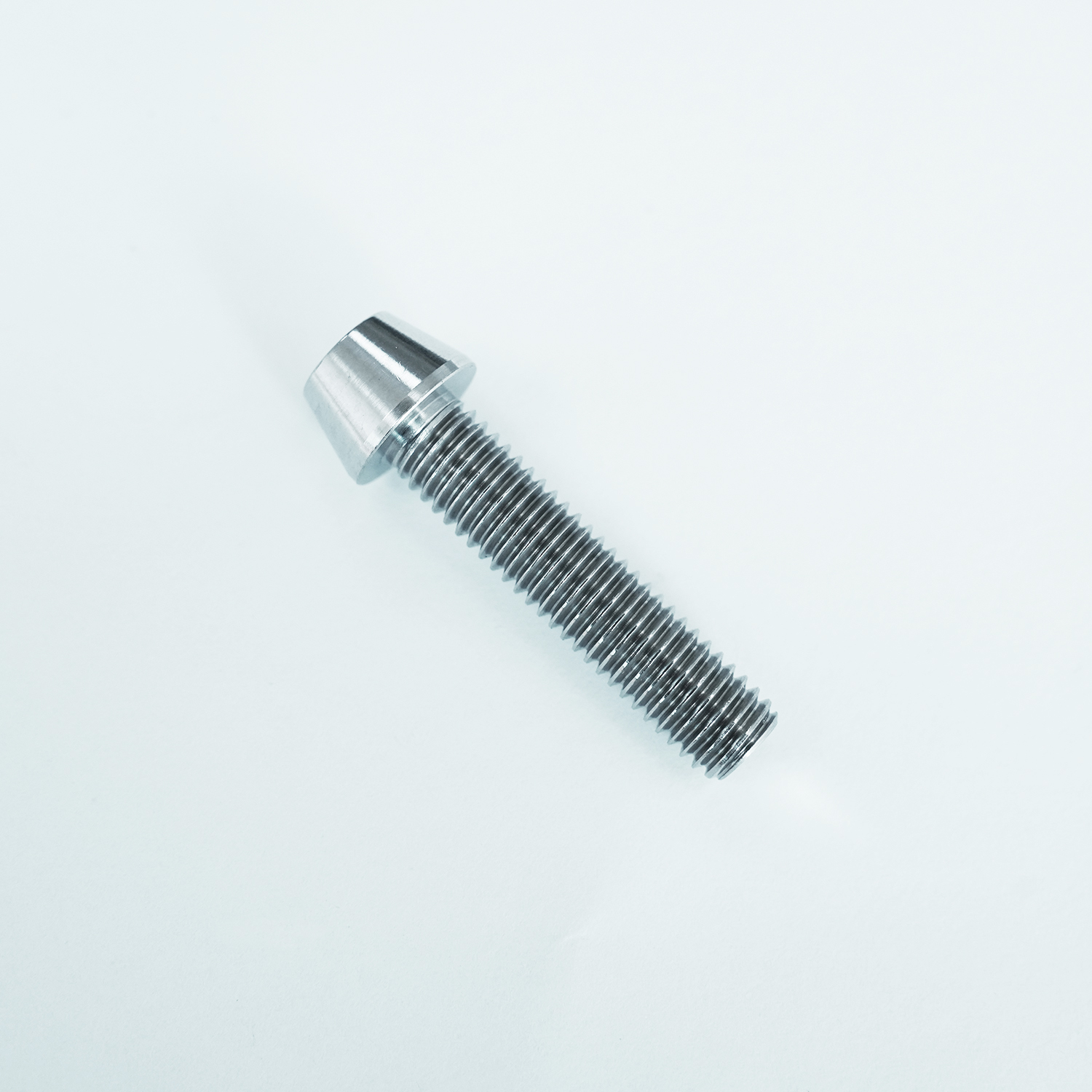
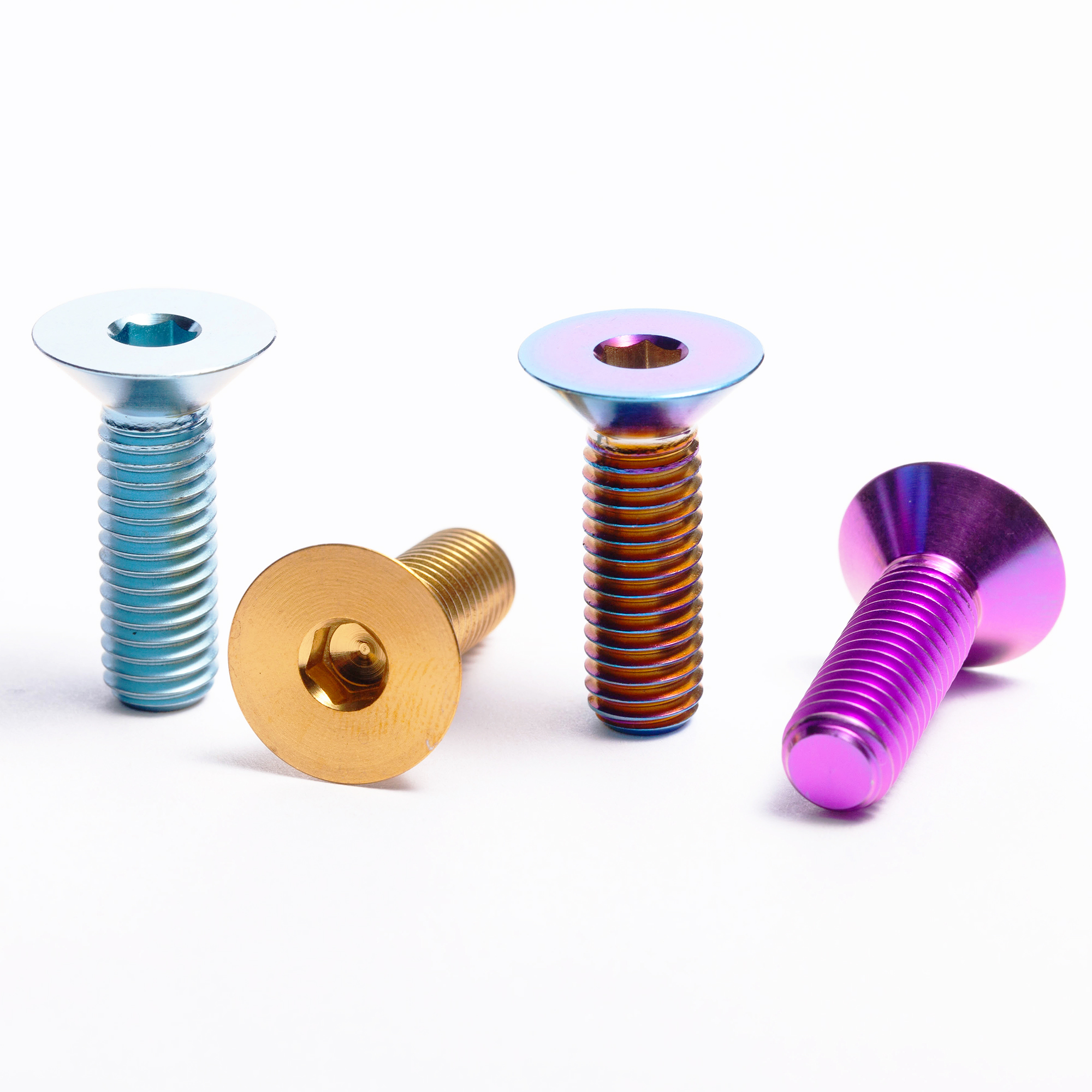
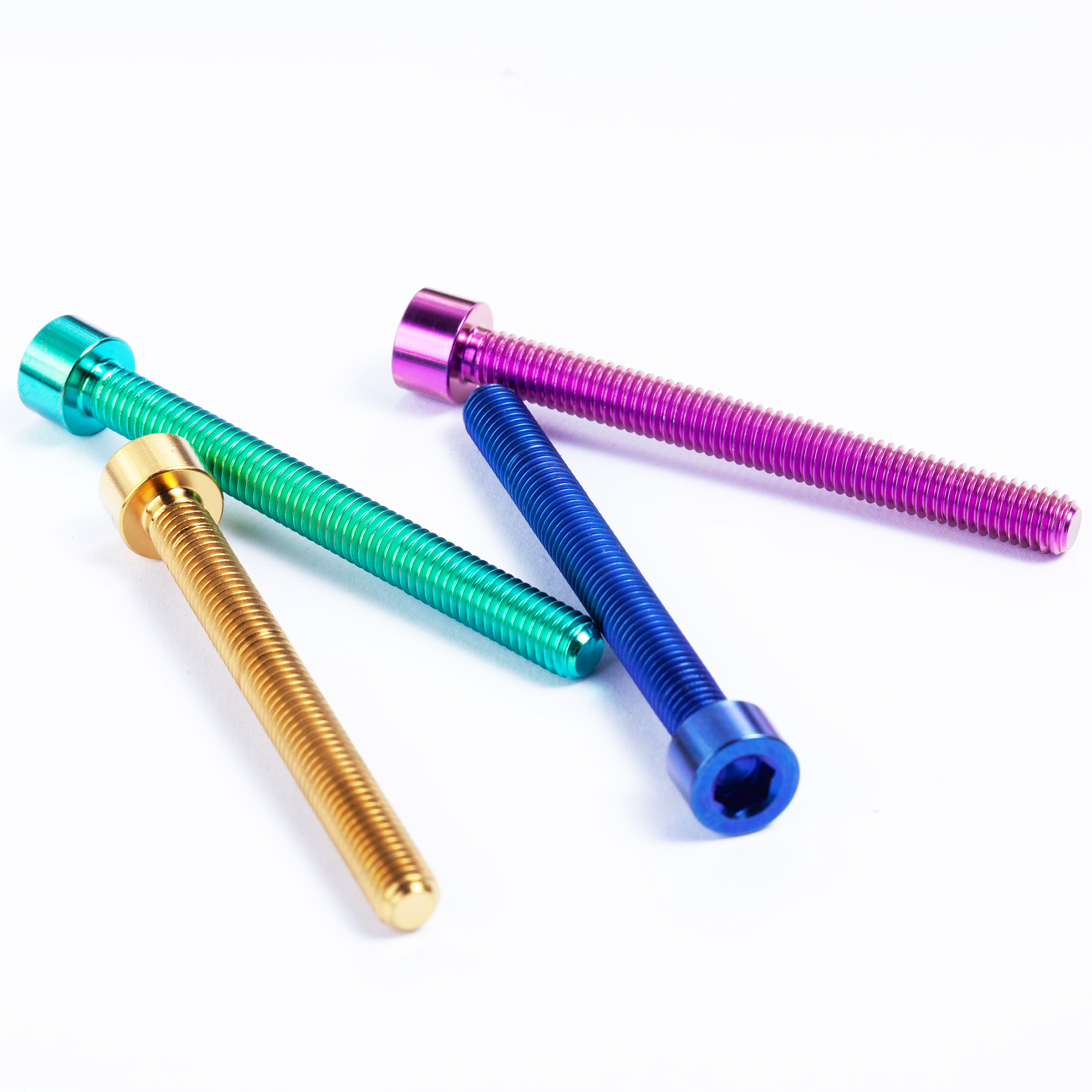
Engineered from premium Grade 5 (Ti-6Al-4V) and commercially pure Grade 2 titanium, our precision bolts, studs, and components provide non-galling, high-tensile, zero-corrosion anchoring for aggressive chemical valve assemblies operating in Riga’s challenging Baltic environment.
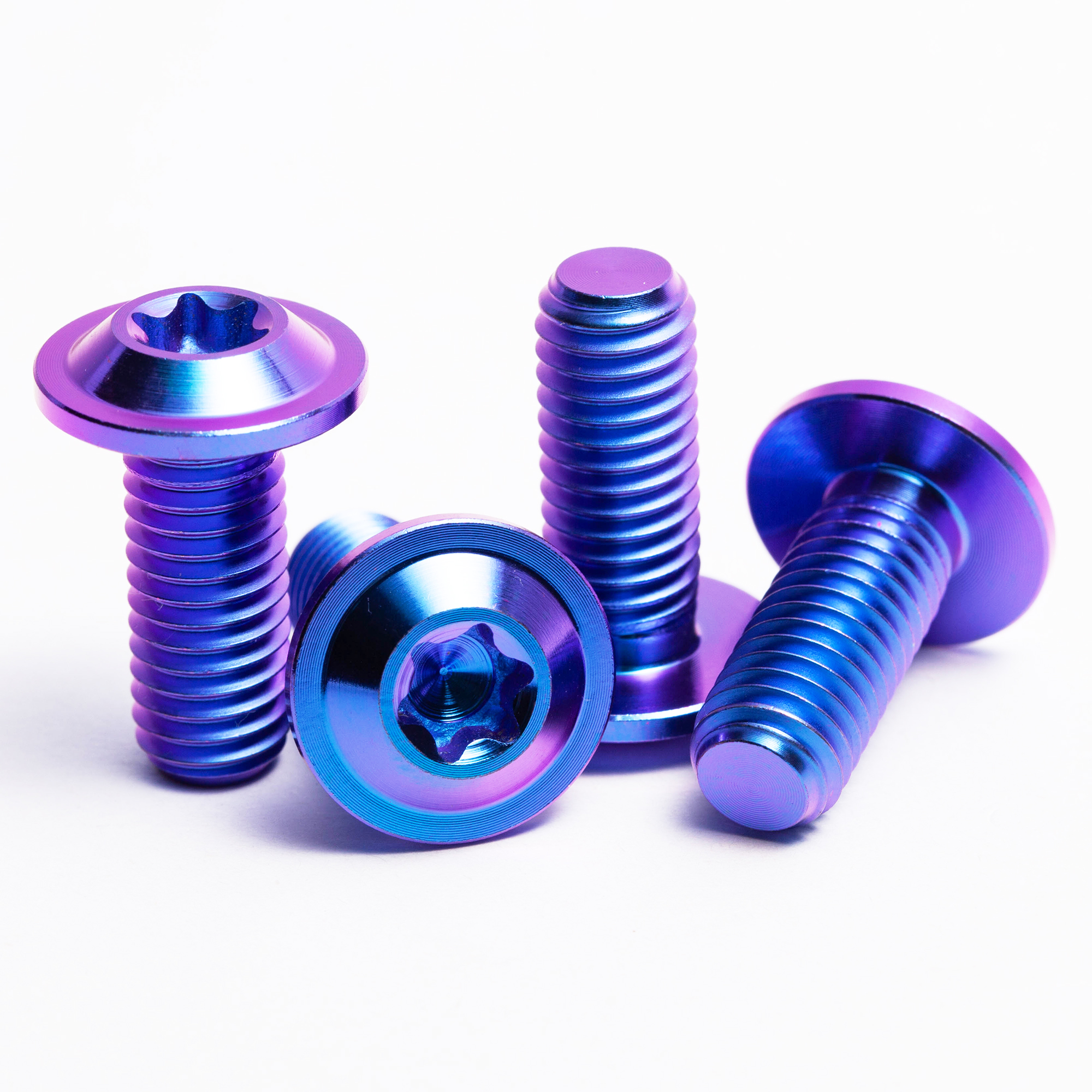
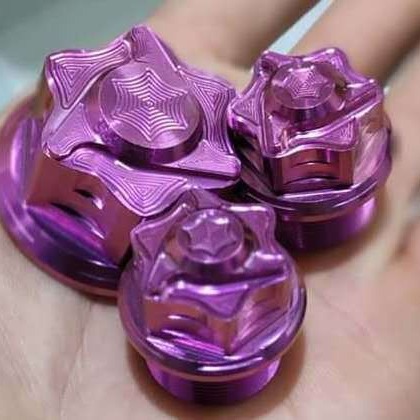
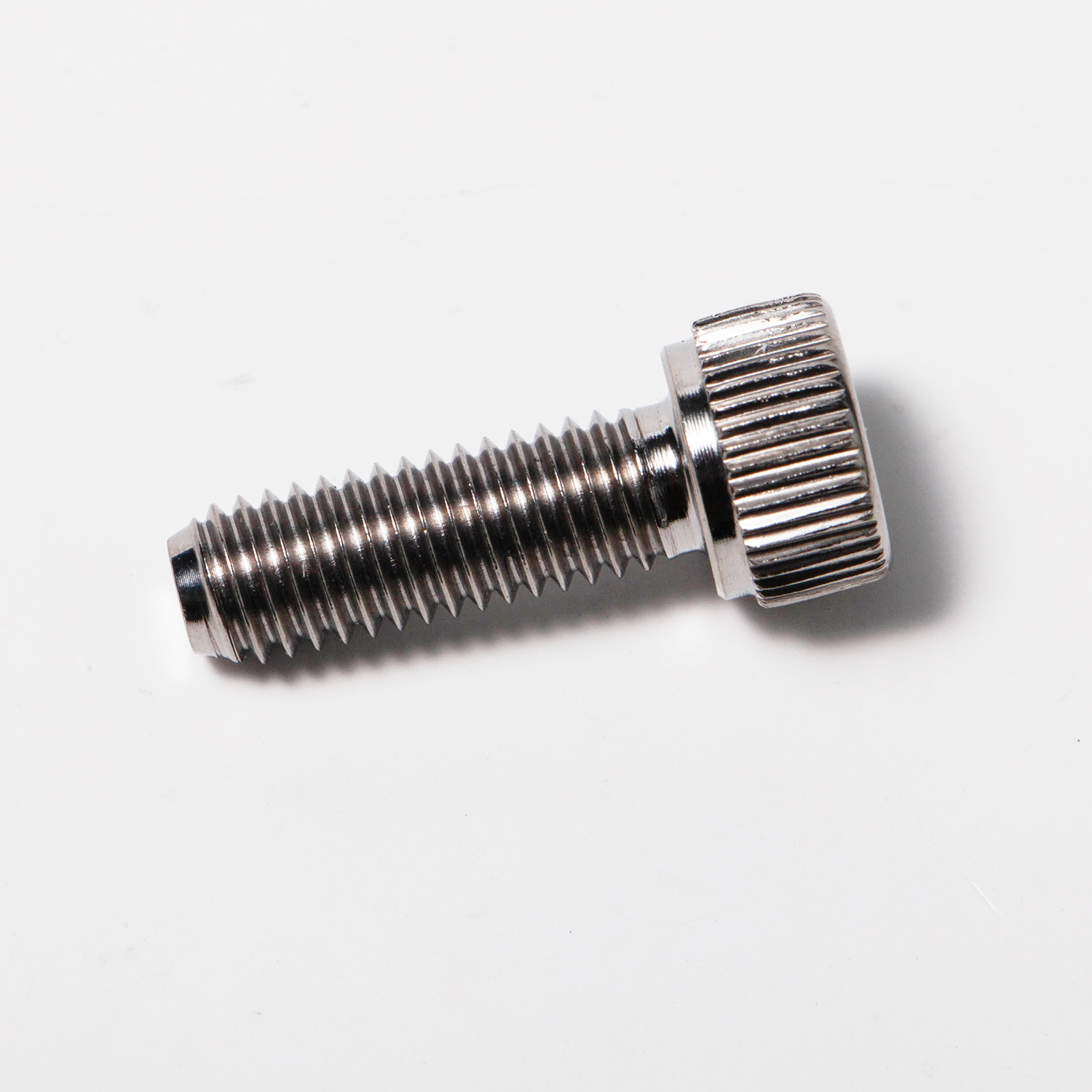
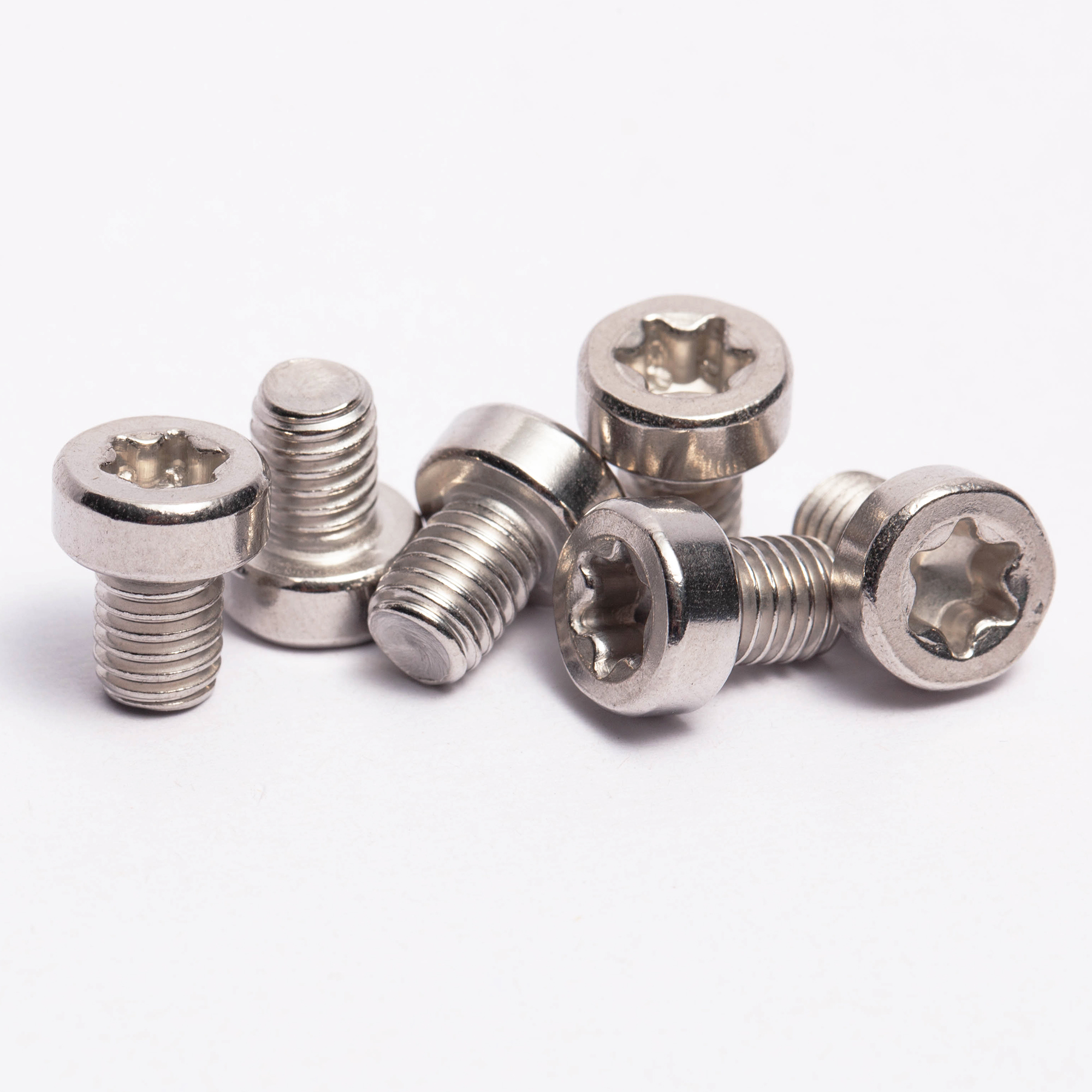
Engineering Titanium Chemical Valves for Severe Aggressive Media
Evaluating ASTM Grade 2, Grade 5, and Palladium-stabilized alloys against traditional 316L, Duplex 2205, and nickel superalloys under severe oxidizers, moist halogens, and brackish maritime conditions.
Passivating TiO₂ Oxide Film Stability
The unparalleled corrosion resistance of titanium chemical valves stems from the immediate formation of a tenacious, chemically inert, self-healing rutile-anatase titanium dioxide (TiO₂) boundary layer. In media containing even parts-per-million traces of moisture or free oxygen, damaged surfaces re-passivate instantaneously, preventing pitting, stress corrosion cracking (SCC), and intergranular erosion commonly seen in austenitic stainless steels.
Wet Chlorine & Chloride Immunity
Whereas 300-series stainless steels suffer rapid crevice corrosion and catastrophic stress failure in warm chloride streams, Grade 2 and Grade 7 titanium show zero degradation across saturated brine, wet chlorine gas, chlorate synthesis, and sea-salt mist. For Riga's port chemical terminals and bleaching operations, titanium eliminates unscheduled valve outages and expensive hazardous-fluid containment incidents.
High Strength-to-Weight Efficiency
With a nominal density of 4.43 to 4.51 g/cm³, titanium valves and bolting assemblies deliver 44% weight reductions compared to steel equivalents while matching or exceeding the tensile capabilities of Grade 10.9 fasteners. In modular chemical skids, offshore maritime scrubbers, and suspended piping manifolds throughout Latvia, this reduction substantially lowers support-structure load and vibrational fatigue.
Titanium vs. Conventional Valve Alloys: Severe Chemical Service
Direct comparative benchmarks demonstrating structural, thermal, and corrosion boundaries for industrial valve procurement engineers.
| Alloy Classification | Tensile Strength (MPa) | Density (g/cm³) | Resistance to Wet Cl₂ / Chlorides | Nitric & Oxidizing Acids | Thermal Shock / Embrittlement | Optimal Riga Application |
|---|---|---|---|---|---|---|
| Titanium Gr2 (CP3) | ≥ 345 | 4.51 | Immune (>1.5% H₂O) | Exceptional | -50°C to +315°C | Wastewater, Bleaching, Port Seawater Lines |
| Titanium Gr5 (Ti-6Al-4V) | ≥ 895 | 4.43 | Immune to Ambient Cl⁻ | Excellent | Cryogenic to +400°C | High-Pressure Ball/Check Valves, Flange Studs |
| Titanium Gr7 (Ti-0.15Pd) | ≥ 345 | 4.51 | Immune (Crevice-Proof) | Exceptional | Broad Extreme Range | Reducing Acid Traces, Boiling Chlorides |
| Super Austenitic (316L) | ≥ 485 | 7.98 | Severe Pitting Risk | Moderate | Susceptible to SCC | Low-Corrosion General Plant Lines |
| Duplex 2205 (1.4462) | ≥ 655 | 7.80 | Acceptable to 25°C | Good | 475°C Embrittlement | Offshore Ballast & Bulk Handling Tanks |
| Hastelloy C-276 | ≥ 690 | 8.89 | High Resistance | Good | Stable to High Temp | Mixed Hydrochloric/Sulfuric Regimes (Heavy) |
Critical Application Landscapes Across Riga and the Baltic Hub
Addressing the rigorous demands of Latvia's leading chemical processors, maritime bulk transshipment terminals, and pharmaceutical innovators along the Daugava river corridor.
Freeport of Riga Liquid Terminals
Handling liquid fertilizers, organic chemical feedstocks, ammonia derivatives, and maritime bunkering. Titanium valves and flanged fasteners eliminate salt-spray pitting on seaside loading arms, manifold headers, and vapor-recovery safety shutdown loops.
Pharmaceutical Synthesis (Olaine/Riga Corridor)
Latvia’s premier active pharmaceutical ingredient (API) manufacturers require zero-trace metallic contamination and ultra-hygienic valve seating. Titanium ball and diaphragm valves resist aggressive organic synthesis solvents, chlorination intermediates, and rigorous clean-in-place (CIP) regimens.
Baltic Maritime Scrubber Installations
Marine exhaust gas cleaning systems (EGCS) installed on Baltic shipping fleets endure corrosive acidic sulfur washes and recirculated brackish seawater. Titanium butterfly and check valves guarantee decades of zero-leakage durability without marine fouling degradation.
Wood Chemistry & Bioeconomy Refining
Modern Baltic wood pulp biorefineries utilize chlorine dioxide (ClO₂), ozone, and sulfur dioxide bleach lines. Titanium valves preserve structural and seat sealing integrity where all stainless alloys suffer rapid pitting and intercrystalline decomposition within months.
Baltic Chemical Sector Trends & Compliance Standards
How European Union industrial mandates, climate resilience programs, and Baltic green transition initiatives are accelerating the shift to titanium infrastructure.
EU Pressure Equipment Directive (PED 2014/68/EU)
Chemical processors in Latvia must satisfy strict CE marking rules under Module H/H1 for hazardous fluid handling. Wexra Titanium coordinates comprehensive material traceability, third-party hydro-testing, non-destructive examination (NDE), and certified EN 10204 3.1 inspection paperwork, ensuring friction-free integration into European plant safety dossiers.
ISO 15848-1 Fugitive Emissions Containment
With tightening European Industrial Emissions Directive (IED) frameworks, plants across Riga are actively phasing out fugitive gland leaks. Precision CNC-machined titanium stems, bonnet flange sets, and micro-honed internal cavities deliver Class AH seal retention under severe thermal cycling and pressure surges.
LCC (Life Cycle Costing) Shift from Nickel Alloys
Volatile nickel, cobalt, and molybdenum raw material surcharges have pushed Baltic plant directors to adopt whole-life cycle costing models. Titanium valves exhibit zero wall-loss corrosion allowances, delivering an estimated 25 to 30-year operational lifecycle that drastically outperforms short-lived high-nickel superalloy valves.
Why Chemical Engineers & Baltic Distributors Partner with Wexra Titanium
Combining advanced multi-axis CNC technology, metallurgical precision, and dedicated export logistics serving the European Single Market.
Sub-Micron CNC Tolerances (±0.01 mm)
Headquartered in Jiaxing, Zhejiang, our modern machining center utilizes high-rigidity multi-axis turning-milling centers, cryogenic cooling technology, and precision optical coordinate measurement. We machine complex valve bodies, stems, spherical balls, and flanged bolt patterns with tight repeatable tolerances.
ISO 9001:2015 & Full Raw Material Traceability
We reject low-cost remelt titanium scrap. Every bar, forged billet, and plate is sourced from certified vacuum arc remelted (VAR) ingots, 100% spectroscopically tested, and delivered with heat-batch-traceable EN 10204 3.1 Mill Test Certificates detailing chemical composition and mechanical elongation values.
Direct Baltic & EU Air/Sea Freight Lanes
Exporting to industrial buyers across Germany, the UK, Scandinavia, and the Baltic States. With optimized EU customs-cleared transit options directly servicing Riga Airport (RIX) and the Port of Riga, we provide door-to-door delivery with EPR-compliant protective packaging and dedicated engineering support.
Frequently Asked Questions by Latvian Procurement Teams
In-depth guidance covering design codes, galling mitigation, Baltic saltwater resistance, and direct import procedures into Riga.
When should chemical plants in Riga select Grade 2 vs. Grade 5 titanium for valve assemblies?
Grade 2 commercially pure titanium (UNS R50400) is the global benchmark for cast and forged valve bodies, bonnets, and fluid-wetted linings exposed to oxidizing acids, wet chlorine, and seawater, offering superior chemical passivity and thermal elongation properties. Conversely, Grade 5 Ti-6Al-4V (UNS R56400) provides an exceptional minimum tensile yield strength of 895 MPa, making it the required choice for high-pressure valve stems, dynamic ball shafts, internal actuators, and critical bonnet flange bolting (such as our DIN 6921 and heavy-duty socket series) that must resist high internal pipeline pressure spikes and mechanical shear stresses.
How is thread galling prevented in high-torque titanium valve flange connections?
Titanium has a natural tendency to cold-weld (gall) when mating threads experience friction without adequate lubrication. To ensure reliable torquing and maintenance disassembly on chemical lines in Riga, Wexra employs three proven industrial methods: (1) precision thread rolling rather than cut threading, which compresses the crystalline structure and provides a glass-smooth root finish; (2) specialized physical vapor deposition (PVD) or hard micro-arc oxidation (anodizing) that separates mating surfaces; and (3) recommendation of nickel-based or MoS₂ (molybdenum disulfide) anti-seize pastes paired with Grade 5 bolts and Grade 2 matching nuts.
What documentation accompanies titanium valve and fastener shipments to Latvia?
Every shipment delivered to Riga includes a complete inspection dossier: EN 10204 Type 3.1 Inspection Certificate documenting actual chemical composition (including interstitial elements: C, O, N, H, Fe), room and elevated temperature mechanical tensile data, Charpy V-notch impact values when required, dimensional inspection reports, and CE / RoHS / REACH declarations of compliance for frictionless customs entry through Latvian State Revenue Service (VID) border customs.
Can titanium valves withstand sub-zero Baltic winter conditions and thermal shock?
Yes. Unlike ordinary carbon steels that experience catastrophic ductile-to-brittle transitions at Baltic winter temperatures (-20°C to -30°C), titanium alloys—especially Grade 2 and Extra Low Interstitial (ELI) Grade 5—maintain superior fracture toughness down to cryogenic temperatures (-196°C). Furthermore, titanium's low coefficient of thermal expansion (8.6 × 10⁻⁶/K vs. 16.5 × 10⁻⁶/K for 316L stainless) significantly minimizes thermal fatigue stress during abrupt hot-process line startups.
What are the lead times and shipping modes from Wexra's manufacturing base to Riga?
For urgent maintenance overhauls, valve replacement trim, and precision bolt batches, air courier transit via RIX (Riga International Airport) takes approximately 5 to 8 business days. For bulk project piping valves, sea freight consignments routed through European hub ports into the Freeport of Riga typically range from 28 to 35 calendar days. We manage comprehensive packing protocols with vacuum barrier foil and desiccant packs to guarantee mint-condition arrival.
Does titanium resist dry chlorine gas in chemical manufacturing?
No. This is a vital chemical safety parameter: titanium must never be exposed to completely dry chlorine gas (chlorine containing less than 1.5% water by weight at room temperature, or less than 0.5% at elevated temperatures). In anhydrous chlorine conditions, titanium undergoes spontaneous, rapid exothermic ignition. However, in wet chlorine (abundant across chlor-alkali and bleach industries in the Baltic region), titanium is by far the safest, most indestructible valve material known. Our engineering staff provides media-compatibility validation before order execution.
Request Technical CAD Drawings, Valve Trim Catalogs & Factory Pricing
Partner directly with an ISO 9001 certified manufacturer specializing in severe-service titanium valves, custom CNC fluid components, and high-tensile piping bolting engineered for chemical operators serving Riga and the wider Baltic territory.
Get Catalog