Featured Titanium CNC Machined Hardware for Innsbruck Projects
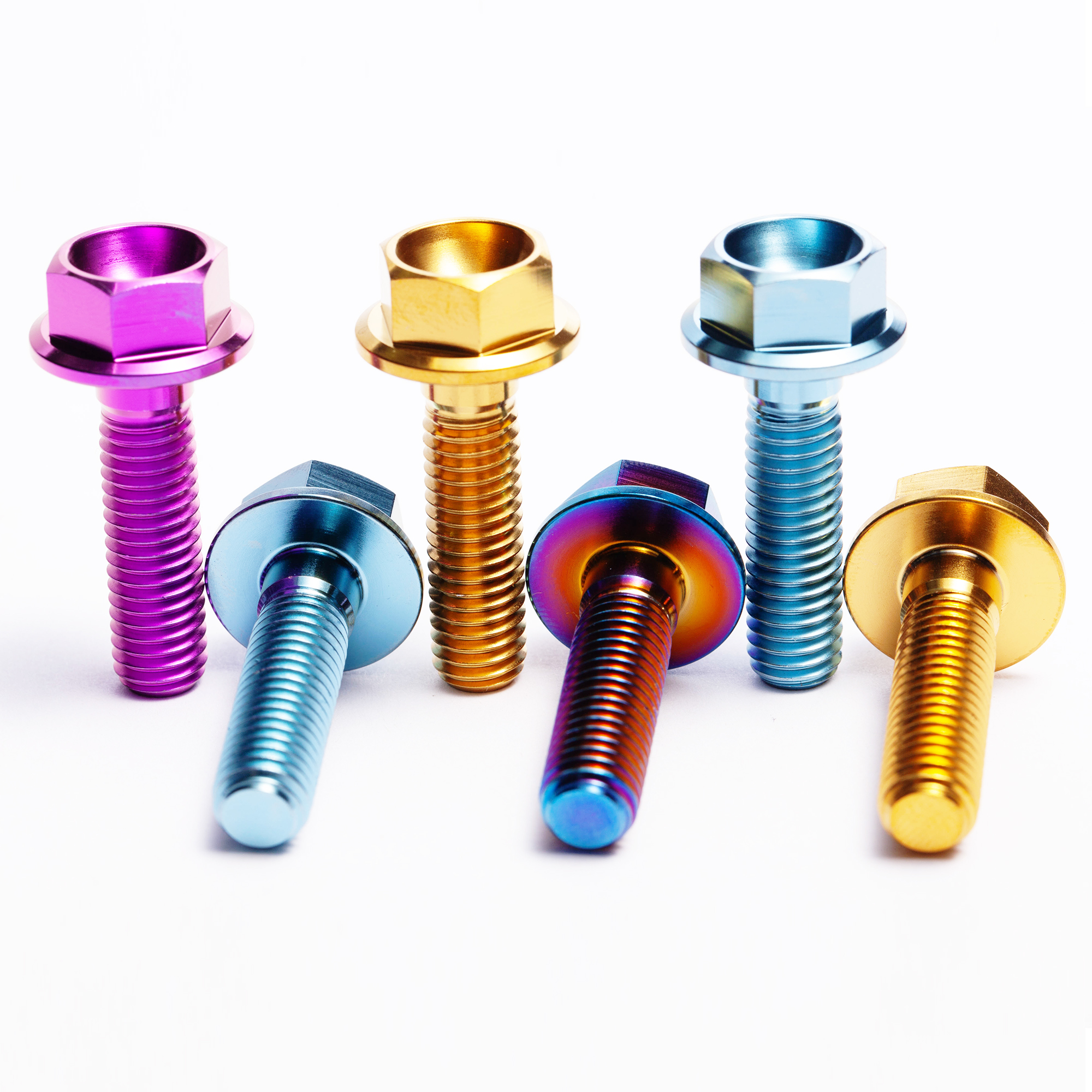
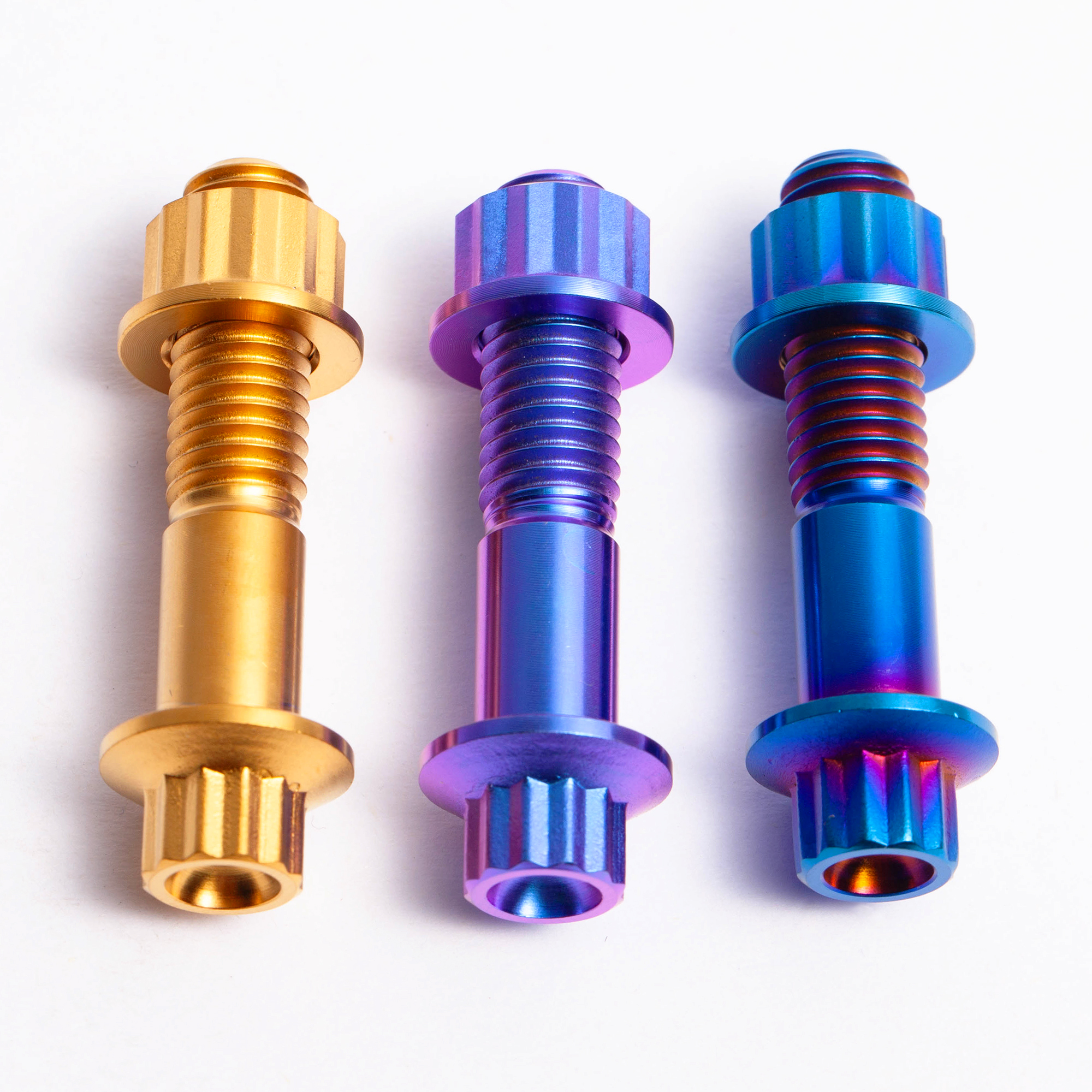
Engineered to DIN, ISO, and UNC/UNF standard specifications. Manufactured from verified aerospace-grade raw bar stock with high strength-to-weight ratios and complete environmental passivity.
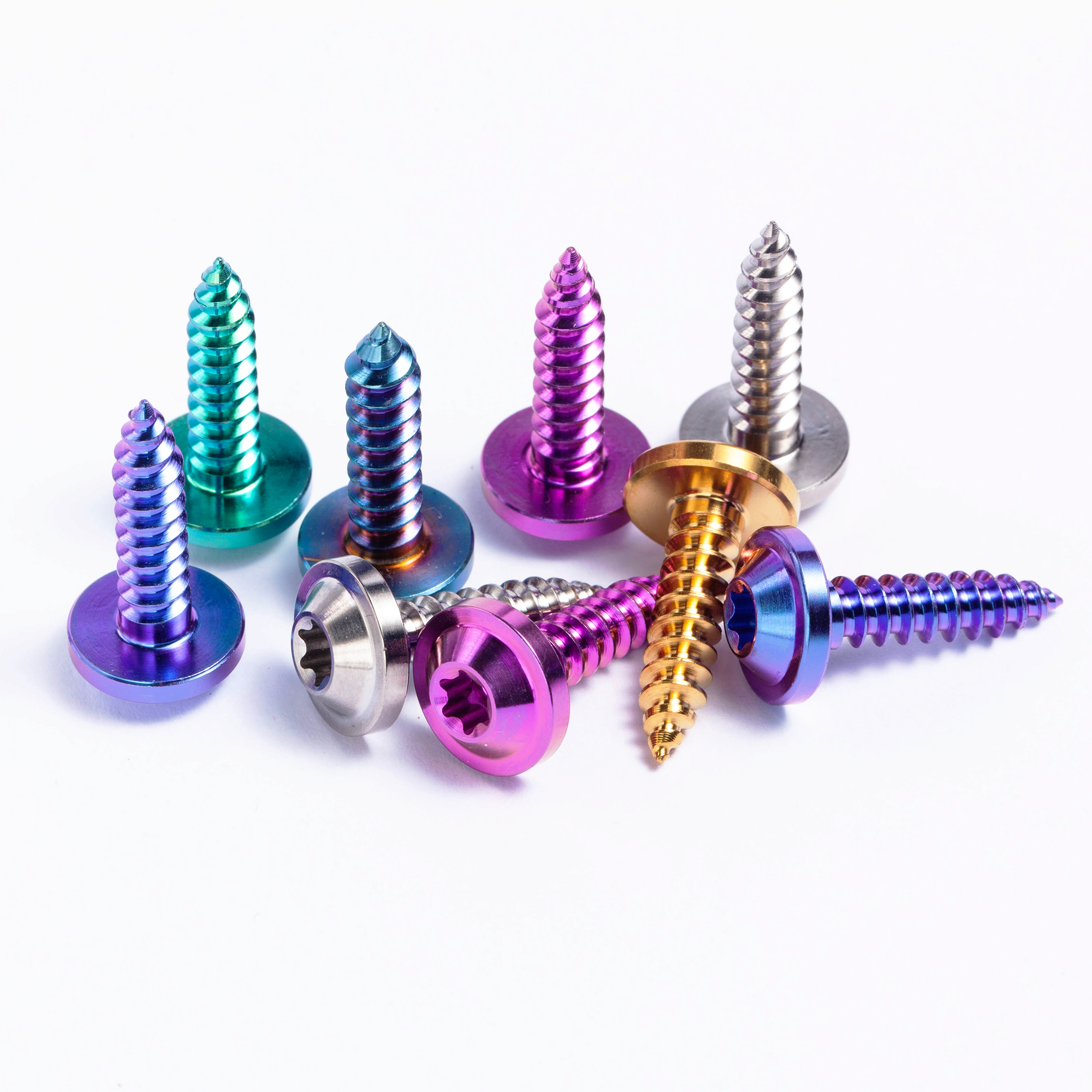
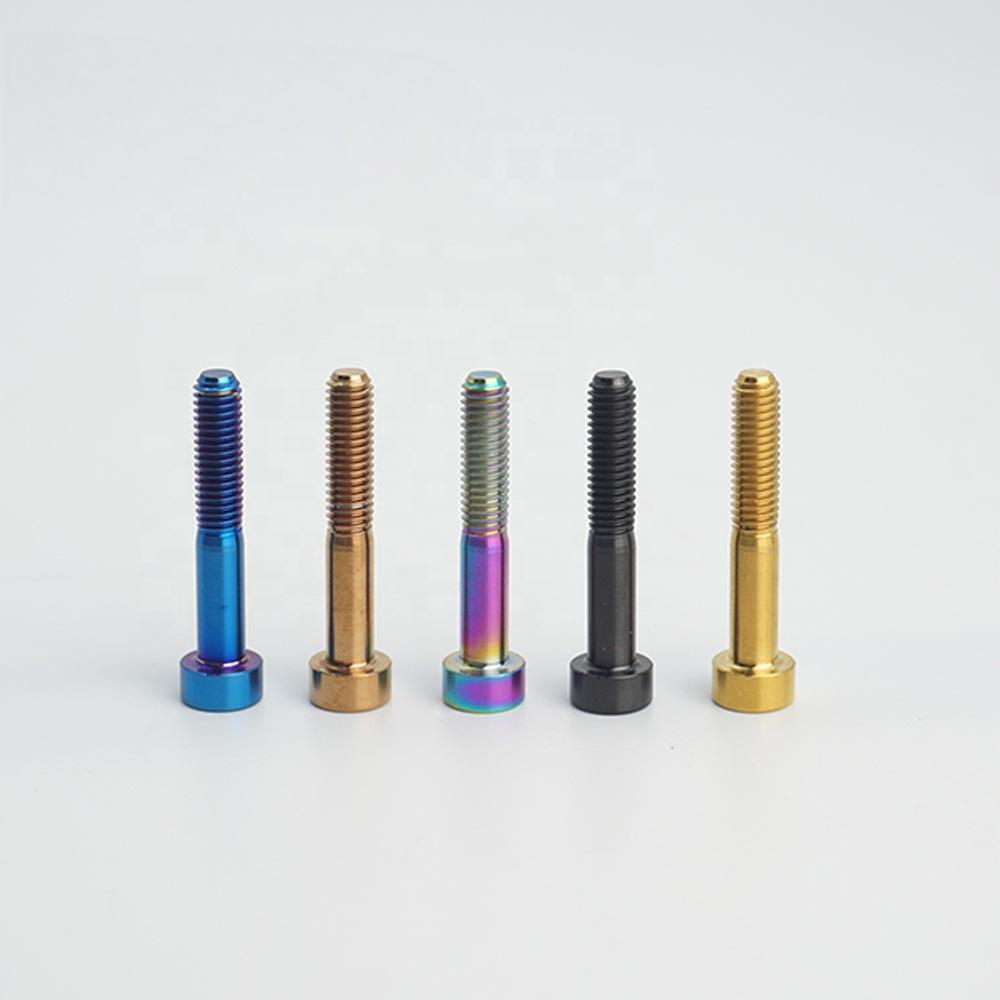
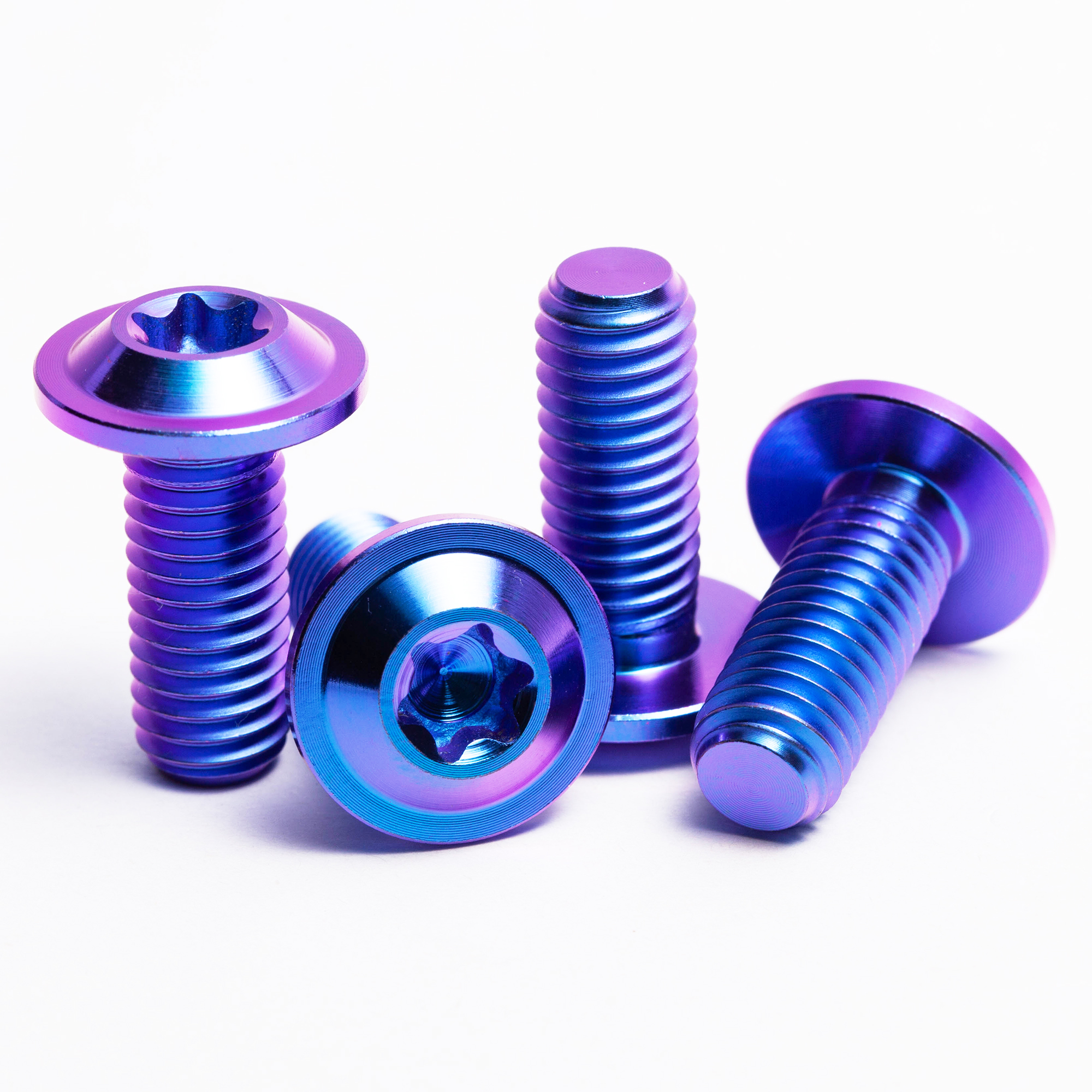
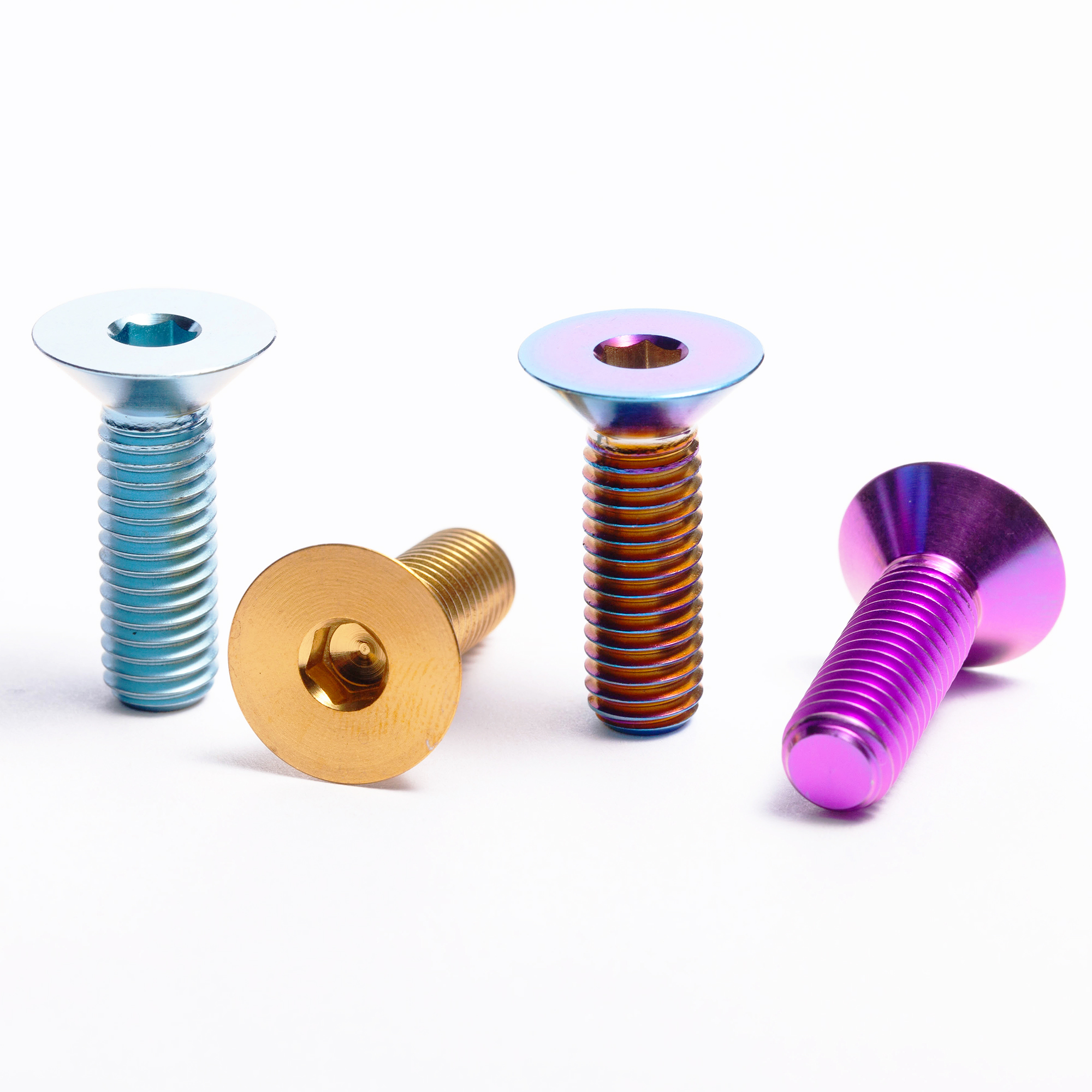
Technical Authority: Navigating Titanium CNC Milling for Innsbruck's Advanced Industry
As Tyrol’s premier hub for technical research, biomedical engineering, and Alpine mechatronics, Innsbruck occupies a distinctive place in Central Europe’s manufacturing ecosystem. From high-altitude atmospheric sensing arrays positioned across the Karwendel range to cutting-edge medical prosthetics developed alongside local university research centers, engineers across the Innsbruck-Land district continuously confront the fundamental engineering trilemma: balancing structural strength, mass reduction, and resistance to environmental degradation.
Standard structural alloys—such as austenitic stainless steels (AISI 304/316) and precipitation-hardened aluminium alloys (6061-T6, 7075-T6)—often reach their physical limits when deployed in Tyrol’s sub-zero mountain environments or in cyclic biokinetical devices. Titanium alloys, predominantly Grade 5 (Ti-6Al-4V / 3.7165) and Grade 2 Commercially Pure (CP Ti / 3.7035), provide the optimal metallurgical response. However, machining titanium requires exceptional thermal control, rigid machine dynamics, and specialized tool path strategies to avoid work hardening, galling, and tool deflection.
Comparative Metallurgy: Titanium Machining Parameters for Innsbruck Purchasers
| Alloy Designation | Density | Yield Strength | Thermal Cond. | Innsbruck Application Specialization |
|---|---|---|---|---|
| Ti-6Al-4V (Grade 5, 3.7165) | 4.43 g/cm³ | 830 - 895 MPa | 6.7 W/m·K | Load-bearing kinetic mechanisms, extreme ski bindings, aerospace telemetry, high-stress mountain cableway clamps. |
| Grade 2 CP (3.7035) | 4.51 g/cm³ | 275 - 350 MPa | 21.9 W/m·K | Biocompatible medical instrumentation, chemical fluid transfer fittings, environmental sensor housings. |
| 316L Stainless Steel | 8.00 g/cm³ | 220 - 300 MPa | 16.3 W/m·K | Heavy industrial baseline (45% heavier than Ti-6Al-4V, prone to stress chloride cracking in alpine de-icing salt exposure). |
| 7075-T6 Aluminium | 2.81 g/cm³ | 505 MPa | 130 W/m·K | Lightweight applications susceptible to stress corrosion cracking and galvanic oxidation over prolonged alpine exposure. |
Due to titanium's notably low thermal conductivity (6.7 W/m·K for Gr5 versus 130 W/m·K for aluminium), up to 80% of heat generated during the milling cut is conducted directly into the cutting tool edge rather than being dissipated away via chips. Jiaxing Wexra Titanium solves this inherent bottleneck by employing high-pressure through-spindle coolant delivery (up to 70 bar), solid carbide tooling coated with specialized Titanium Aluminium Silicon Nitride (TiAlSiN), and continuous trochoidal milling kinematics. This guarantees structural integrity, precise dimensional control (±0.01 mm), and clean thread flanks across complex custom parts.
Localized Application Scenarios Across Tyrol & Innsbruck
How leading Tyrolean manufacturing, academic, and field engineering entities integrate Wexra Titanium's precision CNC milled hardware.
Alpine Infrastructure & Cable Transit
Tyrol is world-renowned for its sophisticated cable-car, gondola, and avalanche mitigation infrastructures. Standard steel fasteners installed along extreme elevations suffer rapid atmospheric embrittlement and surface corrosion from seasonal condensation and de-icing spray. Our custom Grade 5 CNC flange studs and hex bolts provide unyielding clamping torque, high fatigue thresholds, and zero maintenance overhead across high-vibration cable junctions and pylon instrumentation.
Biomedical Engineering & MedTech
Rooted near the Medical University of Innsbruck and the Tyrolean health technology cluster, innovative firms engineer advanced external fixators, robotic orthotics, and patient-specific surgical devices. Our Class 10.9 equivalent titanium turning and 5-axis CNC milling operations meet biocompatibility standards, allowing surgical device assemblers to secure ISO 13485 compliance with 100% material traceability and non-toxic surface passivations.
High-Performance Gravity Sports & Cycling
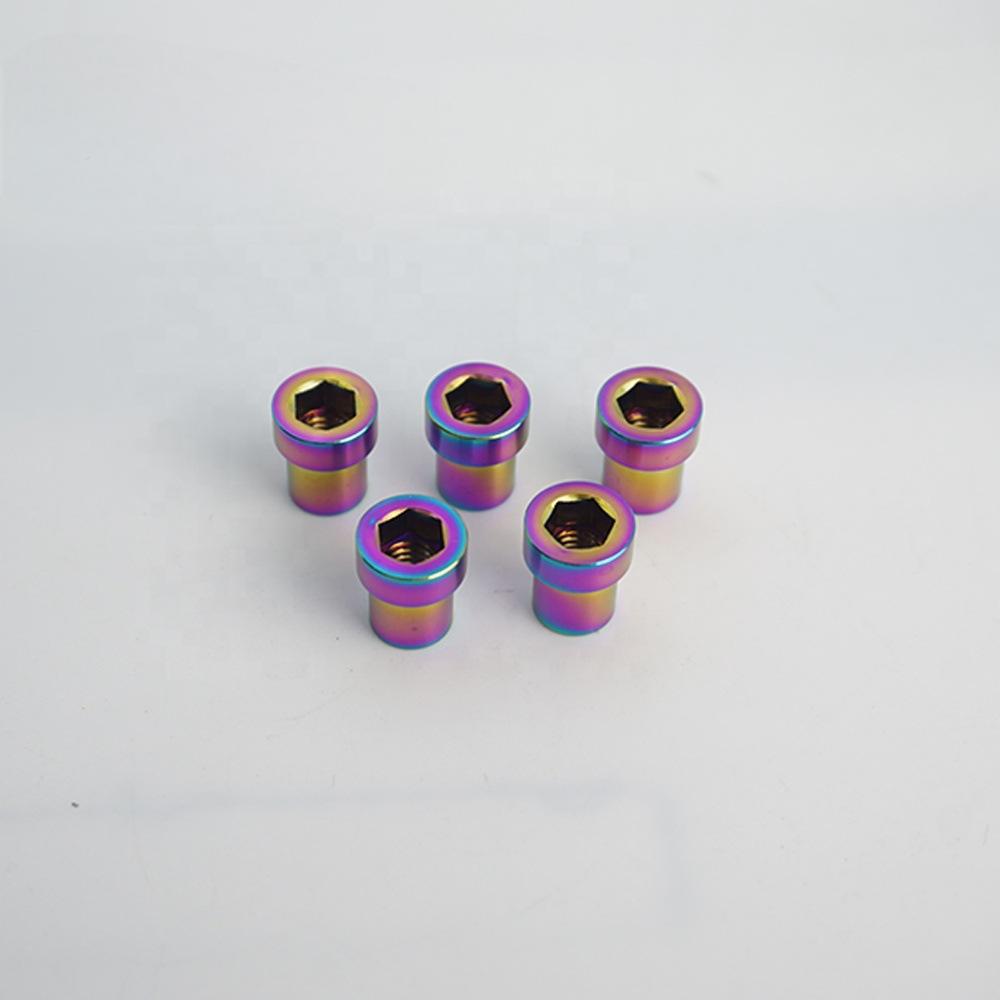
As a global capital for downhill mountain biking, gravel racing, and freeride ski engineering, Innsbruck demands hardware capable of enduring punishing shear stress without adding rotating mass. Wexra manufactures lightweight titanium disc rotor bolts, hollowed stem fasteners, and kinematic suspension pivot studs that strip 44% weight off bikes and binding prototypes, delivering an undeniable competitive advantage.
Emerging Industry Trends in Innsbruck and Western Austria
Tyrolean industrial enterprises are pivoting toward sustainable, zero-replacement life cycles. In past decades, standard operating practice permitted scheduled component replacements every three to five years to combat galvanic degradation and fatigue cracking. Today, rising labor costs in Austrian maintenance operations have shifted procurement criteria decisively toward life-cycle durability (LCC). Titanium's absolute immunity to salt, water, atmospheric nitrates, and sub-zero freeze-thaw cycles delivers quantifiable return on investment for commercial operators along the Inn Valley.
Furthermore, Innsbruck’s commitment to the European Green Deal and circular engineering models is driving miniaturization. Mechatronic designers are downsizing electrical drive systems for mountain logistics, robotics, and drones. Reducing drone mass directly correlates with extended battery range in thin mountain air. Switching from standard steel brackets and fasteners to 5-axis milled titanium parts eliminates critical grams, allowing local UAV manufacturers to extend flight operations across high Alpine topographies.
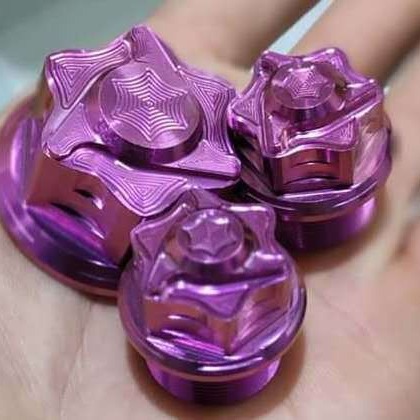
Finally, the rapid expansion of additive manufacturing in Tyrol has created a surge in demand for precision CNC hybrid finishing. 3D-printed DMLS (Direct Metal Laser Sintering) titanium blanks require secondary subtractive milling to achieve bearing-seat tolerances down to ±0.01 mm, rolled threads, and mirror finishes. As a dedicated titanium specialist, Wexra provides secondary machining and ground-up billet milling to seamlessly bridge this gap.
Global Precision Machining Backed by Rigorous Standards
Founded in 2018 in Jiaxing, Wexra Titanium operates under strict ISO 9001:2015 controls, serving OEM and distributor partners across Germany, the UK, the US, and Austria.
ISO 9001:2015 Certified
Complete quality loop: certified raw ingots, spectral chemical analysis, intermediate optical gauging, and complete EN 10204 3.1 Mill Test Certificates (MTC) supplied with every production run.
Thread Rolling & Milling
Rather than cut threads that interrupt structural grain lines, our fasteners leverage thread rolling techniques. This increases fatigue resistance by over 30%, critical for cyclic load environments.
EU & Austrian Compliance
Fully compliant with EU RoHS and REACH chemicals standards. Registered under EPR Germany & EU packaging regulations, ensuring smooth border customs clearance directly into Tyrol.
Agile Prototype to Batch
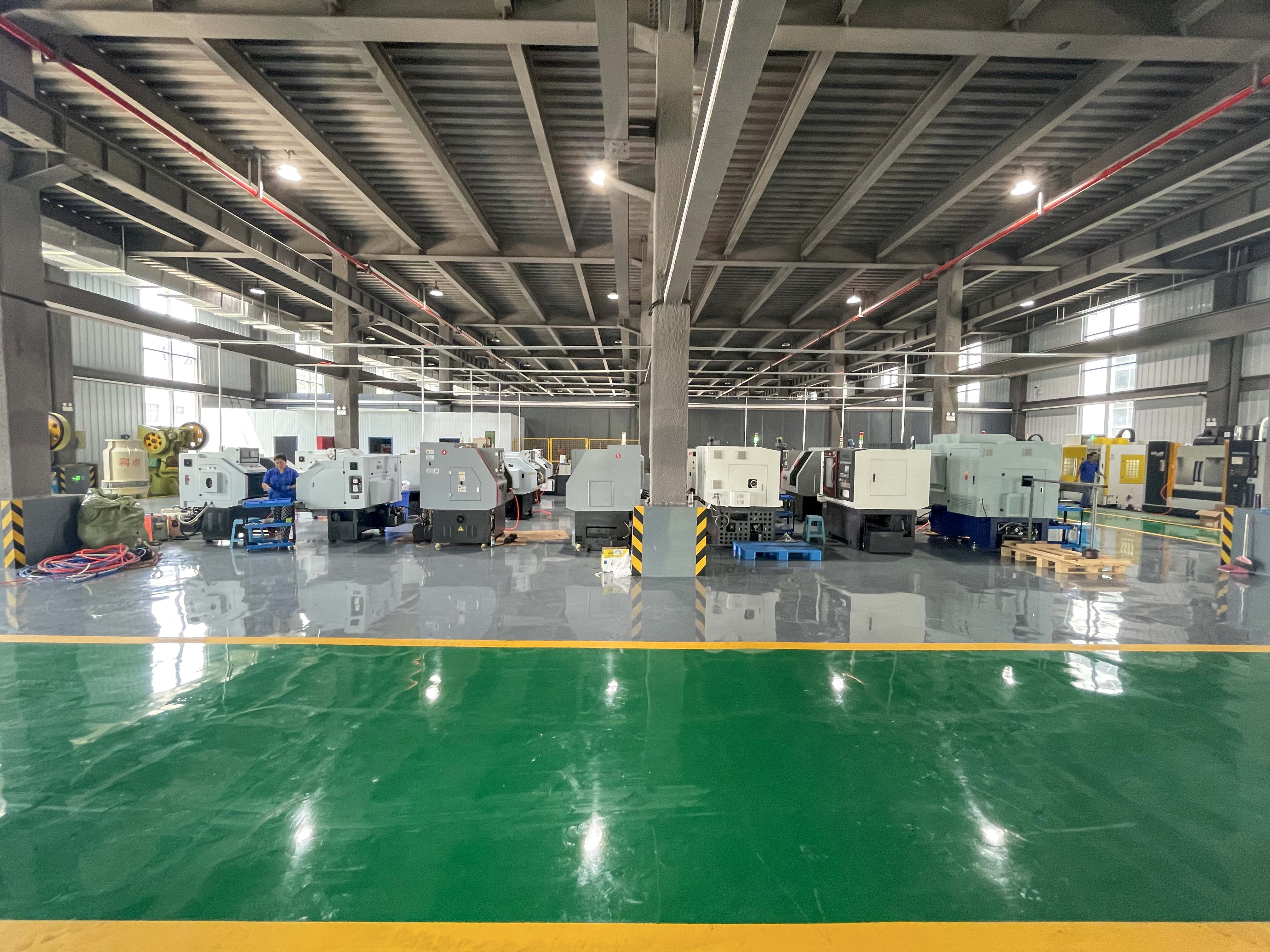
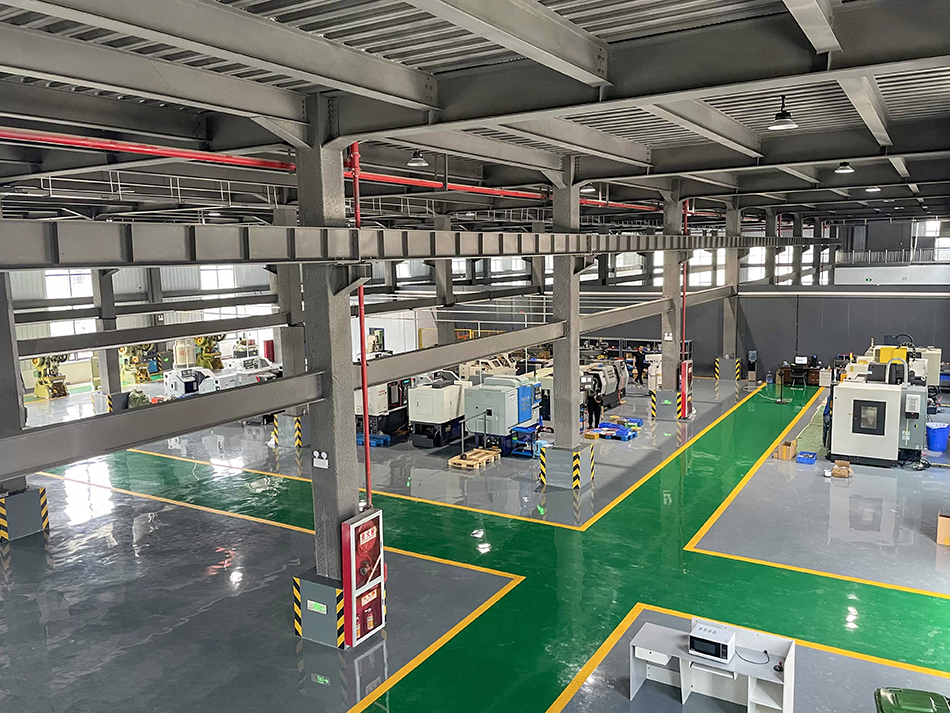
Low MOQ barrier for engineering R&D departments, backed by high-capacity multi-axis CNC cells capable of scaling quickly into tens of thousands of serial components.
Frequently Asked Questions by Innsbruck Procurement Teams
Clear answers covering logistics, Austrian import requirements, technical parameters, and anti-galling engineering advice.
How does Wexra support delivery and customs clearance into Innsbruck and Tyrol? ▼
What quality certification and test documentation is provided with titanium shipments? ▼
Why should we choose Grade 5 (Ti-6Al-4V) over Grade 2 for alpine equipment hardware? ▼
How do we prevent thread galling during titanium-to-titanium assembly? ▼
Can you machine directly from CAD models (STEP/IGES) for rapid prototyping in Tyrol? ▼
Which surface finishes are available for aesthetic and functional identification? ▼
Launch Your Titanium CNC Milling Project for Innsbruck
Whether you require high-tensile custom flange fasteners, weight-optimized mechatronic housings, or certified biomedical components, Wexra Titanium provides the precision, material traceability, and export logistics your Austrian enterprise demands.