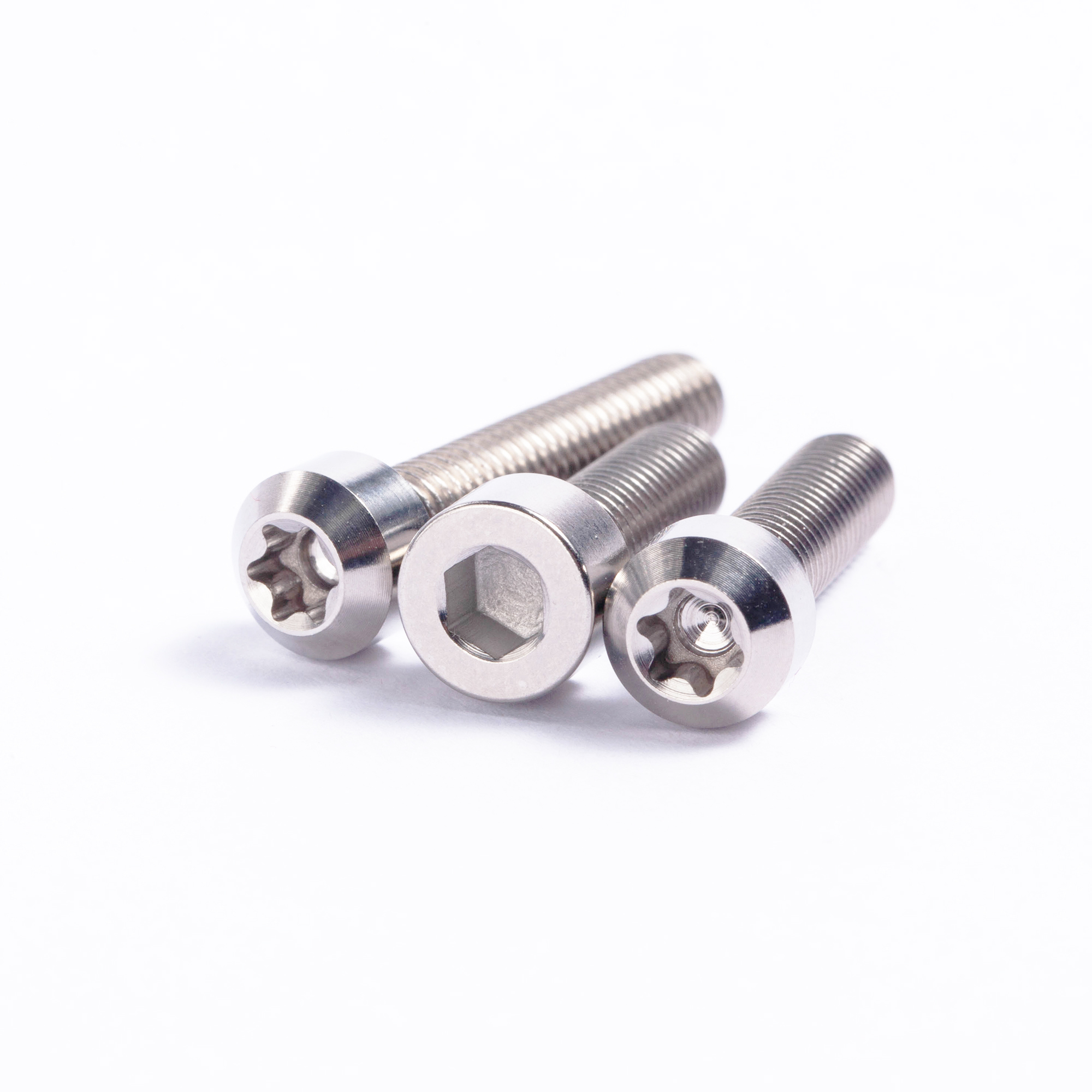
High-Precision Portfolio
Precision Titanium Strips, Hardware & CNC Engineered Components
Directly tailored for Warsaw's advanced electrochemistry, aerospace sub-assemblies, hydrogen fuel cell projects, and elite motorsport fabrication facilities.
Geographic Demand Matrix
Titanium Foil Strip Applications in the Greater Warsaw Industrial Basin
The capital metropolitan area of Poland has transitioned into an innovative powerhouse. From Pruszków to Piaseczno and the R&D corridors along the Vistula, technical requirements for high-purity titanium foil strips, coiled ribbon, and precision titanium fasteners are escalating rapidly.
Aerospace & Aviation Sub-Assemblies
The Mazovian Aerospace Cluster relies on ASTM B265 Grade 5 (Ti-6Al-4V) ultra-thin titanium foil strips for thermal shielding, acoustic dampening honeycombs, and sensor housings. These thin-gauge profiles maintain fatigue strength at extreme altitudes while trimming critical weight compared to traditional precipitation-hardened steels.
Hydrogen Energy & Bipolar PEM Plates
Warsaw's emerging clean-tech developers are adopting ultra-flat Grade 1 and Grade 2 titanium foil strips (0.05mm - 0.1mm) as bipolar substrates in Proton Exchange Membrane (PEM) water electrolyzers. The continuous surface passivity delivers unmatched resistance to nascent oxygen and hydrogen embrittlement.
Medical Device & Surgical Implant Manufacturing
Warsaw biomedical institutes utilize biocompatible ASTM F67 Grade 2 and ASTM F136 Grade 5 ELI titanium foil strips for micro-encapsulated telemetry modules, cranial meshes, and dental implant packaging barriers. Zero cytotoxicity and complete resistance to physiological fluid corrosion guarantee patient safety.
Material Science Data
Engineering Specifications: Titanium Foil Strips vs. Traditional Alloys
Compare physical, mechanical, and electrochemical performance indicators essential for Mazovian procurement managers and R&D design engineers.
| Alloy Grade | Standards | Thickness Range | Tensile Strength (Rm) | Yield Strength (Rp0.2) | Primary Industrial Use-Case |
|---|---|---|---|---|---|
| Titanium Grade 1 (CP1) | ASTM B265 / DIN 3.7025 | 0.02 mm – 0.50 mm | ≥ 240 MPa | ≥ 170 MPa | PEM Electrolyzers, Deep Drawing, Micro-diaphragms |
| Titanium Grade 2 (CP2) | ASTM B265 / DIN 3.7035 | 0.03 mm – 1.00 mm | ≥ 345 MPa | ≥ 275 MPa | Chemical Processing, Plate Heat Exchangers, Marine Sensors |
| Titanium Gr5 (Ti-6Al-4V) | ASTM B265 / AMS 4911 | 0.05 mm – 1.20 mm | ≥ 895 MPa | ≥ 828 MPa | Aerospace Honeycombs, Structural Shims, Motorsport Exhausts |
| Grade 5 ELI (Gr23) | ASTM F136 / ISO 5832-3 | 0.05 mm – 0.80 mm | ≥ 860 MPa | ≥ 790 MPa | Surgical Implants, Bio-MEMS Sensors, Neuro-stimulators |
| Stainless 316L (Comparison) | EN 1.4404 / ASTM A240 | 0.05 mm – 1.50 mm | ≥ 520 MPa | ≥ 220 MPa | Heavy Marine Enclosures (Subject to pitting in halides) |
Industrial Market Dynamics
Strategic Sourcing Trends in the Warsaw & Central Poland Industrial Market
Understanding macroeconomic shifts, EU regulatory mandates, and supply chain re-alignments within Poland's high-tech manufacturing sector.
Supply Chain Diversification Beyond Domestic Depots
Warsaw manufacturers are actively moving away from single-source European metal brokers that add high markups. By establishing direct contracts with specialized manufacturers capable of supplying mill test certificates (EN 10204 3.1) and custom slitting down to widths of 3.0mm, Mazovian enterprises achieve cost reductions of 22% to 35% without sacrificing material purity.
Stringent EU Compliance: RoHS, REACH & CBAM
With Poland strictly enforcing European environmental standards, manufacturers in Warsaw demand exhaustive chemical traceability. Sourcing titanium strip material requires verifying limits on residual elements—iron, carbon, hydrogen, and nitrogen—to avoid brittle phase transformations during electron-beam or laser micro-welding cycles.
Integration of Cold-Rolled Foil with CNC Fastening Systems
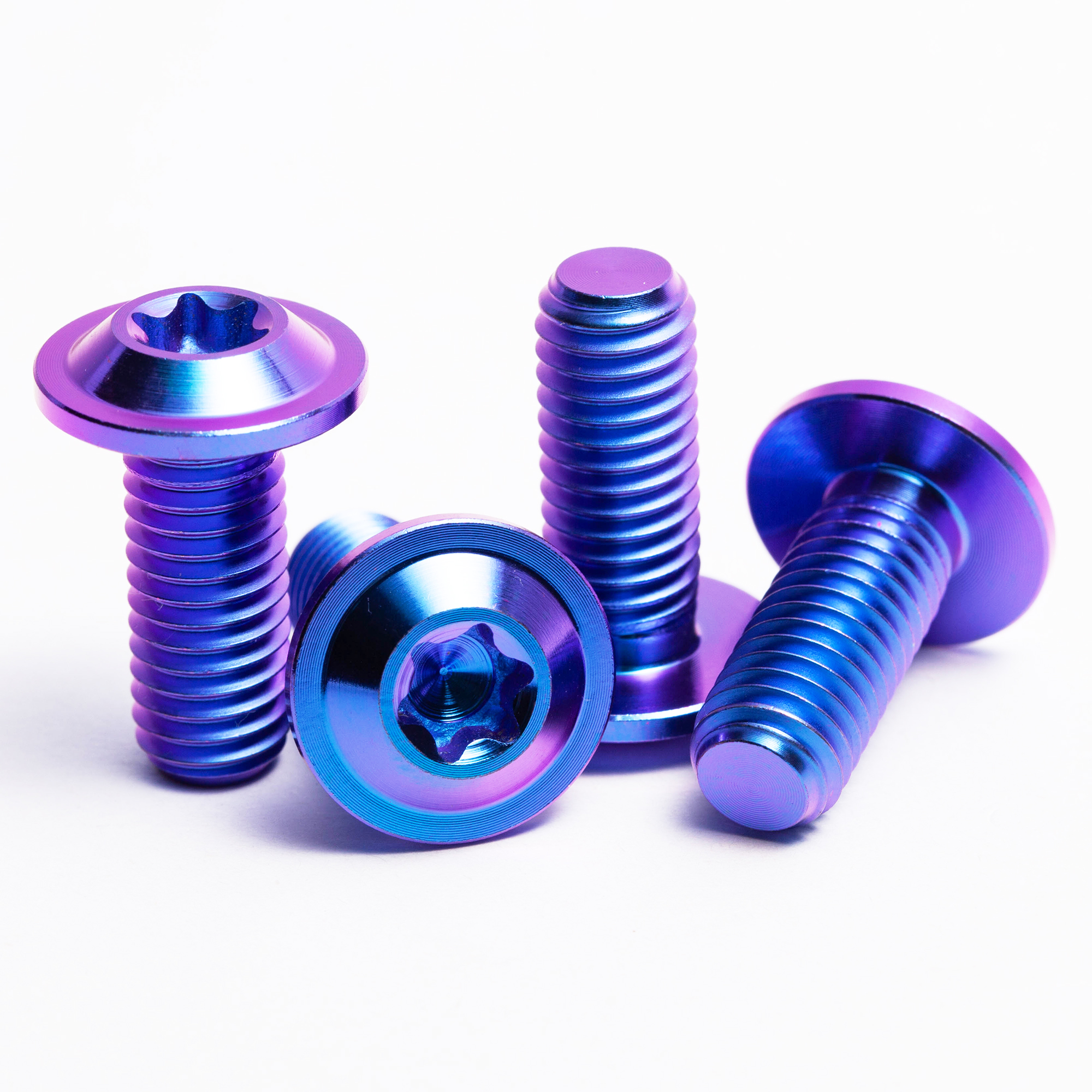
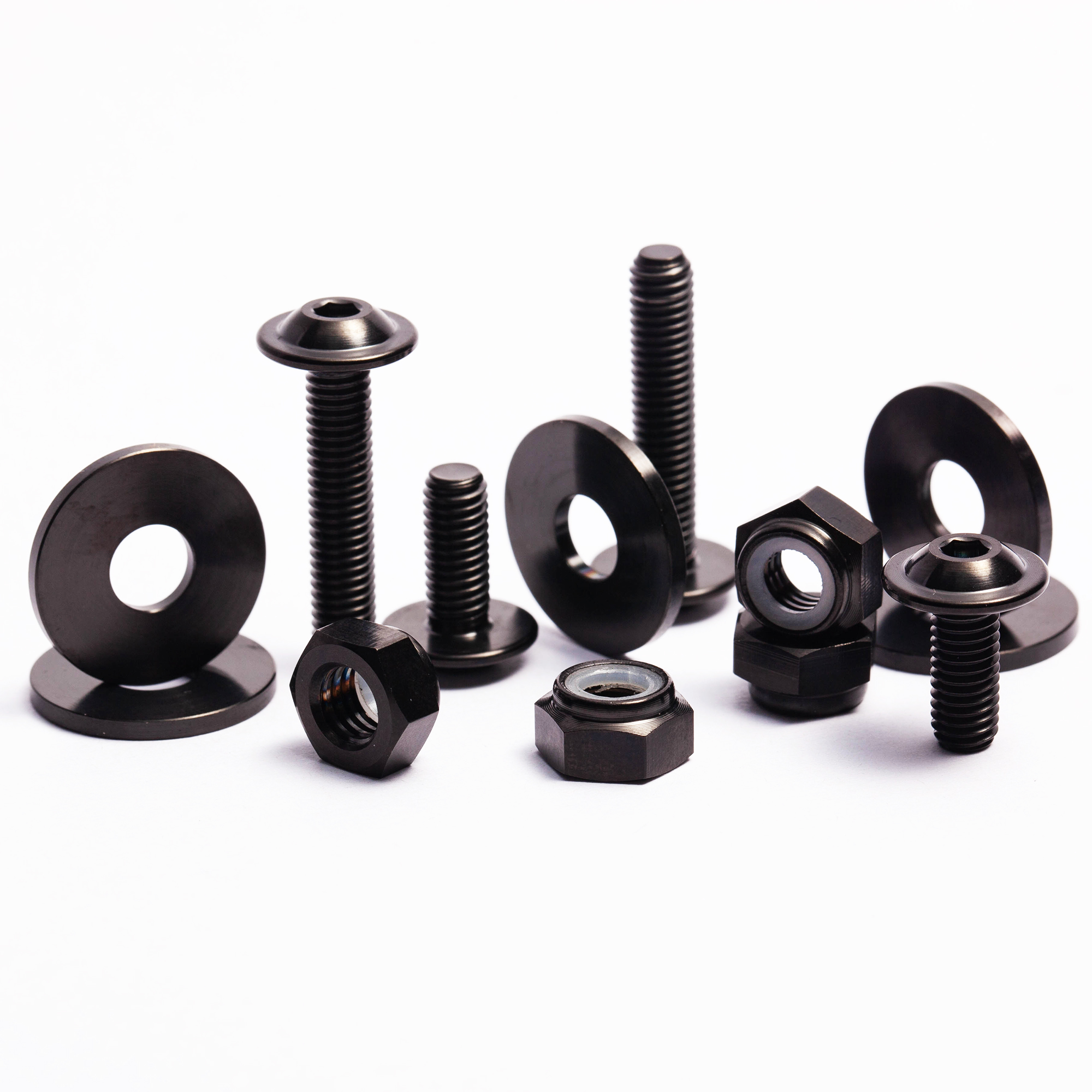
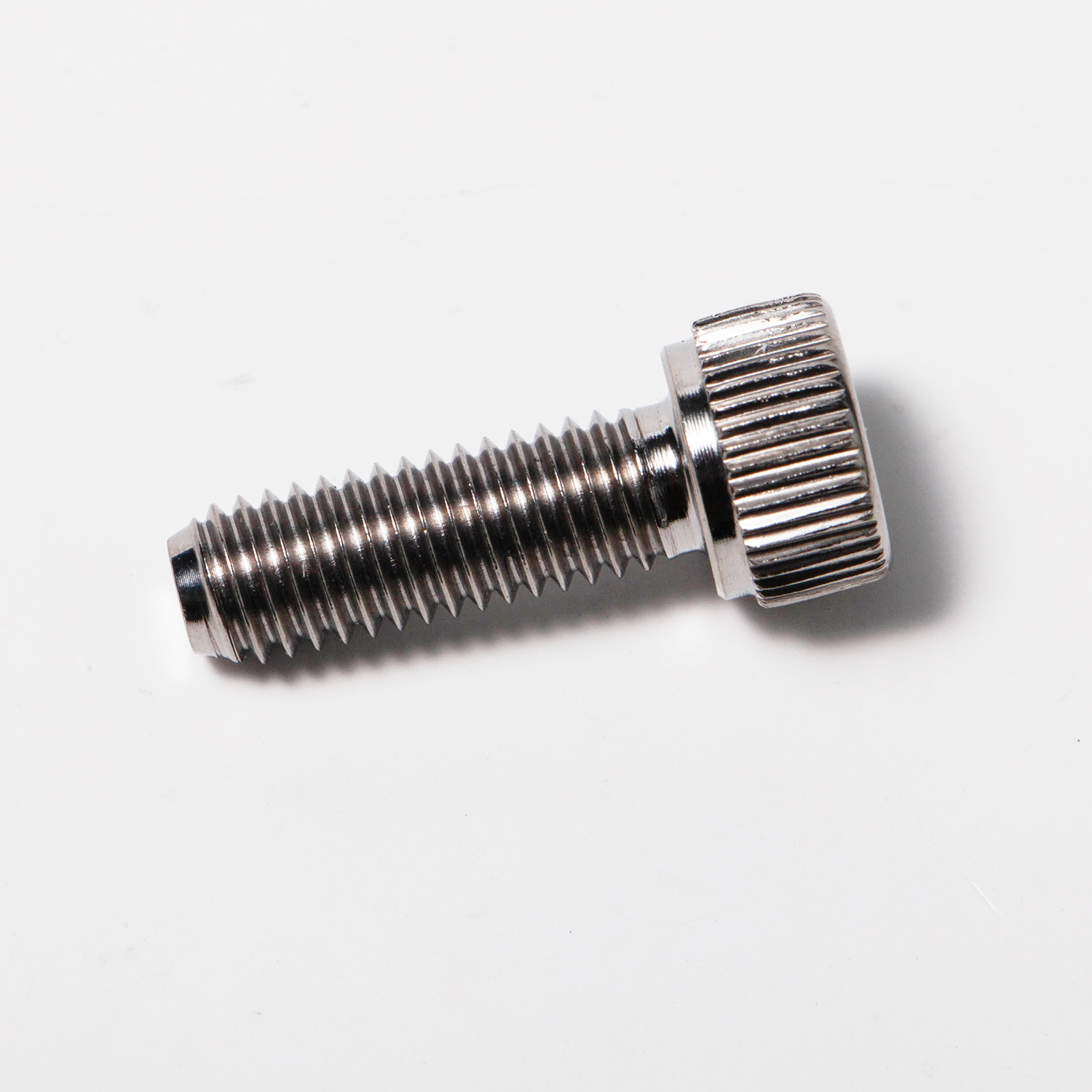
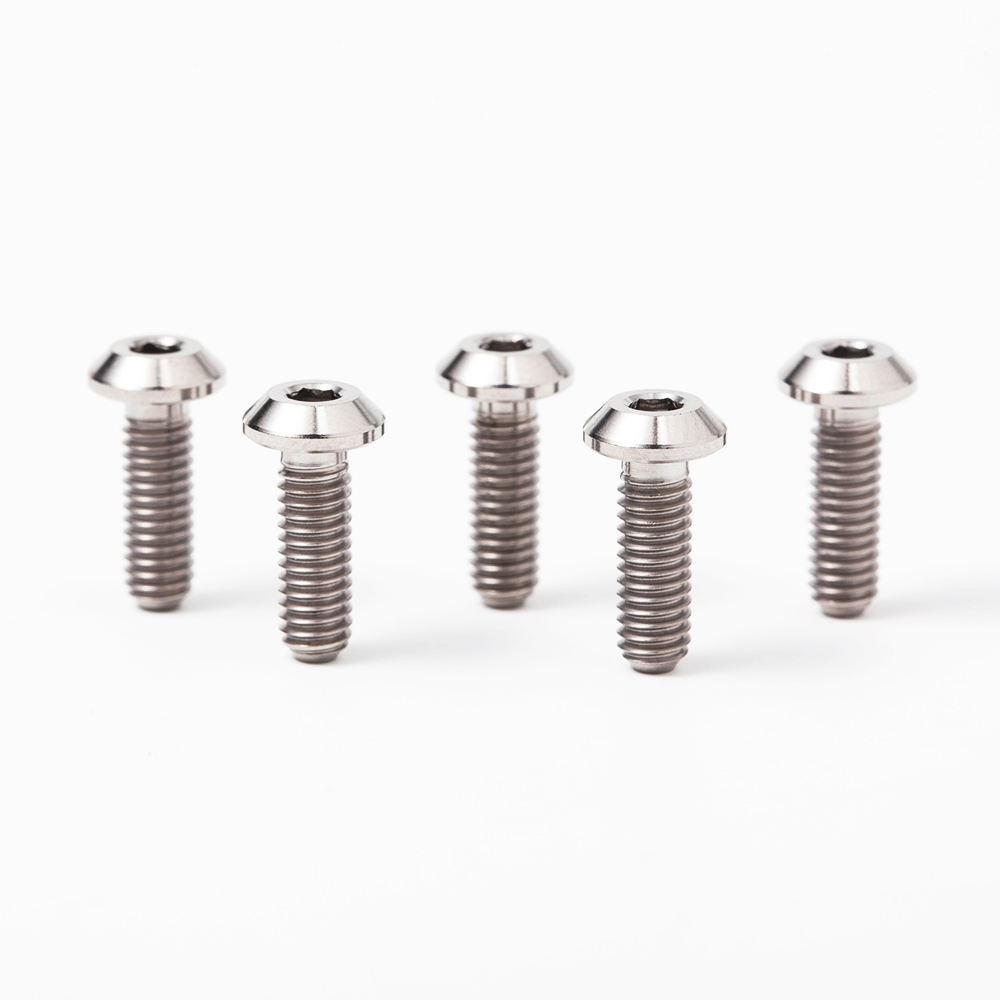
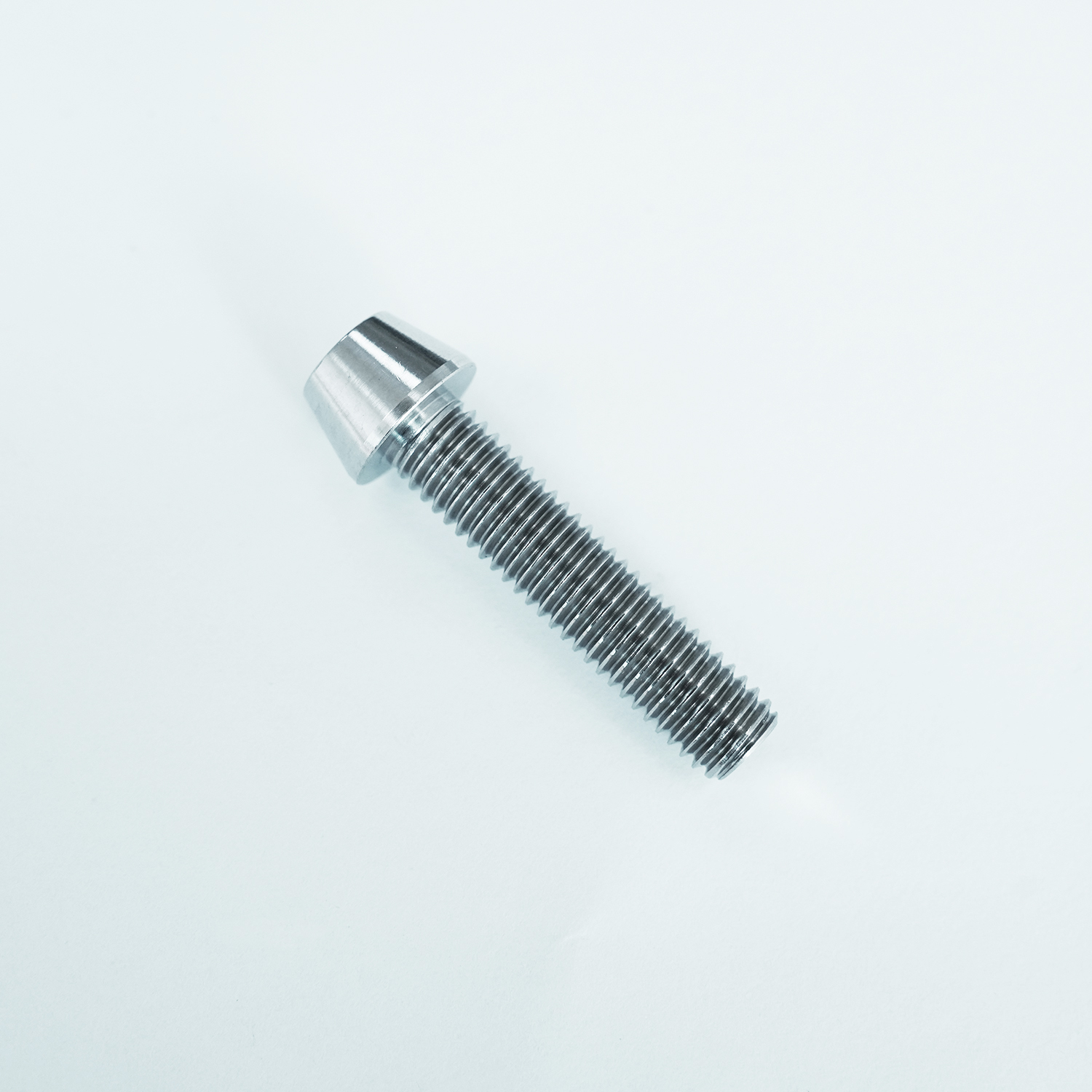
Modern engineering contracts in the Warsaw region rarely source foil strips in isolation. Advanced assemblies combine customized micro-rolled strip shims, stamped gaskets, and Grade 5 Ti-6Al-4V torx flange fasteners to completely eradicate galvanic corrosion issues that emerge when titanium sheet contacts stainless or zinc-plated steel hardware.
Why Choose Wexra
Factory-Direct Engineering & Export Strengths
From raw material synthesis to high-tolerance 5-axis CNC machining, our facility serves global B2B procurement across North America, Germany, the UK, and Poland.
ISO 9001:2015 Accredited
Rigid quality gates track chemical composition, thickness tolerances (±0.003 mm on ultra-thin strips), edge deburring, and thread pitch accuracy across 100% of order batches.
Precision Slitting & Surface Finishing
Equipped with micro-slitting machinery, vacuum annealing furnaces, electropolishing lines, and anodizing baths capable of meeting exact Ra surface roughness criteria.
Dedicated OEM / ODM Engineering
Rapid conversion from STEP, IGES, or 2D technical drawings into prototypes within 7 days, bridging the gap between bespoke foil strip configurations and custom titanium fasteners.
Seamless EU Air & Sea Logistics
Direct door-to-door delivery to Warsaw Frederic Chopin Airport (WAW) cargo hubs and industrial logistics parks in Ożarów Mazowiecki with zero broker friction.
2018
Founded with Titanium Focus
±0.003 mm
Foil Slitting Tolerance
1000+ m²
Advanced Machining Workshop
91%
Global Export Ratio
Procurement Intelligence
Frequently Asked Questions by Sourcing Teams in Warsaw
Clear, direct technical answers addressing metallurgical validation, logistics cycles, minimum orders, and customs workflows in Poland.
What is the minimum slitting width and thickness Wexra provides for titanium strip coils?
We manufacture cold-rolled titanium foil and strip down to a minimum thickness of 0.02 mm (20 microns) and slit to widths starting from 3.0 mm up to 600 mm. Our multi-roll precision rolling mills and edge-dressing equipment ensure burr-free edges, critical for automated coil-fed stamping in electronic component lines.
How does our company confirm the chemical composition and mechanical properties upon import?
Every shipment is accompanied by a certified EN 10204 3.1 Inspection Certificate documenting optical emission spectrometry chemical breakdowns, tensile properties, yield data, elongation percentages, and grain size analysis. On request, we provide third-party validation reports from SGS or TÜV Rheinland before export clearance.
What are typical lead times for delivery into Warsaw and the Mazowieckie industrial zone?
Standard gauge stock strip and catalog fasteners are dispatched within 48 to 72 hours via DHL/FedEx Express, arriving at your Warsaw facility in 4 to 6 business days. Custom cold-rolling, specific vacuum annealing tempers, or custom CNC bolts require 15 to 22 business days for production, followed by direct air freight to Warsaw Okęcie or consolidated sea shipping via Gdańsk for high-tonnage consignments.
Can you provide custom surface anodizing to prevent galling on titanium hardware?
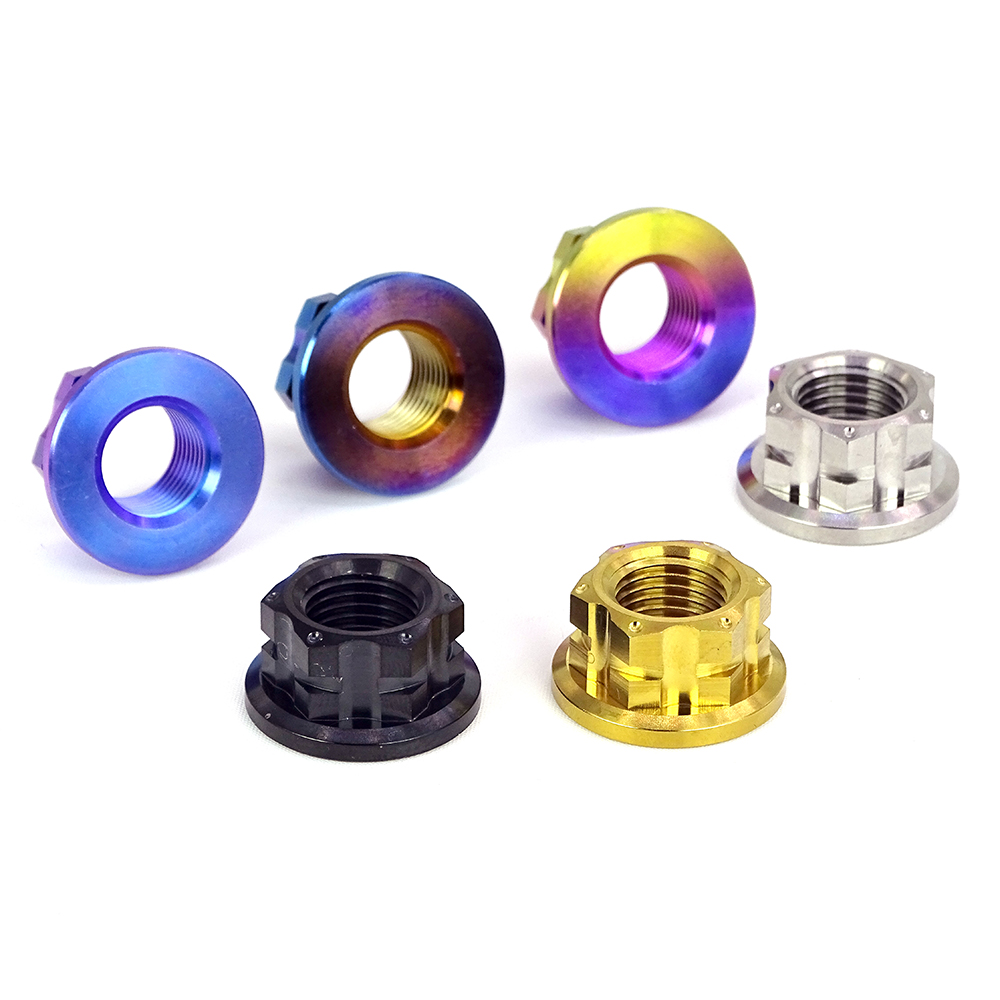
Yes. In addition to precision strip foil, we provide Type II anti-galling and hard-anodizing treatments, micro-arc oxidation, and vibrant PVD / thermal color treatments across all Gr5 fasteners. These processes eliminate the galling risks inherent to titanium-on-titanium mating interfaces without adding variable thread tolerance offsets.
Accelerate Your Titanium Supply Chain in Central Europe
Connect directly with Wexra’s metallurgical engineering desk. Review our comprehensive material catalog, request instant dimensional quotes, and receive dedicated technical support tailored to your project requirements in the Warsaw market.
Get Catalog