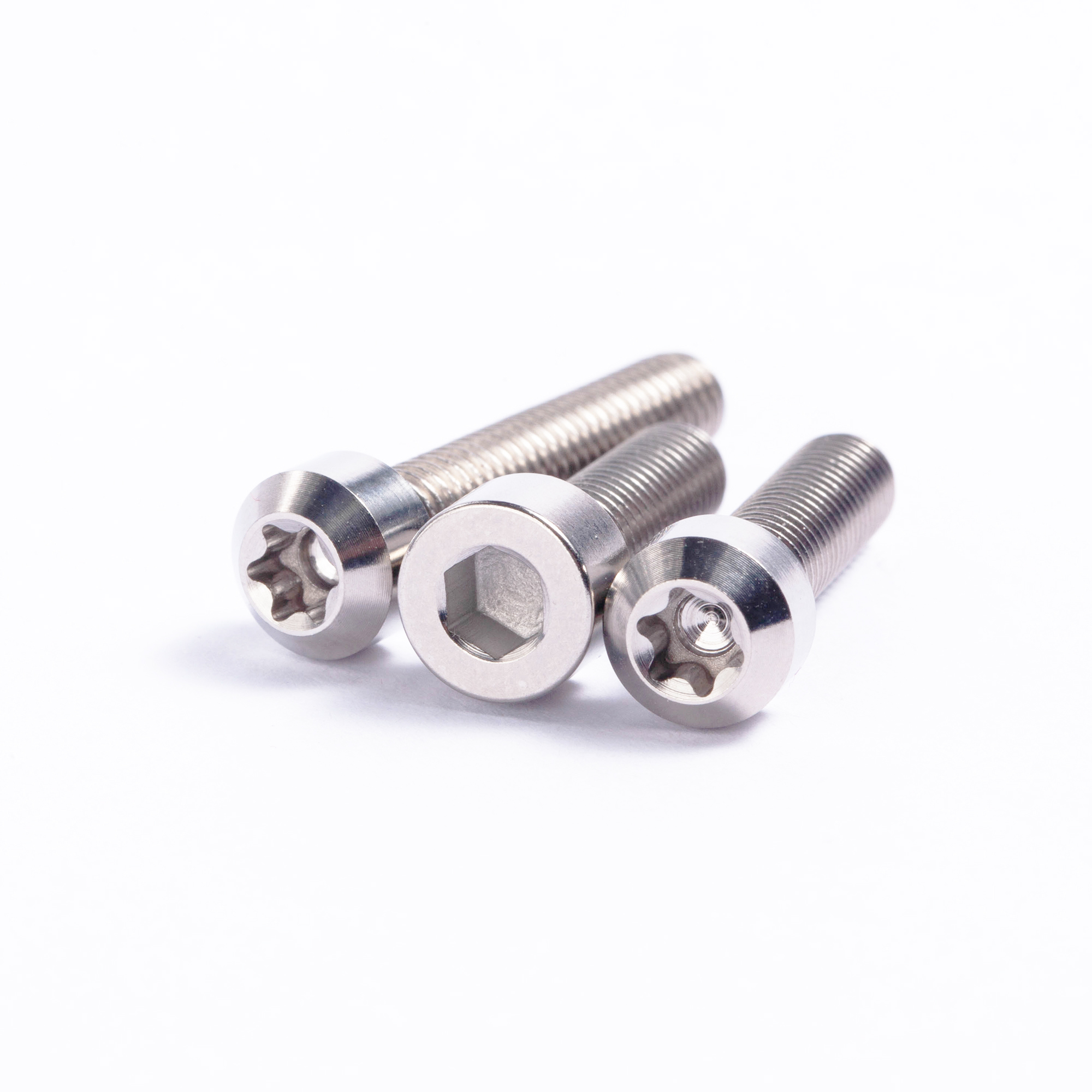
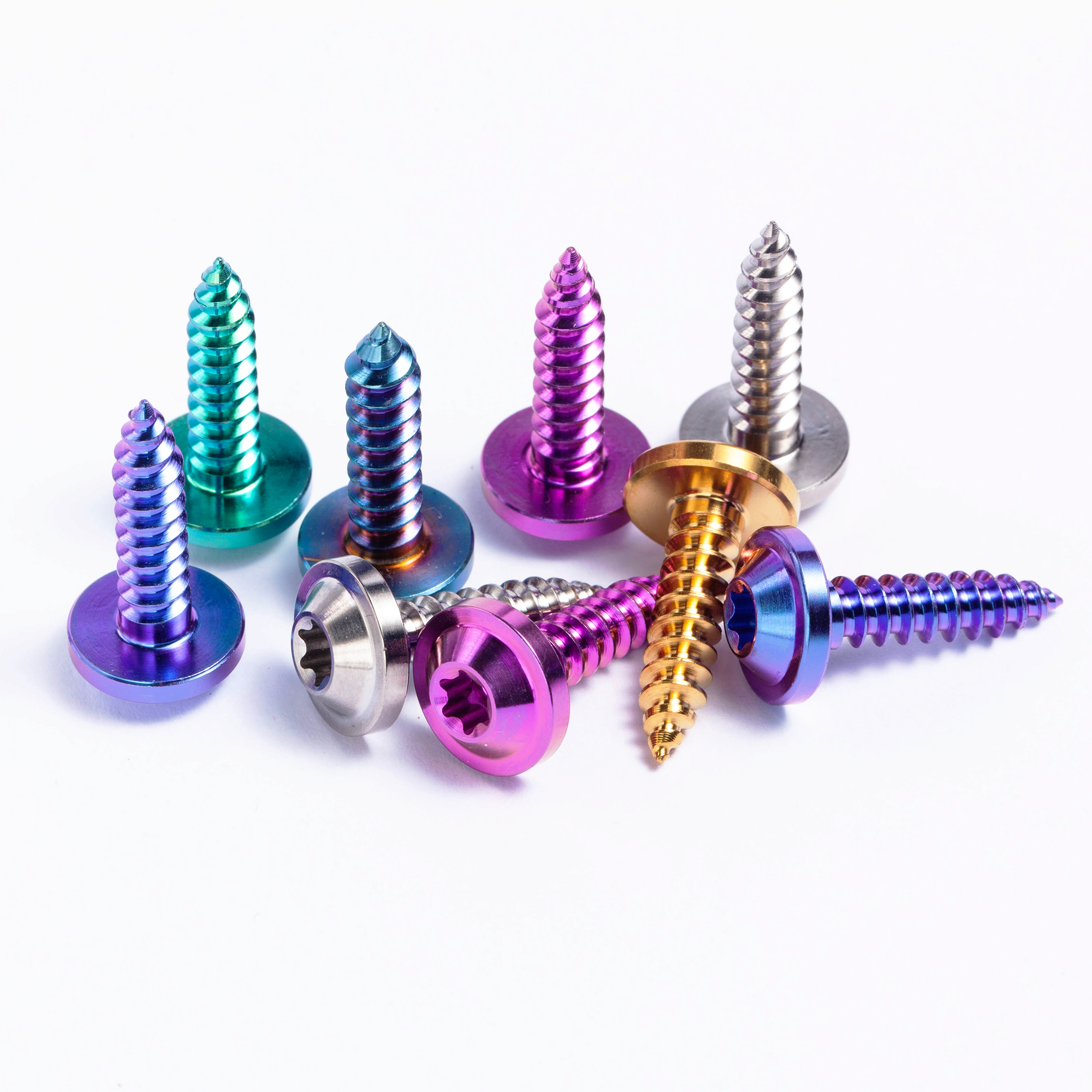
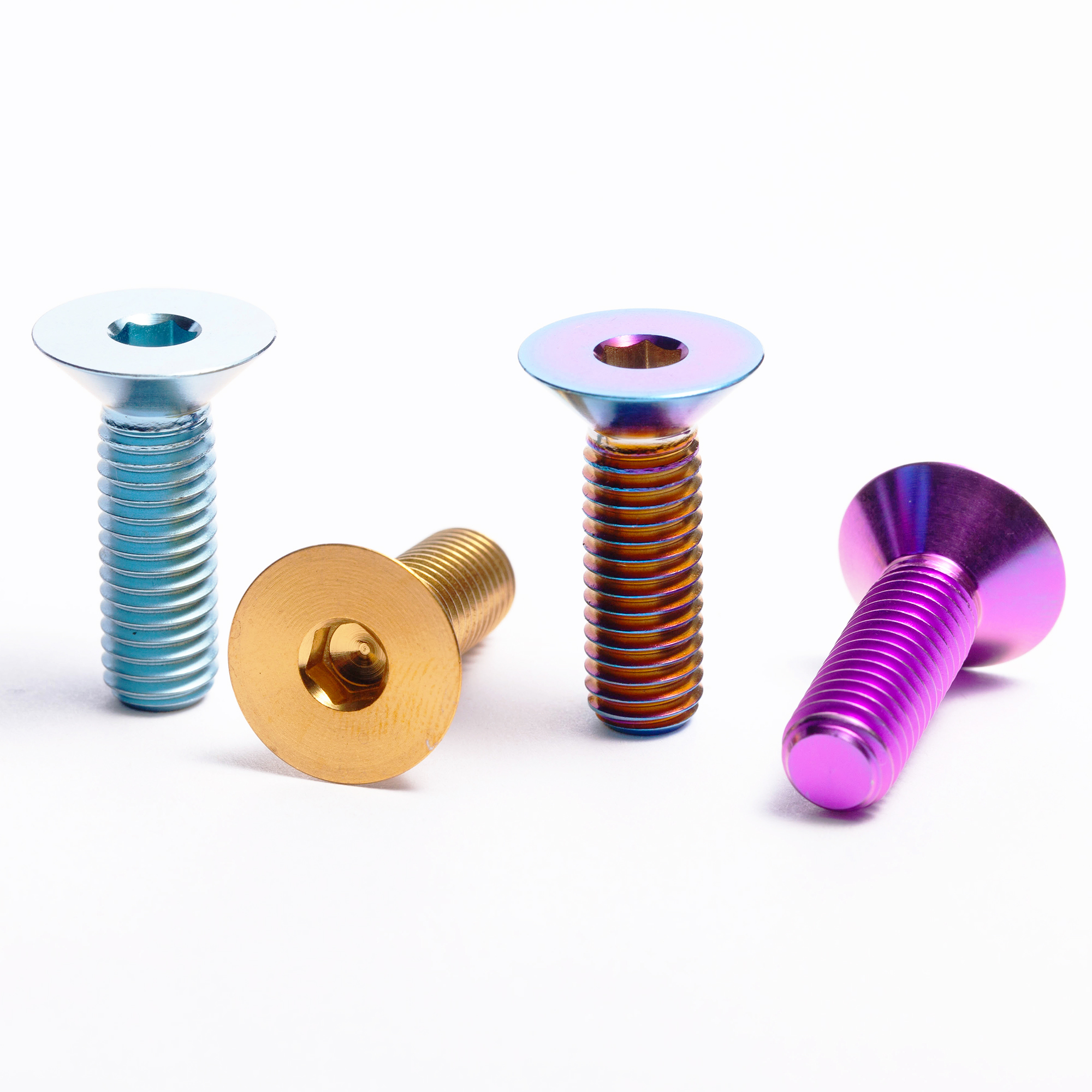
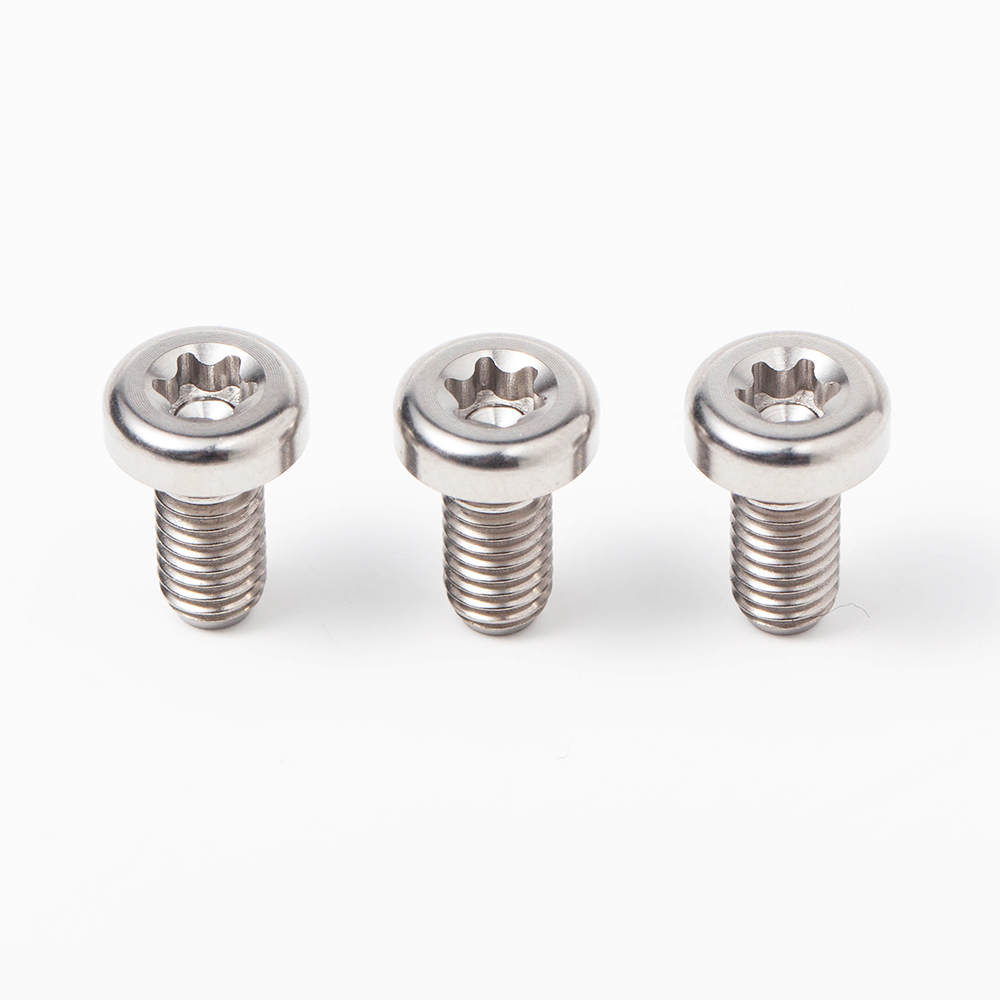
Featured Titanium Flange Hardware, Bolts & Fasteners
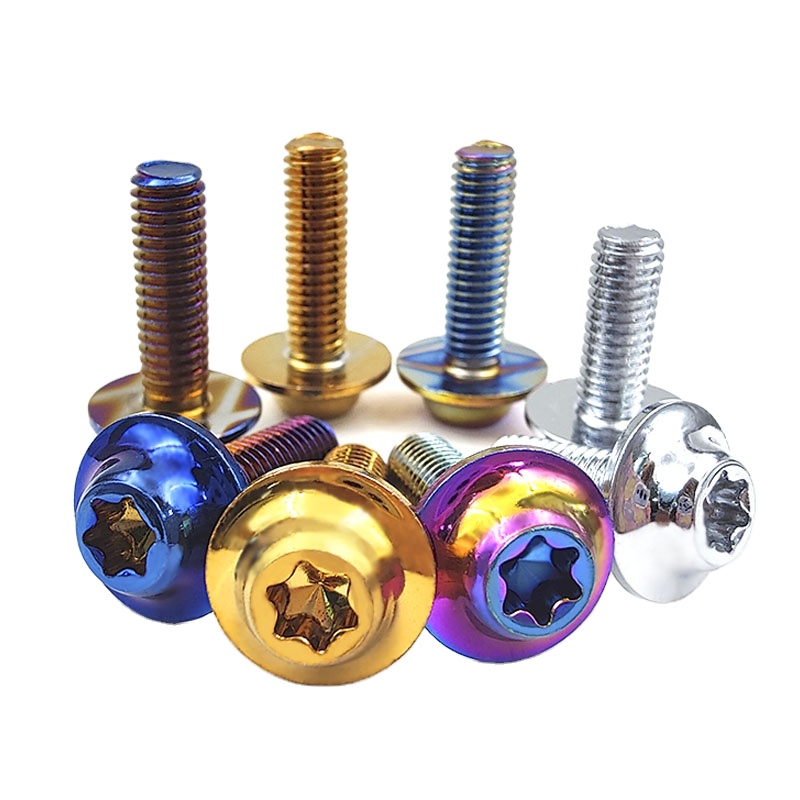
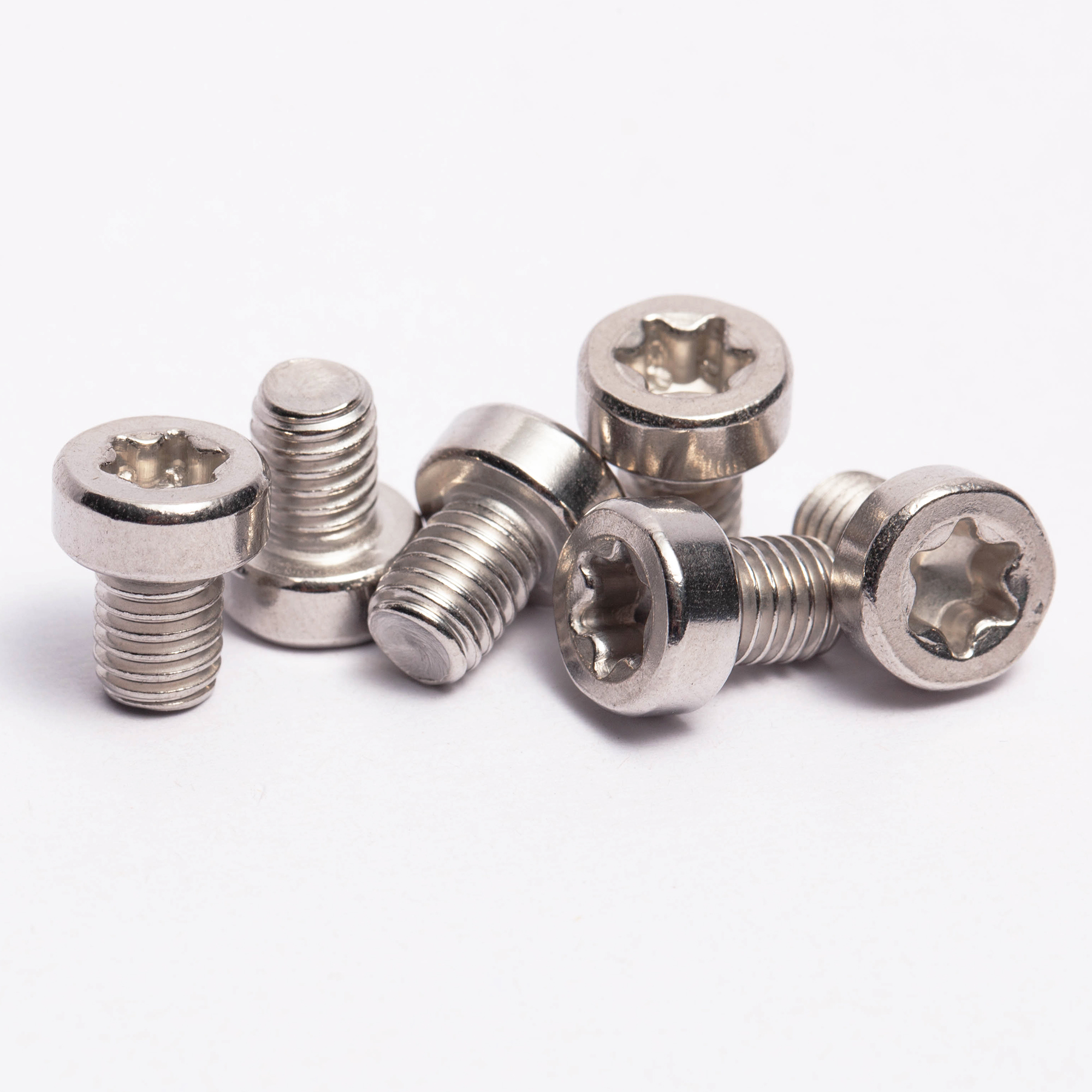
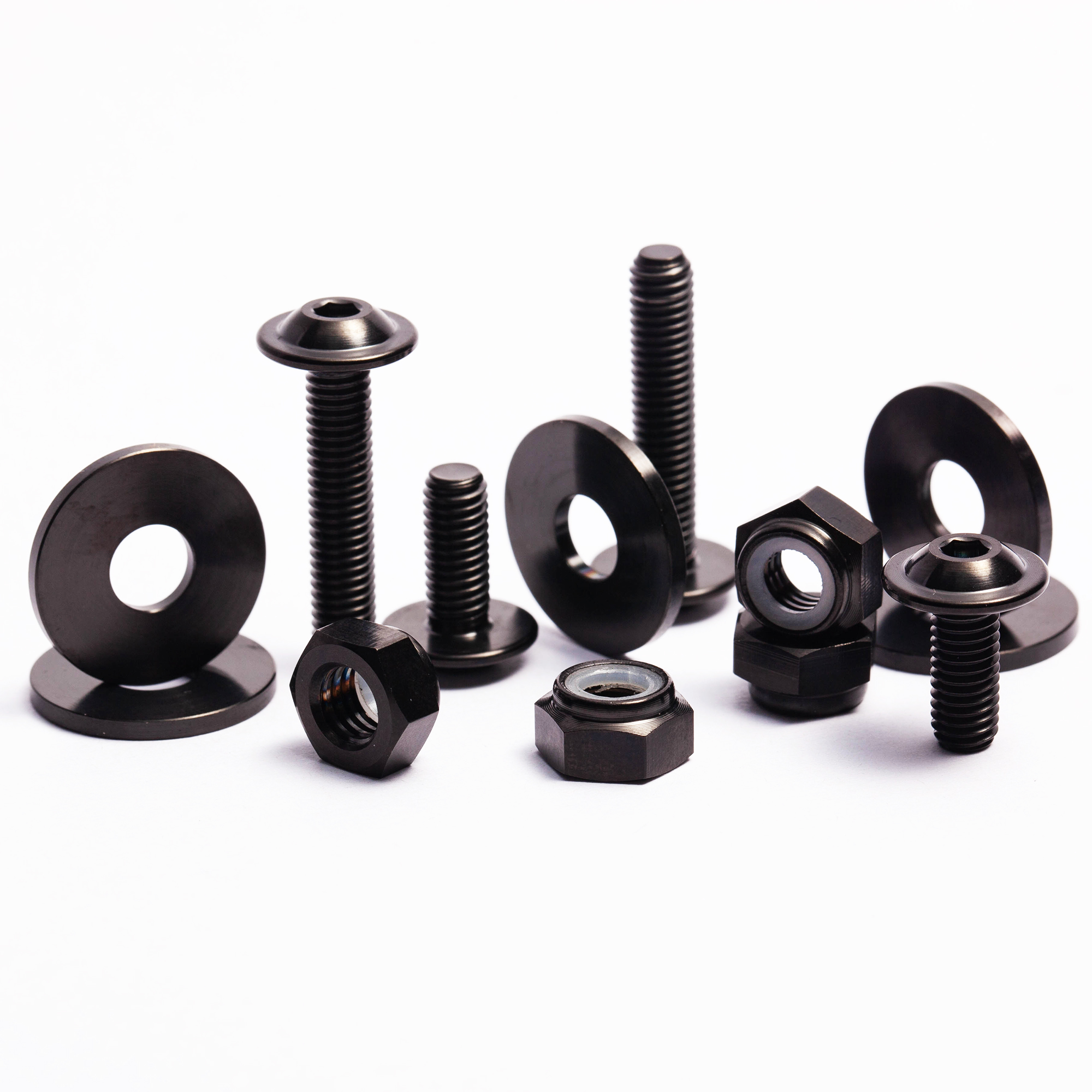
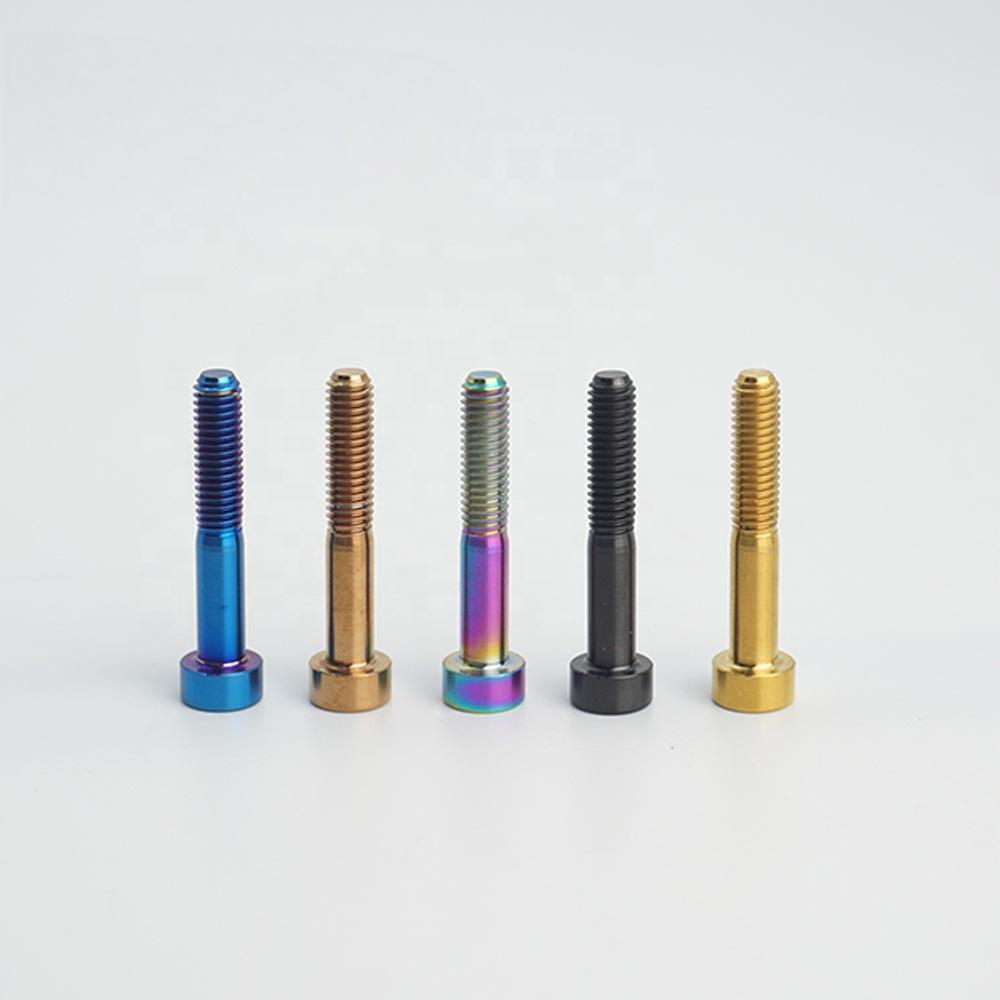
Explore our precision-machined titanium components manufactured under strict ISO 9001:2015 quality standards, offering zero-crevice corrosion, extreme tensile yield, and lightweight reliability.
Engineering Metallurgy of Titanium Piping & Flanges
Why Tier-1 industrial buyers in Baltimore, MD are phasing out duplex stainless steels in favor of Commercially Pure Grade 2 and Alloyed Grade 5 (Ti-6Al-4V) for mission-critical fluid distribution.
Passivation & Chloride Immunity
Titanium spontaneously forms an instantaneous, tenacious ceramic oxide film ($TiO_2$) that heals within milliseconds if scratched. In brackish Chesapeake Bay waters and coastal salt spray, it exhibits zero pitting, micro-crevice attack, or microbiologically influenced corrosion (MIC).
High Specific Strength & Weight Reduction
With a density of 4.43 g/cm³ for Grade 5 and 4.51 g/cm³ for Grade 2, titanium pipe flanges reduce pipe hang loads by up to 45% compared to alloy steel or nickel-based superalloys, cutting seismic inertia and topside weight in maritime retrofits.
Erosion-Cavitation Resilience
In high-velocity fluid flow regimes where seawater velocities exceed 30 m/s, copper-nickel alloys and standard stainless steels fail rapidly due to impingement corrosion. Titanium maintains absolute structural integrity up to fluid velocities beyond 120 m/s.
Material Comparison: Titanium vs. Conventional Marine Alloys
Empirical mechanical and chemical metrics referenced against ASME B16.5 flange pressure-temperature ratings and ASTM material specifications.
| Material Grade | Density (g/cm³) | Tensile Yield (MPa) | Seawater Pit Resistance (PREN) | Thermal Expansion ($\mu m/m\cdot K$) | Baltimore Sector Fit |
|---|---|---|---|---|---|
| Titanium Gr5 (Ti-6Al-4V) | 4.43 | 828 | Immune ($>60$) | 8.6 | High-pressure propulsion & naval defense |
| Titanium Gr2 (CP Grade) | 4.51 | 275 | Immune ($>60$) | 8.9 | Desalination, chemical scrubbers, heat exchangers |
| Super Duplex 2507 | 7.80 | 550 | 42 - 45 | 13.0 | Coastal petrochem (susceptible to crevice pitting) |
| 316L Stainless Steel | 7.98 | 220 | 23 - 25 | 16.5 | General washdown (fails rapidly in warm brine) |
| Copper-Nickel (CuNi 90/10) | 8.90 | 105 | N/A (Biofouling res.) | 17.0 | Low-pressure shipboard cooling (erodes at >3.5 m/s) |
Localized Application Scenarios in the Greater Baltimore Area
How Baltimore’s multimodal transport network, deep-water terminals, and specialized manufacturing plants deploy our titanium flange assemblies.
Port of Baltimore Marine Infrastructure
At Seagirt Marine Terminal and Dundalk, ballast transfer systems, reverse osmosis bunkering lines, and bilge separation modules require high-integrity titanium slip-on and blind flanges to handle high-salinity harbor cycles without chloride-induced stress corrosion cracking (SCC).
Curtis Bay Chemical & Acid Recovery
Chemical plants along the Curtis Creek corridor handle concentrated chlor-alkali solutions, nitric acid streams, and wet chlorine gas. Standard austenitic stainless steel degrades rapidly. Our Grade 2 weld neck flanges deliver complete chemical passivity.
Naval Defense & Sparrows Point Logistics
With proximity to naval dry-dock repair depots and specialized military fabricators, our pressure-tested Grade 5 titanium blind and weld neck flanges serve high-pressure seawater fire suppression loops and lightweight shipboard hydraulic actuation conduits.
Procurement Trends Across the Mid-Atlantic Corridor
Key economic, regulatory, and technical vectors shaping titanium sourcing in Maryland and adjacent Eastern Seaboard manufacturing hubs.
Life-Cycle Costing (LCC) Over Initial Capex
Plant maintenance engineers in Baltimore are transitioning from a 'lowest initial tender' approach to 30-year Life-Cycle Cost analysis. Replacing marine piping every 5-7 years with stainless steel costs significantly more in downtime, hot-work permits, and flanged joint failure than installing permanently passivated titanium hardware upfront.
Offshore Wind & Coastal Resiliency
With Maryland’s aggressive offshore wind initiatives off Ocean City and logistical marshaling around Sparrows Point, offshore substation cooling loops and subsea cable protection systems require titanium flanges and fasteners capable of withstanding unmonitored submerged exposure for 25+ years.
Zero Tolerance for Hazardous Leaks
Stringent EPA and Maryland Department of the Environment (MDE) compliance mandates near Chesapeake Bay have tightened fugitive emission standards. Precision-faced ANSI/ASME Class 150/300 titanium flanges with controlled concentric serrations ensure zero-micro-leak containment.
Why Global Contractors Partner with Wexra Titanium
Our factory combines certified raw materials, high-precision multiaxis CNC milling, and comprehensive testing documentation to serve demanding international supply chains.
100% In-House Machining
State-of-the-art CNC turning and 5-axis milling centers achieving tolerances down to ±0.01 mm, maintaining strict dimensional conformance on all flange sealing faces and fastener threads.
Certified Material Lineage
Every bar, billet, and forged blank is certified to ASTM B348, ASTM B381, and ASTM B363. Full Mill Test Certificates (MTC EN 10204 3.1) and spectrometer compositional reports are provided with each lot.
Advanced Thread Rolling
Unlike machined threads that interrupt grain lines, our bolt and stud threads are precision roll-formed, dramatically boosting fatigue life and resistance to high-vibration loosening in marine environments.
Global Compliance Ready
Operating under ISO 9001:2015 with full RoHS, REACH, CE, and UKCA documentation. Experienced export logistics direct to North American deep-water ports and rail hubs.
Common Questions from Baltimore Procurement Teams
Practical insights on specifications, flange types, galling prevention, and logistics for Maryland operations.
Which titanium grade is recommended for Baltimore harbor marine cooling loops?
For low to moderate pressure marine cooling loops, ballast intake, and desalination, Commercially Pure Grade 2 (UNS R50400) is the global standard. It offers phenomenal resistance to flowing seawater, bio-foul clearing chlorination, and organic chemicals. If the system involves extreme high pressure (Class 600+) or high mechanical bolt tensioning, Grade 5 (Ti-6Al-4V) is specified due to its 828+ MPa yield strength.
How do we prevent thread galling when installing titanium flange bolting?
Titanium threads have a thin oxide layer that can cause galling under high contact pressure without lubrication. To prevent thread binding, always apply high-grade anti-seize paste (such as molybdenum disulfide or nickel-based anti-seize) or specify our micro-anodized and fluoropolymer-coated titanium fasteners. Controlled-torque pneumatic wrenches should always be used rather than aggressive high-speed impact guns.
What pressure classes and face types are manufactured for ASME B16.5 standards?
We manufacture titanium flanges conforming to ASME/ANSI B16.5 from 1/2" up to 24" NPS across Class 150, Class 300, Class 600, and Class 900 pressure ratings. Face profiles include Raised Face (RF) with standard phonographic/concentric serrated finishes (Ra 3.2 - 6.3 μm), Flat Face (FF), and Ring Type Joint (RTJ) for ultra-high-pressure applications.
What documentation is supplied for quality assurance audits in Maryland plants?
Every shipment is accompanied by complete documentation packets: Material Test Reports (MTR / EN 10204 3.1) stating chemical composition (C, O, N, H, Fe, Ti balance) and mechanical properties (tensile, yield, elongation), CMM dimensional verification reports, ultrasonic non-destructive testing (NDT) records, and certificate of origin.
What is the standard delivery timeline for custom-machined titanium flanges to Baltimore?
Standard prototype or small-batch custom forgings are typically machined and verified within 12 to 18 business days. For routine production quantities, we ship via air freight to Baltimore/Washington International (BWI) in 5-7 transit days or via sea freight to the Port of Baltimore for bulk logistics orders, complete with all customs-cleared documentation.
Connect with Our Titanium Piping & Fastener Engineers
Send your CAD models, ASME/DIN flange schedules, or fastener bills of materials. Our metallurgical engineering team provides Design for Manufacturability (DFM) reviews, comprehensive pricing, and verifiable mill certifications within 8 business hours.