Featured Titanium Fasteners & Spindle Fastening Components
Precision-turned hardware and custom components engineered to DIN/ISO standards, directly compatible with precision spindle assemblies, dynamic drivetrains, and weight-critical mechanical systems.
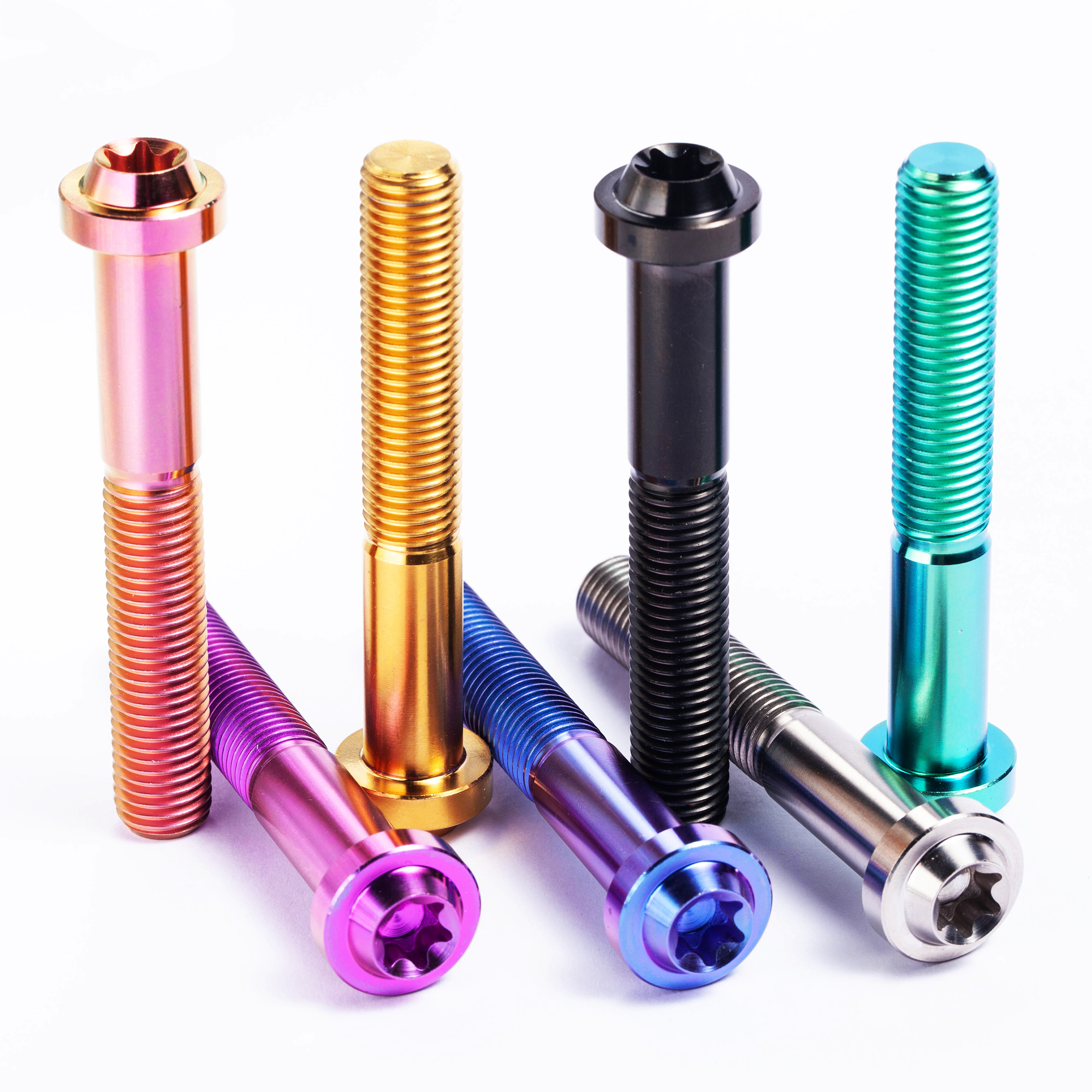
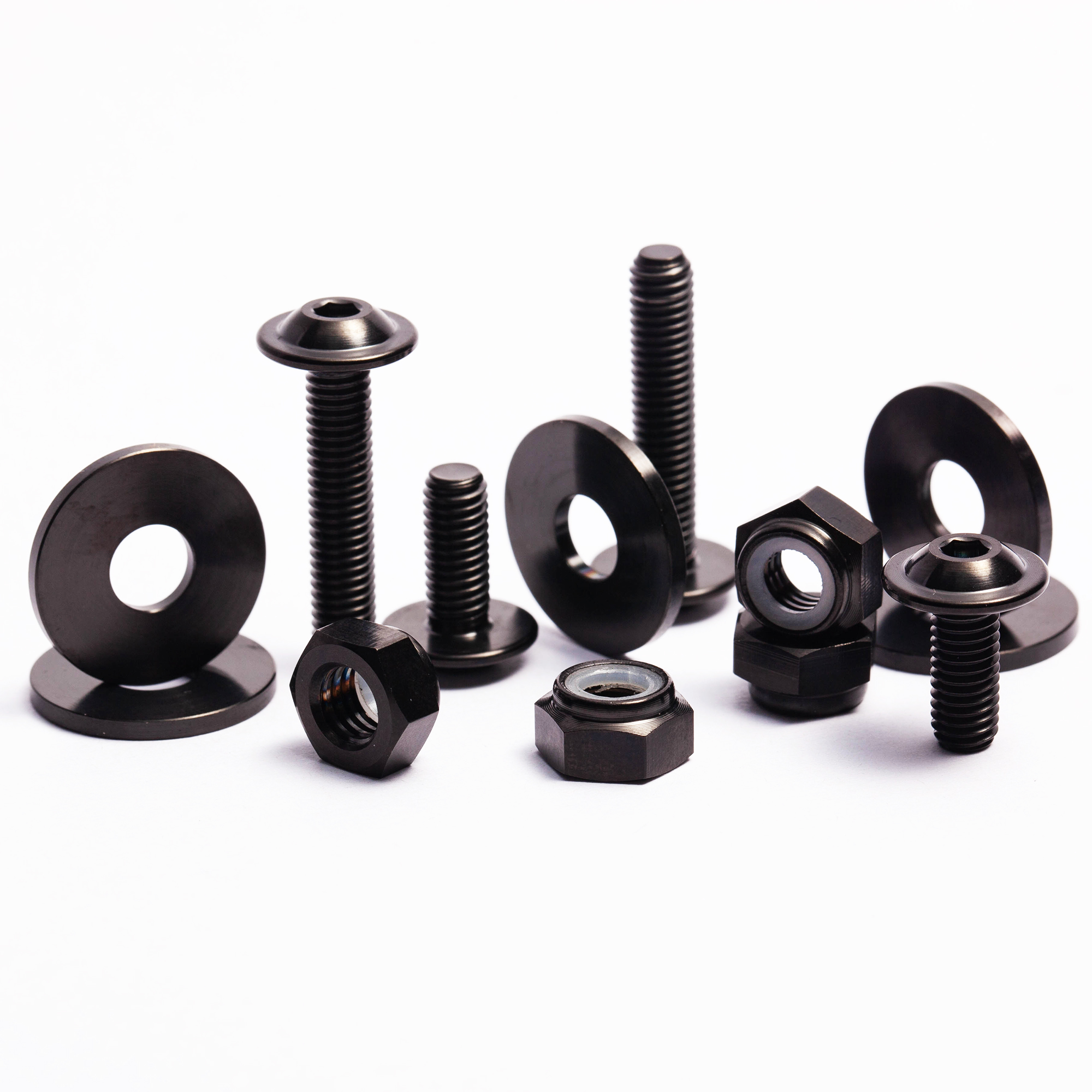
DIN912 Metric Bolts M2 M3 M4 M5 M6 M8 Grade 9 Titanium Alloy Zinc Plated Hex Head Motorcycle Industrial Standard Fasteners
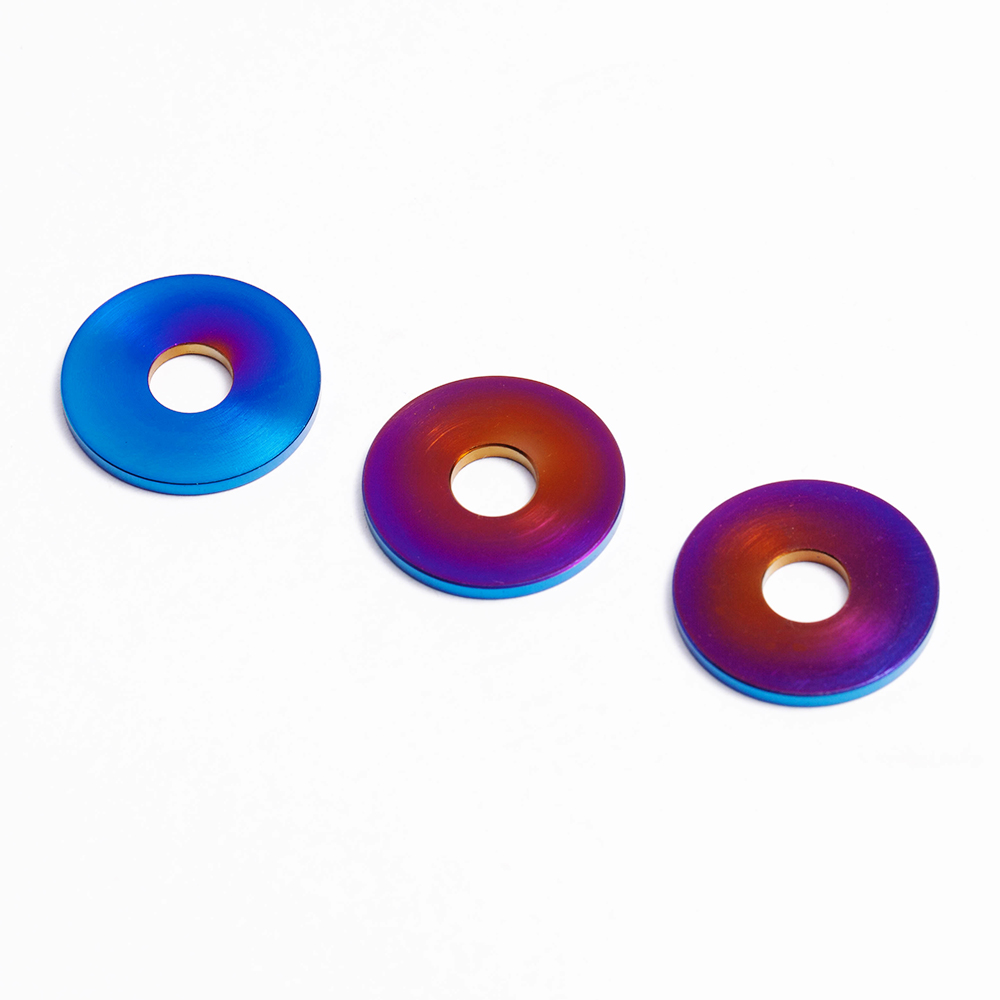
BST-TI Gr5 Titanium Burnt Blue Color Anodized 5mm Washer Spacer with Customized Colors and OEM Available
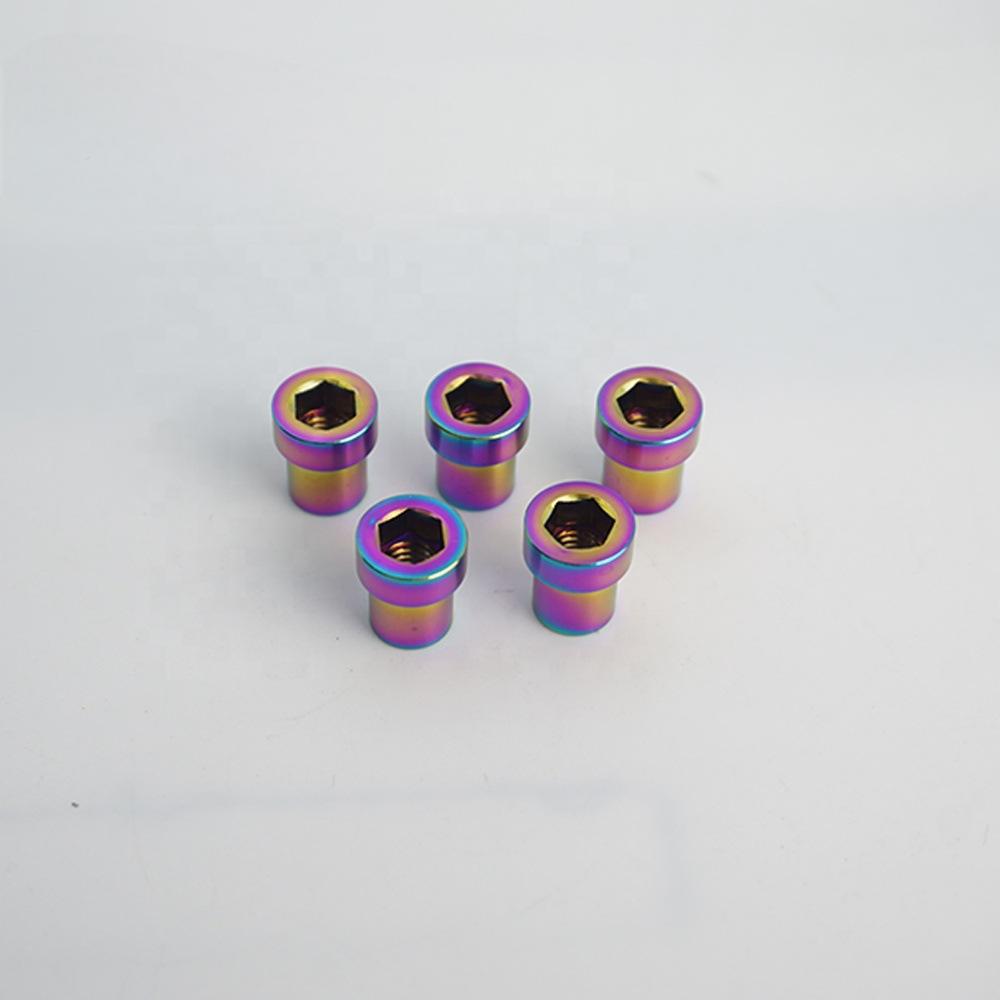
TC4 Titanium M5 Hex Locking Bolts for MTB Road Bike Carbon Seatpost Stem Pair Lightweight Anti-Rust Custom High Quality PVD
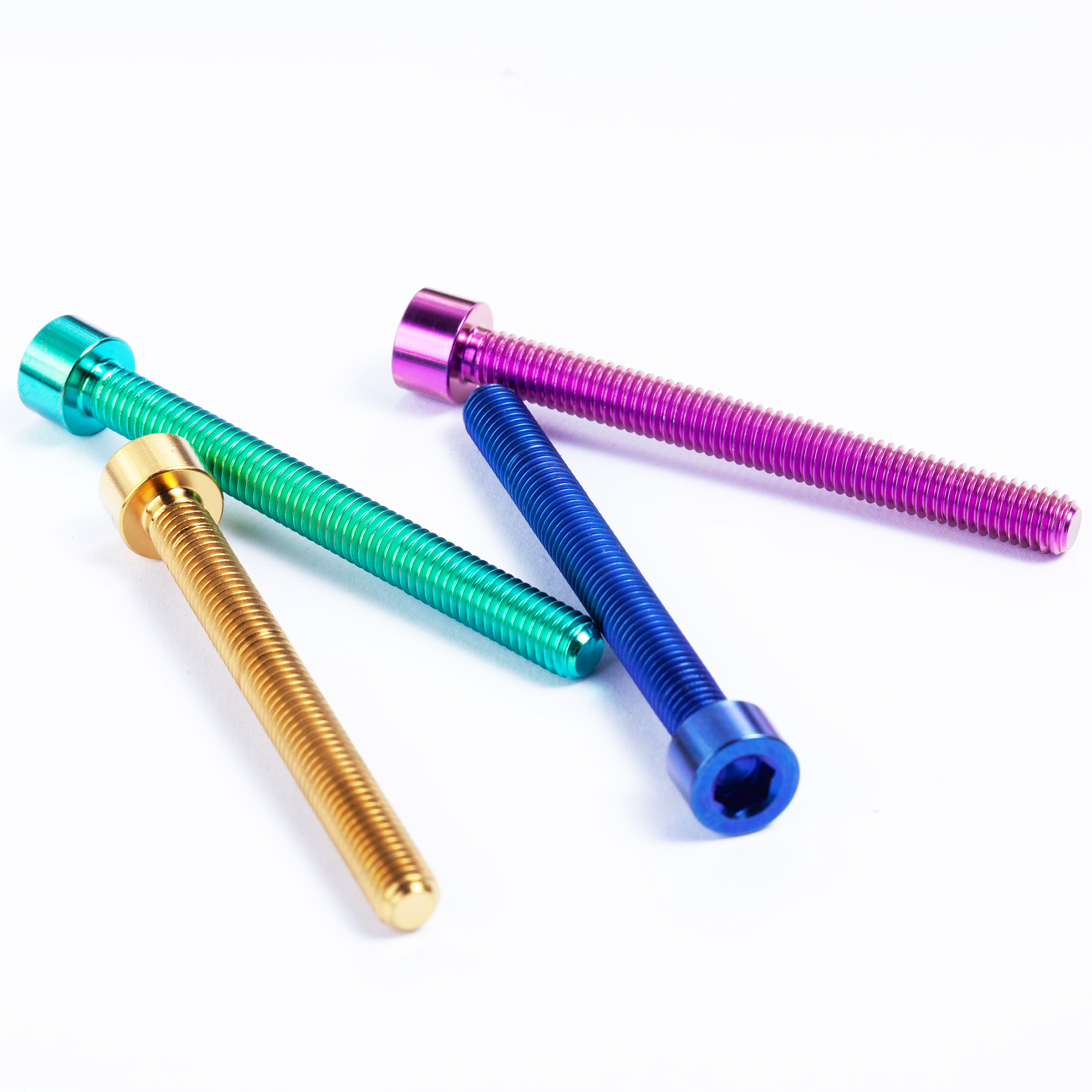
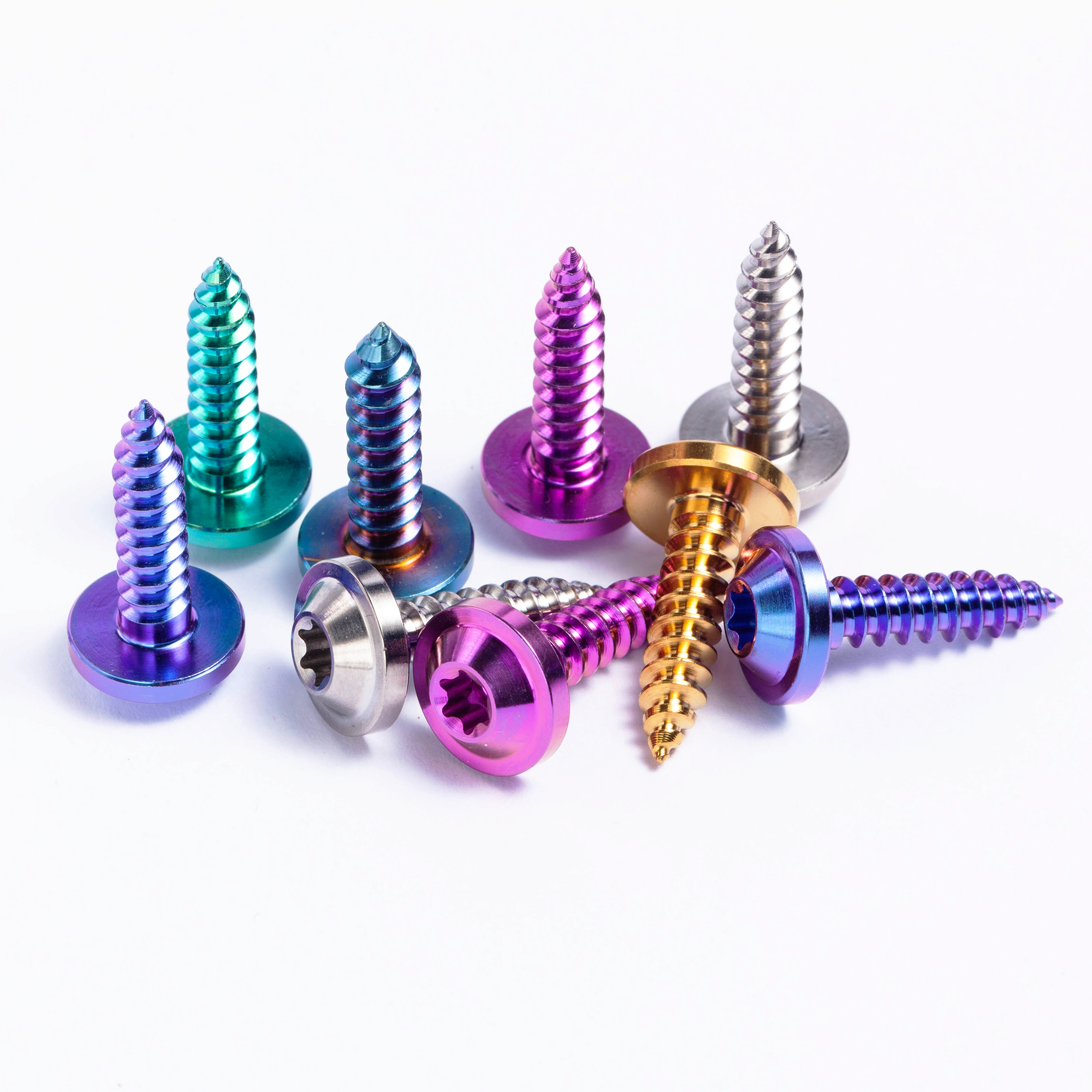
Hex Head Rotor Headset DIN Standard Gr5 Bolts Set Button Head Titanium Alloy Bike Fixing Screws Cycling Parts
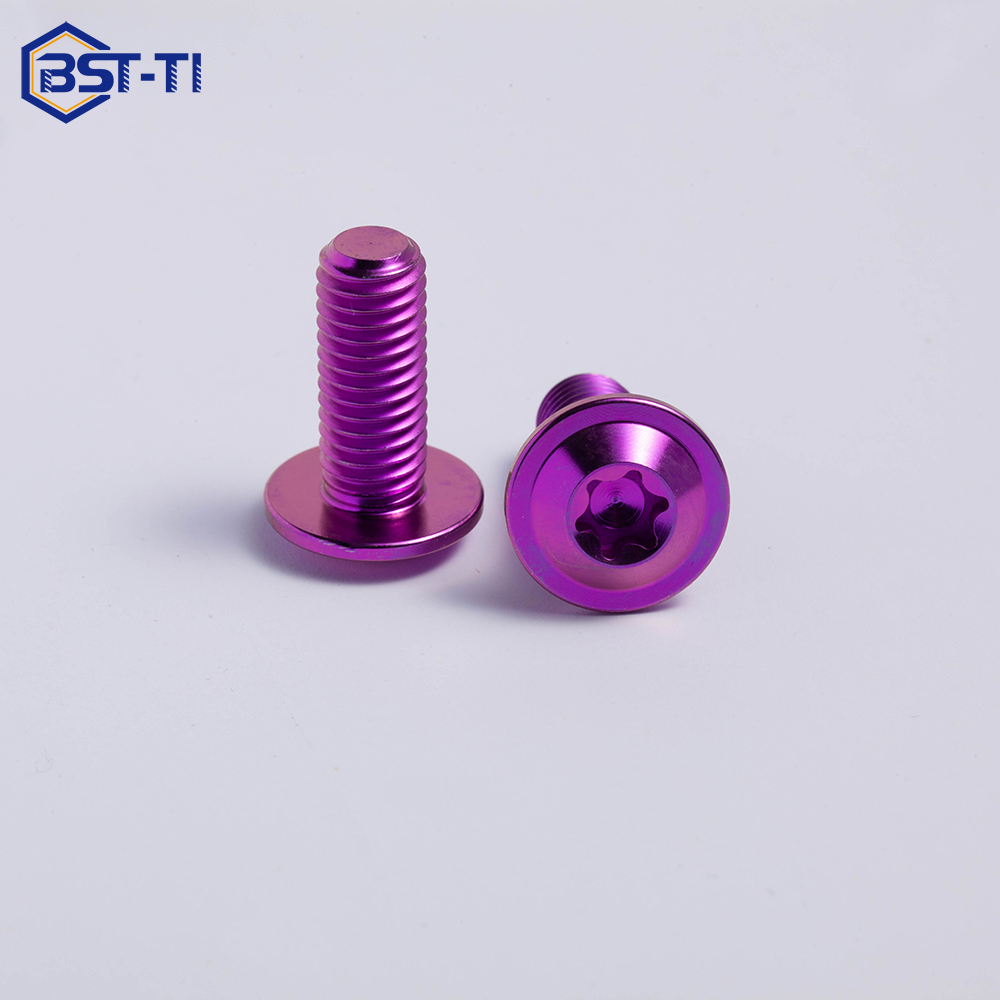
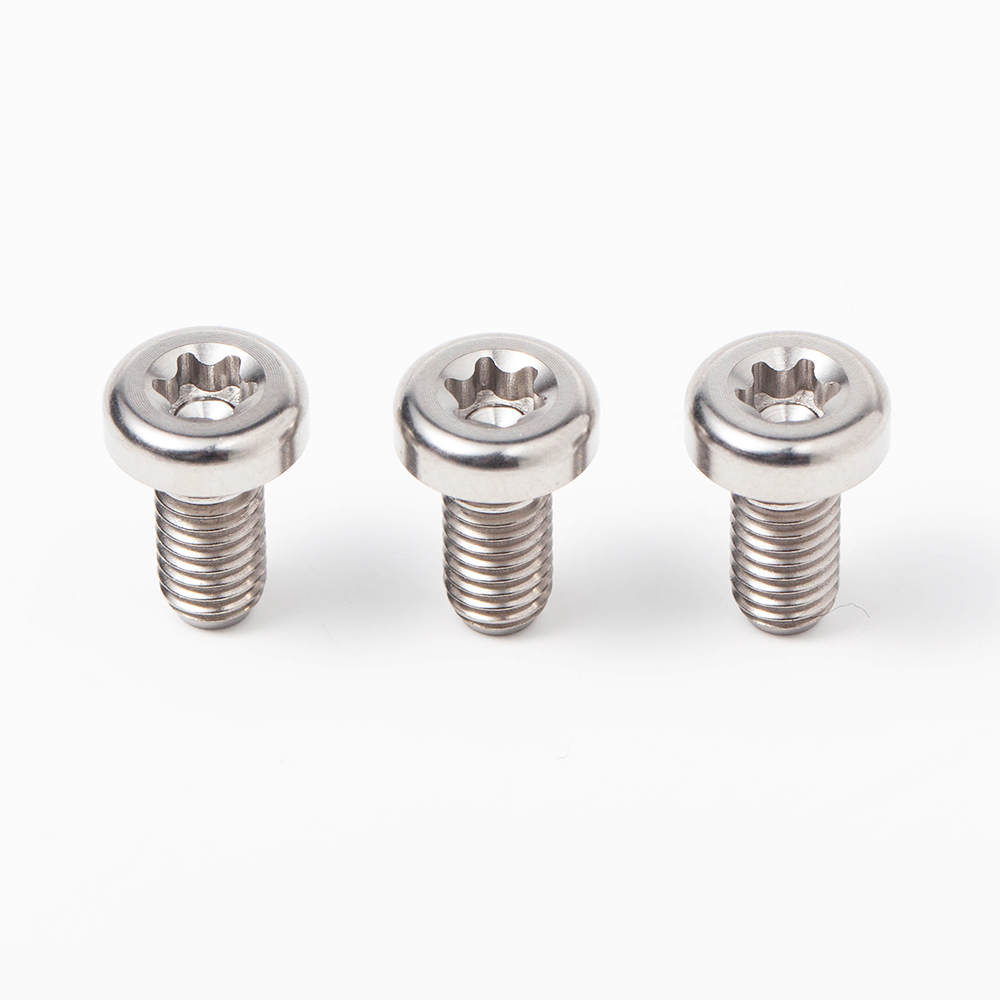
BST-TI Torx Head Titanium Alloy Disc Bolts ISO Standard Class 4.8/6.8 UNC Thread Motorcycle Screws and Bolts with Plain Finish
Engineering Whitepaper: Precision Titanium Spindle Shaft Machining for High-Demand European Applications
In modern industrial kinematics, the spindle shaft acts as the dynamic mechanical core responsible for rotating energy transmission, tool mounting accuracy, and gyroscopic inertia containment. When precision engineering centers across the Province of Utrecht and the wider Randstad polycentric economic zone push machine designs toward higher accelerations, ultralow thermal expansion, and non-magnetic operation, standard stainless steels (AISI 304, 316, 440C) and case-hardened alloy steels (such as 16MnCr5 or 42CrMo4) hit severe thermodynamic and mass limitations.
As an established titanium manufacturing factory, Jiaxing Wexra Titanium Products Co., Ltd. produces tight-tolerance titanium spindle shafts, spline drives, rotor axles, and complementary fastening hardware. Operating with certified ISO 9001:2015 procedures, we serve Utrecht-based research institutions, semiconductor subsystem developers, cleanroom automated logistics manufacturers, and elite cycling builders with direct-from-foundry material consistency and micro-machining accuracy.
1. Metallurgy Selection: Ti-6Al-4V Grade 5 vs. Commercially Pure Grade 2
Selecting the optimal titanium grade for rotating spindle shafts hinges upon the primary failure vectors of the application: torsional fatigue, cyclic deflection, harmonic vibration, or aggressive chemical washdowns:
Titanium Grade 5 (Ti-6Al-4V, Werkstoff 3.7165): This alpha-beta titanium alloy provides a minimum tensile yield strength of 895 to 920 MPa, paired with a low modulus of elasticity (~114 GPa compared to 210 GPa in steel). This unique modulus allows precision spindle shafts to absorb heavy torque shocks without permanent plastic deformation. Its density of 4.43 g/cm³ dramatically curtails rotational inertia ($J = \frac{1}{2}mr^2$), enabling high-speed servomotors in automated inspection equipment to achieve near-instantaneous reversal cycles without dynamic hunting or servo oscillation.
Commercially Pure Grade 2 (CP Titanium, Werkstoff 3.7035): Where magnetic neutrality, non-reactive bio-compatibility, and resistance to aggressive chlorides or chemical cleansers override peak shear loads, Grade 2 serves as the material of choice. While offering lower tensile strength (~345 MPa), its single-phase alpha microstructure resists crevice attack and cavitation pitting in biomedical sample spinners and laboratory fluid mixing hubs.
| Alloy Grade | Tensile Strength (MPa) | Yield Strength (MPa) | Density (g/cm³) | Modulus (GPa) | Typical Utrecht Industry Fit |
|---|---|---|---|---|---|
| Grade 5 (Ti-6Al-4V) | ≥ 950 | ≥ 895 | 4.43 | 114 | Robotic arms, e-drive transmissions, racing spindles |
| Grade 5 ELI (Gr23) | ≥ 860 | ≥ 790 | 4.43 | 114 | Medical diagnostic centrifuges, cleanroom devices |
| Grade 2 (CP Titanium) | ≥ 345 | ≥ 275 | 4.51 | 103 | Biochem fluid handling, non-magnetic laboratory shafts |
| Tool Steel 42CrMo4 | 1000 - 1200 | ≥ 900 | 7.85 | 210 | Heavy legacy machines (high inertia, rust prone) |
2. Precision CNC Turning, Centerless Grinding, and Dynamic Balancing
Machining titanium spindle shafts necessitates deep engineering acumen. Titanium exhibits low thermal conductivity (approx. 6.7 W/m·K compared to 50 W/m·K in carbon steel), meaning friction heat quickly localizes at the tool-workpiece interface. To mitigate work hardening and thermal runout, Wexra implements rigid CNC multi-axis turning-milling centers equipped with high-pressure internal through-spindle coolant delivery (70+ bar), custom carbide/PCD tooling geometries with dedicated chip-breakers, and ultra-slow surface speeds paired with high feed rates.
Following CNC roughing and finishing, spindle journals undergo Centerless Cylindrical Grinding to attain strict dimensional tolerances of h6 to g5 (±0.005 mm), guaranteeing flawless press-fit bearing seats without micro-fretting. Finally, each dynamic shaft is subjected to ISO 1940-1 Grade G0.4 or G1 dynamic balancing, preventing harmonic oscillation when operating at speeds up to 45,000 RPM in photonics and mechatronic setups.
3. Surface Tribology and Anti-Galling Engineering
Titanium naturally forms a tenacious passive titanium dioxide ($TiO_2$) film that confers extraordinary corrosion resistance. However, under unlubricated metal-to-metal rubbing contact against brass or steel bushings, titanium can be susceptible to galling. Wexra resolves this via tailored surface modifications:
• Diamond-Like Carbon (DLC) & PVD Coatings: Applying physical vapor deposition creates an amorphous carbon layer (2-4 μm) exhibiting a micro-hardness exceeding 2,500 HV and a coefficient of friction below 0.1, preventing shaft journal galling.
• Micro-Arc Oxidation (MAO) & Hard Anodizing: Transforms the outer boundary layer into a dense ceramic crystalline barrier, boosting abrasion resistance without flaking.
Localized Application Scenarios Across the Utrecht Region
Utrecht represents the pivotal nexus of Dutch infrastructure, academic research, and sustainable technological innovation. Our precision titanium spindle shafts satisfy the demanding specifications of the region’s key high-tech clusters.
Utrecht Science Park (USP) & Life Sciences Automation
Housing over 130 life sciences companies and top-tier clinical institutions (such as UMC Utrecht and Utrecht University research labs), USP is a global hotspot for microfluidics, precision centrifuges, diagnostic spectrometry, and automated liquid-handling robotics.
Engineering Fit: Our non-magnetic Grade 5 ELI and Grade 2 titanium spindle shafts deliver zero magnetic interference inside high-field MRI/NMR research environments and ensure total chemical resistance against laboratory reagents and sterilizing steam.
Semiconductor Equipment Sub-Tiers & Mechatronics
Positioned along the central Dutch technology corridor connecting the Randstad to Brainport Eindhoven, Utrecht design offices and precision machine shops supply critical secondary sub-assemblies to the Dutch optical and lithographic equipment ecosystems.
Engineering Fit: Wexra’s ultra-low runout (≤ 0.003 mm) titanium spindle shafts provide an exceptionally high stiffness-to-weight ratio, allowing multi-axis precision pick-and-place gantry systems to accelerate rapidly while limiting thermal drift inside cleanroom vacuum chambers.
Elite Cycling, E-Cargo Hubs & Light Electric Vehicles (LEVs)
Known as the premier cycling capital of the world, Utrecht is pioneering green urban logistics through long-tail e-cargo bikes, micromobility hubs, and performance bicycle engineering centered around Lage Weide and industrial innovation parks.
Engineering Fit: Wexra produces hollow titanium bottom bracket spindle shafts, mid-drive gearbox shafts, and wheel hub axles that shed 40-45% of rotational weight compared to steel while resisting continuous road salt, canal humidity, and high cycle fatigue.
Sustainable Agro-Tech & Food Processing Equipment
The agricultural and food technology firms surrounding Utrecht require rotating components for continuous sorting, rotary slicing, and high-speed dosing where hygiene regulations are uncompromising.
Engineering Fit: Our passivation-treated titanium shafts eliminate food-contact galvanic corrosion, withstand CIP (Clean-In-Place) alkaline and acid washdown regimes, and prevent metallic particle contamination.
Utrecht Sourcing Trends: Strategic Decoupling & Total Cost of Ownership
Dutch industrial buyers are evolving their purchasing criteria from pure piece-part acquisition pricing to lifecycle cost mitigation, strict regulatory compliance, and rapid prototyping agility.
Total Cost of Ownership (TCO) Shift
While titanium carries a higher raw material unit cost than stainless steel or structural alloy steels, mechanical designers in the Utrecht region recognize that reducing rotating spindle mass lowers bearing wear by up to 35%, decreases electrical motor draw, and eliminates costly surface recoating cycles.
In automated 24/7 manufacturing plants, avoiding downtime from fatigue cracking or saltwater corrosion yields a net positive return on investment within 14 to 18 months of continuous spindle operation.
EU ESG, REACH & RoHS Mandates
With stringent European Union corporate sustainability directives (CSRD) and chemical management regulations impacting procurement across the Netherlands, manufacturing supply chains must demonstrate certified non-toxic, lead-free, and hazardous-substance-free production.
Wexra delivers fully documented RoHS and REACH compliant titanium components, accompanied by complete Material Test Certificates (EN 10204 Type 3.1) tracing chemistry back to raw ingot melting.
Direct OEM Precision Partnerships
Rather than relying on generic middleman distributors with bloated markups and vague mill provenance, Dutch engineering firms actively seek direct OEM/ODM factory alliances. Wexra provides complete DFM (Design for Manufacturability) engineering feedback within 8 hours, supporting Dutch teams from initial STEP/IGES CAD validation to rapid prototype delivery in Utrecht via air freight in under 7 business days.
Why Utrecht OEMs Partner With Jiaxing Wexra Titanium
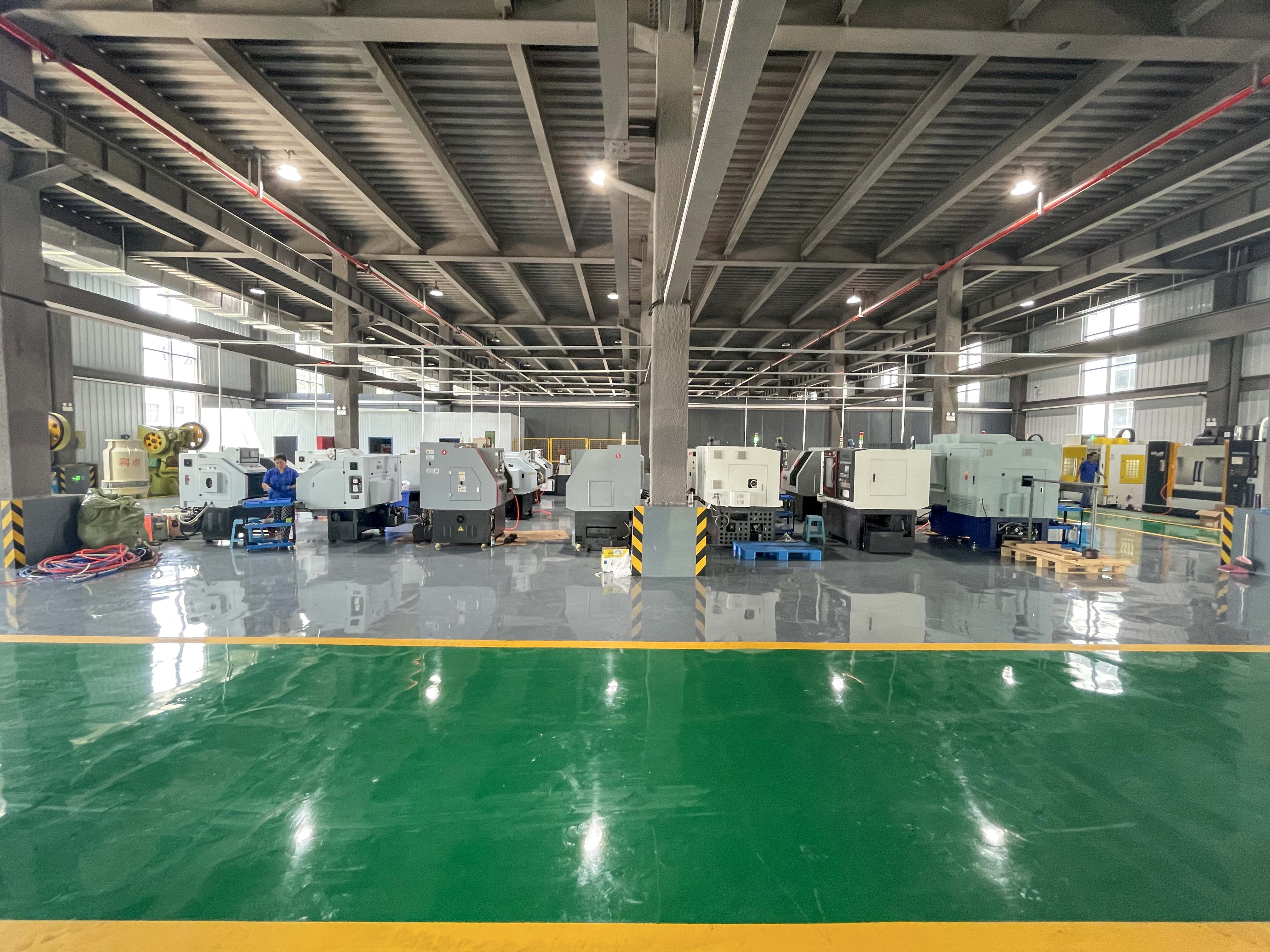
Since 2018, Jiaxing Wexra Titanium Products Co., Ltd. has focused exclusively on the metallurgy, machining, and surface engineering of titanium alloys. Our integrated 1000+ m² workshop features advanced multi-axis CNC lathes, thread rolling machinery, laser cutting systems, and high-precision inspection metrology.
We recognize that an undersized bearing journal or improper thread relief can compromise an entire rotating assembly. Therefore, every production batch destined for the European market undergoes rigorous coordinate measuring machine (CMM) dimensional verification, optical thread profiling, and surface roughness (Ra) verification.
Frequently Asked Questions: Sourcing Titanium Spindle Shafts in Utrecht
Direct technical answers addressing geometric tolerances, thread galling prevention, import clearance, and certification protocols for Dutch manufacturing managers.
What geometric tolerances and concentricity limits can Wexra achieve on titanium spindle shafts?
How do you prevent thread galling on titanium spindle locknuts and shaft ends?
What material certifications and test documentation accompany export shipments to the Netherlands?
What is the typical lead time for custom CNC prototypes and volume production deliveries to Utrecht?
Can Wexra machine complex shaft features like internal coolant bores, splines, and keyways?
Have a Spindle Shaft Drawing or Specification to Review?
Consult directly with our titanium engineering and production specialists. We review your tolerances, material grades, and application stresses, delivering complete DFM analysis and competitive factory quotations for your Utrecht operations within 8 hours.