Engineered Titanium Torx & Specialty Fastener Solutions
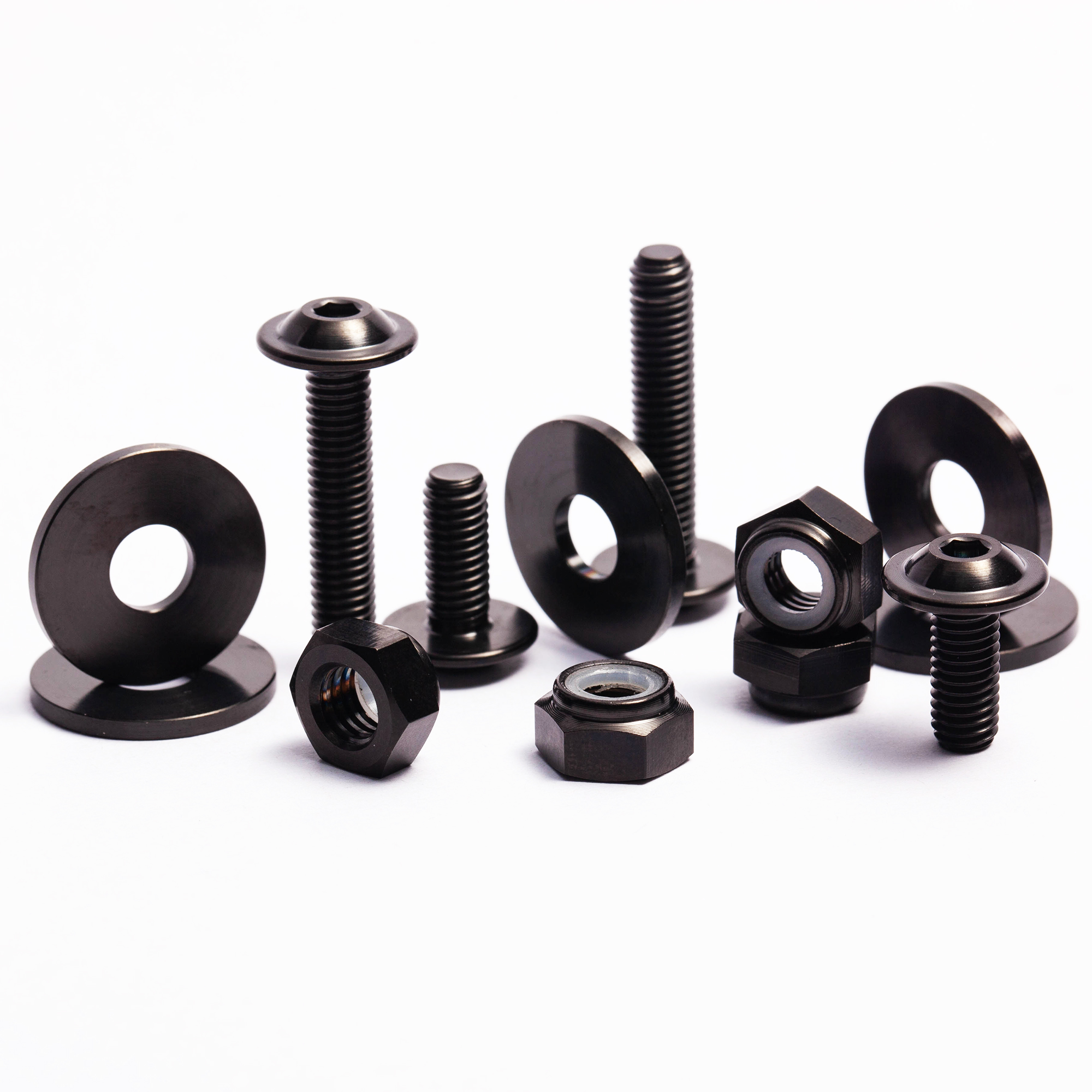
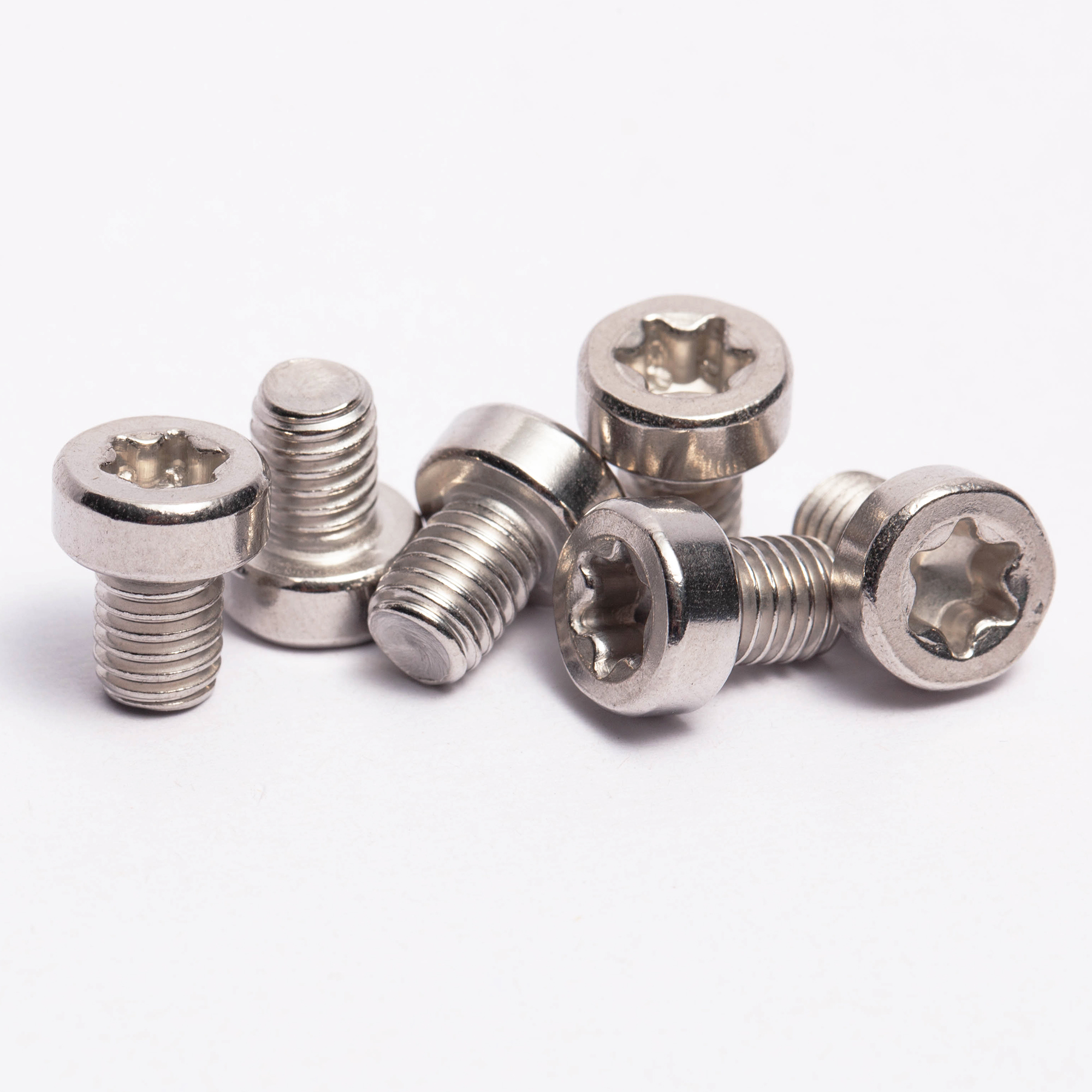
Direct-from-factory Grade 5 (Ti-6Al-4V) star-drive Torx bolts, flanged assemblies, lightweight metric screws, and custom-engineered hardware built for high-shear and extreme-environment reliability.
Why Engineering Teams in San Miguel Choose Grade 5 Titanium Torx Bolting
When high-vibration dynamics, strict payload requirements, and corrosive atmospheres intersect, conventional alloy steels and marine stainless steels exhibit distinct failure modes. For mechanical engineers and procurement officers sourcing fasteners for operations in San Miguel—spanning demanding maritime logistics, high-stress agro-industrial plants, and high-performance racing platforms—fastener specification directly influences component longevity and operational safety.
Ti-6Al-4V (Grade 5 Titanium) provides an exceptional strength-to-weight ratio. With a minimum tensile yield strength exceeding 895 MPa and a density of only 4.43 g/cm³, Grade 5 hardware yields roughly 44% weight reduction compared to ISO Class 8.8 or 10.9 steel fasteners, while completely outperforming AISI 304 and 316 stainless steels in tensile yield and fatigue resistance.
| Fastener Material | Density (g/cm³) | Min. Tensile Strength (MPa) | Yield Strength (0.2% Offset, MPa) | Chloride Pitting Resistance | Magnetic Permeability |
|---|---|---|---|---|---|
| Titanium Grade 5 (Ti-6Al-4V) | 4.43 | 895 – 1000+ | 828 | Immune in ambient seawater | Non-Magnetic (μr ~ 1.00005) |
| Titanium Grade 2 (CP-Ti) | 4.51 | 345 – 480 | 275 | Immune in ambient seawater | Non-Magnetic |
| Stainless Steel 316 / A4-70 | 8.00 | 700 | 450 | Moderate (Susceptible to crevice corrosion) | Slightly magnetic when worked |
| Structural Steel Class 10.9 | 7.85 | 1040 | 940 | Poor (Rapid oxidation without coating) | Strong Ferromagnetic |
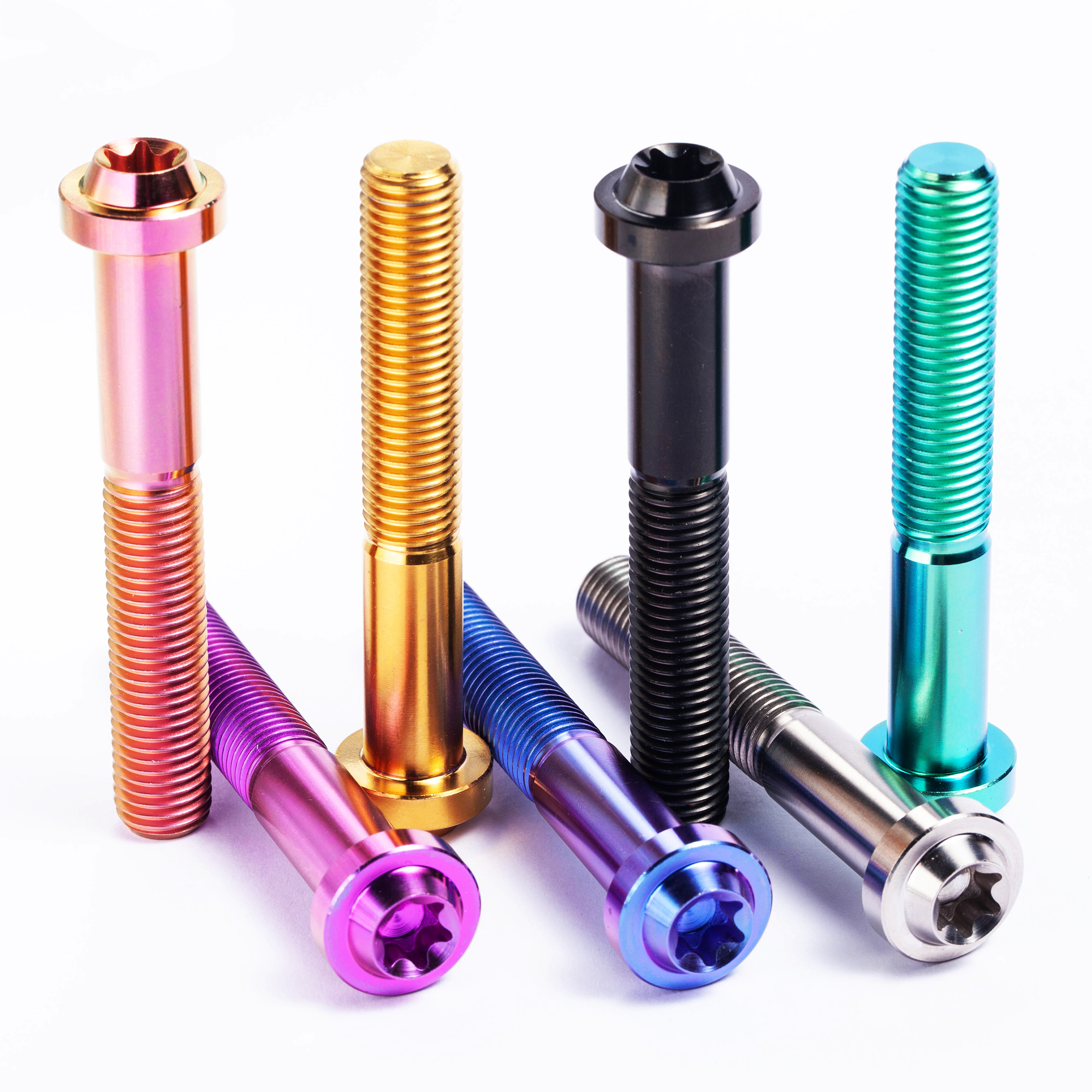
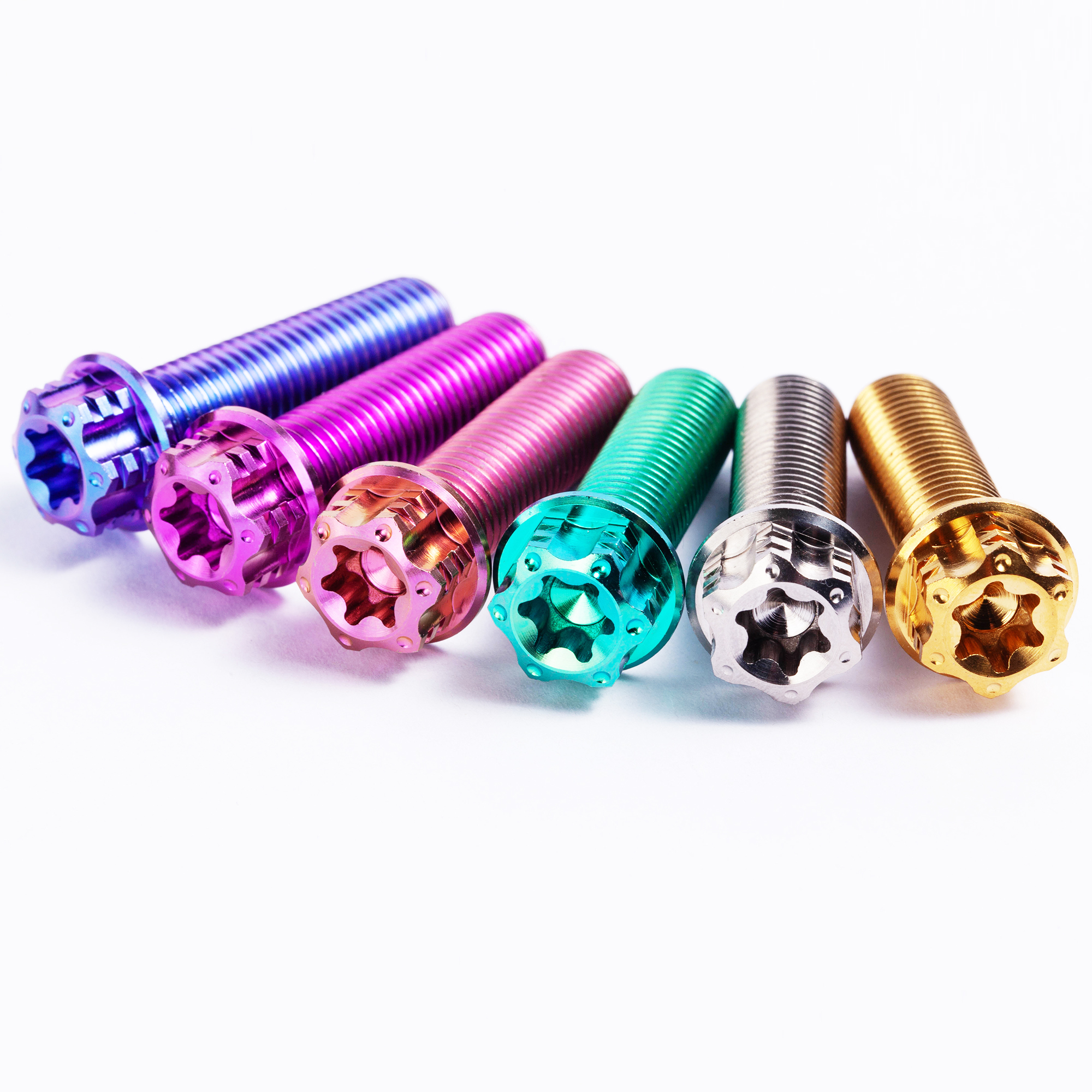
Furthermore, the Torx (hexalobular / 6-lobe) drive geometry fundamentally eliminates the common problem of drive cam-out typical in hex-socket or Phillips profiles. In tight-clearance assemblies subject to calibrated pneumatic or torque-wrench assembly lines, Torx lobes provide direct, tangential load distribution along 15-degree pressure angles, preserving the integrity of both drive bit and titanium bolt head during repeated maintenance intervals.
Inherent Passivation Layer
Titanium forms an instantaneous, tenacious titanium dioxide (TiO₂) oxide barrier that provides lifetime immunity against saltwater immersion, organic acids, and chloride exposure.
Rolled Threads for Fatigue Life
Unlike cut threads that sever metallurgical grain flow, our CNC thread rolling process compacts surface grain lines, yielding 30% higher cyclic fatigue threshold under dynamic shear loads.
Zero Magnetic Interference
Grade 5 titanium is completely non-magnetic, making these Torx fasteners indispensable for sensitive radar, navigational instrumentation, electrical enclosures, and avionics.
Precision Titanium Applications Across San Miguel Sectors
San Miguel’s diverse economic environment requires fast, highly durable hardware capable of resisting maritime saltwater intrusion, extreme thermal cycles, and demanding automated production.
Marine Fleet & Coastal Logistics
For coastal San Miguel marine operators, wet exhausts, deck assemblies, radar pedestals, and sub-surface propulsion brackets fitted with stainless steel suffer from crevice corrosion. Gr5 Torx bolts prevent seizing and galling in salt-fog environments.
Food Processing & Beverage Bottling
Industrial bottling plants and food processors operating in the San Miguel district require biocompatible, non-reactive fasteners that endure daily washdowns with aggressive chemical sanitizers and caustic CIP detergents without pitting.
Powersports, Karting & Racing Tuners
San Miguel's motorsport builders replace heavy unsprung rotating mass in brake rotor assemblies, sprocket mounts, and triple clamps with our DIN6921 flanged Torx bolts, dropping unsprung weight while enhancing high-speed steering response.
Market Dynamics & Fastener Modernization Trends in San Miguel
The industrial hardware and mechanical design landscape in San Miguel is undergoing a measurable technological transition. Procurement managers and maintenance superintendents are systematically shifting away from sacrificial zinc-plated high-tensile steels toward advanced alloys that offer extended Total Cost of Ownership (TCO) benefits.
1. Decarbonization & Light-Weighting
In both mobile robotics and commercial fleet modifications around San Miguel, engineering teams target weight reductions to optimize EV battery range and lower operational power consumption per ton-kilometer.
2. Smart Assembly Line Ergonomics
Manufacturing facilities are transitioning from internal hex (Allen) to Torx (star drive). Torx profiles allow automatic torque-driver bit engagement without slipping, eliminating operator wrist fatigue and dropped screws on fast assembly lines.
3. Anodized Identification & Traceability
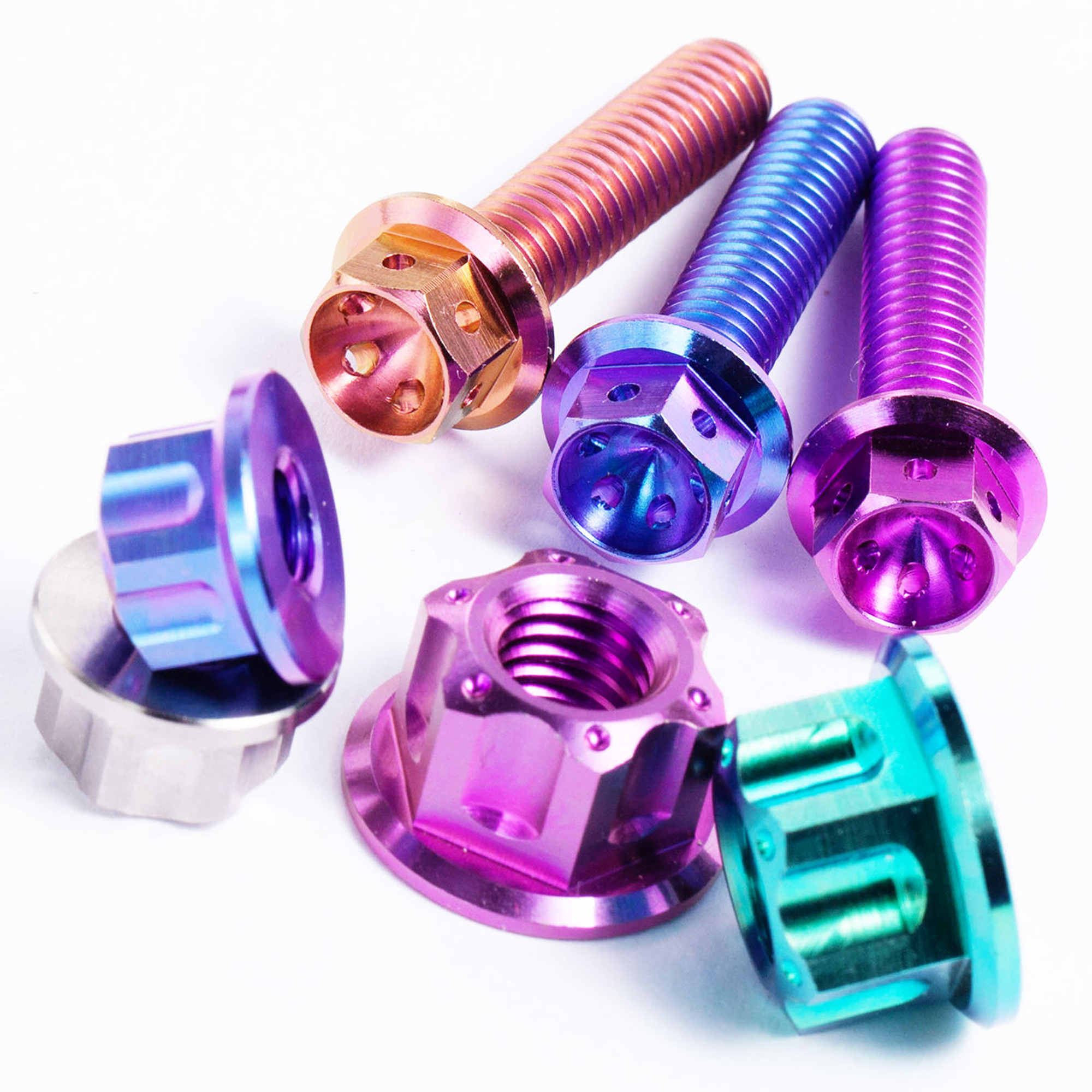
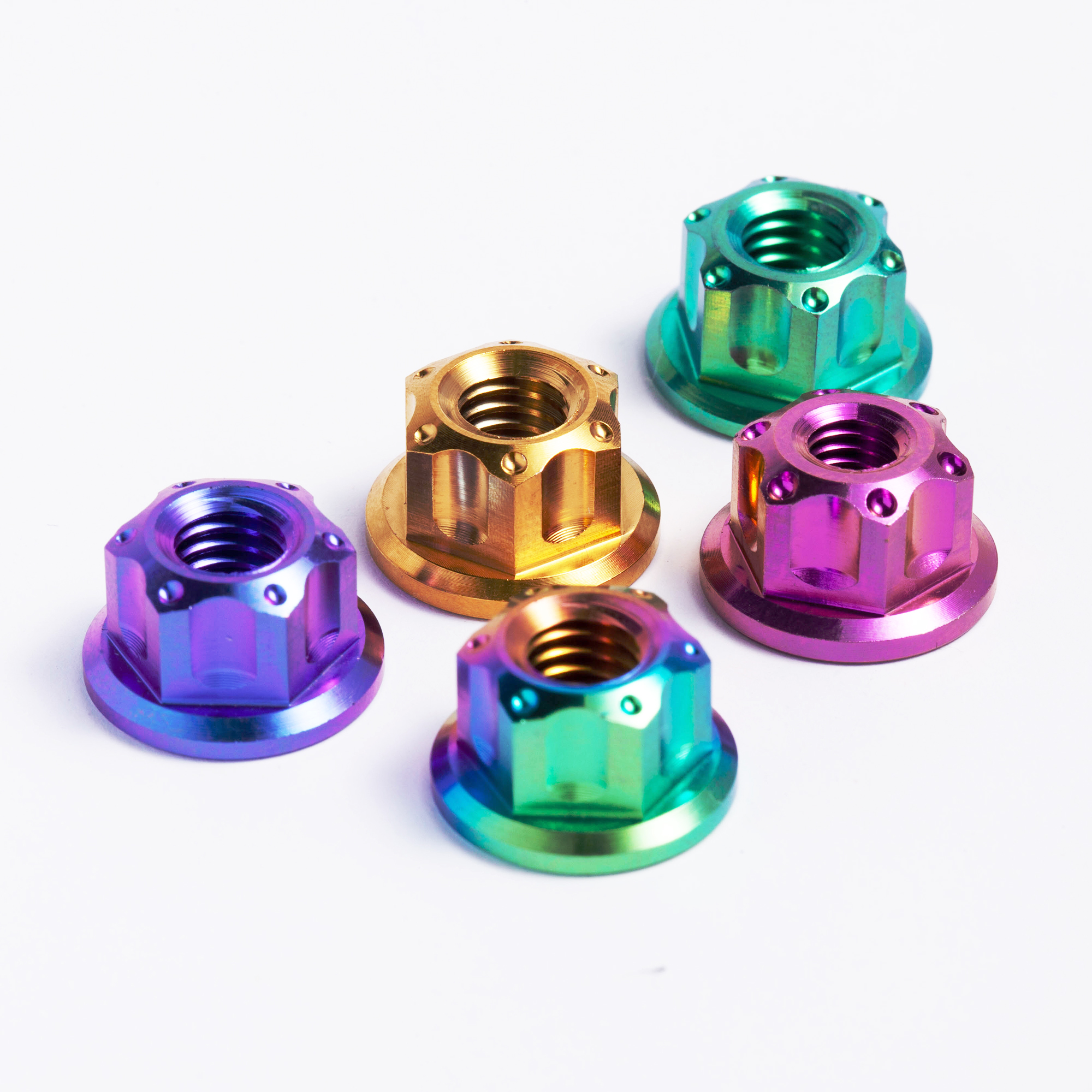
Local fleet workshops increasingly specify specialized color-anodized Gr5 titanium bolts (violet, burnt-blue, gold) for rapid visual confirmation of bolt thread pitches, length classifications, and torque inspection status.
Why San Miguel Sourcing Teams Partner with Wexra Titanium
From raw titanium bar ingot selection to automated micro-finish CNC machining, our manufacturing facility delivers verifiable, export-grade fastening components directly to your warehouse.
ISO 9001:2015 System
Stringent multi-stage QA covering raw ingot spectroscopy, thread pitch optical micrometer checks, and 100% batch traceability.
±0.01 mm Tolerance
State-of-the-art multi-axis CNC turn-mill tooling centers capable of holding aerospace-grade tolerances on precision micro and macro threads.
RoHS & REACH Compliant
Fully compliant export documentation for North America, Germany, the UK, and global manufacturing hubs, complete with EN 10204 3.1 MTCs.
Rapid ≤8h Engineering Reply
Direct DFM review from experienced titanium engineers, providing customized 3D CAD analysis, thread rolling validation, and sample turnarounds.
Frequently Asked Questions for San Miguel Fastener Sourcing
Clear, engineering-level answers addressing shipping logistics, torque specifications, galvanic corrosion prevention, and custom drawing protocols.
Standard catalog items (such as DIN 6921 Torx flanged bolts and DIN 912 fasteners) dispatch from warehouse stock within 48 to 72 hours via DHL/FedEx Express, arriving in San Miguel in 4 to 7 business days. Custom CNC-machined runs from customer technical drawings typically require 15 to 22 working days including surface anodizing and certified dimensional inspection reports.
While titanium is noble and will not corrode, mating it directly to raw 6061/7075 aluminum in conductive, saline conditions can accelerate the galvanic oxidation of the aluminum. In coastal San Miguel environments, we recommend applying an anti-seize paste (such as nickel-based or copper-free ceramic assembly grease) or specifying an insulating fluoropolymer washer to isolate electrical potential.
Titanium has a lower modulus of elasticity (~114 GPa) than structural steel (~210 GPa). Consequently, torque figures should generally be calibrated to roughly 70% to 85% of standard Grade 10.9 steel values. When using anti-seize lubricants on threads, torque targets must be reduced according to the lubricant friction factor (K-factor) to prevent over-stretching the fastener.
Yes. We specialize in custom OEM/ODM fasteners according to 2D prints (DWG, PDF) or 3D models (STEP, IGES). Our precision multi-axis Swiss machining centers easily incorporate cross-drilled safety wire holes through Torx bolt heads, customized step collars, reduced unthreaded shanks, or custom taper flanges tailored to your equipment blueprint.
No. Unlike aluminum anodizing—which builds a thick sacrificial oxide layer of 10 to 25 microns—titanium anodization is an electrochemical interference coloring process that develops an oxide barrier measured in nanometers (100–300 nm). It creates vivid permanent colors without changing external thread pitch diameters or mechanical thread classes (such as 6g / 6H fits).
Every delivery includes an EN 10204 3.1 Mill Test Certificate (MTC) detailing physical chemical spectrometry (Al, V, Fe, C, N, H, O content) and mechanical tensile yield verification. RoHS and REACH compliance certificates, optical CMM dimension reports, and bubble inspection sheets are available upon request for quality auditing.
Request Direct Factory Quotes & Technical Support for San Miguel
Send your CAD models, bill-of-materials, or sample specifications to our engineering team. We guarantee rapid pricing, verified DFM feedback, and flexible prototype-to-production runs.