Featured Titanium CNC Components & Fasteners
Engineered from Grade 5 (Ti-6Al-4V) and Grade 9 alloy stock to meet the high strength-to-weight, anti-corrosive, and non-magnetic benchmarks demanded by Massachusetts high-tech OEM lines.
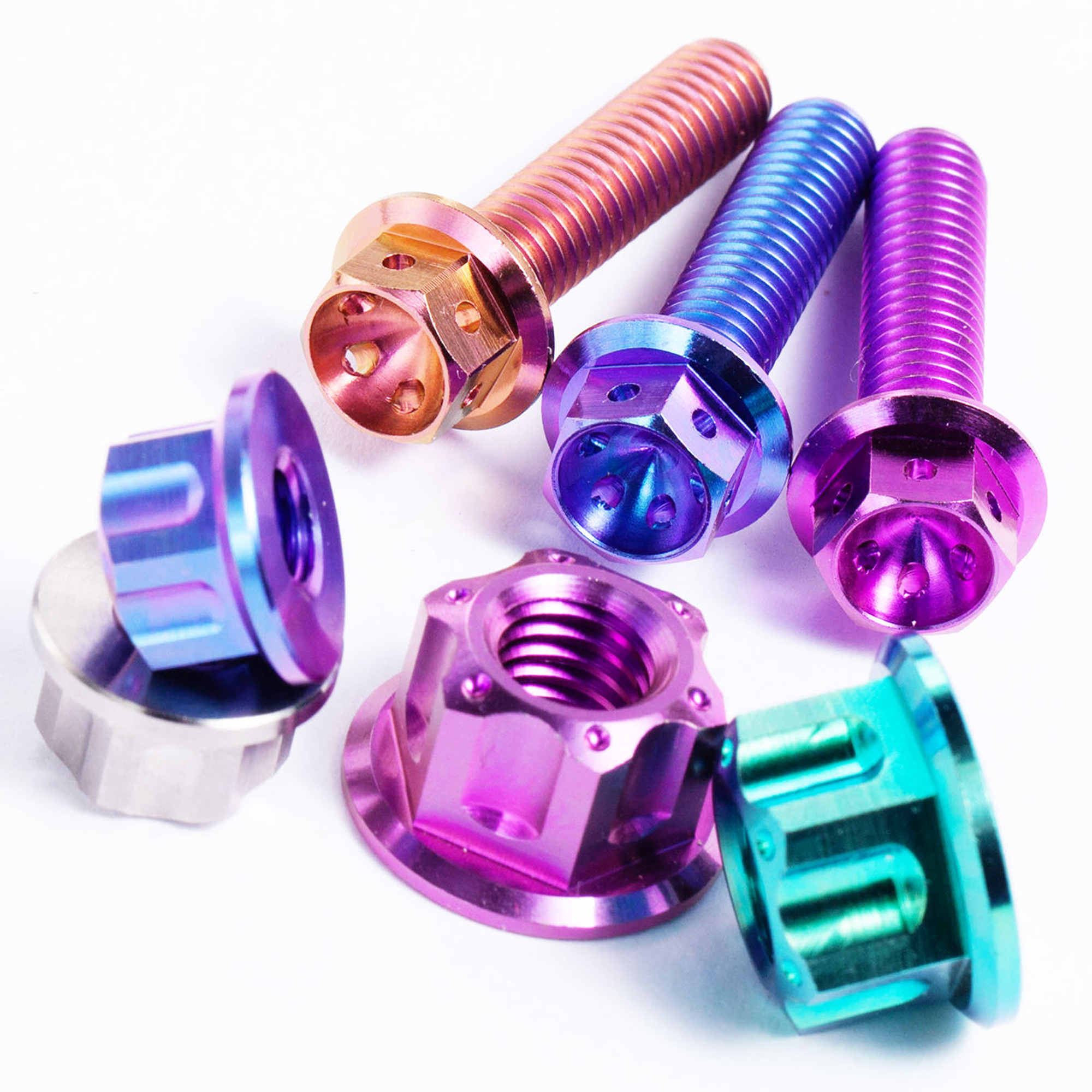
Titanium Alloy GR5 Hexagon Head Anodized Bolts & Nuts M6-M12 DIN6921
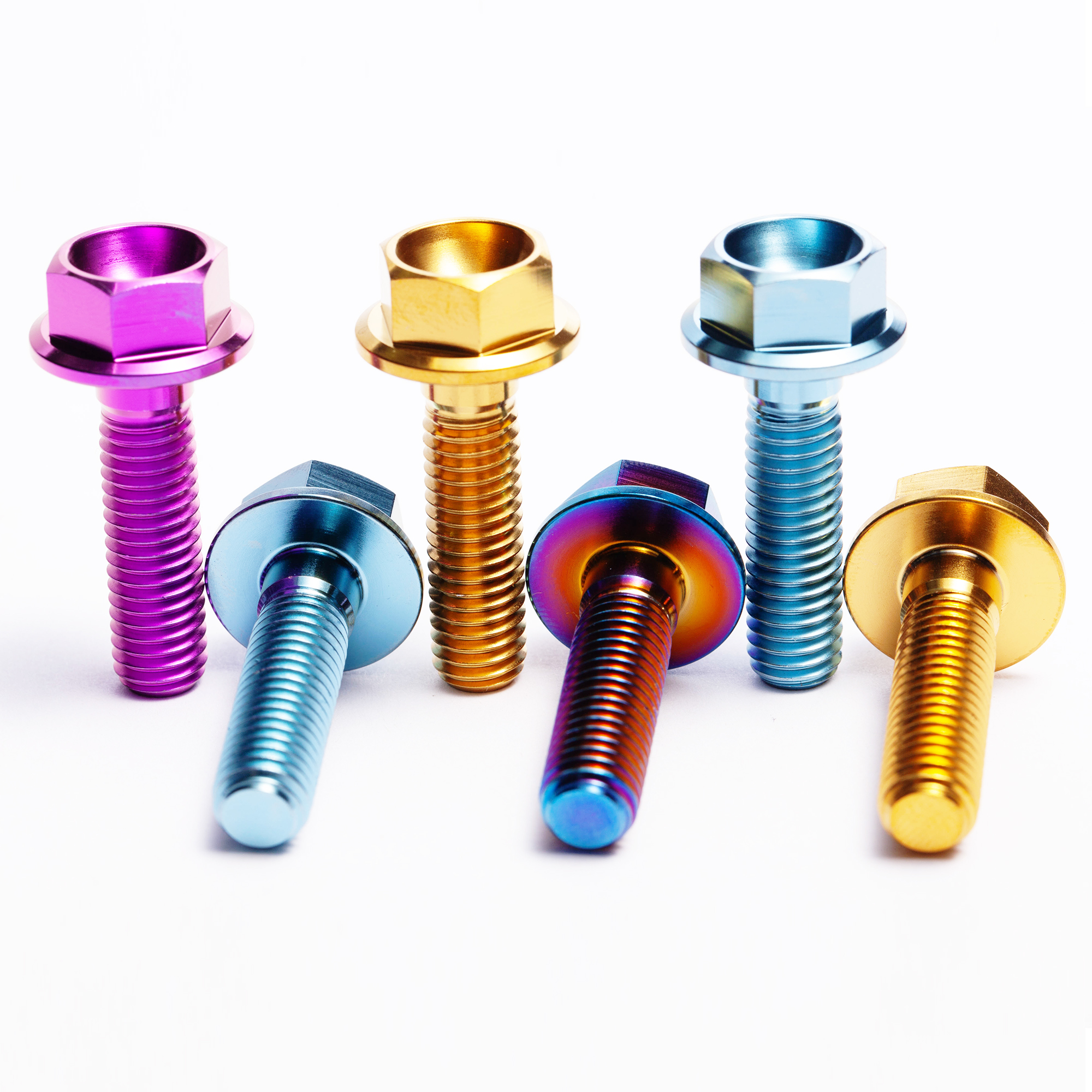
BSTTI DIN 6921 Gr5 Hex Head Flange PVD UNF Thread Bolt Sizes M5-M10
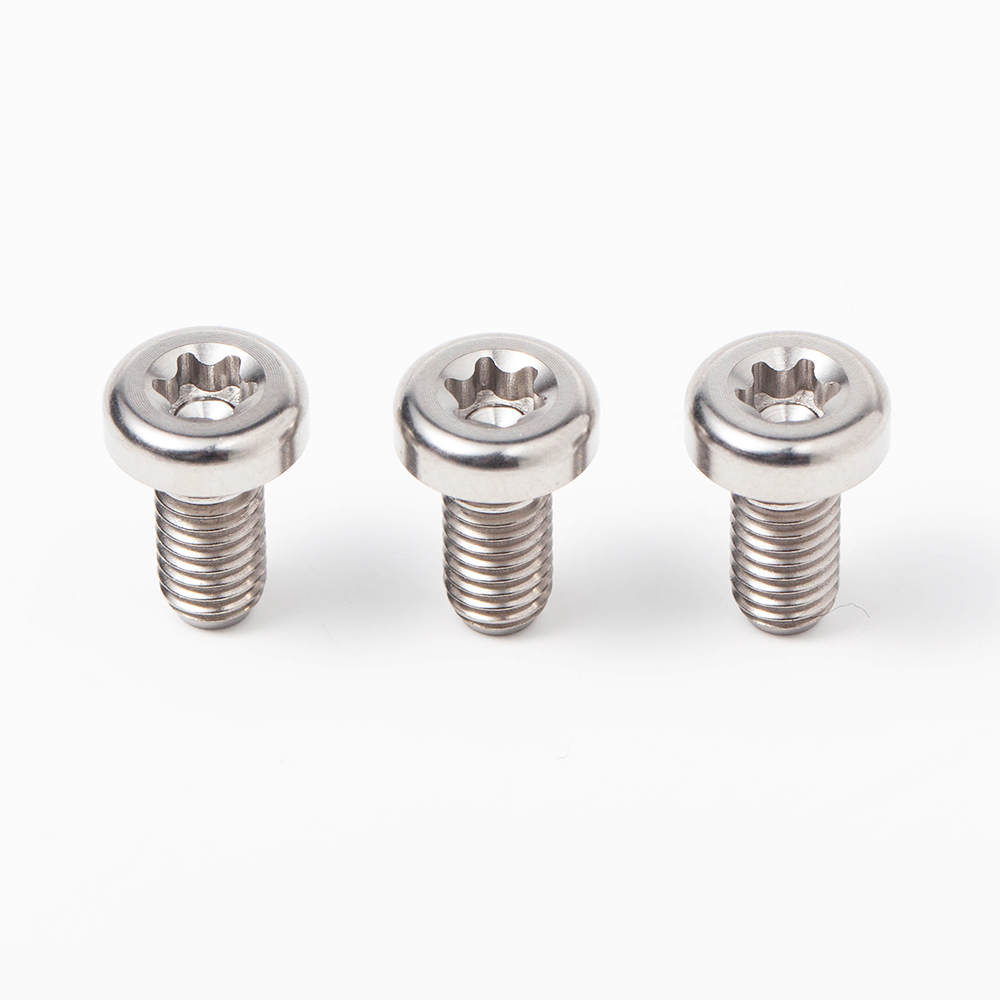
BST-TI M6 M8 Titanium Bolts Grade 9 Allen Hex Button Head Metric
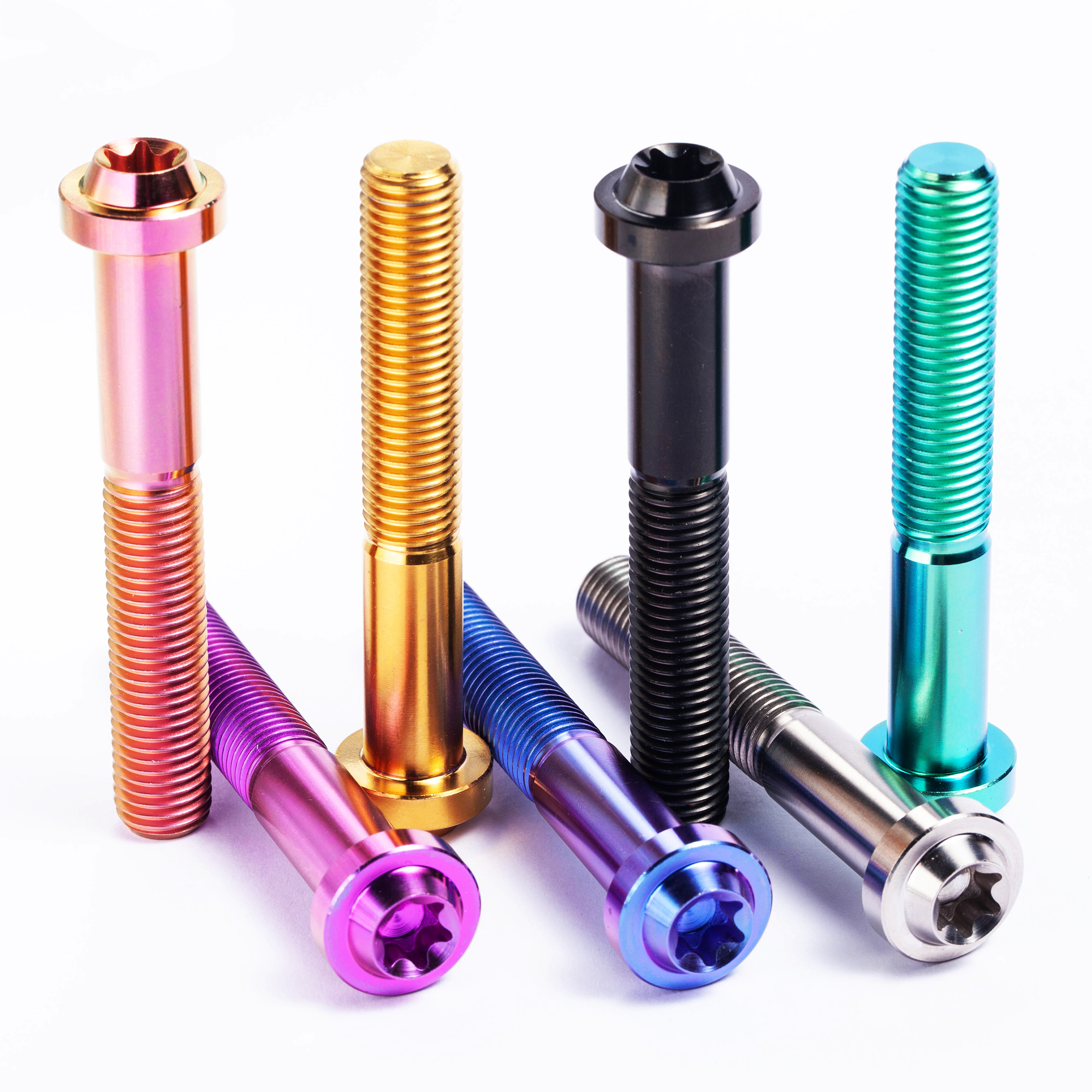
DIN912 Metric Socket Head Bolts M2-M8 Micro Industrial Titanium Fasteners
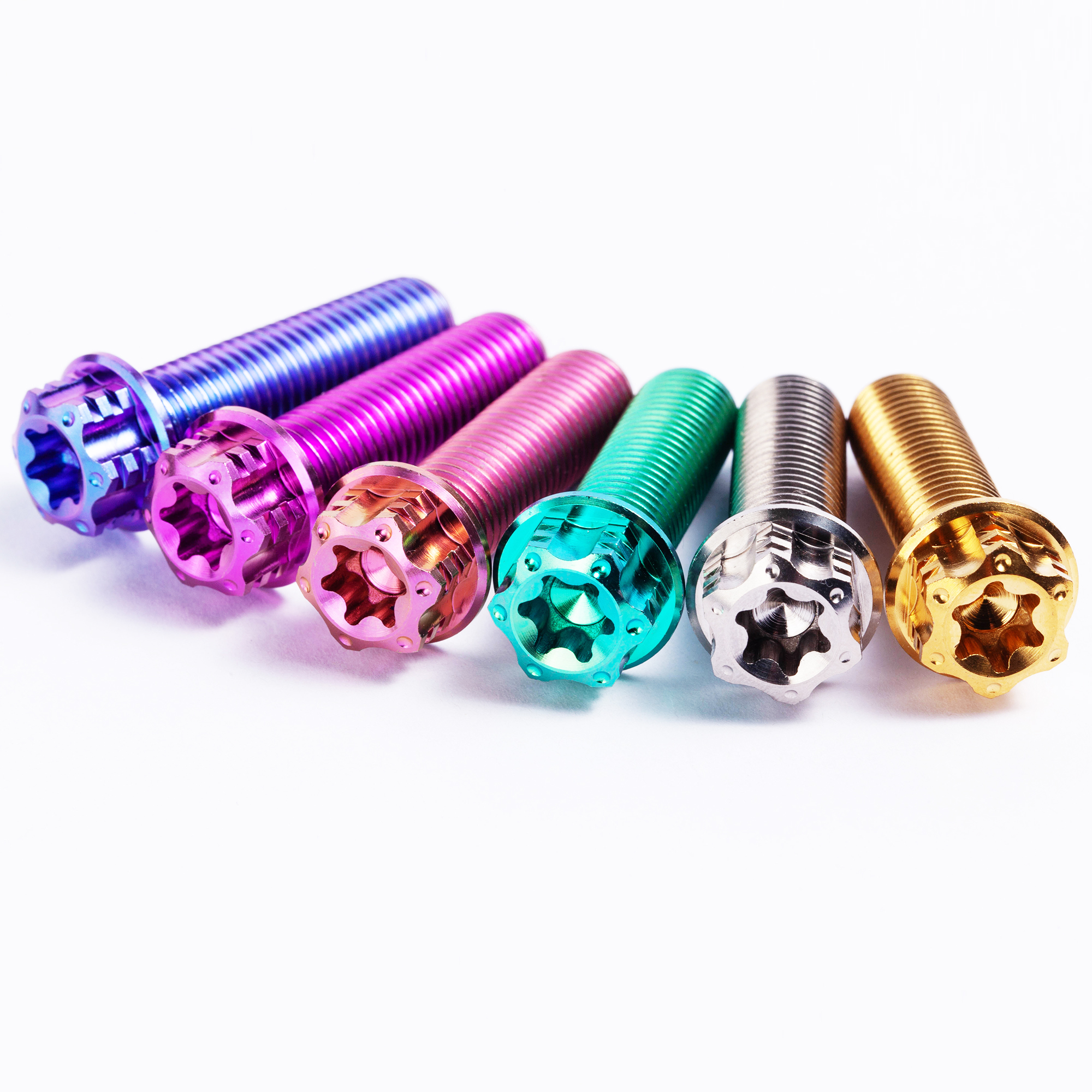
BST-TI ISO Certified Anodized Titanium Gr5 Flange Torx 12-Point Bolts
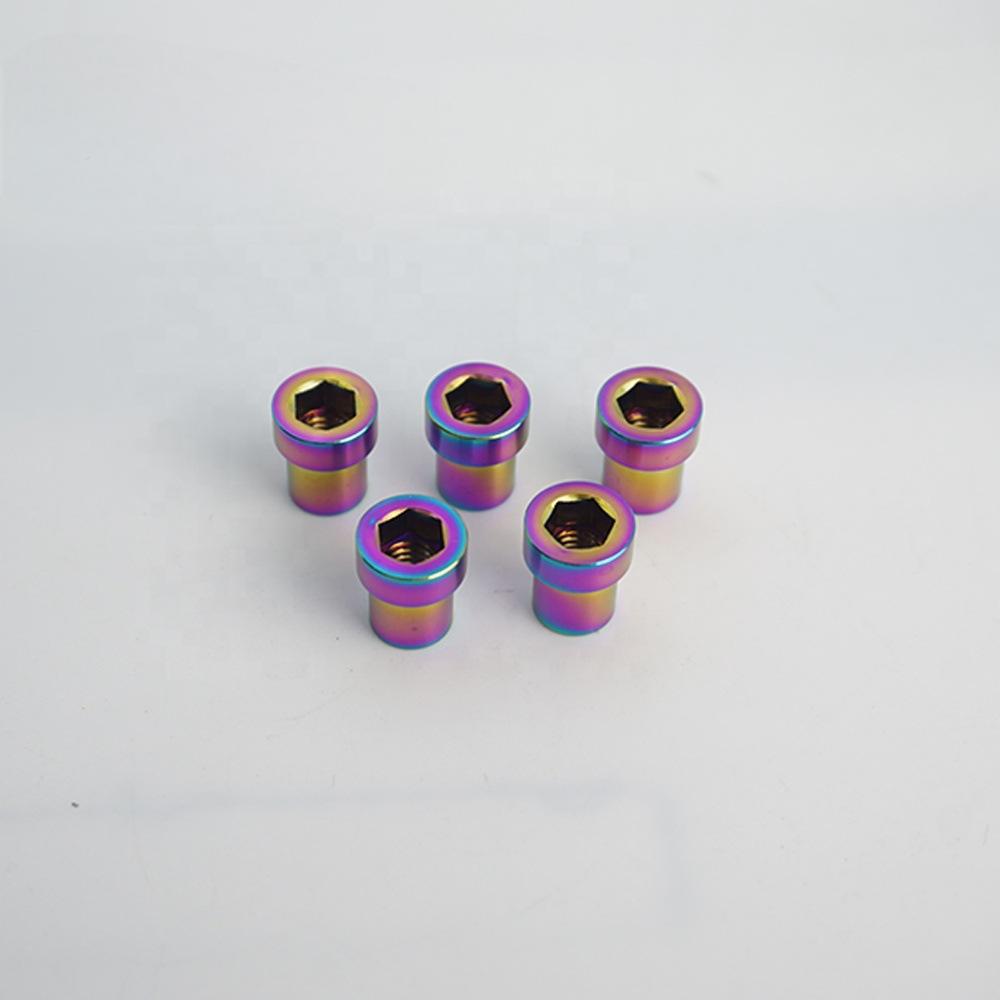
TC4 Titanium M5 Hex Locking Bolts for Carbon Composite Stems & Clamps
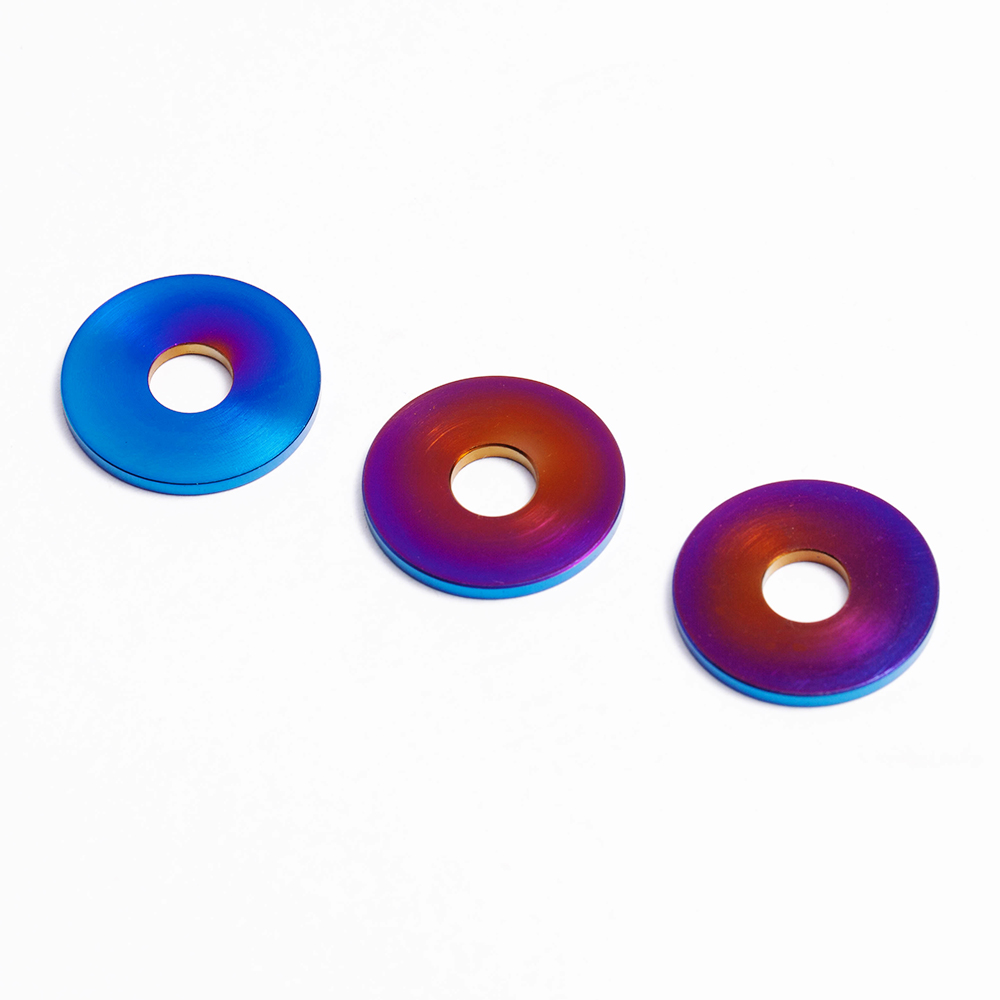
BST-TI Gr5 Titanium Burnt Blue Anodized 5mm Precision Washer Spacer
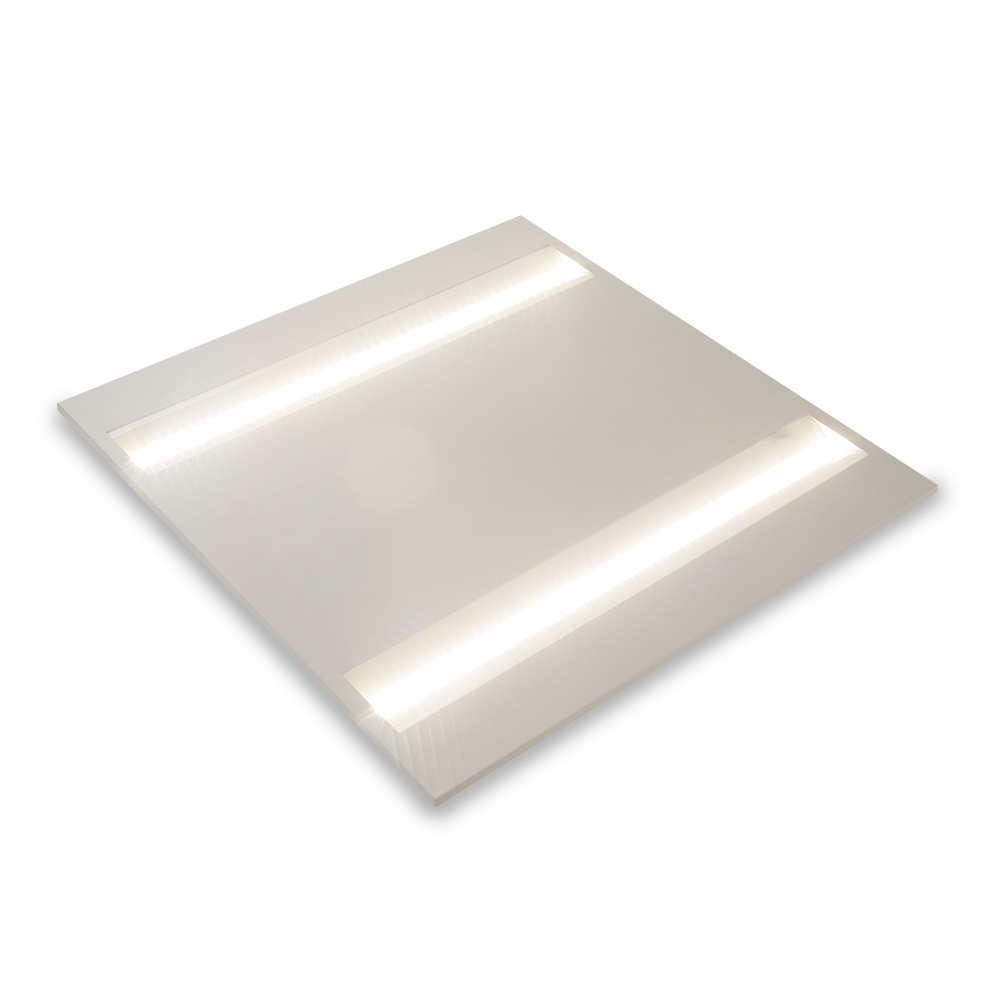
LENS 13 Precision Enclosure & Inspection Lighting with Multi-Color Optima
Navigating Titanium Machining in Greater Boston's Innovation Corridor
From the Kendall Square bio-robotics corridor in Cambridge to the aerospace-defense corridors bordering Route 128 (I-95) and I-495, Greater Boston represents one of the world's most concentrated demands for precision titanium CNC components. However, titanium's mechanical characteristics—low thermal conductivity, extreme chemical reactivity at elevated temperatures, and aggressive work-hardening behavior—make contract manufacturing a high-barrier discipline.
Low Thermal Conductivity
Titanium (Ti-6Al-4V) conducts heat at only ~6.7 W/m•K—roughly 1/6th that of carbon steel. In CNC machining, over 80% of generated cutting heat transfers directly into the cutting tool edge rather than dissipating via chips. Without specialized high-pressure through-spindle cooling and rigid tooling, thermal degradation causes micro-chipping and dimensional drift beyond ±0.02 mm.
Modulus of Elasticity & Springback
Titanium's elastic modulus (~114 GPa for Gr5) is roughly half that of stainless steel (200 GPa). Thin-walled components for medical endoscopes or aerospace brackets flex significantly under tool pressure. Precision factories must engineer custom dampening fixtures, multi-pass step turning, and balanced continuous toolpath strategies to eliminate chatter.
Thread Galling & Surface Tribology
Titanium fasteners in dynamic or sterile environments face intense adhesive wear (galling). High-tier exporters utilize cold thread rolling (which maintains continuous grain lines) rather than single-point thread cutting, combined with Physical Vapor Deposition (PVD) titanium nitride or Type II/III anodizing to establish durable anti-seize performance.
Top 10 Custom Titanium Machining Factories & Exporters Serving Greater Boston
An engineering-vetted evaluation of contract manufacturers, precision machine shops, and overseas export hubs delivering certified titanium hardware to Massachusetts OEMs.
| Manufacturer / Exporter | Primary Production Hub | Core Capabilities & Equipment | Certified Standard | Best Fit for Boston Buyers |
|---|---|---|---|---|
| 1. Wexra Titanium Products | Zhejiang Export Hub / Global DDP | 5-Axis CNC, Swiss micro-turning, Cold Thread Rolling, PVD/Anodizing | ISO 9001:2015 • RoHS | High-mix production, OEM medical/robotic fasteners, custom hardware with strict cost-to-tolerance ratios. |
| 2. Cambridge Precision Machine Works | Waltham / Route 128, MA | 3-Axis & 5-Axis Milling, Wire EDM, Rapid Tooling | AS9100D | Same-week R&D prototyping for MIT/Harvard incubator hardware projects. |
| 3. Bay State Titanium Technologies | Worcester County, MA | Heavy-duty horizontal milling, titanium bar stock machining | ISO 9001 • ITAR | Defense prototypes, structural marine housings, and naval propulsion brackets. |
| 4. New England Micro-Machining Co. | Middlesex County, MA | Multi-spindle Swiss CNC, micro-drilling (<0.5 mm) | ISO 13485 | Orthopedic bone screws, spinal cage anchors, and surgical robotics micro-pins. |
| 5. Titan Precision CNC Hub | Baoji Titanium Valley Export Facility | Ingot melting, custom forging, mill-turn centers | ISO 9001:2015 | High-volume titanium bar, billet processing, and standard DIN fastener exporting. |
| 6. Boston Aero-Space Machining | Bedford / Hanscom Corridor, MA | Cryogenic CNC milling, dynamic balancing, CMM laser scanning | ITAR Registered • AS9100 | Classified radar brackets, satellite housings, and missile guidance chassis. |
| 7. Atlantic Titanium Components | Shenzhen Advanced Machining Park | High-speed CNC, multi-axis automated pallet cells | ISO 9001 • IATF 16949 | Consumer electronics titanium enclosures, camera chassis, and high-volume EDC frames. |
| 8. Middlesex Precision Turning | Framingham, MA | Live-tooling CNC lathes, cylindrical grinding | ISO 9001:2015 | Custom pneumatic valves, titanium fluid manifolds for Boston biotech labs. |
| 9. Pacific Edge Titanium Machining | Dongguan Precision Tooling Zone | Wire cut EDM, optical profile grinding, hard anodizing | ISO 9001 • RoHS | Aftermarket high-performance racing components and custom cycling titanium hardware. |
| 10. North Shore Precision Defense | Peabody / Danvers, MA | 5-Axis high-torque gantry milling, non-destructive testing | MIL-SPEC • ITAR | Naval sonar equipment, subsea pressure vessels, and oceanographic deep-tow hardware. |
Material Grade Selection: Titanium Metallurgy for Boston Engineers
Selecting the correct titanium alloy specification prevents over-engineering and catastrophic fatigue failure in mission-critical applications.
Ti-6Al-4V (Grade 5 / TC4 / UNS R56400) • The Workhorse Alloy
An alpha-beta alloy combining high yield strength (≥828 MPa) with outstanding fatigue resistance. Represents ~50% of total titanium usage across Boston's industrial ecosystem.
- Tensile Strength: 895 – 1000 MPa
- Hardness: 30 – 36 HRC (Rockwell C)
- Application: Load-bearing robotic linkages, caliper bolts, UAV motor mounts.
- Machining Note: Requires carbide tooling with positive rake geometry and flood high-pressure coolant.
Grade 2 (Commercially Pure / UNS R50400) • Maximum Corrosion Resistance
Unalloyed titanium offering remarkable resistance to oxidizing media, seawater, and chemical salts found in Massachusetts marine and pharmaceutical facilities.
- Tensile Strength: 345 – 450 MPa
- Ductility / Elongation: ≥ 20% (Superior formability)
- Application: Fluid fittings, chemical processing impellers, marine transducers.
- Machining Note: Tends to produce stringy chips; requires chip breakers and frequent tool indexing.
Ti-3Al-2.5V (Grade 9 / UNS R56320) • High-Strength Tubing & Fasteners
Commonly referred to as "half-6-4", Grade 9 provides 20-50% higher strength than CP grades while remaining much easier to cold-work and draw into precision micro-fasteners.
- Tensile Strength: 620 – 750 MPa
- Density: 4.48 g/cm³
- Application: Hydraulic aircraft tubing, high-end bicycle frames, lightweight button-head screws.
- Machining Note: Excellent response to thread rolling, creating defect-free roots and crowns.
Ti-6Al-4V ELI (Grade 23 / ASTM F136) • Medical & Cryogenic Purity
Extra Low Interstitial (ELI) variation of Grade 5 with tightly restricted iron (Fe ≤ 0.25%) and oxygen (O ≤ 0.13%) content, maximizing fracture toughness.
- Fracture Toughness (K1c): ≥ 75 MPa√m
- Biocompatibility: Meets ISO 10993 and ASTM F136 surgical standards.
- Application: Bone anchors, orthopedic implants, cryogenic space sensors.
- Traceability: Requires full EN 10204 3.1 chemical verification and ultrasonic inspection.
Custom Titanium Applications Across Greater Boston Clusters
How Massachusetts engineering innovators leverage precision titanium components to overcome thermal, weight, and corrosive operating challenges.
Surgical Robotics & MedTech
Boston's world-leading medical device corridor relies on non-magnetic Grade 5 ELI titanium shafts, micro-fasteners, and articulated robotic end-effector housings. Titanium's MRI compatibility and sterilizability make it indispensable for minimally invasive surgical equipment.
Aerospace, UAVs & Defense
Defense contractors and autonomous flight laboratories located near Hanscom Air Force Base integrate lightweight Gr5 titanium brackets, turbine shrouds, and sensor housings to reduce payload mass while withstanding intense g-force vibration without structural fatigue.
Marine Robotics & Oceanography
Subsea exploration vehicles, acoustic Doppler profilers, and benthic research sensors operating off Massachusetts coastal waters deploy Grade 2 and Grade 5 titanium housings. Titanium is completely immune to microbiologically influenced saltwater corrosion.
Academic Labs & Spin-Offs
Hardware spin-offs emerging from MIT and Harvard laboratories deploy custom CNC titanium components in quantum computing dilution refrigerators, high-vacuum test chambers, and precision optical instrumentation requiring near-zero thermal expansion artifacts.
2025 Sourcing Trends Shaping New England's Titanium Procurement
Supply chain fragility, geopolitical shifts, and advanced manufacturing technologies have altered how Boston purchasing teams structure titanium contracts.
Hybrid Global-Local Sourcing
Boston firms are adopting a bifurcated sourcing model: local Massachusetts machine shops handle initial 1-5 unit rapid design validation, while qualified ISO 9001:2015 offshore factories like Wexra execute series production of 500 to 50,000 units at 40-60% reduced unit cost without sacrificing tolerance control.
Demand for 100% MTC Traceability
With heightened regulatory scrutiny from the FDA and defense audit agencies, New England buyers no longer accept uncertified titanium stock. Factory shipments must include Mill Test Certificates (MTC EN 10204 3.1) stating exact chemical composition (O, N, H, C, Fe) and mechanical tensile yield verification.
Adoption of Rolled Threads & PVD
To resolve historical titanium galling dilemmas, forward-thinking procurement engineers require thread-rolled fasteners instead of single-point cut threads. Cold rolling work-hardens the flank and crown, boosting fatigue life by >30%, while Physical Vapor Deposition (PVD) finishes yield low-friction, high-hardness surfaces.
Why Boston Procurement Leaders Partner with Wexra Titanium
Bridging high-precision engineering standards with scalable Chinese direct manufacturing excellence.
ISO 9001:2015 • RoHS • REACH
Our Jiaxing production facility operates under rigorous ISO 9001:2015 process controls. Every manufacturing stage—from bar receiving, CNC roughing, 5-axis finishing, to ultrasonic bath cleaning—is tracked via batch serialization and verified with full CMM inspection records.
Tight ±0.01 mm Tolerance Band
Equipped with specialized high-rigidity CNC machining centers, Swiss automated lathes, and dedicated titanium diamond tooling, Wexra consistently holds micro-tolerances down to ±0.01 mm on shafts, internal hex sockets, optical spacers, and precision-threaded hardware.
Dedicated North American Logistics
We provide seamless DDP (Delivered Duty Paid) door-to-door logistics directly to facility loading docks throughout Boston, Cambridge, and the I-495 ring. Express air shipments arrive at Logan International Airport (BOS) in 4-6 business days, accompanied by English-language customs documentation.
Frequently Asked Questions by Boston Sourcing Teams
Straightforward technical and commercial answers addressing tariffs, DFARS compliance, thread galling, and international DDP delivery.
What are the key trade tariff and logistics considerations when importing custom titanium parts into Boston?
How does Wexra resolve the risk of thread galling in custom titanium fasteners?
Can Wexra supply full Mill Test Certificates (MTC) matching ASTM F136 or AMS 4928 standards?
How does Wexra support Boston defense and ITAR-restricted projects?
What are typical prototype and volume lead times to Greater Boston?
What surface finishing options are available for medical and optical equipment?
Accelerate Your Titanium Sourcing Pipeline
Upload your 2D drawings (PDF/DXF) or 3D models (STEP/IGES). Our senior titanium machining engineers will provide a comprehensive DFM manufacturability evaluation, raw material allocation, and competitive quotation within 8 hours.