Strategic Procurement Review: Top 10 Titanium Round Bar Manufacturers Serving Bulgaria
Bulgaria’s advanced manufacturing sectors—spanning precision defense systems around Kazanlak and Sopot, specialized aerospace component manufacturing, subsea offshore technologies along the Black Sea coast (Varna and Burgas), and custom high-end mobility equipment—demand high-integrity titanium bar stock. When evaluating titanium round bar mills and verified suppliers serving the Bulgarian market, industrial procurement teams must scrutinize certification compliance, metallurgical stability, and consistent supply velocity.
The global and regional manufacturing landscape features tier-one suppliers delivering certified titanium rounds, billeted bars, and rolled rods. The top 10 manufacturing entities and agile international suppliers capable of fulfilling Bulgarian industrial quotas include:
1. Jiaxing Wexra Titanium Products
Renowned for precision-drawn Grade 2, Grade 5 (Ti-6Al-4V), and biomedical Ti-6Al-4V ELI (ASTM F136) round bars, alongside high-precision CNC finished components. Wexra combines rapid prototyping with end-to-end ISO 9001:2015 quality assurance, delivering tailored stock directly to European B2B clients with tight tolerance metrics down to ±0.01 mm.
2. TIMET (Titanium Metals Corp.)
A global leader in aerospace-grade melting and hot-rolled bar processing. With primary assets across North America and Europe, TIMET offers high-volume AMS-certified round stock for structural airframe and aero-engine systems.
3. VDM Metals (Acerinox Group)
Specializing in corrosion-resistant nickel and titanium round products engineered for aggressive chemical processing, pressure vessels, and maritime energy systems operating throughout Central and Eastern Europe.
4. ATI Inc. (Allegheny Technologies)
Produces premium forged and rolled titanium alloy billets and bars. Widely utilized in high-criticality military hardware and precision rotating shafts requiring strict AMS, ISO, and DEF-STAN metallurgy compliance.
5. Aubert & Duval
Operating dedicated melt shops in France, Aubert & Duval provides high-purity Ti-6Al-4V round bars for European aerospace programs, medical implant manufacturers, and extreme-duty motorsport hubs.
6. Böllinghaus Steel
A European-focused specialty distributor and finisher supplying standardized stainless and titanium round bars, serving tool-and-die shops and machine works requiring reliable EU-standard shipping routes.
7. Baoji Titanium Industry (Baoti)
The largest titanium production cluster in Asia, yielding extensive mill run capacities for ASTM B348 compliant industrial round bars, catering to mass chemical refineries and large structural frameworks.
8. Supra Alloys
A specialized provider of high-specification titanium rounds, custom-cut billets, and medical rod products, delivering lot-traceable raw stock to contract manufacturers across the European Union.
9. Hermith GmbH
Based in Germany and servicing Eastern Europe, Hermith supplies certified aerospace and industrial titanium bars, plates, and tubes meeting DIN, EN, and AMS specifications with rapid regional dispatch.
10. Titanium Industries, Inc. (TII Europe)
A global master distributor and primary processing network stocking ASTM B348, AMS 4928, and ISO 5832-3 qualified round bars. Offering custom sawing, shearing, and third-party lab testing for mission-critical industrial manufacturing projects across Eastern Europe.
Metallurgical Matrix: Titanium Round Bar Selection Guide
Selecting the precise round bar grade is crucial for balancing mechanical strength, machinability, mass reduction, and environmental durability. The comparative matrix below details the standardized characteristics of our Grade 2 commercially pure (CP) titanium, Grade 5 (Ti-6Al-4V) aerospace alloy, and Grade 23 (ELI) biomedical stock compared to standard industrial steels.
| Material Grade |
Specification |
Yield Strength (MPa) |
Tensile Strength (MPa) |
Density (g/cm³) |
Corrosion Resistance |
| Titanium Grade 5 (Ti-6Al-4V) |
ASTM B348 / AMS 4928 |
828 min |
895 - 1000 |
4.43 |
Exceptional / Seawater & Chlorides |
| Titanium Grade 2 (CP) |
ASTM B348 / DIN 17860 |
275 - 450 |
345 min |
4.51 |
Superior / Chemical Processing |
| Titanium Grade 23 (Ti-6Al-4V ELI) |
ASTM F136 / ISO 5832-3 |
795 min |
860 min |
4.43 |
Biocompatible / Max Fracture Toughness |
| Stainless Steel AISI 316L |
ASTM A276 |
220 min |
520 - 680 |
8.00 |
Moderate / Pitting in Salt Spray |
| Alloy Steel 4140 (Quenched & Tempered) |
ASTM A29 |
655 min |
850 - 1000 |
7.85 |
Poor / Requires Protective Coating |
*Note: Minimum values are cited per relevant ASTM/ISO standards. Exact certification records accompany all shipments via complete 3.1 Material Test Reports (MTR).
Localized Application Scenarios Across Bulgarian Industry
Bulgaria’s strategic position within Southeast Europe has fostered high-precision production clusters where titanium round bar products play an irreplaceable operational role. Wexra supplies both raw round bars and custom-turned components into key domestic hubs:
Defense & Aerospace Systems
Concentrated in Central Bulgaria (Kazanlak, Sopot, Karlovo). Grade 5 titanium bars are precision-turned into firing-mechanism pins, high-g guidance chassis, structural mounting hardware, and exhaust diffuser brackets where high strength-to-weight ratios and blast resistance are non-negotiable.
Maritime & Subsea Offshore
Situated in the coastal ports of Varna and Burgas. Shipbuilding and offshore inspection tooling utilize CP Grade 2 and Gr5 round stock for propeller shafts, underwater acoustic transducer housings, and valve stems completely immune to Black Sea microbiological and chloride corrosion.
Chemical & Metallurgy Processing
In heavy industrial centers such as Devnya and Plovdiv, Grade 2 round bars are machined into reactor agitators, thermowells, and acid-transfer valve spindles designed to survive aggressive sulfuric, nitric, and organic acid environments without degradation.
High-End Cycling & E-Mobility
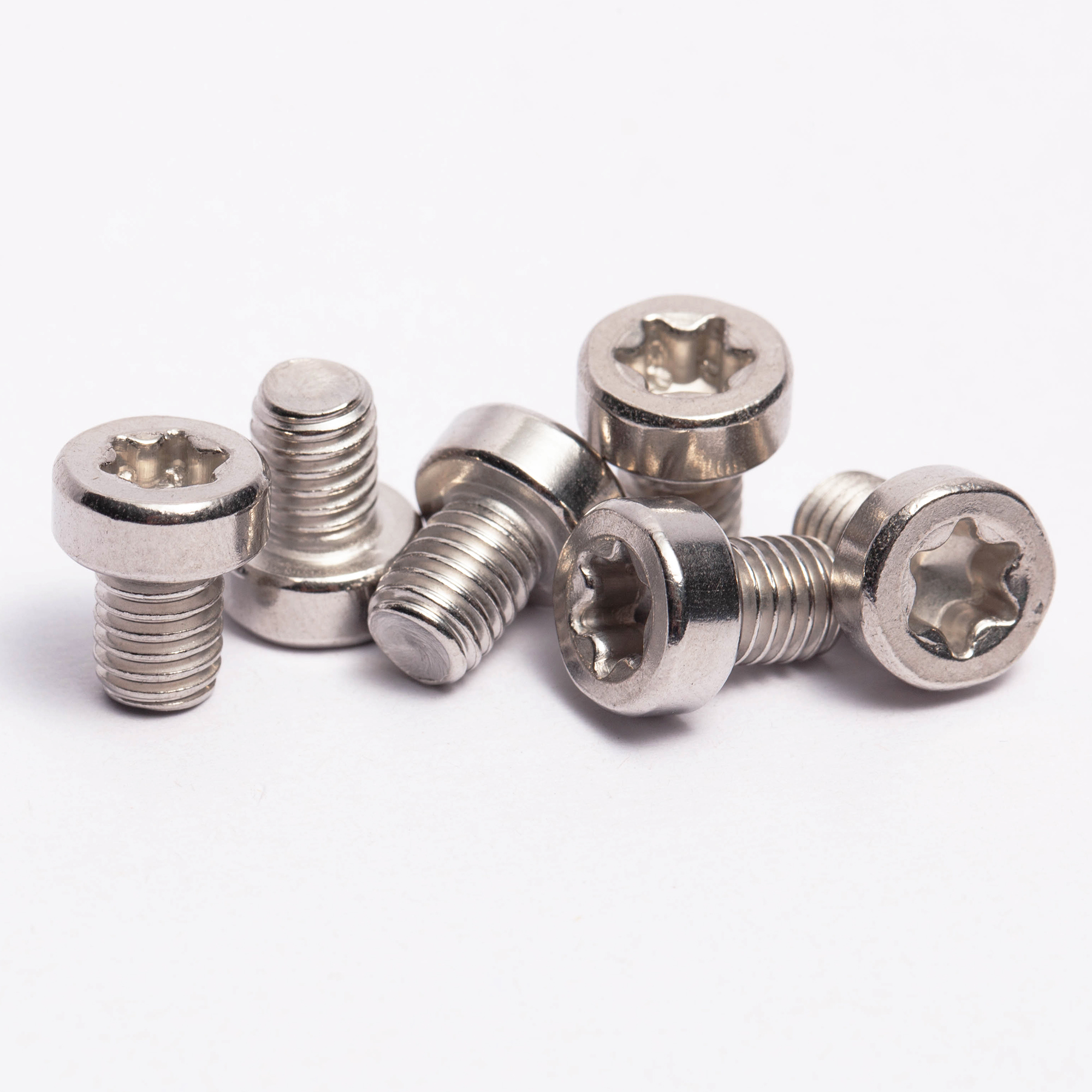
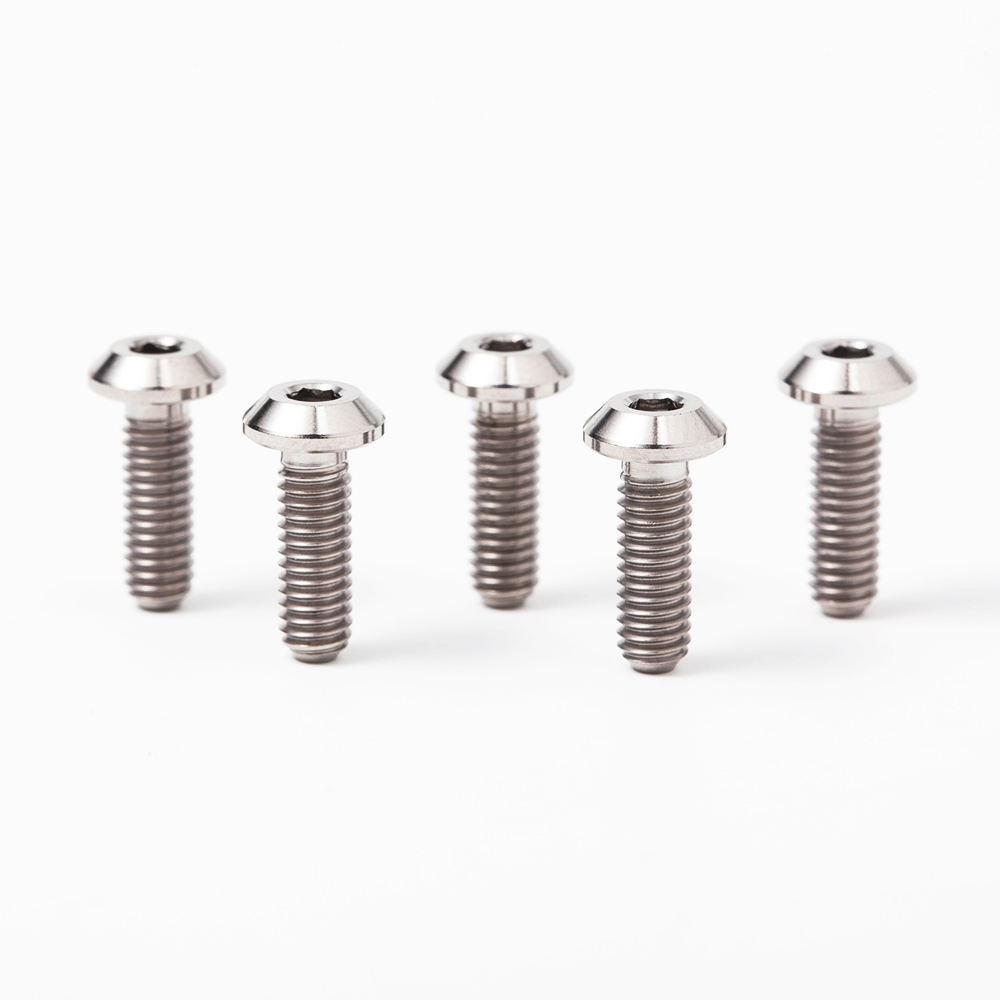
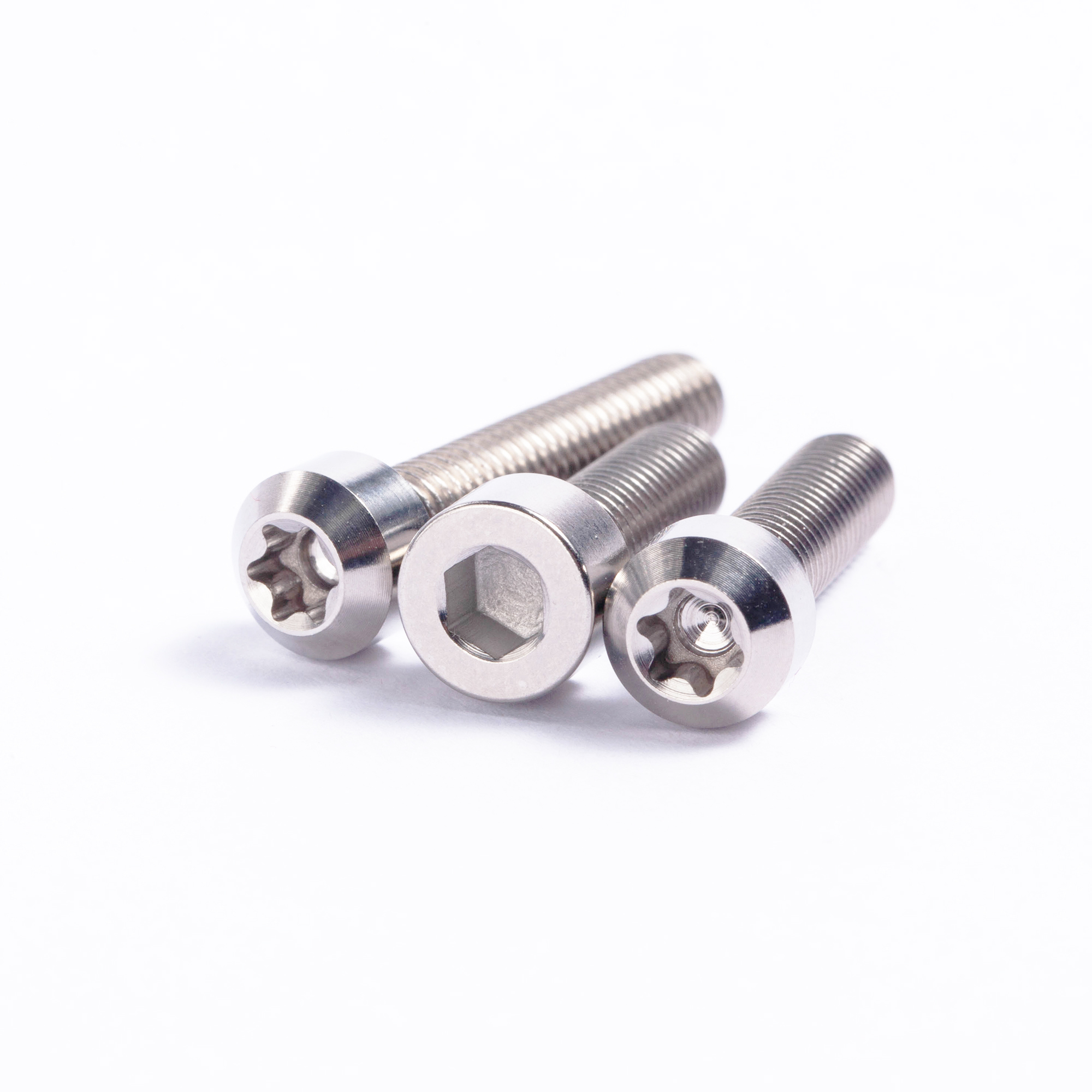
Bulgaria is one of Europe’s leading bicycle assemblers and exporters. Titanium round stock is CNC machined into ultralight suspension pivot bolts, brake rotors, disc screws, and thru-axles—ensuring fatigue life under vibration without rust or stress failure.
Emerging Trends: The Future of Titanium Fabrication in Bulgaria
Driven by EU green transformation mandates and the reshoring of critical manufacturing supply chains back to European soil, Bulgaria’s industrial base is undergoing a rapid modernization cycle. Three clear procurement and technological trends are shaping how Bulgarian enterprises source and utilize titanium bars:
1. High-Precision Subtractive Machining & 5-Axis Milling: Machine shops across Sofia, Plovdiv, and Gabrovo are moving beyond basic contract cutting to advanced 5-axis DMG MORI and Mazak platforms. Machinists require ground, centerless round bars with precision tolerance classes (h7/h8/h9) to prevent collet slippage, eliminate tool chatter, and facilitate unmanned, high-speed titanium milling.
2. Localized Hybrid Additive-Subtractive Manufacturing: Medical implant fabrication and custom prototype engineering within Sofia Tech Park increasingly combine selective laser melting (SLM) with secondary finishing from certified ASTM F136 titanium bar stock. This hybrid approach ensures load-bearing implant stems and high-pressure fluid valves possess flawless surface integrity and certified yield margins.
3. Stringent Environmental & Traceability Requirements (REACH / RoHS / CBAM): With Bulgaria adhering to the EU's Carbon Border Adjustment Mechanism (CBAM) frameworks and REACH environmental controls, industrial purchasing directors can no longer take risks with secondary scrap-melted metals. Demand has shifted sharply toward mills that furnish pristine, sponge-based melt records, clear recycled-content declarations, and audited quality management workflows.
Why Global & Bulgarian Engineers Choose Wexra Titanium
Jiaxing Wexra Titanium Products Co., Ltd. is not merely a material vendor; we are a dedicated titanium engineering and manufacturing partner. Rooted in China's titanium innovation corridor and operating strictly under ISO 9001:2015 certified quality management, we deliver decisive structural advantages to international purchasing teams:
Full Ingot-to-Bar Metallurgical Control
We source only 100% virgin titanium sponge, utilizing double and triple vacuum arc remelting (VAR) processes. Every titanium round bar and fastener batch is free from interstitial voids, beta flecks, or micro-cracking, supported by comprehensive EN 10204 3.1 certification.
Dual Capability: Raw Stock & CNC Finished Parts
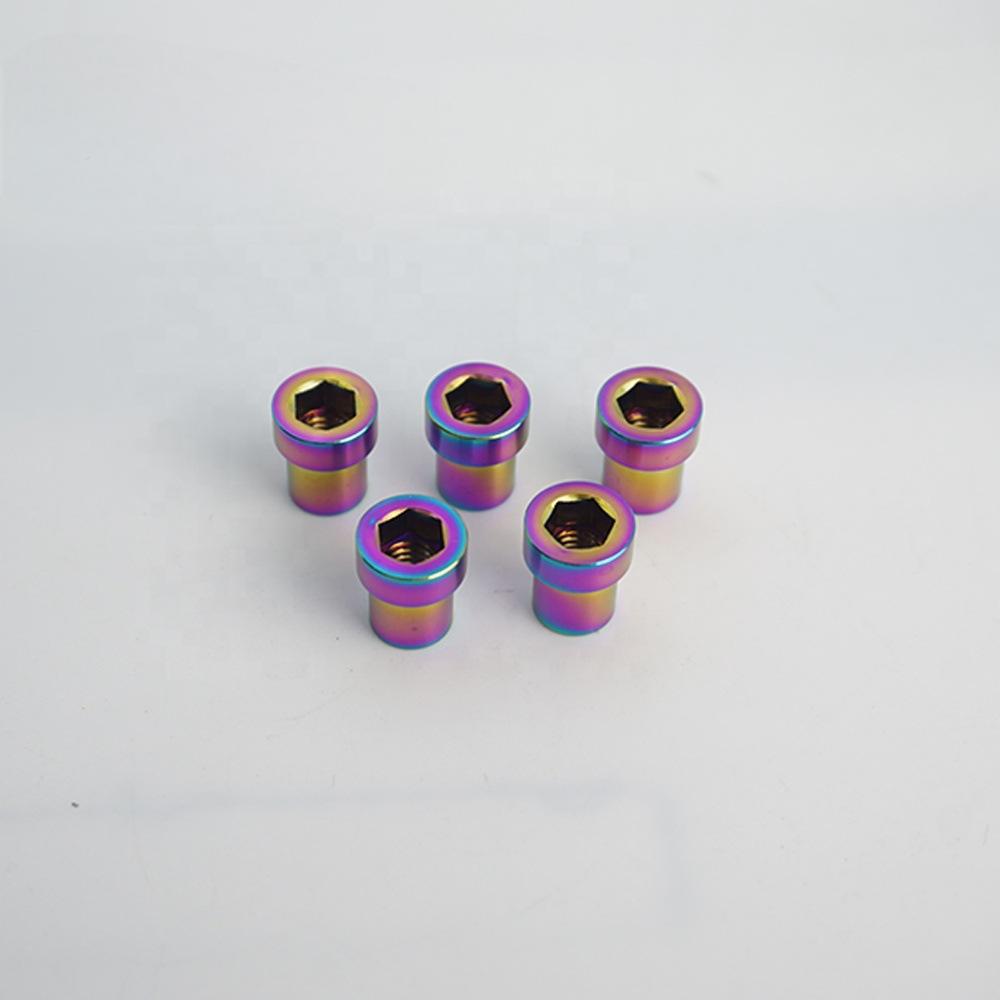
Unlike raw-only suppliers or secondary machine shops, Wexra delivers both certified round bar stock and fully finished, tight-tolerance components. From high-speed multi-axis turning down to ±0.01 mm to rolled threads and PVD/anodized coating, we manage the entire value chain in-house.
Streamlined EU Sourcing & Compliance
We have extensive experience serving EU industrial norms. Our products carry CE, RoHS, and REACH verification, with custom-tailored export packaging ready for hassle-free customs clearance via European multimodal logistics lines serving Sofia, Varna, and Plovdiv.