Precision-Machined Titanium Aircraft & Mechanical Fasteners
Manufactured from vacuum-melted Grade 5 (Ti-6Al-4V) and Grade 2 titanium bars. Featuring hot-forged heads, rolled threads for enhanced fatigue resistance, and rigorous dimensional verification.
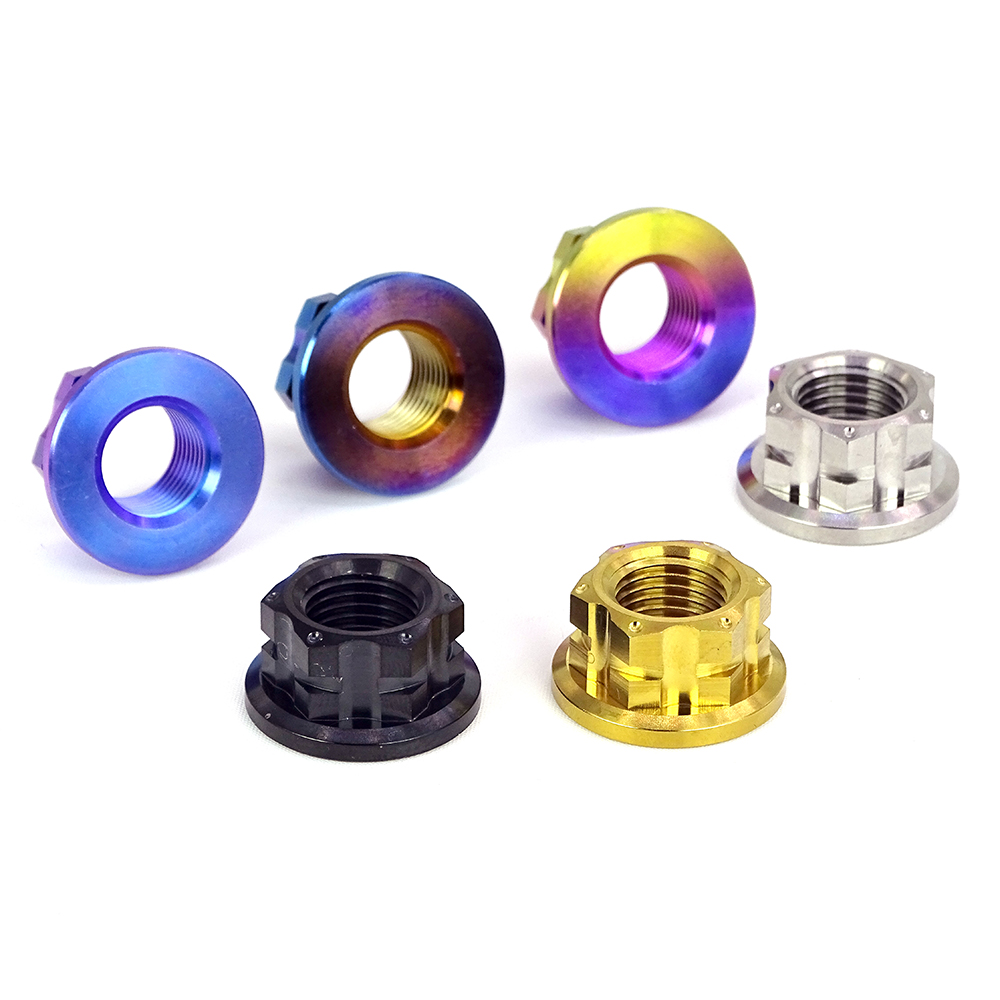
Titanium Alloy Hex Flange Locking Nut Grade 10.9 Equivalent
- MaterialTi-6Al-4V (Grade 5)
- StandardISO 9001 / Hot Forged
- ApplicationStructural Locking Assemblies
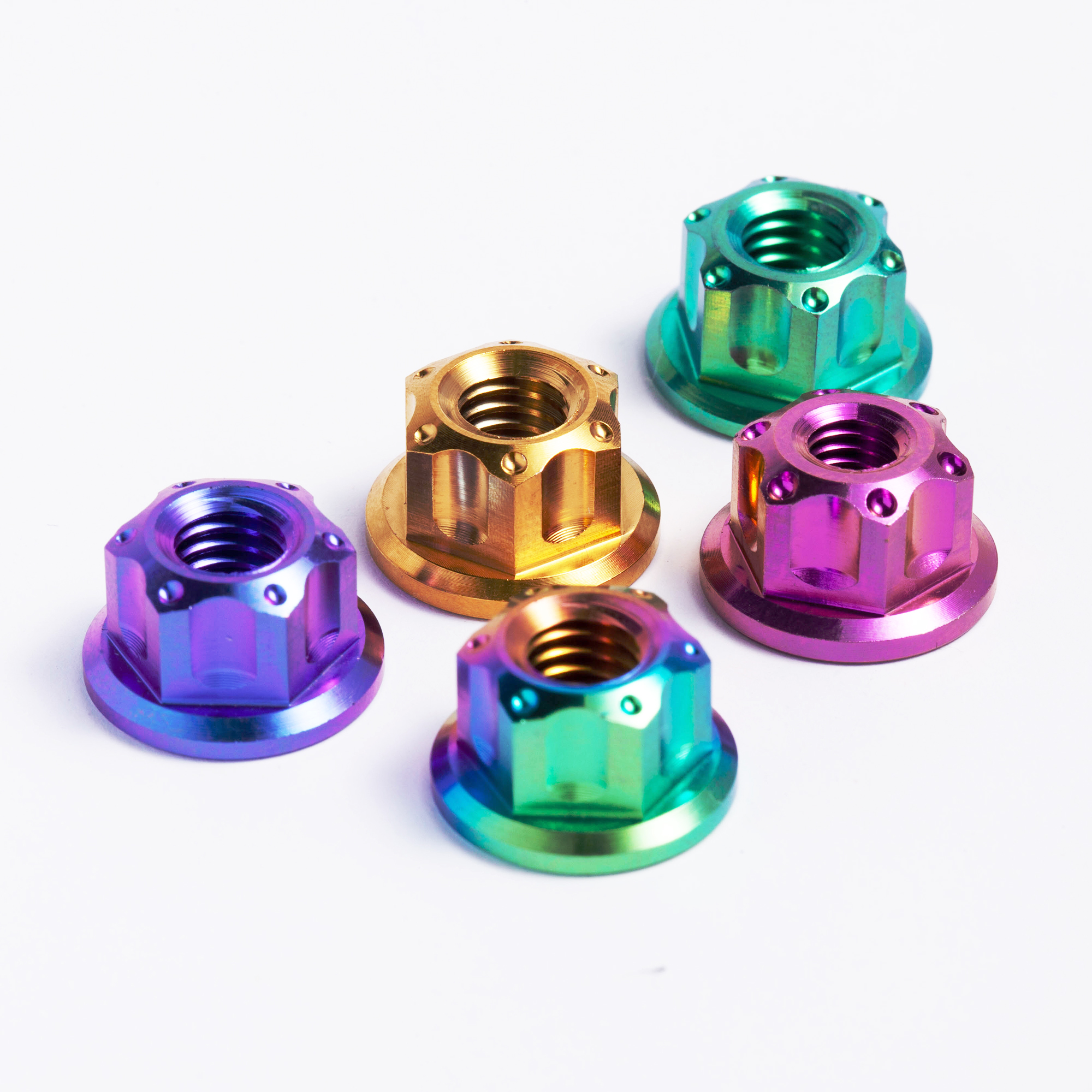
BST-TI MC-NUT-03 Gr5 Self-Locking Hex Flanged Aircraft Lug Nuts
- Size MatrixM5 to M12 × 1.5
- Tensile> 950 MPa
- ApplicationPropulsion & Avionics Brackets
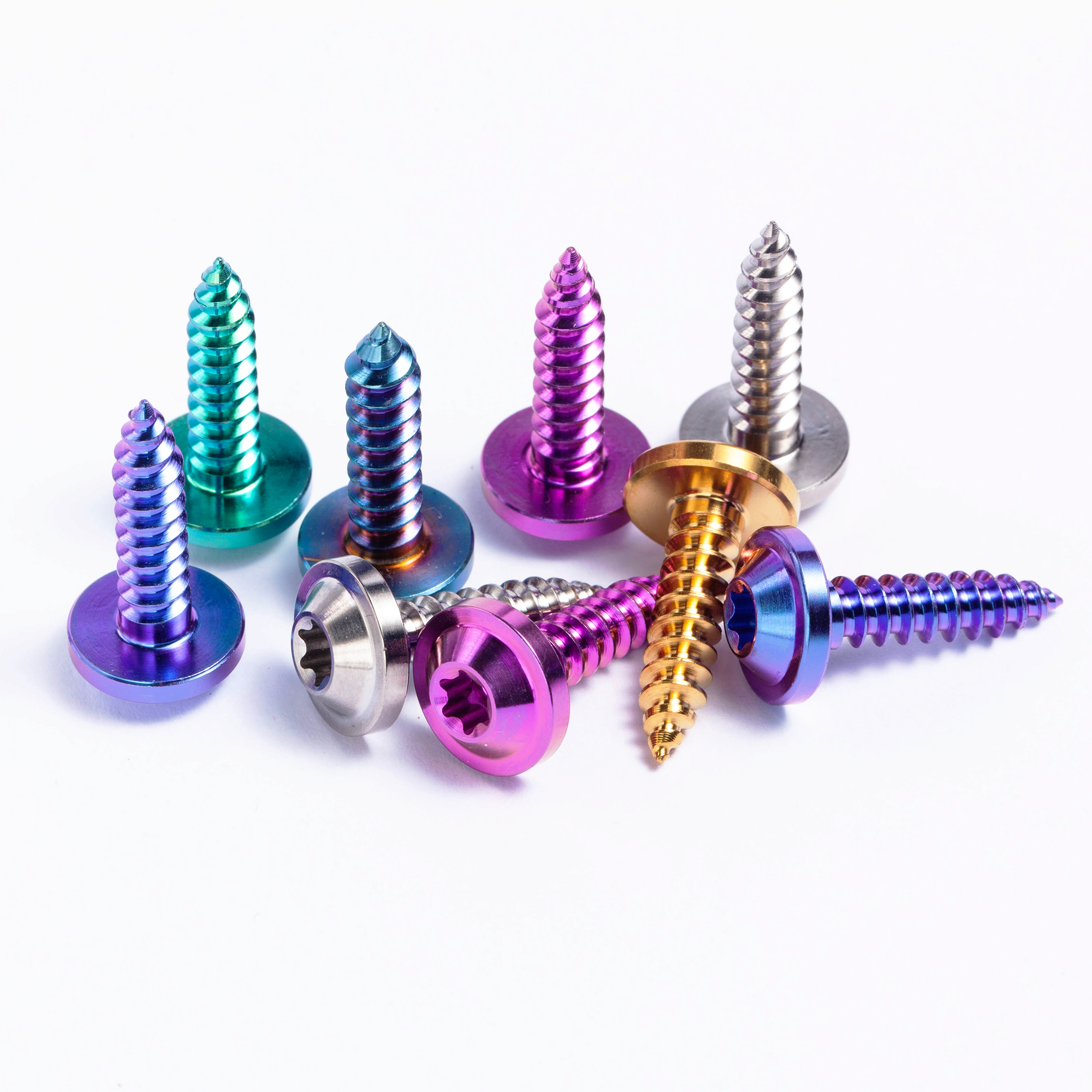
Polished Titanium Flat Head Flush Assembly Aerospace Screws
- Thread ProfileUNC / Metric Self-Tapping
- FinishMicro-Polished Ra < 0.4
- ApplicationAerodynamic Cowling & Covers
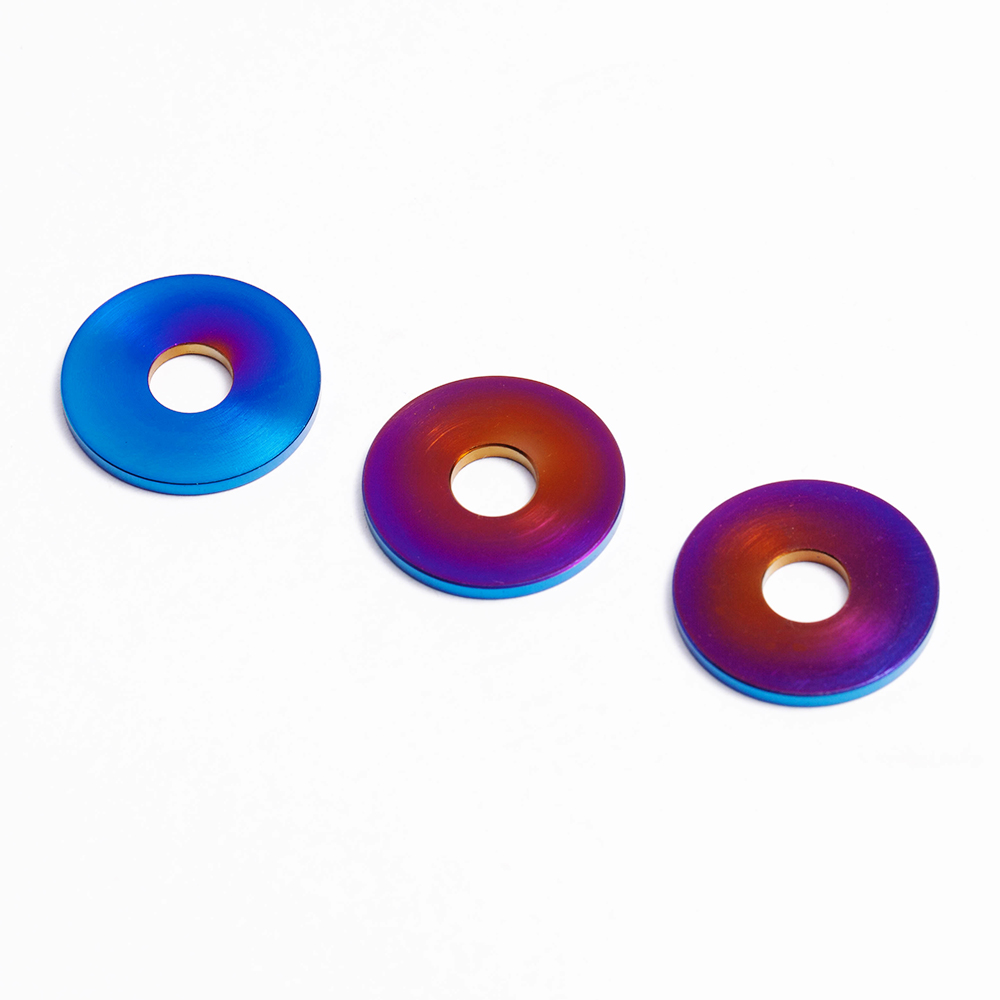
BST-TI Gr5 Anodized Load Distribution Spacer Washers
- Thickness5mm Precision Ground
- SurfaceType II Anodized / Burnt Blue
- ApplicationAirframe Structural Bushings
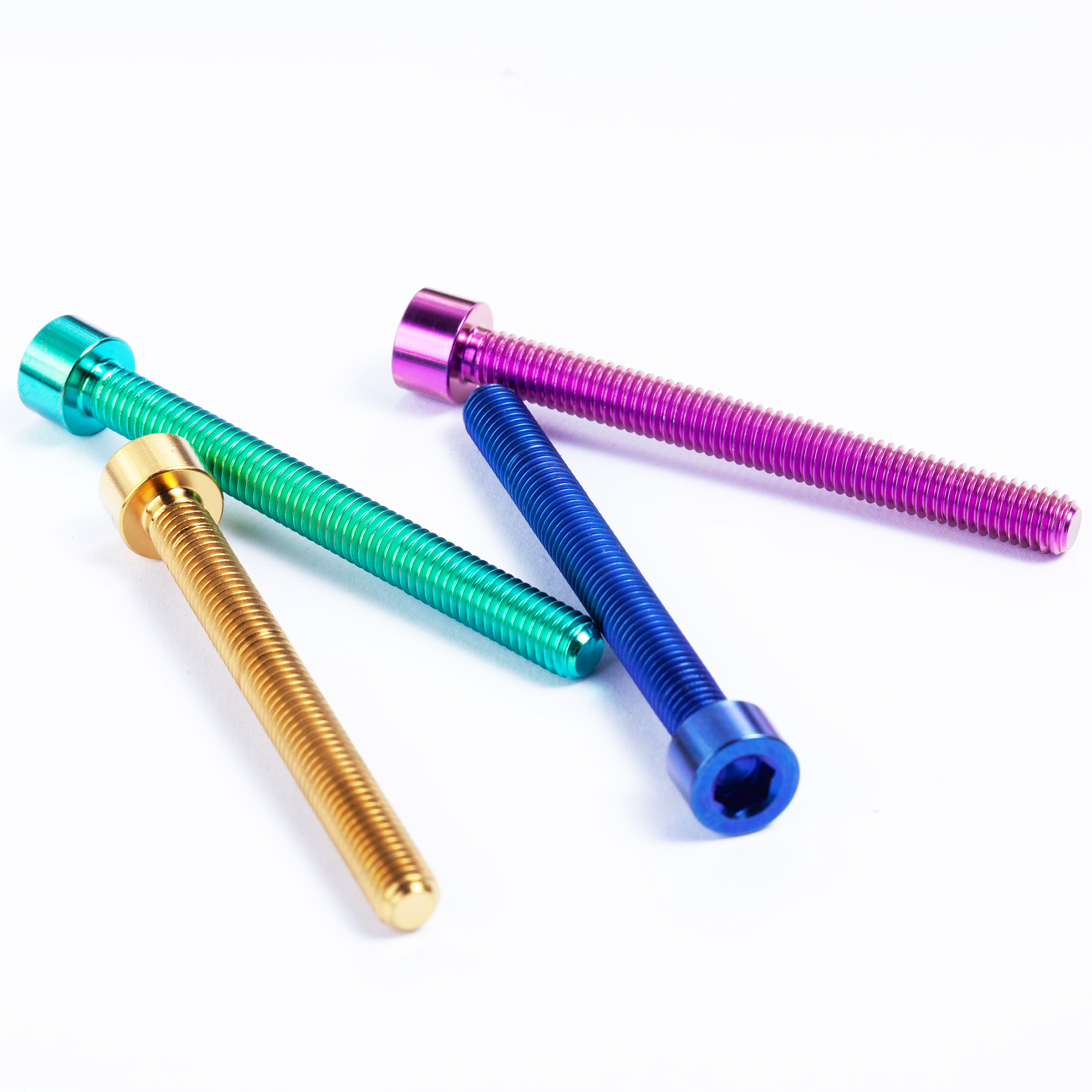
DIN Standard Hex Head Rotor & Cockpit Hardware Bolts
- DesignTorx / Hex Button Head
- Fatigue Life> 2 × 10^6 Cycles
- ApplicationRotor Mounts & Control Actuators
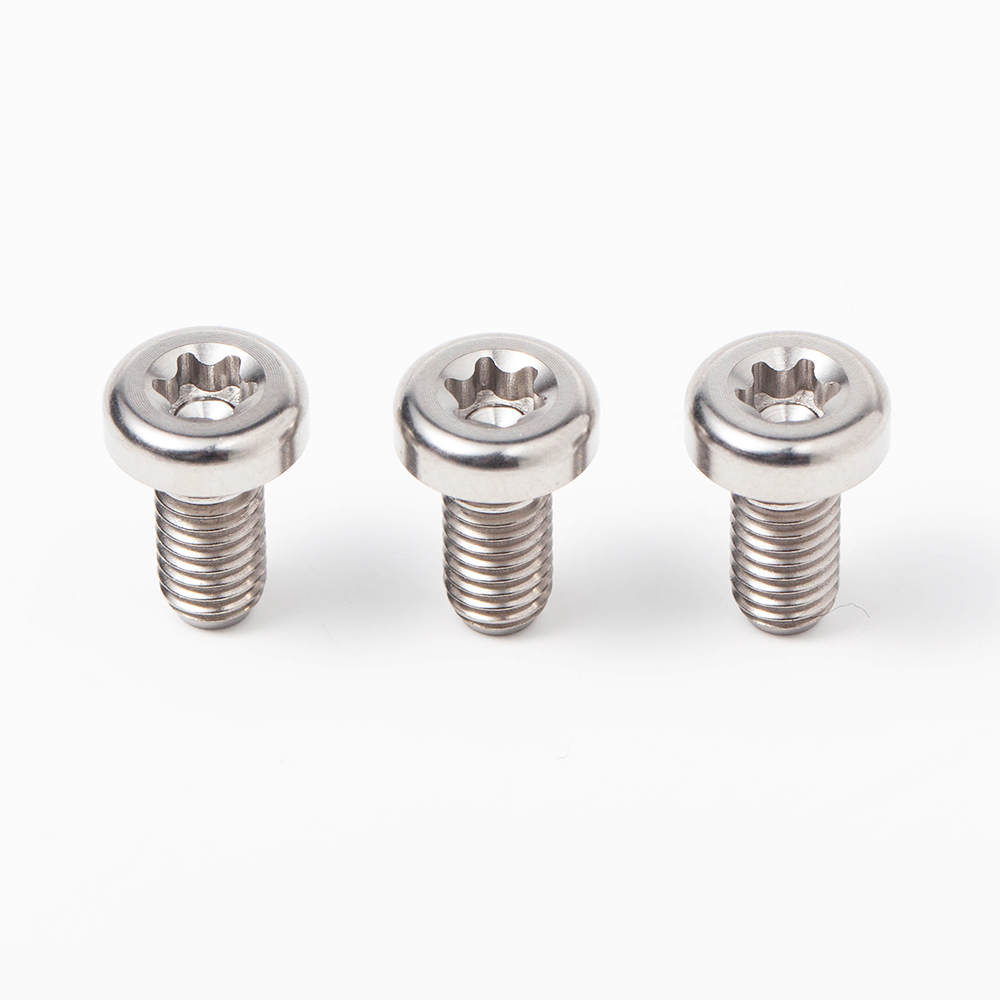
BST-TI M6/M8 Precision High-Strength Hex Socket Button Bolts
- DiameterM6, M8 Metric Threads
- StandardDIN 7380 / Aerospace Mod
- ApplicationFuselage Panels & Actuators
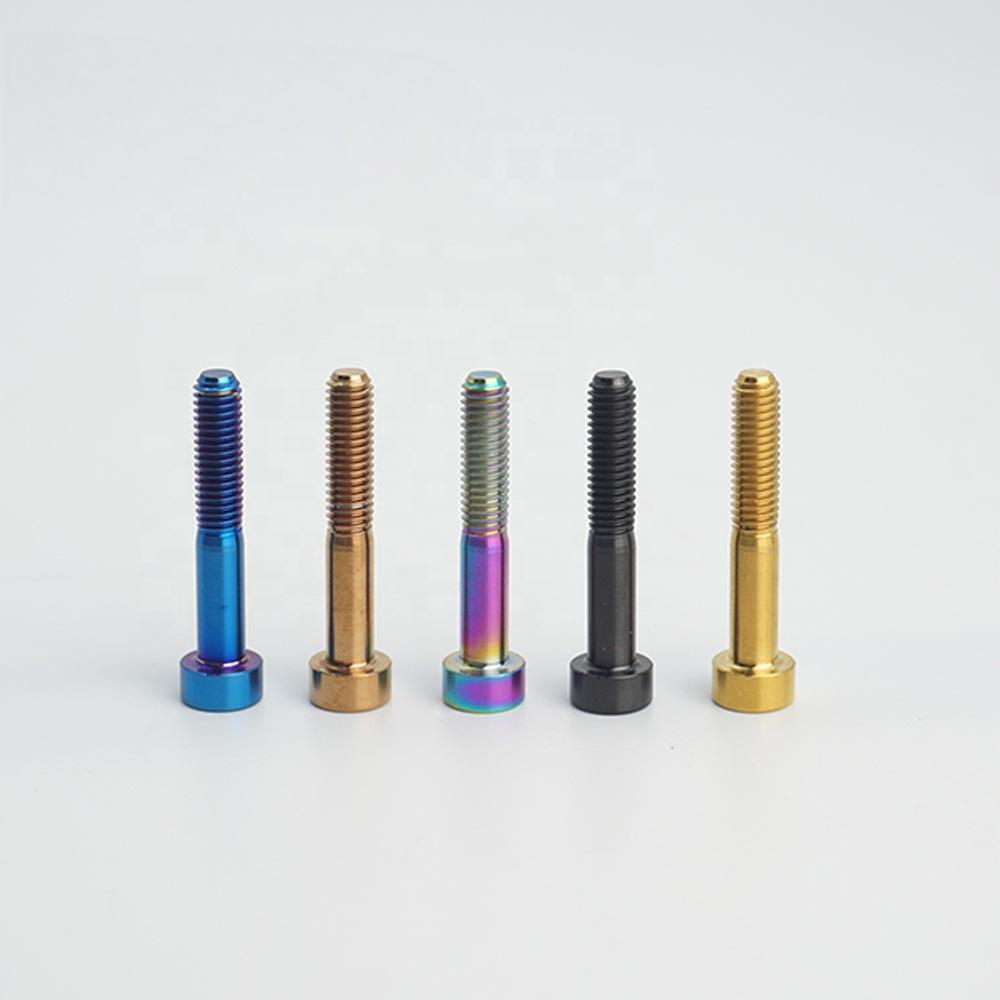
Tactical Black Titanium CNC Class 6 Low-Profile Bolts
- FinishNon-Reflective DLC/Black PVD
- Thread FormRolled Class 6g / UNJC
- ApplicationDefense Drone Structural Frames
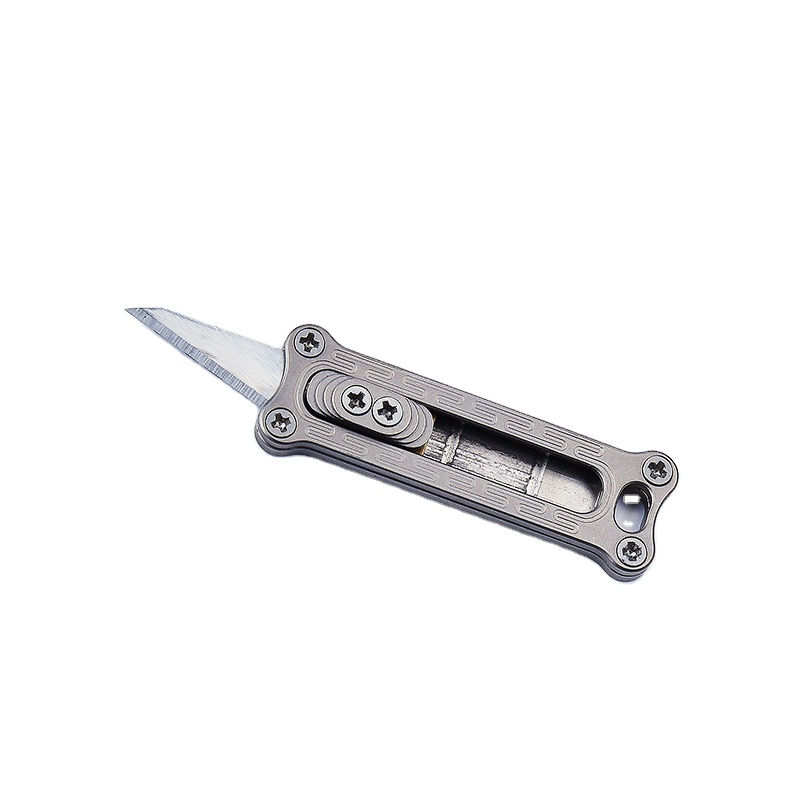
Aerospace Maintenance Grade Titanium EDC Multi-Tool Utility System
- ChassisGrade 5 CNC Skeleton
- FeatureNon-Sparking / Non-Corrosive
- ApplicationFlight Line & Crew Survival Kits
Engineering Superiority: China-to-Denmark Titanium Supply Chain Integration
In modern aerospace design, structural weight optimization and environmental durability dictate operational economics. For the Danish aviation and high-technology ecosystem—encompassing defense sub-tier suppliers, regional maintenance, repair, and overhaul (MRO) hubs in Billund and Copenhagen, and the emerging autonomous drone sector in Odense—transitioning critical hardware from 17-4PH stainless steel or Class 10.9 structural steel to Grade 5 Titanium (Ti-6Al-4V) delivers transformative mechanical advantages.
Titanium alloys boast an unmatched strength-to-density ratio (density of 4.43 g/cm³ versus 7.85 g/cm³ for alloy steels), slashing mechanical assembly weight by roughly 44% without compromising tensile strength. However, sourcing aerospace-grade titanium parts from China requires profound compliance verification. Wexra Titanium bridges high-volume precision CNC manufacturing in Jiaxing, China, directly with the stringent procurement criteria enforced by Danish civil and defense contractors.
Material Purity, Grain Structure, and Thread Rolling Metallurgy
A crucial point of failure in aerospace titanium fasteners is micro-crack propagation caused by defective machining techniques. Sub-tier manufacturers often rely on thread-cutting methods, which rupture the natural axial grain flow of the titanium alloy. Wexra Titanium implements CNC cold/warm thread rolling under strict ISO 9001:2015 process controls. Thread rolling compresses the crystal lattice along the flank and root of the thread, introducing compressive residual stresses that amplify fatigue life by over 300% under cyclical aerodynamic loading.
Every batch of Ti-6Al-4V is subjected to vacuum arc remelting (VAR), maintaining interstitial elements such as Oxygen (O < 0.20%), Nitrogen (N < 0.05%), and Hydrogen (H < 0.015%) well within AMS 4928 and ASTM B348 boundaries. This chemical purity eliminates the risk of hydrogen embrittlement—a paramount quality checkpoint for aircraft operating across harsh North Sea marine air corridors.
| Alloy & Property Grade | Density (g/cm³) | Yield Strength (MPa) | Tensile Strength (MPa) | Maritime Salt Spray (Hours) | Thermal Drift (ppm/K) | Compliance Check |
|---|---|---|---|---|---|---|
| Wexra Ti-6Al-4V (Grade 5) | 4.43 | 825 min | 895 - 1050 | 1000+ hrs No Pitting | 8.6 | AMS 4928 / ISO 9001 |
| Titanium Grade 2 (CP) | 4.51 | 275 min | 345 min | 1000+ hrs Resistant | 8.6 | ASTM B348 / RoHS |
| Aviation Stainless (17-4PH) | 7.78 | 790 min | 930 min | 240 hrs Minor Rust | 10.8 | AMS 5643 Validated |
| High-Tensile Steel 10.9 | 7.85 | 940 min | 1040 min | < 48 hrs Rust (Uncoated) | 11.5 | ISO 898-1 Certified |
Localized Aircraft & Aviation Applications Across Denmark
From maritime surveillance platforms patrolling the North Sea and Baltic waters to advanced composite airframes built for clean Nordic transit, titanium hardware serves mission-critical engineering functions.
Maritime Patrol & Coastal Surveillance Airframes
Aircraft and rotary-wing craft monitoring Danish shorelines endure continuous exposure to atomized sodium chloride. Wexra Gr5 fasteners form a passive, regenerative TiO₂ oxide film that renders them completely immune to galvanic corrosion when paired with carbon fiber reinforced polymer (CFRP) fuselages, eliminating structural blistering.
Autonomous UAS / Drone Hubs (Odense Cluster)
Denmark's UAS research testing corridor in Odense relies on tight payload limits. Replacing standard M3-M8 steel airframe screws with Wexra rolled-thread titanium bolts decreases deadweight substantially, directly translating to extended loiter flight endurance and increased sensor battery reserves.
Commercial MRO Operations (Copenhagen & Billund)
Commercial line maintenance stations frequently need rapid replenishment of high-stress engine nacelle, exhaust bracket, and cabin seat track hardware. Wexra provides precision CNC tolerances (down to ±0.01 mm) compliant with international aircraft overhaul dimensional constraints.
Emerging Trends in the Scandinavian Aerospace & Titanium Sector
Denmark has set an ambitious target of fossil-free domestic aviation by 2030. Achieving net-zero regional aviation involves hybrid-electric propulsion, hydrogen power plants, and radically lighter airframes. These forward-looking trends underscore why Danish aerospace engineers are actively recalibrating their bill of materials (BOM) in favor of high-performance titanium:
- Weight Abatement in Electric Vertical Takeoff & Landing (eVTOL): Battery weight remains an engineering bottleneck. Every 100 grams shed from mechanical structural mounts directly expands operational flight range. Titanium CNC milled connectors and titanium hollow bolts provide structural rigidity with 44% mass reduction compared to alloy steel.
- Cryogenic Hydrogen Containment Fastening: As Scandinavian innovators pilot liquid hydrogen combustion prototypes, standard steels become brittle at cryogenic storage thresholds (-253°C). Ti-6Al-4V ELI (Extra Low Interstitial) preserves remarkable ductile properties and impact toughness in sub-zero environments.
- Supply Chain Near-Sourcing with Transparent Audit Trails: While Danish manufacturers demand cost efficiency, European supply regulations (including EU REACH, RoHS, and ESG declarations) require rigorous material traceability. Tier-1 Danish buyers are turning to Chinese factories that maintain documented automated QA, avoiding intermediary markups.
Why Danish Buyers Partner with Jiaxing Wexra Titanium
Operating from our modern production facility in Jiaxing, Zhejiang, Wexra Titanium merges state-of-the-art multi-axis CNC machinery with thorough quality management protocols.
Dedicated Titanium Specialization Since 2018
We do not split focus with general carbon steel machining. Our 1000+ m² production floor is dedicated strictly to non-ferrous titanium metallurgy, eliminating ferrous cross-contamination on tooling lines.
Tight Machining Tolerances (±0.01 mm)
Equipped with Swiss-type CNC lathes and 4/5-axis CNC machining centers, we execute complex airframe turn-milling geometries, intricate lightening pockets, and custom UNJC/MJ thread profiles.
Full Traceability & Material Certificates
Every shipment delivered to Denmark comes with comprehensive EN 10204 3.1 Mill Test Certificates (MTC), chemical composition breakdown, dimensional run reports, and RoHS/REACH compliance records.
OEM / ODM Custom Manufacturing
Our engineers perform detailed Design for Manufacturability (DFM) reviews on step, iges, dwg, or sample submissions. We guide Danish procurement teams on optimizing tooling setup and raw material yield.
Specialized Aerospace Surface Finishing
From micro-polishing (Ra < 0.2) to Type II anodization and non-reflective physical vapor deposition (PVD) DLC black finishes, our surface processes do not compromise thread tolerance fit.
Responsive International Logistics
Exporting over 91% of our output globally, we support European transport corridors with expedited air freight (DHL/FedEx/UPS DDP services to Billund and Copenhagen airports within 4-7 business days).
Procurement & Technical FAQ for Danish Buyers
Direct technical answers regarding customs clearance, certifications, material behavior, and MOQ configurations.