Technical Whitepaper: Precision Anodized Titanium Metallurgy in Tropical Coastal Ecosystems
Modern industrial and marine infrastructure operating in tropical microclimates faces extreme environmental stressors. In provincial zones like Camagüey, extending from internal plains to strategic ports along the Old Bahama Channel (such as Nuevitas), atmospheric saline concentration combined with constant humidity exceeds 80%. Under such conditions, standard Grade 304 or 316 stainless steels frequently experience premature pitting and stress corrosion cracking (SCC), while structural aluminum fasteners suffer rapid galvanic degradation.
Metallurgical Superiority: Grade 5 (Ti-6Al-4V) vs Commercial Steels
Titanium exists in two allotropic forms: an alpha phase (hexagonal close-packed) and a beta phase (body-centered cubic). Wexra's Grade 5 Ti-6Al-4V is an alpha-beta alloy engineered through rigorous vacuum arc remelting. The fine dispersion of aluminum (an alpha stabilizer) provides elevated tensile strength, while vanadium (a beta stabilizer) retards catastrophic dislocation under high mechanical stress.
| Alloy Grade | Yield Strength (0.2% MPa) | Tensile Strength (MPa) | Density (g/cm³) | Pitting Resistance Equivalent (PREN) | Galvanic Potential in Seawater |
|---|---|---|---|---|---|
| Wexra Gr5 Ti-6Al-4V | 828 | 895 - 1000 | 4.43 | Immune (Passivated) | +0.05 V (Noble) |
| AISI 316L Stainless | 220 | 520 | 8.00 | ~23 - 25 | -0.08 V (Active if de-passivated) |
| High-Tensile Class 10.9 Steel | 940 | 1040 | 7.85 | Negligible | -0.65 V (Highly Anodic) |
| Marine Grade Al 6061-T6 | 276 | 310 | 2.70 | N/A | -0.79 V (Sacrificial) |
The Science of Anodization: Type II & Type III Controlled Oxide Films
Unlike aluminum anodizing, which deposits an external porous aluminum oxide layer that must be artificially sealed, titanium anodization is an electrolytic process that modifies the naturally occurring titanium dioxide ($TiO_2$) passivating film. Through precision bath voltage modulation (ranging from 12V to 110V DC in dedicated mild phosphate/sulfate solutions), we control the refractive index and thickness of the $TiO_2$ layer between 20 nm and 300 nm.
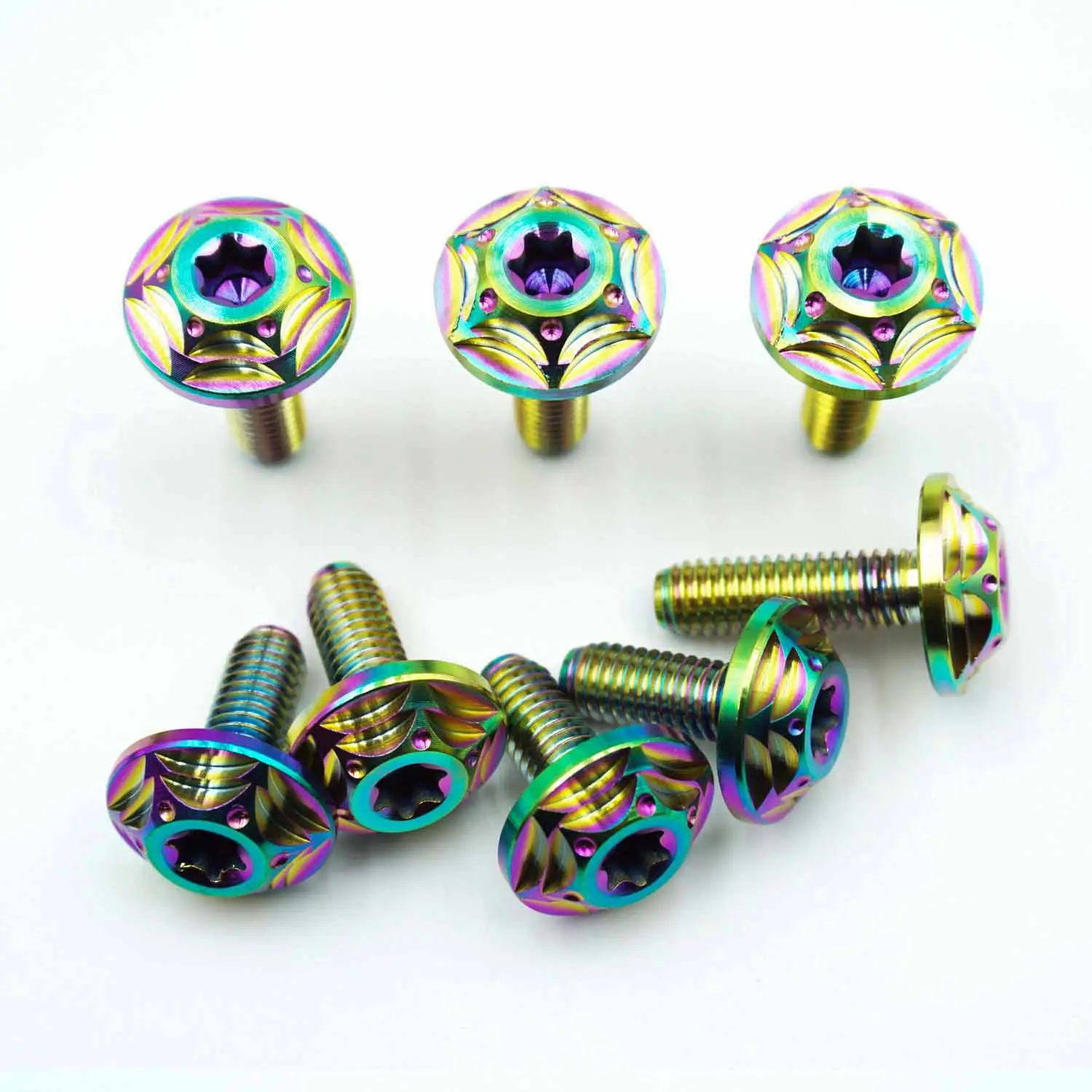
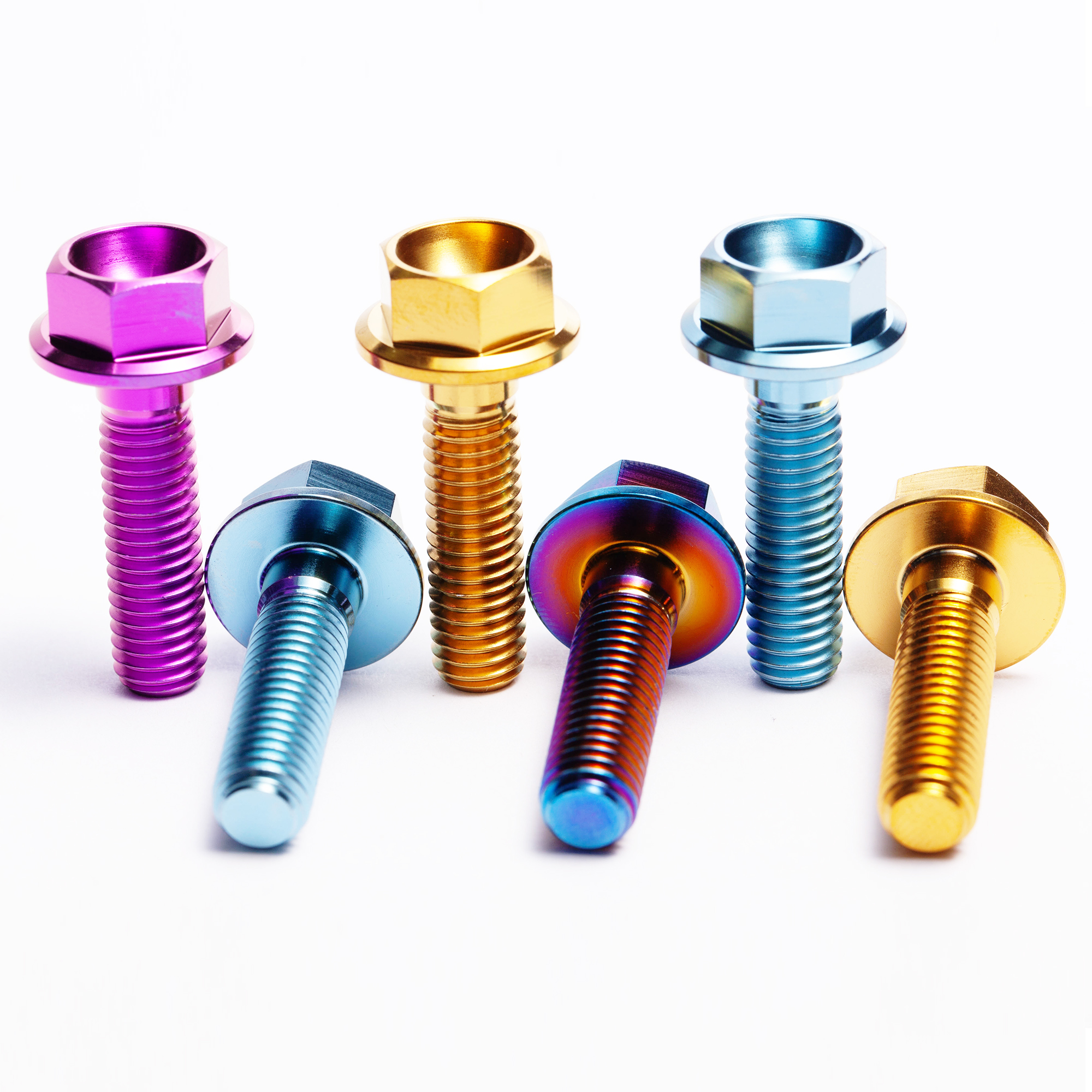
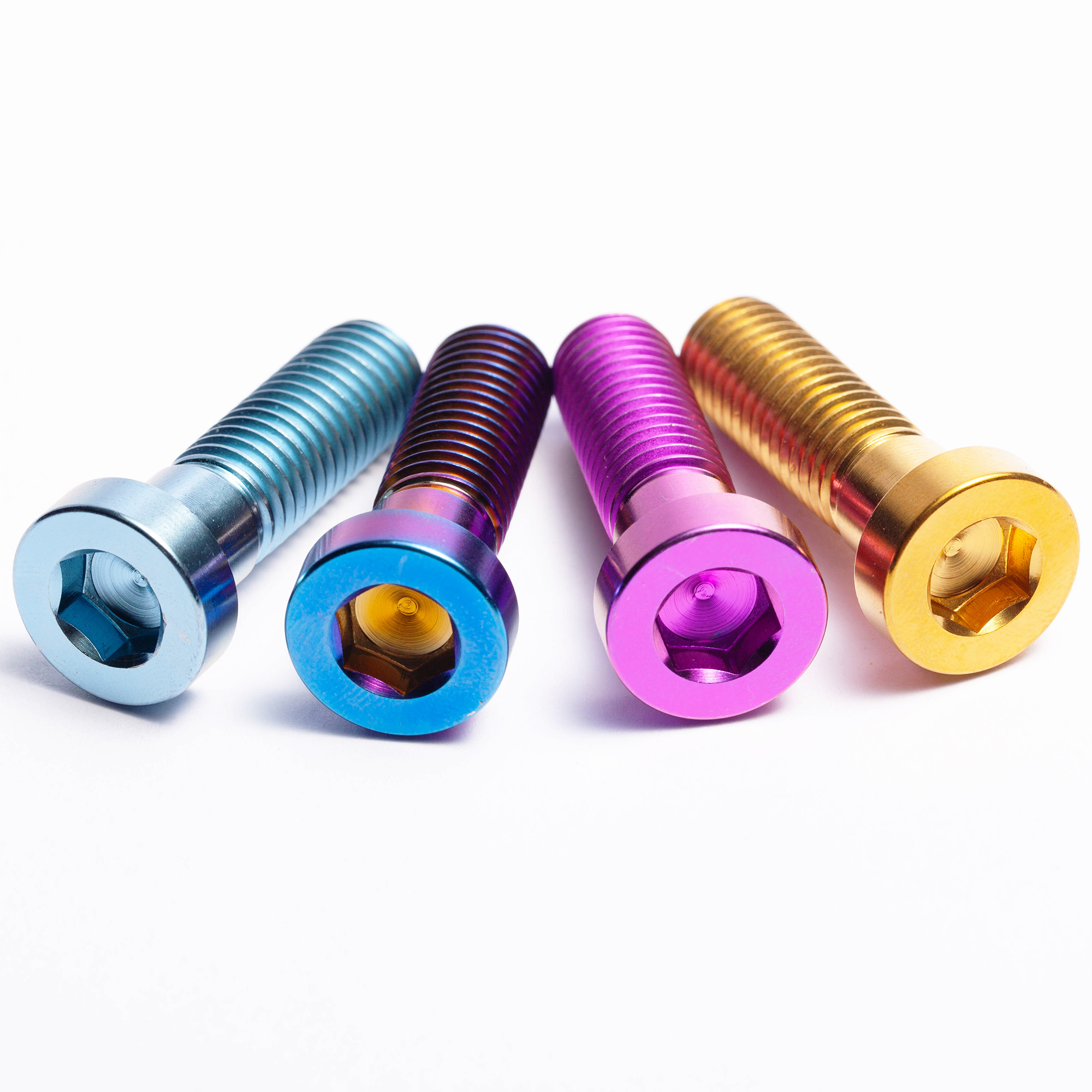
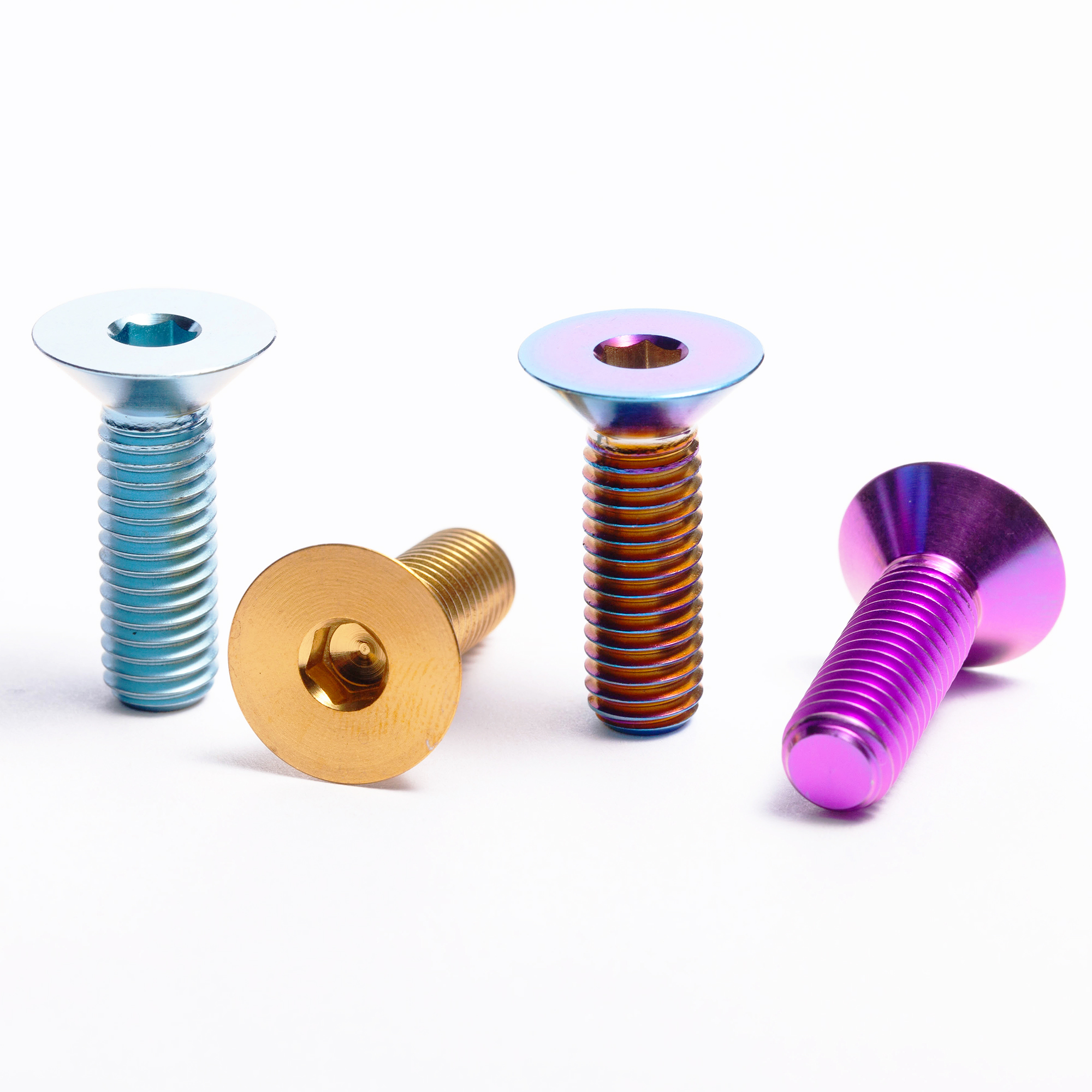
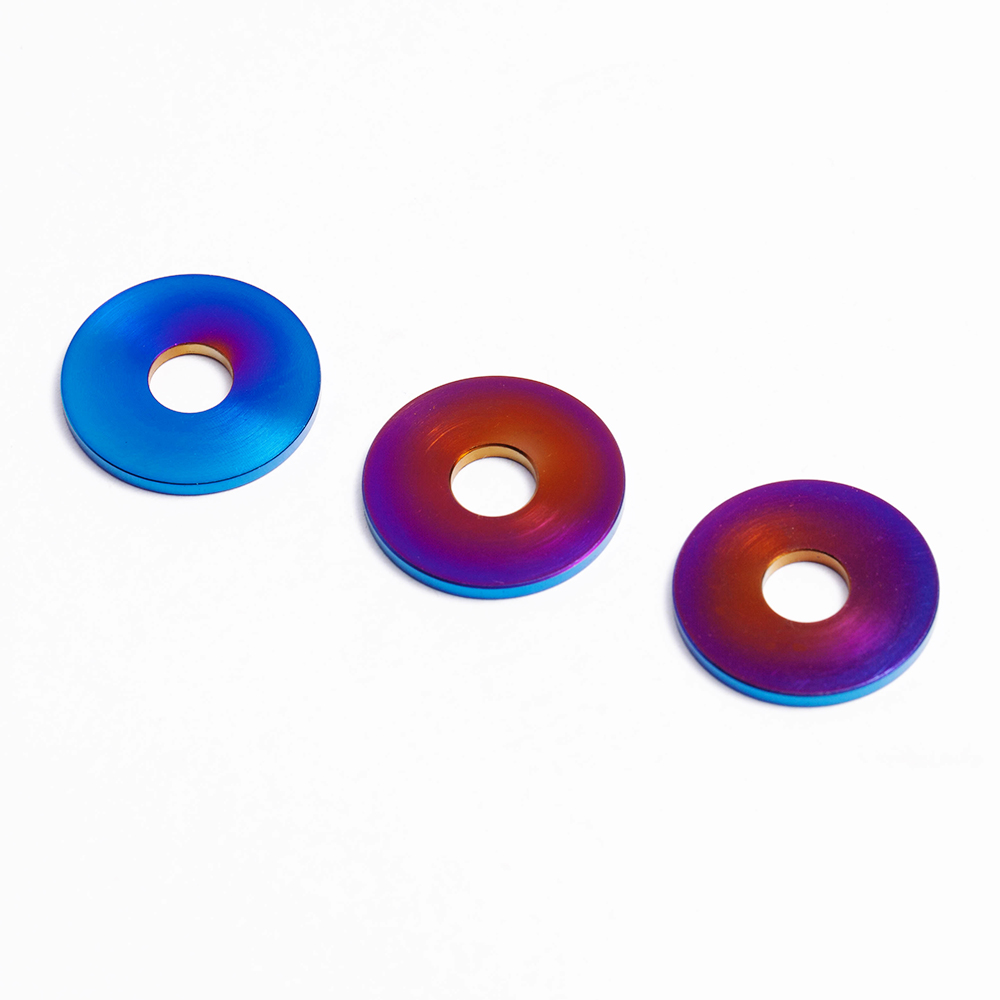
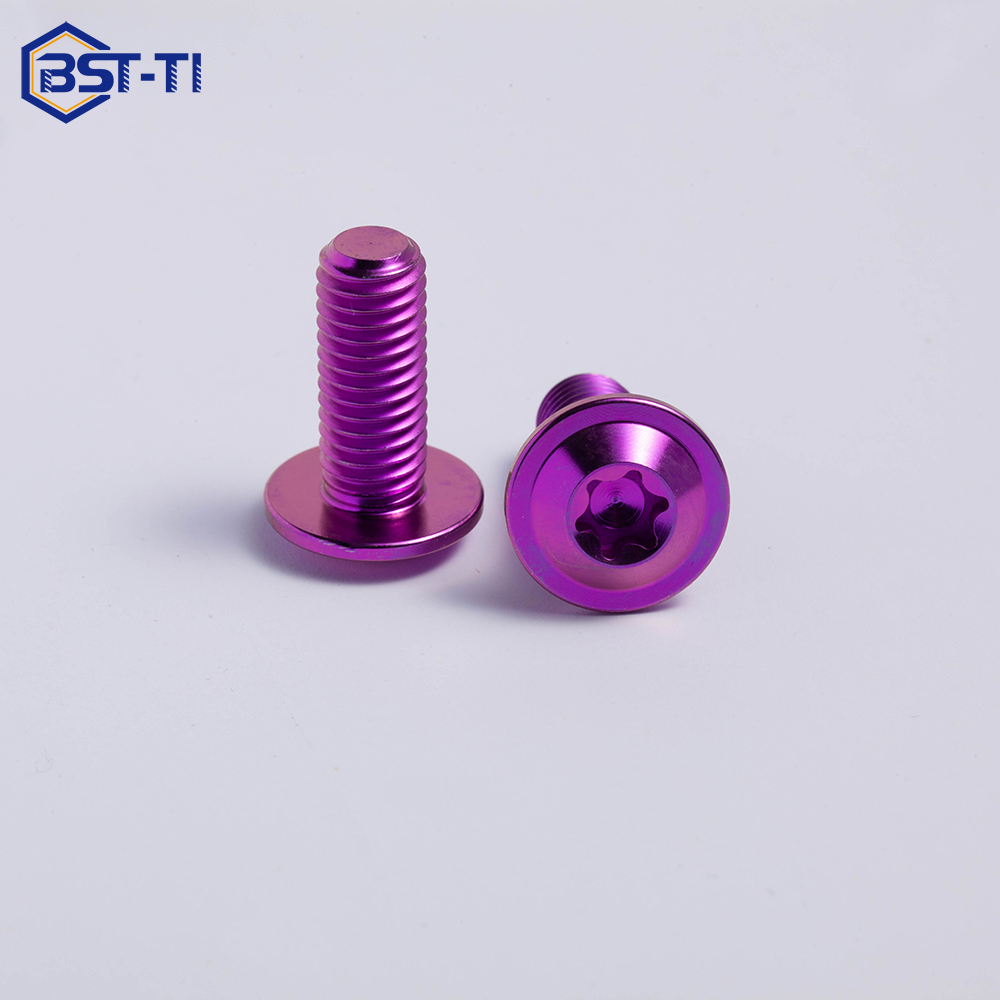
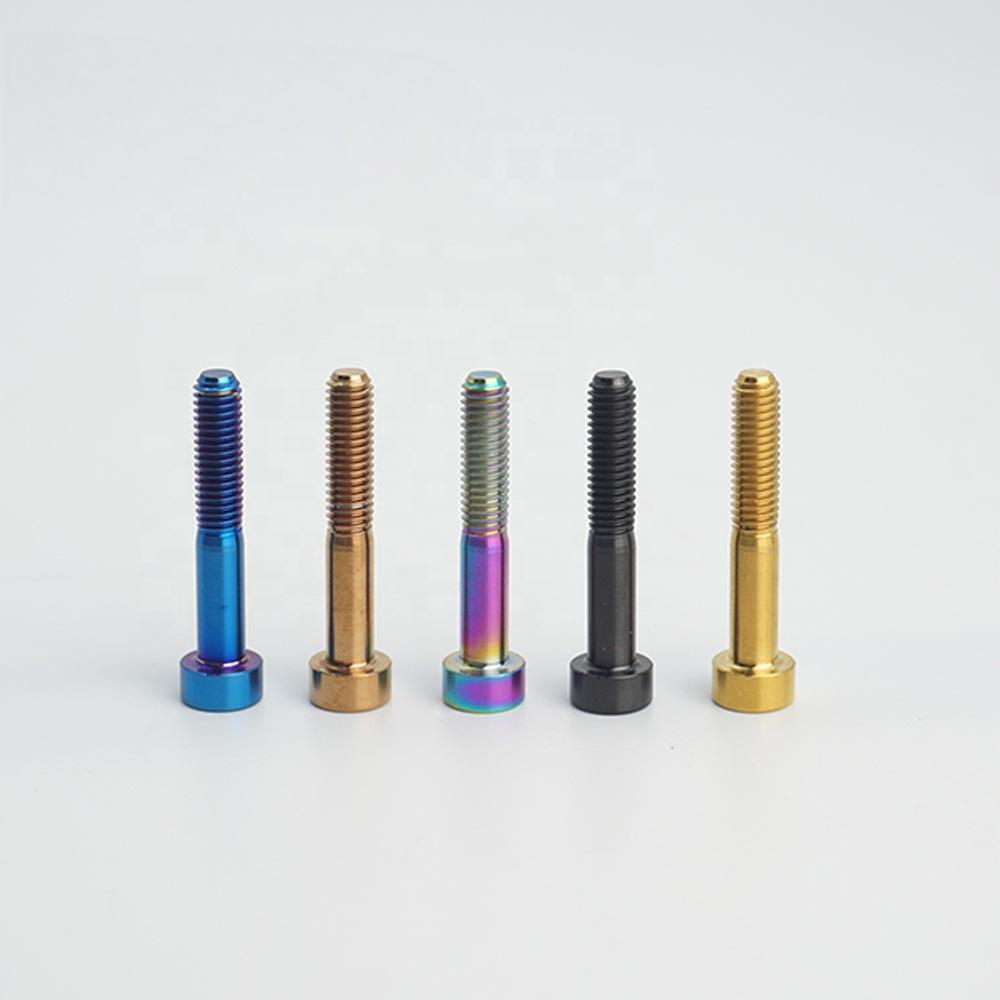
The perceived spectrum—such as burnt blue, deep purple, gold, and bronze—is not created by pigment dyes. It is the result of optical interference: incident light reflecting both off the top oxide surface and the metal substrate beneath. This generates exceptional advantages for mission-critical installations:
- Zero Thread Pitch Expansion: Thread dimension tolerance changes are under 0.5 microns, ensuring DIN 6921 and ISO thread limits remain strictly unaffected.
- Anti-Galling and Reduced Friction: The controlled conversion barrier prevents microscopic cold-welding (galling) common during repetitive torque cycling of titanium threads into tapped bodies.
- Enhanced Dielectric Breakdown: The dielectric barrier drastically lowers galvanic transmission when paired with carbon fiber reinforced polymers (CFRP) or non-ferrous metals.