Engineered Titanium Components & Surgical-Grade Fastening Systems
Deploying advanced 5-axis CNC multi-axis sliding turning machines to mill biocompatible, fatigue-resistant titanium solutions designed for mission-critical mechanical reliability.
Biomechanical Metallurgy of Titanium Bone Screws: Material Integrity & Osteointegration Dynamics
In modern orthopedic, trauma, cranio-maxillofacial (CMF), and veterinary osteosynthesis, surgical bone screws represent the baseline mechanical anchor. When supplying biomedical original equipment manufacturers (OEMs), surgical kit aggregators, and clinical device contract manufacturers throughout the United States, precision tolerances cannot be treated as standard industrial fasteners. The metallurgical matrix demands absolute adherence to ASTM F136 (Ti-6Al-4V ELI / Extra Low Interstitial) and ASTM F67 (Unalloyed Commercially Pure Titanium Grades 1 through 4).
The human cortical bone demonstrates an elastic modulus of approximately 18 to 20 GPa. Conventional implantable surgical steels, such as 316LVM, exert a modulus exceeding 200 GPa, resulting in the well-documented clinical phenomenon of "stress shielding," wherein host bone resorption occurs due to the lack of mechanical loading. In contrast, Ti-6Al-4V ELI exhibits an elastic modulus of roughly 110 GPa—nearly half that of stainless steel—significantly attenuating modulus mismatch, optimizing mechanical strain transfer, and stimulating robust primary osteogenesis and long-term calluses formation.
| Alloy Specification | Tensile Strength (MPa) | Yield Strength (0.2% MPa) | Elongation (%) | Modulus of Elasticity (GPa) | Typical Surgical Indication |
|---|---|---|---|---|---|
| ASTM F136 Ti-6Al-4V ELI | ≥ 860 | ≥ 795 | ≥ 10 | 110 – 114 | High-stress cortical, bicortical trauma, pedicle, and dynamic locking reconstruction |
| ASTM F67 CP-Ti Grade 4 | ≥ 550 | ≥ 483 | ≥ 15 | 104 – 105 | Craniofacial, micro-fragment mini plates, low-load veterinary stabilization |
| ASTM F67 CP-Ti Grade 2 | ≥ 345 | ≥ 275 | ≥ 20 | 102 – 104 | Malleable internal splinting, reconstructive orbital mesh fixation |
| Medical SS 316LVM (Ref) | ≥ 860 | ≥ 690 | ≥ 12 | 200 – 205 | Legacy instrumentation, non-permanent external skeletal fixation pins |
The Extra Low Interstitial (ELI) designation within ASTM F136 strictly restricts oxygen (O ≤ 0.13%), carbon (C ≤ 0.08%), nitrogen (N ≤ 0.05%), and iron (Fe ≤ 0.25%). This elemental purity directly yields higher fracture toughness ($K_{1C} > 70\ \text{MPa}\cdot\text{m}^{1/2}$) and outstanding cyclic rotational fatigue resistance, shielding the screw shaft from shear failure under cyclic axial patient loading during critical convalescent phases.
Thread Metrology: Cortical, Cancellous, and Cannulated Engineering
Every micron determines implant purchase, pullout resistance, and surgeon insertion tactile torque profile.
Self-Tapping & Self-Drilling Flutes
Engineered using diamond-tipped micro-endmills to create razor-sharp relief angles. These flutes collect bone chips into designated reservoirs during initial forward rotation, drastically decreasing insertion torque and thermal necrosis without requiring a separate pre-tap step.
Buttress & Variable Pitch Cortical Profiling
Featuring asymmetric thread profiles that convert transverse rotational torque into direct axial compression. As bone screws purchase denser hard cortices, the variable lead pitch compacts rather than fractures trabecular structures, raising ultimate pullout force by up to 34%.
Concentric Cannulation Gun-Drilling
Deep-hole cannulation down to 0.8 mm inner diameter centered precisely along 2.4 mm to 7.3 mm screw cores. Total indicator reading (TIR) runout is held within 0.015 mm across the entire length, eliminating binding along Kirschner guide wires (K-wires) under fluoroscopic operating room guidance.
Localized U.S. Healthcare Ecosystem Integration: Trauma, Extremities & Veterinary Markets
Medical device consumption within the 50 states exhibits distinct specialized procurement patterns dictated by surgical procedures, ambulatory surgical center (ASC) workflows, and FDA 510(k) clearance requirements. Wexra Titanium systematically aligns production lines to fulfill these localized procurement structures:
Orthopedic Trauma & Reconstruction
Supplying trauma center supply chains across Level 1 emergency networks from Texas Medical Center (Houston) to Rush University Medical Center (Chicago). Focuses on locking compression plate (LCP) screws, polyaxial locking mechanisms, and high-shear diaphyseal cortical reconstruction fasteners with star-drive Torx sockets to eliminate intraoperative head stripping.
Ambulatory Foot, Ankle & Hand (Extremities)
Rapid surge across U.S. Outpatient Surgical Centers specializing in bunionectomies, scaphoid non-union, and sports ligament reattachment. Demands headless compression screws (Herbert screws) with headless differential pitch technology, micro-fragment screws (1.5mm / 2.0mm), and low-profile countersunk geometries.
Specialized Veterinary Orthopedics
Targeting major North American veterinary surgical teaching hospitals (UC Davis, Colorado State, Cornell). Supplying specialized TPLO (Tibial Plateau Leveling Osteotomy) screws, veterinary cuttable plates (VCP), and robust Ti-6Al-4V fasteners built to withstand severe immediate post-operative weight bearing in canine and equine patients.
Emerging Technology & Regulatory Trends in the United States
Tracking the structural evolution of the domestic U.S. medical device and orthopedic hardware supply chains.
Shift to Ambulatory Surgical Centers (ASCs)
With private insurers and Medicare incentivizing same-day surgical discharge, U.S. hospitals are transitioning elective orthopedic interventions to regional ASCs. This requires sterile, pre-packaged, single-use, gamma-stable titanium screw cartridges accompanied by individual laser-etched 2D DataMatrix Unique Device Identification (UDI) barcodes.
Type II Medical Anodization (AMS 2488D)
Unlike cosmetic consumer anodization, surgical grade Type II alkaline anodization converts the titanium surface into a hardened grey anti-galling boundary layer. This substantially mitigates thread galling between the screw thread and the locking plate hole, while reducing fretting corrosion and microscopic metallosis particulate shedding.
Nearshoring Hybridization & Reshoring Buffer
Geopolitical turbulence and post-pandemic shipping volatility have forced major U.S. surgical brands to adopt "dual-origin" procurement models. Tier-1 American surgical houses retain high-margin assembly domestically while relying on proven Asian precision manufacturers with certified ISO 13485 / ISO 9001 quality systems for contract micro-machining of core blank geometries.
Precision Manufacturing Arsenal: Jiaxing Wexra Titanium Products Co., Ltd.
Founded in 2018 in Jiaxing, Zhejiang, Wexra Titanium operates over 1,000 m² of precision production floors fully dedicated to commercially pure titanium and titanium alloy synthesis, machining, and engineering. Rather than treating titanium as an occasional exotic material alongside common aluminum or carbon steels, 100% of our CNC machine tooling, cutting fluid cooling channels, feeds, and speeds are calibrated solely for the specific thermal conductivity and work-hardening dynamics of titanium.
Sub-Micron Multi-Axis Turning
Equipped with modern Swiss-type CNC lathes and 5-axis simultaneous milling centers capable of finishing complex geometries with continuous runout controls down to ±0.01 mm (and micro-thread pitch tolerances to ±0.005 mm). Thread rolling machines compress metal grains rather than cutting them, multiplying dynamic fatigue endurance.
Full Metallurgical Traceability
Every single bar stock lot undergoes rigorous incoming raw material verification. We furnish comprehensive Mill Test Certificates (MTC) according to EN 10204 3.1, tracing chemical composition analysis, microscopic alpha-beta phase grain distribution, yield thresholds, and ultimate tensile parameters.
Surface Chemistry & Passivation
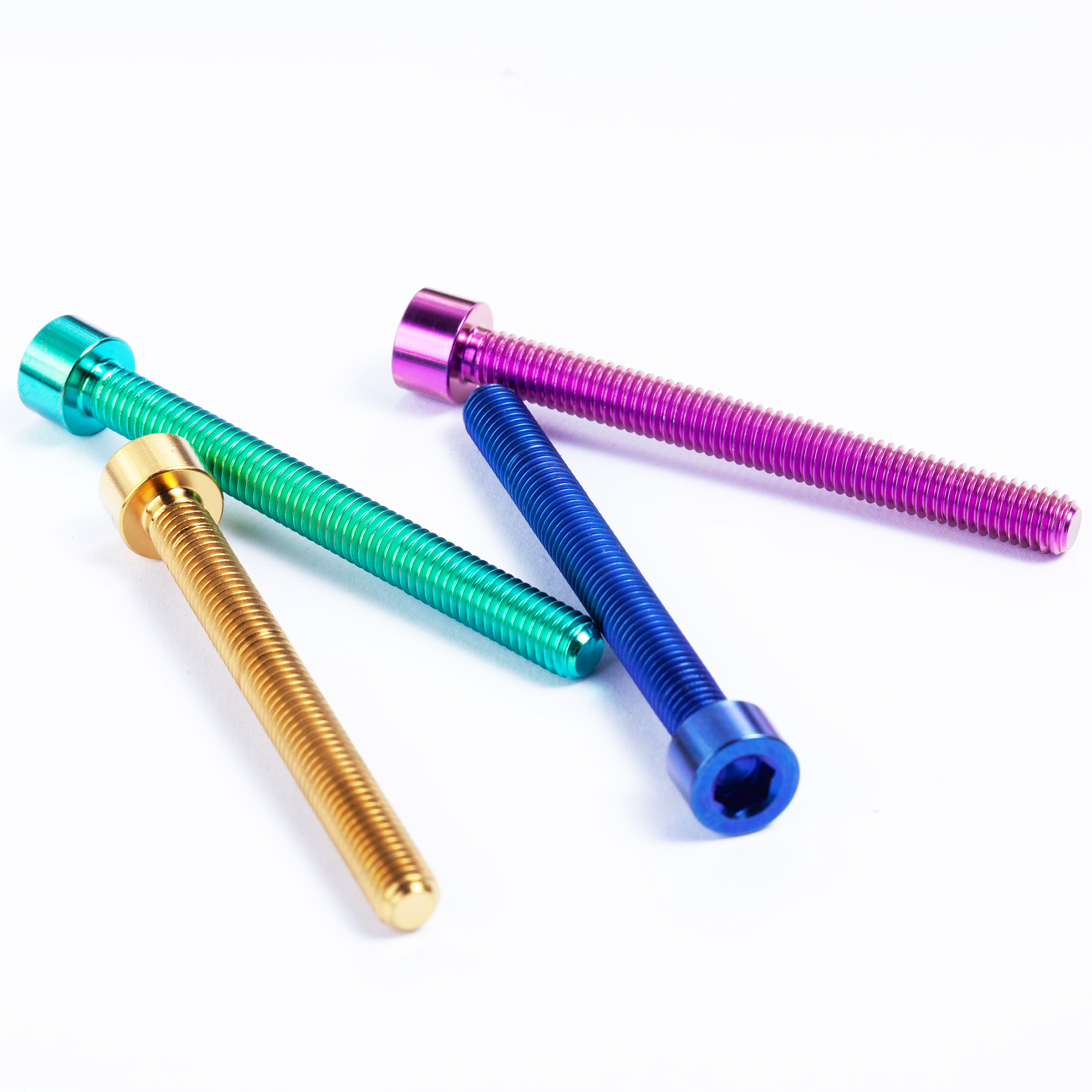
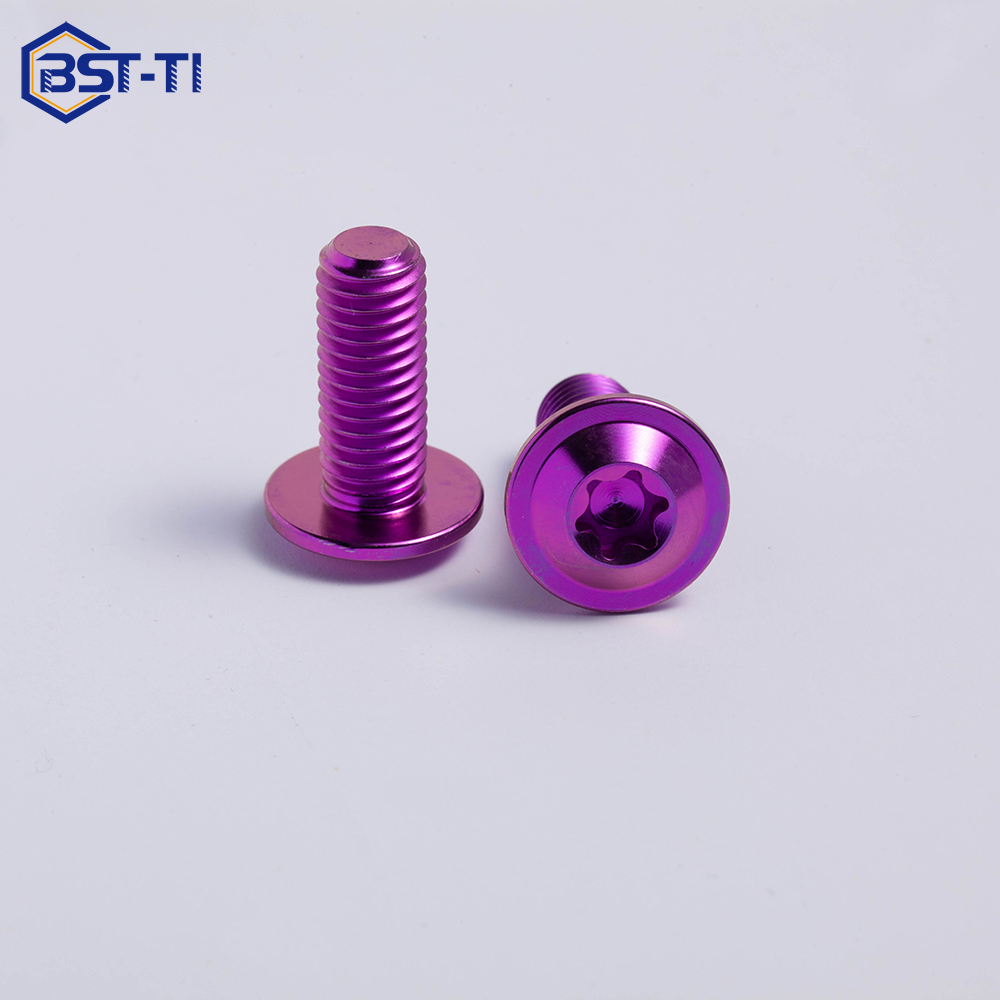
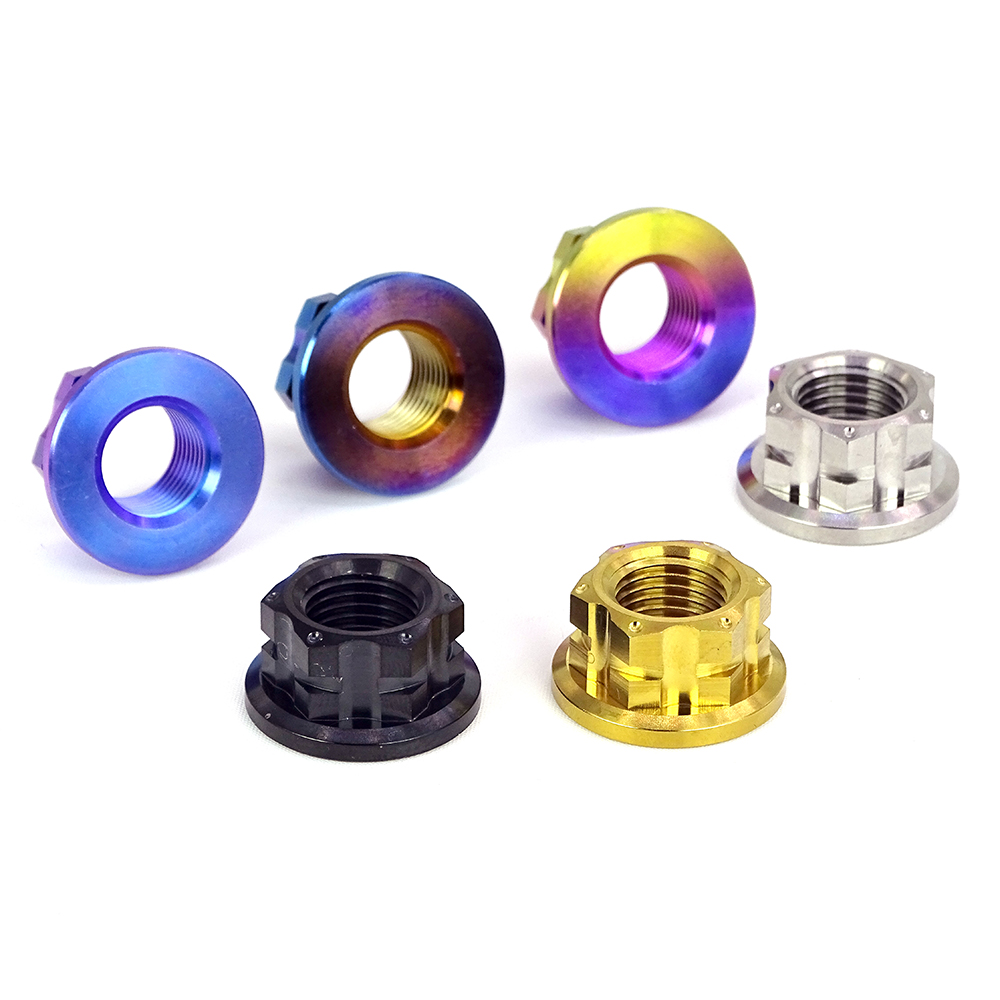
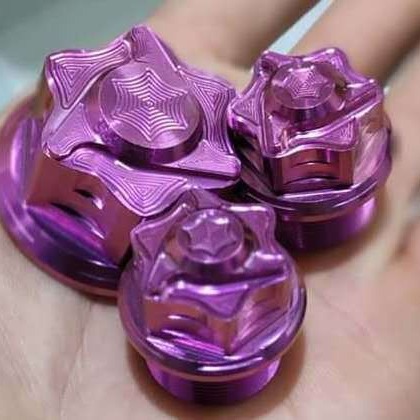
Equipped with specialized ultrasonic degreasing, cleanroom ultrasonic multi-stage pure-water washes, chemical de-burring, and controlled electrochemical anodizing lines (yielding vibrant visual code colors—Gold, Deep Blue, Magenta, Green—as well as AMS 2488 compliant friction-reducing grey oxide matrices).
Frequently Asked Questions by U.S. Sourcing Managers & Orthopedic Engineers
Direct technical answers regarding compliance, production scalability, materials, and international logistics.
We provide full traceability records compliant with medical OEM vendor audit standards. Every production batch is accompanied by an EN 10204 3.1 material certificate detailing chemical composition (verifying interstitial element thresholds for H, O, N, C, Fe) and mechanical tensile data. Our facility operates under ISO 9001:2015 quality frameworks, utilizing calibrated optical comparators, laser micrometers, and thread pitch gauges to supply First Article Inspection Reports (FAIR) and full dimensional inspection reports for your FDA Master File inclusion.
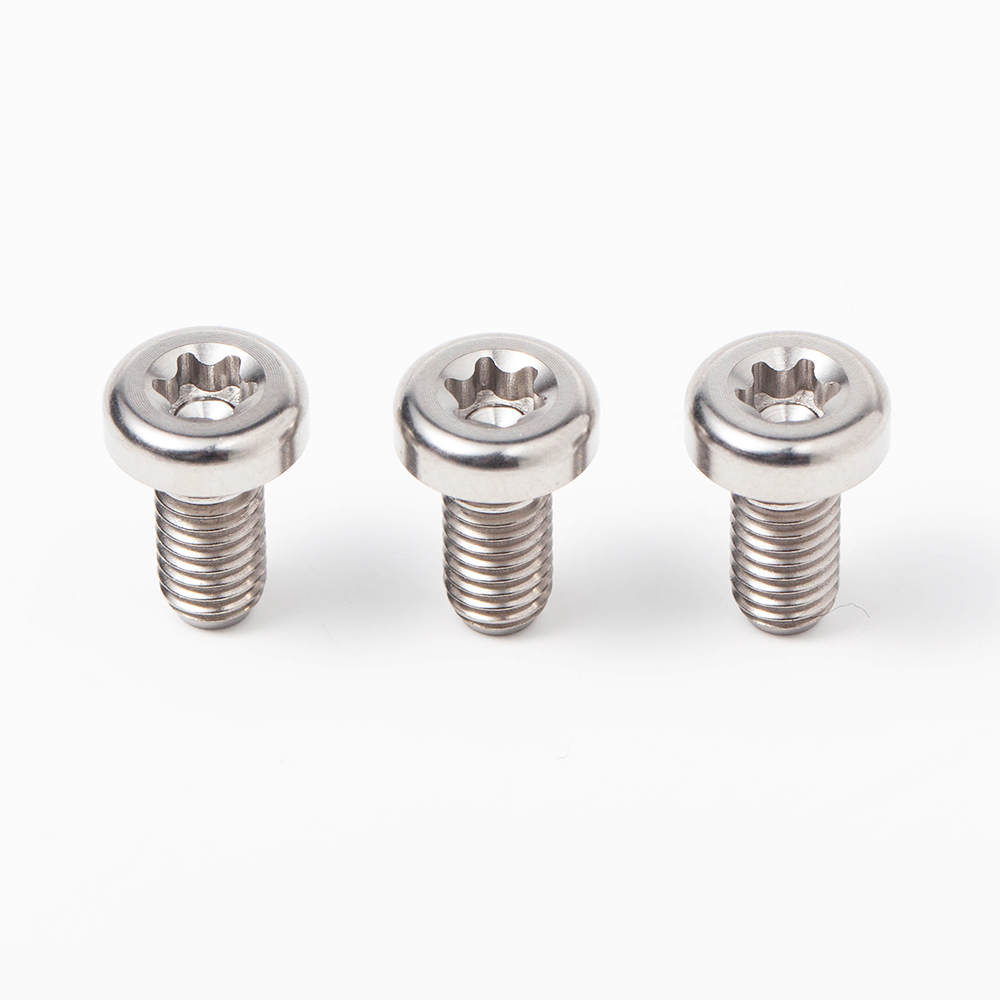
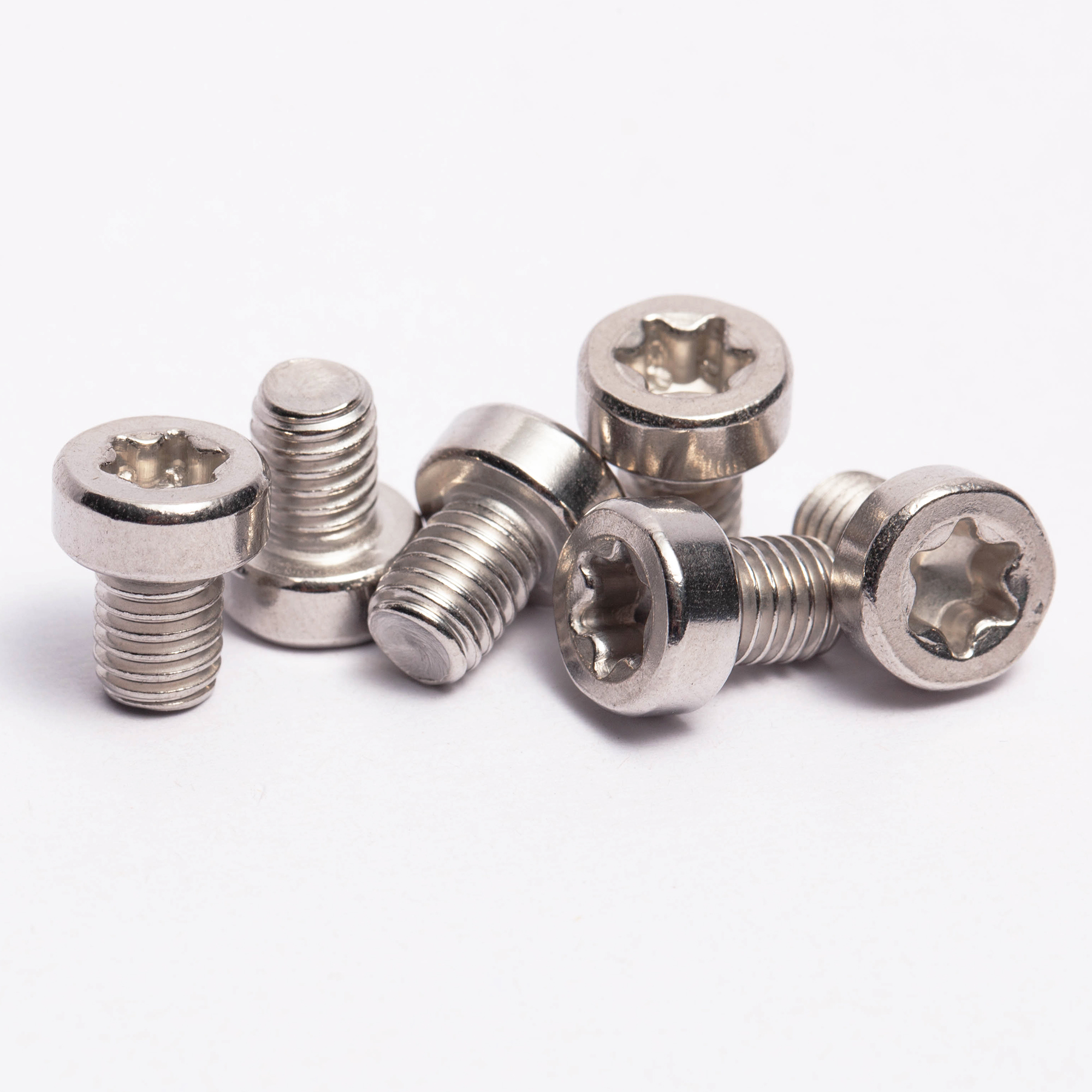
We manufacture all standard clinical drive recesses, including Hexagonal (Allen), Cruciform (Phillips), Torx (Hexalobular / ISO 10664), and patented Stardrive / high-torque undercut profiles. For Torx drives, we maintain tight broaching and micro-milling tolerances to guarantee a snug, wobble-free self-retaining friction fit between the surgical screwdriver bit and the screw head, preventing sterile drop incidents in the operating theater.
Yes. Our engineering department operates native CAD/CAM design stations (STEP, IGES, SLDPRT, DXF). We run preliminary Design for Manufacturability (DFM) reviews to identify potential stress concentrations, flute exit wall thicknesses, and cannulation concentricity factors. Rapid prototyping batches (from 50 to 500 units) can be machined, deburred, and delivered to U.S. laboratories for mechanical bench pullout and torsional validation prior to mass-run production.
Titanium against titanium has a recognized tendency to micro-cold-weld under extreme friction. To counteract this, we provide Type II anodization (AMS 2488D) or specialized surface passivation treatments. This creates an amorphous, highly adherent surface oxide layer that dramatically reduces friction coefficients, prevents thread seizing during high-speed power tool driving, and safeguards thread engagement in locking reconstruction plates.
Sample and pilot prototyping runs typically ship within 10 to 18 business days following drawing lock. Volume production runs are dispatched within 25 to 35 days. For U.S. clients, we manage rapid international air shipments via FedEx Priority, DHL Express, or dedicated air-freight consolidators directly to major hubs (LAX, ORD, DFW, JFK) with comprehensive commercial invoices, packing lists, HS code tariff classifications, and material safety compliance dossiers ready for swift customs clearance.