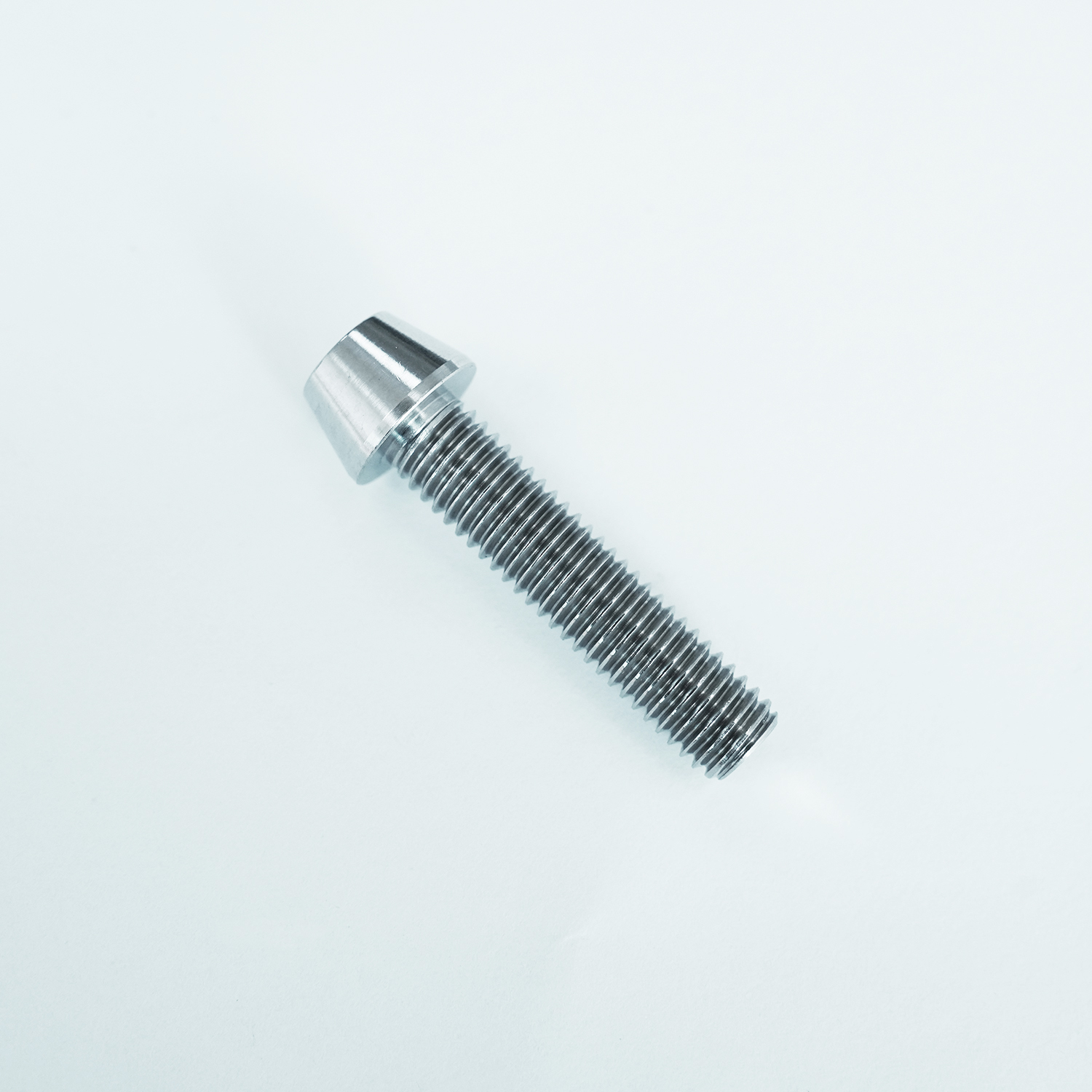
Precision Fasteners & Titanium EDC Assemblies
High-tensile Grade 5 (TC4) and Grade 9 fasteners engineered for hyper-saline Adriatic marine exposure, tactical field endurance, and ultralight mechanics.
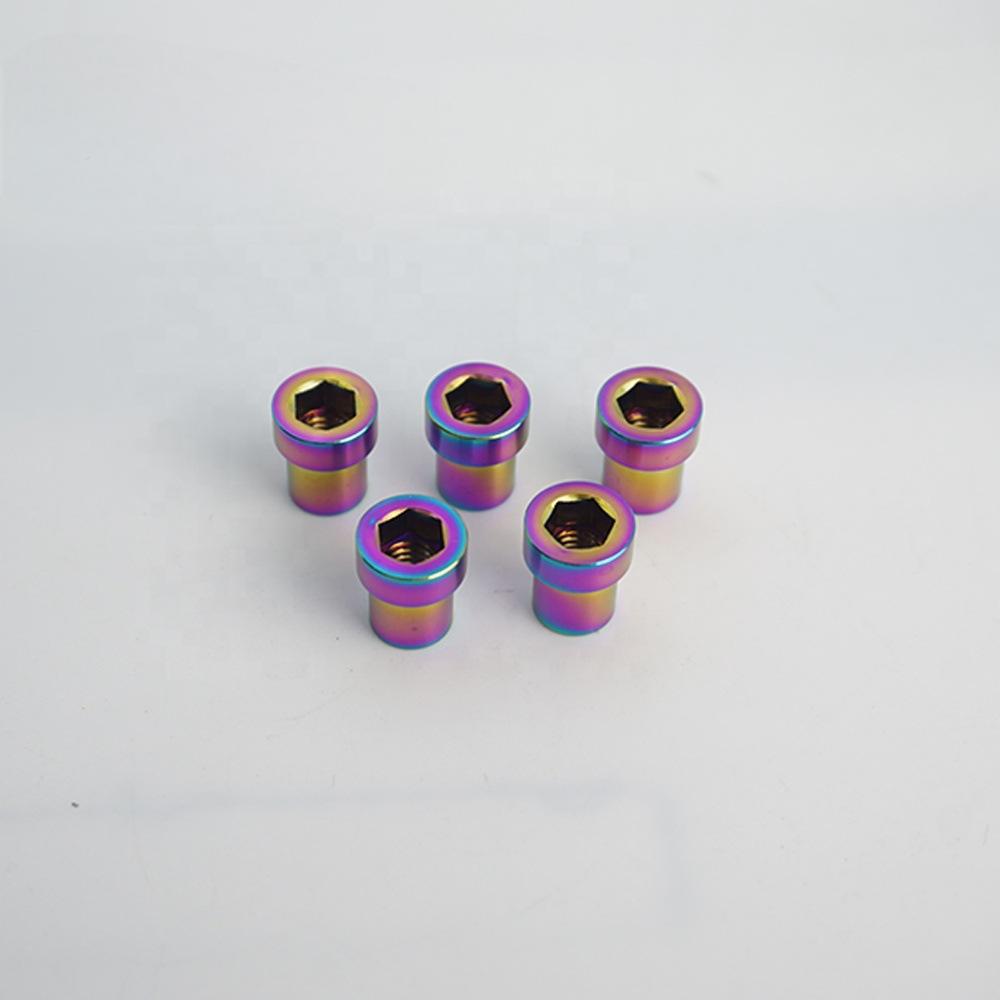
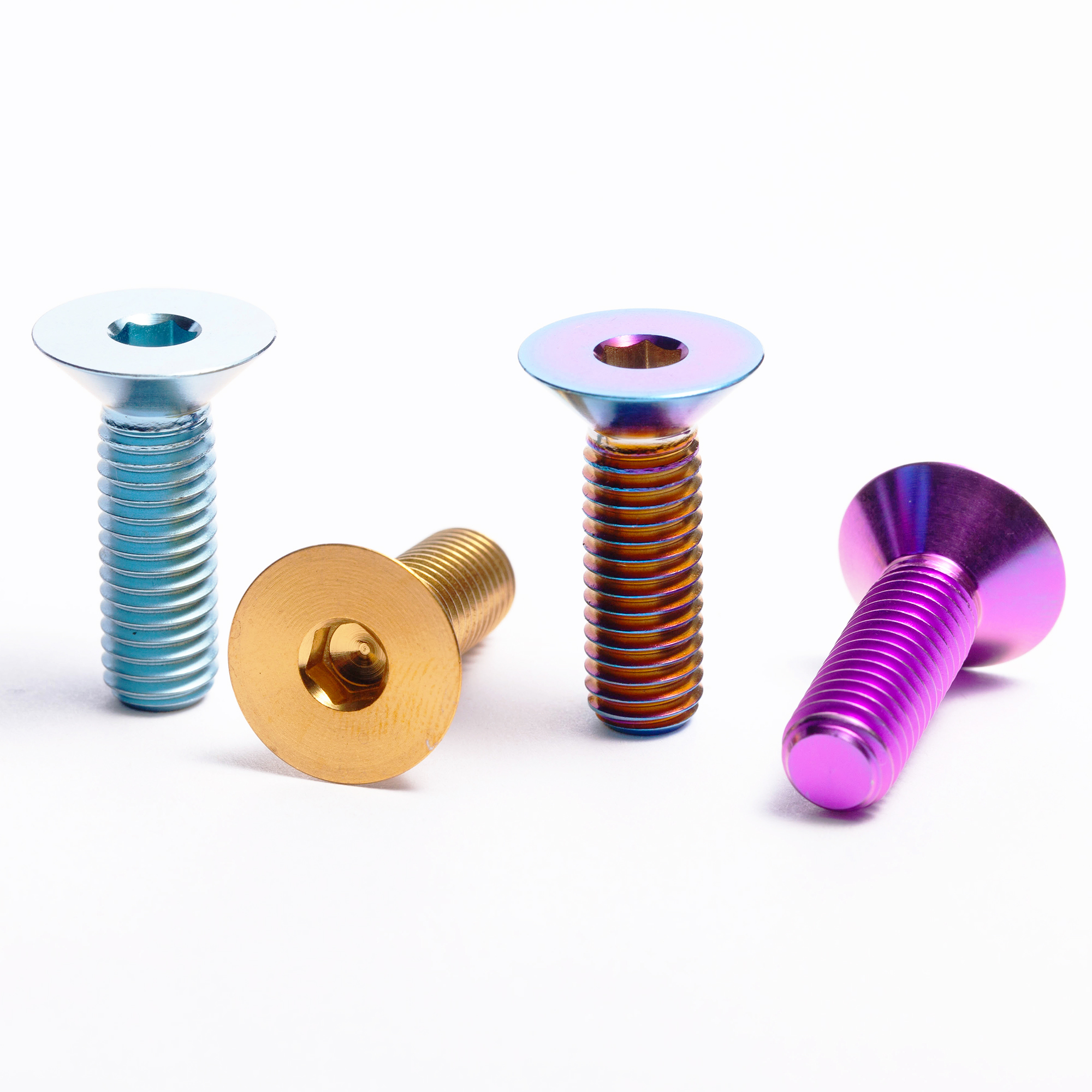
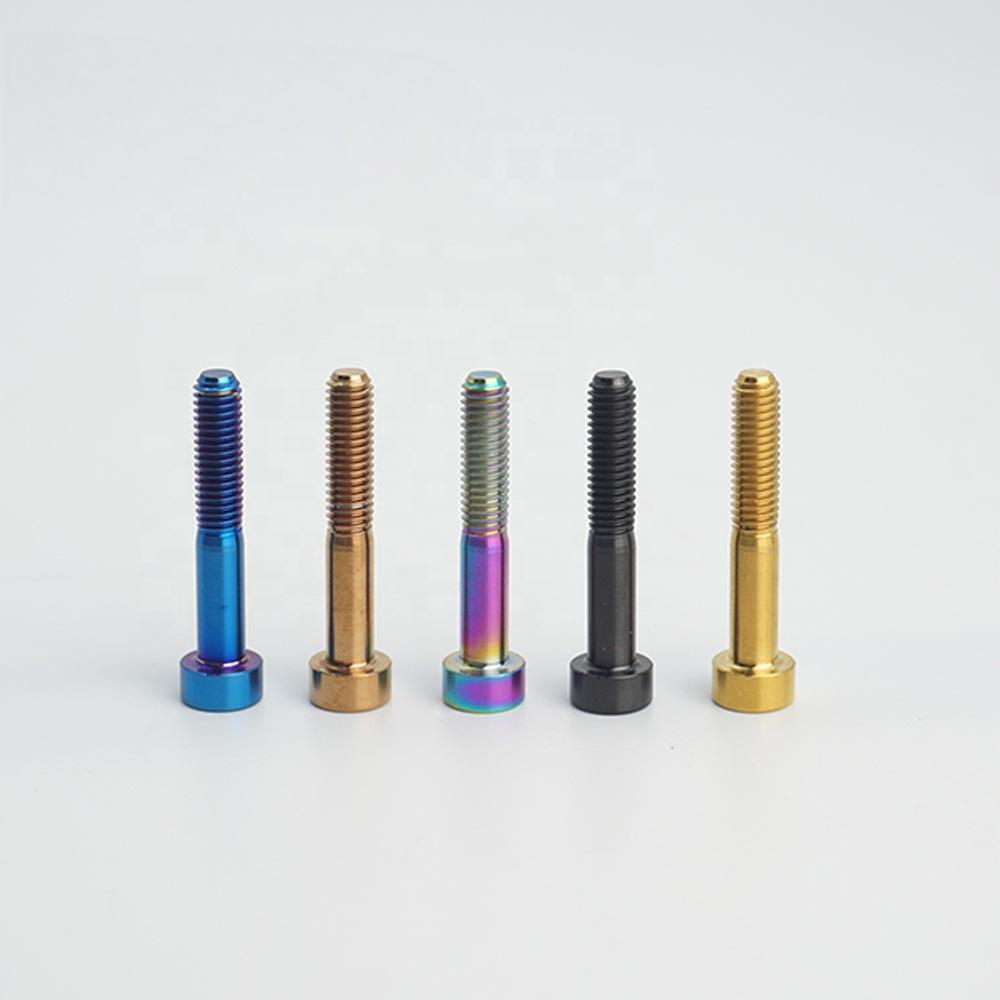
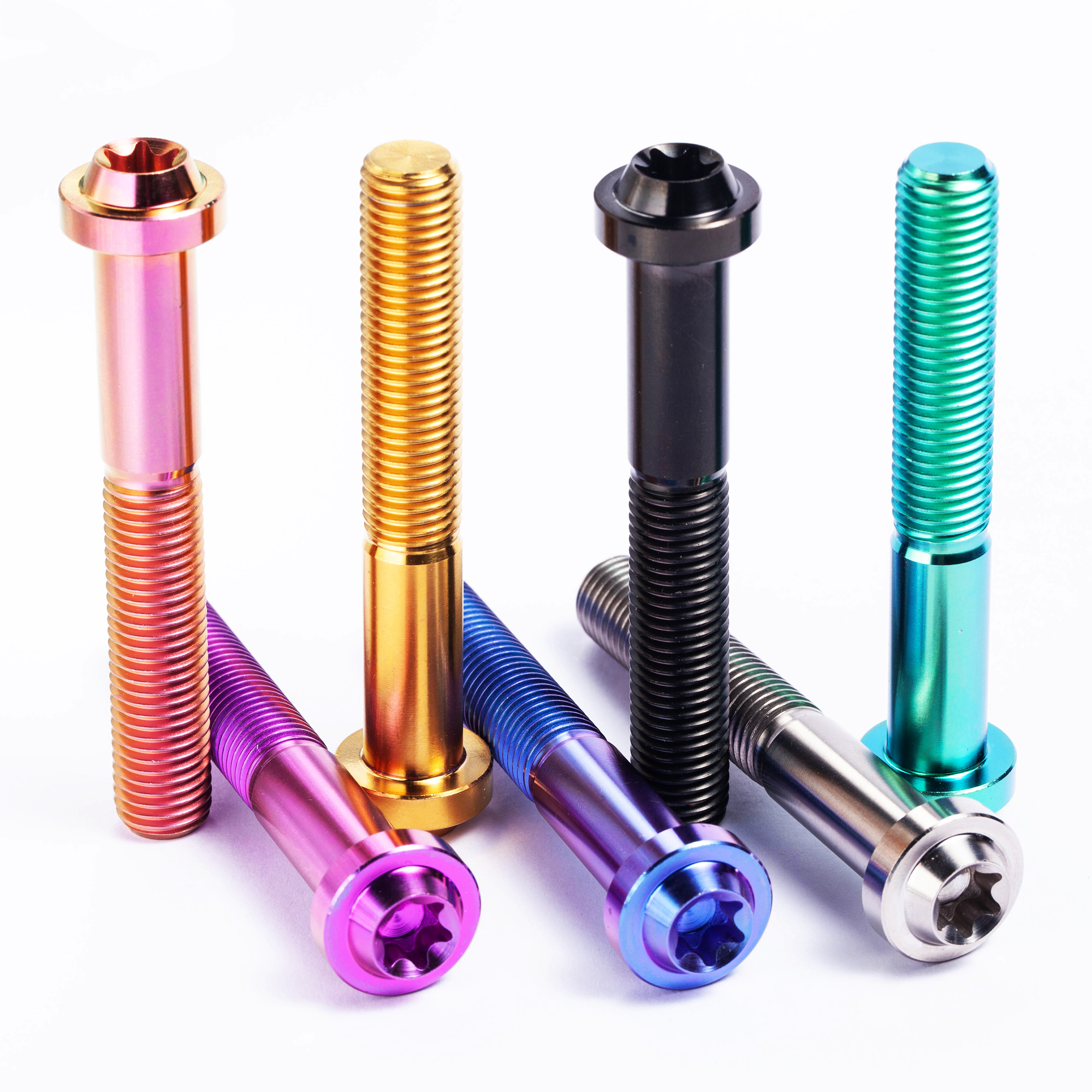
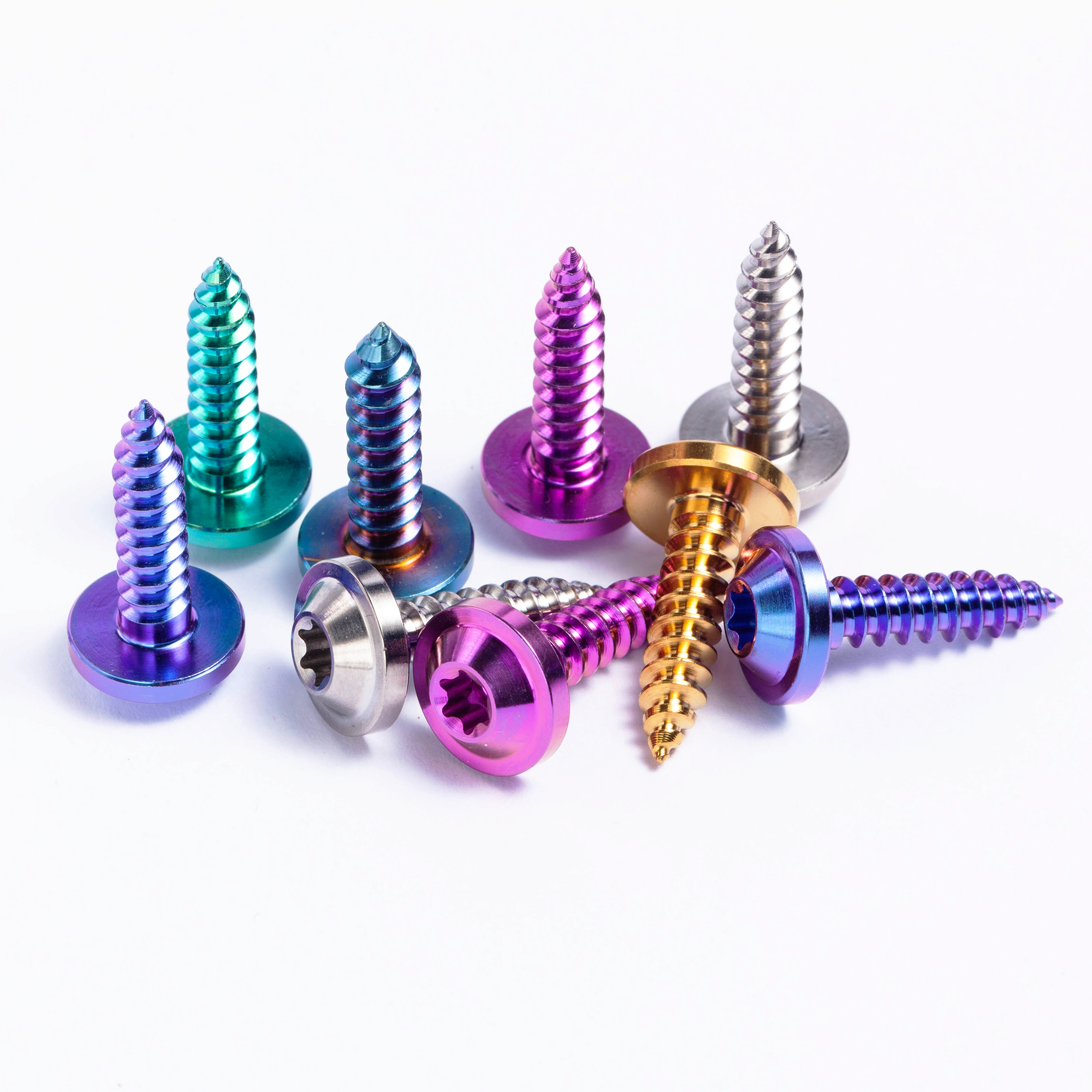
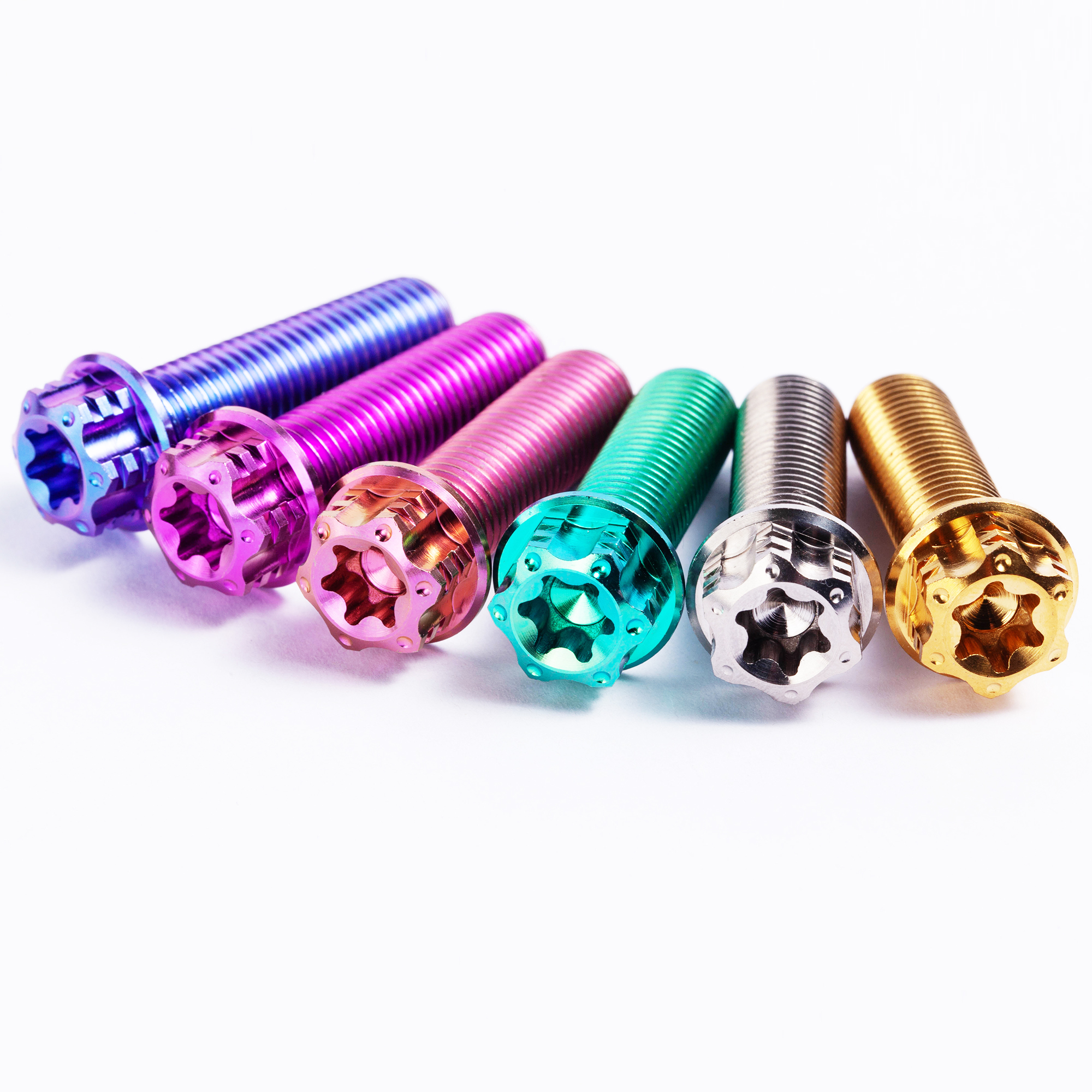
895+ MPa
Tensile Yield (Gr5)
±0.01 mm
CNC Turning Tolerance
45%
Weight Drop vs. Steel
0.00 mm/y
Saltwater Pitting Rate
Engineering Superiority: Titanium Metallurgy in Dalmatia's Maritime Ecosystem
A technical assessment of why Grade 5 (Ti-6Al-4V) and Grade 2 commercial titanium hardware surpass stainless steel in coastal infrastructure, nautic tourism, and professional tactical gear.
The geographic position of Zadar, Croatia along the Dalmatian coastline places extreme mechanical and chemical demands on equipment. With elevated salinity levels in the Adriatic Sea, fluctuating temperatures brought about by the seasonal Bora winds, and surging activity across commercial shipping, luxury yacht charters, and extreme outdoor sports, conventional steel and aluminum hardware frequently fail. The localized failure mechanisms—chiefly galvanic corrosion, chloride-induced stress corrosion cracking (SCC), and crevice oxidation—demand an uncompromising metallurgical upgrade. As an established direct manufacturing exporter, Jiaxing Wexra Titanium Products Co., Ltd. bridges global precision machining capabilities with the specialized supply chain needs of the Zadar regional market.
Everyday carry (EDC) items and specialized utility fasteners must provide structural permanence without inducing deadweight. In high-demand environments, an EDC tool is far more than a lifestyle novelty; it functions as a primary contingency instrument for rigging repairs, off-grid expeditions across the Velebit mountain range, and critical onboard adjustments. Our product lines harness pure commercially unalloyed titanium (Grade 2) and alpha-beta titanium alloys (Grade 5, Ti-6Al-4V). The intrinsic capacity of titanium to continuously regenerate an inert titanium dioxide (TiO₂) passivation layer within milliseconds of oxygen exposure eliminates pitting corrosion entirely—even when constantly exposed to harsh saltwater spray along the Zadar archipelago.
| Mechanical Characteristic | Titanium Gr5 (Ti-6Al-4V) | Marine Stainless (AISI 316L) | Aircraft Alloy (7075-T6) | Engineering Impact |
|---|---|---|---|---|
| Density (g/cm³) | 4.43 | 8.00 | 2.81 | ~45% lighter than 316L; optimal strength-to-mass |
| Yield Strength (MPa) | 828 - 910 | 220 - 290 | 503 | Extreme shear load resistance without deformation |
| Admittance of Salt Spray | Completely Immune | Susceptible to Crevice Pits | High Galvanic Degradation | Zero structural decay in coastal Adriatic marine zones |
| Thermal Expansion (10⁻⁶/K) | 8.6 | 16.0 | 23.4 | Outstanding dimensional integrity under sun exposure |
| Magnetic Susceptibility | Completely Non-Magnetic | Slightly Paramagnetic | Non-Magnetic | Zero interference with marine navigation & compasses |
Application Engineering
Localized Scenarios: Where Wexra Titanium Deploys Across Zadar
Tailored configurations solving explicit operating obstacles encountered by Croatian manufacturers, charter fleets, and end users.
Nautical Rigging & Marine Operations
Superyacht marinas along the Zadar waterfront face unrelenting galvanic aggression between carbon hulls, stainless hardware, and seawater. Our CNC-machined Grade 5 titanium bolts, washers, and pocket rigging multi-tools offer complete pitting resistance, zero crevice decay, and structural dependability under cyclical wave strain.
Paklenica Expedition & Coastal Biking
Mountain bikers crossing the rugged terrains of Northern Dalmatia require maximum vibration absorption and lightweight hardware. Replacing standard steel screws with our TC4 M5 hex-locking fasteners and hollowed titanium pins on bike hangers reduces unsprung weight by 45%, preventing bolt shearing under abrupt dynamic shock loads.
Tactical Everyday Carry (EDC) Contingency
EDC items manufactured for the security, maritime, and utility sectors demand ultra-compact dimensions without sacrificing torsional rigidity. Wexra's laser-cut and wire-EDM titanium pry bars, pocket bit-drivers, and custom clips survive heavy torque loads without permanent bending, offering non-sparking, antimagnetic resilience.
Macro Dynamics
Emerging Regional Industry Trends in Zadar & Dalmatia
Market forces driving the widespread transition from generic alloy fasteners toward aerospace-certified titanium hardware.
The Dalmatian industrial landscape is navigating a comprehensive modernization phase. As the Port of Zadar (Gaženica) deepens its strategic footprint in European freight networks, local equipment suppliers and commercial maintenance providers are raising procurement standards. We observe three transformative trends defining current regional orders:
- ✔ The High-Performance Marine Retrofit Wave: Yacht charter operators along Zadar, Biograd na Moru, and Šibenik are aggressively transitioning deck mounts, furling hardware, and internal machinery fasteners to Grade 5 titanium to dramatically lower lifetime maintenance overhead and dockside breakdowns.
- ✔ Hyper-Light Personal Mobility: With electric scooters and carbon performance gravel bikes dominating urban transit and coastal trail networks in Zadar, consumer and distributor demand for high-durability Grade 9 and TC4 structural components (stem bolts, brake rotor Torx sets) has increased three-fold.
- ✔ Green Fleet Sustainability & TCO Optimization: European Union sustainability frameworks are penalizing premature metallurgical discard. The infinite operating lifespan of corrosion-free titanium fasteners makes them the undisputed choice for long-term investments in maritime robotics, sonar housings, and coastal weather telemetry stations.
Industrial Pedigree
Why International Engineering Teams Rely on Jiaxing Wexra Titanium
Direct-from-source manufacturing authority backed by complete material traceability, automated CNC multi-axis turning, and ISO 9001:2015 process protocols.
Traceable Mill Certifications
Every single titanium rod, bar, and billet utilized in our workshops comes documented with standard EN 10204 3.1 Mill Test Certificates (MTC). Spectrochemical composition analysis guarantees pure alloy integrity conforming to ASTM B348, ISO 5832-3, and AMS 4928 standards, safeguarding structural installations against metallurgical impurities.
Sub-Micron CNC & Cold Thread Rolling
Unlike standard thread-cutting methods which sever the metallurgical grain flow and induce micro-cracks, our automated thread-rolling machines deform titanium under extreme, controlled pressures. This imparts continuous grain structures, raising tensile fatigue endurance by 30% to easily satisfy 10.9 structural load ratings.
Full Surface Passivation & Anodizing
Beyond our precision machining lines, Wexra maintains automated multi-tank anodization and physical vapor deposition (PVD) lines. We produce uniform burnt-blue, gold, stealth matte black oxide, and vibrant rainbow finishes that protect aesthetics while remaining completely non-toxic and biocompatible.
Frequently Asked Questions: Sourcing Titanium in Zadar
Technical clarity for regional mechanical workshops, marine outriggers, and volume purchasing managers.
Why is Grade 5 (Ti-6Al-4V) preferred over marine stainless 316 for Zadar nautical vessels?
While Marine AISI 316 stainless steel resists general atmospheric corrosion, it remains highly prone to crevice corrosion and pitting attack when submerged in warm, stagnant seawater or under tightly seated bolting washers where oxygen cannot replenish the passive chrome layer. Grade 5 Titanium forms a far more persistent, dense titanium dioxide oxide film that functions identically in oxygen-deprived salt pockets. Additionally, Gr5 boasts triple the yield strength of 316L at half the structural weight.
How can local assemblers prevent galling when installing titanium screws in marine equipment?
Because titanium has a low thermal conductivity and high friction coefficient, direct titanium-to-titanium or titanium-to-aluminum threading risks frictional welding (thread galling). We strongly advise using an anti-seize paste formulated with copper or molybdenum disulfide (MoS₂), tightening with calibrated torque wrenches to approximately 80% of standard steel torque specifications, and opting for our precision rolled-thread bolts with micro-polished thread flanks.
What are the typical shipping lead times and customs handling procedures to Zadar, Croatia?
As a seasoned international exporter adhering to EU market compliance, Wexra Titanium ships small prototype batches and urgent replacement kits via expedited air transit (DHL, FedEx, UPS) arriving at Zadar or Split Airport within 4 to 6 business days. Bulk container shipments enter via Koper or Rijeka port terminals. We supply comprehensive commercial invoices, packaging declarations, HS codes, and EUR.1 assistance where applicable.
Can Wexra manufacture custom titanium parts from bespoke 2D/3D technical schematics?
Absolutely. We handle extensive OEM and ODM contracts. Clients provide CAD files in STEP, IGES, or DWG formats. Our engineering team conducts Design for Manufacturability (DFM) reviews to ensure tooling pathways, thread reliefs, and stress dispersion zones are optimized before 5-axis CNC machining, ensuring pristine dimensional repeatability down to ±0.01 mm.
Are your titanium EDC products and anodized colors resistant to fading from coastal UV and salt air?
Yes. Titanium anodization is an electrochemical coloration process that thickens the transparent surface oxide layer; it relies on light refraction (interference coloring) rather than chemical dyes or surface paints. Consequently, it will never flake, peel, or fade under intense Mediterranean UV sun or persistent Adriatic sea-salt aerosol exposure.
Accelerate Your Titanium Hardware Procurement
Direct manufacturer pricing, certified aerospace alloy stocks, and dedicated export logistics tailored for the Zadar region and European distribution lines.
Get Catalog