Grade 5 Ti
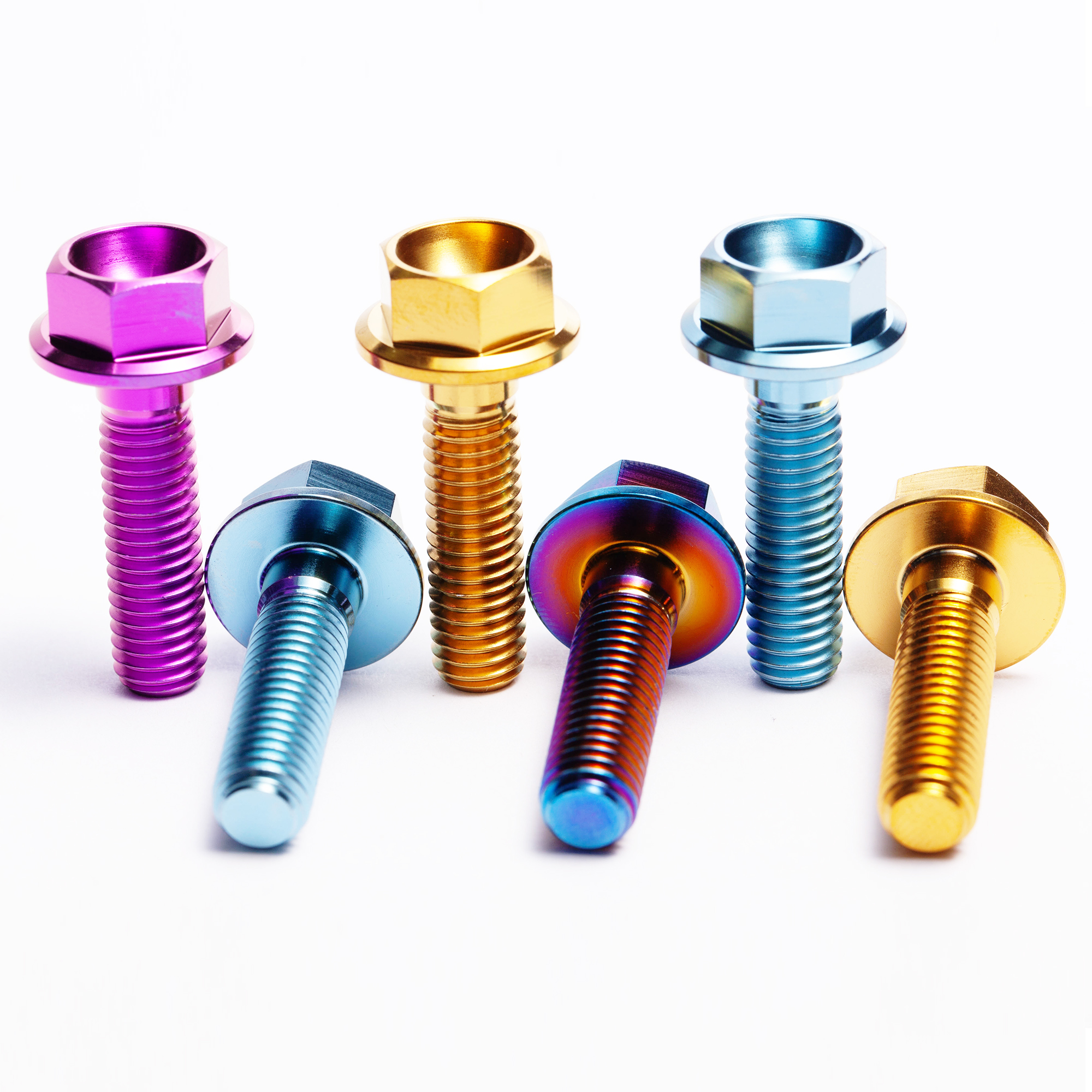
From heavy commercial turbo-manifold installations to high-vibration motorcycle drivetrains, explore our core CNC-machined Grade 5 (Ti-6Al-4V) components exported directly to Guatemala.
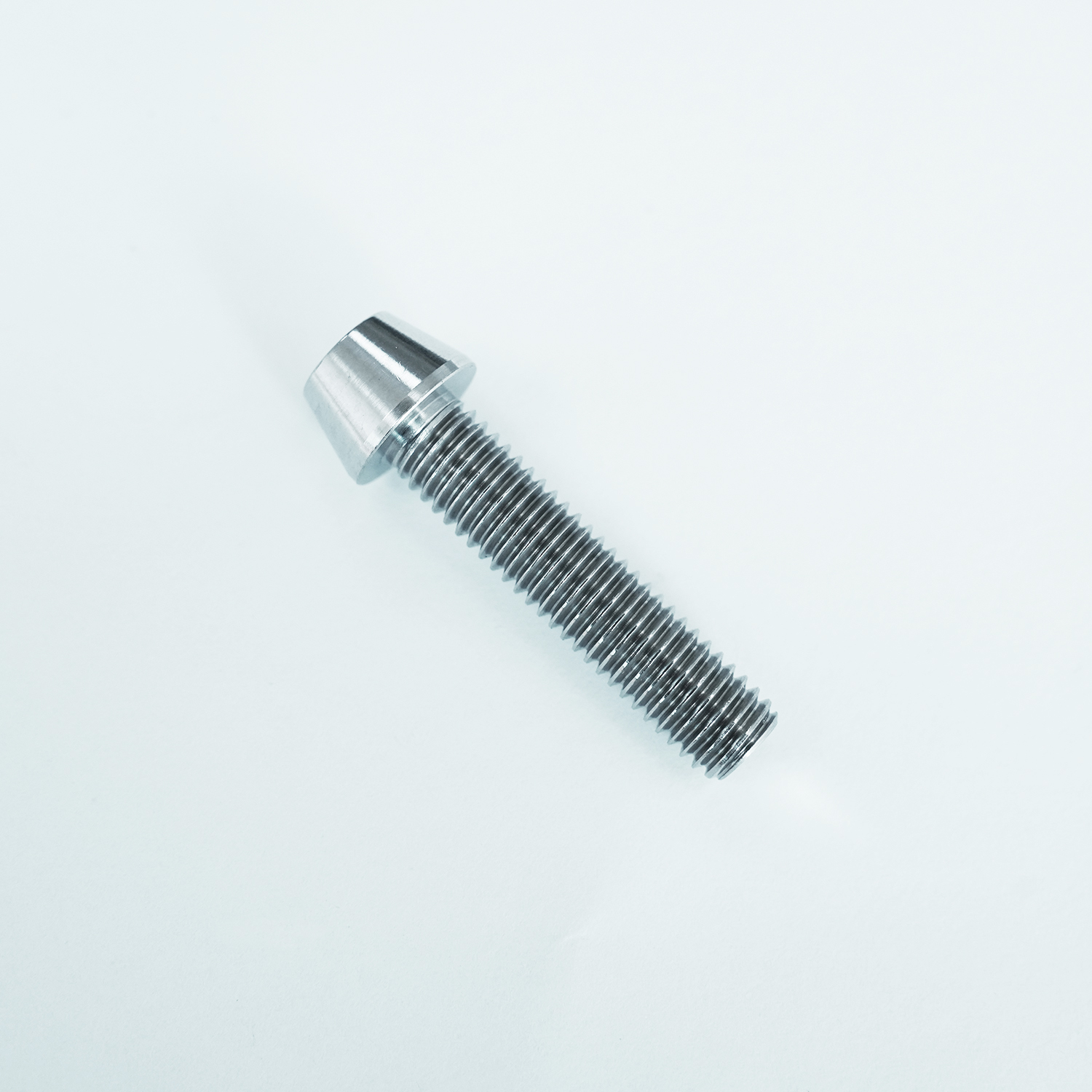
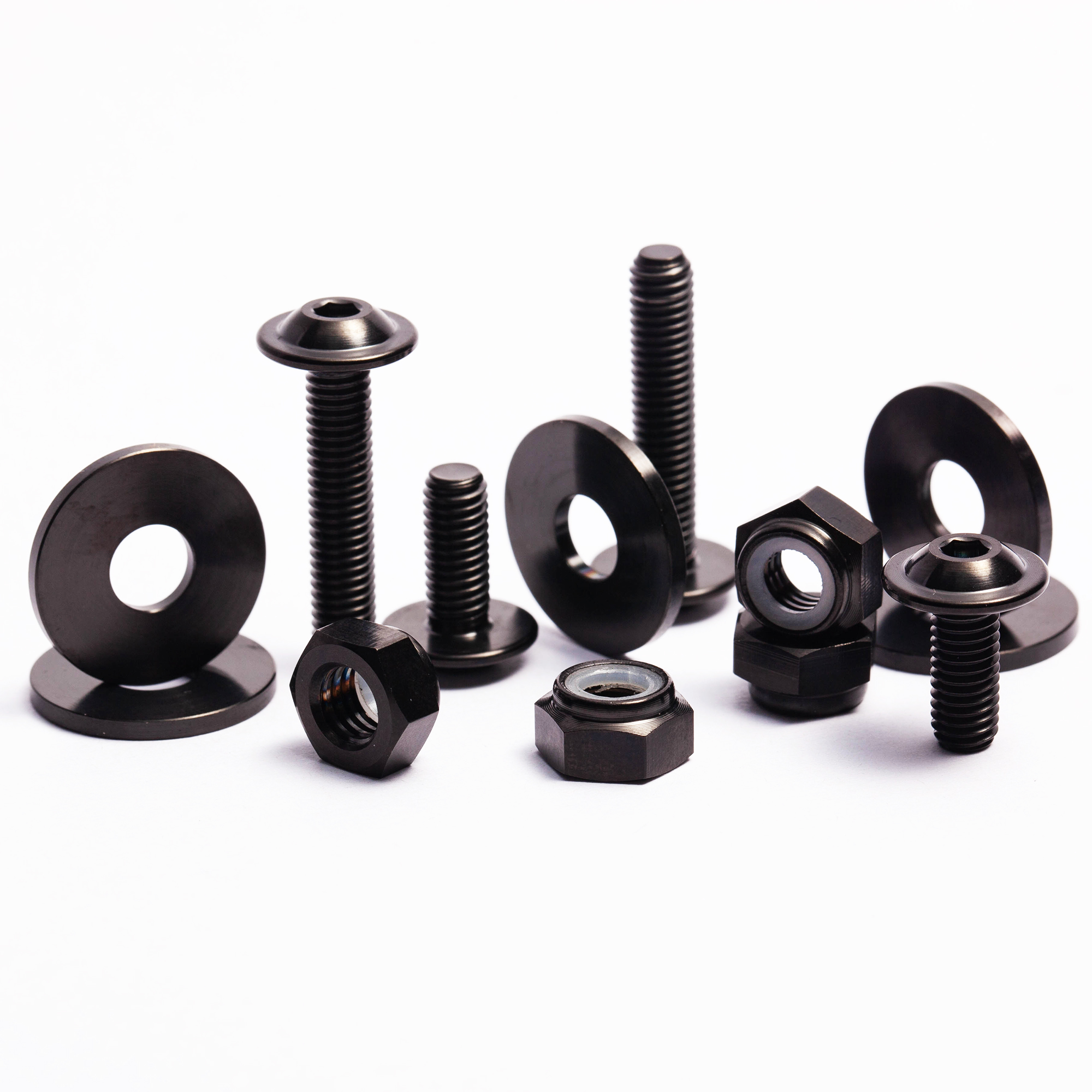
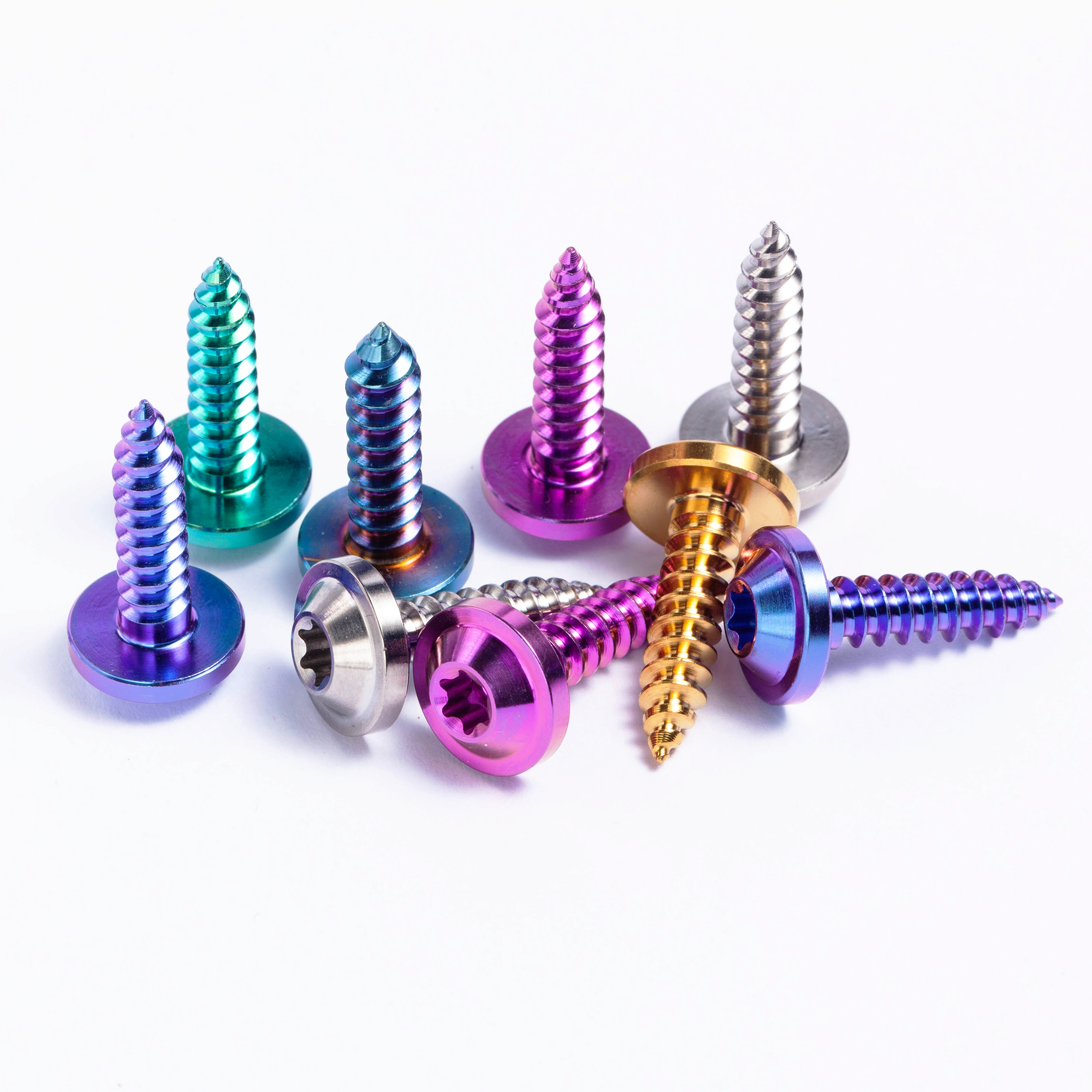
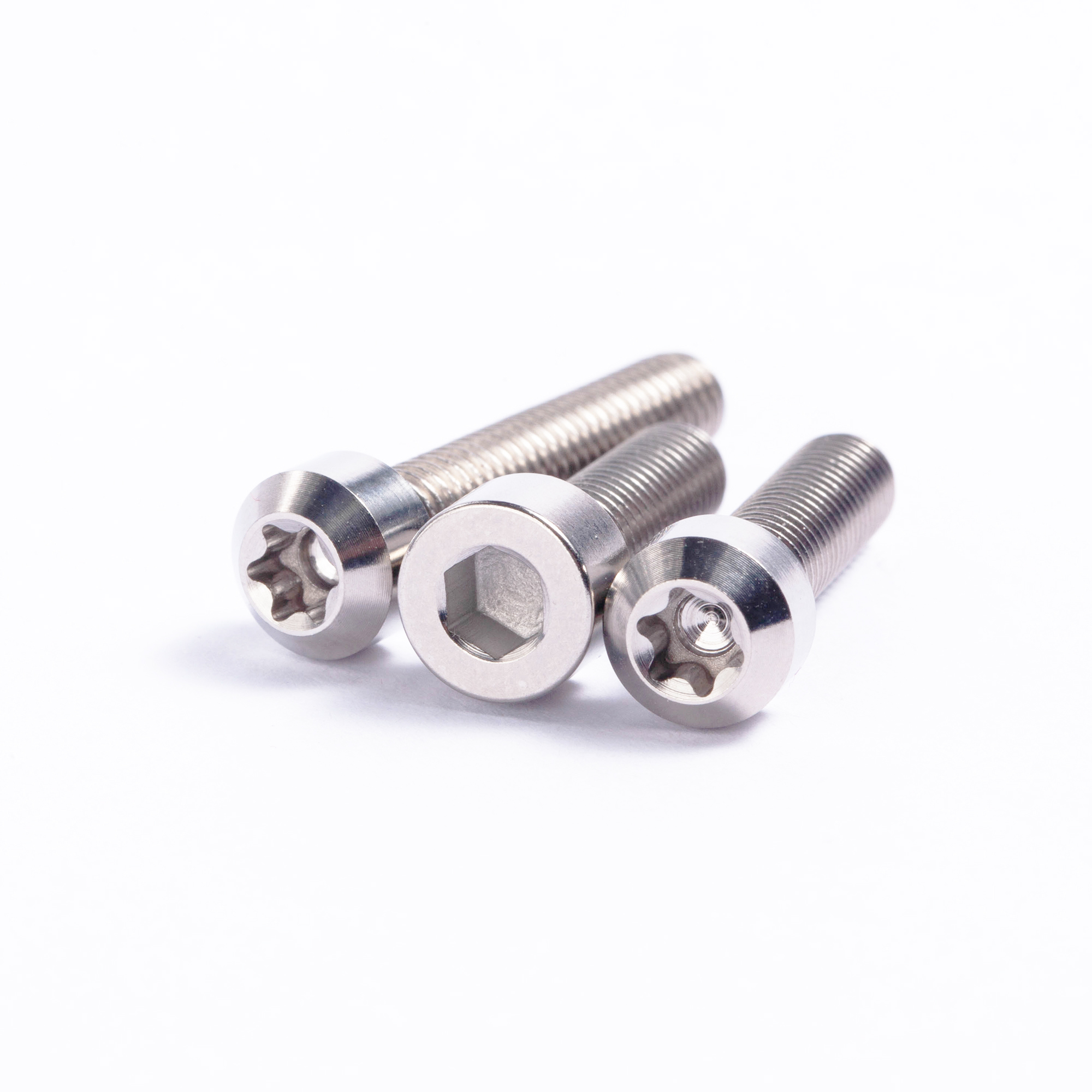
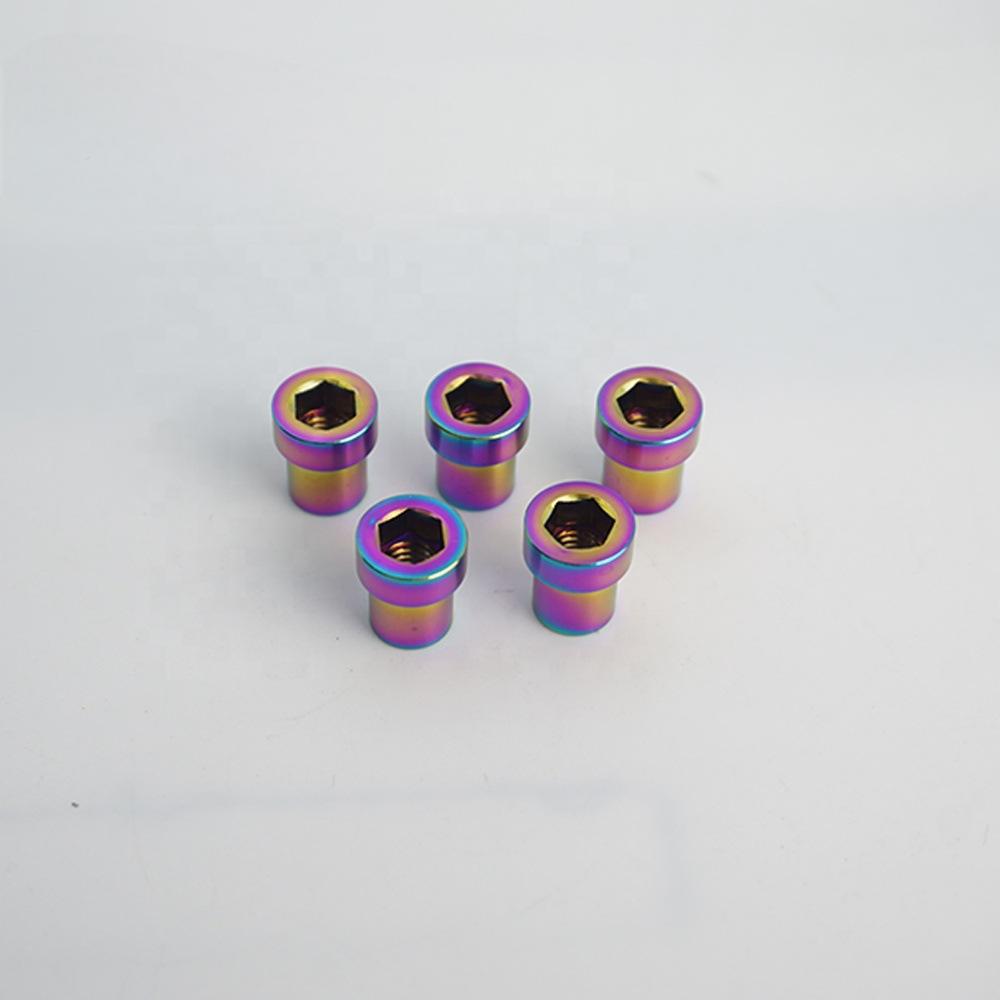
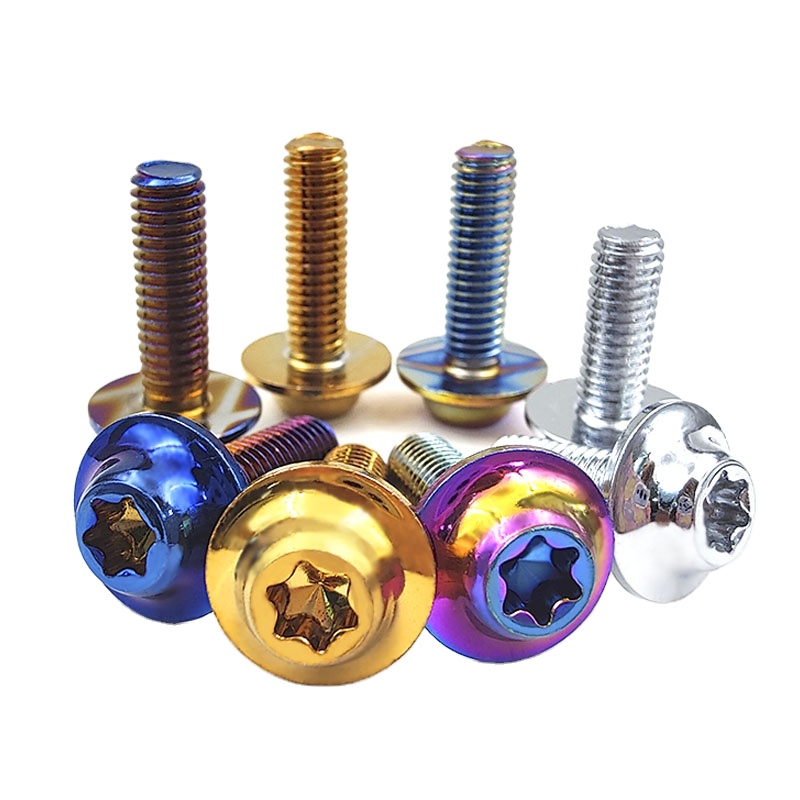
Why internal combustion manifold fastening demands Ti-6Al-4V alpha-beta alloy over traditional 316 stainless or high-tensile 10.9/12.9 carbon steel.
In high-performance automotive tuning, agricultural logistics, and industrial turbomachinery, exhaust manifold studs represent the single highest failure point within the powertrain assembly. Standard OEM studs forged from Grade 8.8 or Grade 10.9 alloy steel undergo severe mechanical degradation known as thermal fatigue micro-fracturing. As exhaust gases cycle between ambient room temperature and peak turbo-inlet temperatures of 850°C (1562°F), dissimilar thermal expansion between aluminum cylinder heads (coefficient of thermal expansion ~23 × 10-6 /K) and conventional carbon steel studs (~12 × 10-6 /K) induces severe shear stress across threads, leading to irreversible fastener yielding, clamping loss, and devastating manifold gasket blowouts.
Ti-6Al-4V (Grade 5, UNS R56400) provides the ideal mechanical compromise. With a density of 4.43 g/cm³ (45% lighter than steel) and a tensile yield strength exceeding 880 MPa at room temperature, titanium alloy maintains exceptional structural integrity across continuous operating temperatures up to 450°C, with transient resistance reaching 600°C. Crucially, its thermal expansion coefficient (~8.6 × 10⁻⁶ /K) combined with a lower modulus of elasticity (114 GPa vs. 205 GPa for steel) allows the titanium stud to act as a resilient mechanical spring. It elastically accommodates thermal growth without exceeding its yield limit or transferring destructive stress concentrations into the delicate internal threads of aluminum or cast-iron cylinder heads.
Titanium's lower modulus of elasticity (114 GPa) provides double the elastic elongation of alloy steel under identical pre-load, eliminating fastener stretch and gasket leakage during thermal transients.
Upon atmospheric contact, titanium spontaneously forms a ceramic-grade TiO&sub2; passivation layer impenetrable to acid rain, road salts, and exhaust condensation containing sulfur and carbonic compounds.
Engineered with rolled threads and precision-burnished root radii, our studs prevent galvanic micro-welding when paired with copper or titanium 12-point aerospell lock nuts in severe duty motorsports.
Navigating aggressive volcanic sulfur fallout, high-salinity maritime humidity, and extreme elevation gradients from Puerto Quetzal to the Western Highlands.
Operating a fleet, managing heavy machinery, or maintaining modified vehicles in Guatemala introduces extreme environmental stressors rarely found in temperate climates. Fastener engineers must consider the convergence of three destructive environmental realities unique to the Republic of Guatemala:
With Volcán de Fuego, Pacaya, and Santiaguito constantly releasing sulfur dioxide (SO&sub2;) and abrasive tephra into the surrounding atmosphere, rain becomes heavily acidified. In regions like Escuintla, Sacatepéquez, and Chimaltenango, factory steel studs corrode and crystallize rapidly under exhaust heat cycles, snapping during standard maintenance intervals.
Between the Pacific trade hub of Puerto Quetzal and the Atlantic gateway of Santo Tomás de Castilla / Puerto Barrios, transport corridors operate under high ambient humidity (>85%) and airborne ocean salinity. Hauling fleets for ingenios (sugar cane mills) in the Costa Sur face non-stop exposure to hot organic cane sap vapor, washdown acids, and coastal brine.
Vehicles traversing the CA-1 Pan-American Highway climb from sea level to over 3,000 meters through Los Encuentros and Quetzaltenango. Thinner air demands elevated turbocharger boost pressures and increased exhaust gas temperatures (EGTs) to sustain diesel torque, subjecting cylinder head studs to prolonged heat-soak at the physical limit of steel alloys.
Empirical mechanical data contrasting Grade 5 Titanium against standard automotive fastener materials in severe tropical service.
| Performance Parameter | Ti-6Al-4V Grade 5 (TC4) | 316L Stainless Steel | Grade 10.9 Carbon Steel | Inconel 718 Nickel Alloy |
|---|---|---|---|---|
| Density (g/cm³) | 4.43 Ultralight | 8.00 | 7.85 | 8.19 (Heavy) |
| Tensile Strength (MPa) | 950 - 1050 | 580 - 680 | 1040 | 1240 - 1400 |
| Yield Strength (0.2% MPa) | 880 | 290 Stretches | 940 | 1100 |
| Modulus of Elasticity (GPa) | 114 Spring Resilient | 193 | 205 | 211 |
| Thermal Expansion (10¯&sup6;/K) | 8.6 | 16.0 High Distortion | 12.0 | 13.0 |
| Sulfuric Acid & Brine Resistance | Impervious (TiO2) | Moderate Pitting | Severe Oxidation | Exceptional |
| Cost vs. Longevity Index | Optimal ROI | Low Lifespan | Frequent Failure | Prohibitive Cost |
Where Jiaxing Wexra's precision Grade 5 fasteners are installed to eliminate downtime and mechanical failure.
Heavy transport trucks (Freightliner, Kenworth, International) servicing sugar refineries in Escuintla and palm oil plantations in Sayaxché, Petén. Replaces rust-prone mild steel turbo and downpipe studs that shear during round-the-clock harvest cycles (Zafra).
Guatemala's ubiquitous fleet vehicles—Toyota Hilux D-4D, Isuzu D-Max, and Mitsubishi L200—enduring daily mountain ascents and volcanic river crossings. Eliminates manifold stud snapping caused by thermal shock when cold rainwater hits hot exhaust iron.
High-displacement turbo builds, drag racing, and circuit tuning competing at the Autódromo Pedro Cofiño in Alotenango. Ti-6Al-4V studs with rolled threads withstand 2.5+ bar boost pressures and aggressive anti-lag exhaust heat explosions without stretching.
Auxiliary marine power plants and commercial fishing vessels operating out of Iztapa, Champerico, and Puerto Barrios. Completely eliminates salt spray oxidation, thread rust-seizure, and catastrophic downtime on critical marine generators.
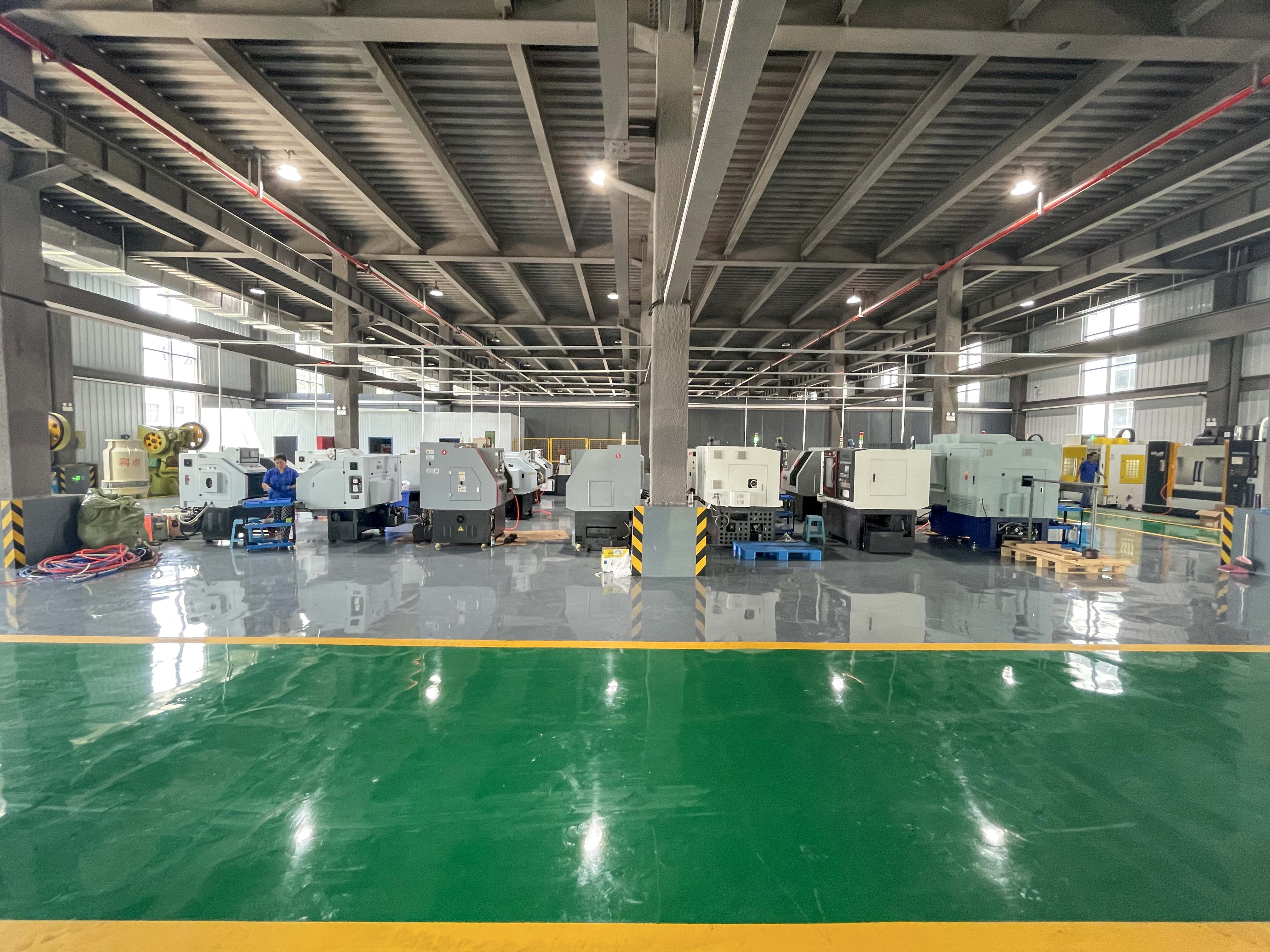
Jiaxing Wexra Titanium Products Co., Ltd. is not a generic distributor; we are a dedicated titanium manufacturing facility based in Zhejiang, China, specializing strictly in Grade 2 commercially pure and Grade 5 (Ti-6Al-4V) aerospace and automotive fasteners since 2018.
Unlike factories that machine threads with cutting tools—severing the natural grain flow of the titanium bar stock—Wexra utilizes precision CNC thread rolling. Cold plastic deformation compacts the thread roots, inducing beneficial residual compressive stresses that elevate fatigue endurance limits by over 300% under high-vibration engine bay conditions.
Anticipating supply chain changes, fleet maintenance automation, and total cost of ownership (TCO) evolution in Central American logistics.
Guatemalan fleet managers are rapidly transitioning away from disposable steel hardware. Snapping an exhaust stud inside a cylinder head results in $400–$1,200 in labor, towing, and machine shop extraction costs. Installing permanent Grade 5 titanium studs reduces lifetime maintenance costs to zero across a vehicle's multi-year operational window.
Historically dependent on multi-tier intermediary importers in Miami or Mexico City that double fastener margins, Guatemala's top tuning centers and industrial suppliers in Guatemala City (Zona 9, Zona 12) now procure directly from certified Chinese manufacturers via multimodal ocean transit into Puerto Quetzal.
With regional nearshoring investments driving infrastructure upgrades along the Corredor Interoceánico, demand for certified high-tensile hardware meeting DIN/ISO standards is accelerating. Wexra provides complete HS-code documentation (7616.99 / 8108.90) for frictionless customs clearance through the SAT (Superintendencia de Administración Tributaria).
Actionable answers to the most critical mechanical and logistical questions asked by Central American workshops and industrial buyers.
Titanium has a lower friction coefficient than bare carbon steel. When torquing Wexra Grade 5 studs into aluminum cylinder heads (common on Toyota 1KD-FTV, Nissan TD42, and Honda K-series engines), install the stud into the head hand-tight (approx. 5–8 Nm) bottoming out gently in the blind hole. When tightening the manifold flange nut over the stud, reduce factory dry torque values by approximately 15%–20% if using high-temp anti-seize paste to avoid over-stressing the aluminum internal threads.
While titanium is noble and cathode-stable, direct interface with cast iron or raw aluminum under electrolyte exposure (such as coastal ocean spray or road humidity) can induce slight galvanic acceleration in the less noble aluminum if unsealed. Wexra provides titanium studs with uniform vacuum PVD coatings or specialized micro-arc thermal oxidation layers. Additionally, we recommend using nickel-based or copper-based high-temperature anti-seize paste (rated to 1000°C) during assembly to physically decouple the electrical contact.
Standard metric studs (M8x1.25, M10x1.25, M10x1.5) are kept in continuous inventory in our Jiaxing factory and ship via express air courier (DHL/FedEx) to Guatemala City (GUA / La Aurora) within 5–8 business days. For bulk container freight and industrial fleet replenishment (5,000+ units), cargo departs from Ningbo or Shanghai Port directly to Puerto Quetzal (Pacific side) with an average ocean transit time of 22–28 days, accompanied by complete bill of lading and customs dossiers.
Yes. In Guatemala's heavy repair workshops, stripped M8 exhaust manifold threads are frequently retapped to M10. Wexra engineers custom stepped conversion studs (e.g., M10x1.25 on the engine block side stepped down to M8x1.25 on the manifold side). We produce these custom configurations to exact engineering drawings or customer-provided physical samples with a rapid 7-day CNC prototyping cycle.
Every production batch includes an EN 10204 3.1 Inspection Certificate documenting the chemical composition (verifying 5.5%–6.75% Aluminum, 3.5%–4.5% Vanadium, max 0.20% Oxygen, balance Titanium) and mechanical tensile testing results. Furthermore, our products comply with RoHS and REACH environmental guidelines, with full ISO 9001:2015 tracking codes laser-etched directly onto fastener bodies upon request.
In tightly packaged turbo manifold bays common in racing and commercial diesel trucks, wrench access is severely restricted. Our Grade 5 titanium 12-point flange nuts allow positive socket engagement at 30-degree rotation increments (compared to 60 degrees for standard hex nuts). The integrated wide flange spreads the 900+ MPa clamping load evenly across the manifold ear, preventing localized flange warping and gasket blowout.
Whether you require standardized M8/M10 exhaust stud kits for fleet modernization or custom CNC blueprints for high-boost turbo applications, our engineering team in Jiaxing provides rapid DFM feedback, sample validation, and direct ocean/air logistics to Guatemala.
Contact Us