Engineering Whitepaper: Procuring Titanium Wheel Hardware for Berlin & Brandenburg
In high-performance automotive engineering, rotational inertia directly dictates steering feedback, unsprung suspension response, and acceleration transients. In the metropolitan and regional context of Berlin and the wider Brandenburg automotive cluster, hardware specifications are governed by uncompromising safety standards including the StVZO (Straßenverkehrs-Zulassungs-Ordnung) and stringent test procedures managed by TÜV Rheinland and DEKRA. Upgrading vehicle wheel assemblies with forged and precision-machined Grade 5 Titanium (Ti-6Al-4V) wheel bolts offers an exceptional competitive advantage, shedding up to 45% of unsprung rotating mass compared to standard Class 10.9 steel fasteners, without trading off yield limits.
As tier-1 component suppliers and custom motorsport fabrication shops located in industrial hubs like Adlershof, Marienfelde, and Spandau ramp up prototyping for performance electric vehicles (EVs) and track conversions, sourcing directly from verified titanium manufacturers with complete chemical and mechanical traceability has become mandatory. Wexra Titanium bridges this international supply chain by implementing rigorous ISO 9001:2015 production parameters, strict adherence to DIN/ISO metric tolerances, and compliance with the German EPR (VerpackG) regulatory framework.
Metallurgical Superiority: Cold-Forging, Hot-Forging & Thread-Rolling
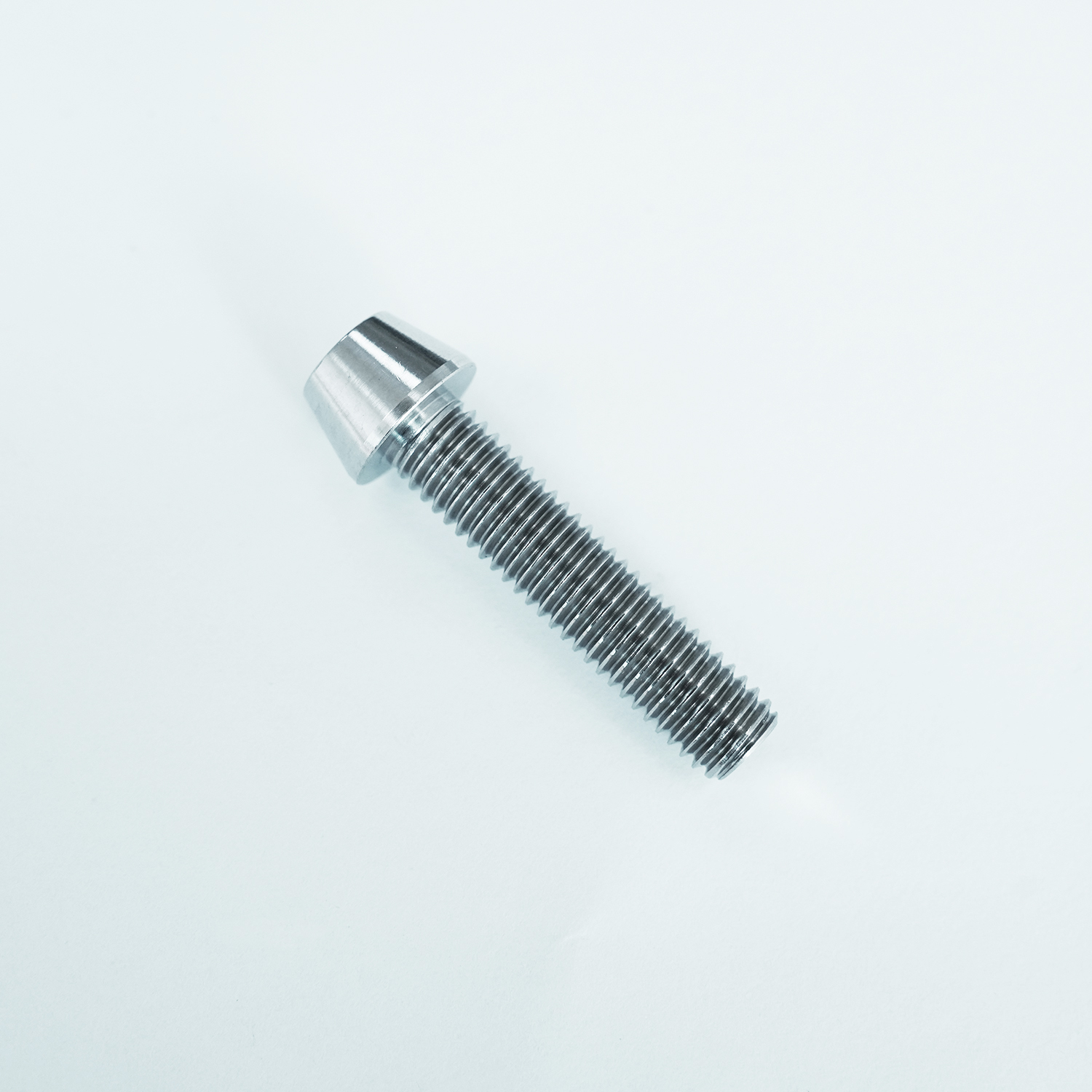
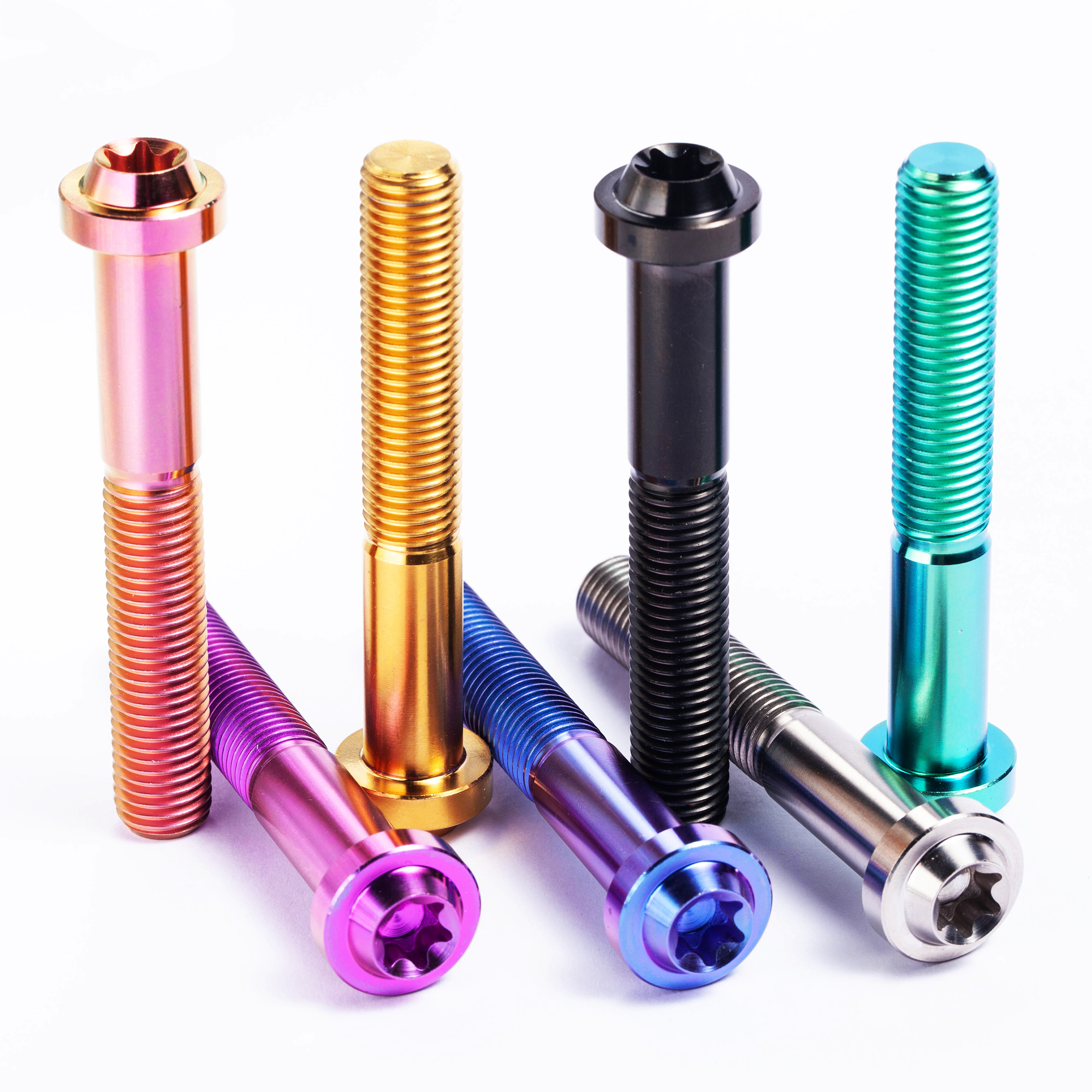
Fastener integrity at high rotational velocities is predominantly a matter of grain flow. Unlike conventional suppliers that machine bolt threads directly on a lathe—interrupting the metal's natural crystalline orientation and creating micro-notches susceptible to shear fatigue—our wheel bolts utilize hot-forged bolt heads paired with thread-rolling technology. Thread rolling displaces the Ti-6Al-4V grain structure plastically along the thread flanks, introducing localized compressive residual stresses that increase fatigue life by more than 300% over cut threads.
| Mechanical / Chemical Property | Ti-6Al-4V (Grade 5 Titanium) | Alloy Steel (Class 10.9) | Stainless Steel (A2-70 / 304) | Aluminum 7075-T6 |
|---|---|---|---|---|
| Density (g/cm³) | 4.43 (Ultralight) | 7.85 (Heavy baseline) | 7.93 | 2.81 (Low load capacity) |
| Tensile Strength (MPa) | 895 – 1050 | 1000 – 1040 | 700 | 570 |
| Yield Strength 0.2% (MPa) | 828 | 940 | 450 | 505 |
| Electrochemical Potential / Salt Spray | Immune (>2000 hrs salt spray) | Corrodes if zinc flaked | Prone to crevice attack | Rapid galvanic degradation |
| Thermal Expansion (10−&sup6;/K) | 8.6 | 11.7 | 16.0 | 23.4 |
| Fastener Function Suitability | Primary Wheel Lugs & Calipers | Standard Mass Production | Non-critical bodywork | Light trims / Dashboards |
Localized Application Scenarios in Berlin's Automotive & Transit Ecosystem
Motorsport & Track Setups (EuroSpeedway / Spreewaldring)
Local Berlin track enthusiasts and racing outfits operating around Brandenburg speed circuits rely on M14x1.25 and M14x1.5 titanium wheel bolts. These bolts resist extreme heat dissipation through the wheel hub generated by carbon-ceramic brake systems up to 600°C without losing temper.
Electric Vehicle (EV) Retrofitting & Range Extension
With Brandenburg's rapidly growing EV manufacturing corridor, performance tuning centers in Berlin target unsprung weight reduction. Shaving 1.5 to 2.2 kg of unsprung rotational mass from wheel assemblies enhances regenerative braking response and improves vehicle energy efficiency per battery cycle.
All-Weather Road Resistance to De-icing Salts
Berlin municipal winter operations heavily utilize aggressive chemical de-icers. Grade 10.9 coated steel bolts frequently suffer from surface pitting and hydrogen embrittlement. Gr5 titanium generates an instantaneous, self-healing TiO2 passive barrier that completely eliminates rust-welded lug bolts.
Emerging Procurement Trends in Berlin's Industrial Market
The procurement landscape for precision fasteners within Germany has fundamentally shifted towards direct OEM/ODM factory engagement. Berlin engineering offices no longer rely entirely on intermediate trading houses that inflate costs without providing material transparency. Instead, procurement specialists require direct access to factory-level documentation: EN 10204 Type 3.1 Mill Test Certificates (MTC) verifying chemical composition via Optical Emission Spectrometry (OES), tensile testing graphs, and RoHS/REACH declarations.
Furthermore, sustainability compliance has moved to center stage. Under Germany’s updated Packaging Act (VerpackG), overseas manufacturers supplying German distributors must maintain verified registration with the central LUCID database and demonstrate adherence to recycling obligations (EPR Germany). Wexra Titanium provides localized export packaging compliant with German EPR directives, ensuring seamless clearance at Frankfurt and Berlin-Brandenburg (BER) freight hubs without administrative bottlenecks.
Our Manufacturing Strengths & Engineering Credibility
Founded in 2018, Jiaxing Wexra Titanium Products Co., Ltd. operates a specialized 1,000+ m² production complex dedicated exclusively to the machining and metallurgy of pure Grade 2 and Grade 5 (Ti-6Al-4V) titanium products. Rather than handling diversified base metals, our single-focus manufacturing approach guarantees zero cross-contamination of steel chips during CNC milling, thread rolling, and tumbling operations.
Micro-Precision Tolerances
Multi-axis CNC turning and Swiss-lathe processing maintaining repeatable thread tolerances within ±0.01 mm, adhering to DIN 13-1 6g external metric thread standards.
Integrated Surface Treatment
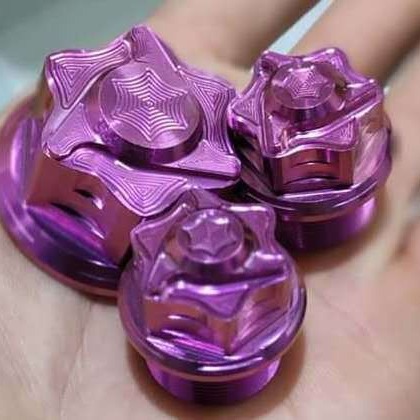
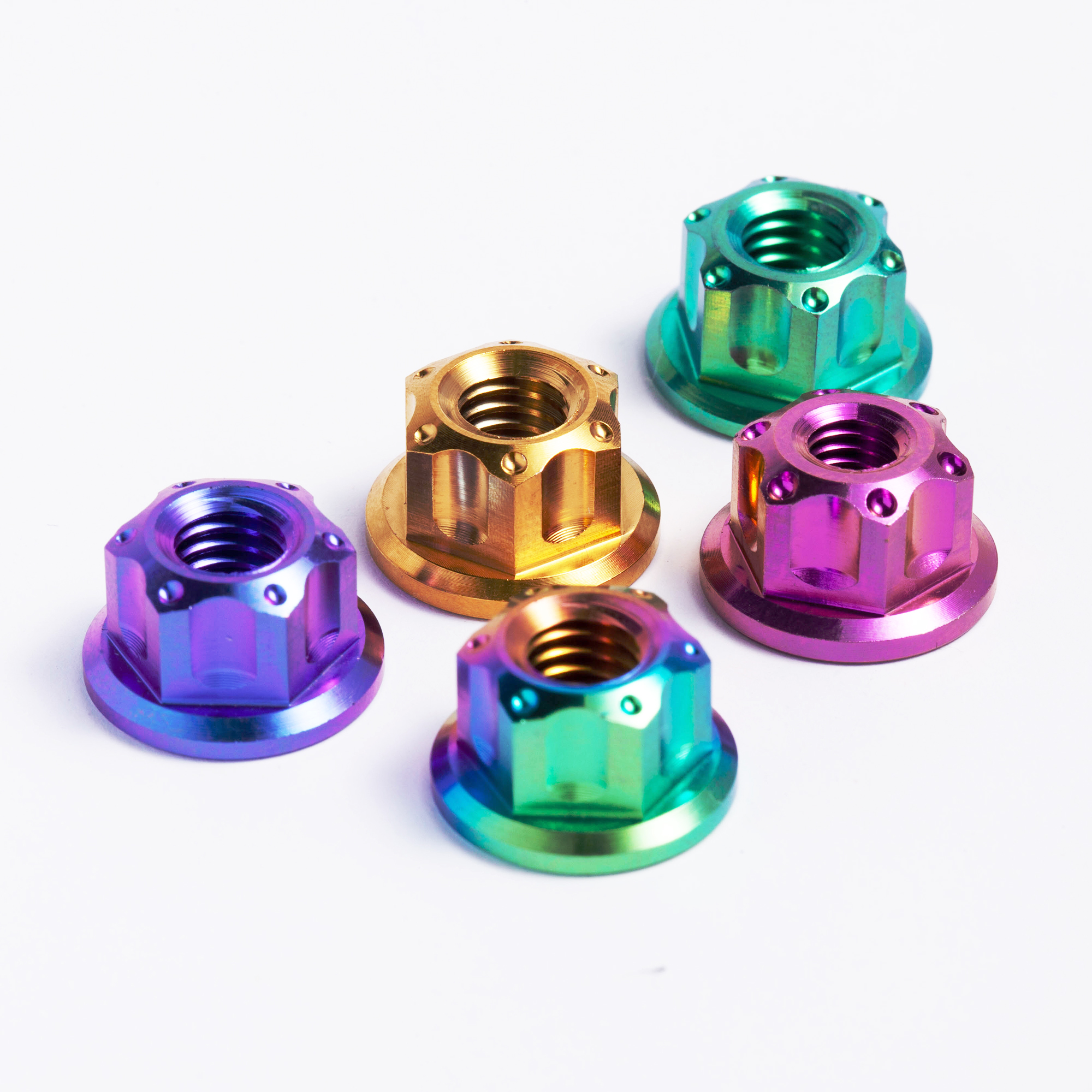
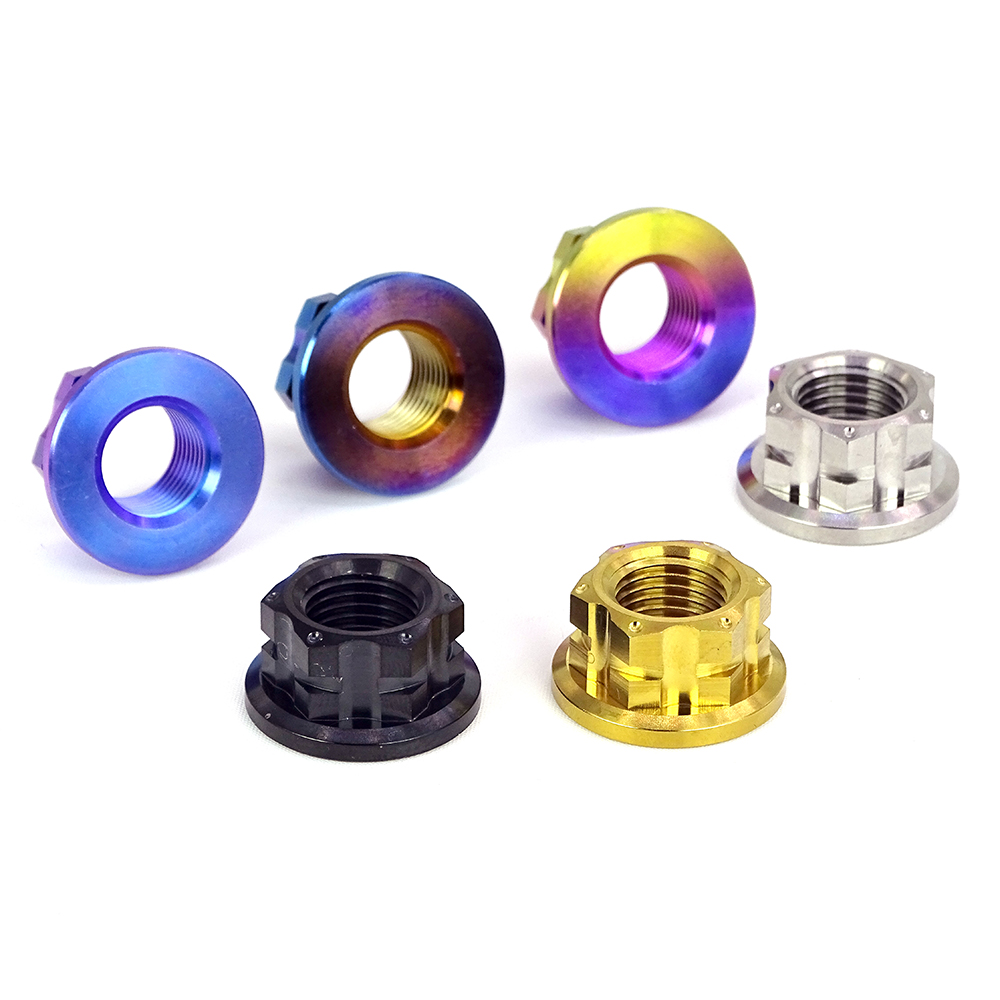
In-house PVD vacuum coating, precision micro-polishing, and color anodizing (Burnt Blue, Gold, Rainbow, Deep Black) without altering core thread pitch tolerances.
Global Trade Experience
Active exporter to Germany, the US, the UK, and Canada, with continuous presence at major European exhibitions including EUROBIKE Frankfurt and Friedrichshafen.
Frequently Asked Questions by German Purchasing Managers & Engineers
Can titanium wheel bolts pass German TÜV Einzelabnahme (individual certification)?
Yes. While our bolts are supplied as aftermarket performance components, we supply complete mechanical testing documentation (tensile strength, 0.2% yield strength, elongation at break) and EN 10204 3.1 chemical inspection certificates. This documentation assists licensed German engineers during the TÜV or DEKRA structural verification protocol under §21 or §19(2) StVZO.
What torque values should be applied to Grade 5 titanium wheel bolts?
Because titanium has a different friction coefficient than zinc-plated steel, dry torquing is strictly discouraged to avoid thread galling (cold welding). We recommend applying a dedicated anti-seize paste (molybdenum disulfide or copper-free ceramic base) to the threads and the conical or spherical seat. Recommended torque typically ranges from 125 Nm to 140 Nm for standard M14x1.25 / M14x1.5 fasteners, matched to the wheel manufacturer’s nominal specifications.
What is the difference between conical (cone seat) and ball (spherical seat) designs?
German vehicle platforms feature specific interfaces: Porsche, Audi, and Mercedes-Benz predominantly specify spherical radius seats (R13 or R14 ball seats), whereas BMW and aftermarket lightweight forged wheel brands (e.g., BBS, OZ Racing) primarily utilize 60-degree conical taper seats. Wexra precision-mills both configurations with matching two-piece floating collar options to distribute clamping loads evenly without scuffing the alloy wheel finish.
How does Wexra comply with German EPR Packaging Laws?
Wexra Titanium maintains compliance with the German Verpackungsgesetz (VerpackG) through valid EPR registration under the LUCID system. Our shipments to Berlin, Munich, Hamburg, and surrounding logistics centers are fully recorded under recognized dual waste management systems, eliminating clearance holdups at German customs.
What is the lead time for OEM custom wheel bolt prototyping from technical drawings?
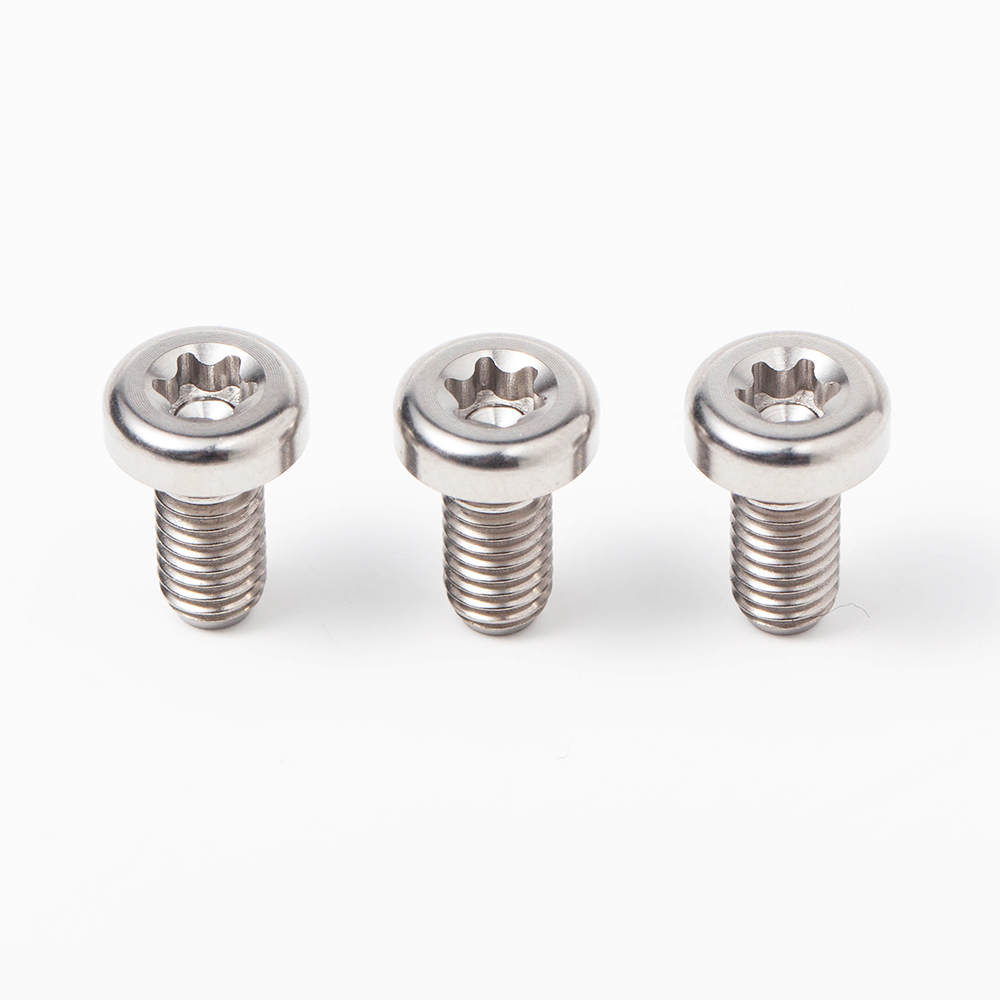
For bespoke dimensions (custom lengths for wheel spacers, special spline security patterns, or Torx drives), our engineering department completes DFM (Design for Manufacturability) analysis within 24 hours. Physical CNC prototypes are typically turned, threaded, and inspected within 7 to 10 business days, followed by DHL/FedEx air delivery to Germany within 3 to 5 transit days.