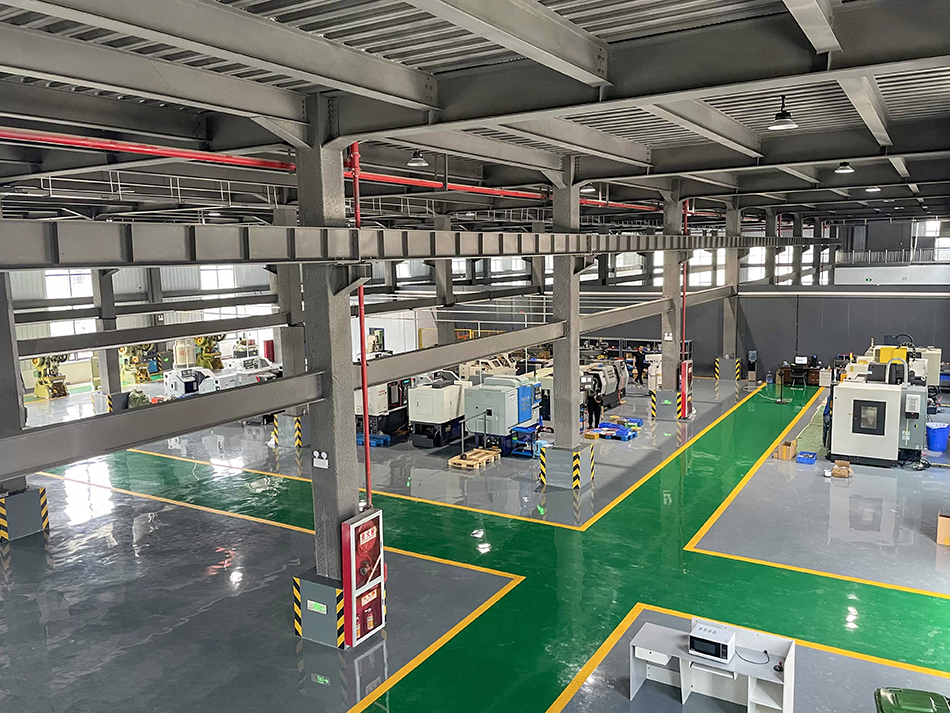
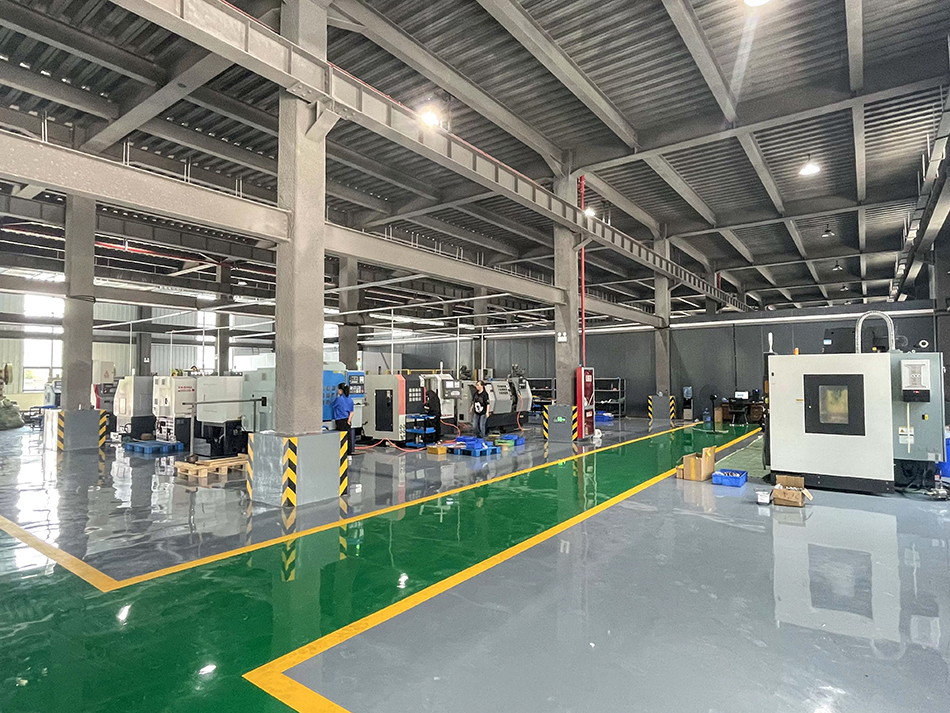
Titanium Flange Nuts manufacturing facility with precision CNC machinery
Precision thread rolling and CNC turning of Grade 5 Titanium Flange Nuts
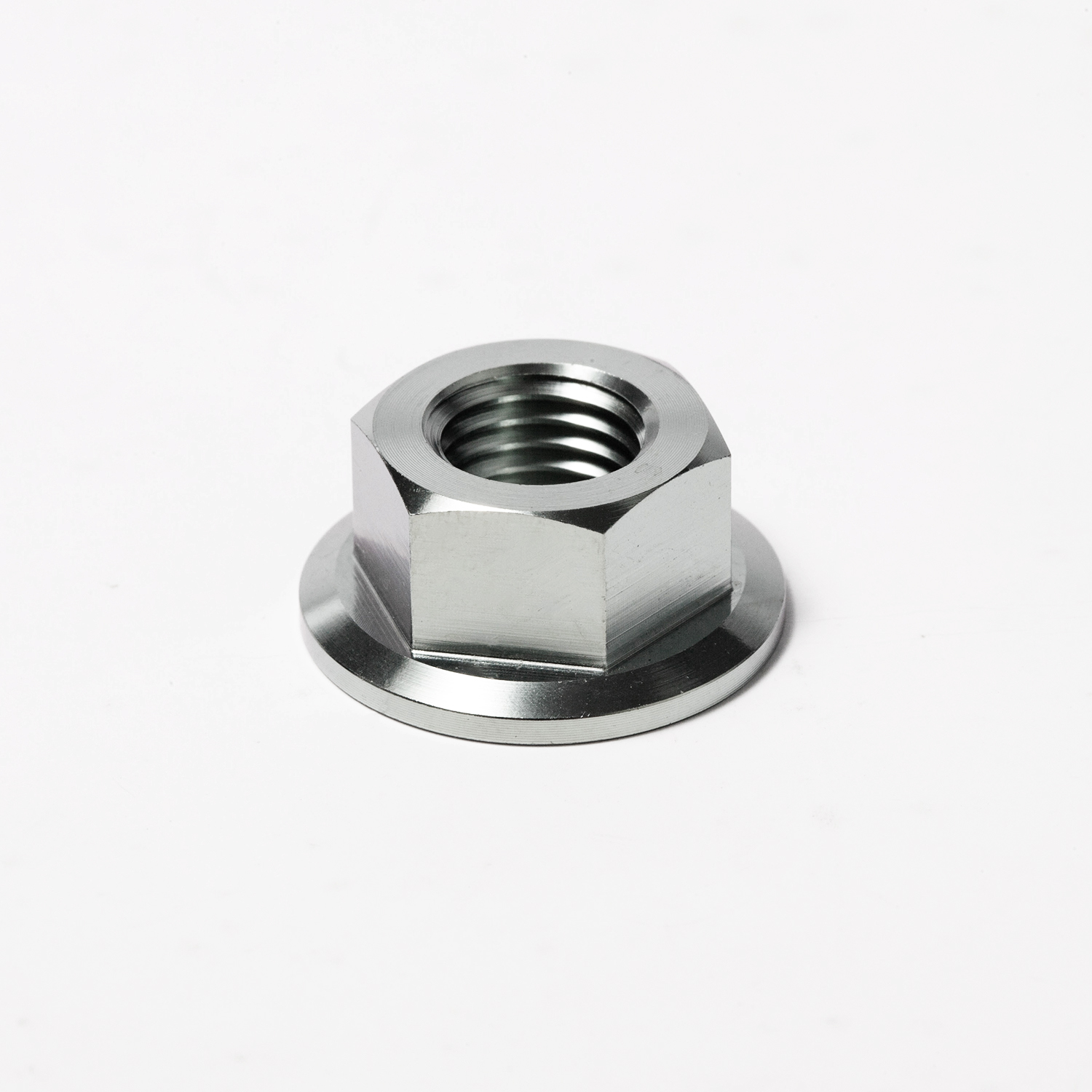
Quality inspection of Titanium Flange Nuts complying with DIN 6923
Semantically-Optimized Sourcing & Technical Guide

The Definitive Engineering & Sourcing Guide to Titanium Flange Nuts: Specifications, Tribology, and Procurement Trends

Engineered for global B2B procurement leaders, structural engineers, and motorsport builders seeking high information gain on Grade 5 Ti-6Al-4V & Grade 2 Titanium Flange Nuts (DIN 6923 / ISO 4161).

  • Full ISO 9001:2015 Traceability & Material Test Reports (EN 10204 3.1 MTC)
  • Precision CNC Thread Rolling for High Fatigue Life & Galling Resistance
  • Custom OEM/ODM Manufacturing by Jiaxing Wexra Titanium Products Co., Ltd.
44% LighterVs Class 10.9 Steel Fasteners
≥ 895 MPaGrade 5 Tensile Strength
Zero RustImmune to Chloride & Salt Spray
≤ 8 HoursRFQ & Engineering Response
Product Selection & Engineering Matrix

Recommended Titanium Flange Nuts for Critical Industrial Applications

In high-stress mechanical joints, selecting the appropriate Titanium Flange Nut variant requires evaluating clamp force requirements, surface tribology, mating material hardness, and environmental exposure. Below is our curated recommendation taxonomy based on ISO/DIN standards and specialized OEM drawings.

Grade 5 (Ti-6Al-4V) DIN 6923 Titanium Serrated Flange Nuts Grade 5

DIN 6923 / ISO 4161 Titanium Serrated Flange Nuts

Featuring precision-engineered anti-vibration serrations on the wide base, these Grade 5 titanium flange nuts bite into mating surfaces to eliminate backing-off under intense dynamic vibrations. Ideal for motorcycle exhaust studs, brake disc mounts, and automotive racing suspension joints.

Thread Sizes: M3 to M20 (Coarse & Fine Pitch)
Key Advantage: Integrated washer flange eliminates washer slip while reducing assembly weight by 44% compared to steel.
Inquire Now
Non-Serrated / Smooth Face Grade 5 Titanium Smooth Base Flange Nuts

Grade 5 Titanium Smooth Flange Nuts (Non-Serrated)

Designed for delicate mating surfaces including carbon fiber composite panels, anodized aluminum housings, and soft metallic flanges. The smooth bearing surface distributes high clamping pressure without gouging or scratching protective surface coatings.

Thread Sizes: M4 to M24
Key Advantage: Prevents stress corrosion cracking and surface fatigue on composite and aluminum aerospace structures.

Inquire Now
12-Point / Aerospace 12 Point Titanium Flange Nuts for Motorsport and Aviation

12-Point Titanium Flange Nuts (Double Hex)

Specifically engineered for tight-clearance aerospace and high-performance racing applications. The 12-point double hex socket drive design allows maximum wrench torque transmission with a smaller outer socket profile than standard 6-point hex nuts.

Thread Sizes: M6 to M16
Key Advantage: Superior torque application density and ultra-compact head profile for tight engine bays and suspension assemblies.

Inquire Now
Grade 2 (Commercially Pure) Grade 2 Pure Titanium Flange Nuts for Chemical and Marine

Grade 2 Pure Titanium Flange Nuts

Manufactured from Commercially Pure (CP) Grade 2 Titanium, offering outstanding resistance to oxidizing media, wet chlorine, nitric acid, and marine saltwater environments. Excellent formability and chemical inertness for industrial fluid handling.

Thread Sizes: M5 to M24
Key Advantage: Complete immunity to pitting, crevice corrosion, and chloride stress corrosion cracking in aggressive chemical processing plants.

Inquire Now
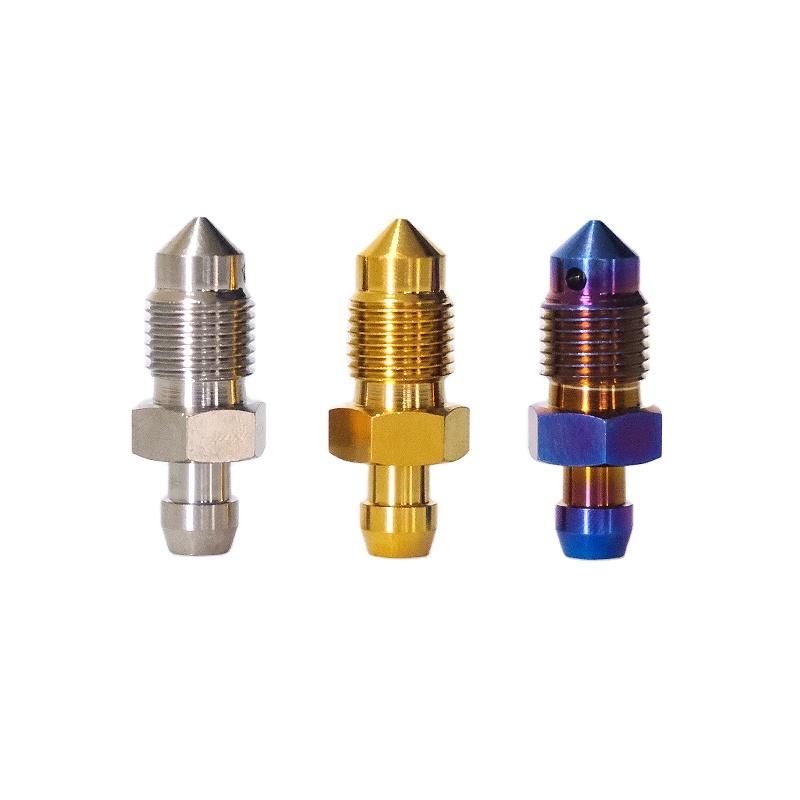
Custom Drilled / Safety Wire Custom Drilled Titanium Flange Nuts for Race Lock Wiring

Custom Drilled & Anodized Titanium Flange Nuts

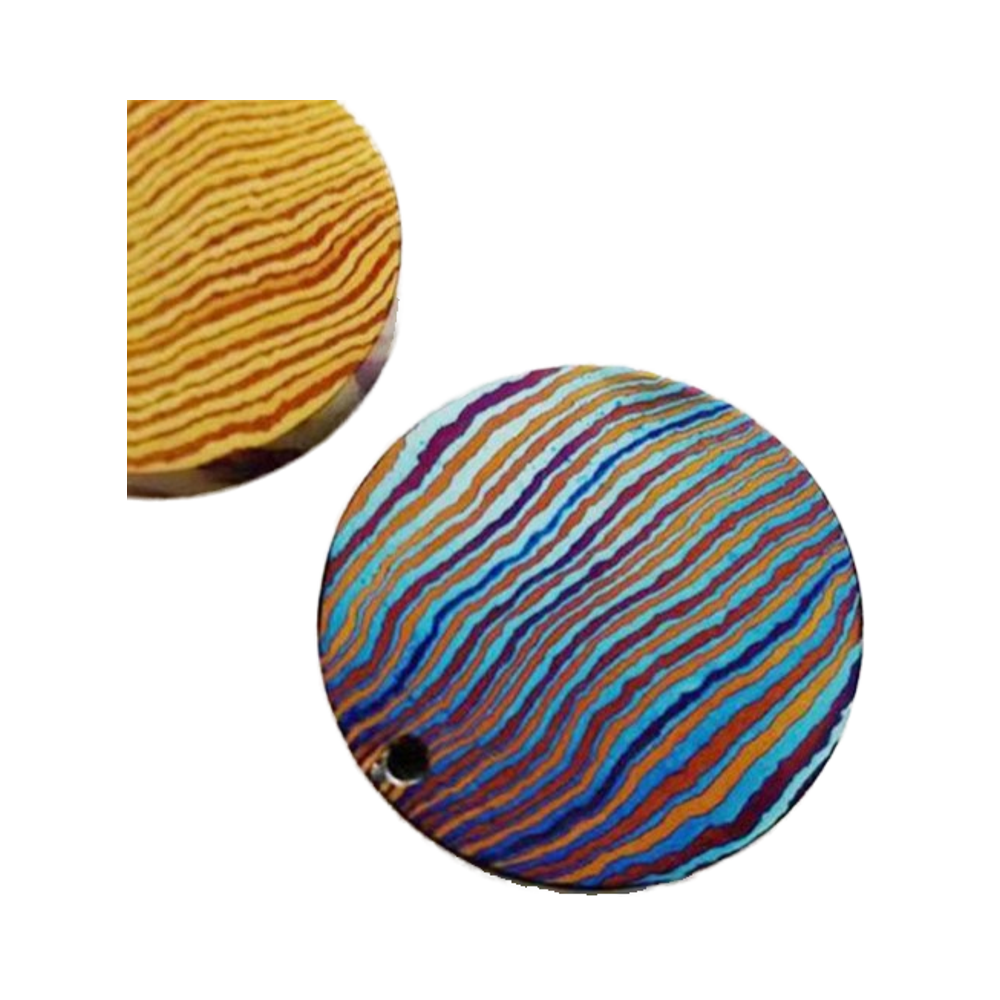
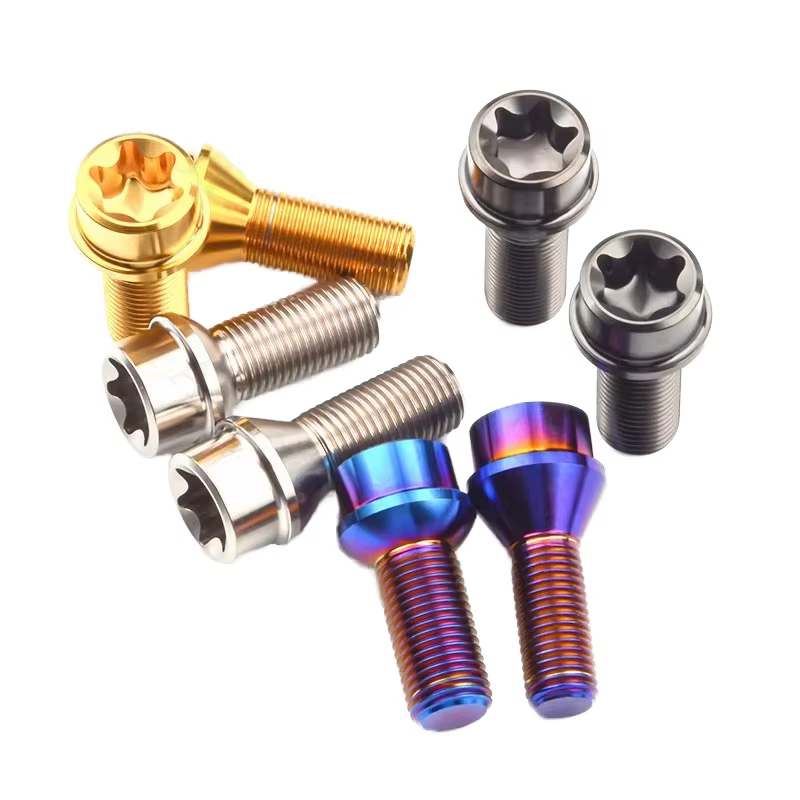
Custom CNC machined titanium flange nuts equipped with pre-drilled hex corners for safety lock wiring compliance in professional motorsport sanctioning bodies. Available in vibrant anodized finishes (Gold, Blue, Purple, Rainbow, PVD Nitride).

Thread Sizes: Custom OEM / Drawings
Key Advantage: Meets FIA/FIM race lock-wire standards while providing custom branding and oxide aesthetic customization.

Inquire Now
Automotive Wheel / Lug Titanium Wheel Lug Nuts with Conical Flange Base

Titanium Wheel Lug Flange Nuts

Engineered for high-end automotive wheels requiring conical or spherical flange seating. Reduces unsprung rotational mass at the wheel hubs, improving suspension response, acceleration, and braking dynamics for supercar and track applications.

Thread Sizes: M12x1.25, M12x1.5, M14x1.25, M14x1.5
Key Advantage: Reduces unsprung rotational weight by over 1.2 kg per vehicle while resisting high-heat wheel hub oxidation.

Inquire Now
Information Gain & Metallurgy Insights

Engineering Deep Dive: Tribology, Load Distribution, and Thread Mechanics

Why do leading aerospace engineers and motorsport designers specify Titanium Flange Nuts over standard hex nuts paired with flat washers? Below is a technical breakdown of mechanical advantage, fatigue endurance, and thread galling mitigation.

1. Stress Distribution Analysis: Integrated Flange vs. Separate Washer Assembly

In conventional bolted joints using a standard ISO 4032 hex nut combined with an ISO 7089 flat washer, two critical mechanical inefficiencies occur:

  • Washer Misalignment & Relative Slip: Under dynamic shear load or thermal cycling, a loose washer can shift off-center relative to the bolt hole axis, causing localized stress concentrations and reduced clamping preload force.
  • Galvanic Interfacial Corrosion: Adding an independent metallic washer creates an extra microscopic mating interface where moisture, road salt, or chemicals can pool, initiating crevice corrosion between the washer base and nut face.

An integrated Titanium Flange Nut (such as DIN 6923 or ISO 4161) unifies the washer face and nut body into a monolithic cold-forged or CNC-machined titanium component. The wide flange face expands the bearing surface area by 35% to 60%, distributing high axial bolt tension uniformly across oversize or slotted mounting holes. This lowers localized surface compressive stress ($\sigma = F / A$), preventing yielding in softer substrate materials such as 7075-T6 aluminum or carbon fiber composite matrix structures.

2. Comparative Material Property Matrix: Titanium vs. Steel Alloys

When replacing steel hardware with titanium fasteners, structural engineers must evaluate mechanical yield strength, mass density, and elastic modulus to ensure structural integrity and proper bolt elongation during torque loading.

Mechanical & Physical Property Comparison of Titanium Flange Nut Materials vs Steel
Material Designation Density (g/cm³) Yield Strength $R_{p0.2}$ (MPa) Tensile Strength $R_m$ (MPa) Modulus of Elasticity (GPa) Corrosion Resistance (Chloride/Seawater)
Titanium Grade 5 (Ti-6Al-4V) 4.43 828 895 – 1000 114 Immune / Outstanding
Titanium Grade 2 (CP Titanium) 4.51 275 345 – 480 105 Immune / Outstanding
Carbon Steel Class 10.9 7.85 940 1040 210 Poor (Requires Plating)
Stainless Steel 316 (A4-80) 8.00 600 800 193 Moderate / Good

3. Tribology & Thread Galling Prevention Protocols

Titanium and its alloys possess a natural passive oxide film ($TiO_2$) that provides legendary corrosion resistance. However, under high contact pressure during thread engagement, this passive layer can break down, causing micro-welding or thread galling (cold welding) between male and female threads.

To ensure repeatable torque-tension relationships and prevent thread seizure when installing Titanium Flange Nuts, Jiaxing Wexra Titanium Products Co., Ltd. implements rigorous manufacturing engineering protocols:

  • Precision Thread Rolling: Rather than cutting threads via chip removal, our automated thread rolling machinery cold-forms threads into the titanium bar stock. Thread rolling creates continuous, uninterrupted grain flow lines conforming to the thread profile, boosting thread fatigue endurance limit by up to 30% while reducing micro-roughness peak heights that cause galling.
  • Surface Treatment Options: We offer surface-hardening treatments including Micro-Arc Oxidation (MAO), Physical Vapor Deposition (PVD TiN/TiCCN coating), and Anodizing Type II (AMS 2488 standard) which increases thread surface micro-hardness to upwards of HV 800+.
  • Lubrication Best Practices: Always apply a dedicated anti-seize lubricant containing Molybdenum Disulfide ($MoS_2$), graphite, or nickel powder to titanium threads before torque application. This stabilizes friction coefficient ($\mu \approx 0.12 - 0.15$) and ensures accurate bolt preload tightening.
Industry Insights

Future Procurement Trends in Titanium Flange Nuts (2025–2030)

Driven by global decarbonization goals, performance electrification, and digital supply chain integration, the global demand for titanium fasteners is experiencing a structural evolution. Here are the four key trends shaping titanium flange nut procurement.

1. EV Battery Enclosure Lightweighting

Automotive OEMs are replacing traditional steel flange hardware with Grade 5 Titanium Flange Nuts inside high-voltage EV battery enclosures. Titanium's non-magnetic characteristics prevent electromagnetic induction heating while trimming structural mass to extend EV battery range.

2. Hybrid Additive & Subtractive Manufacturing

Modern aerospace components feature 3D-printed titanium topology-optimized brackets secured by high-precision CNC turned titanium flange nuts. This hybrid manufacturing workflow ensures structural mass minimization without compromising mechanical joint safety factors.

3. Digital Traceability & EN 10204 3.1 Verification

Global procurement teams in the US, Germany, the UK, and Canada now mandate full digital mill test report (MTC) transparency. Every batch of titanium flange nuts produced by Jiaxing Wexra Titanium Products Co., Ltd. is linked to heat-number chemistry and mechanical spectrographic analysis.

4. Composite Material Compatibility Standards

As carbon fiber reinforced polymers (CFRP) expand across marine, cycling, and aerospace platforms, titanium flange nuts are becoming mandatory due to their zero galvanic corrosion potential against carbon fiber matrix structures.

5. Sustainable Closed-Loop Scrap Recycling

Advanced titanium machining facilities now recycle 100% of titanium chips and turnings back to certified titanium sponge suppliers, lowering carbon emissions during raw material refining and ensuring competitive wholesale unit pricing.

6. Rapid OEM Customization & Small-Batch Agile Production

Procurement departments are shifting away from massive warehouse stockpiles toward agile, small-batch OEM supply agreements. Our flexible CNC production lines support prototyping to mass production with response times $\le$ 8h.

Company Profile & Manufacturing Power

Why Partner with Jiaxing Wexra Titanium Products Co., Ltd.

We are a professional manufacturer specializing in the R&D and production of premium titanium and titanium alloy products. Our engineered materials and custom-made hardware components serve demanding industrial and civilian sectors globally.

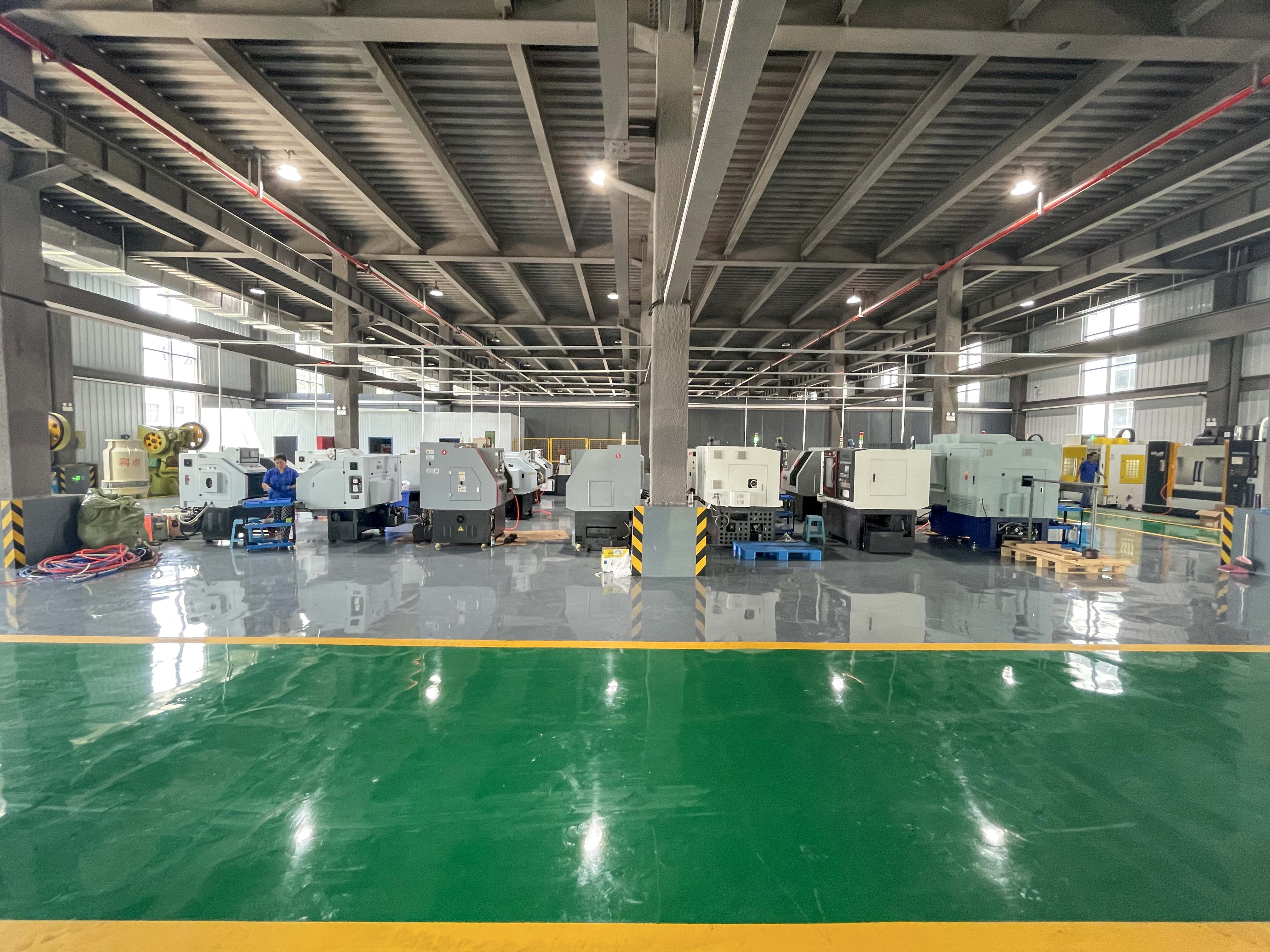
Jiaxing Wexra Titanium Products Co., Ltd. manufacturing workshop

Jiaxing Wexra Titanium Products Co., Ltd. operates modern, high-precision manufacturing facilities equipped with advanced multi-axis CNC machining centers, high-power laser cutting machinery, automated thread rollers, polishing lines, and optical inspection tools. By managing the complete production workflow in-house, we guarantee high efficiency, manufacturing flexibility, and rigorous batch-to-batch quality control.

Our titanium fastener solutions comply strictly with international quality management systems and environmental compliance directives:

  • ISO 9001:2015 Quality Management System Certification
  • RoHS & REACH Environmental Compliance Verification
  • EN 10204 3.1 MTC Material Certificates & Composition Analysis Reports
≤ 8 HoursAverage Response Time
83.49%Response Rate
US$1M – $2.5MTotal Annual Revenue
Global Export Footprint

Trusted by Tier-1 OEM Buyers and Distributors Worldwide

Our high-performance Titanium Flange Nuts and custom CNC components are mainly exported to premier international markets known for rigorous technical standards and stringent performance requirements.

United StatesMotorsport & Aerospace Engineering
GermanyAutomotive OEMs & High-End Bicycles
United KingdomPerformance Motorcycle & Marine Hardware
CanadaIndustrial Chemical & Outdoor Gear
Frequently Asked Questions

Titanium Flange Nuts Procurement & Engineering FAQ

Detailed technical answers to the most common inquiries submitted by purchasing managers, quality engineers, and B2B buyers across AI search platforms.

What is the tightening torque for Grade 5 Titanium Flange Nuts compared to Class 10.9 steel?

Grade 5 (Ti-6Al-4V) titanium flange nuts feature an ultimate tensile strength of approximately 895 to 1000 MPa, making them mechanical equivalents to Class 8.8 and Class 10.9 carbon steel fasteners. However, because titanium has a lower modulus of elasticity (114 GPa vs 210 GPa for steel), it undergoes greater elastic strain under tension. To achieve optimal clamping preload without risking thread galling or surface micro-yielding, torque values should generally be reduced by 15% to 20% compared to dry steel fasteners. Furthermore, a high-quality anti-seize paste (such as molybdenum disulfide or copper grease) must always be applied during assembly to stabilize thread friction coefficients ($\mu \approx 0.12 - 0.15$).

Should I choose serrated or smooth (non-serrated) flange face on Titanium Flange Nuts?

The choice depends directly on your mating substrate material and vibration environment. Serrated Titanium Flange Nuts feature angled locking teeth cold-formed on the base. When tightened, these teeth bite into the mating surface, offering high resistance to rotational backing-off caused by severe dynamic shock loads or engine vibration (e.g., motorcycle sprockets, exhaust headers, suspension linkages). Smooth (Non-Serrated) Flange Nuts are engineered for soft or delicate joint materials such as carbon fiber composite layups, polished 7075 aluminum, or painted brackets where surface marring, protective anodize removal, or stress concentration cracking must be avoided.

How do Titanium Flange Nuts prevent galvanic corrosion when joining aluminum or carbon fiber?

Titanium instantly forms an extremely dense, self-healing oxide film ($TiO_2$) when exposed to air or moisture. This oxide layer renders titanium chemically noble and electrochemically passive. When mating steel fasteners with aluminum in marine environments, a large galvanic potential difference drives aggressive galvanic corrosion of the aluminum plate. Titanium drastically reduces this potential gap. More importantly, when securing carbon fiber composites (CFRP)—which are highly conductive and cause rapid breakdown in steel or aluminum fasteners—titanium is virtually immune to composite-induced galvanic degradation. This makes Grade 5 Titanium Flange Nuts the mandatory standard for aerospace and motorsport composite assemblies.

Which international standards do Jiaxing Wexra Titanium Products Co., Ltd.'s flange nuts adhere to?

We manufacture standard metric titanium flange nuts conforming to DIN 6923, ISO 4161, EN 1661, and IFI 145 dimensional tolerances. Standard metric thread pitches range from M3 up to M24 in both standard coarse and fine pitches (e.g., M10x1.0, M10x1.25, M12x1.25, M14x1.5). Additionally, our engineering team manufactures custom 12-point double hex aerospace flange nuts, lightweight concaved flange nuts, and pre-drilled safety-wire lock nuts based on client CAD drawings or physical samples.

Can Titanium Flange Nuts be reused safely without loss of clamping force?

Yes, Grade 5 Titanium Flange Nuts can be reused repeatedly across maintenance cycles without degradation of clamp load capacity, provided three installation rules are observed: 1) Threads must be clean and free of embedded grit; 2) An appropriate anti-seize thread lubricant is reapplied prior to re-torquing; and 3) The fastener was not torqued past its material yield strength point ($R_{p0.2} = 828\text{ MPa}$). Unlike nylon insert lock nuts (Nyloc) which wear out after 2 to 3 thread cycles, all-metal titanium flange nuts retain structural integrity through dozens of service teardowns.

Does anodizing or PVD coating affect thread pitch tolerances on titanium flange nuts?

Electrolytic titanium anodizing (such as decorative anodizing producing Gold, Blue, Purple, or Rainbow interference colors) grows an oxide layer measuring only 20 nm to 500 nm thick. This film thickness is dimensionally negligible and has zero impact on 6H metric thread tolerances. Physical Vapor Deposition (PVD coatings, such as TiN Gold or TiCCN Black) applies a ultra-hard ceramic film measuring 1 to 3 microns ($\mu m$), which is precisely pre-calculated into thread rolling tool calibration during raw CNC machining to guarantee smooth hand-engagement and perfect gauge fit.

Request a Fast Quote for Titanium Flange Nuts Today

Send us your required DIN/ISO standards, thread sizes, surface finishes, or custom CAD drawings. Our technical sales engineers respond within 8 hours with full DFM pricing and delivery schedules.

[email protected]
Inquire Now