CE Certified Titanium Brake Caliper & Disc Fasteners
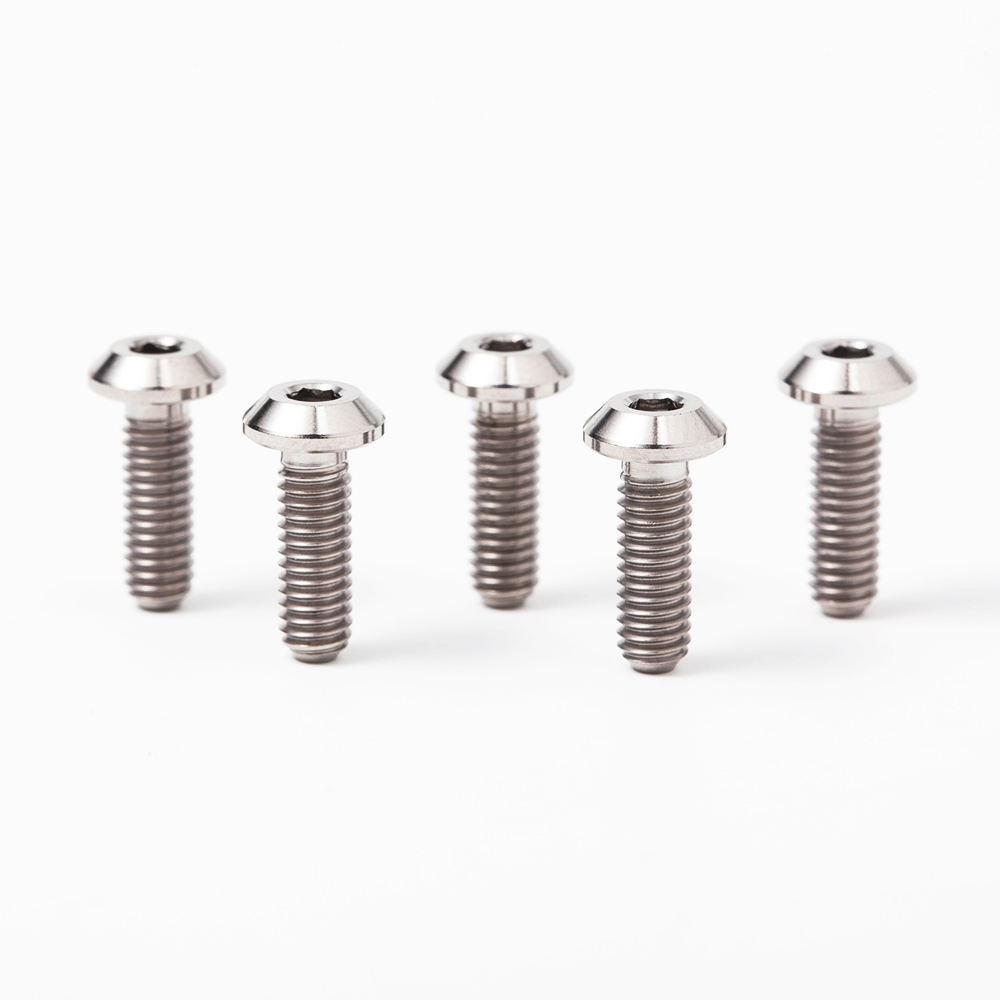
Engineered to DIN, ISO, and ASTM standards. Grade 5 titanium bolts offer a 45% weight reduction over steel while delivering over 950 MPa tensile strength for racing and high-performance automotive and motorcycle applications.
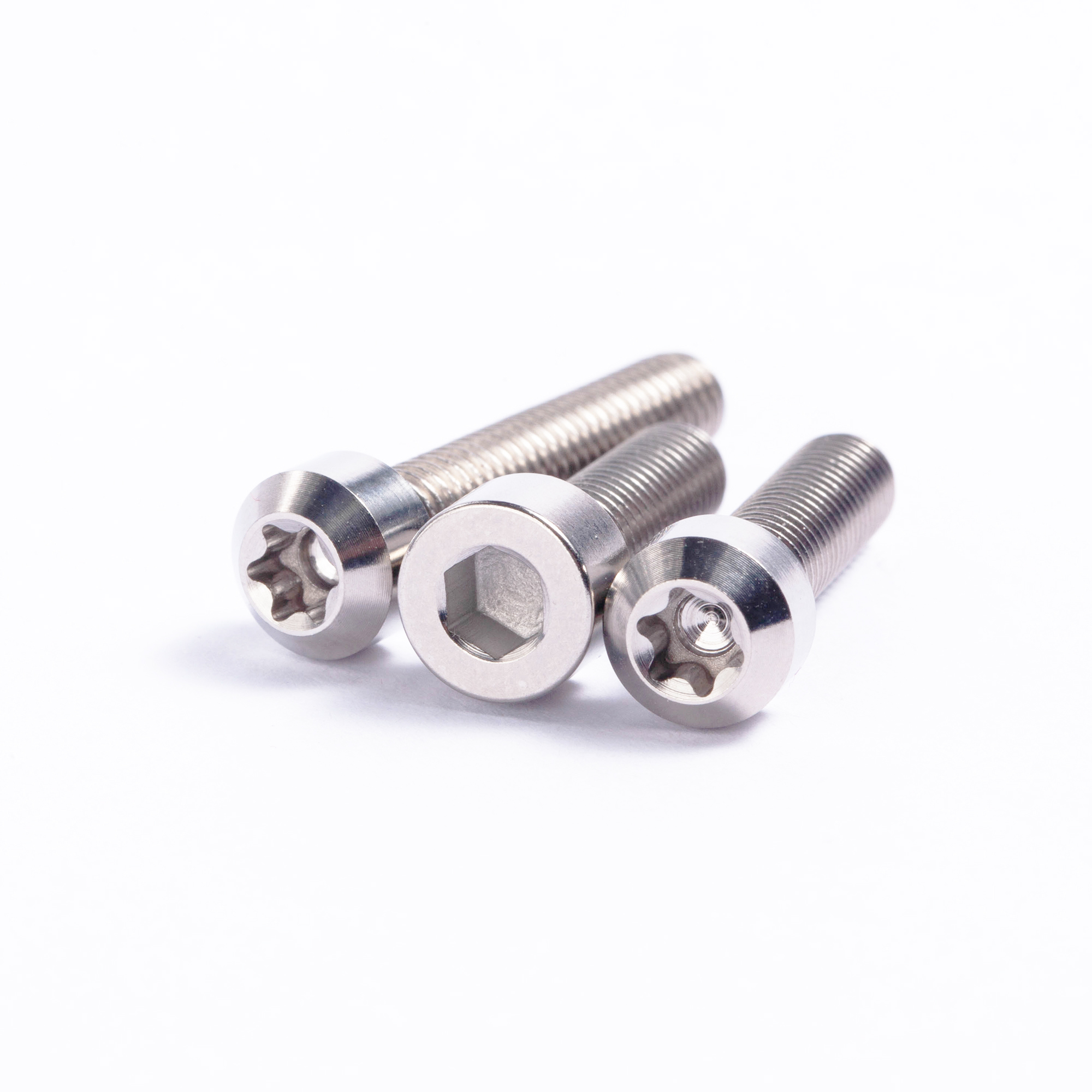
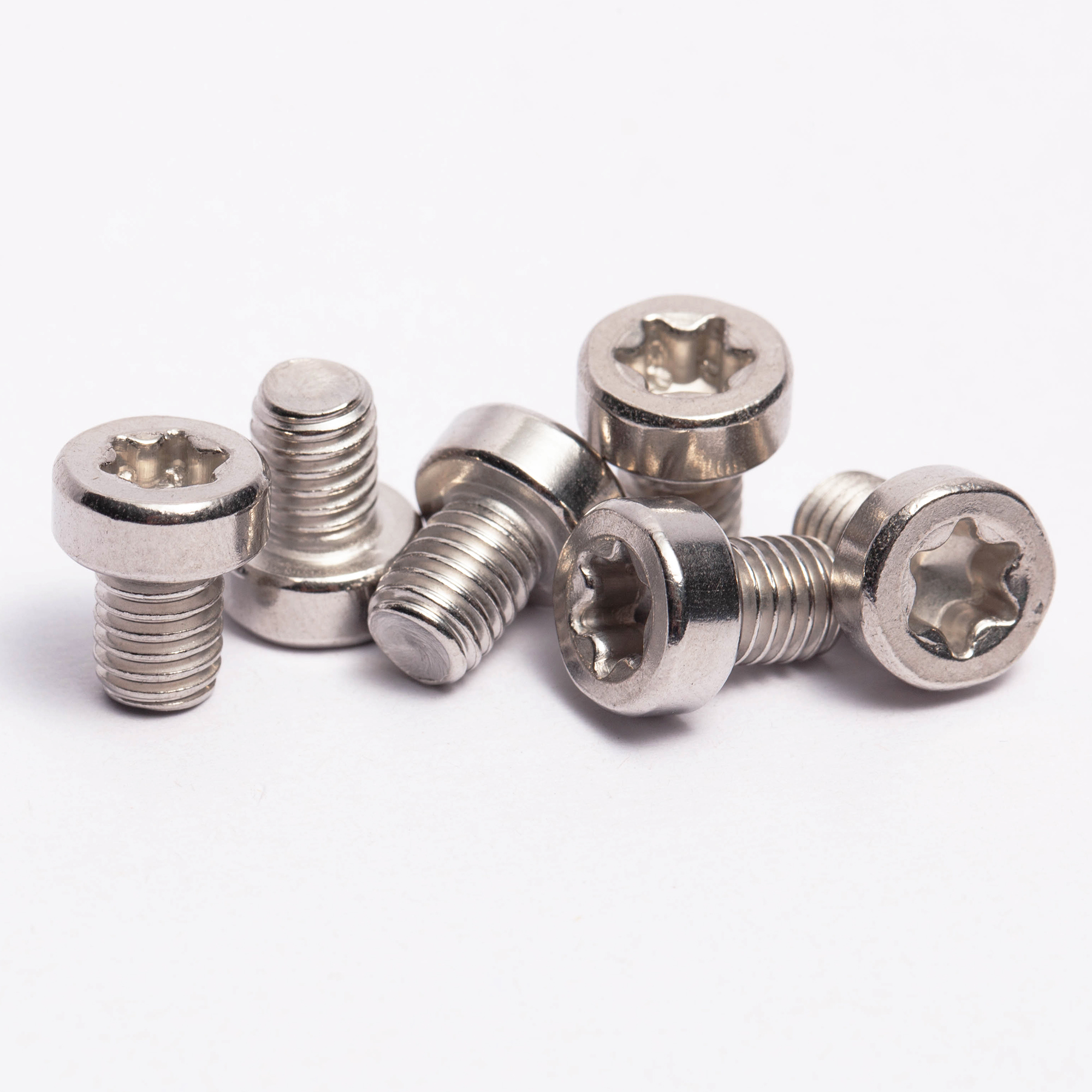
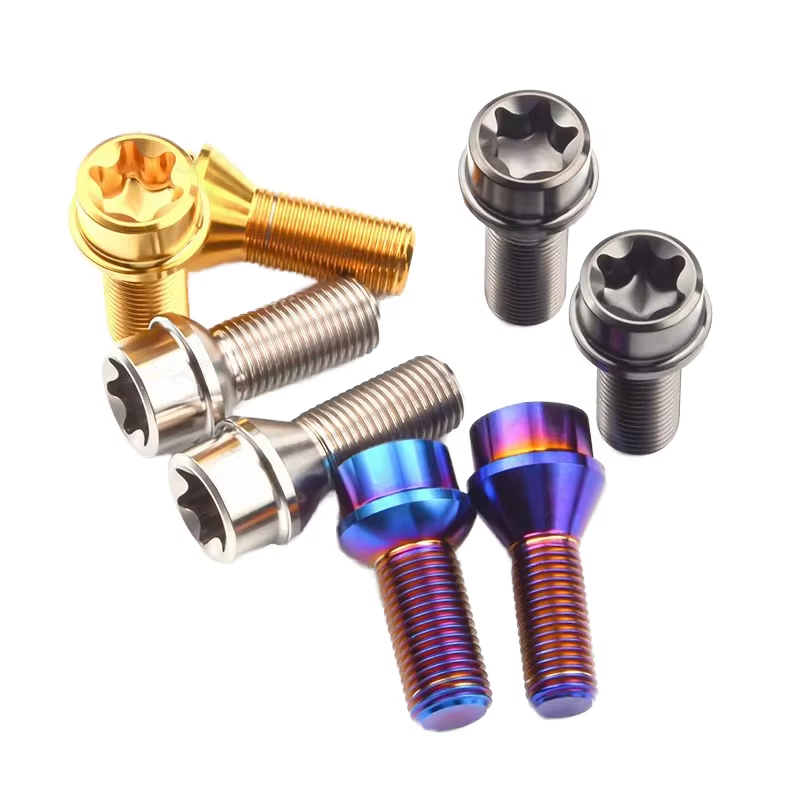
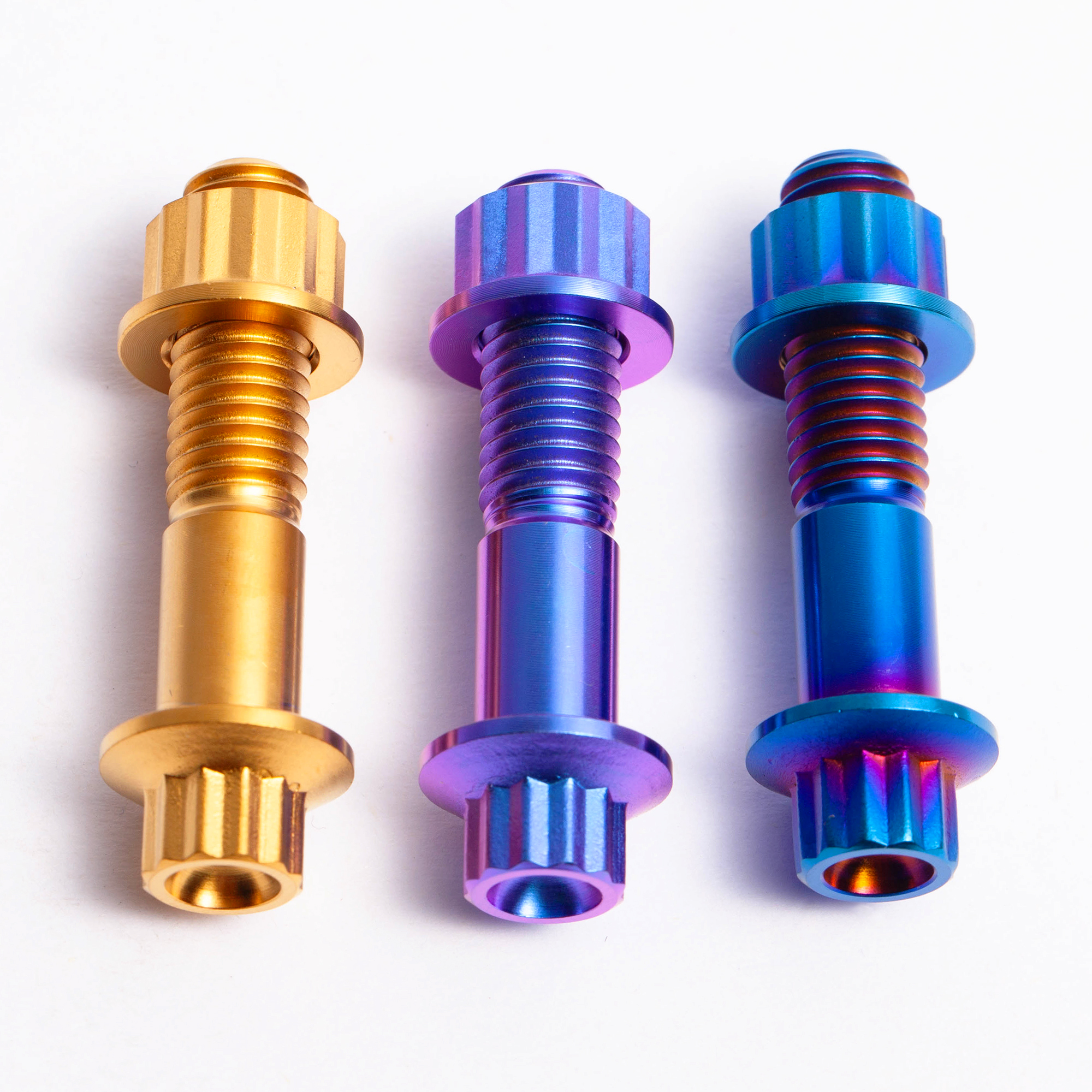
Metallurgical Foundations of CE Certified Titanium Brake Caliper Hardware
Braking systems in modern automotive motorsport, electric supercars, and high-performance motorcycles operate under extreme mechanical torque, thermal cycling, and harsh environmental exposure. As a premier CE Certified Titanium Brake Caliper Manufacturer & Supplier, Jiaxing Wexra Titanium Products Co., Ltd. engineered a dedicated line of Grade 5 (Ti-6Al-4V) and Grade 5 ELI (ASTM F136) fasteners that redefine safety, fatigue life, and unsprung mass dynamics in modern braking architecture.
Standard automotive and motorcycle brake calipers rely on Class 10.9 or 12.9 carbon steel bolts. While steel provides initial high tensile strength, it suffers from heavy weight, susceptibility to atmospheric and chemical oxidation (road salt, brake fluid breakdown), and thermal expansion mismatch when mated to aluminum caliper bodies. Switching to custom CNC machined titanium caliper bolts eliminates these vulnerabilities entirely.
Mechanical Property Matrix: Titanium Alloy vs. Conventional Fastener Materials
To assist procurement managers, quality assurance engineers, and OEM automotive designers in making informed material specification choices, the technical matrix below outlines the critical mechanical properties of our titanium alloy fasteners against standard steel grades:
| Material Grade | Density (g/cm³) | Tensile Strength (MPa) | Yield Strength (MPa) | Shear Strength (MPa) | Corrosion Resistance |
|---|---|---|---|---|---|
| Titanium Grade 5 (Ti-6Al-4V) | 4.43 | 950 - 1050 | 880 - 920 | 600 - 650 | Immune (Atmospheric/Saline) |
| Titanium Grade 2 (Pure Ti) | 4.51 | 345 - 480 | 275 - 380 | 250 - 300 | Exceptional |
| Class 10.9 Alloy Steel | 7.85 | 1040 | 940 | 580 | Poor (Requires Plating) |
| Stainless Steel 304 / 316 | 7.93 - 8.00 | 515 - 620 | 205 - 290 | 350 - 400 | Moderate / High |
Dynamic Benefits of Unsprung Mass Reduction in Caliper Systems
Every gram eliminated from a vehicle's braking hardware directly reduces its unsprung mass—the portion of the vehicle dynamic assembly not supported by the suspension system. Unsprung mass directly dictates suspension responsiveness, wheel-tracking precision over uneven terrain, and turn-in inertia.
- Accelerated Suspension Response: Replacing four heavy steel brake caliper mounting bolts per wheel with Grade 5 titanium reduces the rotational and unsprung mass by roughly 45%. This allows damper valves and coil springs to react substantially faster to road irregularities.
- Thermal Dissipation & Braking Stability: Titanium Grade 5 exhibits a lower thermal expansion coefficient than steel ($8.6 \times 10^{-6} /^\circ\text{C}$ vs $12 \times 10^{-6} /^\circ\text{C}$). Under repeated heavy track braking where disc temperatures surpass 600°C, titanium caliper bolts retain critical clamping force without expanding excessively or causing thread binding inside aluminum caliper housings.
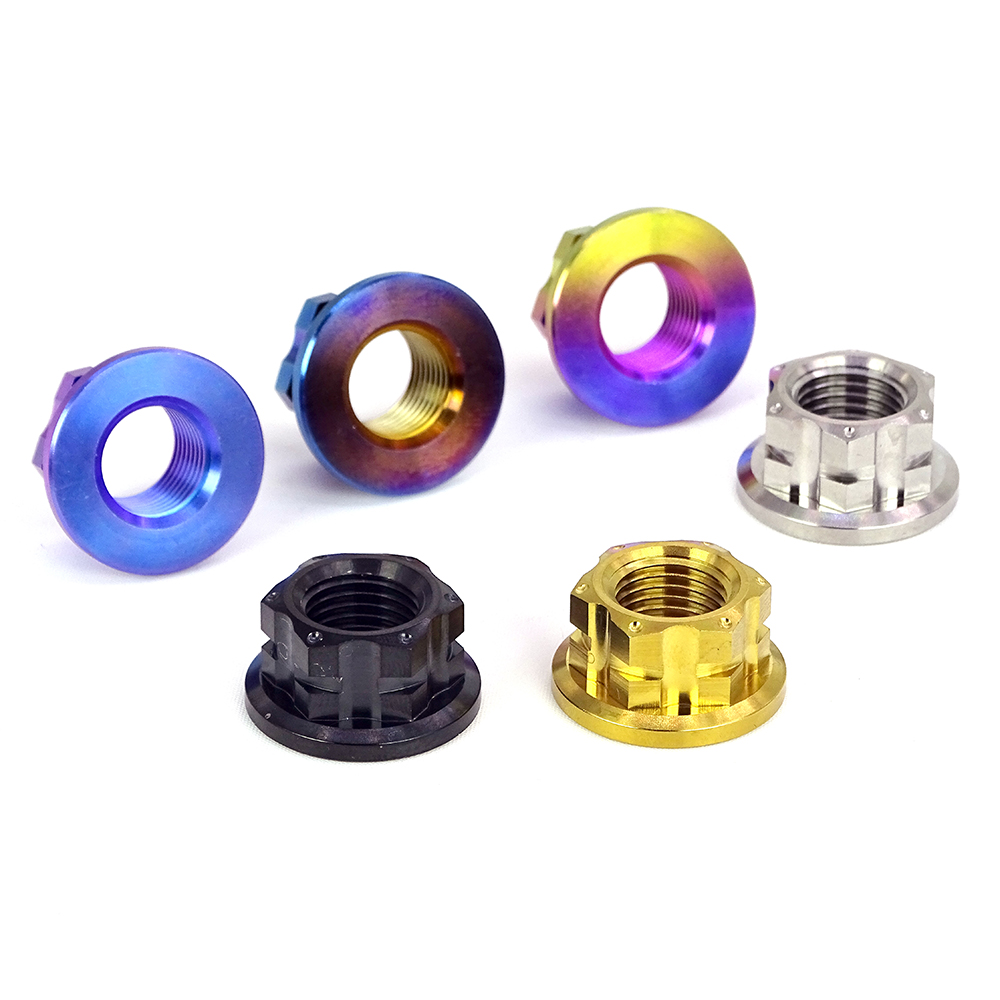
- Galvanic Neutrality: Aluminum brake caliper housings (e.g., 6061-T6 or 7075-T6 billet aluminum) undergo severe galvanic corrosion when in contact with zinc-plated steel bolts in humid or salty conditions. Titanium naturally forms a passive, self-healing oxide film ($\text{TiO}_2$) that prevents galvanic oxidation and thread seizure.
Development Trends in High-Performance Titanium Brake Fastener Manufacturing
The global brake caliper component market is experiencing a profound technological shift. As vehicle manufacturers push toward higher power-to-weight ratios in electric hypercars, track motorcycles, and high-performance racing platforms, the engineering criteria for brake caliper hardware have evolved beyond simple thread dimensioning. Several key manufacturing trends dominate the industry:
Precision Thread Rolling vs. Machined Threads
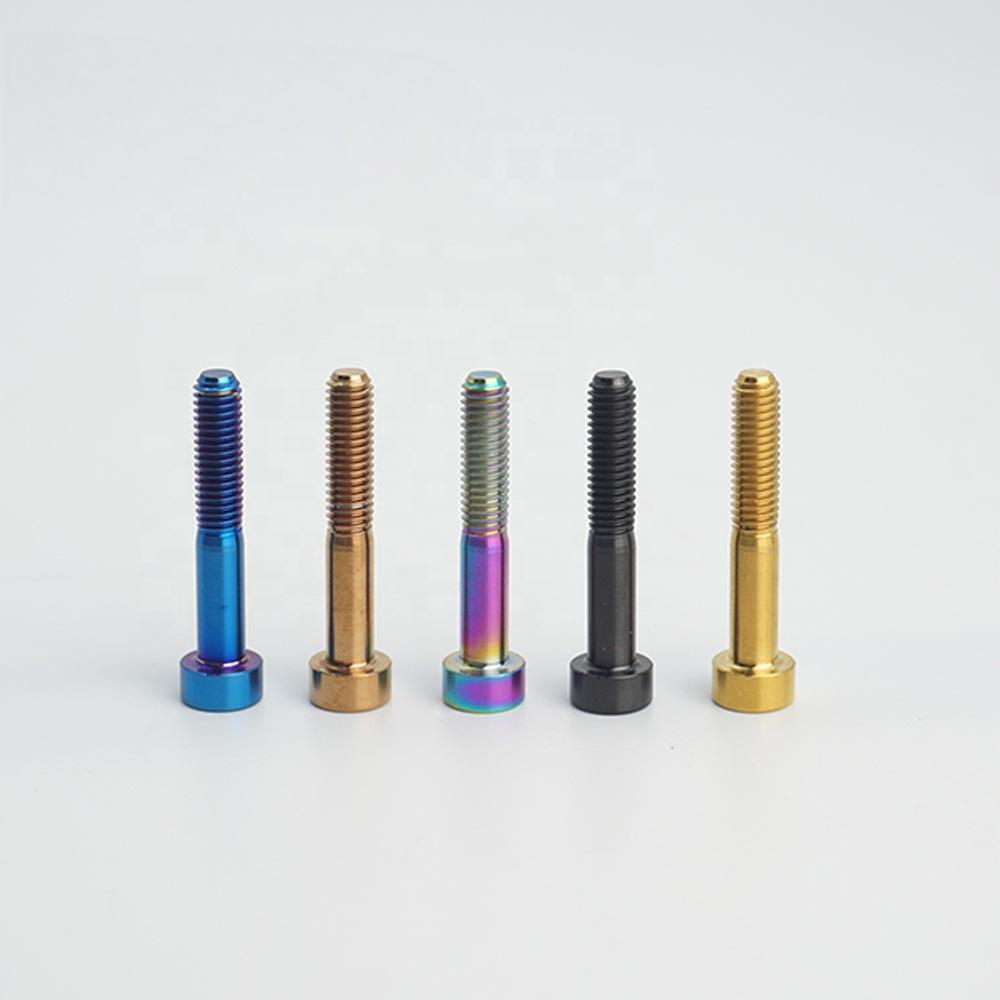
Cutting threads on a CNC lathe interrupts the continuous grain structure of titanium bar stock, creating microscopic stress risers at thread roots. Modern aerospace and racing standards mandate Hot Forged Heads with Cold Thread Rolling. Thread rolling compresses the titanium crystal matrix, imparting residual compressive stress that increases thread shear strength by up to 30% and elevates fatigue failure limits under cyclic braking loads.
Advanced Physical Vapor Deposition (PVD) Coatings
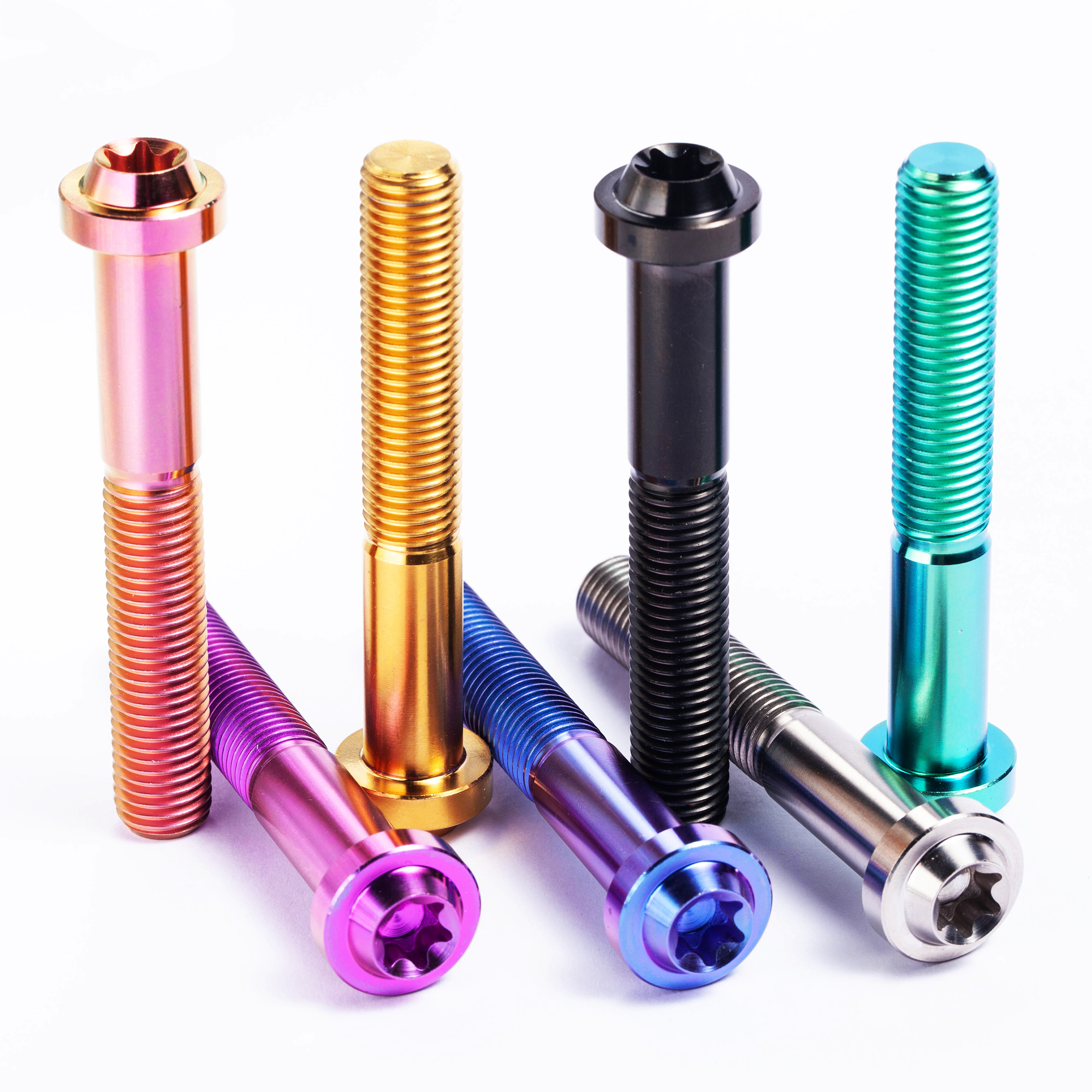
Traditional electrochemical anodization produces bright decorative colors (gold, violet, burnt blue) by altering titanium's oxide layer thickness. However, next-generation race hardware incorporates multi-layer PVD Titanium Nitride (TiN) and Diamond-Like Carbon (DLC) coatings. These coatings provide surface hardnesses exceeding 2500 HV, drastically lowering the friction coefficient to prevent thread galling during high-torque assembly.
Hollow-Dome & Radial Hole Weight Reduction
To extract maximum weight savings without compromising structural load paths, high-end titanium caliper bolts feature 5-axis CNC hollow-pocketed socket heads and radial safety-wire drilling. Safety-wire holes permit race technicians to lock bolts securely according to FIA and FIM motorsport technical regulations.
Future Sourcing & Procurement Trends for Titanium Brake Caliper Hardware
As global supply chains shift toward digital verification, zero-defect quality control, and strict environmental compliance, international procurement officers in North America, Germany, the UK, and Europe face evolving purchasing imperatives:
- Mandatory Material Traceability (EN 10204 3.1 Certification): Enterprise buyers no longer accept unverified titanium hardware. Every batch of titanium bar stock must be traceable to the mill source, complete with chemical composition analysis (verifying interstitial element levels like oxygen, iron, and hydrogen) and ultrasonic flaw detection reports.
- Full CE, RoHS, and REACH Compliance: Brake hardware supplied to European OEM assemblers or aftermarket distributors must satisfy EU Directive standards. CE marking alongside RoHS/REACH compliance guarantees that surface finishes and alloying elements contain zero hazardous substances or heavy metal contaminants.
- OEM Customization via 3D CAD/CAM Workflows: Direct procurement directly from specialized titanium manufacturers allows automotive brands to upload STEP/IGES files for instant Design for Manufacturability (DFM) analysis, drastically cutting sample turnaround times from months to days.
- Shift Toward Integrated Assembly Kits: Modern B2B buyers prefer purchasing complete, pre-packaged caliper upgrade sets (including caliper bridge bolts, bleed screws, banjo bolts, and pad retaining pins) tagged with custom branding, barcode laser etching, and EPR-compliant retail packaging for regional distribution.
Enterprise Advantages: Jiaxing Wexra Titanium Products Co., Ltd.
Situated in Jiaxing, Zhejiang—the heart of China's high-precision engineering cluster—Jiaxing Wexra Titanium Products Co., Ltd. is a dedicated manufacturer and global exporter of high-grade titanium fasteners, custom CNC parts, EDC tools, and raw materials. Our dedicated focus on titanium metallurgy positions us as an elite manufacturing partner for automotive, motorcycle, bicycle, and industrial B2B clients across the US, Germany, UK, and Canada.
ISO 9001:2015 Quality Management
Our entire manufacturing facility operates under strict ISO 9001:2015 quality protocols. From raw bar verification to final optical sensor thread inspection, every step is rigorously monitored to guarantee pitch accuracy and zero-defect assembly.
Advanced Multi-Axis CNC & Anodizing
Equipped with high-precision 5-axis CNC machining centers, automated thread rolling mills, and clean-room anodizing lines, we achieve machining tolerances down to ±0.01 mm across complex geometries.
Rapid OEM/ODM Service & Global Logistics
We translate 2D drawings, 3D STEP files, or sample parts into production prototypes within 5-7 business days. We provide complete technical documentation, custom branding, and door-to-door air/sea freight logistics.
B2B Procurement FAQ: Titanium Brake Hardware
To streamline technical evaluation for purchasing teams and engineering staff, we have addressed the most common technical inquiries regarding our CE certified titanium brake caliper bolts and fasteners:
Why should Grade 5 (Ti-6Al-4V) titanium be chosen over Grade 2 for brake caliper bolts?
Brake caliper bolts are critical load-bearing structural fasteners subjected to severe shear forces, high tensile clamping loads, and thermal shock. Grade 5 titanium (Ti-6Al-4V) delivers a minimum tensile strength of 895–1050 MPa and yield strength of 880 MPa, matching or exceeding Class 10.9 steel specifications. Grade 2 titanium is commercially pure with a much lower tensile strength (~345 MPa), making it suitable only for non-structural, low-load applications such as reservoir covers or fairing trim.
How do you prevent thread galling when installing titanium bolts into aluminum brake calipers?
Thread galling occurs when friction breaks down protective surface oxides on metals, causing cold welding. To prevent galling, Wexra Titanium recommends: (1) applying high-grade copper or molybdenum disulfide anti-seize paste to threads prior to torqueing; (2) choosing our PVD coated or micro-polished thread options; and (3) strictly adhering to specified torque values, typically reduced by 15-20% compared to dry steel torque figures due to the lower friction coefficient of lubricated titanium.
What quality control documentation is supplied with CE certified titanium order shipments?
Every procurement order from Jiaxing Wexra Titanium Products Co., Ltd. includes full EN 10204 3.1 Material Test Certificates (MTC) detailing chemical heat analysis and mechanical test data (tensile, yield, elongation). Additional documentation—including dimensional inspection reports (CMM), ROHS/REACH test certificates, and CE conformity declarations—is provided with each shipment.
Does custom anodizing affect the thread tolerances of M5, M6, M8, or M10 brake bolts?
No. Titanium anodization is an electrochemical coloration process that grows a transparent microscopic titanium oxide layer ($\text{TiO}_2$) on the metal surface. Unlike thick plating or galvanizing on steel, titanium anodizing adds virtually zero physical thickness (typically under 100 nanometers). Threads retain exact ISO 6g class thread fits without altering pitch diameter or thread clearance.
Can you manufacture custom brake caliper bolts from 3D CAD drawings or physical samples?
Yes. We provide complete OEM/ODM engineering services. Customers can submit 2D technical drawings (PDF/DWG) or 3D CAD models (STEP/IGES/X_T), as well as physical worn/prototype samples. Our technical team conducts DFM analysis and manufactures custom prototypes utilizing multi-axis CNC machining, thread rolling, and custom surface finishing.
What are the typical lead times and Minimum Order Quantities (MOQ) for B2B orders?
For standard DIN/ISO titanium bolts in stock, shipping takes 3-5 business days. Custom CNC manufactured or specialized anodized batch orders typically require 15-20 business days depending on geometric complexity and quantity. We maintain flexible MOQs to support both boutique race teams requiring small prototype runs and high-volume OEM factory assembly lines.
Partner with a World-Class Titanium Brake Fastener Manufacturer
Upgrade your automotive, motorcycle, or cycling brake systems with CE certified, ultra-lightweight Grade 5 titanium bolts. Contact our engineering team today for immediate DFM feedback, bulk price quotes, or custom drawing evaluations.