Executive Overview: Precision Engineering in Titanium Seatpost Clamping Systems
In high-performance cycling manufacturing—spanning competitive road bikes, aggressive mountain bikes (MTB), e-bikes, and gravel platforms—the seatpost clamp represents a critical interface between structural reliability, rider ergonomics, and weight minimization. As frame designs transition toward ultra-thin, high-modulus carbon fiber tubes, the traditional heavy aluminum alloy clamp or corrosion-prone stainless steel collar introduces engineering bottlenecks. Precision-machined titanium seatpost clamps, specifically those produced from Grade 5 Titanium (Ti-6Al-4V), deliver an unmatched strength-to-weight ratio, superior fatigue resistance, and absolute immunity to atmospheric and galvanic corrosion.
As a leading CE certified titanium seatpost clamp manufacturer and direct factory, Jiaxing Wexra Titanium Products Co., Ltd. integrates advanced metallurgical sourcing, 5-axis CNC machining, precision thread rolling, and rigorous quality testing under an ISO 9001:2015 management framework. This whitepaper analyzes the engineering metrics, global regulatory compliance requirements (CE / EN 14766 / ISO 4210), future procurement trends, and customized manufacturing capabilities that empower global bicycle OEMs, brand owners, and high-end component distributors to achieve decisive competitive advantages.
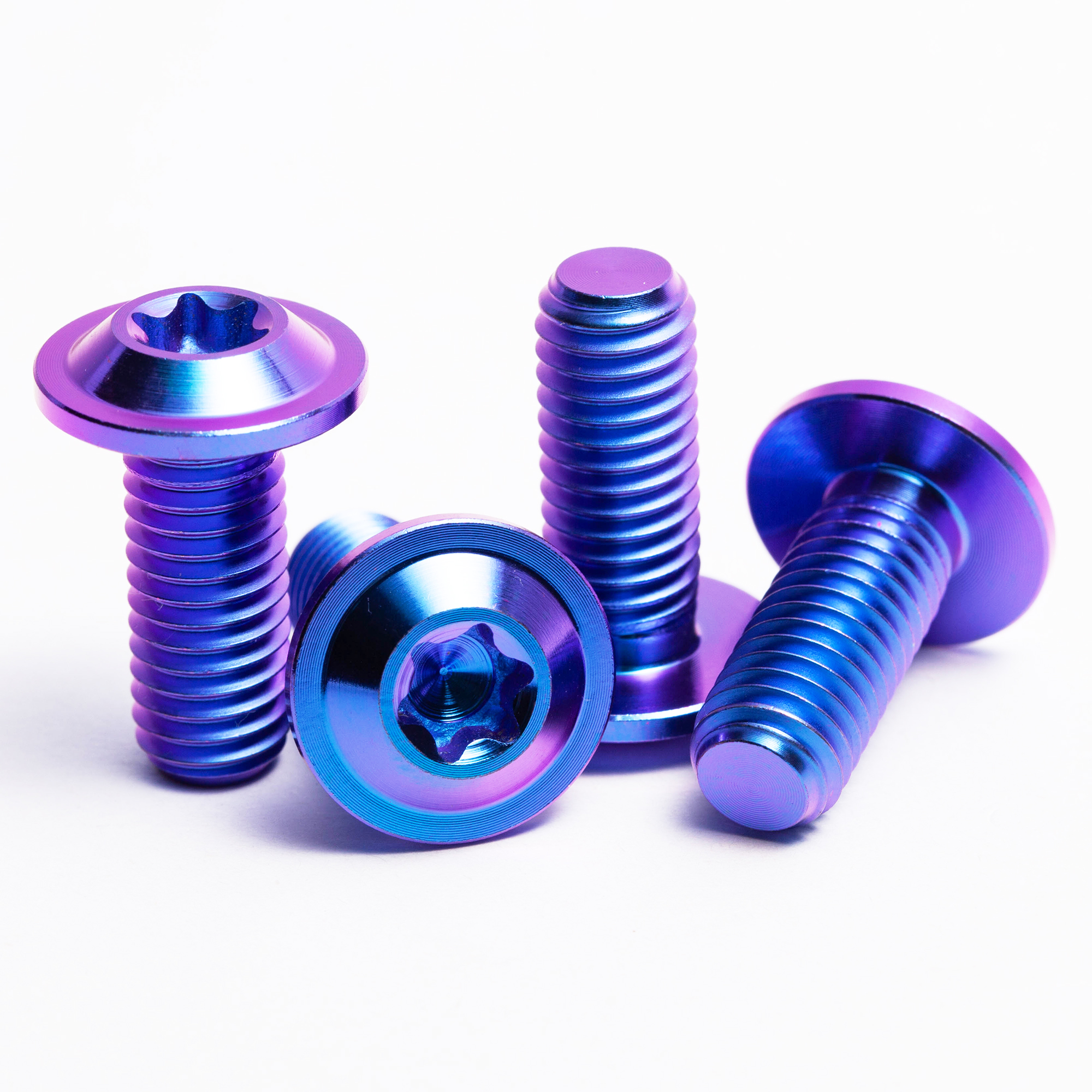
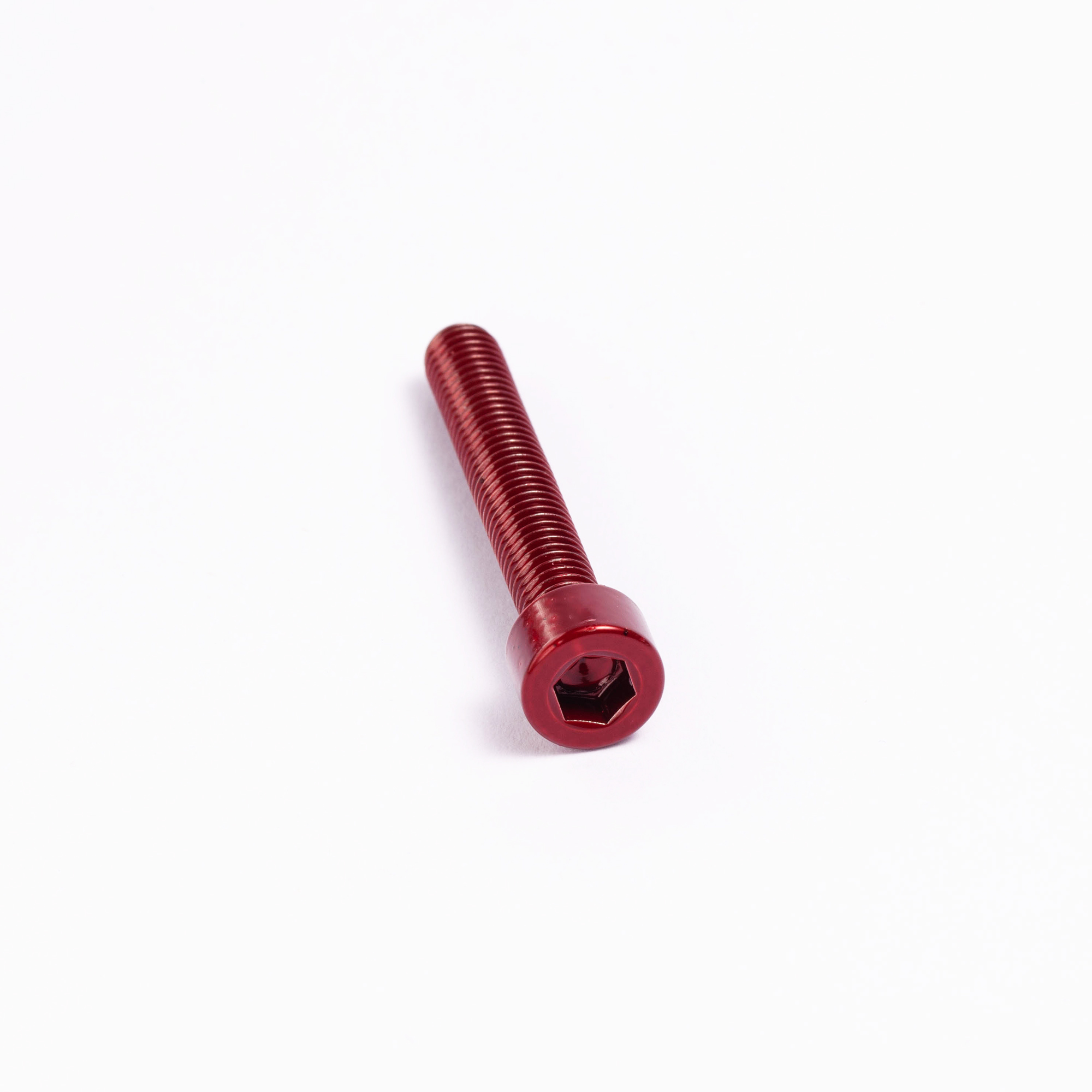
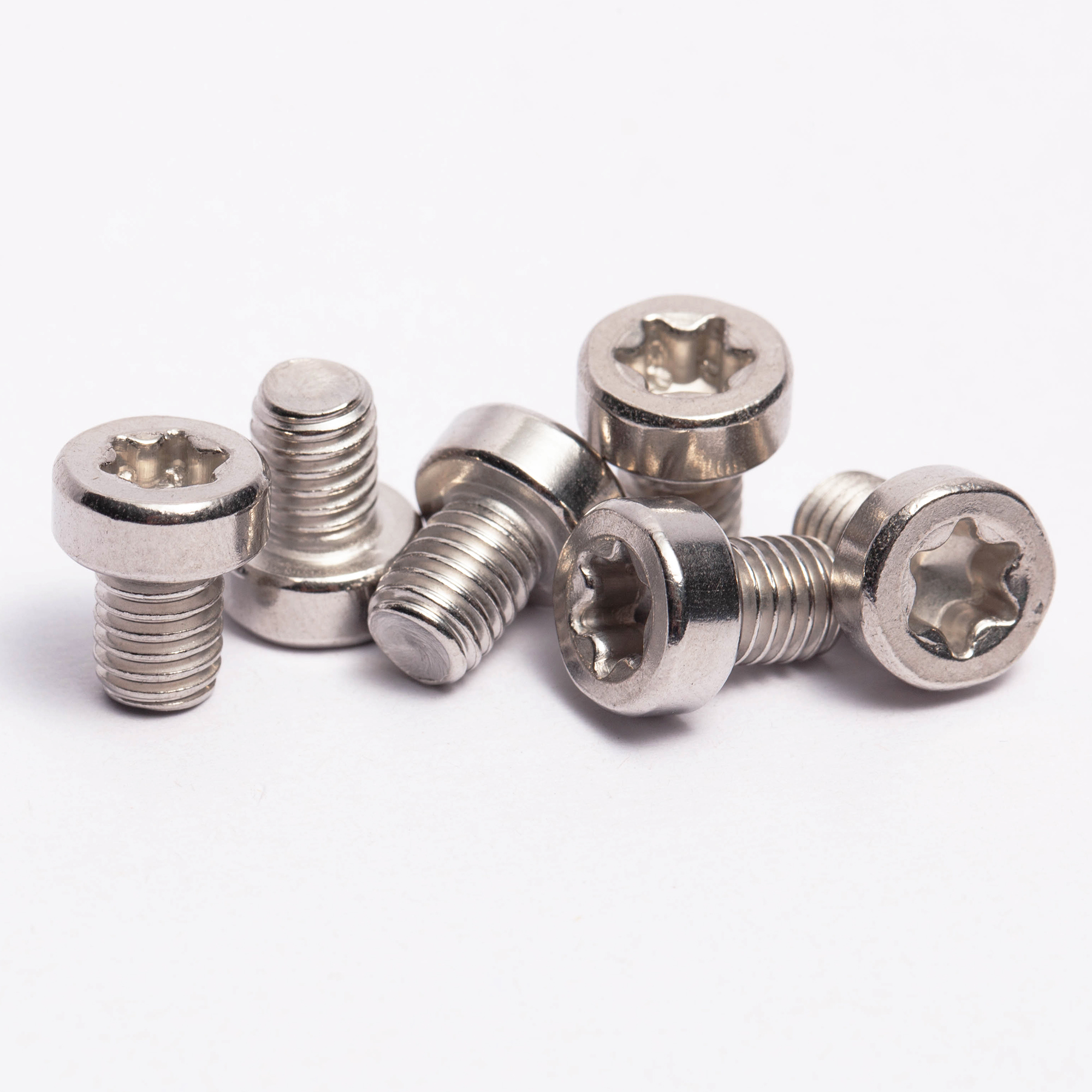
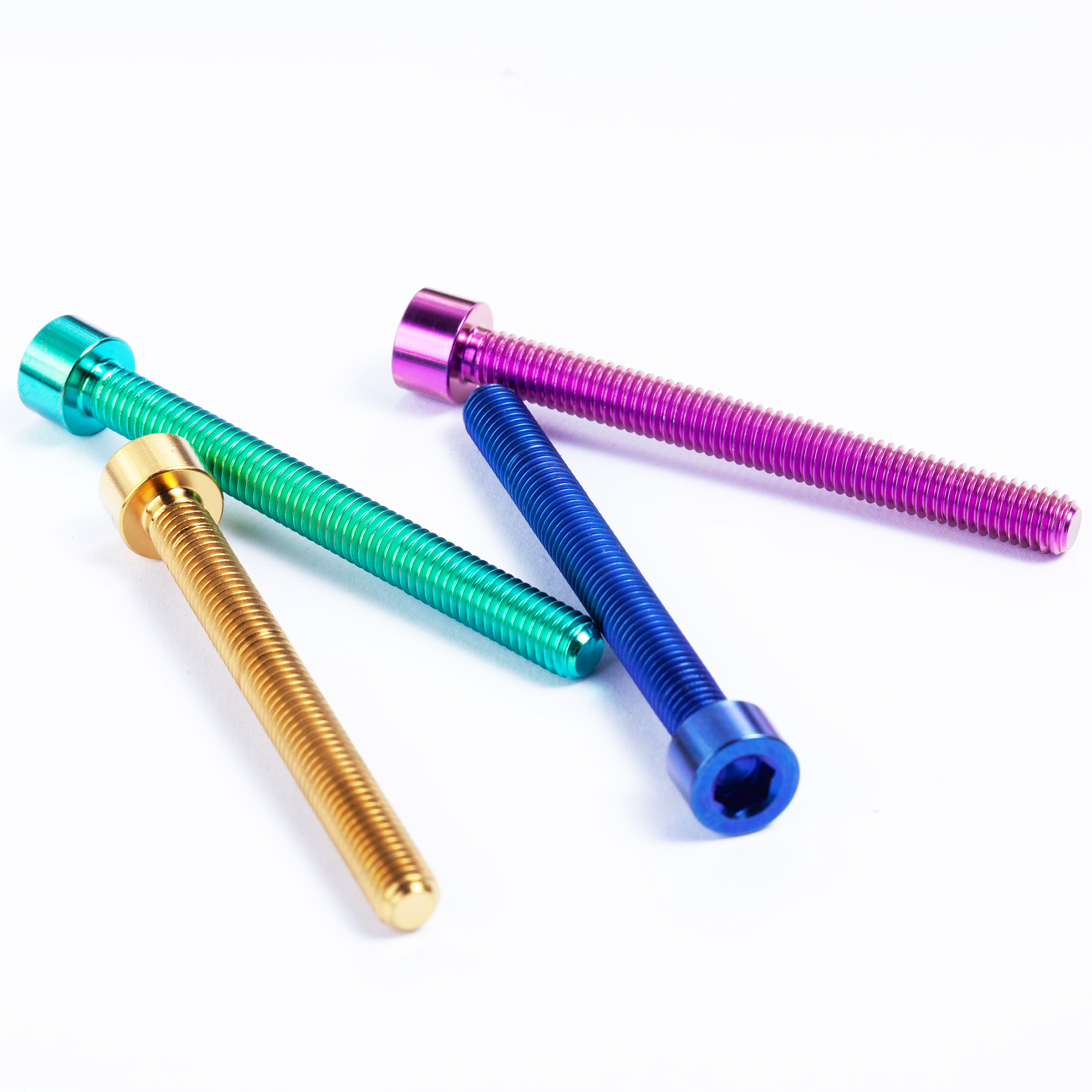
Featured Precision Titanium Fasteners & Hardware Series
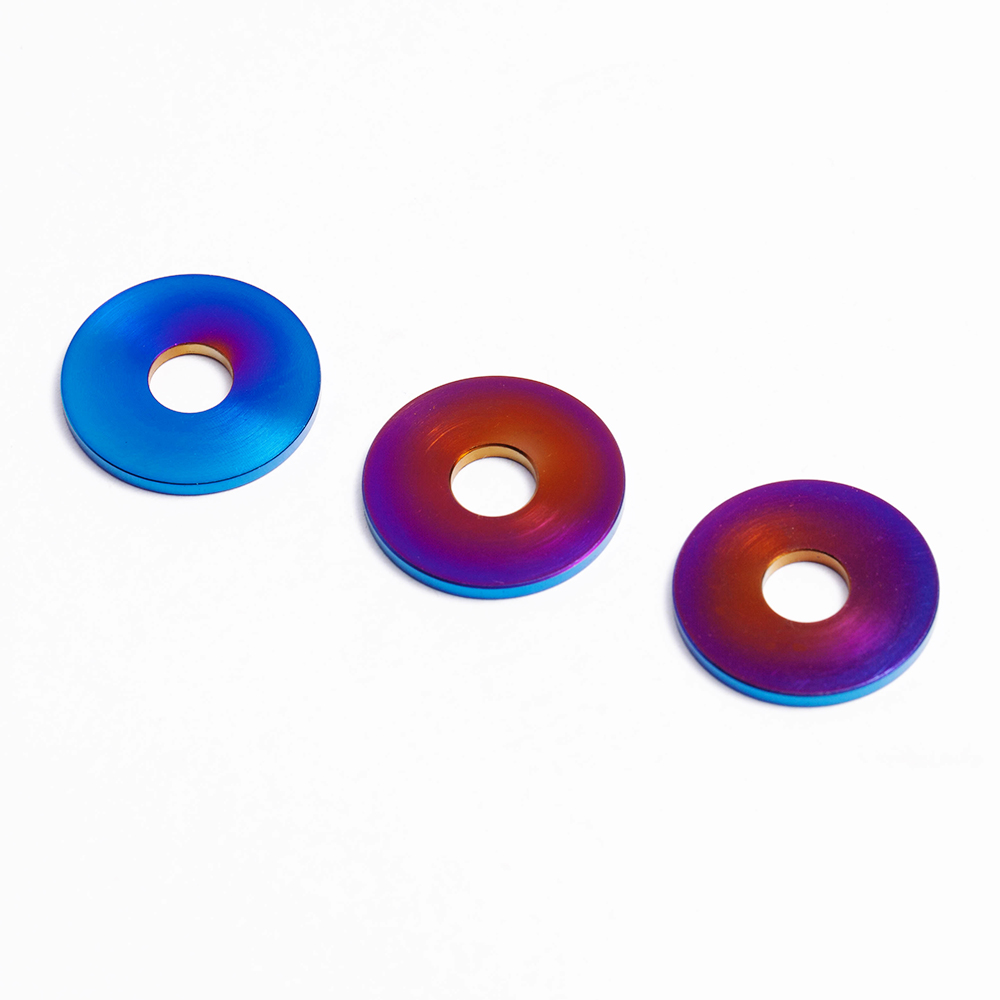
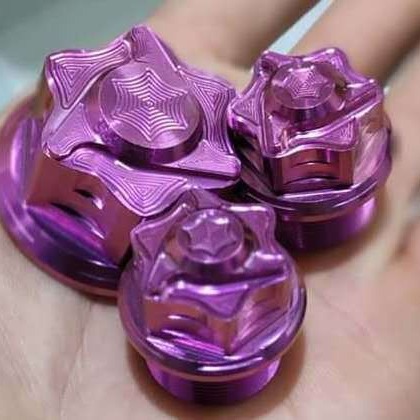
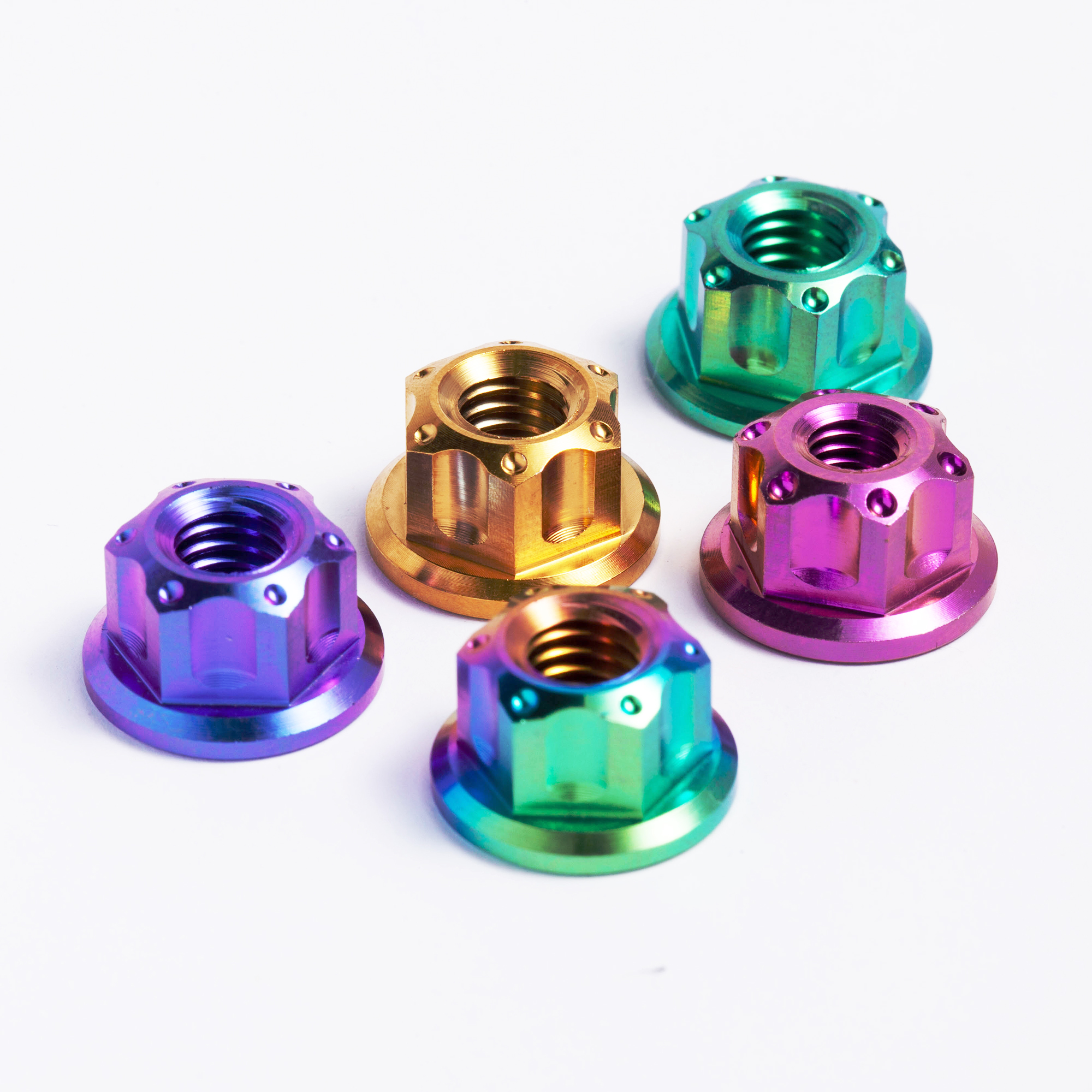
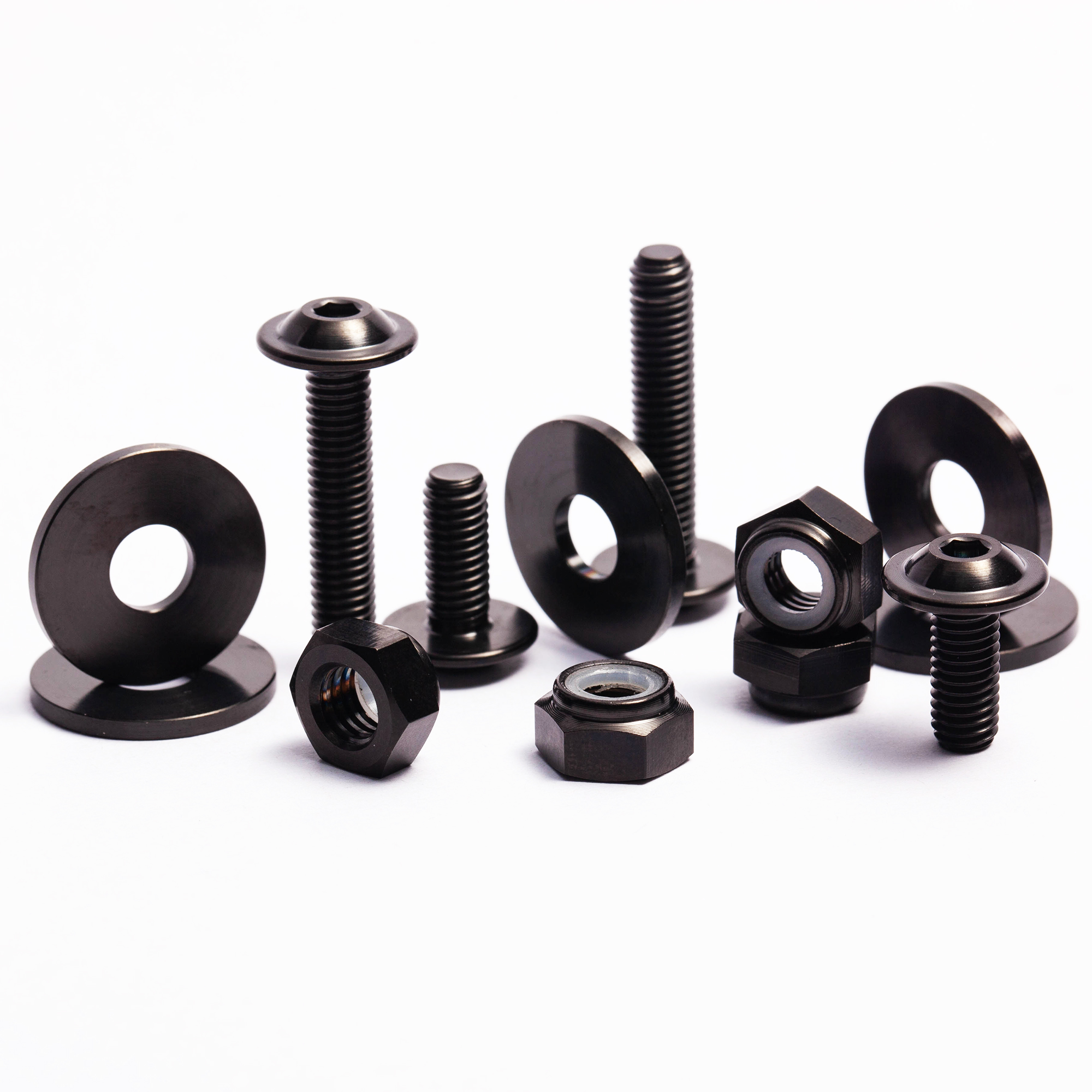
Explore our flagship product catalog below. Each product is manufactured in-house using premium titanium bar stock, featuring high-fatigue thread rolling, custom anodization, and exact dimensional tolerances to support bike builders and motorcycle OEM lines.
Metallurgical Analysis & Mechanical Properties: Why Titanium Outperforms Aluminum & Steel
When evaluating seatpost clamping dynamics, engineers must consider three primary mechanical phenomena: Hoop Stress Distribution, Frictional Torque Transfer, and Fatigue Cycling. Traditional aluminum clamps (such as 6061-T6 or 7075-T6) tend to suffer from localized plastic deformation around the pinch-bolt ear over repeated tightening cycles. Conversely, stainless steel collars add unnecessary weight to the bicycle frame seat tube junction and can create galvanic corrosion couples when brought into contact with carbon fiber tubes without proper isolation.
| Material Grade | Density (g/cm³) | Tensile Strength (MPa) | Yield Strength (MPa) | Fatigue Limit (10⁷ cycles) | Corrosion Resistance |
|---|---|---|---|---|---|
| Titanium Gr5 (Ti-6Al-4V) | 4.43 | 895 - 1000 | 828 | 510 MPa | Immune to atmospheric/salt water |
| Titanium Gr2 (Commercially Pure) | 4.51 | 345 - 480 | 275 | 240 MPa | Excellent chemical resistance |
| Aluminum 7075-T6 | 2.81 | 570 | 503 | 160 MPa | Moderate (Prone to stress cracking) |
| Stainless Steel 316 | 8.00 | 620 | 290 | 260 MPa | Good (Heavy mass penalty) |
Grade 5 Titanium (Ti-6Al-4V) combines an ultimate tensile strength exceeding 895 MPa with an elastic modulus of approximately 114 GPa (compared to 200 GPa for steel and 69 GPa for aluminum). This intermediate modulus of elasticity is uniquely advantageous for bicycle seatpost clamps: it allows the titanium clamp band to flex uniformly around the seat tube without creating high-stress point contacts that crack carbon seatposts, while delivering firm, unyielding retention against post slippage during heavy vertical impacts.
Key Engineering & Development Trends in Titanium Seatpost Clamps
The cycling industry is experiencing unprecedented evolution toward integrated aerodynamic profiles, internal cable routing, and extreme weight reduction without compromising rider safety standards. As a specialized factory, Wexra Titanium leads four major technical trends shaping modern titanium seatpost clamp development:
1. Finite Element Analysis (FEA) Optimized Asymmetric Geometry
Modern high-end clamps utilize asymmetric slotting and variable-wall thickness optimized through FEA software. By redistributing clamping forces away from the bolt hinge and spreading pressure evenly across a 360-degree circumference, localized peak stress on carbon frame seat tubes is reduced by up to 35%.
2. Cold-Rolled Threading & Integrated Barrel Nuts
Rather than cutting threads into the clamp body—which introduces shear stress concentrations—modern titanium clamps integrate a floating spherical titanium barrel nut paired with cold-rolled Gr5 titanium bolts. Cold rolling maintains continuous grain flow, increasing bolt fatigue life by over 200%.
3. Advanced PVD & Anodic Oxidation Surface Science
B2B buyers increasingly require vibrant, durable cosmetic finishes that withstand UV exposure and abrasive gravel road mud. Our controlled anodic oxidation creates uniform oxide layer colors (Gold, Burnt Blue, Violet, Rainbow, Oil Slick) without changing screw thread pitch dimensions.
Future B2B Procurement Trends for Bicycle Component Buyers
As global bicycle procurement strategies adapt to supply chain shifts, regulatory changes, and sustainability goals, purchasing managers must navigate evolving market drivers. The following procurement trends dictate how forward-thinking OEM brand managers source titanium seatpost clamps and associated fasteners:
Strict CE, UKCA & ISO Compliance Validation
Regulatory oversight in North America and Europe requires total traceability. Importers must supply documentation demonstrating compliance with ISO 4210-9 safety requirements and EN 14766 fatigue tests. Suppliers providing verified CE certificates and EN 10204 3.1 Material Test Certificates (MTC) gain seamless customs clearance and liability protection.
ESG, REACH & Packaging Regulation Alignment
European environmental mandates—such as Germany’s EPR (Extended Producer Responsibility) packaging registration, EU REACH chemical regulation, and RoHS compliance—are now mandatory parameters in supplier audits. Procurement directors prioritize factories with eco-conscious chemical disposal and recyclable packaging.
Low-MOQ Custom Prototyping to Mass Production
To mitigate excess inventory costs in fluctuating retail markets, OEMs demand flexible production schedules. Modern suppliers must offer rapid 3D modeling and short turnaround times for custom clamp prototypes (28.6mm, 31.8mm, 34.9mm, 36.4mm, and custom aero shapes) before committing to large-scale production.
Enterprise Strengths: Why Partner with Jiaxing Wexra Titanium Products Co., Ltd.?
Located in Jiaxing, Zhejiang, China, Jiaxing Wexra Titanium Products Co., Ltd. is a dedicated manufacturer specializing exclusively in raw titanium stock processing and high-precision CNC finished components. Operating under a rigorous ISO 9001:2015 quality management system, our company serves leading OEM bicycle manufacturers, motorsport teams, and component brands across the United States, Germany, the United Kingdom, and Canada.
Full International Certification Footprint
Our products hold official CE Marking, UKCA Certification, RoHS Compliance, REACH Safety Certificates, and EPR Germany Packaging Registration. We offer full legal peace of mind for EU and UK customs clearance.
End-to-End In-House Manufacturing Capabilities
From raw bar stock inspection (spectral composition analysis) to 5-axis CNC machining, laser cutting, thread rolling, ultrasonic cleaning, and anodic surface finishing, every stage is controlled in our 1,000+ m² production facility.
Uncompromising Quality Assurance Protocol
Every production lot is subjected to optical projector dimensional inspection, thread plug gauge validation, torque-to-yield testing, and salt-spray corrosion tests. EN 10204 3.1 Material Certificates accompany every shipment.
B2B Procurement & Technical FAQ
A: CE certification validates that the clamp meets rigorous European safety and durability standards (such as EN 14766 / ISO 4210). Titanium Gr5 (Ti-6Al-4V) provides almost double the tensile strength of 6061/7075 aluminum while being roughly 44% lighter than steel. Crucially, titanium exhibits superior fatigue resistance, ensuring the clamp will not develop stress cracks under repetitive torque loads or cold-weather riding conditions.
A: We produce all standard metric cycling diameters including 28.6mm (for 27.2mm steel/Ti posts), 31.8mm (for 27.2mm carbon/aluminum posts), 34.9mm / 35.0mm (for 30.9mm / 31.6mm posts), and 36.4mm. We also specialize in custom OEM asymmetric and aerodynamic aero-profile clamps based on customer 2D/3D CAD drawings.
A: Titanium-on-titanium contact can be susceptible to galling if dry. We resolve this in two ways: first, by precision rolling all external threads to produce smooth, mirror-finish thread flanks; second, by recommending copper-based anti-seize paste or applying specialized physical vapor deposition (PVD) anti-friction coatings prior to final packaging.
A: Standard recommended bolt torque for an M5 or M6 Grade 5 titanium pinch bolt ranges between 5.0 Nm and 6.5 Nm, depending on the carbon frame manufacturer's maximum seat tube rating. Because Gr5 titanium has a high yield strength (828 MPa), the bolt maintains uniform elastic stretch without permanently stretching or loosening under vibration.
A: Every production batch is supplied with an EN 10204 3.1 Material Test Certificate (MTC) detailing chemical composition and mechanical tensile results, CMM dimensional inspection sheets, RoHS & REACH compliance letters, and official CE / UKCA declaration certificates upon request.
A: For standard catalog items or quick-turn samples, lead time is typically 7 to 12 working days. For custom OEM designs requiring specialized tooling or custom PVD colors, bulk production averages 20 to 30 days. We offer flexible MOQs starting at 50 to 100 units for custom OEM projects.
A: No. Unlike aluminum anodization—which grows a thick, soft aluminum oxide layer that changes bolt dimensions—titanium anodic oxidation grows a microscopic dielectric oxide film (measured in nanometers) through light refraction. Thread tolerances (such as 6H/6g) remain completely unaltered.
Ready to Upgrade Your Component Line with CE Certified Titanium Clamps?
Partner directly with Jiaxing Wexra Titanium Products Co., Ltd. for factory-direct wholesale pricing, precision OEM engineering, and full CE / ISO compliance support.
Get a Quote