Featured Precision Titanium Products & OEM Hardware
Navigating the Sourcing Ecosystem for Chinese Medical & Precision Titanium Fasteners
In the global biomedical and high-precision structural hardware sectors, titanium bone screws represent the pinnacle of micro-machining accuracy, biocompatibility, and fatigue failure prevention. As healthcare systems and OEM medical device original design manufacturers expand globally, China’s medical titanium manufacturing ecosystem has evolved from basic raw material supply to state-of-the-art multi-axis CNC machining, ultrasonic cleanroom processing, and international regulatory compliance support.
Procuring titanium medical fasteners—specifically cortical bone screws, cancellous bone screws, cannulated fixation screws, and locking plate screws—requires rigorous intent mining beyond surface pricing. Medical purchasing managers, biomechanical engineers, and orthopedic device brands must evaluate titanium metallurgy, grain structure uniformities (ASTM F136 Extra Low Interstitial grade vs. ASTM F67 Commercially Pure Grade 4), surface passivation kinetics (ASTM F86), ISO 13485 quality systems, and full lot traceability certified via EN 10204 3.1 inspection protocols.
Material Selection: ASTM F136 Ti-6Al-4V ELI vs. ASTM F67 CP Grade 4
Selecting the optimal titanium grade dictates the mechanical load capacity, fatigue lifetime, and biological response of the screw. Chinese leading bone screw manufacturers utilize primary raw materials from certified vacuum arc remelted (VAR) titanium ingots, ensuring interstitial element concentration (oxygen, nitrogen, hydrogen, carbon, and iron) strictly adheres to surgical implant standards.
| Material Standard | Composition / Grade | Yield Strength (0.2% Offset) | Tensile Strength (MPa) | Elongation (%) | Primary Clinical Application |
|---|---|---|---|---|---|
| ASTM F136 / ISO 5832-3 | Ti-6Al-4V ELI (Extra Low Interstitial) | ≥ 795 MPa | ≥ 895 MPa | ≥ 10% | High load-bearing pedicle screws, cortical bone screws, traumatology plates |
| ASTM F67 / ISO 5832-2 | Commercially Pure Grade 4 (CP Ti) | ≥ 480 MPa | ≥ 550 MPa | ≥ 15% | Low-load maxillofacial screws, dental implants, cranial fixation pins |
| ISO 5832-11 | Ti-6Al-7Nb Alloy | ≥ 800 MPa | ≥ 900 MPa | ≥ 10% | Vanadium-free alternative load-bearing orthopedic trauma components |
| ASTM F1295 | Ti-6Al-7Nb / Ti-15Mo (Beta Ti) | ≥ 860 MPa | ≥ 930 MPa | ≥ 12% | Ultra-flexible spine rods, specialized non-magnetic arthroplasty hardware |
Geometrical Engineering & Thread Profile Innovations
Modern orthopedic screw geometries engineered by leading Chinese exporters integrate advanced biomechanical features to maximize pull-out strength, insertional torque retention, and surgical handling efficiency:
Cortical screws utilize small pitch and shallow threads optimized for dense bone outer layers. Cancellous screws feature a deeper thread profile and larger pitch to engage soft trabecular bone structure.
Precision cutting flutes integrated at the tip eliminate the pre-tapping surgical step, reducing operating room time, thermal tissue necrosis risk, and debris accumulation.
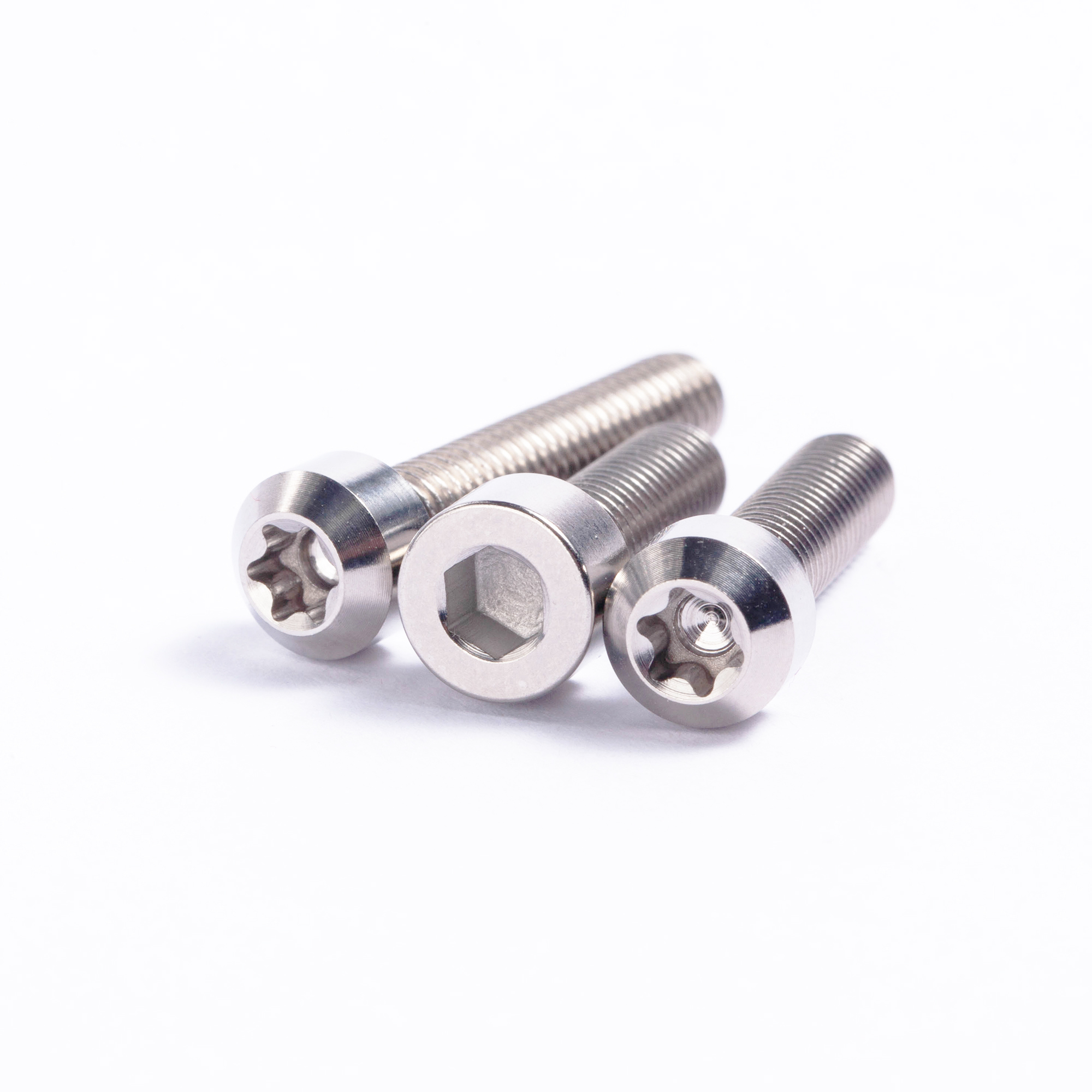
Transitioning from traditional hexagonal drives to Star/Torx recesses (e.g., T8, T10, T15) ensures optimal torque transmission, stripping prevention, and precise insertion axial alignment.
Key Technological & Development Trends in Titanium Bone Screws
Selective Laser Melting (SLM) additive manufacturing allows Chinese top manufacturers to combine a solid load-bearing core screw thread with a micro-porous exterior scaffold (pore size 300-500 µm). This promotes vascularization and direct cellular bony ingrowth (osseointegration), significantly cutting recovery timelines.
Next-generation medical screws feature micro-arc oxidation (MAO) combined with Hydroxyapatite (HA) or antimicrobial silver-ion nano-coatings. These surface treatments mitigate Surgical Site Infections (SSI) and accelerate titanium oxide (TiO2) layer passivation for superior cell adhesion.
Type II Anodic Oxidation alters the titanium surface chemistry to significantly increase wear resistance, reduce cold welding (galling) when mated against titanium locking plates, and enhance multi-cycle axial fatigue strength without altering thread dimensional limits.
Research prototypes are embedding micro-strain sensors inside cannulated orthopedic screw shafts. These allow orthopedic surgeons to wirelessly monitor real-time bone healing strain rates and identify early fracture non-union before radiologic confirmation.
Future Sourcing & Procurement Trends for International Medical OEM Buyers
Strategic procurement directors in Western healthcare systems and medical device brand networks are shifting from transactional purchasing to integrated supply chain alliances with specialized Chinese original equipment manufacturers. Key market dynamics include:
Global medical buyers now mandate digital chemical analysis, tensile testing records, ultrasonic flaw detection logs, and complete raw ingot heat number traceability via EN 10204 3.1 certificates directly linked to individual screw lot batch numbers.
Exporters are adopting ISO Class 7 (Class 10,000) or Class 100,000 cleanroom cleaning, double blister tyvek pouch packing, and gamma irradiation / ETO sterilization prep, enabling direct hospital delivery without localized secondary handling.
Tier-1 Chinese suppliers provide complete Technical Documentation Dossiers—including ISO 10993 biological evaluation data, ASTM F543 mechanical test protocols, and cytotoxicity reports—accelerating FDA 510(k) and EU MDR (EU 2017/745) registration cycles.
Jiaxing Wexra Titanium Products Co., Ltd.: Excellence in Precision Manufacturing
Headquartered in the advanced manufacturing hub of Jiaxing, Zhejiang, Jiaxing Wexra Titanium Products Co., Ltd. stands out as an elite manufacturer and exporter of precision Grade 2 and Grade 5 (Ti-6Al-4V / Ti-6Al-4V ELI) titanium fasteners, custom CNC machined medical/industrial parts, and specialized titanium hardware. Serving demanding markets across the United States, Germany, the United Kingdom, and Canada, Wexra operates under strict quality management systems aligned with global standards.
Fully certified quality management processes guaranteeing batch-to-batch consistency, full RoHS & REACH compliance, and adherence to international medical and industrial fastener standards.
Equipped with 5-axis automatic Swiss-type CNC lathes and micro-milling centers capable of achieving thread pitch tolerances within ±0.005 mm and smooth surface roughness Ra < 0.2 µm.
Rapid translation from 2D/3D CAD drawings (IGES, STEP, SolidWorks) or physical samples to functional prototype batches within 7–10 working days.
Need Custom Titanium Fasteners or Surgical Screw Production?
Partner with Jiaxing Wexra Titanium Products Co., Ltd. for engineering consulting, quotation, and full technical documentation.
Get CatalogFrequently Asked Questions (FAQ) for Titanium Bone Screws
Why is Ti-6Al-4V ELI (Grade 23) preferred over standard Grade 5 for bone screws?
Grade 23 (ASTM F136) is an Extra Low Interstitial refinement of standard Grade 5 titanium. By reducing interstitial elements like oxygen (capped at ~0.13%), nitrogen, and iron, Grade 23 provides significantly higher fracture toughness, superior fatigue resistance under cyclic physiological loading, and enhanced ductility required to prevent catastrophic brittle failure in surgical implants.
What mechanical testing standards apply to medical bone screw procurement?
Medical bone screws are routinely tested under ASTM F543 protocols. This standard outlines requirements for torsion testing (maximum torque to failure and breaking angle), driving torque, self-tapping force insertion evaluation, and axial pull-out strength in standardized bone analog materials (polyurethane foam).
How do Chinese manufacturers ensure thread quality and eliminate micro-burrs?
Leading manufacturers utilize high-precision cold thread rolling instead of single-point cutting wherever feasible. Thread rolling compresses the material grain structure, increasing fatigue life and surface hardness. Subsequent deburring uses automated magnetic polishing, ultrasonic multi-stage bath cleaning, and high-magnification optical inspection to ensure zero particulate contamination.
Can OEM titanium screws be customized with anodized color coding?
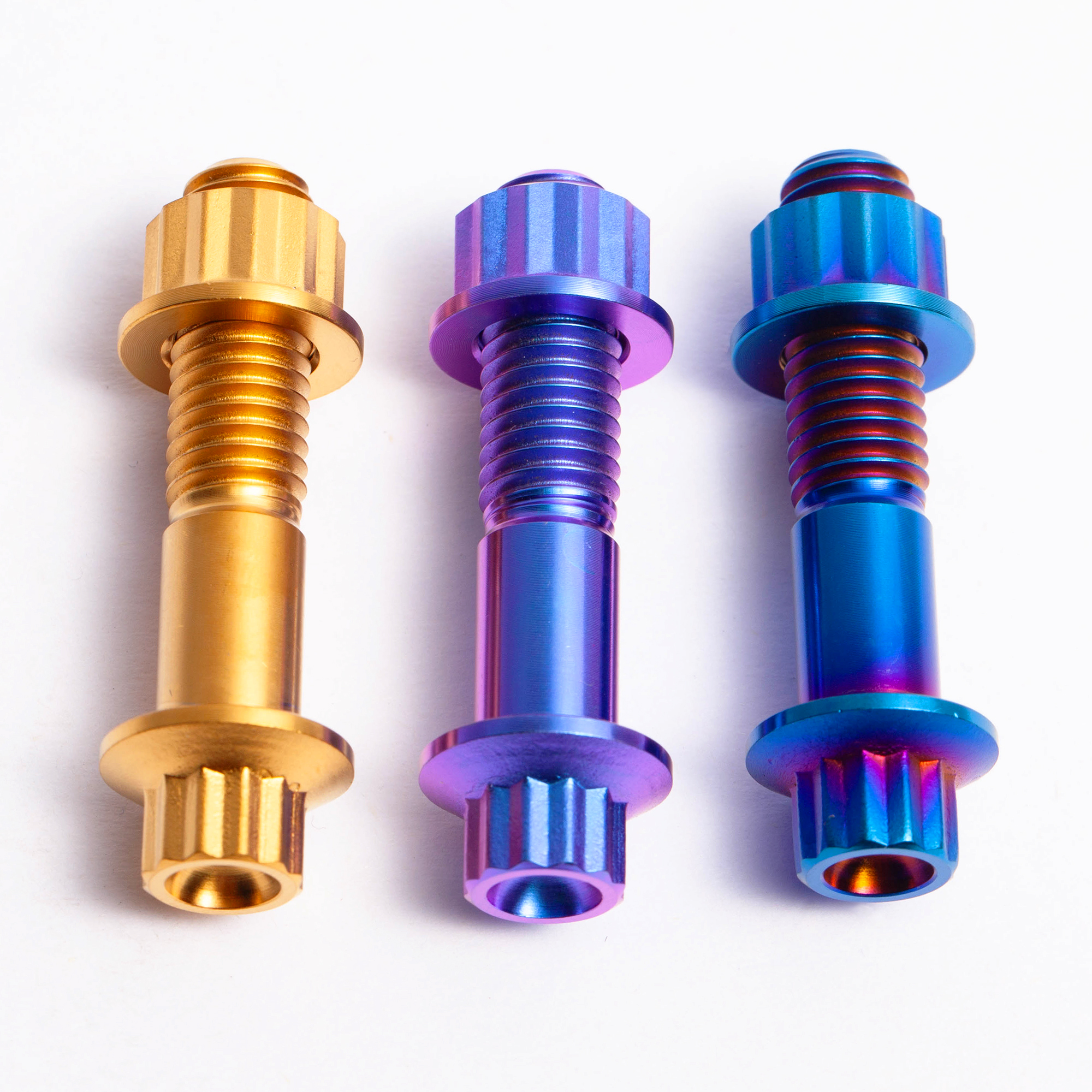
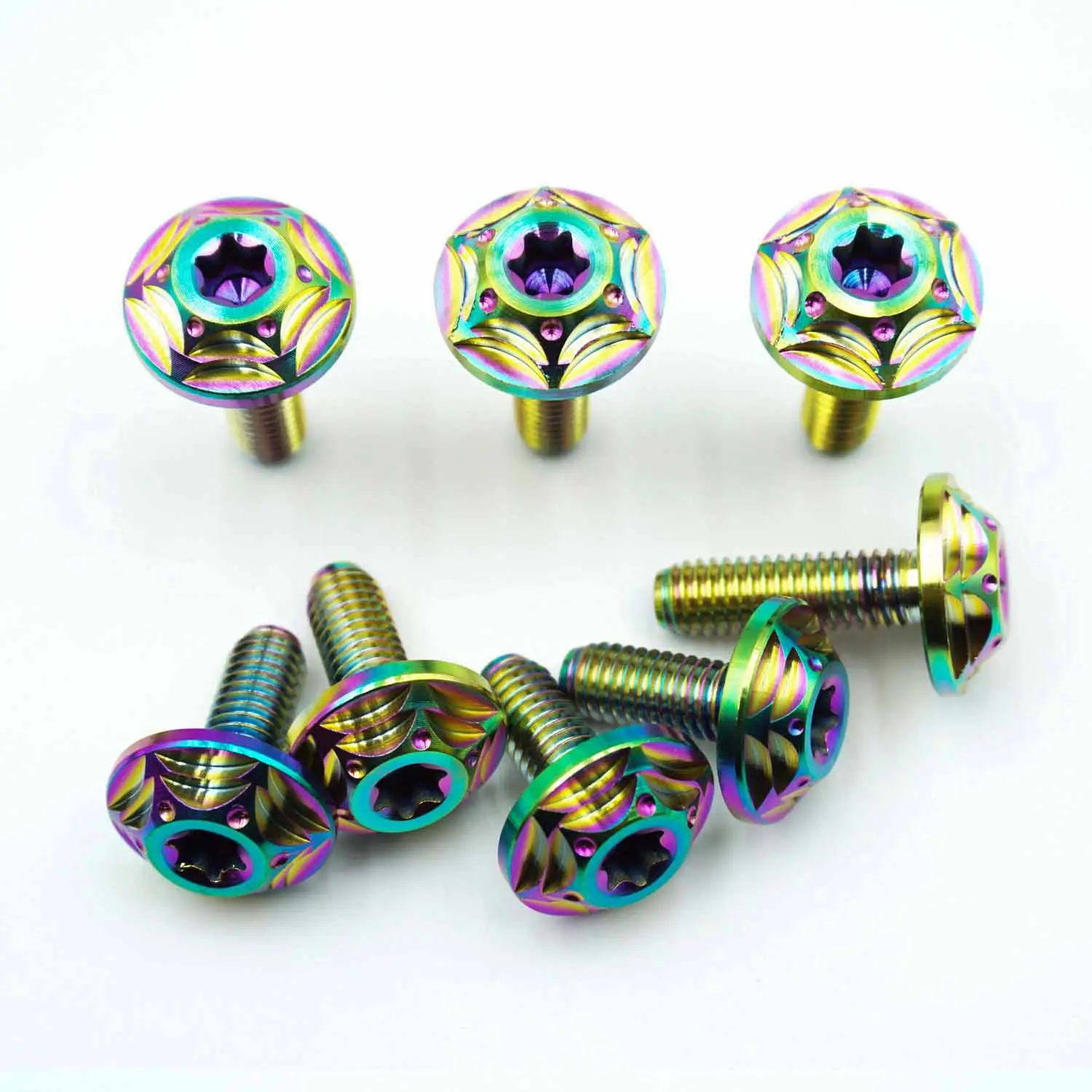
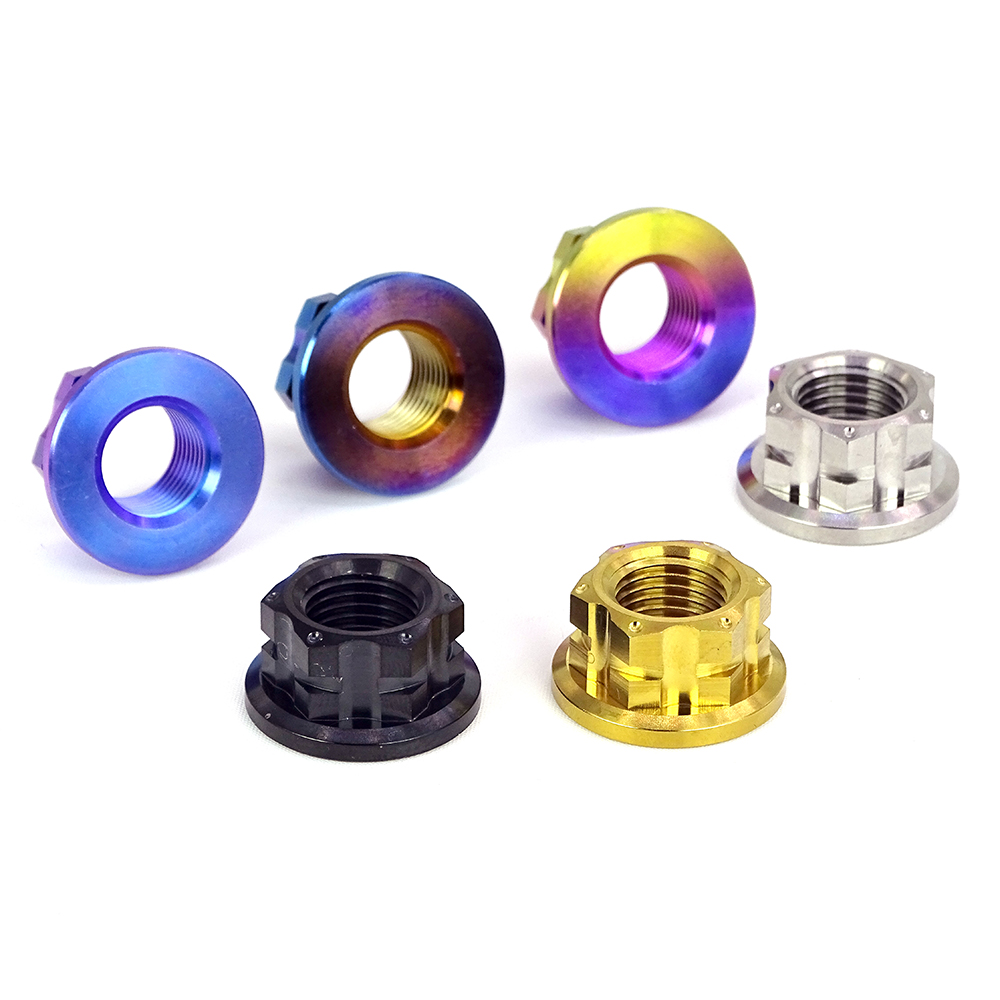
Yes. Titanium anodization (Type III) forms a microscopic, biostable oxide film (TiO2) that creates vibrant, light-refracting colors (gold, dark blue, cyan, magenta, green) without using organic dyes or toxic pigments. This allows surgeons to rapidly identify screw lengths and thread diameters in the operating theater.
What documentation accompanies an export shipment of medical titanium hardware?
A standard export package includes EN 10204 3.1 Material Test Certificates (MTC) stating chemical composition and mechanical tensile values, CMM dimensional measurement reports, surface roughness certificates, passivation compliance statement (ASTM F86), and Certificate of Origin (COO).
What is the typical production lead time for custom OEM titanium screw orders?
Standard prototype samples take 7 to 12 days after CAD approval. Mass production runs for custom micro-machined titanium screws typically range from 20 to 35 days, depending on secondary operations such as Type II anodizing, cleanroom washing, and sterile blister packaging.
Connect with China's Premier Titanium Engineers
Whether you require standard titanium fasteners, specialized motorcycle/racing hardware, or OEM micro-machined titanium components, our technical sales team is ready to review your specifications and supply complete technical catalogs.
Get Catalog