Featured Titanium Fasteners & Valve Components
Precision-engineered Grade 2 & Grade 5 titanium hardware for severe chemical fluids, aerospace, and high-performance engineering.
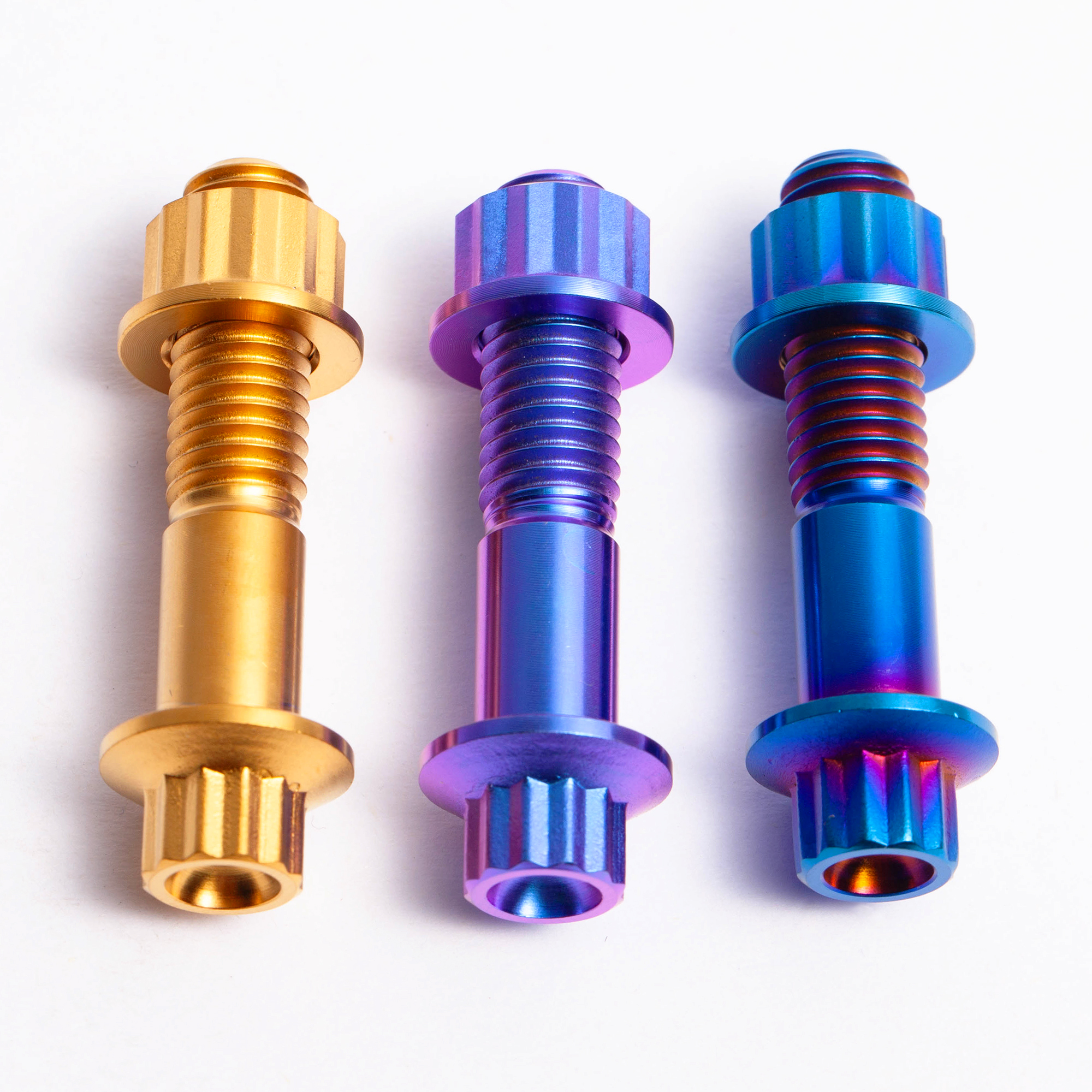
GR5 Titanium Alloy Double Stud Fastener CNC Exhaust Pipe Modification M8/M10 Screws Plain Finish Car Motorcycle Bolts DIN Class
View Product Details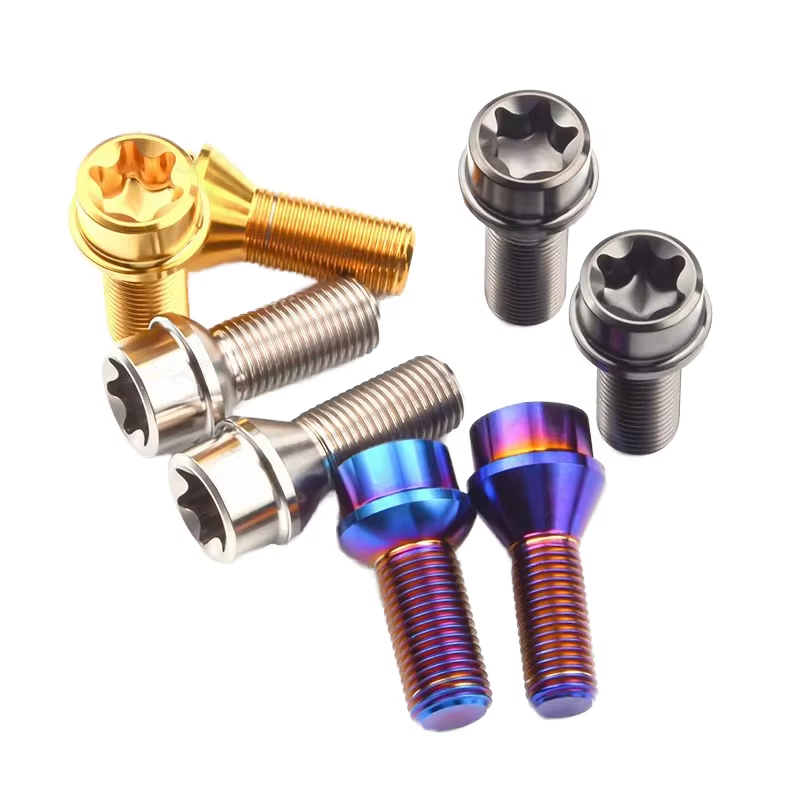
M6 M8 M9 M12 Titanium Gr5 Hex Head Flange Bolts Anodized Finish with M5 Thread Car Wheel Lug Bolts
View Product Details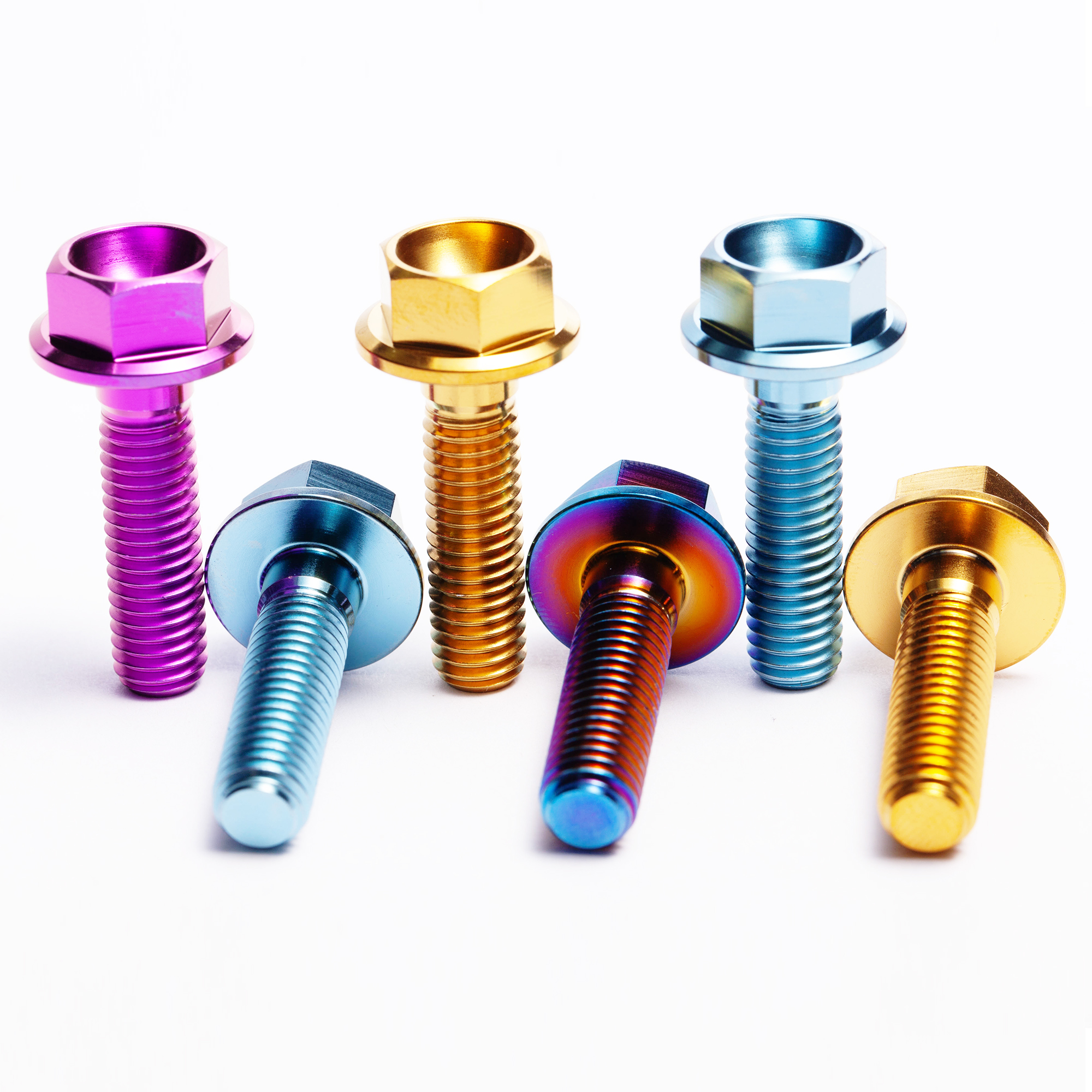
BSTTI DIN 6921 Titanium Alloy GR5 Hex Head Flange PVD Finish UNF Thread Bolt Screw Sizes M5-M10 Model MC-FL-01 for Motorbike
View Product Details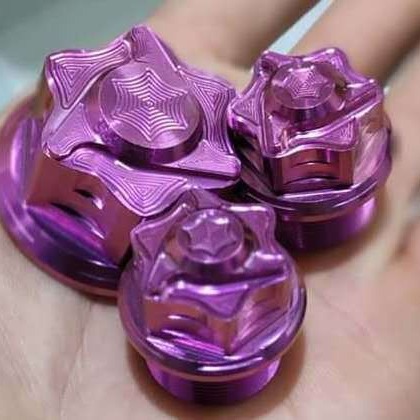
[Manufacturer Supply] Grade 10.9 M24/M22 Titanium Alloy Motorcycle Oil Cap Screw Finish None for SONIC150/Raider 150 Made China
View Product Details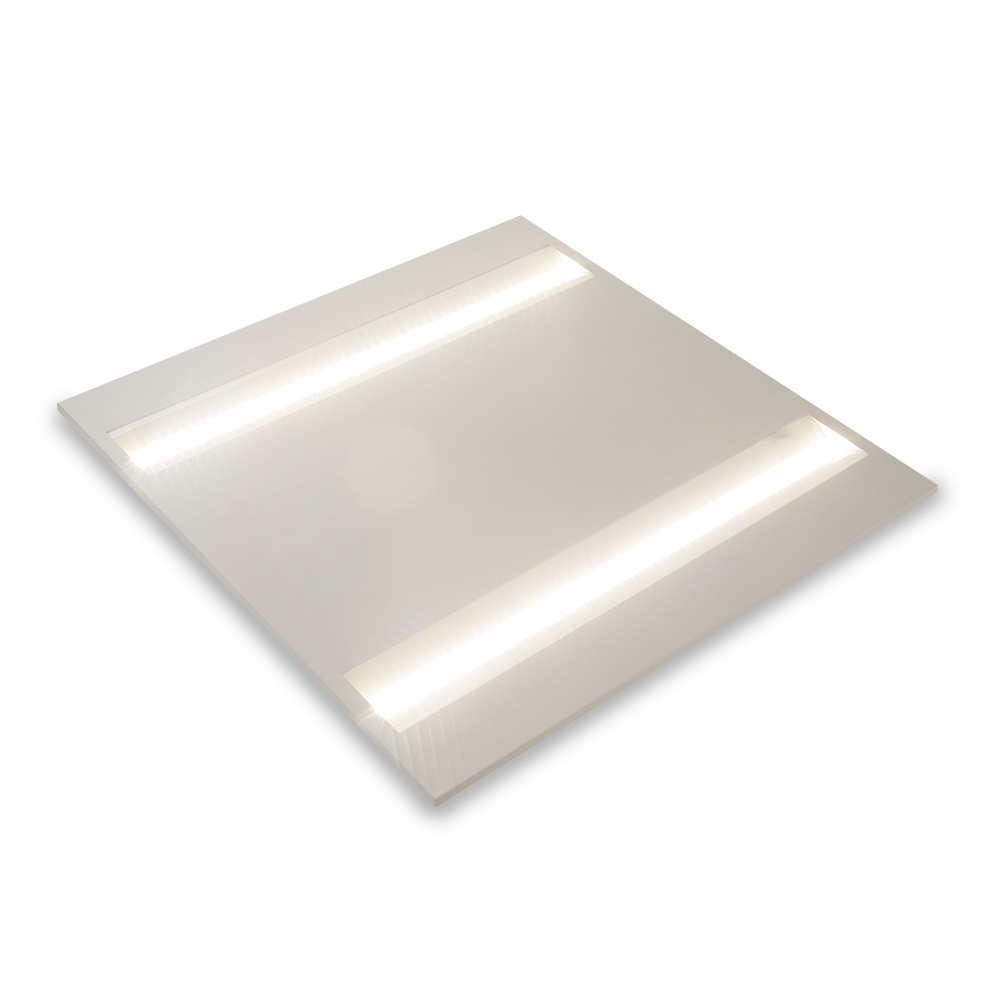
LENS 13 PVC Lamp with Stylish Design Multi-Color Temperature Optimum Performance for Office General Lighting 5-Year Warranty
View Product Details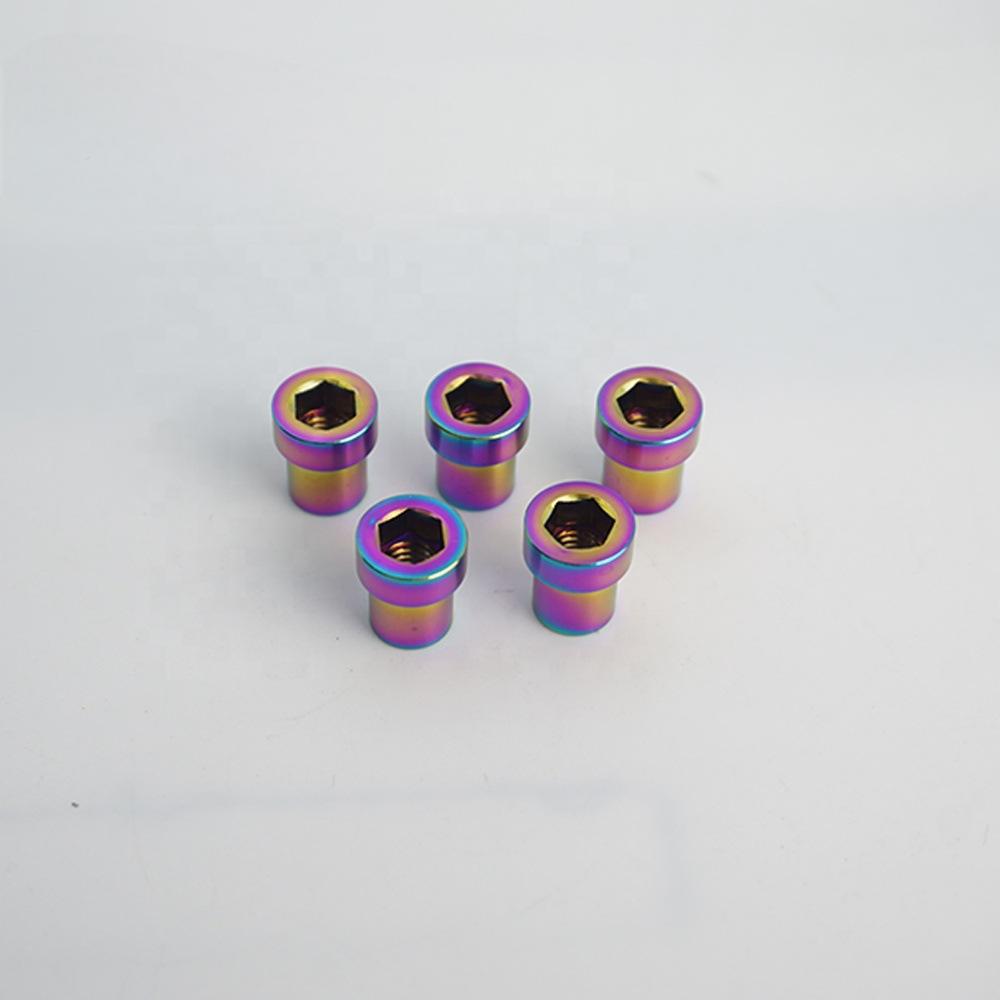
TC4 Titanium M5 Hex Locking Bolts for MTB Road Bike Carbon Seatpost Stem Pair Lightweight Anti-Rust Custom High Quality PVD
View Product Details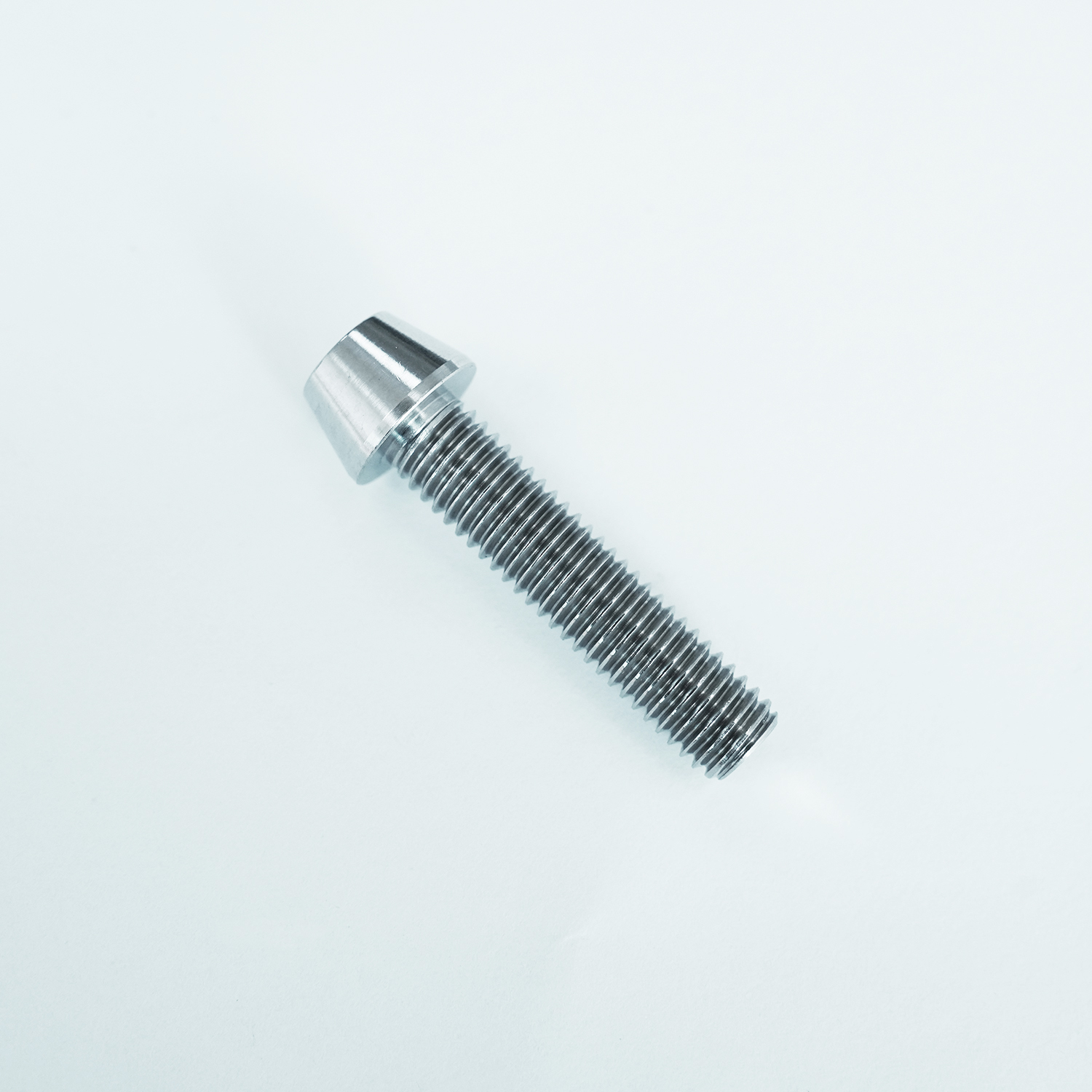
Bike Hanger Bolt Allen BST-TI GR5 Titanium Oval Head Black Colorful DIN Metric Standard Thread
View Product Details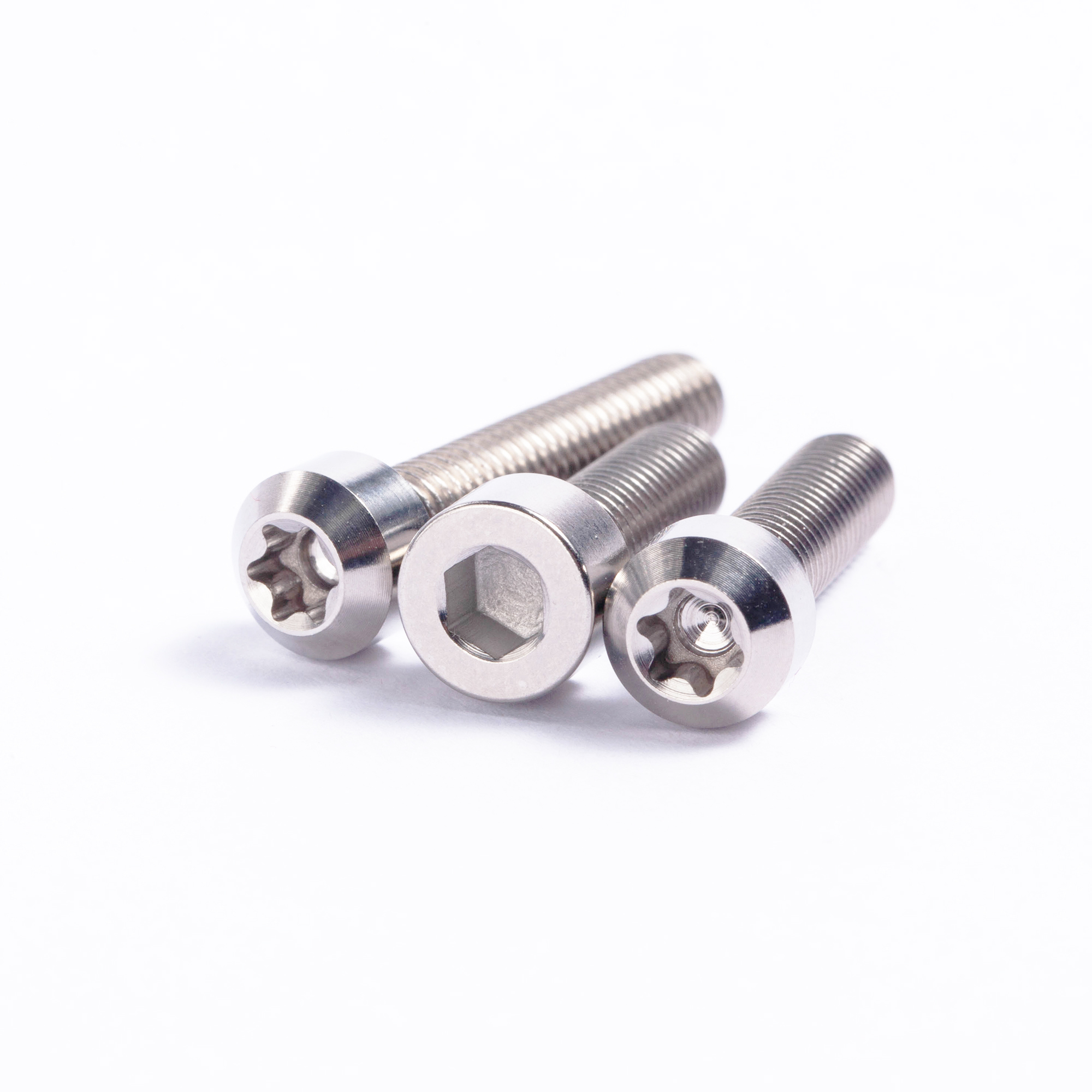
BST-TI Polished Titanium Alloy Gr5 DIN Standard Hexagon Head Disc Brake Motorcycle Heng Bolts for 12 Point M7 M5x80
View Product DetailsTechnical Whitepaper: Sourcing Titanium Chemical Valves & Corrosion Hardware from China
In modern chemical processing plants, chlor-alkali electrolysis facilities, desalination projects, and petrochemical refining complexes, chemical valves and valve flange bolting systems operate under extreme chemical stress. Fluid control equipment must withstand aggressive media such as wet chlorine gas, boiling nitric acid, organic acids, ferric chloride, and high-concentration seawater. Standard 316L stainless steel and duplex alloys frequently fail due to severe pitting corrosion, stress corrosion cracking (SCC), and crevice oxidation.
This industry engineering guide explores why global Engineering, Procurement, and Construction (EPC) firms, plant maintenance directors, and industrial valve distributors are increasingly sourcing Titanium Chemical Valves (Ball, Globe, Butterfly, Check, and Plug Valves) alongside precision-machined titanium valve trim and structural fasteners directly from top-tier Chinese manufacturers like Jiaxing Wexra Titanium Products Co., Ltd.
By leveraging advanced vacuum melting techniques, precision multi-axis CNC turning centers, automatic thread rolling mills, and automated passivation processes, China's titanium manufacturing sector delivers world-class industrial chemical valves and customized titanium fasteners that comply fully with ASME B16.34, API 600, DIN EN 12516, and ISO 9001:2015 quality standards.
Metallurgical Grade Selection Matrix for Chemical Processing Valves
Selecting the correct titanium alloy grade for chemical valves and internal trims (stems, balls, seats, and disc shafts) is paramount to preventing unexpected equipment downtime. Titanium’s exceptional corrosion immunity is derived from the instantaneous formation of a tenacious, self-healing oxide film (TiO2 - Titanium Dioxide) when exposed to oxygen or water vapor.
| Titanium Alloy Grade | UNS / ASTM Spec | Tensile Strength (MPa) | Yield Strength (MPa) | Optimal Chemical Application Media |
|---|---|---|---|---|
| Grade 2 Titanium (CP) | UNS R50400 / ASTM B348 | ≥ 345 MPa | ≥ 275 MPa | Wet chlorine gas, chlor-alkali brine, organic acids, nitric acid, seawater, cooling water lines. |
| Grade 5 Titanium (Ti-6Al-4V) | UNS R56400 / ASTM B348 | ≥ 895 MPa | ≥ 828 MPa | High-pressure valve shafts, stem threads, structural valve flange bolting, high-load fasteners. |
| Grade 7 Titanium (Ti-0.2Pd) | UNS R52400 / ASTM B348 | ≥ 345 MPa | ≥ 275 MPa | Severe reducing acids, dilute hydrochloric and sulfuric acid, crevice corrosion-critical zones. |
| Grade 12 Titanium (Ti-0.3Mo-0.8Ni) | UNS R53400 / ASTM B348 | ≥ 485 MPa | ≥ 345 MPa | Elevated temperature chemical processing, hot chloride solutions up to 300°C, crevice resistant. |
While Grade 2 commercially pure titanium is the gold standard for standard pressure valve bodies and piping manifolds, high-pressure chemical control valves require the elevated tensile capability of Grade 5 Titanium (Ti-6Al-4V). Grade 5 offers more than double the mechanical strength of standard stainless steels while weighing 44% less, making it ideal for high-cycle valve stems, actuators, and critical double-stud fastener bolts.
Strategic Sourcing & Future Procurement Trends for Titanium Valves (2025–2030)
As chemical manufacturing plants shift toward sustainable production, higher operating temperatures, and tighter zero-leakage standards, global procurement teams are altering their purchasing strategies. Key procurement trends shaping the titanium chemical valve market include:
- Total Cost of Ownership (TCO) Prioritization: Industrial buyers are transitioning away from short-term purchase price metrics toward lifecycle value. While initial capital expenditure for titanium chemical valves is higher than stainless steel, titanium’s multi-decade service life without acid-induced erosion reduces TCO by over 60%.
- Vertical Supply Chain Integration in China: Leading Chinese manufacturers maintain complete end-to-end control from raw sponge titanium processing, vacuum arc remelting (VAR), and forging to CNC precision machining and valve assembly. This minimizes lead times and eliminates intermediate trading margins.
- Zero-Fugitive Emission Mandates: Tightening environmental regulations (such as ISO 15848-1 and TA-Luft stem seal requirements) demand hyper-precise valve stem finishes. CNC-machined Grade 5 titanium stem components with micro-polished surface finishes prevent packing wear and hazardous chemical vapor leaks.
- Custom OEM/ODM Modular Engineering: Chemical processing plants increasingly require customized valve configurations, special end connections (RF, RTJ, NPT, Butt-weld), and specific DIN or ANSI bolt hole patterns tailored to existing legacy piping systems.
Product Development & Manufacturing Innovation Trends
The manufacturing landscape for chemical valves and titanium hardware is undergoing rapid technological evolution. Advanced Chinese factories are integrating cutting-edge engineering innovations:
- PVD & Ceramic Surface Hardening Coatings: Titanium alloys, while exceptionally corrosion resistant, can be prone to surface galling under severe metallic friction. Modern surface modifications—such as Physical Vapor Deposition (PVD) titanium nitride (TiN) coatings, hard anodizing, and thermal oxidation—greatly enhance surface hardness (up to 70 HRC) on valve balls and seat rings.
- 5-Axis CNC Precision Machining: Complex valve geometries, internal flow channels, and double-offset butterfly valve discs are now machined in single setup operations using high-precision multi-axis mill-turn centers. This guarantees concentricity tolerances down to ±0.01 mm, ensuring bubble-tight shutoff.
- Cold Thread Rolling for Fasteners: Rather than cutting threads into titanium valve studs and flange bolts, advanced thread rolling machines compress metal grains into unbroken flow lines. This increases thread fatigue resistance by over 300% under high thermal and pressure cycling.
- 3D Printing / Additive Manufacturing for Internal Channels: Selective Laser Melting (SLM) technology is beginning to produce custom titanium valve trim prototypes with optimized fluid flow paths that reduce pressure drops and cavitation damage in severe service applications.
Why Partner with Jiaxing Wexra Titanium Products Co., Ltd.
A premier Chinese manufacturing partner delivering uncompromised metallurgical quality, custom engineering, and global logistics reliability.
ISO 9001:2015 Quality System
Every titanium bolt, stud, and custom CNC valve component undergoes rigorous dimensional, chemical, and mechanical inspection backed by complete material traceability and EN 10204 3.1 Mill Test Certificates (MTC).
Full Metallurgical Compliance
We work exclusively with certified Grade 2 commercially pure titanium and Grade 5 (Ti-6Al-4V) titanium alloys tested for chemical composition, tensile yield, impact toughness, and RoHS/REACH environmental compliance.
OEM / ODM Precision Machining
Equipped with state-of-the-art CNC machining centers, precision lathes, laser cutters, and custom surface finishing lines (polishing, PVD coating, color anodizing), we deliver built-to-drawing parts for global partners.
Global Export Footprint
With an extensive trade network across the United States, Germany, the United Kingdom, and Canada, our engineering sales team provides transparent communication, fast lead times, and seamless export compliance.
Optimized Cost-to-Performance Ratio
Direct sourcing from Jiaxing, Zhejiang eliminates intermediary distributor markups, providing tier-1 industrial chemical manufacturing buyers with competitive pricing without compromising material integrity.
Rapid Technical Support Response
Our experienced metallurgical and mechanical engineering specialists review your CAD files and operational media parameters within 8 hours, delivering actionable DFM (Design for Manufacturability) guidance.
Chemical Valve & Titanium Hardware Procurement FAQ
Technical answers to common engineering questions asked by industrial buyers and project managers.
Grade 2 Commercially Pure (CP) Titanium offers superior ductility and optimal corrosion resistance in un-stressed fluid environments such as valve bodies, piping manifolds, and low-pressure fluid tanks exposed to wet chlorine, nitric acid, and brine. Grade 5 Titanium (Ti-6Al-4V) is an alloyed material providing massive tensile strength (≥895 MPa). Specify Grade 5 for high-stress load-bearing components, including valve stem shafts, high-pressure flange double-stud bolts, actuator linkages, and disc retaining pins.
Pure Grade 2 and Grade 5 titanium offer excellent resistance to oxidizing acids (like nitric acid), but pure titanium can experience surface corrosion in strong reducing acids like pure hydrochloric or sulfuric acid. For these specific reducing media, specify Grade 7 Titanium (Ti-0.2Pd) or Grade 12 Titanium (Ti-0.3Mo-0.8Ni). Palladium micro-alloying dramatically shifts the corrosion potential, forming a stable passive film even in warm dilute reducing acids.
Titanium-to-titanium dry contact can cause thread galling under high torques due to friction. To prevent galling on titanium chemical valve studs and body nuts: (1) Use anti-seize lubrication (molybdenum disulfide or nickel-based paste) during assembly; (2) Specify PVD hard coatings or micro-anodized oxide finishes on threads; or (3) Pair Grade 5 titanium studs with anti-galling heavy hex nuts made from bronze alloys or specialized stainless grades depending on chemical exposure.
Yes. We provide comprehensive OEM and ODM custom manufacturing. Customers can supply STEP, IGES, SolidWorks 3D models, or 2D PDF engineering drawings. Our engineering team conducts DFM analysis, verifies tolerances (down to ±0.01 mm), selects certified titanium bar or forging stock, and performs CNC milling, turning, thread rolling, and surface treatment for prototype batches or volume runs.
Every shipment is accompanied by a full quality documentation package, including EN 10204 3.1 Mill Test Certificates verifying chemical composition and mechanical properties. Upon request, we also provide Non-Destructive Testing (NDT) reports such as Ultrasonic Testing (UT) for raw bar internal soundness, Dye Penetrant Testing (PT) for surface integrity, dimensional CMM inspection reports, and RoHS/REACH compliance letters.
Standard fasteners (DIN/ISO titanium bolts and nuts) in stocked sizes ship within 5 to 7 business days. Custom CNC machined valve components, specialized flange studs, and OEM production runs typically require 2 to 4 weeks depending on order volume and required surface finishes (such as PVD coating or anodizing). Air freight and express sea freight shipping options are tailored for fast delivery to North America, Europe, and the Middle East.
Request a Custom Quote for Chemical Titanium Valves & Fasteners
Submit your CAD drawings, material grade specifications, or chemical process requirements today. Our senior metallurgical engineering team will provide a comprehensive manufacturing evaluation within 8 hours.
Contact Us