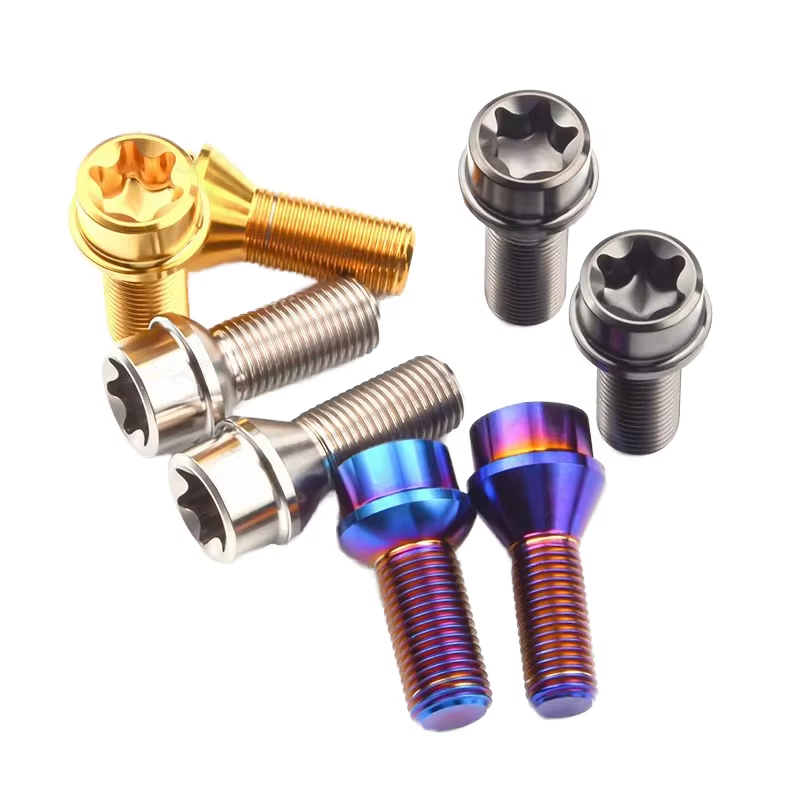
Precision Components & Fasteners
Featured Precision Titanium Hardware for Heat Exchangers & Assemblies
ASTM Grade 2 & Grade 5 Precision-Machined Fasteners, Seals, and Custom Thermal Hardware
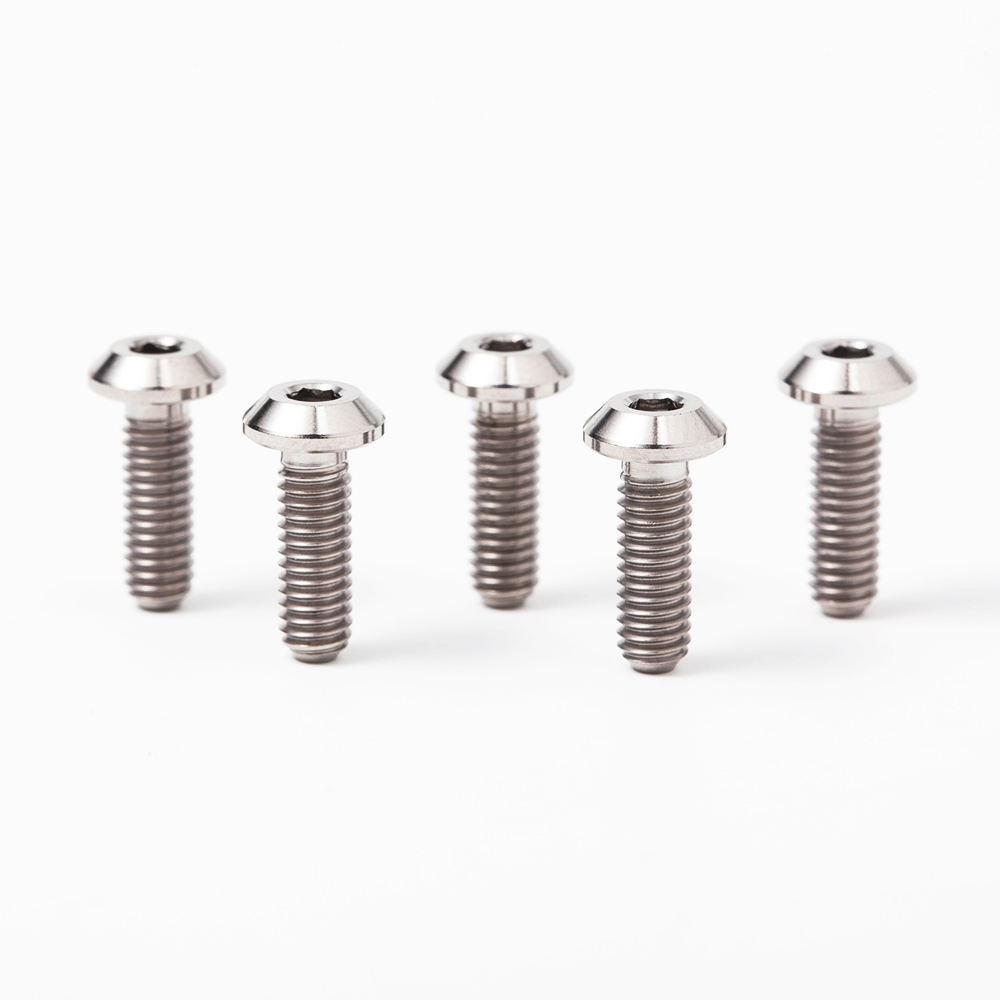
M5 M6 Metric Titanium Oval Head Screws Grade 5 ASTM F136 Corrosion Resistant
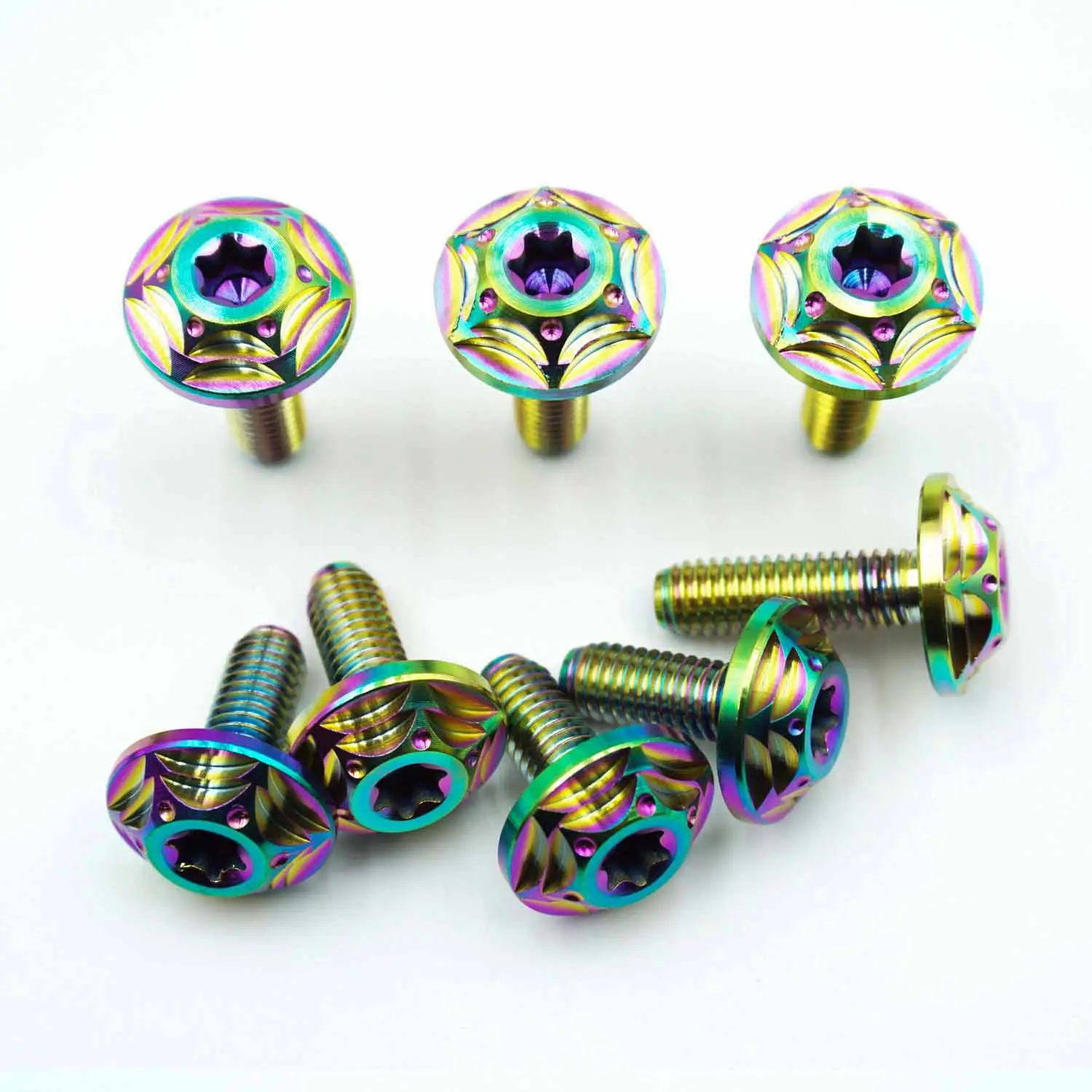
BST-TI M6 M8 M10 Socket Head Titanium Screws Plain & Anodized Finish
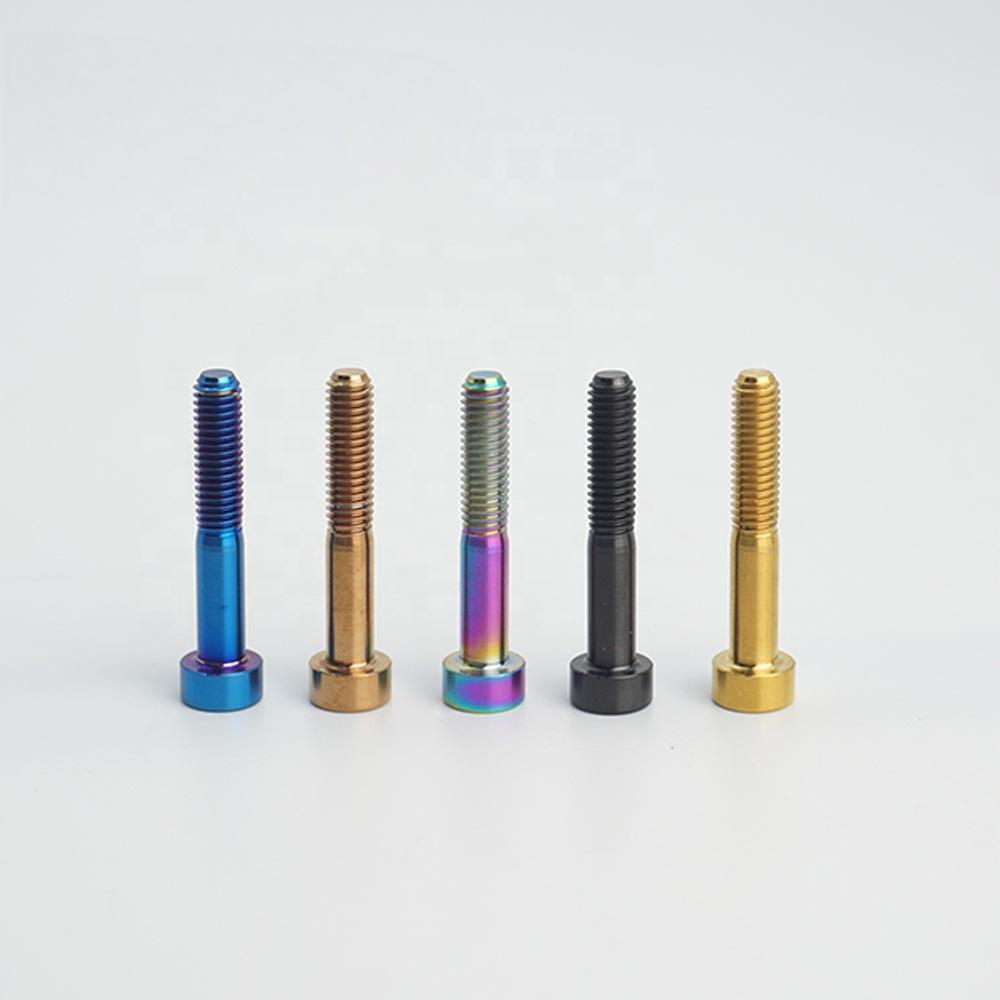
Titanium CNC Bolts Hex Button Head Black Oxide Rustproof Lightweight M5 M6
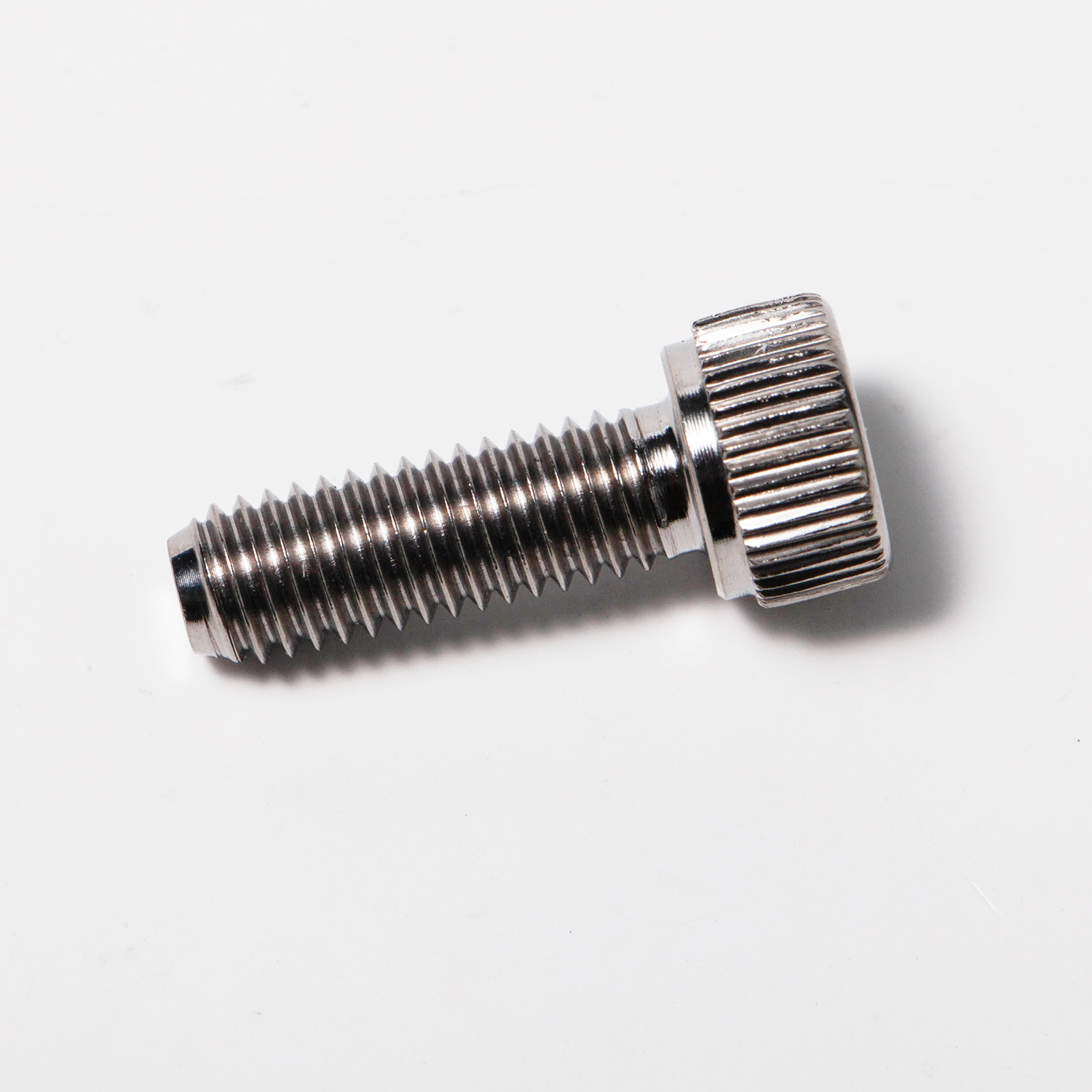
Titanium Alloy Hexagon Socket Head Cap Screws CNC Machined Corrosion Resistant
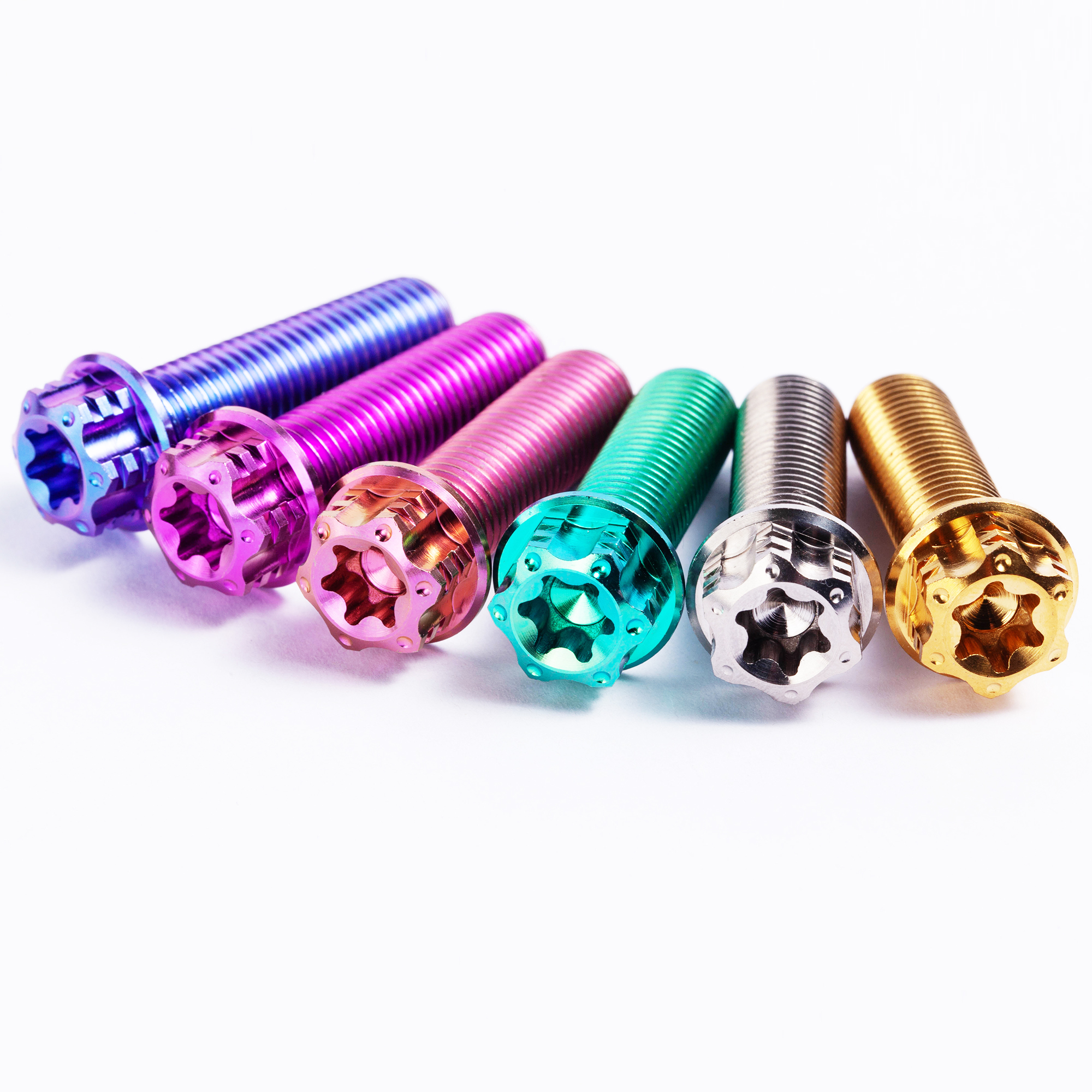
BST-TI ISO Certified Anodized Titanium Gr5 Flange Socket Bolts Torx 12-Point
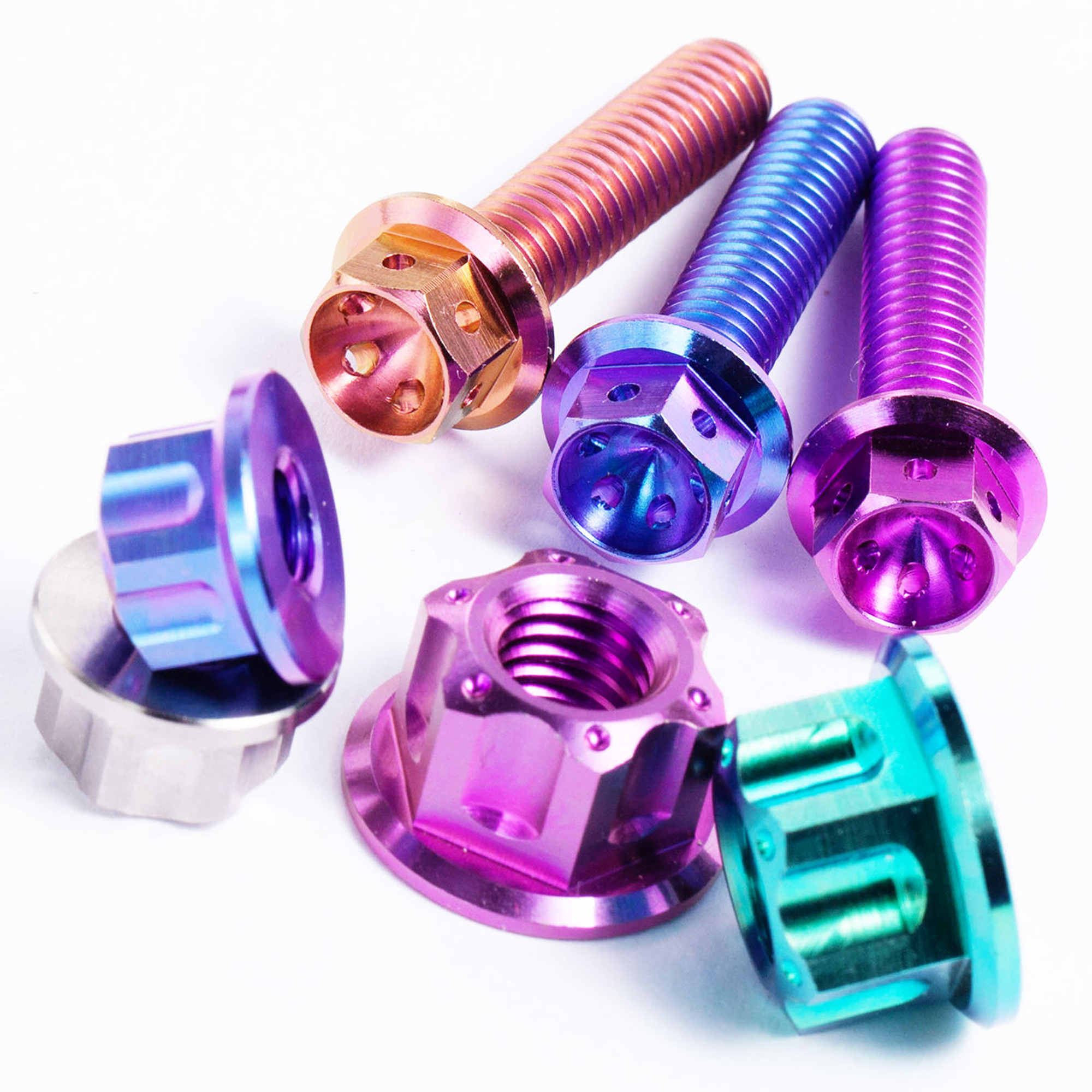
Titanium Alloy GR5 Hexagon Head Anodized Bolts and Nuts M6-M12 DIN6921
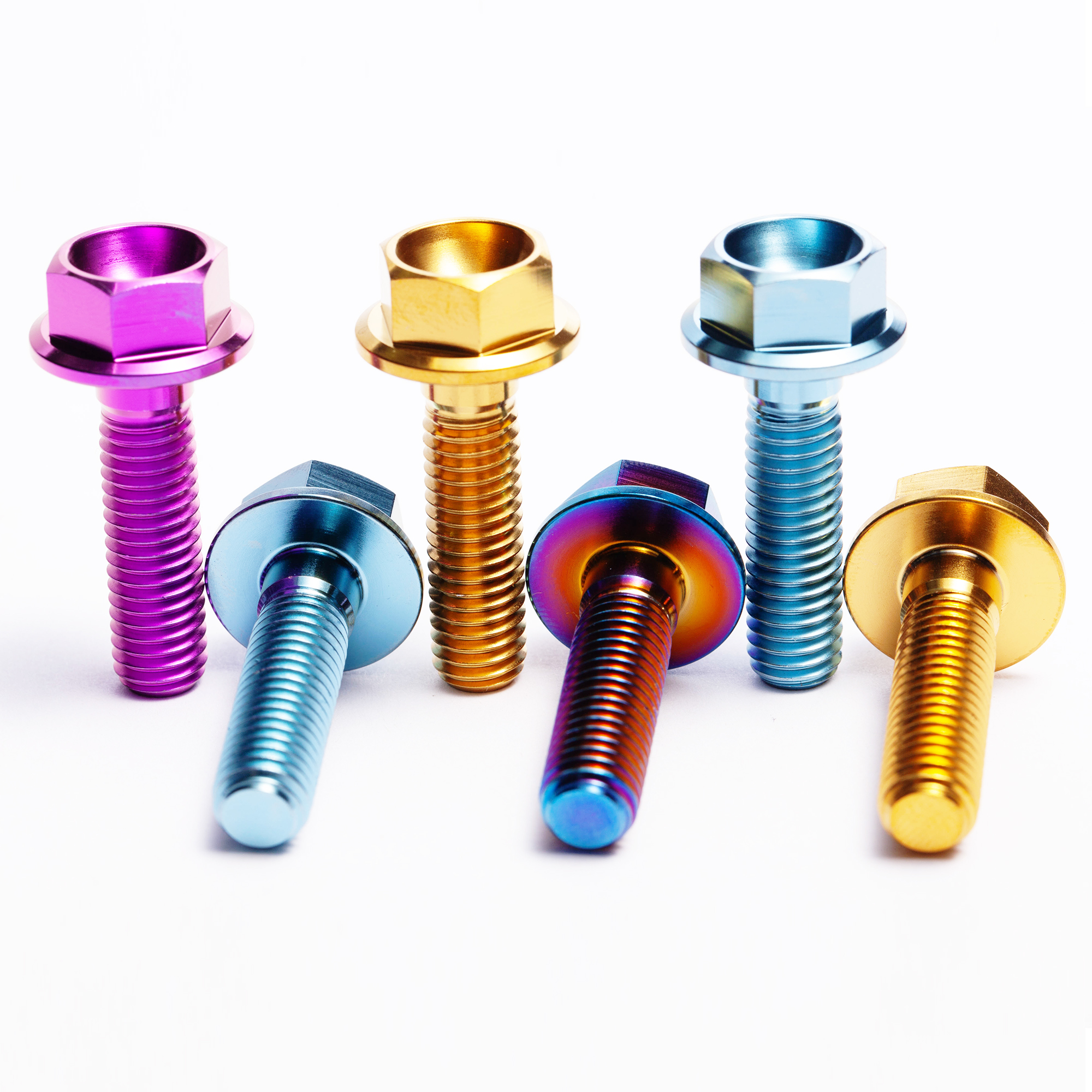
BSTTI DIN 6921 Titanium Alloy GR5 Hex Head Flange PVD Finish Screw Sizes M5-M10
Whitepaper Section I
Global Procurement Analysis: China's Role in Titanium Heat Exchanger Manufacturing
Understanding the supply chain advantages, material ecosystem, and quality parameters that establish Chinese manufacturers as strategic leaders in extreme-environment thermal transfer equipment.
Raw Material Ecosystem & Sponge Integration
China controls over 50% of global titanium sponge capacity, with major industrial centers located in Shaanxi (Baoji Titanium Valley) and Zhejiang province. This vertical integration allows premier manufacturers like Jiaxing Wexra Titanium Products Co., Ltd. to secure certified ASTM B348 bar stock, ASTM B265 plates, and ASTM B338 seamless/welded tubing directly from top-tier smelters. Direct access reduces raw material lead times by up to 35% and guarantees full chemical composition traceability back to the ingot heat number.
Advanced Precision Machining Infrastructure
Modern Chinese titanium heat exchanger factories have transitioned from manual fabrication to fully automated multi-axis CNC machining, robotic orbital TIG welding, and automated explosion-clad tubesheet processing. By maintaining precision tolerances down to ±0.01 mm during tubesheet drilling and reaming, Chinese exporters eliminate tube joint stress concentration, preventing early thermal fatigue failures in high-pressure shell-and-tube exchangers.
Export Compliance & International Certification
Leading Chinese titanium exporters operate under rigorous international quality frameworks. Complete compliance with ISO 9001:2015, ASME Section VIII Division 1, RoHS, REACH, and PED (Pressure Equipment Directive) ensures that heat exchangers manufactured in China can seamlessly integrate into industrial chemical complexes, marine desalination plants, and nuclear power auxiliary cooling loops across North America, Germany, the UK, and Canada.
Whitepaper Section II
Metallurgical Selection & Material Property Matrix
Selecting the ideal titanium alloy for heat exchanger construction requires balancing corrosion resistance, yield strength, thermal conductivity, and overall Lifecycle Cost (LCC).
| Titanium Grade | UNS Designation | Yield Strength (MPa) | Thermal Conductivity (W/m·K) | Corrosion Resistance (Chloride/Acid) | Primary Heat Exchanger Application |
|---|---|---|---|---|---|
| Grade 1 (CP Ti) | UNS R50250 | 170 - 310 | 22.0 | High Formability | Plate heat exchanger (PHE) deep-drawn plates |
| Grade 2 (CP Ti) | UNS R50400 | 275 - 450 | 21.9 | Standard Benchmark | Shell & Tube exchanger tubes, seawater condensers |
| Grade 7 (Ti-0.15Pd) | UNS R52400 | 275 - 450 | 21.5 | Superior Acid / Crevice | Reducing chemical media, hot concentrated chlorides |
| Grade 12 (Ti-Mo-Ni) | UNS R53400 | 483 min | 19.0 | High Temp Crevice | High-temperature brine, chemical process reboilers |
| Grade 5 (Ti-6Al-4V) | UNS R56400 | 828 min | 6.7 | High Strength Load | High-pressure tubesheet structural bolts, flanges |
Passivation Mechanisms & TiO₂ Passive Film Integrity
Titanium owes its exceptional corrosion immunity to the instantaneous formation of a tenacious, self-healing titanium dioxide ($TiO_2$) protective oxide film when exposed to oxygen or water vapor. In thermal processing equipment handling chlorinated brine, sea water, or nitric acid, this rutile/anatase oxide layer exhibits passive current densities below $1 \mu A/cm^2$.
When damaged mechanically, the passive film regenerates in fractions of a second in oxidizing environments. In reducing media where pure Grade 2 titanium may suffer localized crevice corrosion at temperatures above 80°C, upgrading to Grade 7 (Ti-Pd) or Grade 12 (Ti-Mo-Ni) shifts the critical pitting corrosion potential significantly into the noble region, preventing catastrophic equipment failure.
Overall Heat Transfer Coefficient ($U$-Value) Efficiency
While pure thermal conductivity of Titanium Grade 2 (~21.9 W/m·K) is lower than Admiralty Brass or Copper-Nickel alloys, titanium heat exchangers frequently achieve equal or superior Overall Heat Transfer Coefficients ($U$-values) in actual service.
Because titanium exhibits zero corrosion allowance requirements in seawater, tube wall thickness can be engineered as thin as 0.5 mm to 0.7 mm (compared to 1.2 mm - 1.6 mm for Cu-Ni alloys). Furthermore, titanium's smooth surface oxide layer resists biofouling and scale buildup, maintaining clean thermal efficiency over decades without requiring costly chemical descaling outages.
Whitepaper Section III
Structural Architecture & Precision Manufacturing Methodologies
Detailed breakdown of manufacturing processes, tube-to-tubesheet joint integrity, and non-destructive inspection protocols executed by top Chinese exporters.
1. Shell & Tube Titanium Exchangers
Engineered for high-pressure, high-temperature chemical reactions and power plant condenser systems. Utilizing ASTM B338 Grade 2 seamless or ERW welded titanium tubes expanded or strength-welded into solid titanium or titanium-clad steel tubesheets.
- Baffled shell flow paths optimized via CFD modeling
- Strength-welded tube joints with zero leak paths
- ASME Section VIII Div 1 pressure testing
2. Titanium Plate Heat Exchangers (PHE)
Constructed from cold-pressed Grade 1 titanium plates featuring herringbone or corrugated flow patterns. Provides ultra-high thermal efficiency ($U$-values up to 7000 W/m²·K) with minimal footprint for marine propulsion cooling and HVAC chiller units.
- Pressing force up to 20,000 tons for uniform channels
- EPDM/NBR glued or clip-on elastomeric gaskets
- Compact footprint with easy maintenance disassembly
3. CNC Precision Fabrication & Fasteners
Custom component integration utilizing precision CNC machining centers. High-strength ASTM Grade 5 (Ti-6Al-4V) titanium bolts, nuts, and flange studs secure heavy end-plates and pressure vessels under extreme cyclic thermal stress.
- Thread rolling for enhanced fatigue endurance
- Custom anodized and PVD protective coatings
- ISO 9001:2015 dimensional verification
Whitepaper Section IV
Future Sourcing & Technology Trends (2025–2030)
Emerging technological innovations redefining the performance, cost efficiency, and design of titanium heat exchangers globally.
1. Additive Manufacturing & Micro-Channel Heat Exchangers
Next-GenLaser Powder Bed Fusion (LPBF) 3D printing with titanium powder allows Chinese factories to manufacture complex micro-channel heat exchangers with surface-area-to-volume ratios exceeding $2500 m^2/m^3$. These ultra-compact units reduce total weight by up to 60% while expanding pressure handling beyond 300 bar in aerospace and hydrogen fuel cell applications.
2. Explosion Cladding & Bimetallic Savings
Cost OptimizationTo optimize capital expenditures, Chinese exporters are increasing production of explosion-bonded titanium-steel composite plates (e.g., 2mm Gr2 Titanium + 40mm Carbon Steel Q345R). This methodology delivers complete chemical corrosion protection at the tube interface while reducing total equipment metal cost by 40% to 55% compared to solid titanium structures.
3. Automated Orbital TIG & Real-Time NDT
Quality AssuranceIntegrations of closed-loop camera-monitored automated orbital welding ensure absolute consistency across thousands of tube-to-tubesheet joint welds. Coupled with automated ultrasonic scanning (UT) and helium mass spectrometer leak detection (sensitivity up to $1 \times 10^{-9} \, \text{mbar}\cdot\text{L/s}$), zero-defect guarantees are standard for international deliveries.
4. Low-Carbon Green Titanium Processing
ESG CompliantGlobal ESG regulations demand carbon transparency. Chinese suppliers are adopting clean energy induction melting, closed-loop titanium scrap recycling, and inert-gas powder atomization. Purchasing managers can now request ISO 14067 Carbon Footprint Certificates along with standard Mill Test Certificates (EN 10204 3.1).
Whitepaper Section V
B2B Factory Auditing Framework & Supplier Excellence
When evaluating a Chinese titanium heat exchanger factory, engineering procurement officers must audit 5 vital operational dimensions to mitigate quality risk:
- Material Traceability: Mandatory EN 10204 3.1 MTC verification for chemical purity and mechanical limits.
- Machining Precision: In-house multi-axis CNC capability with tolerances down to ±0.01 mm.
- Quality Certifications: Certified ISO 9001:2015 management, RoHS, REACH, and EPR packaging registry.
- Non-Destructive Testing: Hydrostatic pressure testing, Pneumatic testing, and Eddy Current Tube Inspection.
- Global Export Track Record: Established logistics routes and document support for US, Germany, UK, and Canada.
Factory Profile Overview
Jiaxing Wexra Titanium Products Co., Ltd. is a specialized manufacturer of Grade 2 and Grade 5 titanium products, custom CNC parts, hardware fasteners, and titanium raw materials for industrial thermal processing, motorsport, marine, and aerospace buyers.
• Location: Jiaxing, Zhejiang, China
• Quality System: ISO 9001:2015
• Export Share: 91% Global
• Markets: US, DE, UK, CA
Whitepaper Section VI
Procurement & Engineering FAQ
Answers to technical, metallurgical, and commercial questions commonly asked by B2B purchasing directors and plant engineers.
Q1: Why choose Titanium Grade 2 over Grade 5 for heat exchanger tubing?
Grade 2 Titanium (Commercially Pure) provides an optimal balance of moderate strength (345 MPa yield strength), high thermal conductivity (21.9 W/m·K), and outstanding ductility, making it ideal for bending and rolling tube-to-tubesheet joints. Grade 5 (Ti-6Al-4V) offers much higher strength (895 MPa) but substantially lower thermal conductivity (6.7 W/m·K) and limited cold workability, restricting its use to structural fasteners, flanges, and high-load shell components rather than heat exchange tubes.
Q2: How do Chinese factories prevent thread galling on titanium fasteners and flanges?
Titanium has a natural tendency to gall when threads are torqued under dry conditions. Leading manufacturers prevent galling by: 1) Rolling threads instead of cutting to produce smooth surface finishes, 2) Applying specialized surface conversion layers such as anodic oxide coatings, PVD titanium nitride (TiN) or molybdenum disulfide ($MoS_2$) coatings, and 3) Specifying anti-seize lubrication (e.g., nickel-based or copper-based paste) during assembly.
Q3: What quality inspection documents are delivered with custom titanium orders?
Standard export documentation supplied under ISO 9001:2015 frameworks includes: Mill Test Certificates (MTC EN 10204 3.1) stating chemical composition and mechanical properties, Dimensional CMM Inspection Records, Non-Destructive Testing (NDT) reports (Hydrostatic, Pneumatic, or Ultrasonic), and compliance certificates for RoHS, REACH, and EPR packaging regulations.
Q4: How does titanium perform in high-salinity hot seawater applications compared to Duplex Stainless Steel?
In hot seawater above 60°C containing high chlorides, Super Duplex Stainless Steels (e.g., UNS S32750) risk pitting and crevice corrosion if the PREN value is exceeded. Grade 2 Titanium is virtually immune to pitting and crevice corrosion in seawater up to 75°C, while Grade 7 (Ti-Pd) remains immune up to 250°C regardless of pH or chloride concentration, making titanium vastly superior for long-term power plant condensers and desalination units.
Q5: Can custom titanium parts be manufactured directly from client 2D/3D CAD drawings?
Yes. Modern Chinese facilities accept CAD formats including STEP, IGES, DWG, and SLDPRT. Design for Manufacturability (DFM) reviews are conducted prior to machining to evaluate tool access, wall thickness limits, and thread pitch options, ensuring rapid prototype delivery followed by seamless mass production.
Q6: What lead time and shipping arrangements apply for international B2B deliveries?
Standard prototypes or custom machined hardware orders typically take 10 to 15 working days, while large-scale exchanger equipment or batch tubing orders require 25 to 35 days. Express air freight (DHL/UPS/FedEx) or ocean container shipping (FOB, CIF, DDP) is fully supported with complete customs clearance documentation prepared for buyers in North America and Europe.