Featured Precision Titanium Fasteners & Stud Products
Engineered Grade 5 (Ti-6Al-4V) and Grade 2 Solutions Built for Extreme Thermal and Mechanical Demands
Engineering Superiority: The Case for Titanium Stud Bolts
A Comprehensive Technical Evaluation of Metallurgical Properties and Mechanical Advantage
Ti-6Al-4V (Grade 5) Structural Dynamics
As modern automotive engineering, aerospace propulsion, and high-performance marine design push operational boundaries, traditional Class 8.8 and Class 10.9 steel fasteners represent significant compromises in weight and corrosion susceptibility. Titanium Grade 5 (Ti-6Al-4V), an alpha-beta alloy containing 6% aluminum and 4% vanadium, delivers an unprecedented combination of high strength, lightweight density, and outstanding fatigue resistance.
With an ultimate tensile strength exceeding 895 MPa and a yield strength surpassing 828 MPa, Grade 5 titanium stud bolts provide equivalent or superior clamping torque compared to high-tensile carbon steel, while reducing total structural weight by roughly 44%. This reduction in un-sprung mass is vital for high-speed rotational components, wheel hubs, exhaust manifolds, and racing suspension assemblies.
Passivation & Extreme Environment Resistance
Unlike carbon steel which requires galvanic plating, or stainless steel which suffers from pitting corrosion under marine chloride exposure, titanium naturally forms a stable, self-healing, oxide surface film (TiO2) upon exposure to oxygen. This passive ceramic layer renders titanium stud bolts practically immune to chemical attack from road salt, ambient moisture, marine environments, nitric acid, and organic chlorides.
In high-temperature exhaust pipe modifications and turbocharger manifold setups, titanium studs remain structurally stable up to 400°C (752°F) without experiencing oxidation scale formation, thread seizing, or thermal degradation common with traditional iron-based fasteners.
Metallurgical Property Matrix
Comparative Material Analysis for Industrial Sourcing Managers and Fastener Specifiers
| Material Grade | Density (g/cm³) | Tensile Strength (MPa) | Yield Strength (MPa) | Corrosion Resistance | Magnetic Behavior |
|---|---|---|---|---|---|
| Titanium Grade 5 (Ti-6Al-4V) | 4.43 g/cm³ | 895 - 1000 MPa | 828 MPa | Exceptional (Passivated TiO2) | Non-Magnetic |
| Titanium Grade 2 (Pure Ti) | 4.51 g/cm³ | 345 - 480 MPa | 275 MPa | Exceptional (Chemical/Marine) | Non-Magnetic |
| Stainless Steel (AISI 316) | 8.00 g/cm³ | 580 - 680 MPa | 290 MPa | Moderate (Pitting in Chloride) | Slightly Magnetic |
| Alloy Steel (Class 10.9) | 7.85 g/cm³ | 1040 MPa | 940 MPa | Poor (Requires Plating) | Strongly Magnetic |
Precision Manufacturing & Metallurgical Integrity
How Modern CNC Machining & Thread Rolling Technology Drive Long-Term Fastener Reliability
Cold Thread Rolling
Unlike low-cost machining workshops that cut thread profiles using single-point lathe bits (which severs grain flow lines), Jiaxing Wexra Titanium Products utilizes advanced cold thread rolling equipment. Rolling plastically deforms the titanium bar, burnishing the thread root and maintaining uninterrupted grain alignment. This process increases thread fatigue life by up to 300% and significantly reduces notch sensitivity under cyclical vibration.
Anodizing & PVD Surface Treatment
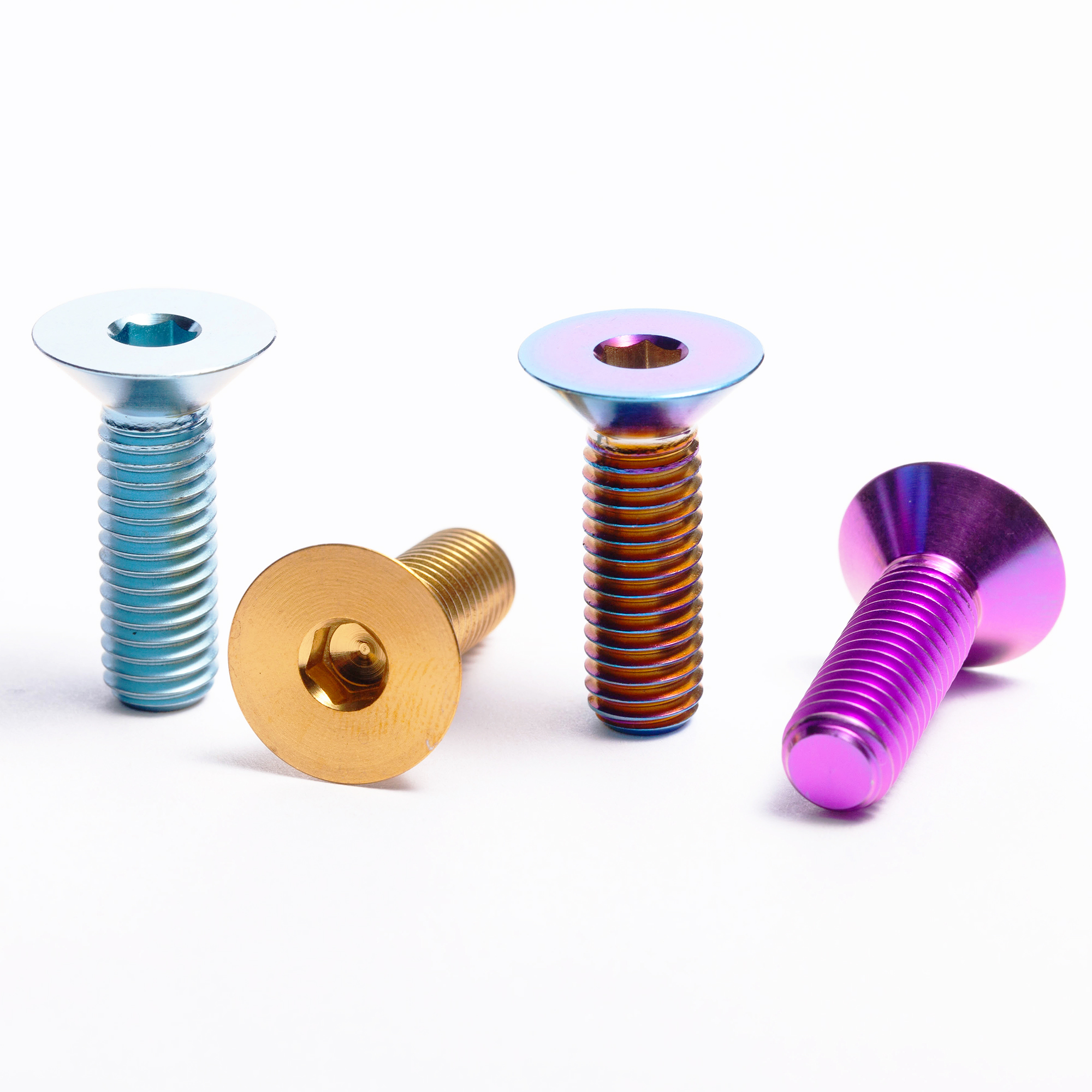
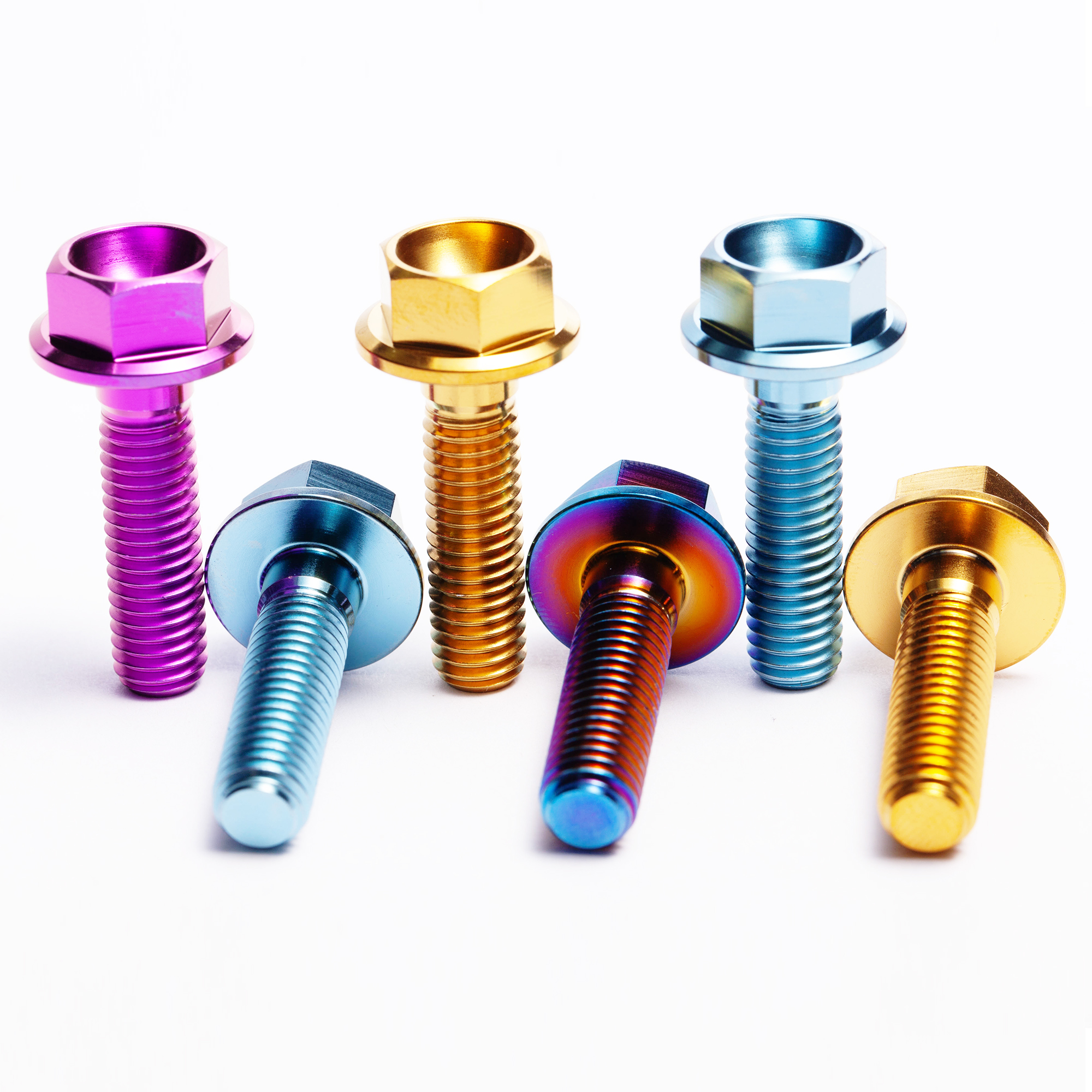
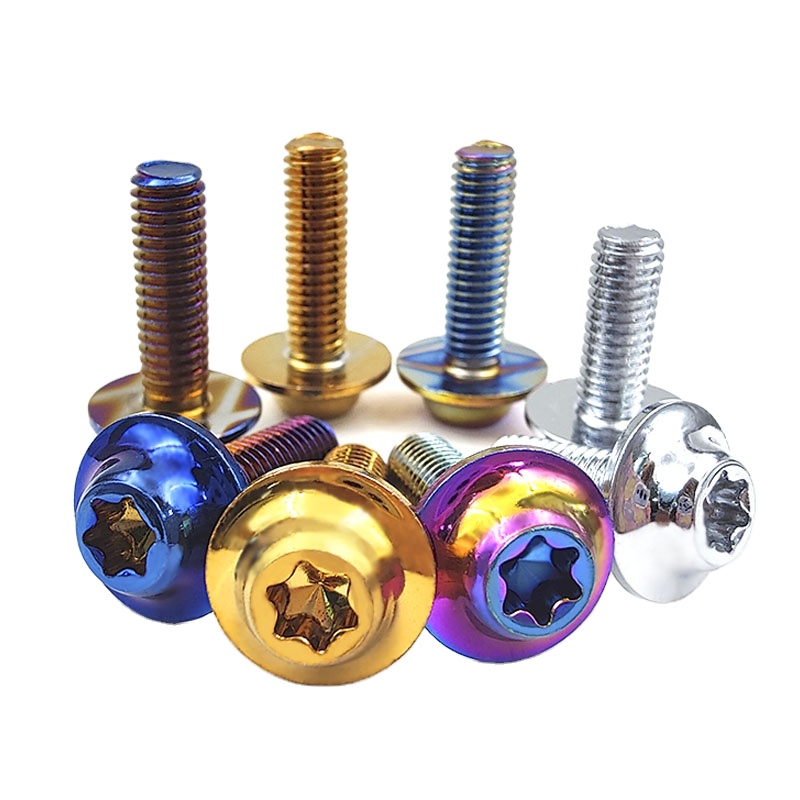
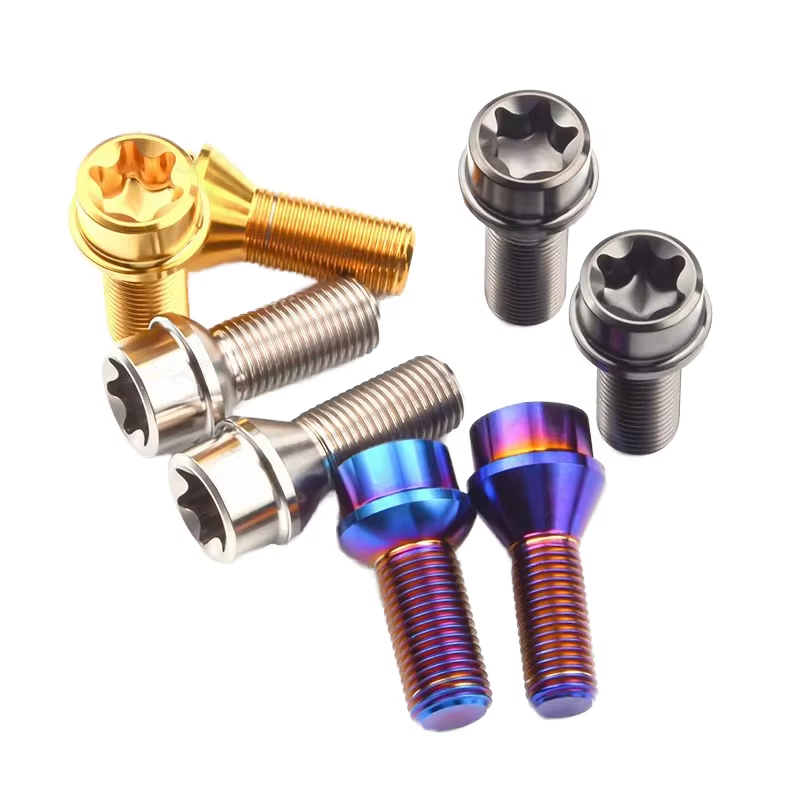
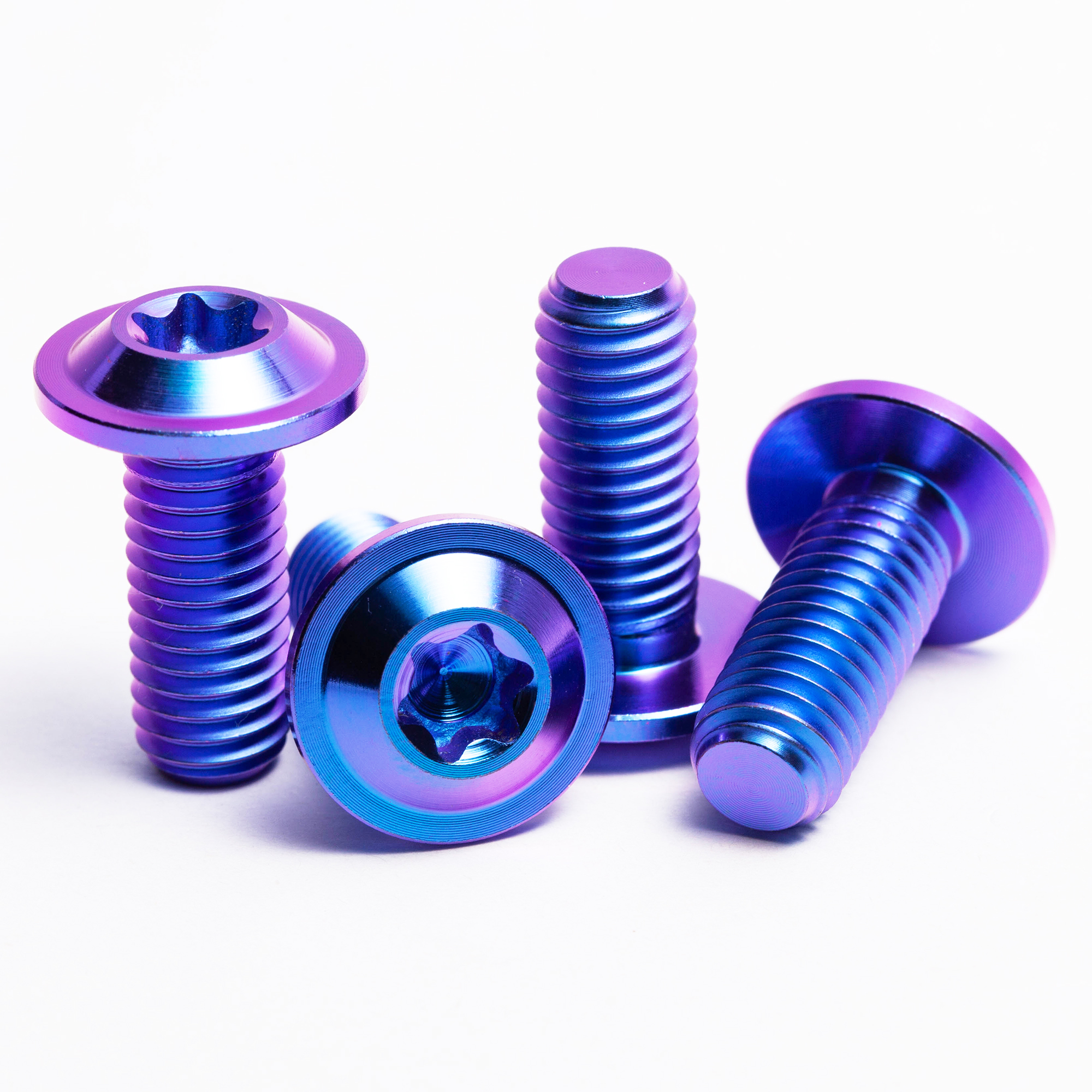
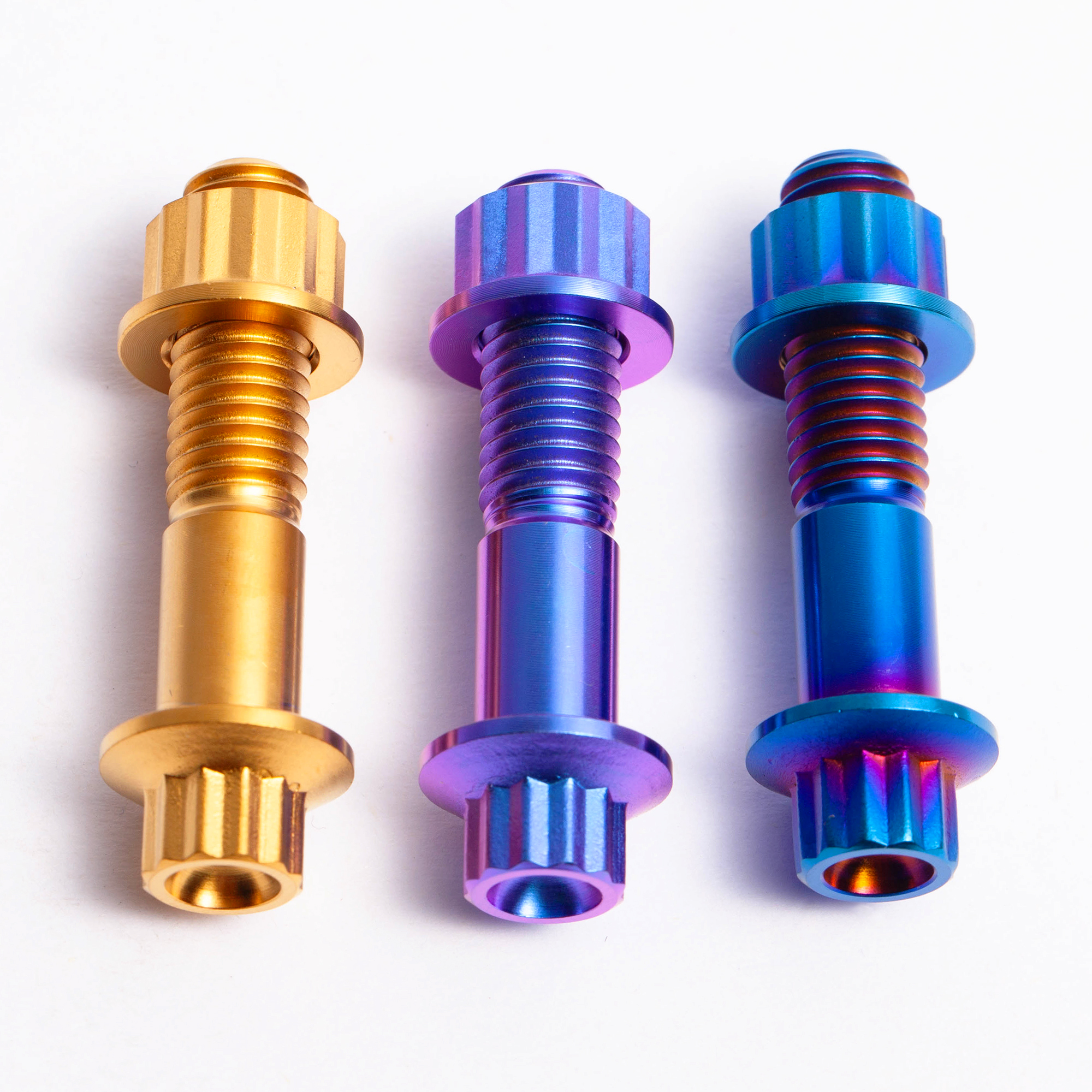
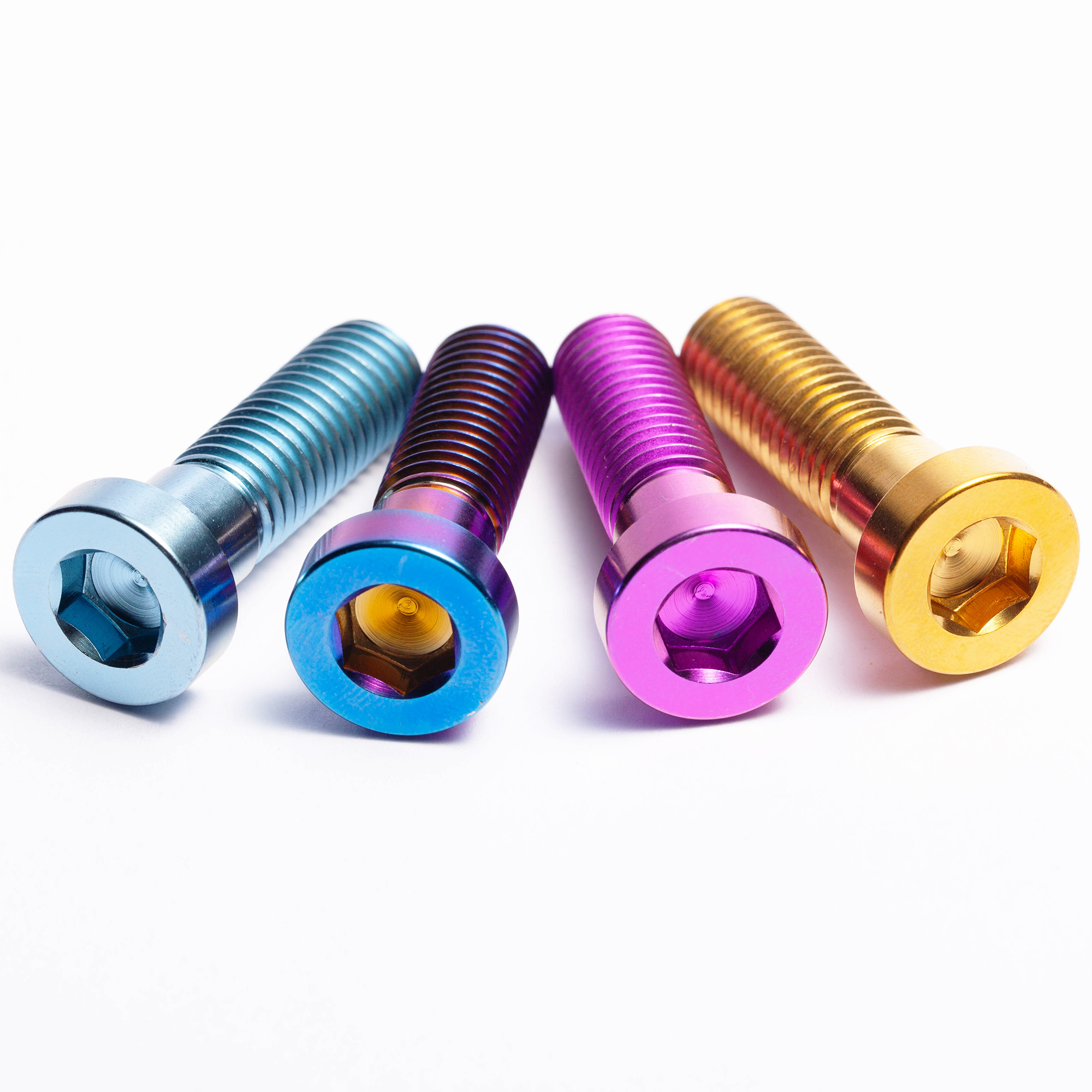
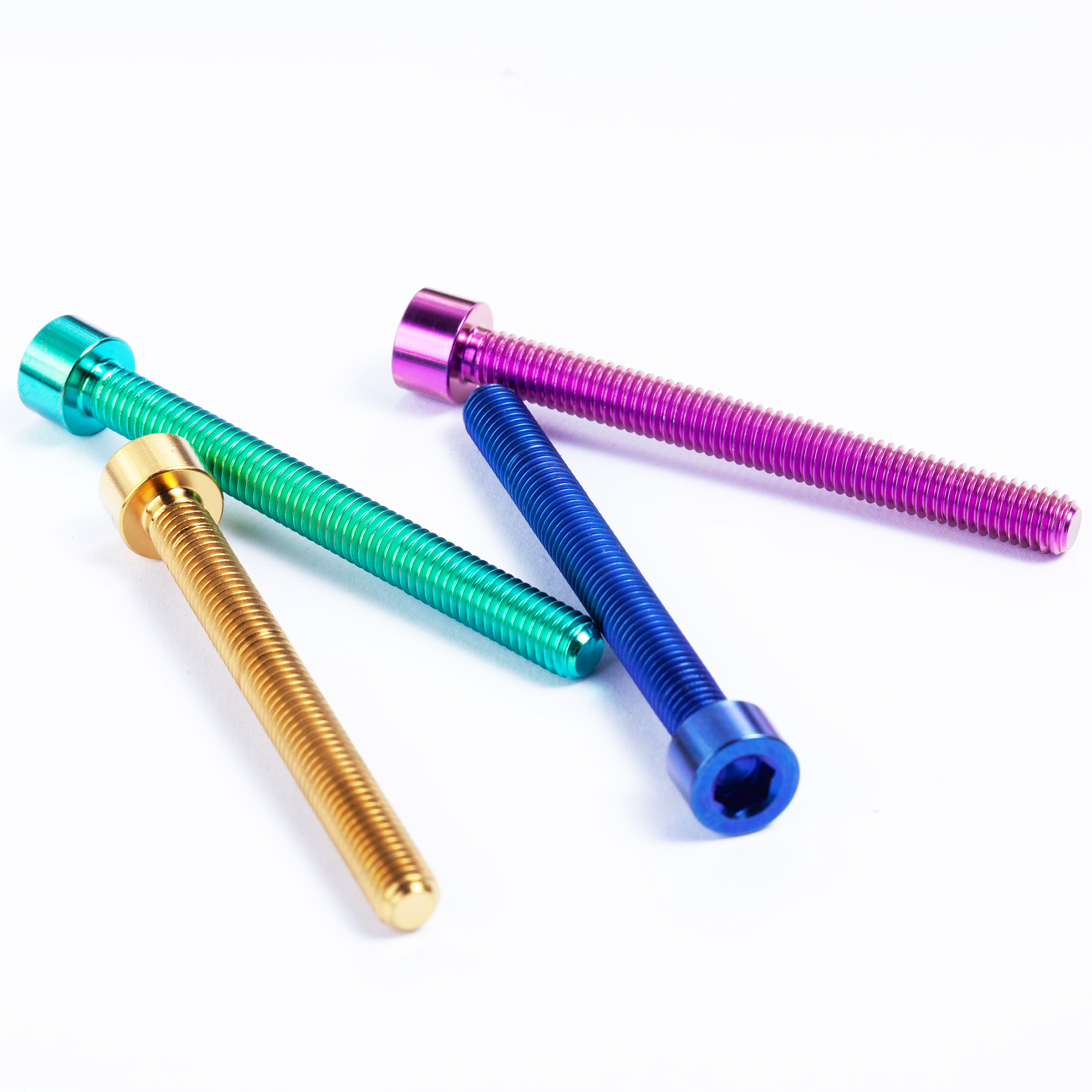
Titanium fasteners offer incredible flexibility for aesthetic and tribological surface coatings. Through electrolytic electrochemical anodization, controlled oxide film thicknesses are formed to yield vibrant hues including gold, royal blue, deep purple, and rainbow without introducing toxic paints. Physical Vapor Deposition (PVD) titanium nitride (TiN) coatings further enhance surface hardness, reducing friction coefficients and eliminating thread galling.
Quality Verification & ISO Standards
Every production batch is backed by comprehensive dimensional inspection and raw material traceability. Utilizing optical spectrum analyzers, digital thread pitch micrometers, micro-hardness testers, and tensile test benches, Jiaxing Wexra Titanium guarantees strict compliance with international DIN, ISO, ASME, and ANSI fastener dimensional standards, accompanied by EN 10204 3.1 Material Test Certificates (MTC).
Future Procurement Trends in Titanium Fasteners (2025–2030)
Strategic Insights for Supply Chain Leaders and Sourcing Directors
1. Rapid Adoption in E-Mobility & Battery Enclosures
As electric vehicle (EV) manufacturers work endlessly to extend driving range per kilowatt-hour, reducing structural chassis weight has transitioned from premium sports cars to mainstream EV platforms. Titanium stud bolts, wheel lug hardware, and battery pack securing studs are seeing explosive demand. Non-magnetic titanium eliminates eddy-current heating risks near high-voltage busbars, while offering weight savings that directly boost vehicle range.
2. Near-Net Shape Additive & Hybrid CNC Manufacturing
Future titanium procurement will leverage hybrid manufacturing workflows combining 3D-printed titanium preforms with high-precision CNC thread finish milling. This hybrid process minimizes scrap generation, reduces raw material lead times by up to 40%, and allows complex hollow-core stud bolt geometries that shave an additional 15% weight without sacrificing shear performance.
3. Digital Material Traceability & ESG Supply Chains
Global procurement standards are increasingly favoring suppliers that provide digital material passports detailing chemical melt composition, vacuum-arc remelting (VAR) steps, and carbon footprint tracking. OEM procurement managers are standardizing on suppliers offering verifiable RoHS, REACH, and EPR certification documents alongside digital EN 10204 3.1 chemical analysis files.
4. Advanced Anti-Galling Tribological Coatings
Historical concerns over friction galling on raw titanium-to-titanium interfaces are completely solved through micro-thin Diamond-Like Carbon (DLC), Physical Vapor Deposition (PVD), and specialized dry-film molybdenum disulfide lubricants. Sourcing managers are increasingly requesting factory-pre-coated titanium studs ready for direct high-torque robotic automated assembly line integration.
Technological & Application Development Trends
Expanding the Boundaries of Titanium Engineering Across Key Global Industries
Aerospace & UAV Propulsion
Unmanned Aerial Vehicles (UAVs) and low-Earth orbit smallsats rely heavily on Grade 5 titanium double-stud fasteners for turbine engine mounts and camera gimbal assemblies where vibration dampening, low weight, and elevated temperature tolerance are non-negotiable requirements.
Motorsport & Tuning Modification
From brake disc rotor studs to cylinder head double studs, titanium hardware allows race engineering teams to eliminate precious rotational mass, lower center-of-gravity, and prevent thermal stud stretch during sustained full-throttle track operations.
Marine Hardware & Subsea Equipment
With zero pit corrosion in saltwater environments, Grade 2 and Grade 5 titanium stud bolts are replacing 316 stainless steel in marine exhaust risers, yacht deck fittings, subsea oil exploration valves, and desalinization plant pump housings.
Frequently Asked Procurement Questions (FAQ)
Direct Engineering Answers for Purchasing Officers and Hardware Distributors
Enterprise Strength: Why Sourcing Directors Choose Jiaxing Wexra Titanium Products Co., Ltd.
Situated in Jiaxing, Zhejiang, China, Jiaxing Wexra Titanium Products Co., Ltd. is a specialized, ISO 9001:2015 certified manufacturer devoted exclusively to the research, development, and high-precision CNC machining of titanium and titanium alloy hardware. Operating advanced CNC multi-axis machining centers, automatic thread rolling machines, and optical inspection bionics, our facility bridges the gap between raw titanium metallurgy and aerospace-grade finished fasteners.
Whether you require standard DIN 6921, DIN 6912, or ISO standard fasteners, specialized double stud exhaust bolts, or custom EDC and automotive lug nuts, our engineering team conducts rigorous Design for Manufacturability (DFM) reviews before cutting metal. Serving leading motorsport teams, bicycle OEMs, and industrial distributors across North America and Europe, Wexra Titanium represents reliability, precision, and zero-defect execution.
Ready to Upgrade Your Hardware Specifications to Precision Titanium?
Contact our technical engineering team today to receive a detailed quotation, request sample packs, or consult on custom drawing specifications.
Contact Us