High-Performance Titanium Fasteners & Machined Components
Engineered from Grade 5 (Ti-6Al-4V) and Grade 2 Commercially Pure Titanium. Reduced weight, zero corrosion, and exceptional fatigue endurance for critical applications.
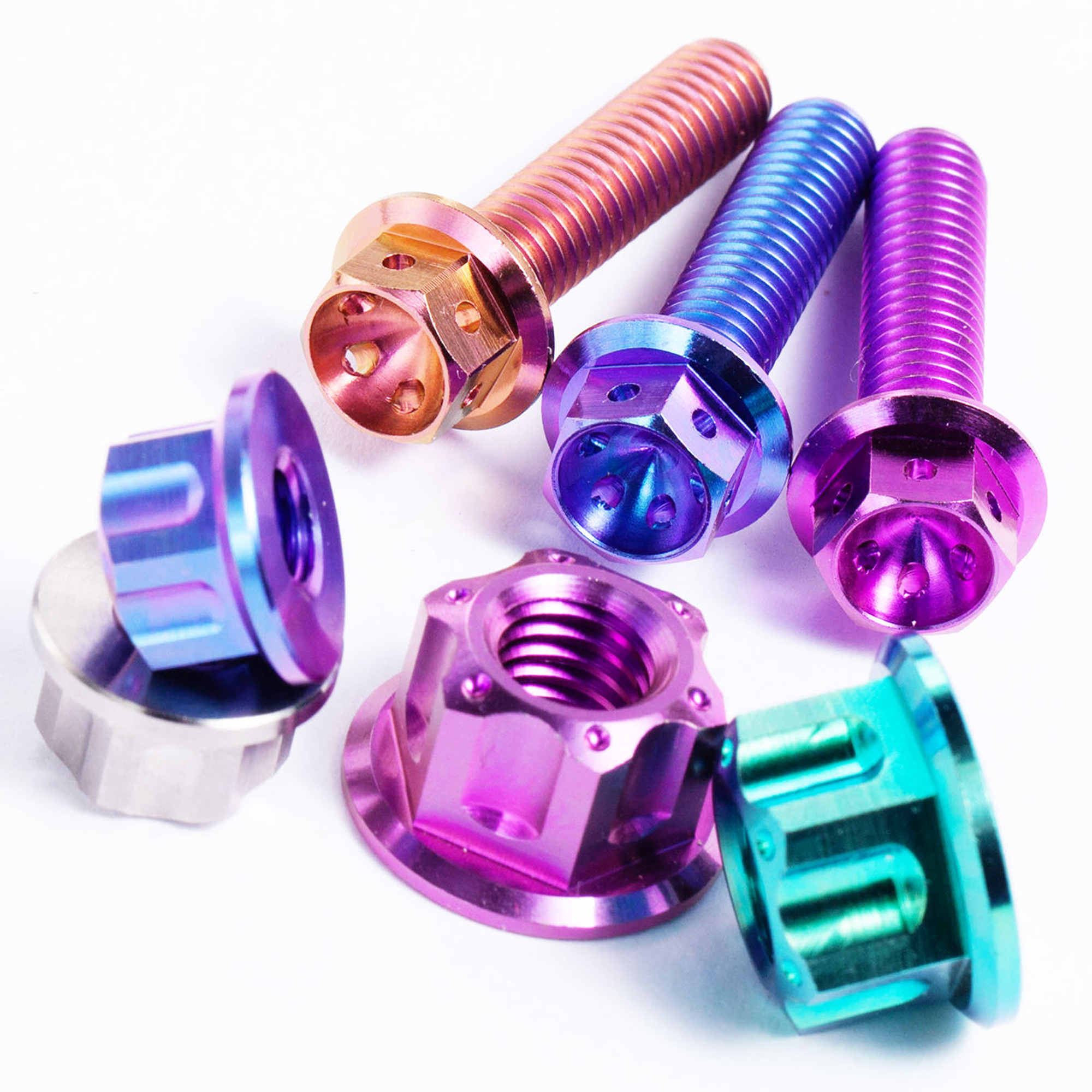
Titanium Alloy GR5 Hexagon Head Anodized Bolts and Nuts M6-M12 DIN6921
View Specifications →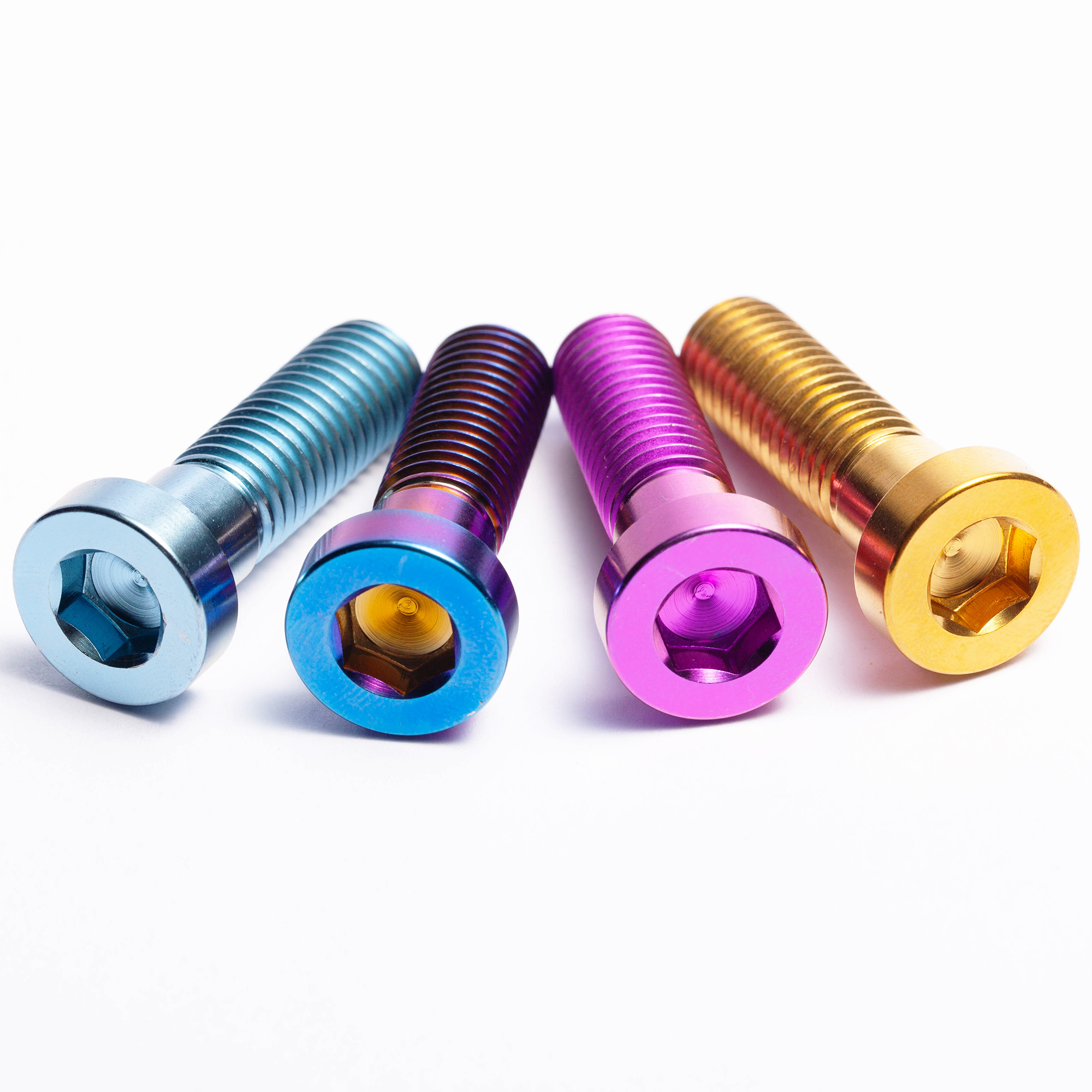
DIN6912 Titanium Alloy Low Head Socket Cap Bolt Anodized Parallel Screw
View Specifications →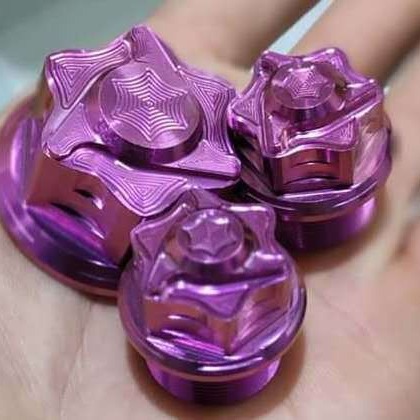
Grade 10.9 Equivalent M24/M22 Titanium Alloy Custom Engine Oil Cap Screws
View Specifications →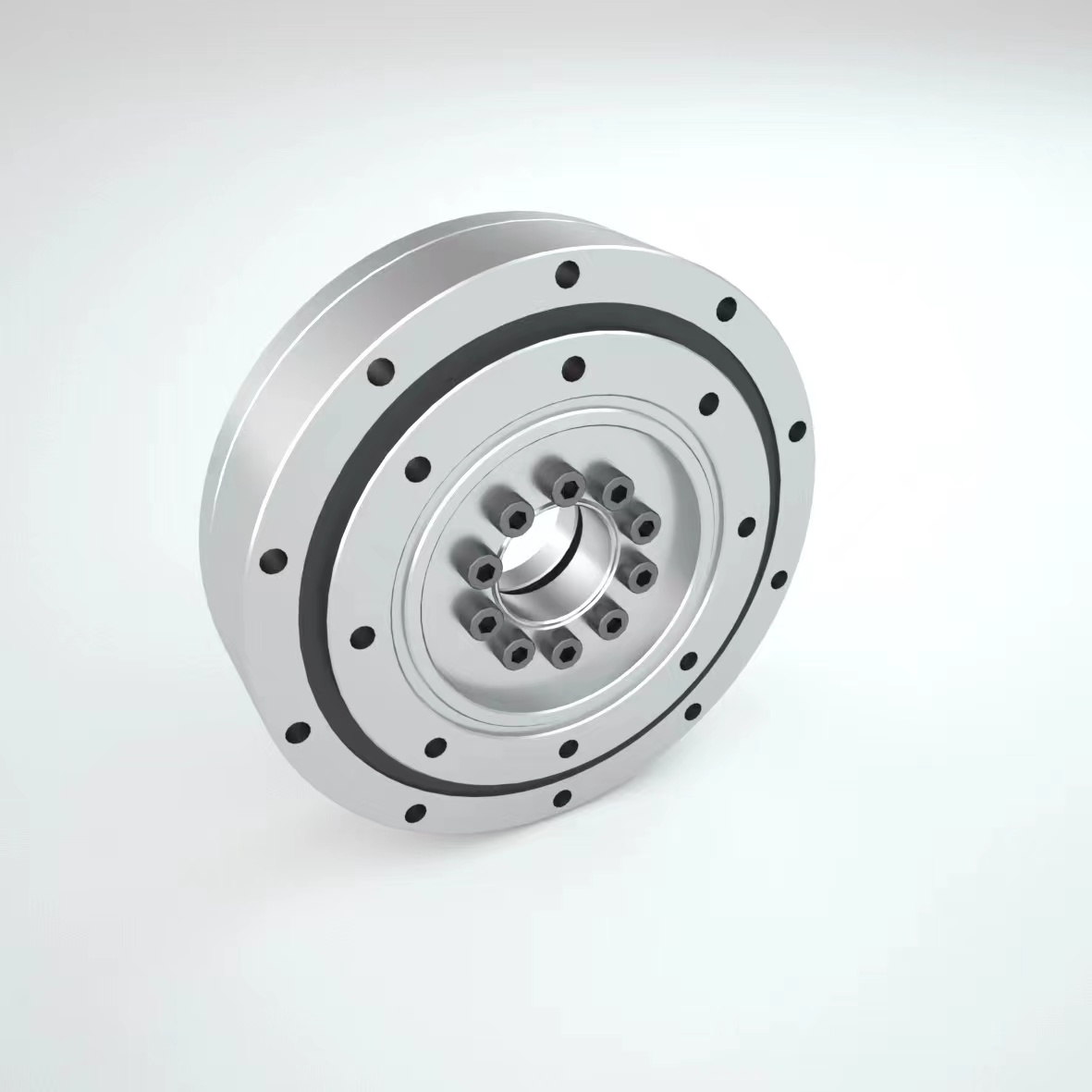
INNOTECH DRIVE High Torque Harmonic Reducer Wave Generator for Robotics & Aerospace
View Specifications →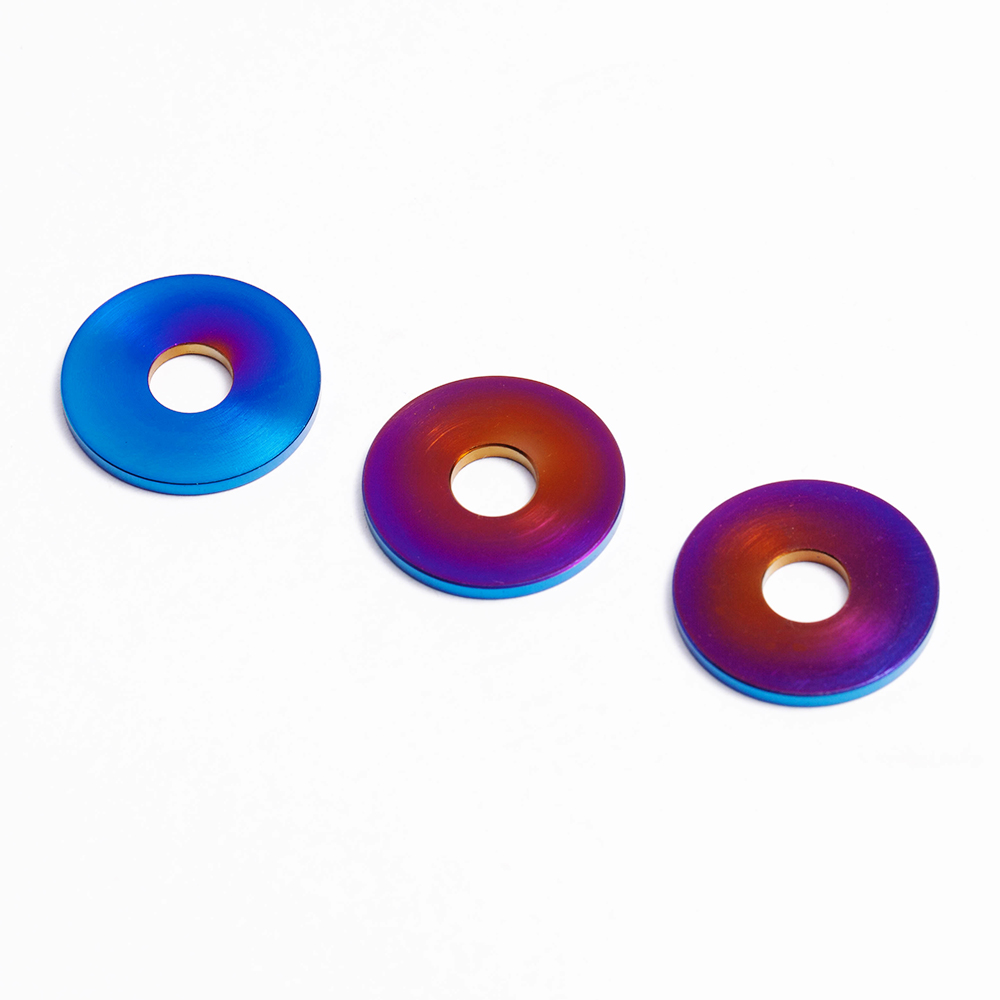
BST-TI Gr5 Titanium Burnt Blue Color Anodized Precision 5mm Washer Spacer
View Specifications →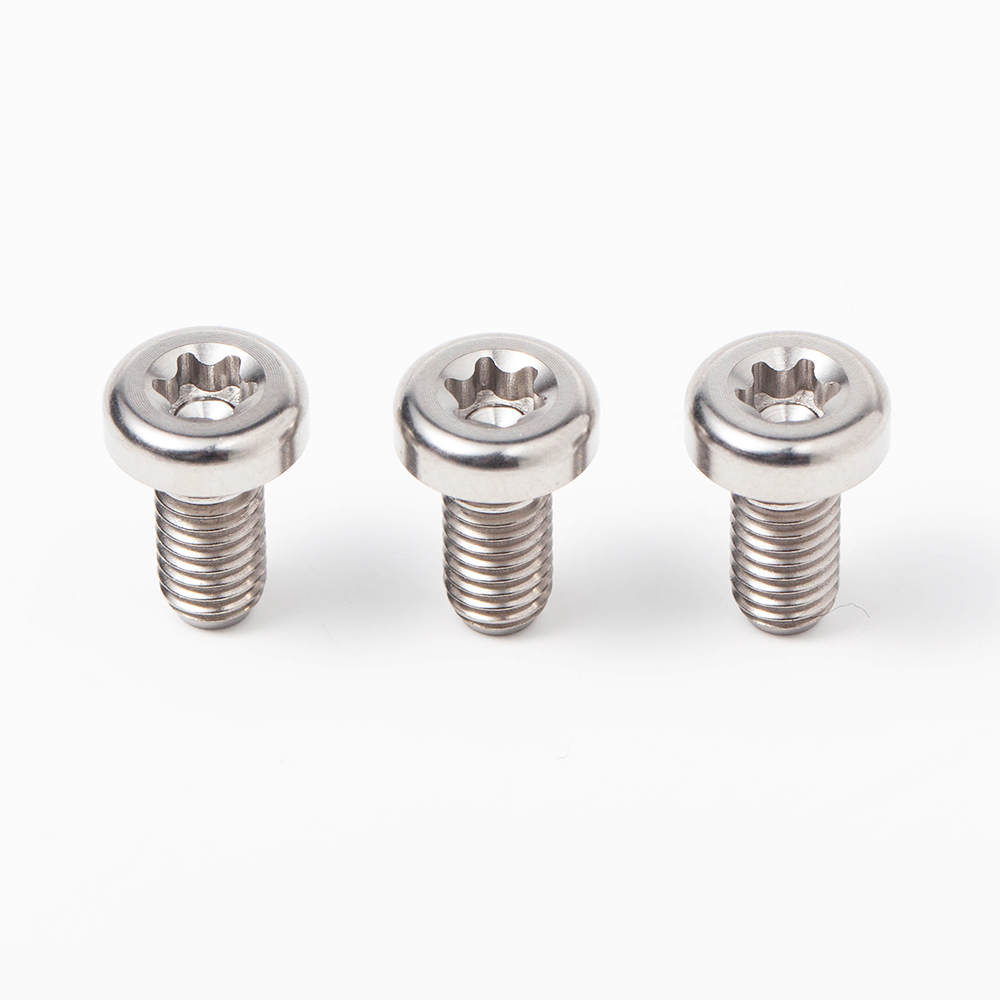
BST-TI M6 M8 Titanium Bolts Grade 9 DIN High Strength & Light Weight Metric Screws
View Specifications →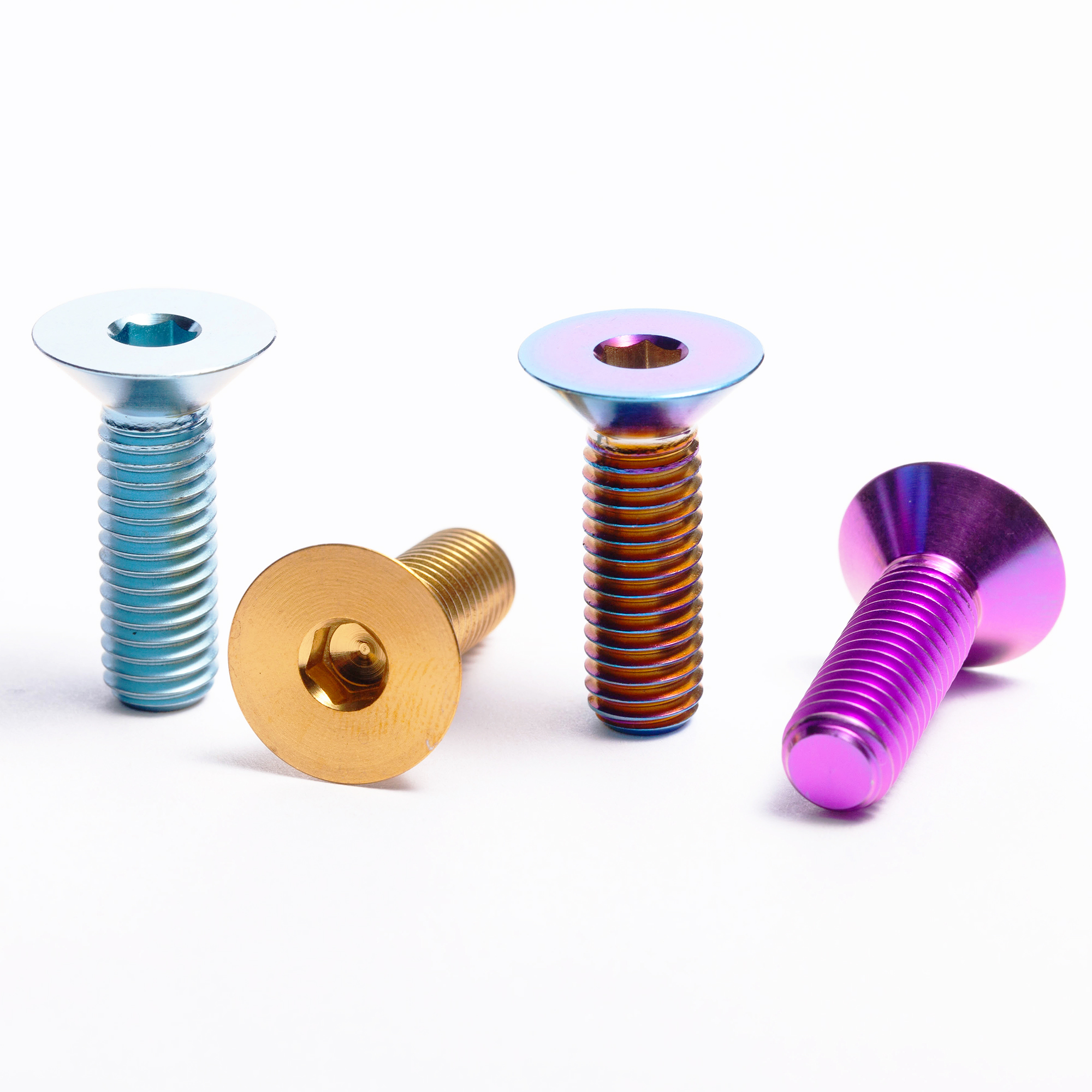
GR5 Titanium Alloy Hex / Torx Drive Precision Allen Bolts & Fasteners
View Specifications →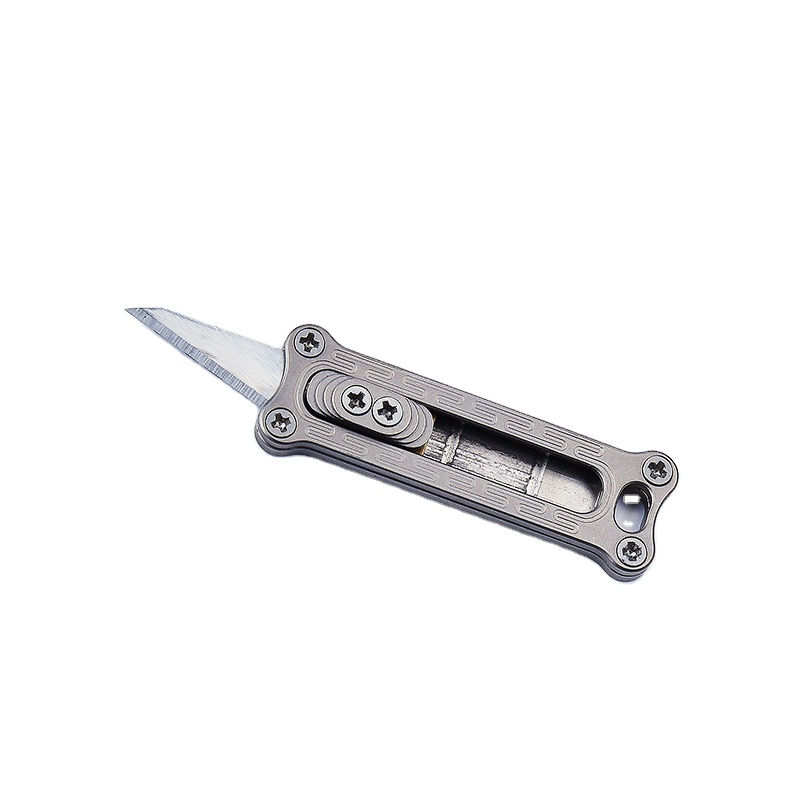
BST-TI Titanium Alloy EDC Multi-functional Pocket Gear & Precision CNC Hardware
View Specifications →Metallurgical Engineering of Aerospace Grade Titanium Alloys
A comprehensive evaluation of chemical composition, phase transformations, and mechanical performance metrics for high-stress aerospace and defense hardware.
Ti-6Al-4V (Grade 5) & Grade 23 (ELI) Alloys
In modern aerospace manufacturing, Grade 5 Titanium (Ti-6Al-4V / AMS 4928) represents over 50% of total structural titanium usage. Its dual-phase alpha-beta microstructural matrix delivers an unparalleled strength-to-density ratio ($4.43\text{ g/cm}^3$), making it ideal for airframe structural fasteners, turbine engine hardware, and flight control actuation components.
For critical subsea, cryogenic, and space applications, Grade 23 Titanium (Ti-6Al-4V ELI - Extra Low Interstitial) is deployed. By strictly limiting interstitial oxygen ($\le 0.13\%$) and iron content, Grade 23 exhibits enhanced fracture toughness ($K_{Ic} \ge 65\text{ MPa}\sqrt{\text{m}}$) and fatigue crack growth resistance under extreme low-temperature environments.
Commercially Pure (CP) Grade 2 Titanium
Where ultra-high tensile strength is secondary to maximum chemical corrosion resistance and ductility, Grade 2 Titanium (ASTM B348 / AMS 4902) remains the industry standard. Its unalloyed, single-phase alpha structure offers immune-level resistance to chloride pitting, marine spray, and aggressive acidic fluids.
Grade 2 components are extensively specified in aircraft environmental control systems (ECS), hydraulic fluid return lines, exhaust heat shrouds, and lightweight non-structural aircraft interior hardware where formability and weldability are paramount.
Aerospace Alloy Performance Matrix
Direct technical comparison between Titanium Alloys, High-Strength Aircraft Aluminum, Inconel Superalloys, and Stainless Fastener Steels.
| Material Grade | Density (g/cm³) | Yield Strength (MPa) | Tensile Strength (MPa) | Max Temp (°C) | Corrosion Resistance | Primary Aerospace Usage |
|---|---|---|---|---|---|---|
| Ti-6Al-4V (Grade 5) | 4.43 | 828 | 895 - 1000 | 400 | Superior | Flight Controls, Engine Bolts, Brackets |
| Ti-6Al-4V ELI (Grade 23) | 4.43 | 795 | 860 | 350 | Superior (Cryo) | Cryogenic Tanks, Spacecraft Fittings |
| CP Titanium (Grade 2) | 4.51 | 275 - 450 | 345 | 300 | Immune to Chloride | Exhaust Shrouds, Hydraulic Lines |
| Inconel 718 (Nickel Superalloy) | 8.19 | 1100 | 1375 | 700 | High | Turbine Hot-Sections, Exhaust Studs |
| Aluminum 7075-T6 | 2.81 | 505 | 572 | 120 | Moderate | Airframe Skins, Low-Stress Fittings |
| Stainless Steel 15-5PH | 7.80 | 1000 | 1150 | 315 | Good | Heavy Load Fasteners, Structural Pins |
Future Procurement Trends in Aircraft Titanium Manufacturing
Strategic forces shaping titanium part sourcing: eVTOL revolution, additive-machining hybrid manufacturing, and China's wholesale supply chain integration.
1. eVTOL & Urban Air Mobility Expansion
The commercialization of electric Vertical Takeoff and Landing (eVTOL) aircraft demands aggressive weight minimization without sacrificing structural integrity. Global Tier-1 buyers are transitioning from high-grade aluminum to thin-wall CNC machined Grade 5 titanium parts for motor mounts, rotor hubs, and battery casing structural ties to maximize energy efficiency and payload capacity.
2. Near-Net-Shape & Hybrid Manufacturing
Traditional subtractive machining from solid billet titanium often yields a Buy-to-Fly ratio as high as 10:1. Future aerospace procurement favors manufacturers utilizing precision closed-die forging and additive manufacturing (3D printing) combined with 5-axis CNC finishing. This hybrid approach significantly reduces raw material waste, shortens lead times, and lowers unit production costs.
3. China's Integrated Wholesale Advantage
With complete vertical integration—from titanium sponge smelting in Shaanxi/Zhejiang to high-speed multi-axis CNC machine shop clusters—China has established a premier wholesale manufacturing hub. Western OEM buyers leverage China's direct factory sourcing to obtain cost savings of 30% to 45% while demanding strict compliance with AS9100D, EN 10204 3.1 material certifications, and full batch traceability.
State-of-the-Art Precision Machining & Surface Processing
Inside Jiaxing Wexra Titanium Products Co., Ltd.: Manufacturing methodologies that guarantee superior fatigue life, exact thread profiles, and aesthetic brilliance.
Cold Thread Rolling vs. Thread Cutting
Threaded fasteners subject to cyclic stress fail primarily due to fatigue cracks initiating at the thread root. At Wexra Titanium, all aerospace-grade male threads are manufactured via Cold Thread Rolling with UNJ / MJ thread profiles (AS8879 compliant).
- Unbroken Grain Flow: Cold rolling forces titanium grain lines to follow the thread contour rather than cutting across them.
- Compressive Stress Layer: Induces residual compressive surface stresses, increasing fatigue endurance life by up to 300%.
- Controlled Root Radius: Smooth, enlarged root radii minimize stress concentration factors ($K_t$).
Surface Passivation, Anodizing & PEO Coatings
Titanium naturally forms a protective surface oxide layer ($\text{TiO}_2$). To enhance wear resistance, thermal control, and surface aesthetics, we provide advanced specialized treatments:
- Type II Anodizing (AMS 2488): Produces a dense, lubricious anti-galling oxide film suitable for high-load sliding contact.
- Color Interference Anodizing: Precise electrochemical voltage control produces vivid spectrum colors (burnt blue, gold, purple) without adding non-conductive organic dyes or altering thread dimensions.
- Plasma Electrolytic Oxidation (PEO): Converts surface layers into ceramic matrix coatings for extreme dielectric insulation and micro-hardness ($>800\text{ HV}$).
Why Direct Sourcing from Wexra Titanium Mitigates Buyer Risk
Operating under a total quality management framework to deliver total compliance, zero-defect delivery, and rapid turnarounds for international clients.
ISO 9001:2015 & Inspection Lab
Our quality control facility is equipped with automated Coordinate Measuring Machines (CMM), Optical Profile Projectors, Spectrometers for elemental chemical analysis, and Hardness Testers to ensure every lot meets rigorous engineering drawings.
Complete Document Package
Every shipment includes EN 10204 3.1 Material Test Certificates (MTC), dimensional inspection reports, heat treatment logs, and compliance declarations for RoHS, REACH, and EPR international standards.
Global Fulfillment & Support
Serving buyers across the United States, Germany, the United Kingdom, Canada, and beyond. Dedicated English-speaking engineering support provides sub-12-hour response times for technical RFQs.
Frequently Asked Sourcing & Engineering Questions
Clear, direct answers to common questions asked by aerospace procurement leads, quality managers, and mechanical design engineers.
What is the difference between Grade 5 (Ti-6Al-4V) and Grade 23 (Ti-6Al-4V ELI) for aircraft parts?
Grade 5 (Ti-6Al-4V) is the standard structural titanium alloy with a minimum tensile strength of 895 MPa. Grade 23 (Ti-6Al-4V ELI) is an Extra Low Interstitial version with strictly controlled oxygen, nitrogen, and iron contents. Grade 23 provides improved fracture toughness and higher fatigue crack growth resistance, making it preferred for cryogenic aerospace systems, critical flight-control linkages, and medical-aerospace implants.
How does Wexra Titanium prevent thread galling in titanium bolt assemblies?
Titanium-to-titanium metal contact under torque can suffer from adhesive wear or galling due to its natural oxide breakdown. We mitigate this through cold thread rolling (creating smooth root finishes), application of specialized anti-galling lubricants (MoS2 or anti-seize paste), or surface modification coatings such as Type II Anodizing (AMS 2488) or dry-film lubricated surface layers.
Can you process custom titanium aerospace parts directly from 3D CAD files?
Yes. We provide complete OEM/ODM production services. Our engineering department works with STEP, IGES, DXF, and SolidWorks CAD files. We conduct a Design for Manufacturability (DFM) review to optimize tool paths, minimize setup operations, select optimum cutting parameters, and deliver rapid prototypes within 5 to 7 working days.
What quality testing documentation accompanies wholesale titanium components?
Every shipment includes an EN 10204 3.1 Material Test Certificate verifying chemical composition and mechanical tensile properties from mill heat lots. Dimensional CMM inspection reports, thread pitch tolerance verification, and optional non-destructive testing (NDT dye penetrant inspection) reports are provided upon request.
How does titanium compare to carbon fiber composite in aerospace structures?
Titanium is chemically compatible with carbon fiber reinforced polymers (CFRP) because it has a similar thermal expansion coefficient and matching electrochemical potential. Unlike aluminum, which suffers galvanic corrosion when directly joined to carbon fiber, Grade 5 and Grade 2 titanium fasteners and structural interfaces do not corrode, making them the industry standard for CFRP assembly hardware.
Partner with China's Premier Titanium Aircraft Parts Manufacturer
Ready to optimize your component weight, eliminate corrosion risks, and reduce wholesale procurement costs? Submit your engineering drawings or request a competitive quote today.
Inquire Now