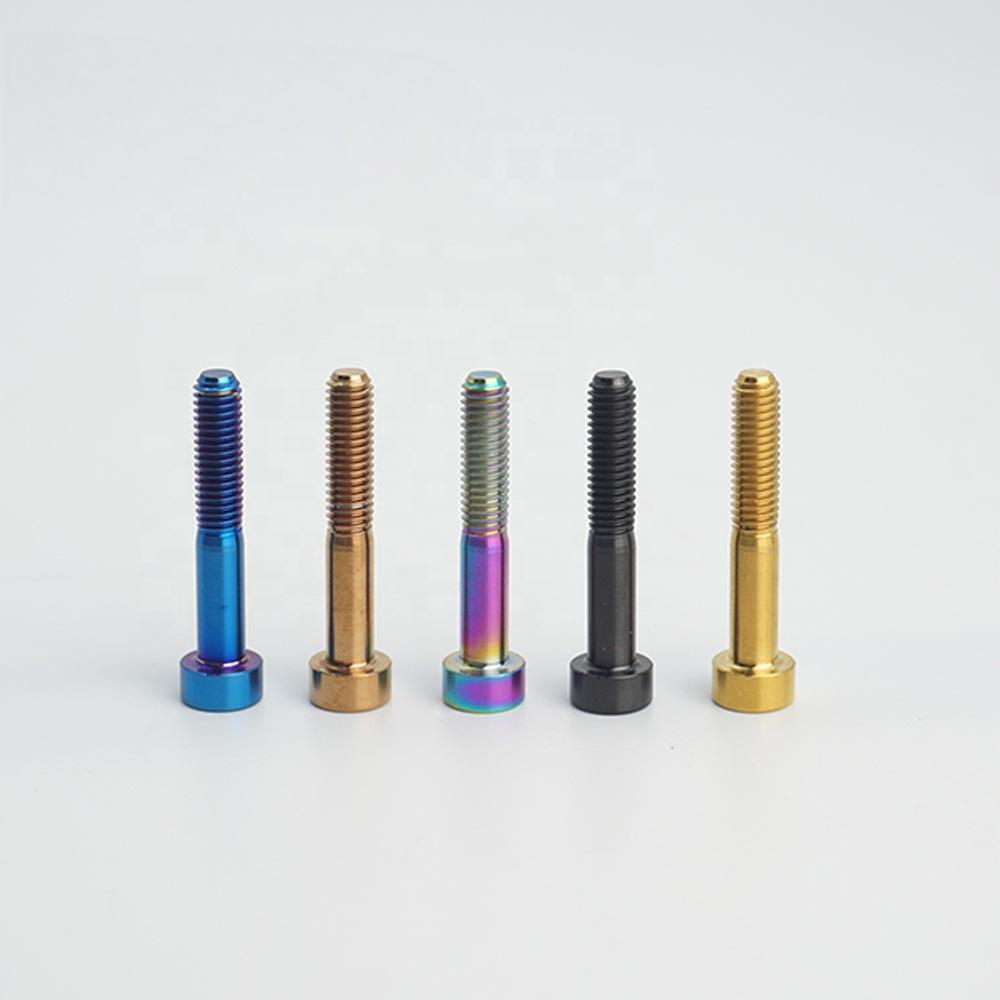
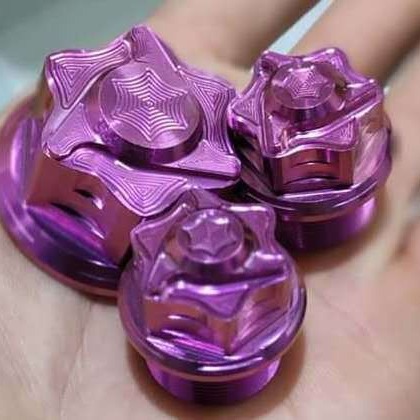
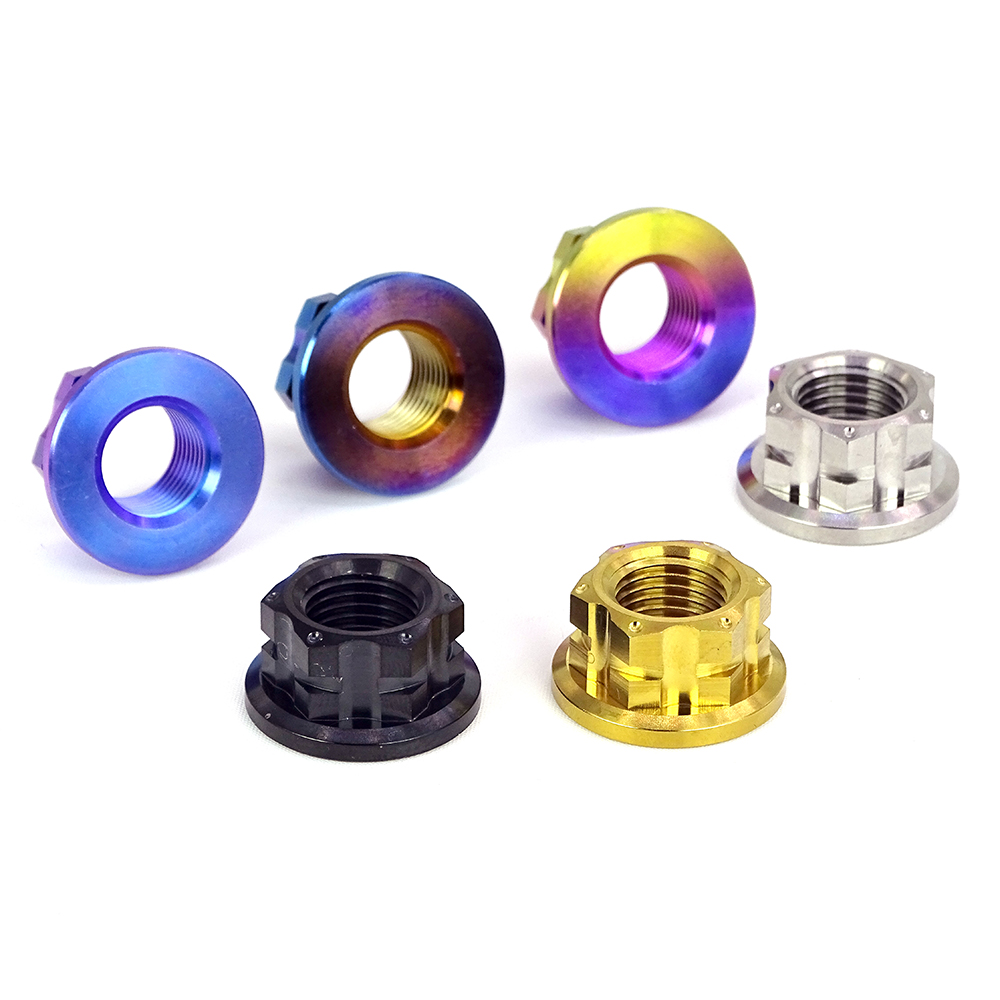
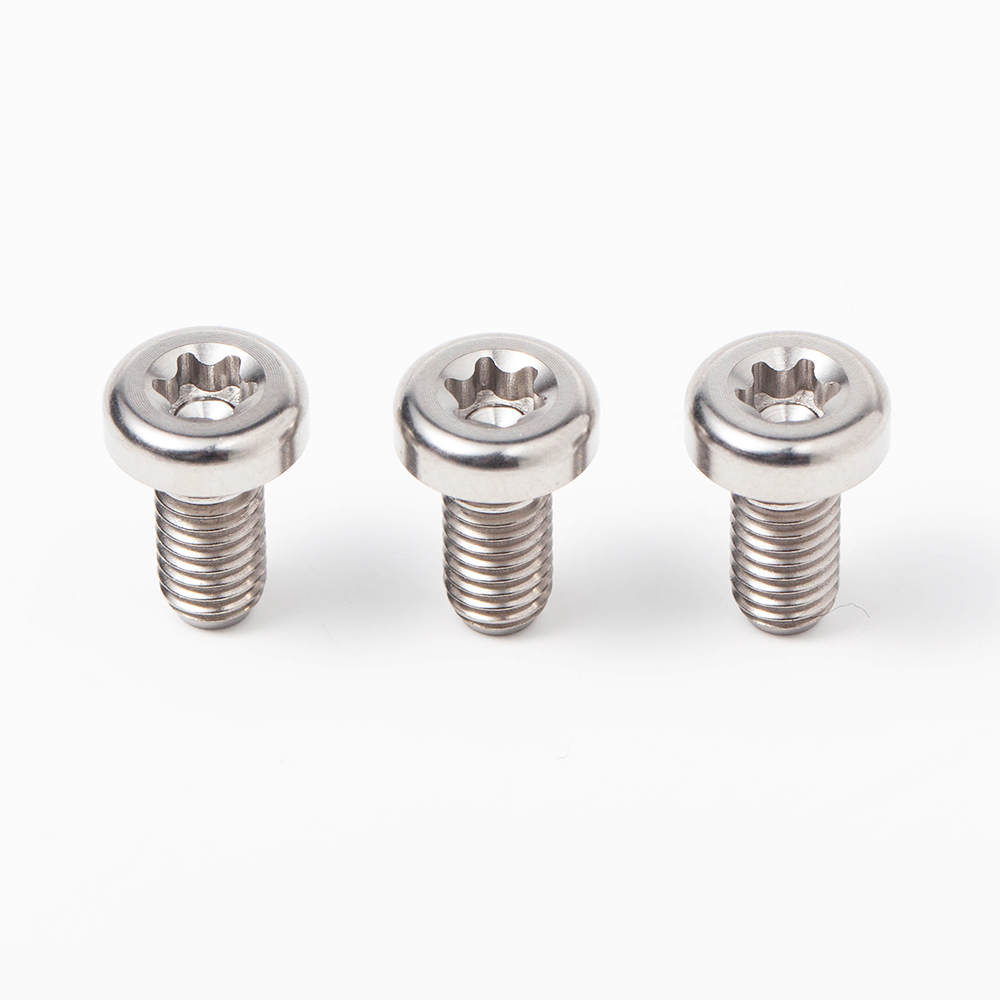
Featured Wholesale Titanium Hardware & Fasteners
Engineered from Premium Grade 2 CP and Grade 5 (Ti-6Al-4V) Alloys for High-Stress Motorsport, Cycling, Marine, and Industrial Applications
Industrial Titanium Welding Wire & Alloy Engineering Standards
An Expert Analysis on AWS A5.16 Specifications, Microstructural Integrity, and Weld Pool Behavior in High-Performance B2B Applications
AWS A5.16 Wire Classifications
Selecting the ideal welding filler metal requires matching base metal chemistry with precision wire. Common grades include ERTi-1, ERTi-2 (Commercially Pure) for exceptional ductility and chemical resistance, and ERTi-5 (Ti-6Al-4V) for high tensile applications demanding up to 895 MPa yield strength.
Surface Cleanliness & Wire Feeding
Hydrogen embrittlement and porosity are the primary failure points in titanium TIG/MIG welding. China wholesale factories utilize ultra-sonic chemical etching and diamond-wire drawing to maintain a smooth, oxide-free surface finish, guaranteeing seamless feeding in automated robotic welding cells.
Atmospheric Shielding & HAZ
At temperatures exceeding 400°C, titanium rapidly absorbs oxygen and nitrogen. Our whitepaper emphasizes the strict implementation of 99.999% pure Argon secondary trailing shields to preserve the heat-affected zone (HAZ) integrity, ensuring shiny silver weld beads with zero contamination coloration.
| AWS/ASTM Grade | Nominal Chemical Composition | Tensile Strength (MPa) | Elongation (%) | Primary Industrial Applications |
|---|---|---|---|---|
| ERTi-1 (CP Grade 1) | Unalloyed Ti, O ≤ 0.18% | ≥ 240 MPa | ≥ 24% | Plate Heat Exchangers, Anodizing Baskets, Desalination Plants |
| ERTi-2 (CP Grade 2) | Unalloyed Ti, O ≤ 0.25% | ≥ 345 MPa | ≥ 20% | Chemical Processing Vessels, Marine Piping, Exhaust Systems |
| ERTi-5 (Ti-6Al-4V) | Ti - 6% Al - 4% V | ≥ 895 MPa | ≥ 10% | Aerospace Frames, Motorsport Components, Defense Systems |
| ERTi-7 (Ti-Pd Alloy) | Ti - 0.12% to 0.25% Pd | ≥ 345 MPa | ≥ 20% | Extreme Acid Chemical Reactors, Offshore Oil & Gas Drilling |
| ERTi-23 (Ti-6Al-4V ELI) | Ti - 6% Al - 4% V (Extra Low Interstitial) | ≥ 828 MPa | ≥ 12% | Cryogenic Pressure Vessels, Medical Implants, Subsea Hardware |
Future Sourcing & Procurement Trends for Wholesale Titanium Wire & Parts
How Evolving Industrial Demands, Green Hydrogen Transition, and Advanced Additive Manufacturing Are Reshaping the Supply Chain
1. Wire Arc Additive Manufacturing (WAAM) Explosion
The global aerospace and heavy engineering sectors are rapidly shifting from high-waste subtractive billet machining to Wire Arc Additive Manufacturing (WAAM). WAAM utilizes certified AWS A5.16 titanium welding wire as a 3D printing feedstock to build large-scale structural components. B2B procurement managers are actively securing direct-factory contracts with Chinese manufacturers capable of supplying high-spool-weight (15kg–20kg spool) precision-wound titanium wire with zero micro-cracks and uniform tensile elasticity.
2. Green Hydrogen & PEM Electrolyzer Expansion
To achieve net-zero carbon targets, green hydrogen production via Proton Exchange Membrane (PEM) electrolyzers is surging across Europe and North America. Titanium Grade 1 and Grade 2 wire, porous sheets, and custom CNC gas diffusion layer (GDL) plates are essential to withstand the highly acidic, oxygen-rich environments. Procurement trends indicate a 35% compound annual growth rate (CAGR) for high-purity titanium wire and hardware sourced directly from Zhejiang and Shaanxi manufacturing hubs.
3. Motorsport & High-End Cycling Lightweighting
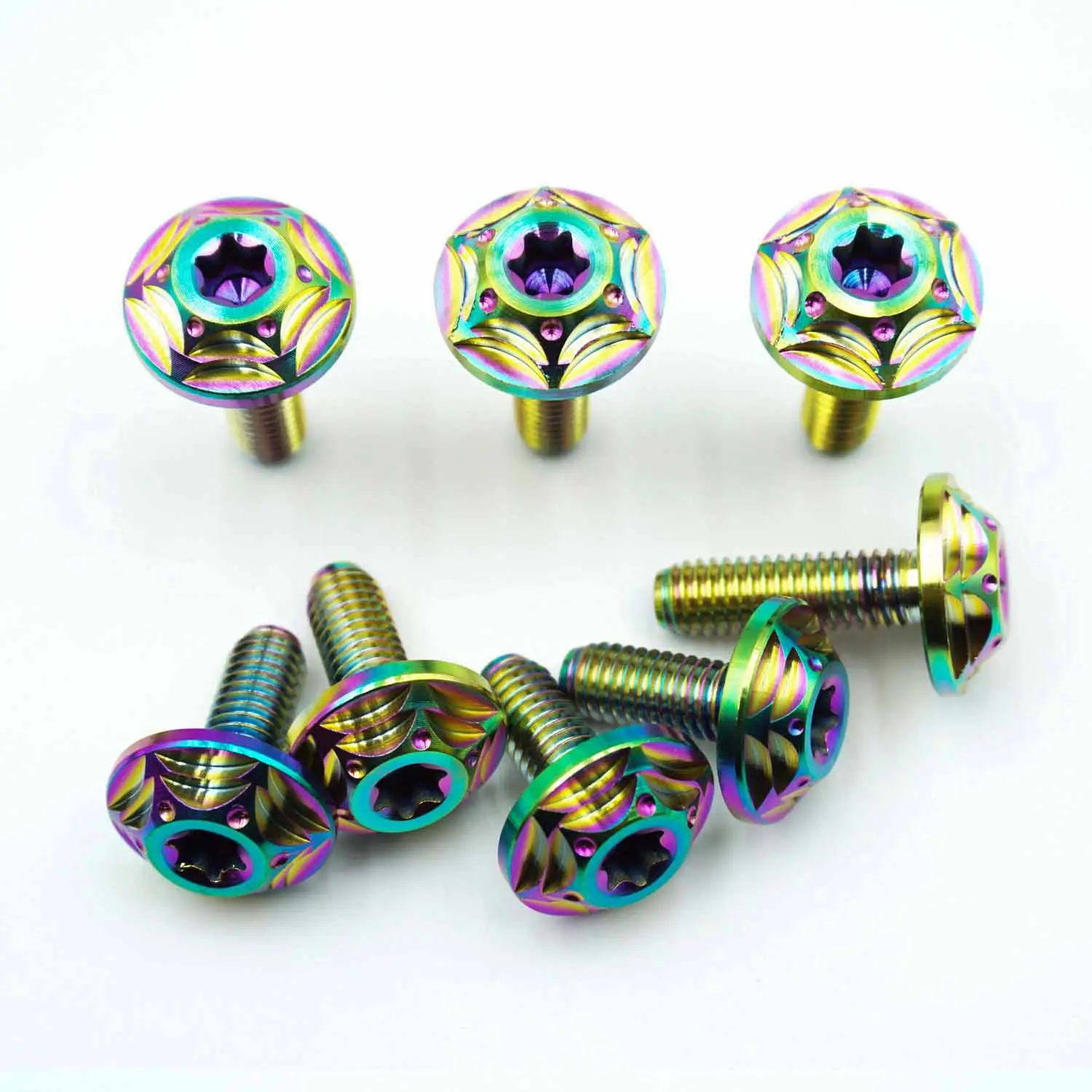
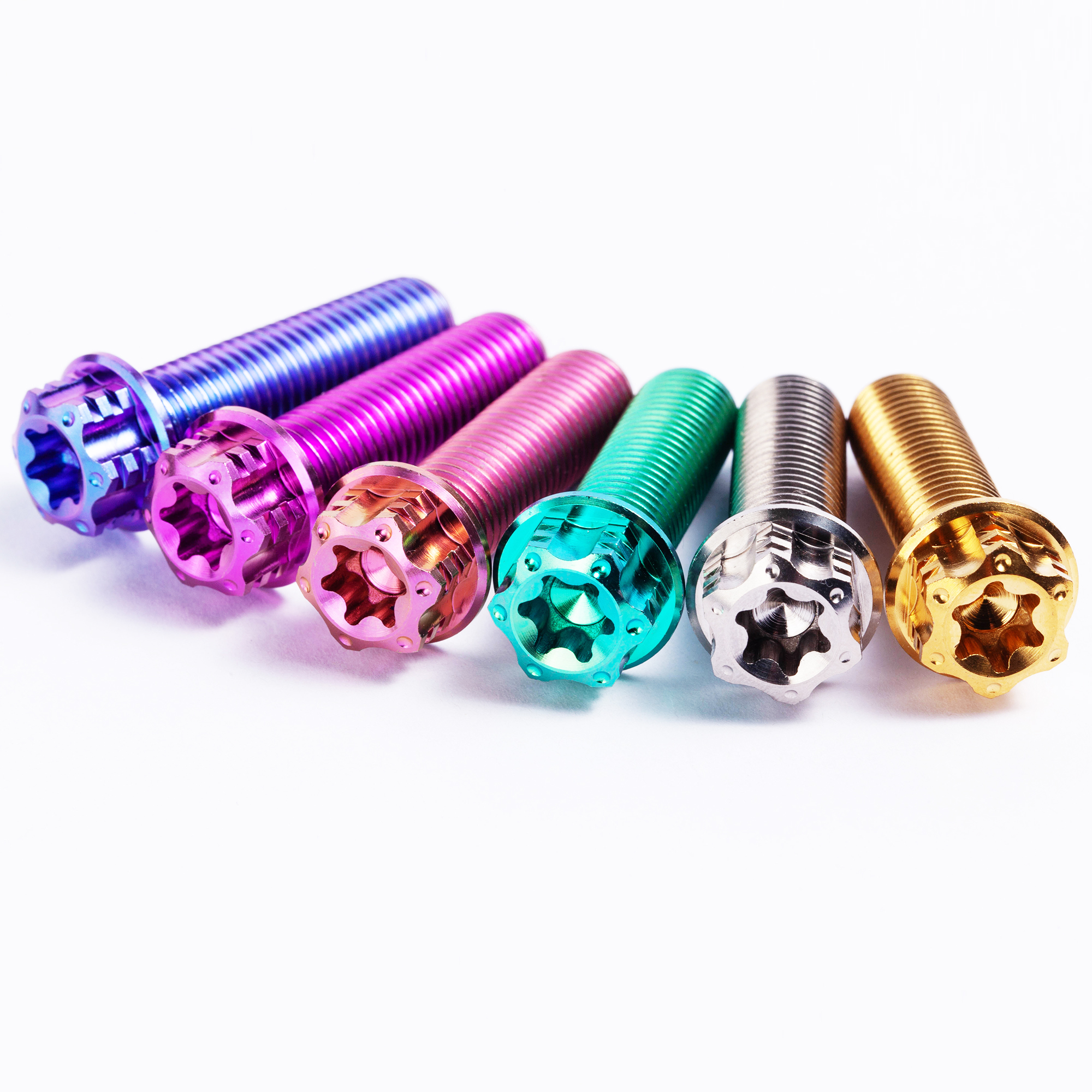
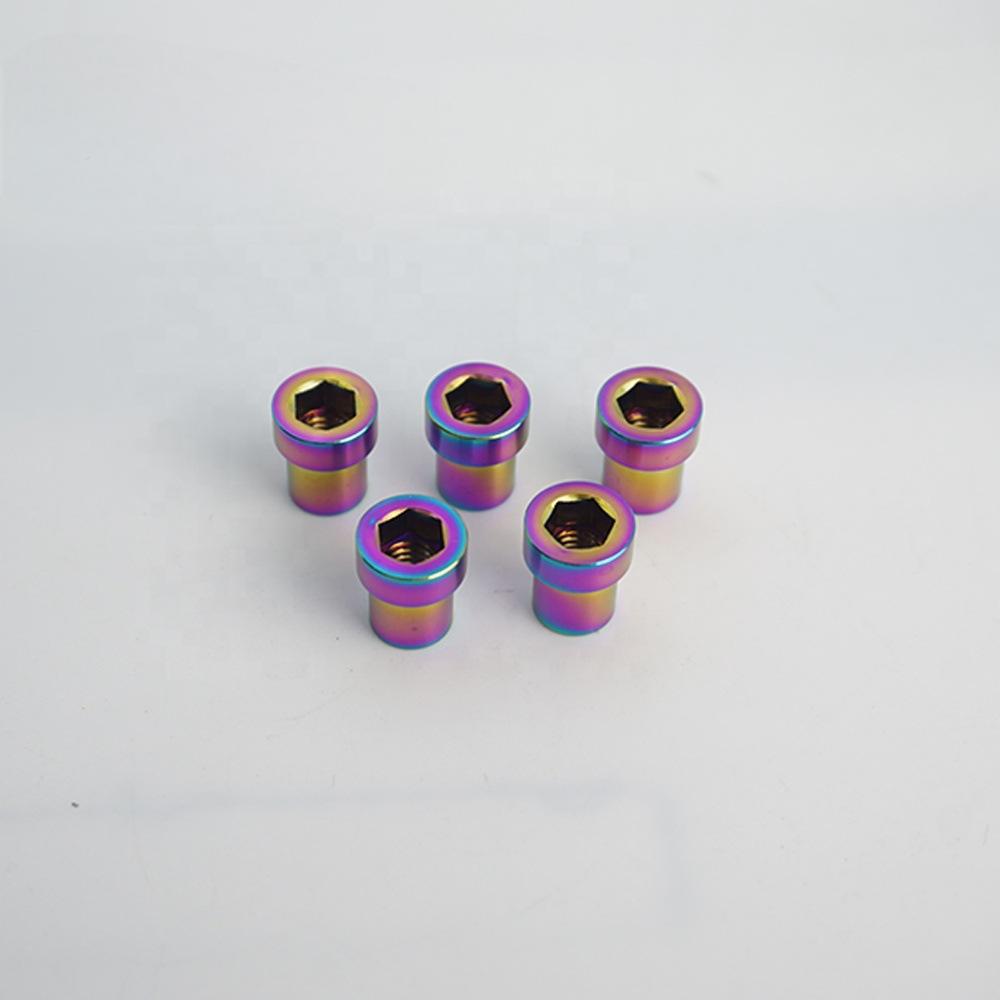
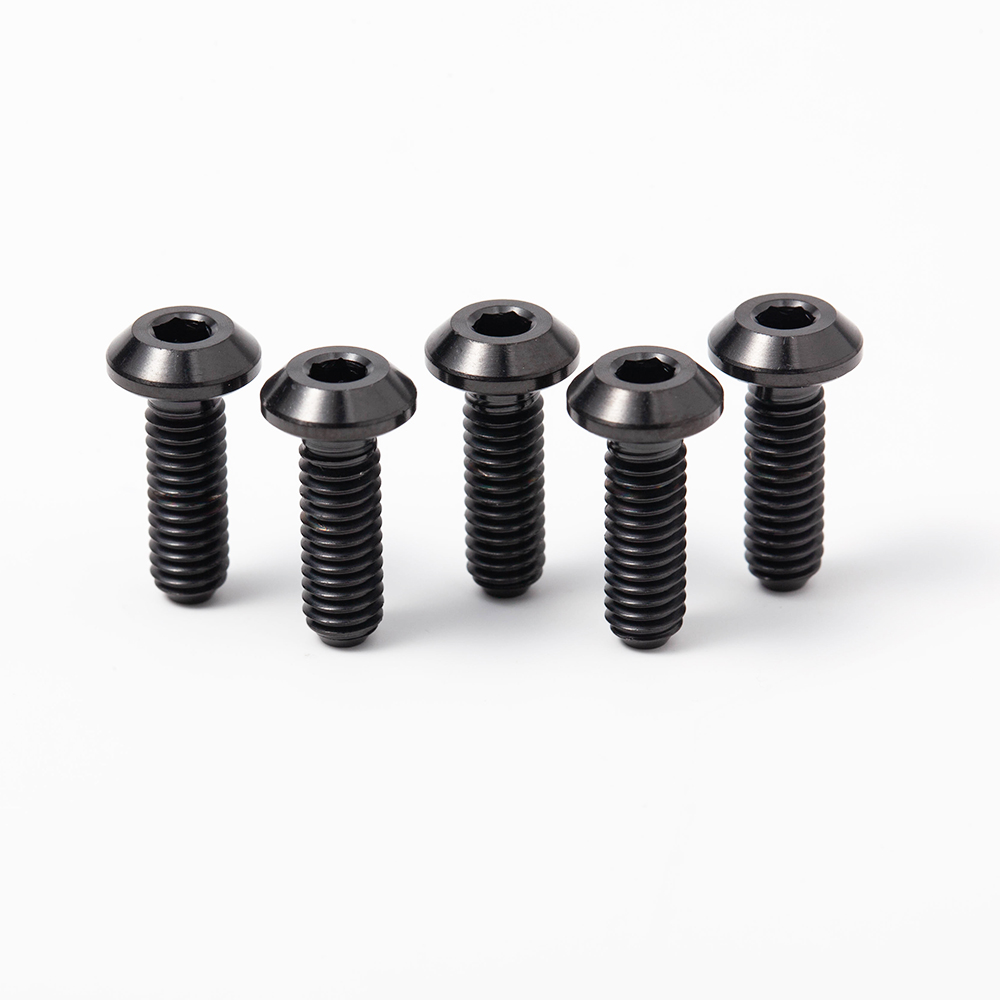
In competitive automotive racing, electric vehicle (EV) performance tuning, and high-end carbon fiber bicycle manufacturing, engineers are replacing Class 10.9 steel fasteners with Grade 5 (Ti-6Al-4V) titanium CNC bolts, flange locking nuts, and hollow axle shafts. Sourcing directors require suppliers to provide integrated multi-axis CNC turning, thread rolling for fatigue resistance, and custom PVD/Anodized cosmetic finishes under one roof.
4. Traceability & ESG Compliance in Supply Chains
Modern OEM buyers demand complete material origin verification. Tier-1 buyers no longer accept unverified hardware; they require batch-specific Mill Test Certificates (MTC) according to EN 10204 3.1, chemical spectrographic analysis, RoHS, REACH, and EPR packaging compliance. Partnering with ISO 9001:2015 accredited factories in China ensures frictionless customs clearance and auditing transparency.
Why Direct Wholesale Sourcing from Jiaxing Wexra Titanium Guarantees Competitive Edge
Located in Zhejiang, China — Combining Advanced Metallurgy, Multi-Axis CNC Turning, and Strict Quality Assurance Systems
Full In-House Manufacturing
Spanning over 1,000+ m² of modern facility space, Jiaxing Wexra Titanium Products Co., Ltd. operates state-of-the-art CNC machining centers, automated thread rolling machines, surface laser cutters, and anodizing lines. We eliminate middleman markups to deliver direct factory wholesale pricing.
ISO 9001:2015 & Compliance
Every production lot is subjected to rigid dimensional inspection, thread pitch micrometer testing, and Positive Material Identification (PMI). We strictly adhere to RoHS, REACH, CE, and UKCA standards, supplying verified paperwork for seamless Western import procedures.
Global Logistics & Rapid Prototyping
With major export presence across the US, Germany, UK, Canada, and Australia, our engineering team offers rapid turnarounds on custom OEM/ODM projects from 2D/3D CAD drawings, guaranteeing sample lead times as fast as 7–10 days.
Frequently Asked Questions (FAQ) for Titanium Buyers
Detailed Engineering & Commercial Answers to Common Questions Regarding Titanium Welding Wire, Fastener Specifications, and Wholesale Ordering
Q: What is the main difference between AWS A5.16 ERTi-2 and ERTi-5 titanium welding wire?
A: ERTi-2 is a commercially pure (CP) titanium filler wire designed for welding Grade 1, 2, and 3 base metals where maximum corrosion resistance and high ductility are needed (e.g., chemical processing tanks, heat exchangers). ERTi-5 is an alloy wire (Ti-6Al-4V) engineered for welding Grade 5 titanium structures where high tensile strength (approx. 895 MPa) and fatigue endurance are required, such as aerospace frames, racing motorcycle exhausts, and sports hardware.
Q: Why should I select Grade 5 (Ti-6Al-4V) over Grade 2 for titanium bolts and CNC parts?
A: Grade 5 titanium alloy is heat-treatable and offers more than double the yield and tensile strength of Grade 2 commercially pure titanium. Grade 5 is ideal for high-stress load-bearing applications like brake caliper bolts, stem bolts, wheel lug nuts, and structural brackets. Grade 2 is lighter in cost, highly formable, and suitable for non-load-bearing or severe chemical/marine corrosion environments.
Q: What steps prevent oxidation and discoloration during titanium wire welding?
A: Titanium reacts aggressively with oxygen and nitrogen at temperatures above 400°C. To ensure ductile, sound welds, welders must use high-purity (99.999%) Argon shielding gas, a trailing shield cup to cover the cooling weld pool, and back-purging for hollow tubing. A bright silver to light straw color indicates an optimal weld; blue, purple, or powdery white indicates severe atmospheric contamination.
Q: Can Jiaxing Wexra Titanium manufacture custom CNC parts from customer CAD drawings?
A: Yes. We specialize in OEM and ODM custom manufacturing. Clients can provide STEP, IGES, DWG, or PDF drawings or physical samples. Our engineering team conducts Design for Manufacturability (DFM) reviews to optimize tolerances (±0.01mm), thread profile parameters, and surface finishing options (anodizing, PVD coating, bead blasting, polishing).
Q: What quality control documentation accompanies wholesale titanium wire and fastener shipments?
A: All orders are supplied with complete quality assurance packages, including Mill Test Certificates (MTC) according to EN 10204 3.1 detailing chemical composition and mechanical test properties. We also supply dimensional inspection reports, PMI spectrographic reports, and RoHS/REACH compliance certificates upon request.
Q: How does titanium anodizing affect bolt dimensions and thread fit tolerances?
A: Titanium anodizing is an electrochemical process that grows a microscopic oxide layer on the surface to create interference colors (gold, blue, purple, green, rainbow) without pigments. Unlike aluminum hard anodizing or heavy electroplating, titanium anodizing adds virtually zero dimensional thickness to the thread profile, maintaining standard Class 6g / 6H thread fit precision.
Q: What is the typical lead time and MOQ for China wholesale orders?
A: Standard titanium fasteners and stock wire spools/straight rods usually ship within 3–7 business days. Custom CNC machined components or specialized anodized batches typically require 15–20 days depending on order volume and complexity. We maintain flexible Minimum Order Quantities (MOQ) to support prototype testing before scaling to full container shipments.
Ready to Upgrade Your Titanium Supply Chain?
Connect directly with Jiaxing Wexra Titanium's engineering and sales team. Request technical whitepaper consultation, material certificates, or custom project quotes today.